Biotechnological Potential of Isolated Bacteria from Post-Consumer LED Lamps for Solubilization of Critical Metals
Abstract
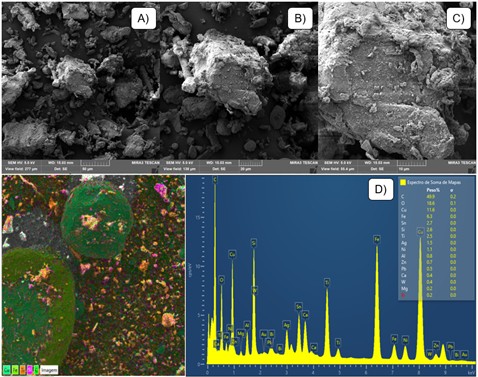
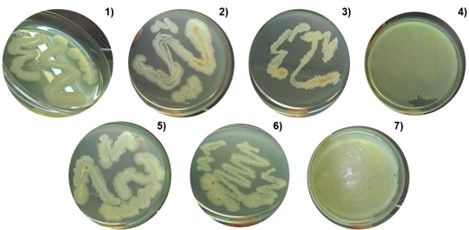
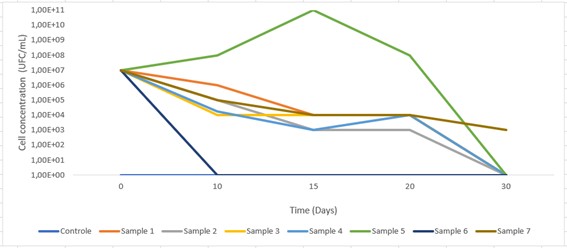
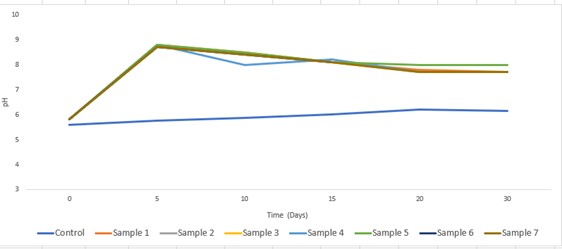
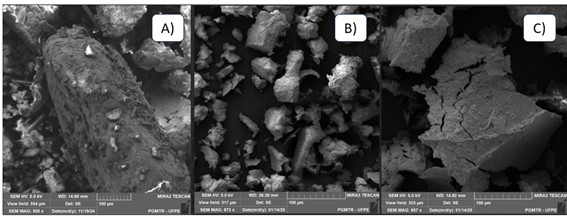
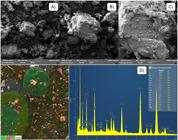
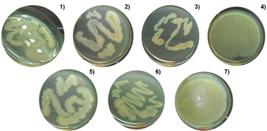
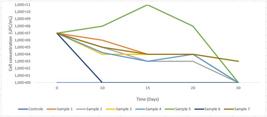
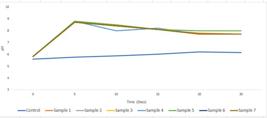
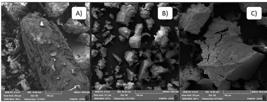
This study evaluates the biotechnological potential of isolated microorganisms for the solubilization of critical and valuable metals in LED lamp waste through a biometallurgical process, called bioleaching or biomineration, which occurs with the production of metabolites by microorganisms capable of transforming metals from the solid phase to the liquid phase. Seven different bacteria from LED waste were isolated. Among them, six samples were identified as belonging to the Bacillus genus. The pH increase indicates that the solubilization of the metals occurred through cyanogenesis. Cellular viability was monitored throughout the process, with viable cells existing for up to 30 days of experiment. The Scanning Electron Microscopy images showed changes in the LED particles size after the bioleaching process, confirming the degradation of the material from the metabolites produced by the microorganism during the process.
Keywords:
Bioleaching; Microbial metabolism; Cell viability
 Thumbnail
 Thumbnail
 Thumbnail
 Thumbnail
 Thumbnail