Influence of additives use from natural sources on the mechanical performance of post-consumer HDPE composites reinforced with natural fibers
Abstract
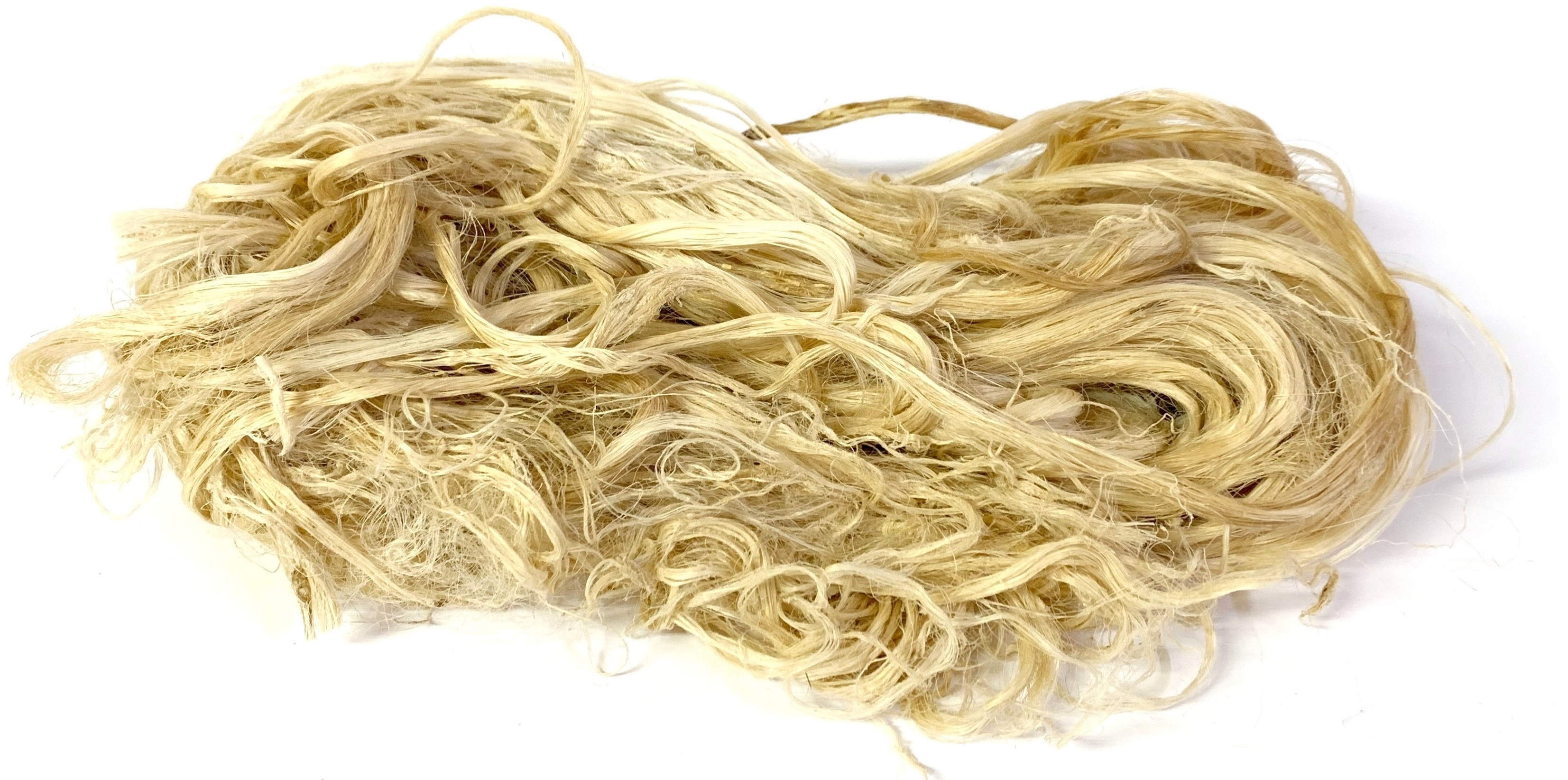
This study investigated the efficiency of different natural-source additives as coupling agents in sustainable composites based on post-consumer high-density polyethylene (HDPEpc) reinforced with 30 wt.% curauá fiber (CF). The effects of citric acid (CA), pine rosin (PR), and pine lignin (PL) were evaluated in comparison to a conventional synthetic agent, maleic anhydride-grafted polyethylene (MAPE). Mechanical tests — tensile, flexural, and Izod impact — demonstrated that the addition of natural-source additives resulted in significant improvements in the mechanical properties compared to the composite without additives. The performance of the composite with the addition of PR was statistically similar to that of the composite compatibilized with MAPE. The results highlight the potential of PR, a natural resin, as a coupling agent, suggesting a viable, renewable, and more environmentally suitable alternative to synthetic coupling agents, thereby contributing to the development of more sustainable thermoplastic composites.
Keywords:
Mechanical performance; thermoplastic composite; curaua fiber; natural additives; sustainability
 Thumbnail
 Thumbnail
 Thumbnail
 Thumbnail
 Thumbnail
 Thumbnail
 Thumbnail
 Thumbnail