A protocol for collecting coastal observations of oil spills from Instagram: case studies from the Brazilian coast
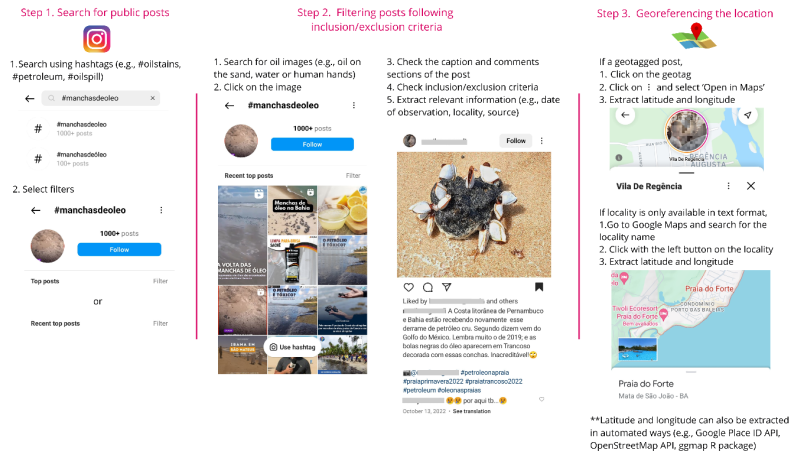
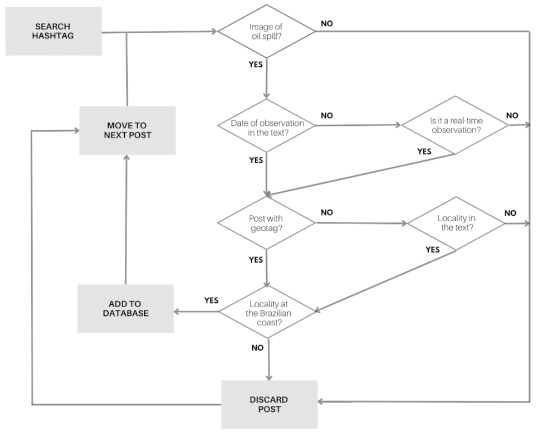
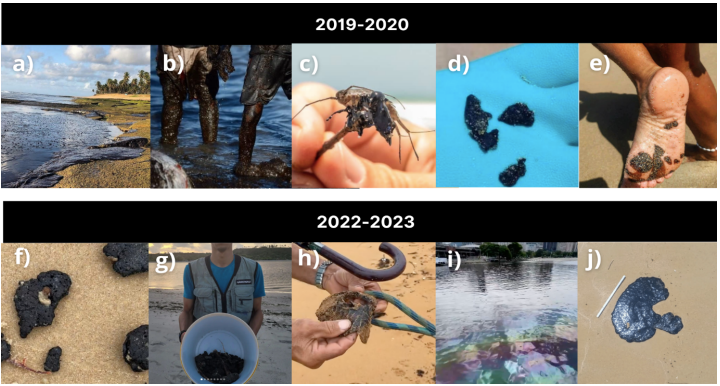
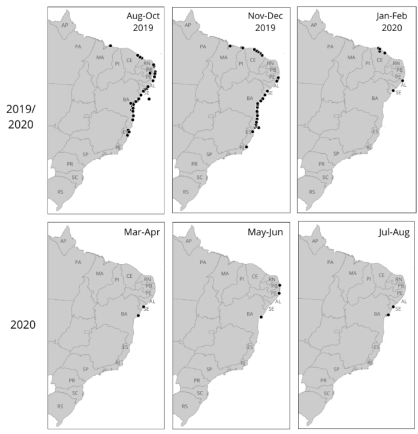
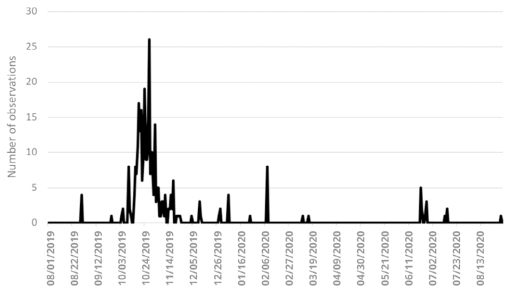
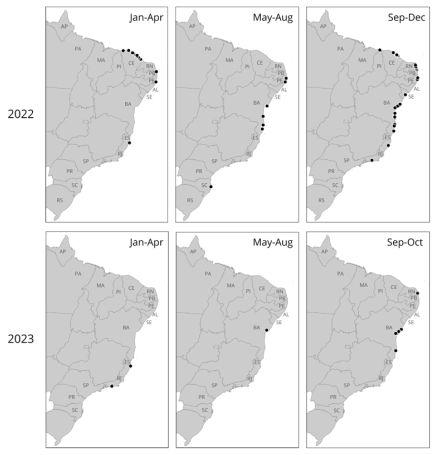
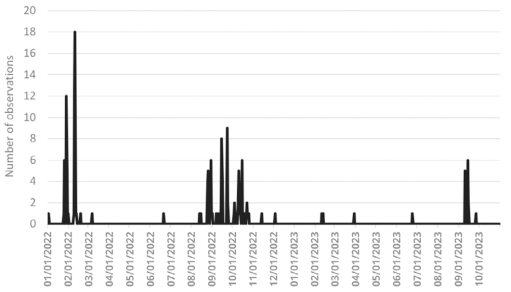
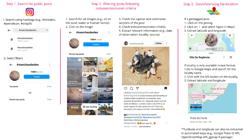
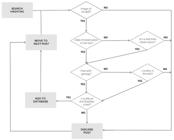
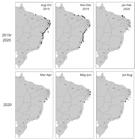
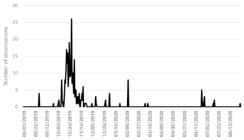
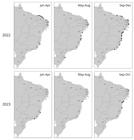
Oil spills cause extensive negative impacts on marine ecosystems. However, detecting and monitoring these incidents remains challenging, primarily due to the lack of real-time data for tracking and mapping oil along the coastlines. While some previous studies have utilized social media to extract georeferenced images of oil spills, there currently exists no standardized protocol for researchers to compile oil observations from these platforms. This study offers a comprehensive protocol for searching, filtering, and georeferencing oil spill observations based on Instagram. We analyzed social media posts regarding oil spills on the Brazilian coast that were shared during the 2019/2020 oil spill disaster (from August 2019 to August 2020) and included more recent observations from January 2022 to October 2023. A total of 312 oil spill observations were recorded in 170 localities for 2019/2020, and 162 observations were noted in 111 localities for 2022/2023. These records closely align themselves with previous observations in the literature. Our findings show that Instagram serves as a cost-effective and real-time tool for monitoring large-scale and sporadic oil spills. Despite some challenges associated with investigations using social media, our study highlights its potential to enhance the coastal surveillance of oil spills.
Keywords:
Oil spill monitoring; Oil slicks; Social media; Crowdsourcing; Coastal surveillance
 Thumbnail
 Thumbnail
 Thumbnail
 Thumbnail
 Thumbnail
 Thumbnail
 Thumbnail