Cigarette butt pollution on a mesotidal Argentine beach: spatial patterns, environmental drivers, and implications for coastal management
ABSTRACT
Cigarette butts (CBs) were among the most prevalent types of litter found on tourist beaches, showing high persistence and toxicity. This study analyzed their spatial and temporal distribution on the mesotidal beach of Pehuen Co (Argentina), integrating environmental variables, recreational use, and social perception. Twelve monthly CB collection campaigns were conducted, and surveys were administered to beach visitors. Via multivariate analysis, three environmental scenarios were identified based on the interaction between tourist pressure, natural removal, and CB accumulation. The Cigarette Butts Pollution Index (CBPI) was also applied. The service zone showed the highest levels of pollution, while tidal action reduced accumulation in the intertidal areas. Visitors’ perceptions highlighted the lack of infrastructure for proper CB disposal. These findings support a scenario-based approach and highlight the CBPI as a valuable tool for coastal management, especially in highly seasonal tourist settings.
Keywords:
Cigarette butts; Mesotidal beaches; CBPI; Coastal monitoring; Marine litter
INTRODUCTION
Tobacco product waste, particularly cigarette butts (CBs), is one of the most abundant and persistent forms of pollution in public spaces, urban ecosystems, and coastal environments (Slaughter et al., 2011; Novotny et al., 2015). Although historical attention has primarily focused on the health effects of smoking, scientific interest in understanding the environmental consequences of the improper disposal of these residues has increased over the past two decades (Morales-Caselles et al., 2021).
The estimative is that more than six trillion cigarettes are consumed annually worldwide, and between 65% and 75% are improperly discarded, ending up in soils, watercourses, and marine ecosystems (WHO, 2017; Araújo and Costa, 2019). Recent studies on beaches across Asia, Europe, and South America have highlighted the high abundance and persistence of CBs in sandy coastal environments, particularly in tourist settings (Mghili et al., 2023; Yona et al., 2024; Nguyen et al., 2025) On beaches, CBs represent not only a source of visual pollution but also a chemical and biological hazard to local biodiversity (Wallbank et al., 2016; Garrido Lazo et al., 2024).
CBs are primarily composed of cellulose acetate, a synthetic polymer with slow degradation, which functions as a filter and retains hundreds of toxic compounds, including nicotine, polycyclic aromatic hydrocarbons, heavy metals, and emerging contaminants (Bonanomi et al., 2015; Farzadkia et al., 2024). Filters can persist for years under natural conditions, gradually releasing contaminants with potentially harmful effects on aquatic and terrestrial organisms (Rath et al., 2012; Bonanomi et al., 2020; Garrido Lazo et al., 2024). Some authors have proposed classifying them as hazardous waste due to their toxicity and resistance to degradation (Novotny et al., 2009; Farzadkia et al., 2024).
In coastal environments, CBs affect the functionality, aesthetic perception, and environmental quality of beaches, negatively impacting both the recreational experience and the sustainability of tourism (Silva-Iñiguez et al., 2012; Zielinski et al., 2019). Monitoring studies on beaches have shown that CBs are among the most frequent litter items and that their accumulation is highly variable depending on human use and environmental dynamics (Kataržytė et al., 2020; Yang et al., 2024; Yona et al., 2024). Furthermore, the sampling methodology can significantly influence abundance estimates and the assessment of associated pollutant release, such as heavy metals (Kouhi et al., 2025). Within this framework, specific tools such as the Cigarette Butt Pollution Index (CBPI) have been developed to integrate factors such as density, environmental vulnerability, and toxicity to assess the severity of this type of pollution (Torkashvand et al., 2021; Howlader et al., 2023).
However, knowledge gaps remain regarding how local oceanographic and meteorological conditions interact with the accumulation, persistence, and visibility of CBs. Recent studies suggest that factors such as tidal dynamics and wind direction can significantly influence the redistribution or removal of litter, which complicates its monitoring and potentially underestimates its actual impact (Morales-Caselles et al., 2021; Yang et al., 2024; Yogaswara et al., 2024).
In this context, mesotidal beaches (those with tidal ranges between 2 and 4 m) constitute key environments for studying these processes, as the periodic advance of seawater over the intertidal zone may act as a natural transport mechanism for light debris such as CBs. However, this interaction has been poorly documented and is rarely incorporated into coastal management frameworks.
In this study, the effects of mesotidal dynamics and meteorological factors on the persistence and distribution of CBs on Pehuen Co Beach (Argentina) were evaluated, integrating spatial, seasonal, and functional information about the beach. CBPI was also applied as an environmental diagnostic tool, and social perceptions of the issue were analyzed. This study represents one of the first investigations on temperate mesotidal beaches in South America to simultaneously incorporate physical-environmental indicators and citizen perceptions to characterize and address CBs pollution.
STUDY AREA
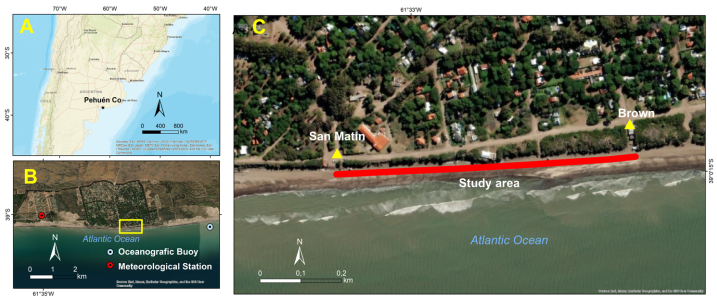
Pehuen Co (38°59’51”S, 61°33’16”W) (Figure 1) is a coastal tourist urbanization located in the district of Coronel de Marina Leonardo Rosales, in the southern part of Buenos Aires Province, Argentina. The beach has a W-E orientation and a semidiurnal tidal regime, with an average high tide height of 3.09 m and an average low tide of 0.8 m, resulting in a mean tidal range of 2.29 m (SHN, 2024). Based on wave and tidal data obtained at an EMAC wave and tidal station located about 2 km to the East of the study zone between 2017 and 2022, Roth (2023) estimated that the higher probability of wave significant height (Hs) is below 50 cm with significant periods (Ts) between 2 and 6 s. Although waves over 1.5 m have been observed associated with storm surges and there is a predominance of negative storm surges, Roth (2023) also observed a significant increase in positive storm surges since 2022. The predominant longshore currents flowed westward, with average annual velocities of 0.2 m/s (Bustos et al., 2011).
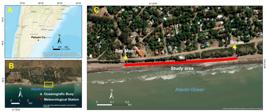
Location of the study area. (A) Location of Pehuen Co; (B) Position of the oceanographic buoy (EMAC) and the meteorological station; (C) Cigarette butt (CB) collection area.
The economy of Pehuen Co is primarily based on sun-and-beach tourism. According to municipal estimates, its permanent population is approximately 900 inhabitants, rising to 100,000 people per month between December and February (Dirección de Turismo de Cnel. Rosales, 2024). The study area coincided with the center of the coastal village (Figure 1), where the density of visitors is usually significantly higher than in other sectors (Bustos et al., 2011). This zone also had the narrowest beach width, with an average of 50 m and a slightly gentle slope (2°). These characteristics caused the beach width to decrease by up to 50% during high tides, and during spring tides or southern winds, the tides could cover the entire beach. The foredunes were vegetated with Tamarix gallica, except for two beach facilities located at the ends of the study area and positioned on the foredune (Figure 1).
METHODS
This study combined monthly collection of CBs and cigarette butt fibers (CBFs) with visitor surveys, environmental variable monitoring, and multivariate statistical analyses. The aim was to characterize the spatiotemporal distribution of CBs in a sector of Pehuen Co beach under different physical and environmental conditions and usage patterns. The integration of these data sources enabled the identification of environmental scenarios with direct implications for coastal management. Part of the English translation of this manuscript was assisted by an artificial intelligence tool (ChatGPT, OpenAI). The authors carefully verified all generated content and are responsible for the accuracy and integrity of the final text.
BEACH ZONING BASED ON USE
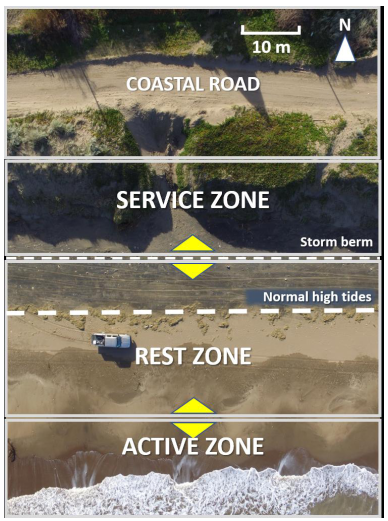
The beach-use classification proposed by Vallarino and Urrutia (2021), initially developed for the coast of Mar del Plata (Argentina), was adapted to the specific characteristics of Pehuen Co to analyze the spatial distribution of CBs. Since this beach does not have concessioned rest zones and the dunes are largely covered with introduced vegetation and lack-built infrastructure, three zones were established (Figure 2):

Service zone: This area was located at the base of the foredune, where the limited-service infrastructure (food stands, toilets, access points) was concentrated. This was a transitional area, where users typically did not remain for extended periods. The zone was delineated as extending 2 m landward from the base of the foredune and seaward to the storm berm line. The average width of this zone was 11 m.
Rest zone: This zone was adjacent to the service zone, where visitors could remain with their recreational equipment (beach chairs, tents, umbrellas). This extended from the service zone to the swash zone. Due to the mesotidal regime, its width was variable, averaging 26 m during low tides but decreasing to as little as 10 m during high tides. During spring tides or after several hours of southerly winds, the seawater reached the foredune.
Active zone: This area was closest to the water and coincided with the swash zone. This was primarily used for walking along the shoreline and accessing the sea, with high user circulation in multiple directions. The average width was 10 m.
COLLECTION OF CIGARETTE BUTTS AND CIGARETTE BUTT FIBERS
Twelve monthly collection campaigns were conducted between July 2021 (month one) and June 2022 (month 12), following the methodology of Díaz-Mendoza et al. (2023). Sampling was conducted along a 500 m transect parallel to the shoreline, from the San Martín access point to the Brown access point (Figure 1).
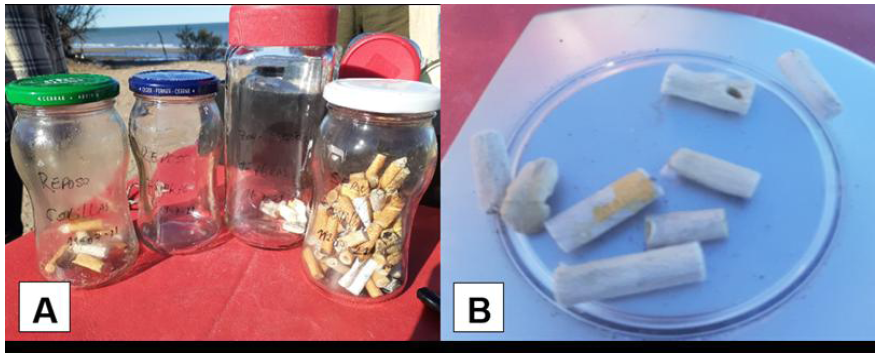
Sampling protocol: The campaigns were conducted on Sundays to ensure the highest number of beach visitors, and during low tide (±2 hours) to maximize the sampling area. Visible CBs and CBFs were collected from the surface, classified according to residue type and beach zone (service, rest, active) (Figure 3), and counted at the end of each collection. CBFs were distinguished from CBs because their presence indicates the duration of CBs’ exposure to the environment. According to the study by Bonanomi et al. (2020), a CB must remain exposed to natural environmental conditions for at least 30 days to degrade by 15 to 20% and become a CBF. This surface collection protocol, while standard for density calculations (e.g., Díaz-Mendoza et al., 2023), primarily accounts for visible litter and may not capture buried residues, which can also be a significant source of pollutants (Kouhi et al., 2025).
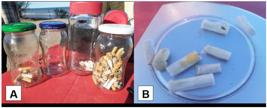
Figures are (A) Containers by zone and by type of cigarette butt or cigarette butt fiber and (B) Cigarette butt fibers.
Additionally, each campaign included the recording of complementary data in a field log, such as the date and time of the start and end of the collection, the time of low tide on the sampling day, the total time dedicated to the collection, the total length of the transect (500 m), beach width by zone (service, rest, active), and the number of CBs disposal units within the study area.
Data on the number of visitors along the 500 m study area was also incorporated. An indirect estimation method was applied by counting people in representative 3 m wide transects and extrapolating to the full 500 m during months with high visitor density (January to March). A complete manual count of all individuals on the beach within the study area was conducted in March to validate this methodology, enabling a comparison between the two methods.
The formula used to calculate the relative error was:
Applying this formula to the data collected in March enabled the assessment of the accuracy of the indirect estimation method by comparing it with the full manual count conducted that month:
This result indicated a moderate error margin (10.1%) for the estimation method used, which was considered acceptable given the high user density and constant movement, as commonly encountered on tourist beaches. Only direct counting was used during the months with lower attendance (April to December), and, therefore, no estimation was required.
ENVIRONMENTAL VARIABLES
Environmental data were incorporated from the Coastal Environmental Monitoring Station (EMAC IADO/CONICET), located 2 km east of the study area (Figure 1), with a recording frequency of 10 minutes. Data included tidal height (m), wind speed (km/h) and direction (degrees), and air temperature (°C). There were no tidal records available for July 2021 and May 2022; therefore, only wind data were used for those months.
For the analysis, environmental conditions from the three days prior to each sampling campaign were considered. On this beach, storm berms typically remain for at least three to four days before being removed by tidal action (Bustos et al., 2016).
A descriptive analysis was conducted, including the calculation of basic statistics and the examination of monthly variation in CB abundance in relation to environmental variables (tidal height, wind, temperature) and tourist attendance. Patterns were identified between CB accumulation and specific conditions of tide, wind, and beach occupancy. Based on these patterns, three environmental scenarios were determined via statistical analyses described in Section 2.6.
APPLICATION OF THE CIGARETTE BUTT POLLUTION INDEX (CBPI)
We applied the Cigarette Butt Pollution Index (CBPI), developed by Torkashvand et al. (2021), to assess CB pollution. This index was specifically designed to characterize CB pollution, while also accounting for environmental factors that affect their degradation and toxicity. According to the review by Heravi et al. (2024), the CBPI is the only index developed with an exclusive focus on CBs, and its calculation incorporates variables such as precipitation, groundwater level, substrate type, and vegetation cover, factors that influence the persistence and leaching of contaminants such as nicotine, heavy metals, and PAHs.
The index was calculated using the following formula:
in which DCB represents the density of CBs (butts/m2), and E is an environmental correction coefficient that weights ecosystem vulnerability based on local conditions.
Environmental correction coefficient E was calculated as follows:
in which:
S: is the soil type, P: is the surface cover, R: is the annual rainfall, G: is the groundwater level. As detailed on Table 1, specific values were assigned to these variables for each of the beach zones evaluated.
Criteria and values used to determine the correction factor. Modified from Torkashvand et al. (2021).
CBPI results were interpreted according to the categories established by Torkashvand et al. (2021) (Table 2). This classification enabled the differentiation of CB pollution severity based on the calculated index value. This was used to interpret the results by zone and sampling date and to facilitate comparisons among the beach’s functional sectors throughout the study period.
BEACH USER SURVEYS
Structured surveys were administered to beach visitors to assess perceptions and behaviors related to CB disposal. Table 3 shows that 357 surveys were conducted, distributed by convenience sampling during each campaign, and proportionally to the number of visitors on the day in the collection zone.
The survey content, primarily consisting of closed-ended questions, was initially designed to collect general sociodemographic data and subsequently focused on tobacco consumption habits, CB disposal behaviors, knowledge about CB degradation times, perceptions of the environmental impacts of CBs, and an assessment of the available infrastructure (CBs disposal units). The survey concluded with an open-ended question inviting suggestions for reducing CB pollution on beaches.
In the data analysis, chi-square tests were used to evaluate potential associations between sociodemographic variables (gender, age, and educational level) and responses related to tobacco use, disposal behavior, and environmental perception. This test was selected because the analysis involved categorical variables, aiming to identify differences or associations between groups. Moreover, it was considered a standard tool in survey analysis when examining the relationship between two qualitative variables (Agresti, 2018). A significance level of α=0.05 was established. Fisher’s exact test was used to confirm the results in cases with low expected frequencies.
MULTIVARIATE STATISTICAL ANALYSIS AND SCENARIO DETERMINATION
Multiple Correspondence Analysis (MCA) and the Kruskal-Wallis test were key tools for exploring associations among environmental conditions, functional beach zones, and CB accumulation, enabling the definition of three main environmental scenarios:
Scenario 1: High anthropogenic pressure and intense marine forcing.
This scenario was characterized by high beach attendance, strong onshore winds, and elevated high tides, which favored the redistribution and accumulation of CBs in the service zone.
Scenario 2: Moderate anthropogenic pressure with low natural removal.
This included conditions with medium to high visitor attendance, but weak offshore winds and normal or low tides, which enabled CBs to persist in the rest zone.
Scenario 3: Low anthropogenic pressure and variable removal.
This scenario occurred under conditions of little or no human presence on the beach, resulting in minimal CB generation regardless of the natural removal capacity. Although physical conditions varied between high tide or strong wind events and more stable situations, the low CB accumulation was mainly attributed to the absence of visitors generating them.
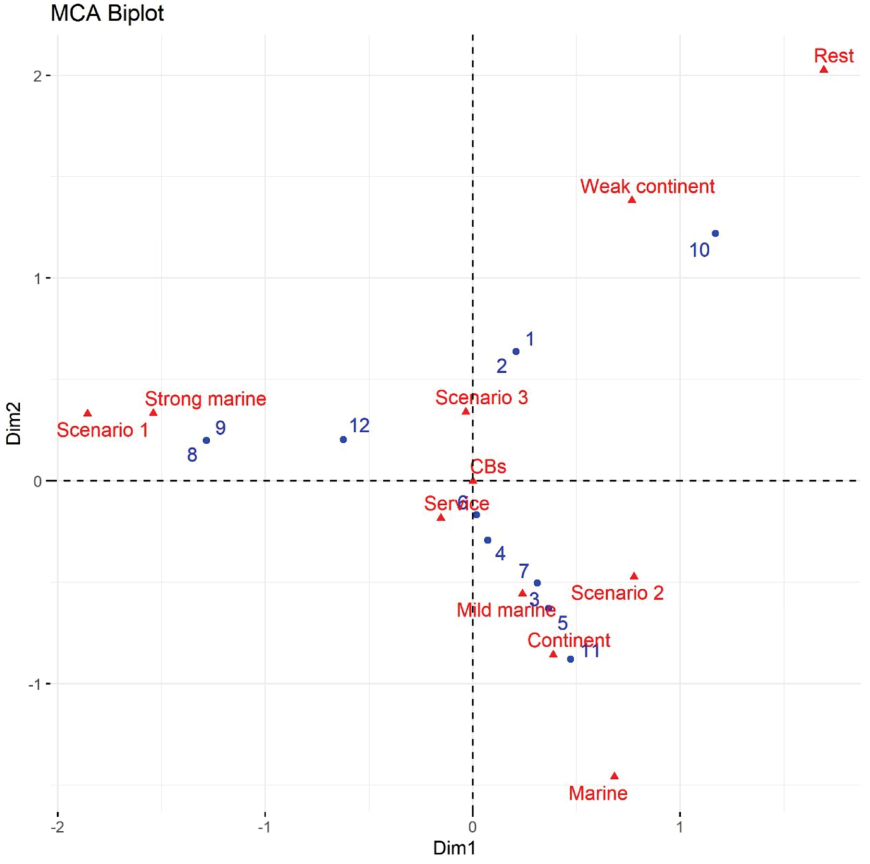
The MCA enabled the identification of consistent groupings among environmental scenarios, zones with higher CB accumulation, and predominant wind types. Variables were coded as factors and analyzed using the Burt method which identified two principal dimensions. The analysis was conducted in RStudio using the packages FactoMineR (Lê et al., 2008) and factoextra (Kassambara & Mundt, 2020).
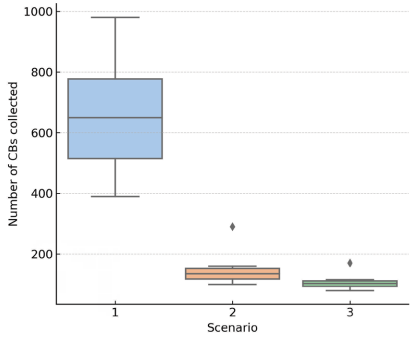
Subsequently, to assess whether the total number of CBs collected differed significantly among the three defined scenarios, the Kruskal-Wallis test was applied, as it is a suitable alternative for small samples and non-normal distributions. The null hypothesis (H0) stated that the distribution of CB counts was the same across the three groups, while the alternative hypothesis (Ha) indicated that at least one group was differed.
RESULTS
ENVIRONMENTAL CONDITIONS DURING THE STUDY PERIOD
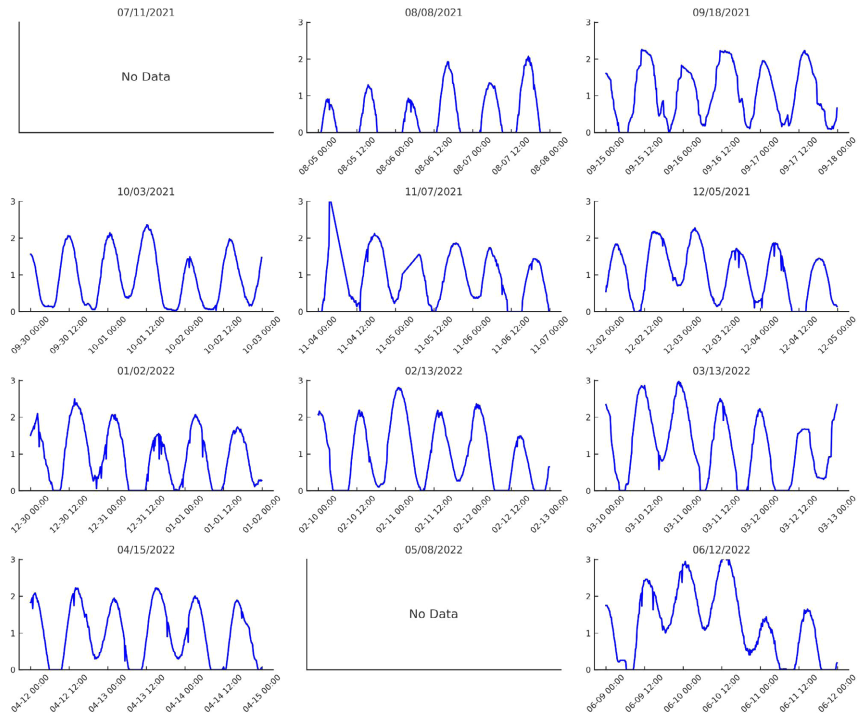
During the study period (July 2021 - June 2022), strong seasonality was observed in both meteorological conditions and beach attendance. High tides reached an average value of 2.48 m, with a recorded maximum of 3.77 m, while low tides showed a minimum of 0.1 m. The mean tidal range was 2.32 m, with significant variations associated with meteorological events, mainly driven by wind patterns (Figure 4). The average air temperature was 16.5 °C, ranging from 32 °C in summer to below freezing in winter. Two main wind pattern events were identified: Sudestada and Sudoestada, with winds exceeding 30 km/h, directly influencing tidal dynamics and sea level rise.

Sea level height during the three days prior to each sampling campaign conducted between July 2021 and June 2022 at Pehuen Co beach. Panels labeled “No Data” correspond to dates with no records in the database. Data with zero values indicate that the tide was below the sensor level.
The average beach width exposed during the sampling campaigns was 47 m, distributed as follows: service zone, 11 m (24%); rest zone, 26 m (54%); and active zone, 10 m (22%). The general beach slope was gently inclined (2°). This configuration showed considerable variation depending on tidal stage and wind conditions, with a notable reduction in available surface area during high tides.
Regarding beach attendance, 12,725 individuals were counted in the study area throughout the study period. Temporal distribution showed marked seasonality, with very high numbers in summer (January and February) and no attendance in winter (June and July). The remaining months showed fluctuations depending on nearby holidays (e.g., September) or exceptionally comfortable (April and May) or uncomfortable (November and December) weather conditions (Table 3). These variations directly influenced the quantity and distribution of CBs observed. Greater CB accumulation was also recorded in months with higher attendance, although not exclusively, as meteorological and oceanographic dynamics played a significant role in modulating the surface visibility of the residues.
TOTAL ABUNDANCE AND SPATIAL DISTRIBUTION OF CIGARETTE BUTTS
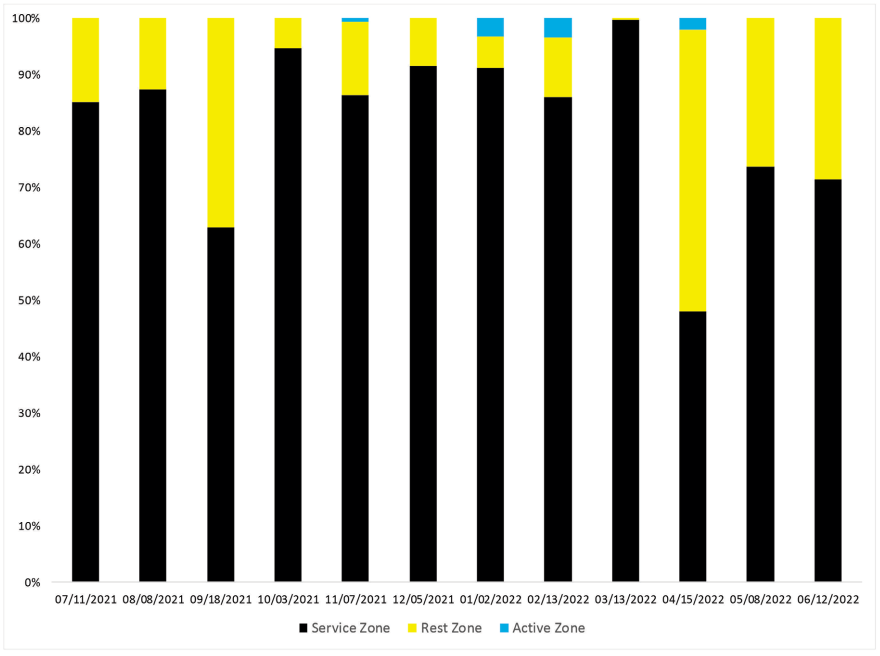
Over the 12 sampling campaigns, 2,639 CBs and 113 CBFs were collected along the 500-metre transect. The distribution by functional beach zones showed that 89% of the CBs and CBFs were collected in the service zone, 10% in the rest zone, and only 1% in the active zone. Although the density was significantly higher in the service zone, it did not exceed 0.5 butts/m2 (Table 4).
Number and density of cigarette butts (CBs) and cigarette butt fibers (CBFs) collected throughout the study period for each beach zone according to use.
The mesotidal regime had a significant impact on the distribution and persistence of CBs on the beach. The service zone showed a markedly different behavior compared to the other areas. As it was not directly influenced by tidal height, CBs remained in place for more extended periods. However, CBFs were nearly absent, indicating that CBs did not remain exposed long enough to undergo degradation. The few CBFs observed were likely associated with CBs that had been temporarily buried in the sand (possibly uncovered by wind or storm surge events) or trapped among roots or vegetation debris in the foredune (Figure 5).
The rest zone, which coincides with the intertidal area, showed similar behavior, as frequent high tides (every 12 hours) likely prevented the accumulation of CBs on at least part of its surface. In this zone, CBs may not have remained for more than 12 hours, as the rising tide regularly swept the beach surface, potentially carrying the residues out to sea and limiting the opportunity for their degradation into fibers.
The active zone, in turn, showed very low CB presence in all sampling events, confirming the natural cleaning effect exerted by tidal dynamics. The few CBs detected were associated with specific activities (such as recreational fishing) that implies the constant presence of people in the swash zone (Figure 5).
TEMPORAL VARIATION IN CIGARETTE BUTT AND ITS RELATIONSHIP WITH ENVIRONMENTAL FACTORS
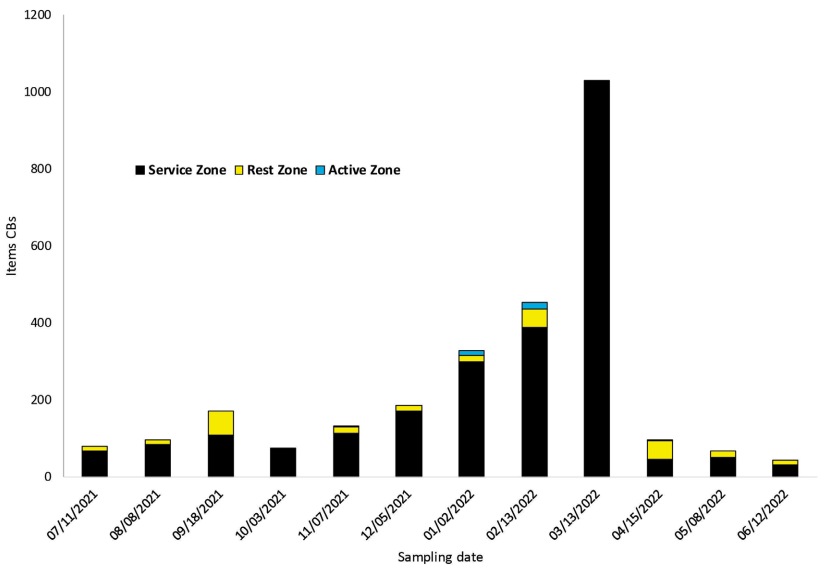
During the study period, marked monthly variability was observed in the number of CBs and CBFs collected, which did not respond solely to tourism seasonality. As expected, the highest values of abundance coincided with summer, resulting from increased beach visitors who directly contribute to this type of litter. However, unexpected increases in CB and CBF quantities were also detected during months with low visitor attendance, indicating the influence of oceanographic and meteorological conditions prior to the sampling events (Figure 6).
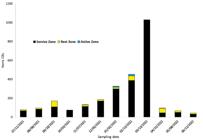
Number of cigarette butts and cigarette butt fibers found in each beach zone of Pehuen Co during the 2021/2022 period.
The MCA identified groupings among the defined environmental variables (wind and tide) and CB accumulation. The biplot graph showed a clear separation of scenarios according to their dominant conditions (Figure 7).
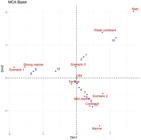
Multiple Correspondence Analysis of environmental scenario, dominant accumulation zone, and wind direction. Months are ordered with July as month one.
The results of the Kruskal-Wallis test showed statistically significant differences among the three groups (H=6.84; df=2; p=0.033), thereby validating the established classification. Scenario 1 showed the highest number of CBs collected, followed by Scenario 2, while Scenario 3 showed the lowest levels of accumulation (Figure 8). These results enabled the definition and categorization of outcomes into three scenarios, detailed in Sections 3.4, 3.5, and 3.6.

Scenario 1: High anthropogenic pressure and intense marine forcing
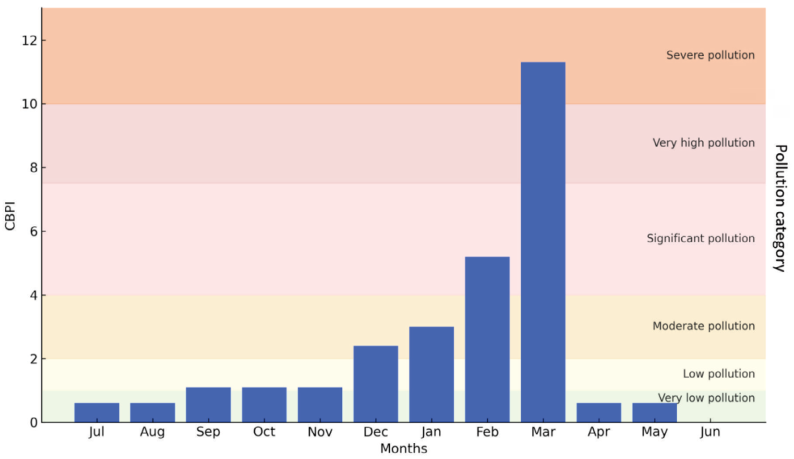
February and March represented conditions of high anthropogenic pressure combined with intense marine forcing. In February and in March, 384 and 980 CBs were collected, respectively, being the highest values recorded during the entire study period. Most of the CBs were found in the service zone, with lower accumulation in the rest zone and virtually none in the active zone.
Environmental conditions during these months included Sudestada events in February and Sudoestada in March, characterized by sustained onshore winds ranging from 30 to 60 km/h. This wind direction favored an increase in high tide levels, exceeding 2.7 m (Figure 4), facilitating the redistribution of litter from the rest zone toward the base of the foredune, and even its transport offshore. Additionally, both months featured meteorological conditions conducive to prolonged beach use (low wind intensity on the sampling day and maximum temperatures above 27 °C).
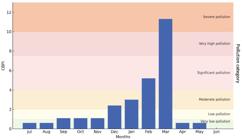
The CBPI in the service zone reached higher values: 5.4 in February (significant pollution) and 11.4 in March (severe pollution) (Figure 9). In contrast, CBPI values in the rest and active zones were zero, confirming the sweeping effect of tidal action on these more exposed areas.
From the perspective of social perception, the surveys administered during this scenario revealed a high proportion of responses indicating discomfort due to CBs on the beach and a negative perception of the existing infrastructure (only two CBs disposal units were available throughout the study area). Among the respondents, 13.1% identified as smokers. All smokers surveyed (100%) stated that the CBs disposal units were insufficient, which aligned with direct observations showing that only two units were present in the area.
These findings supported the conclusion that Scenario 1 concentrated the most critical conditions in terms of both CB generation and their redistribution and surface visibility. The combined effect of many visitors and intense meteorological events, including onshore winds and elevated high tides, favored the accumulation of CBs in elevated areas of the beach, beyond the reach of conventional cleaning efforts.
Scenario 2: Moderate anthropogenic pressure with low natural removal
This scenario, which included September, November, January, April, and May, was characterized by moderate to high visitor attendance combined with environmental conditions that reduced the natural removal efficiency of CBs. Low-intensity winds from the continent (N and NE) and medium to low tide heights predominated, enabling CBs to remain longer on the beach surface, particularly in the rest zone.
In January, one of the months with the highest visitor attendance (6,000 people), 294 CBs were collected. Although wind conditions were mild (12 km/h, predominantly from the N), strong SW gusts in the days prior may have contributed to the displacement of CBs toward the base of the foredune. Nevertheless, accumulation in the rest zone was significant. The CBPI reached a value of 3 in the service zone, classified as high pollution (Figure 9).
In September, there were fewer people on the beach at the time of sampling, but higher attendance (approximately 200-300 people) had been recorded in the preceding days due to Spring Festival celebrations. A total of 96 CBs were collected in the service zone and 62 in the rest zone, the highest value recorded for this zone during the study period. Environmental conditions included weak continental winds (~13.3 km/h) and moderate tides, which favored surface accumulation without effective removal.
An increase in beach attendance was observed in November, associated with rising temperatures. This trend was reflected in the number of CBs collected, which reached 131 units, with a notable concentration in the rest zone (Figure 6). Although a very high tide occurred 72 hours prior to the sampling due to strong southern winds, the wind later shifted to north and east quadrants, and tides normalized below 2 m (Figure 4).
In April, high tides were low (~2 m). Despite being part of the low season, favorable meteorological conditions (average temperature of 17.5 °C and weak northerly winds) encouraged visitors’ presence. That month, for the first and only time, the number of CBs in the rest zone (48) exceeded that of the service zone (45), highlighting the role of tide as a key modulator of CB distribution. The CBPI in the rest zone was 0.9 (very low pollution), while in the service zone it was 0.6.
In May, the number of CBs recorded in the service zone was similar to that observed in April. Although no tidal data were available, meteorological records indicated persistent southwesterly quadrant winds during the two days prior to sampling, with average speeds of approximately 30 km/h. This wind pattern may have influenced tidal dynamics, which increased high tide levels and reduced the amplitude of low tides. As a result, lower CB accumulation was observed in the rest zone, despite similar or even higher attendance compared to April (Figure 6 and Table 3).
Regarding social perceptions, survey responses again reflected the perception of insufficient infrastructure for CB disposal and a negative view of their presence on the beach. This suggests that even under less extreme conditions than in Scenario 1, users perceived a persistent pollution problem, reinforcing the need for structural actions combined with awareness strategies.
Note that informational flyers on the environmental impact of CBs were distributed during all campaigns. In the following weeks, behaviors related to the distributed material were observed: some visitors returned with questions or shared the information with family and friends. This multiplier effect, which was generated via a low-cost and straightforward educational intervention, demonstrated the effectiveness of direct, on-site actions and their potential to promote sustained behavioral change.
Scenario 3: Low anthropogenic pressure and variable removal
Scenario 3 was characterized by a low influx of people to the beach, combined with variable physical conditions, such as low-intensity winds and moderate to low high tides. This situation resulted in limited waste generation and, consequently, low availability of CBs. July, August, October, December, and June were included in this group. Although some differences in meteorological and oceanographic conditions were observed, the low concentration of CBs primarily reflected the absence of visitors rather than natural removal processes.
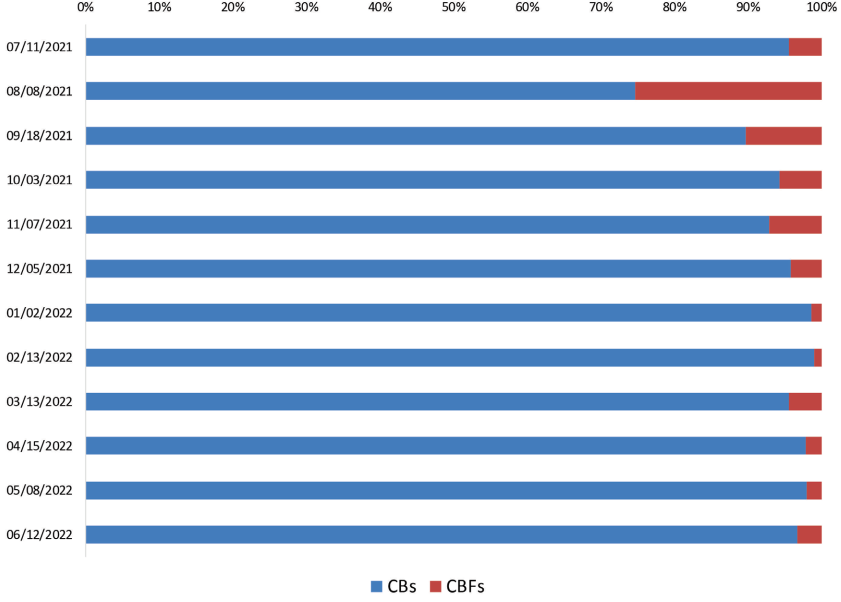
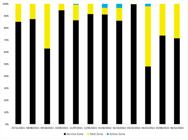
In July and August, the beach had virtually no visitors, with no direct presence of users during the sampling. However, CBs were detected in the rest zone, indicating they had been discarded several days earlier and had not been removed due to low high tides (Figure 4). In August, the highest number of CBFs was recorded for the entire period (Figure 10), coinciding with neap tide conditions and weak northerly winds (8.8 km/h), which favored the persistence of these residues in the environment and their subsequent degradation.
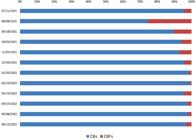
Percentage of cigarette butts (CBs) and cigarette butt fibers (CBFs) during the study period on Pehuen Co beach.
In October, CB accumulation remained low and was restricted to the service zone. Moderate tides and very mild northerly winds (~11.3 km/h) enabled the CBs to remain visible. However, no significant visitor presence was recorded, highlighting that low tourist activity was a key factor in the reduced CB generation.
In December, despite falling within the high season, visitor numbers were limited (around 100 people), mainly due to unusually low temperatures (average 14 °C). High tides did not exceed 2 m, and ESE winds were mild (15.6 km/h), enabling some CBs to persist in the service zone. However, CBs accumulation remained notably lower than that observed in January or February.
In June, high tide levels were recorded due to strong S/SW winds (~45 km/h). Although these physical conditions resembled Scenario 1, the lack of visitors due to cold temperatures resulted in typical Scenario 3 conditions: low waste generation, with a few residual CBs observed in the service and rest zones.
Despite the reduced influx of visitors, the CBPI analysis showed low to moderate values (Figure 9). Social perception data, although limited by fewer surveys during the low season, continued to reflect a negative view of CBs presence, even when abundance was minimal. This suggests that the public’s perception of environmental quality is not solely based on visible waste but also on expectations regarding beach cleanliness and maintenance.
Regarding suggestions for reducing this form of pollution, most respondents proposed increasing the number and visibility of CBs disposal units (60%), enforcing fines (20%), and implementing educational campaigns (9%). These responses demonstrate a positive attitude toward corrective actions and highlight the potential for engaging beach users in improving environmental management.
DISCUSSION
The scenario-based analysis developed in this study enabled the characterization of how the interaction between anthropogenic pressure and environmental conditions influences the distribution and persistence of CBs on mesotidal beaches. These findings are consistent with previous studies which indicate that the visibility and accumulation of litter in coastal environments are not solely determined by recreational use, but also by the natural dynamics of the system (Botero et al., 2021; Morales-Caselles et al., 2021).
Compared to tropical or microtidal beaches, where litter accumulation typically concentrates in areas of intensive recreational use (Zielinski et al., 2019; Howlader et al., 2023), the service zone in Pehuen Co, despite limited human presence and greater distance from direct tidal action, showed the highest levels of CB contamination. This pattern contrasts with reports from Cox’s Bazar (Bangladesh), where the intertidal zone showed the highest CBPI values (Howlader et al., 2023); from the Vung Tau beaches in Vietnam, where CBs were widespread in tourist areas despite the presence of disposal infrastructure (Nguyen et al., 2025), and from Baltic Sea beaches, where accumulation was linked to access points and vegetation cover (Kataržytė et al., 2020). The observed differences may be attributed to the mesotidal regime of Pehuen Co, where tides act as a natural removal mechanism in lower beach zones but do not reach elevated areas such as the frontal dune.
CBPI values recorded in this study highlighted the contrast between absolute litter density and the relative, context-specific severity of contamination. While other urban beaches, such as those in Morocco, Copacabana (Brazil), or Ancol (Indonesia), reported CBs densities of more than 6, 17.6, and 1.14 CBs/m2, respectively (Ribeiro et al., 2022; Mghili et al., 2023; Yogaswara et al., 2024), Pehuen Co showed maximum CBPI values falling into the “severe pollution” category despite much lower absolute densities. This demonstrates the index’s sensitivity to local environmental conditions and its suitability for highly seasonal contexts. Furthermore, its application made it possible to identify that low-traffic zones may reach critical pollution levels in the absence of natural removal mechanisms or adequate infrastructure, as also noted by Yogaswara et al. (2024). Relying solely on surface sampling may lead to an underestimation of the overall CB load, as buried residues, although not visible, can act as hidden sources of contamination, and significantly influence the DCB values used in the CBPI calculation (Kouhi et al., 2025).
CBFs during periods of low tourist influx evidenced the persistence of hidden litter or its re-exposure due to meteorological events. This finding aligns with observations by Bonanomi et al. (2020) and Garrido Lazo et al. (2024), who confirmed that CBs can persist for weeks in coastal environments and continue releasing contaminants even after partial degradation. The detection of CBFs in vegetated areas or partially buried under sand indicates that, beyond surface cleaning, monitoring strategies must also consider non-visible residues.
From a management perspective, the results reinforced the need to adapt cleaning and monitoring strategies to the functional dynamics of each beach zone. Areas with limited tidal exposure, such as the frontal dune, require more structured interventions, while intertidal zones should be prioritized for preventive actions before high-tide events. These recommendations are consistent with those proposed by Morales-Caselles et al. (2021); Howlader et al. (2023), and Yona et al. (2024), who emphasize that conventional cleaning operations are ineffective unless integrated with an understanding of coastal dynamics.
Finally, public perceptions gathered in this study were consistent with field observations regarding the insufficiency of infrastructure for CBs disposal. The lack of awareness about the final fate of these residues highlights a key opportunity to strengthen environmental communication (Garrido Lazo et al., 2024; Yogaswara et al., 2024). Simple educational actions, such as leaflet distribution, proved to have a multiplier effect, reaffirming the potential of participatory interventions as a complement to structural measures.
Taken together, this study highlights the relevance of applying an integrated approach that considers environmental variables, recreational use, and social perception to evaluate and manage CBs pollution on beaches. The scenario-based framework proved especially useful in highly seasonal contexts, in which tourism pressure and physical conditions can vary drastically over short periods.
CONCLUSION
The mesotidal regime and meteorological factors influenced the distribution, visibility, and persistence of CBs on Pehuen Co beach. The scenario-based classification enabled the identification of distinct accumulation patterns driven by the interaction between tourist pressure and natural removal capacity, providing a useful framework for adaptive management in highly seasonal beach environments.
There were concerning levels of CB pollution during the summer, with CBPI values classified as ‘significant’ or ‘severe’. These findings underscore the need to implement basic yet sustained management measures, such as reinforcing disposal infrastructure in critical areas (particularly in the rest zone) and applying targeted cleaning strategies in the intertidal zone prior to high tides.
Public perception aligned with field observations, revealing concern over the presence of CBs and negative assessments of the available infrastructure. Simple educational actions, such as distributing informational leaflets, showed short-term positive effects, underscoring the value of participatory interventions.
Taken together, the study’s findings support the effectiveness of an integrated, scenario-based approach to managing CBs pollution on beaches, which enables the prioritization of intervention areas based on functional use and environmental exposure and facilitates the adaptation of monitoring and cleaning strategies to local dynamics and observed social behavior.
SUPPLEMENTARY MATERIAL
There is no supplementary material for this article.
DATA AVAILABILITY STATEMENT
All data are available from the corresponding author upon reasonable request.
ACKNOWLEDGMENTS
The authors sincerely thank the volunteers who participated in the collection campaigns and the individuals who kindly took the time to respond to the surveys. The authors also sincerely thank the anonymous reviewers and the Editor of Ocean and Coastal Research for their thoughtful and constructive feedback throughout the review process, which greatly contributed to improving the final version of this manuscript.
REFERENCES
- Agresti, A. 2018. Statistical Methods for the Social Sciences. United Kingdon: Pearson Education.
-
Aliaga, V. S., Ferrelli, F. & Piccolo, M. C. 2017. Regionalization of climate over the Argentine Pampas. International Journal of Climatology, 37(51), 1237-1247. DOI: https://doi.org/10.1002/joc.5079
» https://doi.org/10.1002/joc.5079 -
Araújo, M. C. B. & Costa, M. F. 2019. From plant to waste: The long and diverse impact chain caused by tobacco smoking. International Journal of Environmental Research and Public Health, 16(15), 2690. DOI: https://doi.org/10.3390/ijerph16152690
» https://doi.org/10.3390/ijerph16152690 -
Bonanomi, G., Incerti, G., Cesarano, G., Gaglione, S. A. & Lanzotti, V. 2015. Cigarette butt decomposition and associated chemical changes assessed by 13C CPMAS NMR. Plos One, 10(1), e0117393. DOI: https://doi.org/10.1371/journal.pone.0117393
» https://doi.org/10.1371/journal.pone.0117393 -
Bonanomi, G., Maisto, G., De Marco, A., Cesarano, G., Zotti, M., Mazzei, P., Libralato, G., Staropoli, A., Siciliano, A., De Filippis, F., La Storia, A., Piccolo, A., Vinale, F., Crasto, A., Guida, M., Ercolini, D. & Incerti, G. 2020. The fate of cigarette butts in different environments: Decay rate, chemical changes and ecotoxicity revealed by a 5-years decomposition experiment. Environmental Pollution, 261, 114108. DOI: https://doi.org/10.1016/j.envpol.2020.114108
» https://doi.org/10.1016/j.envpol.2020.114108 -
Botero, C. M., Tamayo, D., Zielinski, S. & Anfuso, G. 2021. Qualitative and quantitative beach cleanliness assessment to support marine litter management in tropical destinations. Water, 13(23), 3455. DOI: https://doi.org/10.3390/w13233455
» https://doi.org/10.3390/w13233455 - Bustos, M. L., Perillo, G. M. E. & Piccolo, M. C. 2016. Dinámica de perfiles de playa en zonas con médanos frontales modificados en Pehuen Co (Argentina). Latin American Journal of Sedimentology and Basin Analysis, 23(2), 133-149.
- Bustos, M. L., Piccolo, M. C. & Perillo, G. M. E. 2011. Efectos geomorfológicos de fuertes vientos sobre playas. El caso de la playa de Pehuen Co, Argentina. Cuadernos de Investigación Geográfica, 37(1), 121-142.
-
Díaz-Mendoza, C., Arias Ordiales, P., Bustos, M. L., Cervantes, O., Palacios-Moreno, M., Vera San-Martin, T., Kloc Lopes, G., Vallejo, M., Mouthon-Bello, J. & Gutiérrez, L. 2023. Abundance and distribution of cigarette butts on the sand of five touristic beaches in Latin America during the COVID-19 pandemic. Marine Pollution Bulletin, 194, 115306. DOI: https://doi.org/10.1016/j.marpolbul.2023.115306
» https://doi.org/10.1016/j.marpolbul.2023.115306 -
Farzadkia, M., Nia, M. Y., Nia, M. Y., Shacheri, F., Nourali, Z. & Torkashvand, J. 2024. Reduction of the environmental and health consequences of cigarette butt recycling by removal of toxic and carcinogenic compounds from its leachate. Environmental Science and Pollution Research, 31(16), 23942-23950. DOI: https://doi.org/10.1007/s11356-024-32703-5
» https://doi.org/10.1007/s11356-024-32703-5 -
Garrido Lazo, R. A., Manrique Suárez, R., Bravo Guerra, M. F., Soto Silva, C. C., Pizarro Konczak, J. & Ortiz Calderón, C. 2024. Ecotoxicological Impact of Cigarette Butts on Coastal Ecosystems: The Case of Marbella Beach, Chile. Sustainability, 16(22), 9778. DOI: https://doi.org/10.3390/su16229778
» https://doi.org/10.3390/su16229778 -
Heravi, M. D., Haddadi, M., Nejad, F. K., Yazdanabadi, Z. I. & Haghighat, G. A. 2024. A comparative study of indexes used for litter pollution assessment in urban and public environments. Heliyon - A Cel Press Journal, 10(3), e24954. DOI: https://doi.org/10.1016/j.heliyon.2024.e24954
» https://doi.org/10.1016/j.heliyon.2024.e24954 -
Howlader, M., Selim, A., Shuvo, S. N. A., Islam, M. M., Sultana, T., Moniruzzaman, M., Mia, M., Afrin, S, Akter, N. & Rahman, M. H. (2023). Evaluating cigarette butt pollution: Insights from Cox’s Bazar Sea beach of Bangladesh. Marine Pollution Bulletin, 197, 115705. DOI: https://doi.org/10.1016/j.marpolbul.2023.115705
» https://doi.org/10.1016/j.marpolbul.2023.115705 -
Kassambara, A. & Mundt, F. 2020. factoextra: Extract and visualize the results of multivariate data analyses. R package version 1.0.7. DOI: https://doi.org/10.32614/CRAN.package.factoextra
» https://doi.org/10.32614/CRAN.package.factoextra -
Kataržytė, M., Balčiūnas, A., Haseler, M., Sabaliauskaitė, V., Lauciūtė, L., Stepanova, K., Nazzari, C. & Schernewski, G. 2020. Cigarette butts on Baltic Sea beaches: Monitoring, pollution and mitigation measures. Marine Pollution Bulletin, 156, 111248. DOI: https://doi.org/10.1016/j.marpolbul.2020.111248
» https://doi.org/10.1016/j.marpolbul.2020.111248 -
Kouhi, K., Abbasi-Tajaddod, A. & Gholami-Borujeni, F. 2025. Assessing cigarette butt pollution on recreational beaches: A comparative study of two sampling methods and their impact on metal release. Marine Pollution Bulletin, 211, Article 117416. DOI: https://doi.org/10.1016/j.marpolbul.2024.117416
» https://doi.org/10.1016/j.marpolbul.2024.117416 -
Lê, S., Josse, J. & Husson, F. 2008. FactoMineR: An R package for multivariate analysis. Journal of Statistical Software, 25, 1-18. DOI: https://doi.org/10.18637/jss.v025.i01
» https://doi.org/10.18637/jss.v025.i01 -
Mghili, B., Lamine, I., Bouzekry, A., Gunasekaran, K. & Aksissou, M. 2023. Cigarette butt pollution in popular beaches of Morocco: Abundance, distribution, and mitigation measures. Marine Pollution Bulletin, 195, 115530. DOI: https://doi.org/10.1016/j.marpolbul.2023.115530
» https://doi.org/10.1016/j.marpolbul.2023.115530 -
Morales-Caselles, C., Viejo, J., Martí, E., González-Fernández, D., Pragnell-Raasch, H., González-Gordillo, J. I., Montero, E., Arroyo, G. M., Hanke, G., Salvo, V. S., Basurko, O. C., Mallos, N., Lebreton, L., Echevarría, F., Emmerik, T., Duarte, C. M., Gálvez, J. A., Sebille, E., Galgani, F., García, C. M., Ross, P. S., Bartual, A., Ioakeimidis, C., Markalain, G. & Cózar, A. 2021. An inshore-offshore sorting system revealed from global classification of ocean litter. Nature Sustainability, 4, 484-493. DOI: https://doi.org/10.1038/s41893-021-00720-8
» https://doi.org/10.1038/s41893-021-00720-8 -
Nguyen, M.-K., Pham, M.-T., Anh, N. T., Nguyen, D., Tri, D. V., La, D. D., Chang, S. W. & Nguyen, D. D. 2025. Exploring cigarette butts pollution in Vung Tau beaches: A case study in Vietnam. Marine Pollution Bulletin, 212, 117539. DOI: https://doi.org/10.1016/j.marpolbul.2025.117539
» https://doi.org/10.1016/j.marpolbul.2025.117539 -
Novotny, T. E., Hardin, S. N., Hovda, L. R., Novotny, D. J., McLean, M. K. & Khan, S. 2015. Tobacco and cigarette butt consumption in humans and animals. Tobacco Control, Suppl 1, i17-20. DOI: https://doi.org/10.1136/tc.2011.043489
» https://doi.org/10.1136/tc.2011.043489 -
Novotny, T. E., Lum, K., Smith, E., Wang, V. & Barnes, R. 2009. Cigarettes butts and the case for an environmental policy on hazardous cigarette waste. International Journal of Environmental Research and Public Health, 6(5), 1691-1705. DOI: https://doi.org/10.3390/ijerph6051691
» https://doi.org/10.3390/ijerph6051691 -
Rath, J. M., Rubenstein, R. A., Curry, L. E., Shank, S. E. & Cartwright, J. C. 2012. Cigarette litter: Smokers’ attitudes and behaviors. International Journal of Environmental Research and Public Health, 9(6), 2189-2203. DOI: https://doi.org/10.3390/ijerph9062189
» https://doi.org/10.3390/ijerph9062189 -
Ribeiro, V. V., Lopes, T. C., Pinto, M. A. S., Póvoa, A. A., Corrêa, V. R., De-la-Torre, G. E., Dobaradaran, S., Green, D. S., Szklo, A. S. & Castro, Í. B. 2022. Cigarette butts in two urban areas from Brazil: Links among environmental impacts, demography and market. Environmental Research, 213, 113730. DOI: https://doi.org/10.1016/j.envres.2022.113730
» https://doi.org/10.1016/j.envres.2022.113730 - Roth, A. 2023. Evolución del clima de olas y de las ondas de tormenta en Pehuén Co, Argentina. (Licentiate Thesis). Buenos Aires: Universidad Nacional del Sur (unpublished).
-
SHN - Servicio de Hidrografía Naval. 2024. Tablas de Marea. Available from: Available from: https://www.hidro.gov.ar/oceanografia/tmareas/form_tmareas.asp Access date: 2025 Apr. 8.
» https://www.hidro.gov.ar/oceanografia/tmareas/form_tmareas.asp - Silva-Iñiguez, L., Gutiérrez-Corona, C. G., Pérez-López, R. & Cervantes, O. 2012. Identificación y diagnóstico de las fuentes de la basura marina en la costa de Manzanillo, Colima, México, durante las campañas de limpieza 2003-2006. In: Rodríguez-Perea, A., Pons, G. X., Roig-Munar, R. X., Martín-Prieto, I. Á., Mir-Gual, M. & Cabrera, I. A. (Ed.) La gestión integrada de playas y dunas: experiencias en Latinoamérica y Europa (225-239). Balears: Palma de Mallorca.
-
Slaughter, E., Gersberg, R. M., Watanabe, K., Rudolph, J., Stransky, C. & Novotny, T. E. 2011. Toxicity of cigarette butts, and their chemical components, to marine and freshwater fish. Tobacco Control, 20(Suppl 1), i23-i27. DOI: https://doi.org/10.1136/tc.2010.040170
» https://doi.org/10.1136/tc.2010.040170 -
Torkashvand, J., Godini, K., Jafari, A. J., Esrafili, A. & Farzadkia, M. 2021. Assessment of littered cigarette butt in urban environment, using of new cigarette butt pollution index (CBPI). Science of the Total Environment, 769, 144864. DOI: https://doi.org/10.1016/j.scitotenv.2020.144864
» https://doi.org/10.1016/j.scitotenv.2020.144864 -
Valdés, V. A. 2019. Estudio hidrogeológico de la zona costera entre Monte Hermoso y Pehuen Co, provincia de Buenos Aires. (Undergraduate Thesis). Buenos Aires: Universidad de Buenos Aires. Available from: Available from: https://bibliotecadigital.exactas.uba.ar/download/seminario/seminario_nGEO001069_Valdes.pdf Acess date: 2025 Oct. 30.
» https://bibliotecadigital.exactas.uba.ar/download/seminario/seminario_nGEO001069_Valdes.pdf - Vallarino, E. & Urrutia, S. 2021. Playas sostenibles en Mar del Plata. Mar del Plata: EUDEM.
-
Wallbank, L. A., MacKenzie, R. & Beggs, P. J. 2016. Environmental impacts of tobacco product waste: International and Australian policy responses. Ambio, 46, 361-370. DOI: https://doi.org/10.1007/s13280-016-0859-0
» https://doi.org/10.1007/s13280-016-0859-0 -
WHO - World Health Organization. 2017. Tobacco and its environmental impact: An overview. Switzerland: WHO Press. Available from: Available from: https://www.who.int/publications/i/item/9789241512497 Access date: 2025 June 16.
» https://www.who.int/publications/i/item/9789241512497 -
Yang, Q., Zhong, W., Jiao, Y., Zhang, Y., Cheng, L., Ruan, Y. & Yang, S. 2024. Littered cigarette butts in both coastal and inland cities of China: occurrence and environmental risk assessment. Science Marine Pollution, 11, 1388631. DOI: https://doi.org/10.3389/fmars.2024.1388631
» https://doi.org/10.3389/fmars.2024.1388631 -
Yogaswara, D., Cordova, M. R. & Shofarudin, U. 2024. A preliminary investigation of associated chemicals in cigarette butt waste from the tourist beach area of North Jakarta, Indonesia. BIO Web of Conferences, 106. DOI: https://doi.org/10.1051/bioconf/202410602001
» https://doi.org/10.1051/bioconf/202410602001 -
Yona, D., Sari, S. H. J., Sudono, C. V. A., Steve, A., Siburian, J. & Wahyudi, A. D. 2024. Alarming cigarette butts contamination on sandy beaches of East Java, Indonesia. Environmental Science and Pollution Research, 31, 60314-60325. DOI: https://doi.org/10.1007/s11356-024-35252-z
» https://doi.org/10.1007/s11356-024-35252-z -
Zielinski, S., Botero, C. M. & Yanes, A. 2019. To clean or not to clean? A critical review of beach cleaning methods and impacts. Marine Pollution Bulletin, 139, 390-401. DOI: https://doi.org/10.1016/j.marpolbul.2018.12.027
» https://doi.org/10.1016/j.marpolbul.2018.12.027
-
AI USE DISCLOSURE
Part of the English translation of this manuscript was assisted by an artificial intelligence tool (ChatGPT, OpenAI). The authors carefully verified all generated content and are responsible for the accuracy and integrity of the final text.
-
FUNDING
This research was funded by “Ciencia ciudadana para el monitoreo ambiental de la costa de la provincia de Buenos Aires” project (A15) and PGI 24/ZG35 project, Universidad Nacional del Sur (UNS).