 Corn silage production in a crop-livestock integration system
Abstract
Intercropping maize with forages in crop-livestock integration systems may enhance the benefits of both components for animal production. This study aimed to evaluate the yield and quality of maize silages produced in association with grasses in a crop-livestock integration system. Treatments were arranged in a randomized block design, in a 4 × 2 + 1 factorial scheme, consisting of four grasses (Urochloa brizantha cv. Marandu, U. brizantha cv. MG4, U. brizantha cv. MG5, and Megathyrsus maximus cv. Mombaça), two forage sowing methods (simultaneously with maize sowing and at maize topdressing fertilization), and an additional control treatment of monocropped maize, totaling nine treatments, with four replications. pH, effluent losses, microbiological count, and bromatological analyses were performed. Intercropping with Mombaça grass resulted in the highest forage proportion in the silage, but also in the greatest effluent loss. Monocropped maize produced silage with higher quantity and superior quality.
KEYWORDS:
Megathyrsus maximus
;
Urochloa brizantha
;
Zea mays
RESUMO
A associação de milho com forrageiras na integração lavoura-pecuária pode potencializar os benefícios de ambos os sistemas para a produção animal. Objetivou-se avaliar a produção e a qualidade de silagens de milho produzidas em associação com capins em sistema de integração lavoura-pecuária. Os tratamentos foram distribuídos em blocos casualizados, em esquema fatorial 4 × 2 + 1, sendo quatro capins (Urochloa brizantha cv. Marandu, U. brizantha cv. MG4, U. brizantha cv. MG5 e Megathyrsus maximus cv. Mombaça), dois métodos de semeadura das forrageiras (junto à semeadura do milho e durante a adubação de cobertura) e uma testemunha adicional, correspondente ao milho semeado solteiro, totalizando nove tratamentos, com quatro repetições. Foram realizadas análises de pH, perda de efluentes, contagem microbiológica e análises bromatológicas. O consórcio com capim Mombaça apresentou o maior percentual de forragem na silagem, mas com maior perda por efluentes. O milho solteiro produziu a maior quantidade e melhor qualidade de silagem.
PALAVRAS-CHAVE:
Megathyrsus maximus
;
Urochloa brizantha
;
Zea maysr
Introduction
Corn is one of the crops most widely used for silage production, especially in intensive production systems, due to its high dry matter yield, good digestibility, and high energy content (Daniel et al. 2019, Liu et al. 2021).
Corn silage ensures a continuous supply of feed during periods of pasture scarcity and contributes to diet stability and herd performance (Ferraretto et al. 2018, García-Chávez et al. 2022). In this context, strategies that combine silage production with crop diversification have become increasingly relevant to enhance the sustainability and efficiency of livestock systems.
The crop-livestock integration (CLI) system combines grain crops, such as corn, with forage grasses, promoting more efficient land use, crop diversification, and recovery of degraded areas (Vanolli et al. 2025). Considered a sustainable practice, CLI integrates economic, agronomic, and environmental benefits (Augusto et al. 2024). In Brazil, its adoption has been increasingly discussed as a viable alternative to sustainably boost agricultural yield (Lima & Gama 2018, Sekaran et al. 2021).
The forage grasses used in CLI systems exhibit distinct morphophysiological characteristics that can influence the performance of the intercropping system and, consequently, the quality of the resulting silage (Araújo Neto et al. 2021). Among the species commonly adopted in tropical environments, Urochloa brizantha cv. Marandu, U. brizantha cv. MG4, U. brizantha cv. MG5, and Megathyrsus maximus cv. Mombaça stand out for their high forage production, good adaptability, and productive stability (Rezende et al. 2022). These forages differ in plant stature, establishment rate, and competitive ability with corn, which may alter the dry matter accumulation, plant composition, and fermentative processes of the ensiled mass (Lima et al. 2023). Thus, the association of corn with different grasses is expected to result in variations in silage production and quality due to the specific traits of each forage species.
The intercropping of corn with forage grasses has the potential to simultaneously meet the demand for bulk feed and the establishment of high-quality pastures (FAO 2015). Its advantages include a better use of natural resources, feed supply during critical periods, and straw formation for no-tillage systems (Salton et al. 2014, Pascoaloto et al. 2017). However, the success of this practice depends on management adjustments that prevent excessive competition between species and ensure the quality of the produced silage. Therefore, this study aimed to evaluate the production and quality of corn silage produced in association with forage grasses in a CLI system.
Material And Methods
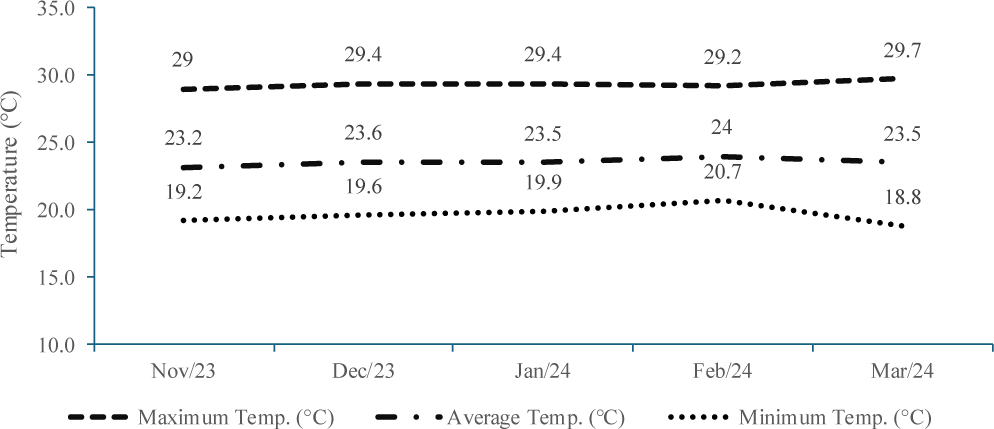
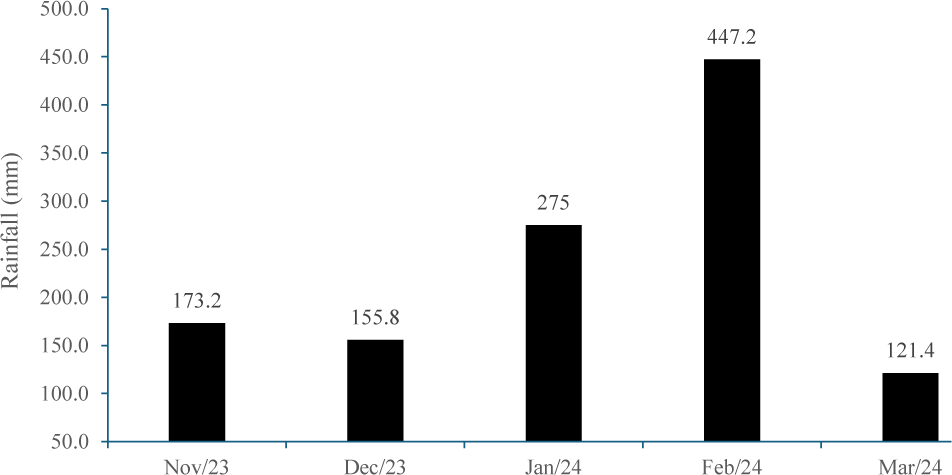
The experiment was conducted at the farm of the Universidade Professor Edson Antônio Velano, in Alfenas, Minas Gerais state, Brazil (21°30′26”S, 45°54′51”W and 845 m of altitude), in an area with a history of corn cultivation, during the 2023/2024 growing season. The region has a tropical mesothermal climate, subtype CwB, according to the Köppen classification. Temperature (°C) and rainfall (mm) data were monitored throughout the experimental period and are presented in Figures 1 and 2, respectively. The soil was classified as Dystroferric Red Latosol (Oxisol) (USDA 2015) and exhibited the following characteristics: pH (CaCl₂) = 5.6; organic matter = 26 g dm-3; P-Mehlich = 5 mg dm-3; K =152 mg dm-3; Ca2+ =3.9 cmolc dm-3; Mg2+ = 1.9 cmolc dm-3; Al3+ =0 cmolc dm-3; H+Al = 3.1 cmolc dm-3; SB =6.1 cmolc dm-3; t =6.1 cmolc dm-3; T = 9.2 cmolc dm-3; V = 66 %; m =0 %;P-rem = 10 mg L-2.
Monthly maximum, mean, and minimum temperatures from planting to harvest, in the 2023/2024 growing season (Alfenas, Minas Gerais state, Brazil).
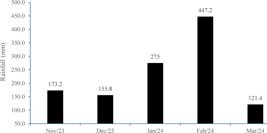
Monthly rainfall from planting to harvest, in the 2023/2024 growing season (Alfenas, Minas Gerais state, Brazil).
Corn sowing was performed manually on November 4, 2023, using conventional tillage (plowing and two harrowings), with furrows spaced 0.5 m apart and 0.05 m deep. The AG 1052 hybrid was used at a density of 60,000 plants ha-1. For the forage grasses, seeding rates of 20 kg ha–1were used for the Urochloa cultivars (seed value of50 %)and 8 kg ha–1for the Mombaça grass (seed value of60 %).The forage seeds were mixed with 08–28–16 (NPK) fertilizer applied at sowing and with20–00–20(NPK) fertilizer used for topdressing, depending on the treatment. Topdressing was applied when the corn plants reached the V4 growth stage.
When the corn kernels reached 50 % of milk line–corresponding to approximately 32–35 % of dry matter, which ensures a proper compaction, rapid oxygen exclusion, and efficientfermentation –the corn and forage grasses were manually cut at10 cmabove the soil surface. The harvested material was weighed to determine the fresh matter, and a representative subsample was dried in a forced-air oven at 55 °C, until constant weight. The dry matter content of the subsample was used to calculate the dry matter yield (t ha–1). Samples were separated into stems, leaves, and ears, to determine the percentage of forage in the dry matter, considering vegetative fractions (stalk and leaves) of corn and grasses. For corn, the ear-to-stalk ratio was also calculated. Grain yield was determined by weighing grains from 10 randomly selected ears per plot, with moisture corrected to 13 % and values extrapolated to 1 ha.
For silage preparation, the material was chopped into particles of 2–4 cm, using a stationary chopper, and then ensiled in experimental silos made from polyvinyl chloride (PVC) drums with capacity of 50 kg. Approximately 5 kg of oven-dried sand were placed at the bottom of each silo, separated from the silage mass by two layers of fine shade-cloth mesh to allow effluent quantification. The material was compacted using wooden pendulums, to reach a density of approximately 700 kg m3-1, ensuring air removal and proper fermentation. After compaction, the silos were sealed with PVC lids adapted with Bunsen valves for gas release, then sealed and weighed.
After 60 days of fermentation, the silos were weighed again and opened. The top 10-cm layer was discarded, and part of the ensiled mass was transferred to plastic trays for homogenization. Subsamples of 10 g were collected for pH determination, using a Beckman Expandomatic SS-2 potentiometer. Subsamples of 200 g were used for bromatological analyses, and the remaining material stayed in trays. Every 24 h, 2.5 g were collected from each replicate to compose a 10-g sample, which was then sent to the laboratory for microorganism counts (lactic acid bacteria, fungi, yeasts, and enterobacteria), following the serial dilution technique (Ben-David & Davidson 2014).
Effluent loss was quantified as the difference between the weight of the dry sand before ensiling and after silo opening, according to the equation proposed by Jobim et al. (2007): E = [(Pab-Pen)/MVfen] x 1,000, where: E is the effluent production (kg t¹ of fresh matter);Pab the weight of the set (tube, sand, and screen) at opening (kg); Pen the weight of the set (tube, sand, and screen) at ensiling (kg); and MVfe the ensiled fresh forage mass (kg).
For bromatological analyses, 200-g samples were placed in a forced-air oven at 55 °C, for 72 h, for pre-drying. After this period, the samples were ground in a Willey-type mill, using a 1-mm screen and analyzed for total dry matter and crude protein contents (AOAC 1980). Neutral detergent fiber and acid detergent fiber were determined using a Tecnal®apparatus, following the method described by Van Soest et al. (1991), and pH values were measured in aqueous solution (Silva & Queiroz 2002).
The data were subjected to analysis of variance, using the SAS 9.2 software. The effects of forage species and sowing methods were evaluated by the F-test, and, when significant, means were compared using the Scott-Knott test at 5 % of significance.
Results and Discussion
There was a grass × sowing method interaction for dry matter yield, percentage of forage in the dry matter, ear-to-stalk ratio, total dry matter, effluent loss, and crude protein content (Tables 1 and 2).
Dry matter yield, percentage of forage in the dry matter, and ear-to-stalk ratio in corn silages intercropped with grass cultivars under two sowing methods (planting and topdressing).
Total dry matter, effluent loss, and crude protein content in corn silages intercropped with grass cultivars under two sowing methods (planting and topdressing).
The dry matter yield of corn silage intercropped with Mombaça grass was higher than that of silages produced with the other grass cultivars when sowing was carried out simultaneously with corn. This result may be attributed to the greater contribution of Mombaça grass to the silage mass. In contrast, when forage sowing was performed during corn topdressing fertilization, the highest yield occurred in the corn-MG4 intercrop, which can be explained by the comparatively greater development of the corn crop relative to the forage grasses under that condition.
Comparing the forage cultivars within each sowing method, lower dry matter yields were observed in intercrops with Marandu and MG4 when sown together with corn, and in the corn-Mombaça intercrop when the grass was sown at topdressing (Table 1). These findings reinforce the hypothesis that forage participation in the silage mass increases when sowing is carried out simultaneously with corn planting.
The grass showing the highest forage contribution to corn silage, when sown together with corn, was Mombaça. When grasses were sown during corn topdressing fertilization, the highest forage contributions were observed for Mombaça and MG4 (Table 1). Regardless of the sowing method, Mombaça consistently outperformed the other cultivars, likely due to its high forage yield, which results from the continuous emergence of new tissues and dry matter accumulation associated with successive phytomer development (Gastal & Lemaire 2015). This characteristic enables vigorous growth even under competitive conditions with corn, although such competition may also limit the own development of the grass.
Besides genetic factors, environmental conditions may also influence structural characteristics of forage grasses–such as leaf size, tiller density, and number of live leaves per tiller–helping to explain the superiority of Mombaça in comparison with Urochloa species, particularly regarding leaf size, which enhances photosynthetic capacity (Mijena et al. 2022).
With respect to the ear-to-stalk ratio, the highest ear proportions were observed when corn was intercropped with MG5 under simultaneous planting, and with MG4 and MG5 when grasses were sown during topdressing. Considering sowing methods within each grass cultivar, except for MG5–which showed no difference between methods–higher ear proportions were found when grasses were sown during corn topdressing (Table 1). This result may be explained by the competitive effect of the forage species, which compete for water, light, and nutrients, and can reduce corn development and yield (Li et al. 2014, Ponte Filho et al. 2023).
Regarding total dry matter, higher values were observed in silages intercropped with Marandu, MG4, and MG5, when sowing was conducted at corn planting. When sowing occurred during topdressing, MG4 and MG5 showed the highest values. The lower dry matter content observed in silages containing Mombaça can be attributed to its greater participation in the ensiled mass and its inherently high moisture content (Oliveira et al. 2014).
In the unfolding of the cultivar × sowing method interaction, differences were detected only for Mombaça, which showed a lower dry matter content when sown at planting, if compared with topdressing sowing. This result may be associated with the behavior of this forage species in the intercropping system, as simultaneous sowing increases competition for water, light, and nutrients, promoting greater leaf mass production, as previously discussed.
In addition, a higher production of effluents was observed in the corn silages intercropped with Mombaça when it was sown simultaneously with corn, in relation to the other cultivars (Table 2). This result may be attributed to the lower total dry matter content recorded in this treatment, since, according to Daniel et al. (2019), silages with dry matter contents below 30 % exhibit greater losses, mainly due to the increased effluent production. Thus, the greater observed loss may be related to the higher participation of the Mombaça grass in the ensiled mass and, consequently, to its lower dry matter content.
In the silages derived from intercropping systems, in which the grasses were sown at the time of corn topdressing fertilization, no significant differences were detected in effluent production among the forage species. This absence of differences may be explained by the less favorable conditions for grass emergence and growth in this stage, due to the greater competitiveness of corn. According to Ramos et al. (2021), the volume of produced effluent is influenced by factors such as dry matter content, silo type, cutting stage, ensiled plant, particle size, and use of additives.
The Mombaça grass exhibited a higher crude protein content in the silages under both sowing methods, when compared with the other cultivars. This performance may be associated with the higher proportion of forage contributed by this cultivar. According to Carvalho et al. (2023), plant height is positively correlated with crude protein content, which may account for the values obtained for the Mombaça grass.
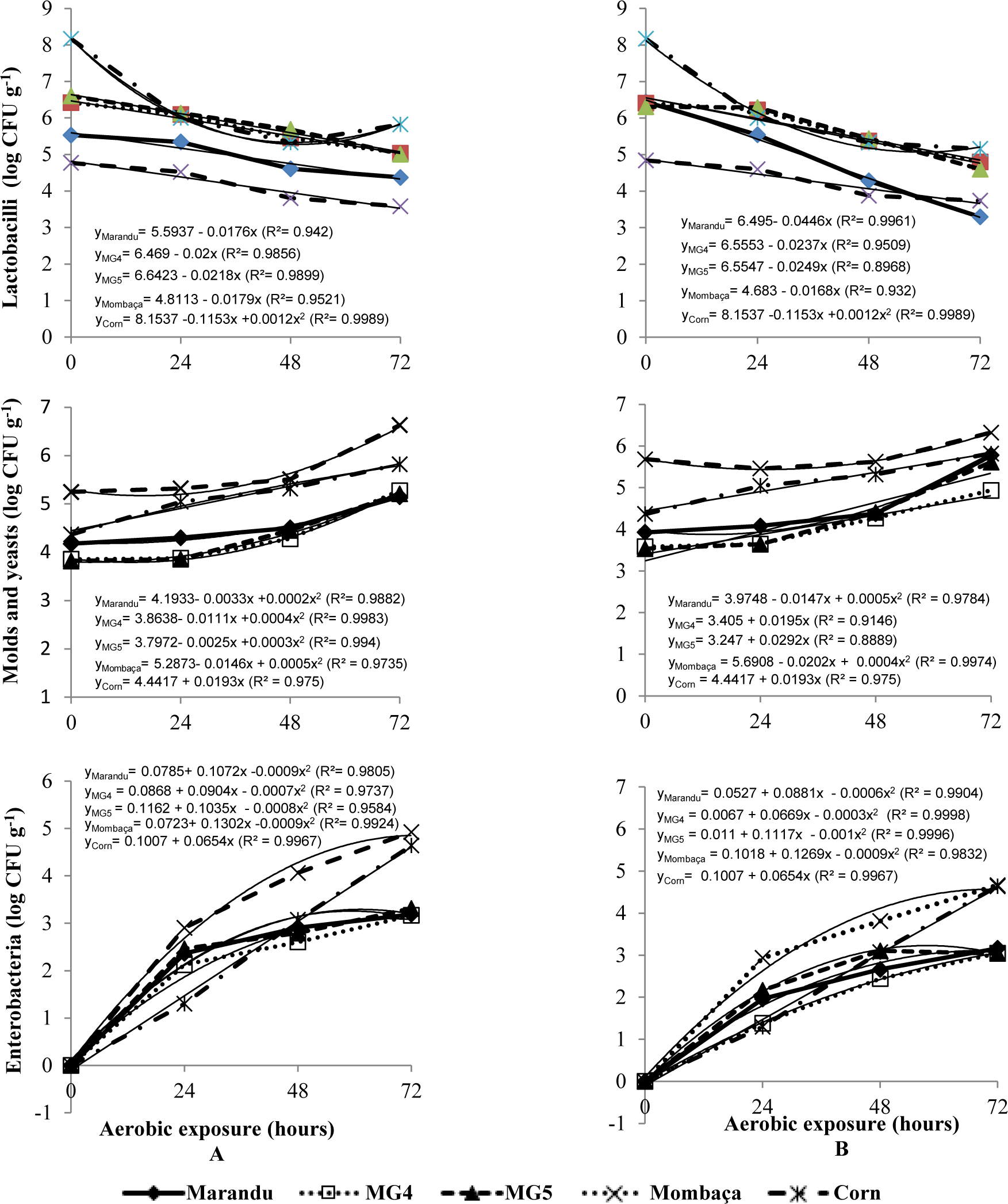
Overall, the lactobacilli population decreased over time after the silo opening in the silages of corn intercropped with grasses sown either at planting or at topdressing (Figure 3). Silages composed solely of corn showed higher concentrations of these microorganisms immediately after the silo opening. Among the intercropped treatments, the lowest concentration of lactobacilli was observed in those that included the Mombaça cultivar, regardless of sowing time.
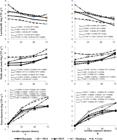
Density of lactobacilli, fungi and yeasts, and enterobacteria in corn silages intercropped with grass cultivars, sown at corn planting (A) and at topdressing fertilization (B).
Lactobacilli stood out as the most frequent and abundant microorganisms after silo opening. Their presence is desirable, because these microorganisms are responsible for reducing the pH during fermentation, thereby inhibiting the growth of undesirable organisms such as fungi, yeasts, and enterobacteria (Guo et al. 2023). The decline in the lactobacilli population over time may be associated with the use of lactic acid as a substrate by spoilage microorganisms, which increases pH and creates an unfavorable environment for their persistence (Mombach et al. 2018).
A progressive increase in the density of fungi and yeasts was observed over time under both sowing methods (Figure 3). The lowest incidences of these microorganisms were recorded immediately after silo opening, particularly in the MG4 and MG5 cultivars. Exposure of silage to oxygen creates favorable conditions for the growth of aerobic spoilage microorganisms, which utilize the available substrates for their proliferation (Snelling et al. 2023, Xu et al. 2023).
Immediately after silo opening, no enterobacteria were detected in the silages. With increasing exposure time to oxygen, the population of these microorganisms began to grow, reaching their highest concentration after 72 hours (Figure 3) in the corn silages intercropped with grasses, regardless of the sowing method, as well as in the monocropped corn silage. This increase may lead to reduced total sugar content and increased nitrogen compounds, raising the crude protein content of the silage (Coelho et al. 2018). Moreover, the presence of enterobacteria promotes the development of fungi and mycotoxin-producing microorganisms, negatively affecting animal health and performance (Ogunade et al. 2018).
The pH, neutral detergent fiber, and acid detergent fiber responded significantly only to the type of grass cultivar intercropped with corn (Table 3).
pH value, neutral detergent fiber, and acid detergent fiber of corn silage intercropped with grass cultivars under two sowing methods (planting and topdressing).
The highest pH values in intercropped corn silages were observed when the Marandu and MG5 cultivars were used (Table 3). In a study conducted by Barcelos et al. (2018) on elephant grass silage containing different proportions of coffee husk, pH values between 3.8 and 4.2 were reported, which are considered ideal according to the literature, and are consistent with those found in the present study. Elevated pH values indicate undesirable fermentations, with production of butyric and acetic acids (Van Soest 1994, Kung et al. 2018).
The neutral detergent fiber and acid detergent fiber contents were higher in corn silages intercropped with Mombaça grass (Table 3). The higher fiber content observed for Mombaça may be attributed to its greater structural development, characterized by thicker cell walls, a higher proportion of stalk and sheath relative to leaf blade, and increased lignification. These characteristics increase both the total fiber content and the less digestible fiber fraction of the forage, resulting in lower digestibility and crude protein content (Brito et al. 2003, Neumann et al. 2025).
Grain yield responded only to the sowing time of the forage species (Table 4), being higher when the grasses were sown at the time of corn topdressing fertilization, when compared with sowing at corn planting. This result may be attributed to the competitive potential of the intercropped species during early developmental stages, which can limit the growth of the main crop (Silva et al. 2014).
Grain yield in corn silages intercropped with grass cultivars under two sowing methods (planting and topdressing).
When comparing the grass treatments with monocropped corn, a significant effect was observed for all variables, except for pH and crude protein (Table 5).
Comparison between the factorial (cultivar vs. sowing) and the additional monocropped corn treatment for bromatological composition and yield.
Regarding total dry matter, the monocropped corn silage showed a higher dry matter concentration when compared with intercropped corn silages (Table 5). Similar results were reported by Almeida et al. (2017), who found a reduction of 17 % in the dry mass of intercropped corn, if compared with monoculture, and by Sapucay et al. (2020), who observed a reduction of 18 % . This decrease may be attributed to the increased plant population density, which causes shading and reduces net assimilation due to competition for light and photoassimilates (Silva et al. 2016).
The forage yield, grain yield, and ear-to-stalk ratio were higher in monocropped corn than in intercropping systems with grasses, reflecting the influence of resource competition on crop development. The growth of intercropped forages increases competition for water, light, and nutrients, reducing carbon and nitrogen assimilation in corn and affecting grain formation (Camargos 2025). Adequate translocation of assimilates and nitrogen to reproductive organs is crucial to minimizing the effects of interspecific competition (Ceccon et al. 2015, Batista et al. 2019, Sapucay et al. 2020).
Regarding the fibrous components of the silages, neutral detergent fiber and acid detergent fiber values were higher in corn silages intercropped with grasses, when compared with monocropped corn (Table 5), reflecting the greater proportion of structural fiber contributed by the intercropped grasses relative to corn.
Conclusions
-
The association of Urochloa brizanthacv. Marandu, U. brizantha cv. MG4, U. brizantha cv. MG5, and Megathyrsus maximus cv. Mombaça with corn for silage negatively affects yield and the bromatological characteristics of the silages, in comparison to monocropped corn;
-
Sowing the forage species at the time of corn topdressing fertilization increases the grain yield relative to sowing at corn planting, indicating that later establishment reduces early competition;
-
Megathyrsus maximus cv. Mombaça exhibited a greater participation in the ensiled mass, resulting in higher crude protein content, but also greater effluent production and lower total dry matter content.
Data Availability Statement:
Research data are only made available by authors upon request.
Acknowledgments
The authors thank the Coordenação de Aperfeiçoamento de Pessoal de Nível Superior (Capes) for granting master′s scholarships to the second and third authors and a doctoral scholarship to the fourth author.
References
- ALMEIDA, R. E. M.; FAVARIN, J. L.; OTTO, R.; PIEROZAN, C.; OLIVEIRA, S. M.; TEZOTTO, T.; LAGO, B. C. Effects of nitrogen fertilization on yield components in a corn-palisadegrass intercropping system. Australian Journal of Crop Science, v. 11, n. 3, p. 352-359, 2017.
- ARAÚJO NETO, R. B.; CARDOSO, M. J.; ANDRADE JÚNIOR, A. S.; MELO, F. B.; TEIXEIRA NETO, M. L. Performance de gramíneas consorciadas com o milho em sistema de ILPF no leste maranhense. Teresina: Embrapa Meio-Norte, 2021.
- ASSOCIATION OF OFFICIAL ANALYTICAL CHEMISTS (AOAC). Official methods of analysis. 12. ed. Maryland: AOAC, 1980.
- AUGUSTO, J. G.; PAZ, C. C. P.; MENDONÇA, G. G.; MOITINHO, M. R.; MENEGATTO, L. S.; BOLONHEZI, D.; SALLES, M. S. V.; SIMILI, F. F. Integrated crop-livestock versus conventional systems: effects on the chemical and physical characteristics of an Oxisol. Grass Forage Science, v. 79, n. 2, p. 254-264, 2024.
- BARCELOS, A. F.; CARVALHO, J. R. R.; TAVARES, V. B.; GONÇALVES, C. C. M. Valor nutritivo e características fermentativas da silagem de capim-elefante com diferentes proporções de casca de café. Ciência Animal Brasileira, v. 19, e27432, 2018.
- BATISTA, V. V.; GIARETTA, R.; LINK, L.; GIACOMEL, C. L.; ADAMI, P. F. Densidades de plantas e níveis de nitrogênio no desempenho de híbridos de milho em safrinha. Revista Nativa, v. 7, n. 2, p. 117-125, 2019.
- BEN-DAVID, A.; DAVIDSON, C. E. Estimation method for serial dilution experiments. Journal of Microbiological Methods, v. 107, n. 1, p. 214-221, 2014.
- BRITO, C. J. F.; RODELLA, R. A.; DESCHAMPS, F. C. Perfil químico da parede celular e suas implicações na digestibilidade de Brachiaria brizantha e Brachiaria humidicola. Revista Brasileira de Zootecnia, v. 32, n. 6, p. 1835-1844, 2003.
- CAMARGOS, G. H. S. Gramíneas forrageiras em sistemas integrados com milho e soja no Cerrado. Dissertação (Mestrado em Zootecnia)–Escola de Veterinária, Universidade Federal de Minas Gerais, Belo Horizonte, 2025.
- CARVALHO, A. F. G.; FULANETI, F. S.; SANTOS, R. E.; FIPKE, G. M.; BRASIL NETO, E. S.; MARTIN, T. N. Relações entre caracteres agronômicos e bromatológicos da silagem de milho no sudoeste do Paraná, Brasil. Revista Científica da Faculdade de Educação e Meio Ambiente, v. 14, n. 2, p. 393-406, 2023.
- CECCON, G.; SILVA, J. F.; LUIZ NETO NETO, A.; MAKINO, P. A.; SANTOS, A. Produtividade de milho safrinha em espaçamento reduzido com populações de milho e de brachiaria. Revista Brasileira de Milho e Sorgo, v. 13, n. 3, p. 326-335, 2014.
- COELHO, M. M.; GONÇALVES, L. C.; RODRIGUES, J. A. S.; KELLER, K. M.; ANJOS, G. V. S.; OTTONI, D.; MICHEL, P. H. F.; JAYME, D. G. Chemical characteristics, aerobic stability, and microbiological counts in corn silage re-ensiled with bacterial inoculant. Pesquisa Agropecuária Brasileira, v. 53, n. 9, p. 1045-1052, 2018.
- DANIEL, J. L. P.; BERNARDES, T. F.; JOBIM, C. C.; SCHMIDT, P.; NUSSIO, L. G. Production and utilization of silages in tropical areas with focus on Brazil. Grass and Forage Science, v. 74, n. 2, p. 188-200, 2019.
- FERRARETTO, L. F.; SHAVER, R. D.; LUCK, B. D. Silage review: recent advances and future technologies for whole-plant and fractionated corn silage harvesting. Journal of Dairy Science, v. 101, n. 5, p. 3937-3951, 2018.
- FOOD AND AGRICULTURE ORGANIZATION OF THE UNITED NATIONS (FAO). Status of the world′s soil resources (SWSR): main report. Rome: FAO, 2015.
- GARCÍA-CHÁVEZ, I.; MERAZ-ROMERO, E.; CASTELÁN-ORTEGA, O.; ZARAGOZA-ESPARZA, J.; OSORIO AVALOS, J.; ROBLES JIMÉNEZ, L. E.; GONZÁLEZ-RONQUILLO, M. Corn silage: a systematic review of the quality and yield in different regions around the world. Ciencia y Tecnología Agropecuaria, v. 23, n. 3, e2547, 2022.
- GASTAL, F.; LEMAIRE, G. Defoliation, shoot plasticity, sward structure and herbage utilization in pasture: reviewof the underlying ecophysiological processes. Agriculture, v. 5, n. 4, p. 1146-1171, 2015.
- GUO, X.; XU, D.; LI, F.; BAI, J.; SU, R. Current approaches on the roles of lactic acid bacteria in crop silage. Microbial Biotechnology, v. 16, n. 1, p. 67-87, 2023.
- JOBIM, C. C.; NUSSIO, L. G.; REIS, R. A.; SCHMIDT, P. Avanços metodológicos na avaliação da qualidade da forragem conservada. Revista Brasileira de Zootecnia,v. 36,suppl., p. 101-119, 2007.
- KUNG, J. R. L.; SHAVER, R. D.; GRANT, R. J.; SCHMIDT, R. J. Silage review: interpretation of chemical, microbial, and organoleptic components of silages. Journal of Dairy Science, v. 101, n. 5, p. 4020-4033, 2018.
- LI, L.; TILMAN, D.; LAMBERS, H.; ZHANG, F. S. Plant diversity and overyielding: insights from belowground facilitation of intercropping in agriculture. New Phytologist, v. 203, n. 1, p. 63-69, 2014.
- LIMA, J. D. P.; TORINO, A. B.; SILVA, L. M. D.; NASCIMENTO JÚNIOR, L. F. D.; BRITO, M. F. D.; COSTA, K. A. D. P.; SILVA, B. M.; SEVERIANO, E. D. C. Crop-livestock integration improves physical soil, agronomic and environmental aspects in soybean cultivation. Plants, v. 12, n. 21, e3746, 2023.
- LIMA, M. C. D.; GAMA, D. C. O sistema de integração lavoura-pecuária-floresta no Brasil: conceitos, desafios e novas perspectivas. Agroforestalis News, v. 3, n. 1,p. 31-51, 2018.
- LIU, Y.; WANG, G.; WU, H.; MENG, Q.; KHAN, M. Z.; ZHOU, Z. Effect of hybrid type on fermentation and nutritional parameters of whole plant corn silage. Animals, v. 11, n. 6, e1587, 2021.
- MIJENA, D.; MEKETE, B.; GETISO, A. Effect of nps fertilizer and harvesting stage on biomass yield and quality parameters of bracharia grass under supplementary irrigation in southern Ethiopia. Ukrainian Journal of Ecology, v. 12, n. 10, p. 20-33, 2022.
- MOMBACH, M. A.; PEREIRA, D. H.; PINA, D. S.; PEREIRA, O. G.; BOLSON, D. C.; PEDREIRA, B. C. Rehydration of dry corn grain as an alternative for conservation purposes. Australian Journal of Crop Science, v. 12, n. 9, p. 1472-1478, 2018.
- NEUMANN, M.; UENO, R. K.; PINTO, D. R. D. S.; GIACOMET, J. A. D. A.; ROSA, E. D. S. B.; BALDISSERA, E. Advancement of the reproductive cycle in oat combinations on productivity and nutritional quality for silage. Ciência Animal Brasileira, v. 26, e80743, 2025.
- OGUNADE, I. M.; MARTINEZ-TUPPIA, C.; QUEIROZ, O. C. M.; JIANG, Y.; DROUIN, P.; WU, F.; VYAS, D.; ADESOGAN, A. T. Silage review: mycotoxins in silage:occurrence, effects, prevention, and mitigation. Journal of Dairy Science, v. 101, n. 5, p. 4034-4059, 2018.
- OLIVEIRA, E. R.; MONÇÃO, F. P.; MOURA, L. V.; GABRIEL, A. M. A.; TONISSI, R. H.; GÓES, B.; LEMPP, B.; NASCIMENTO, F. A. Valor nutricional de silagem de capim-mombaça com aditivos agroindustriais. Semina: Ciências Agrárias, v. 35, n. 3, p. 1543-1556, 2014.
- PASCOALOTO, I. M.; ANDREOTTI, M.; CRUZ, S. S. D.; SABBAG, O. J.; BORGHI, E.; LIMA, G. C. D.; MODESTO, V. C. Economic analysis of sorghum consortia with forages or with dwarf pigeon pea succeeded by soybean or corn. Pesquisa Agropecuária Brasileira,v. 52,n. 10, p. 833-840, 2017.
- PONTE FILHO, F. A. M. D.; GUEDES, F. L.; POMPEU, R. C. F. F.; SAGRILO, E.; ANDRADE, H. A. F. D.; COSTA, C. P. D. M.; SOUZA, H. A. D. Productivity and nutrient export in a maize and forage grasses intercropping under semiarid conditions. Revista Brasileira de Saúde e Produção Animal, v. 24, e20220029, 2023.
- RAMOS, B. L. P.; PIRES, A. J. V.; CRUZ, N. T.; SANTOS, A. P. S.; NASCIMENTO, L. M. G.; SANTOS, H. P.; AMORIM, J. M. S. Research, Society and Development, v. 10, n. 5, e8910514660, 2021.
- REZENDE, A. V.; PRADO, R. A. T.; FAUSTINO, T. F.; FLORENTINO, L. A.; SILVA, N. C. D.; SANTOS, P. C. O. Potencial agronômico e valor nutritivo de forrageiras implantadas na integração com a cultura do milho. Research, Society and Development, v. 11, n. 4, e44511427318, 2022.
- SALTON, J. C.; MERCANTE, F. M.; TOMAZI, M.; ZANATTA, J. A.; CONCENÇO, G.; SILVA, W. M.; RETORE, M. Integrated crop-livestock system in tropical Brazil: toward a sustainable production system. Agriculture, Ecosystems & Environment, v. 190, n. 1, p. 70-79, 2014.
- SAPUCAY, M. J. L. da C.; COELHO, A. E.; BRATTI, F.; LOCATELLI, J. L.; SANGOI, L.; BALBINOT JUNIOR, A. A.; ZUCARELLI, C. Nitrogen rates on the agronomic performance of second-crop corn single and intercropped with ruzigrass or showy rattlebox. Pesquisa Agropecuária Tropical, v. 50, e65525, 2020.
- SEKARAN, U.; LAI, L.; USSIRI, D. A.; KUMAR, S.; CLAY, S. Role of integrated crop-livestock systems in improving agriculture production and addressing food security: a review. Journal of Agriculture and Food Research, v. 5, e100190, 2021.
- SILVA, D. J.; QUEIROZ, A. C. Análise de alimentos: métodos químicos e biológicos. 3. ed. Viçosa: Ed. UFV, 2002.
- SILVA, M. A.; FERREIRA, W. M.; ANDRADE, V.; COSTA, J. Influência das condições microclimáticas no crescimento do milho BR 106, cultivado sob sementeira direta. Revista de Ciências Agrárias, v. 39, n. 3, p. 383-394, 2016.
- SILVA, P. I. B.; FONTES, D. R.; MORAES, H. M. F.; GONÇALVES, V. A.; SILVA, D.V.; FERREIRA, L. R.; FELIPE, R. S. Crescimento e rendimento do milho e da braquiária em sistema consorciado com diferentes manejos de plantas daninhas. Planta Daninha, v. 32, n. 2, p. 301-309, 2014.
- SNELLING, T. J.; DAVIES, D. R.; HUNTINGTON, J. A.; ADAMS, N.; WARREN, H.; TAYLOR-PICKARD, J.; SINCLAIR, L. A. Compaction, aeration and addition of mycotoxin contaminated silage alters the fermentation profile, mycotoxin content and aerobic stability of ryegrass (Lolium perenne) silage. Frontiers in Agronomy, v. 5, e1146505, 2023.
- UNITED STATES DEPARTMENT OF AGRICULTURE (USDA). Soil Survey Staff. Keys to soil taxonomy. 12. ed. Washington, DC: USDA, 2015.
- VAN SOEST, P. J. Nutritional ecology of the ruminant. 2. ed. Ithaca: Cornell University, 1994.
- VAN SOEST, P. J.; ROBERTSON, J. B.; LEWIS, B. A. Methods for dietary fiber, neutral detergent fiber, and nonstarch polysaccharides in relation to animal nutrition. Journal of Dairy Science, v. 74, n. 10, p. 3583-3597, 1991.
- VANOLLI, B. D. S.; DIAS, H. B.; Luz, F. B.; LAMPARELLI, R. A. C.; MAGALHÃES, P. S. G.; CHERUBIN, M. R. Crop-livestock integrated systems improve soil health in tropical sandy soils. Agronomy, v. 15, n. 2, e378, 2025.
- XU, Y. A. N.; YAN-CHUN, Z. U. O.; HONG-LIN, W. A. N. G.; ZI-ZHOU, W. U.; QIANG-FENG, W. A. N. G.; YANG, L. I.; ZHOU-HE, D. U. Aerobic deterioration and management of silage feedout face. Feed Research, v. 46, n. 21, e160, 2023.
-
Editor
Luis Carlos Cunha Junior