 Mapping nitrogen-use responsiveness through image-based phenotyping in maize1
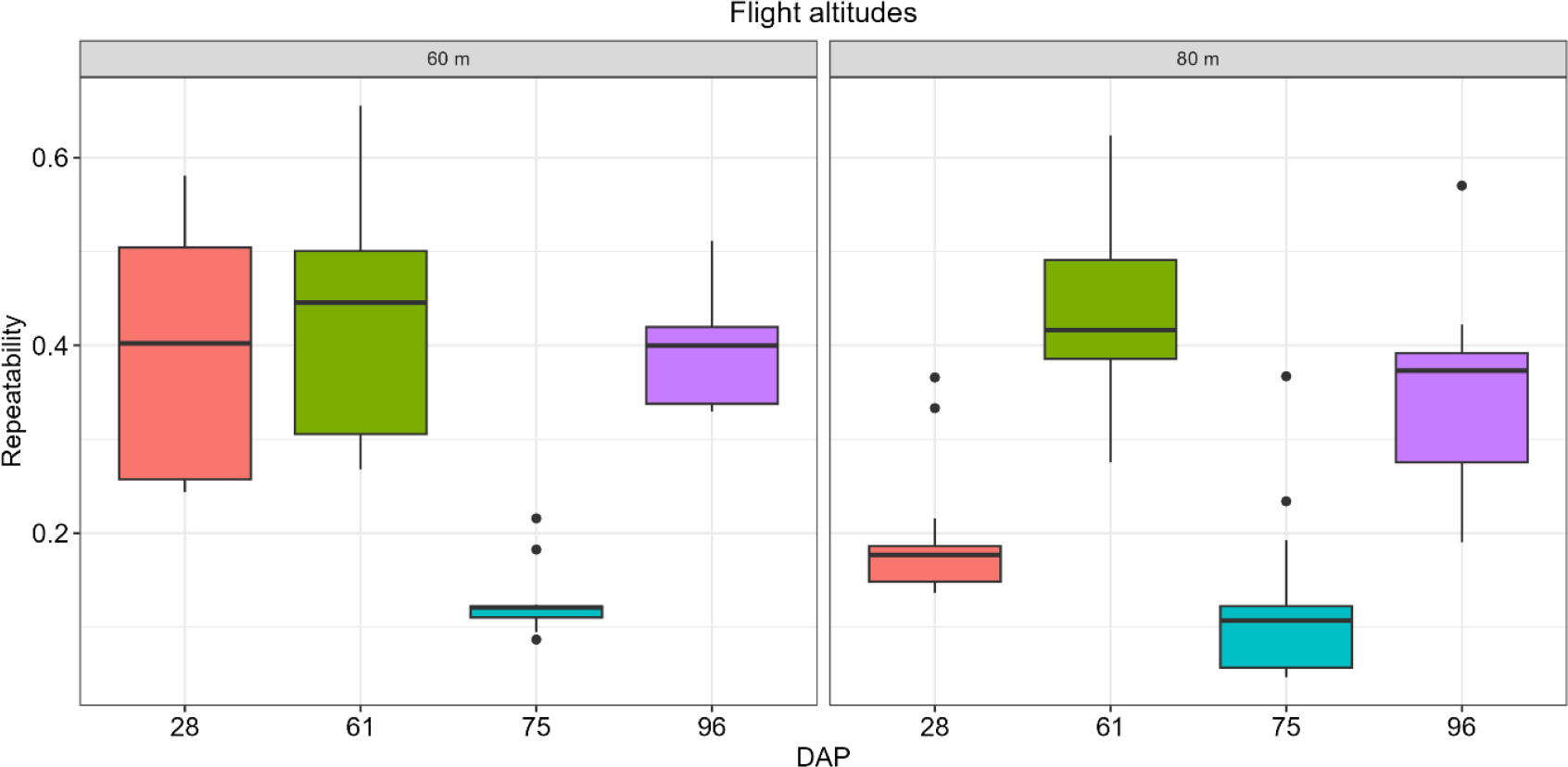
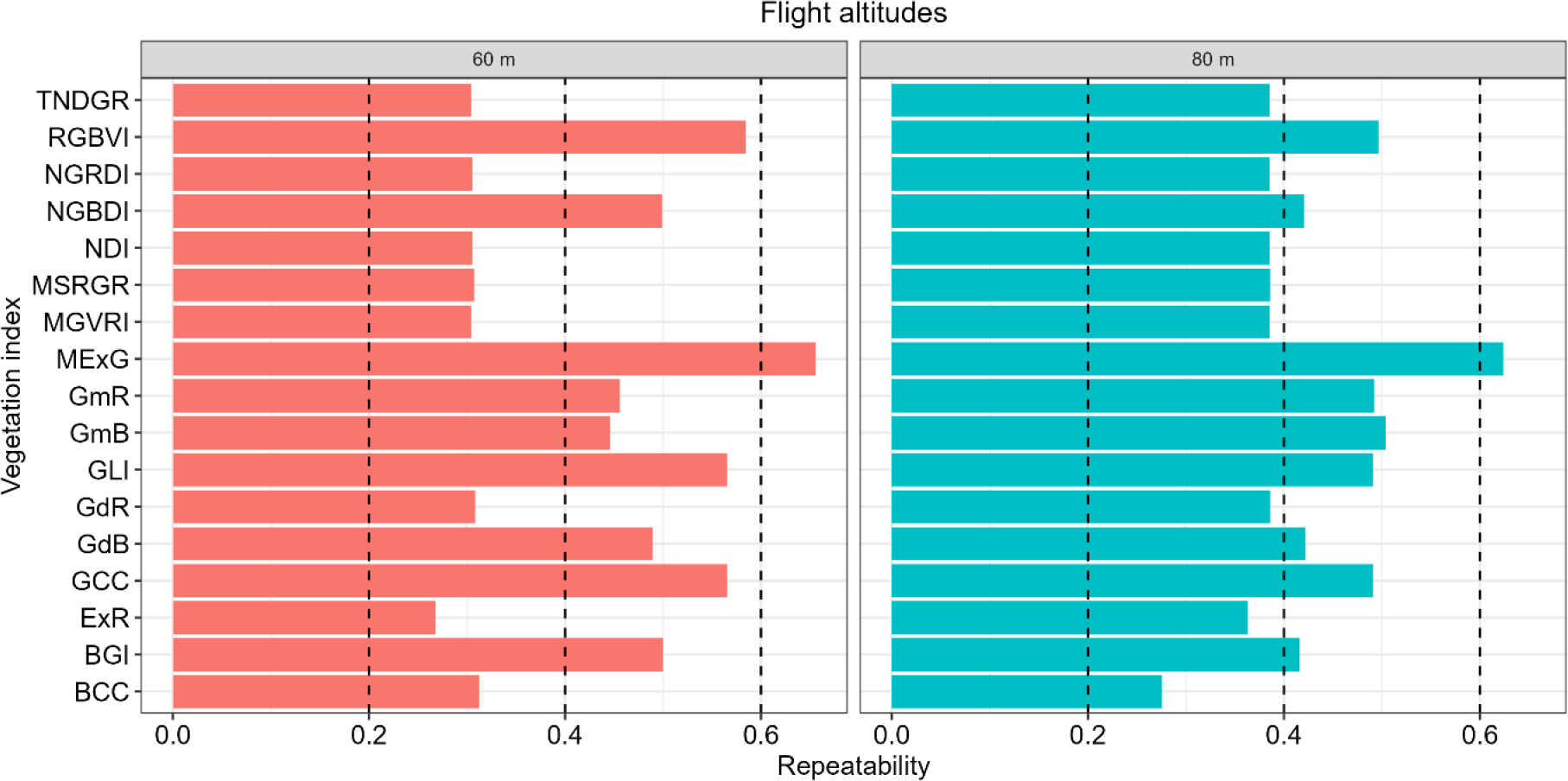
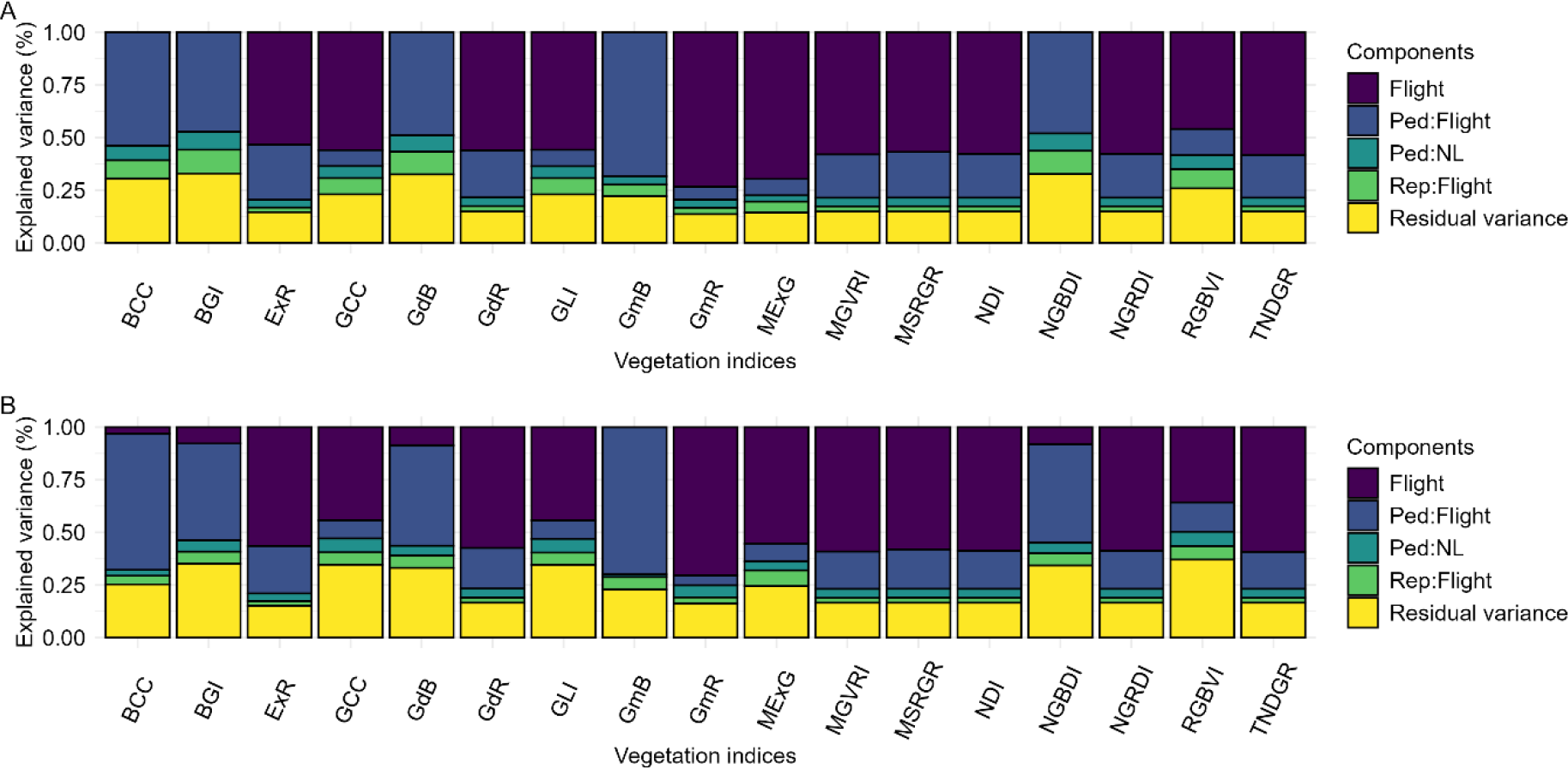
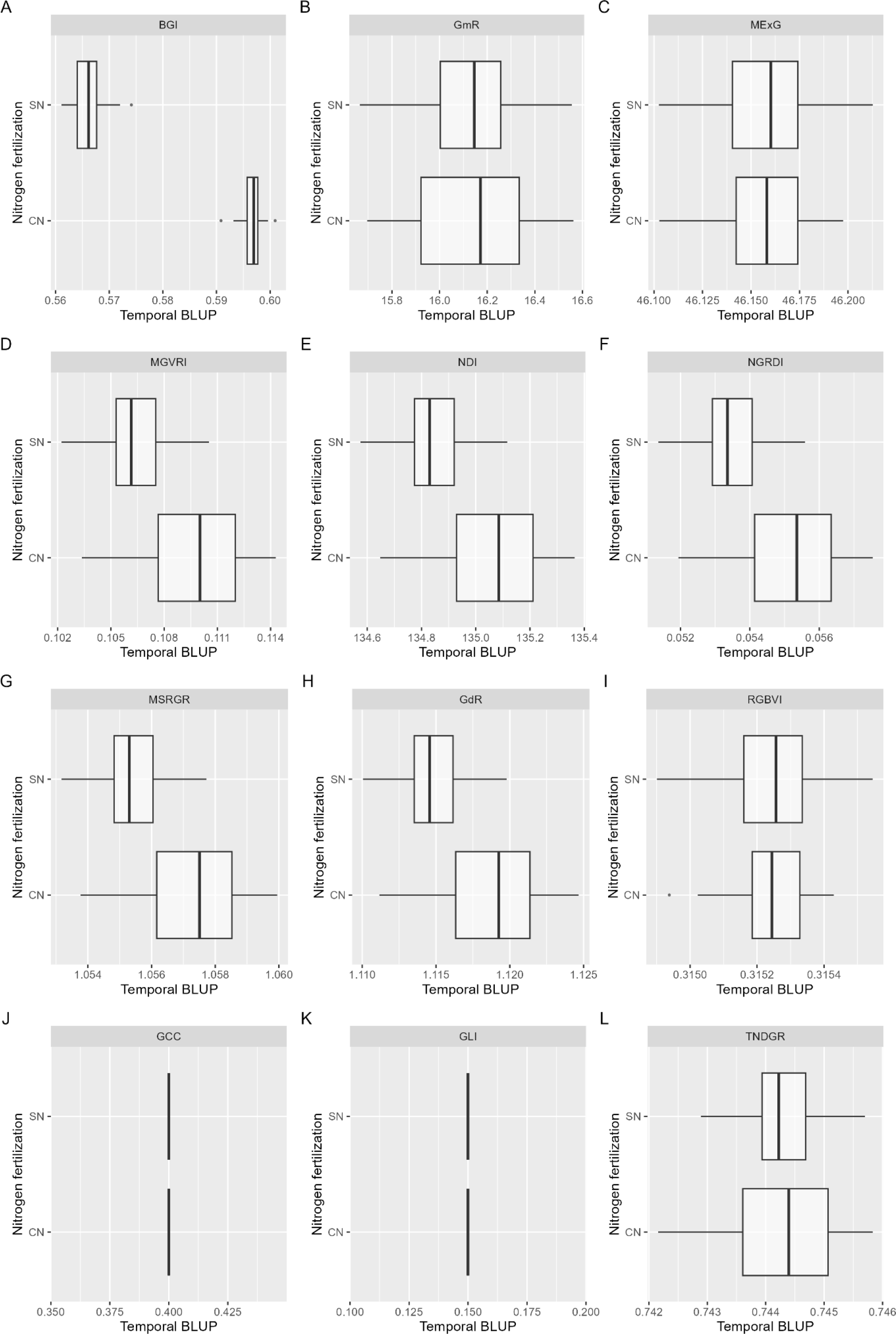
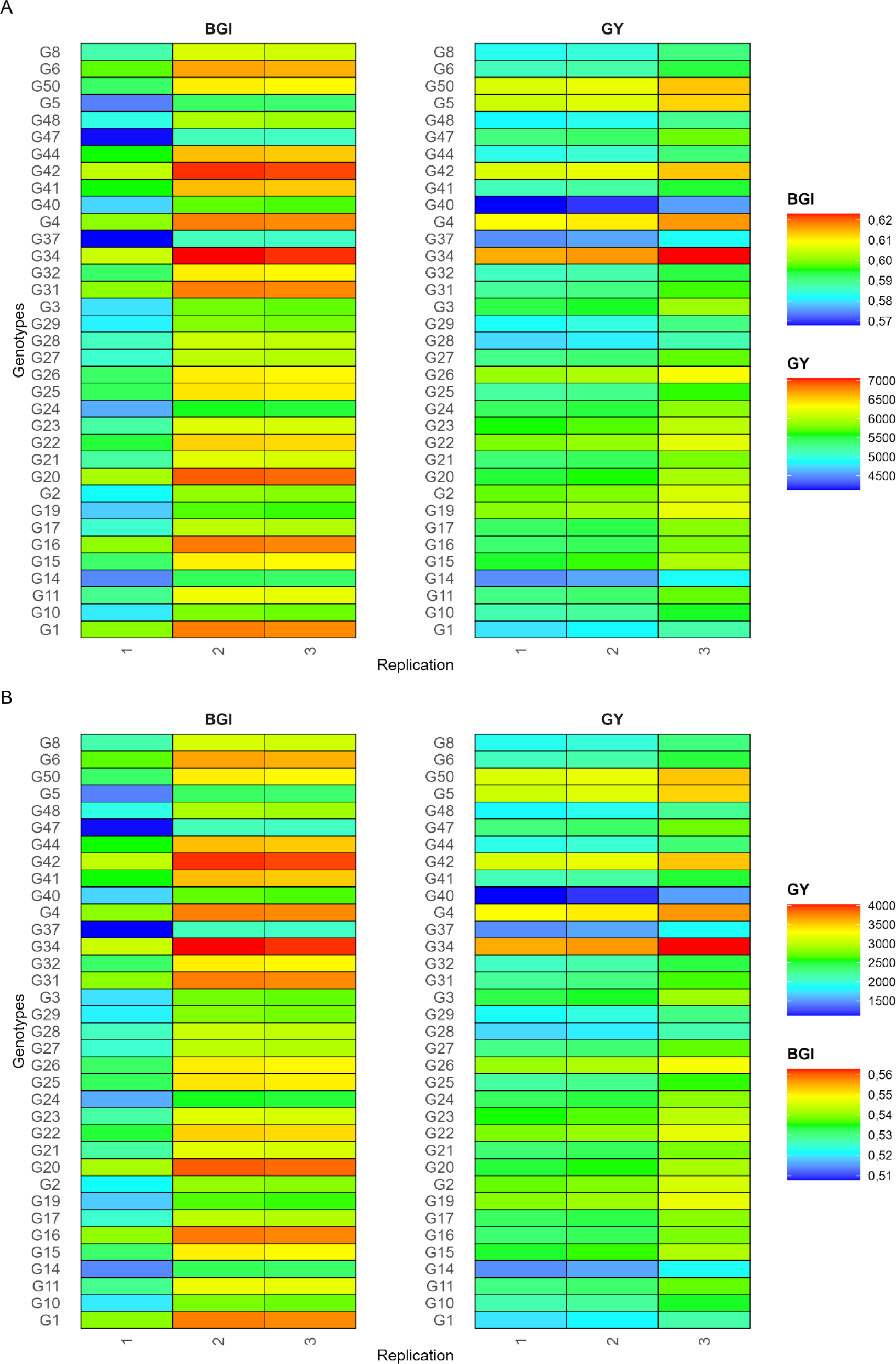
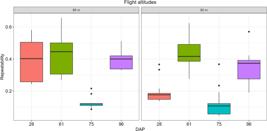
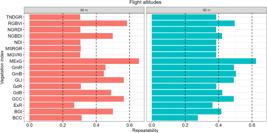
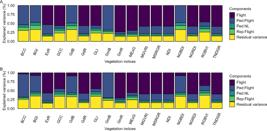
High-throughput phenotyping has emerged as a strategic tool in maize breeding, enabling the rapid and accurate assessment of agronomic traits. This study aimed to select vegetation indices derived from RGB imagery for the identification of high-yielding maize genotypes under contrasting nitrogen fertilization conditions at the plot level. A total of 35 maize genotypes were evaluated in a randomized complete block design with a split-plot arrangement and three replications, subjected to two nitrogen levels (20 and 140 kg ha-1). Four unmanned aerial vehicle flights were conducted at two altitudes (60 and 80 m), and genetic and spatial analyses were performed using mixed models (REML/BLUP). The flight conducted at 61 days after planting (V7/V8 stage) at 60 m of altitude exhibited the highest repeatability and accuracy. The blue green pigment index (BGI) demonstrated high sensitivity in discriminating nitrogen levels and in the indirect selection of high-yielding genotypes. The genotypes G42, G4, G34, G31, G20, G16, and G1 were identified as superior for grain yield. Vegetation indices based on the blue spectral band, such as BGI, are effective for the early selection of genotypes under nitrogen stress conditions prior to flowering.
KEYWORDS:
Zea mays L.; unmanned aerial vehicle; nitrogen stress; plant breeding.
 Thumbnail
 Thumbnail
 Thumbnail
 Thumbnail
 Thumbnail
 Thumbnail