 Predictive Analysis of Oral Squamous Cell Carcinoma Patient Status Using Machine Learning: A Focus on Lifestyle and Demographic Factors
Objective: To develop and validate a predictive model for oral squamous cell carcinoma (OSCC) survival outcomes, assessing the impact of key risk factors on survival probability.
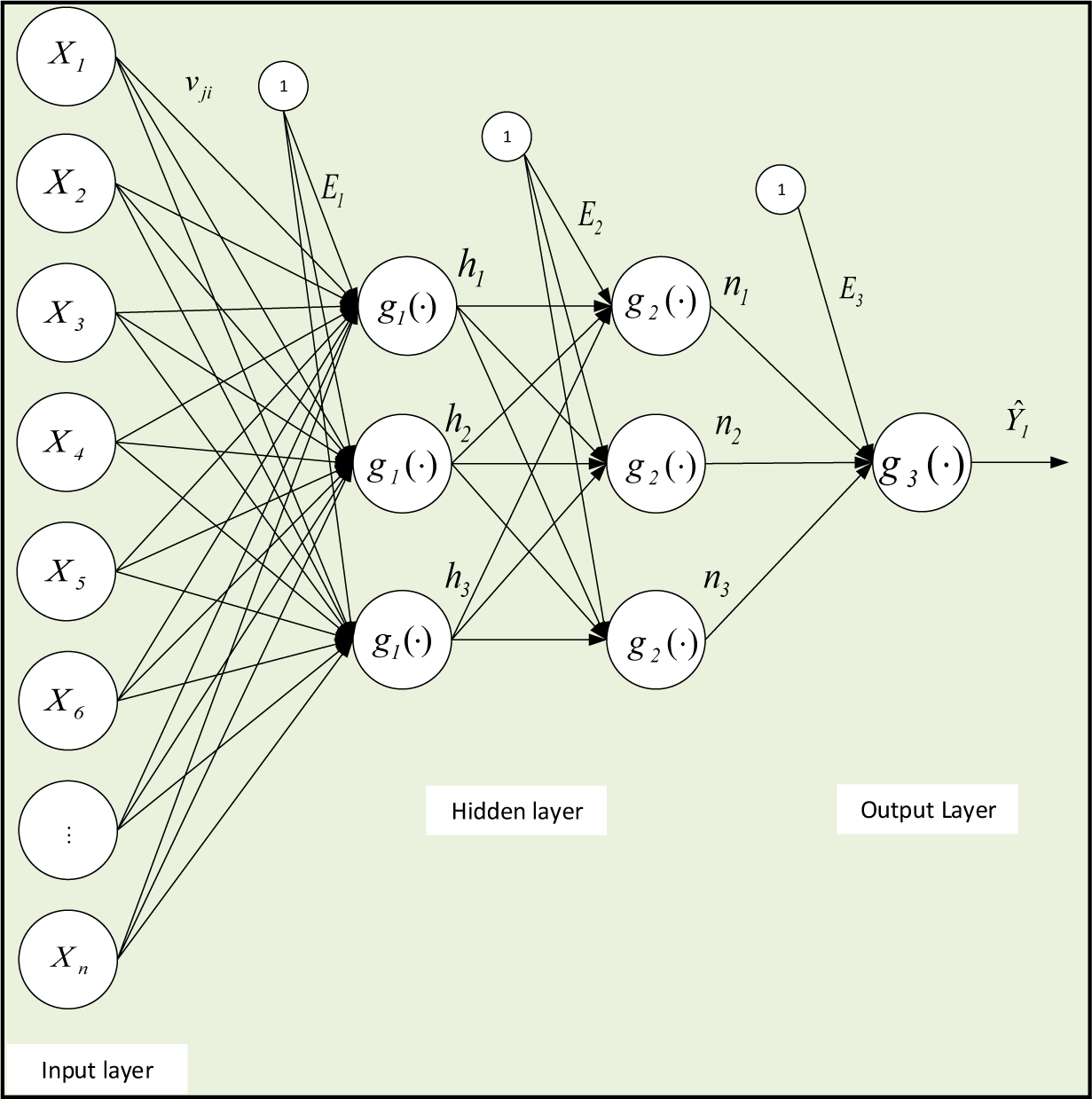
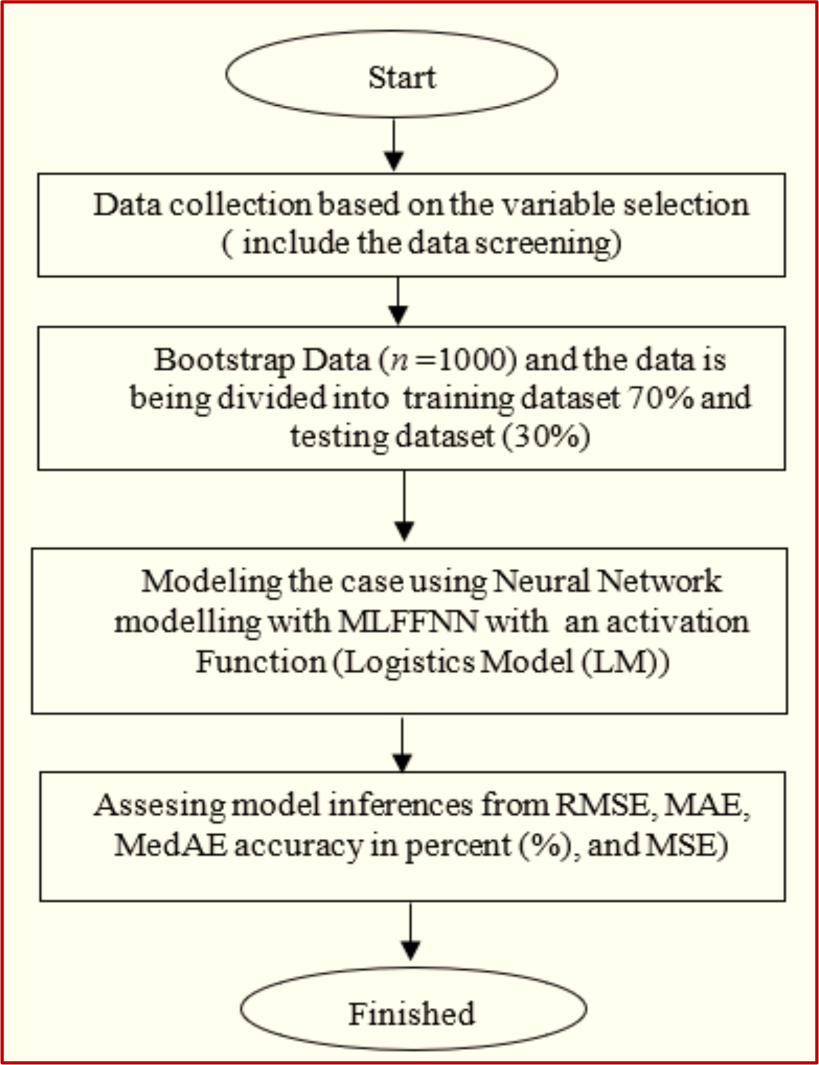
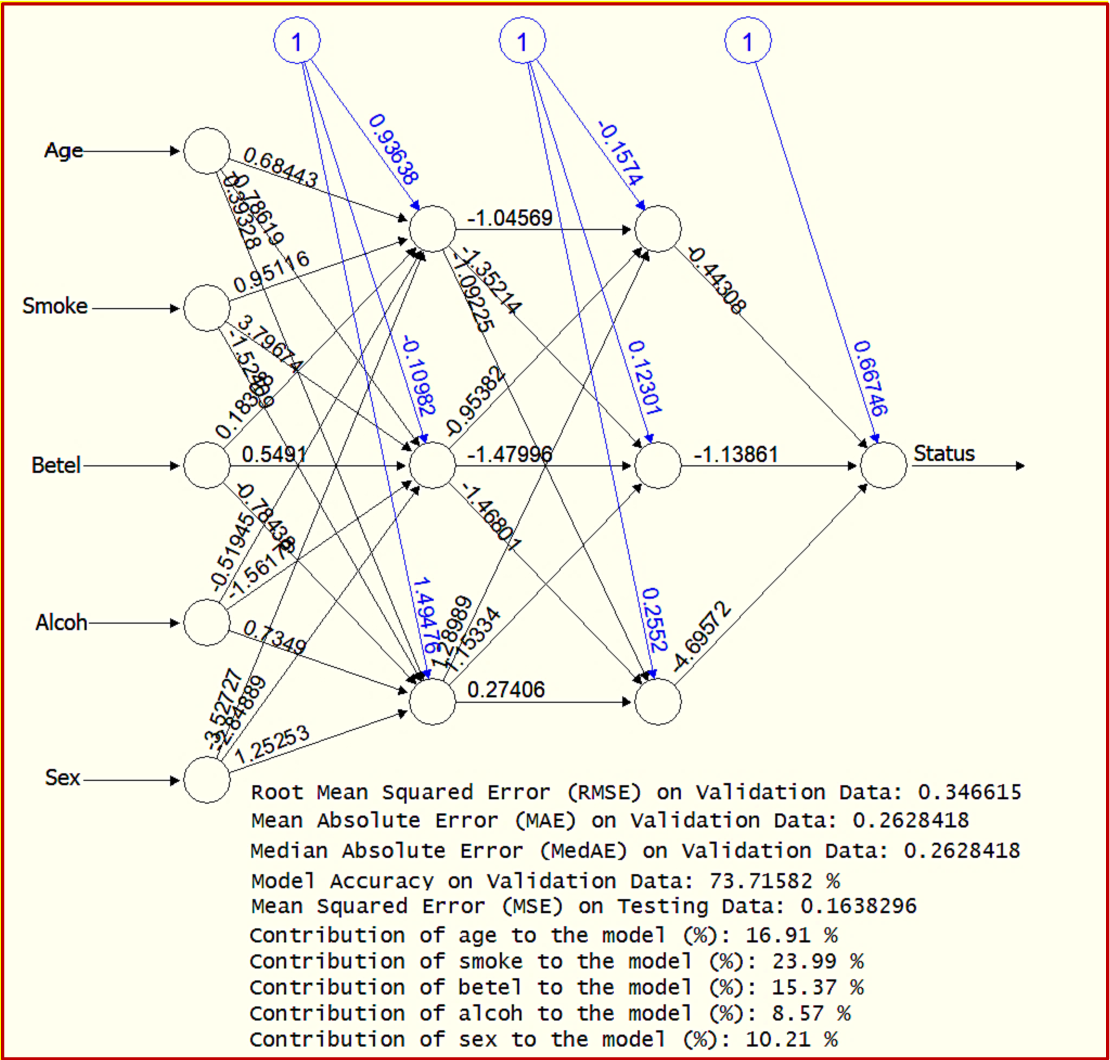
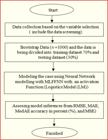
Material and Methods: A retrospective analysis was performed using a Multilayer Feedforward Neural Network (MLFFNN) in R. The outcome variable was survival status (live or dead), while predictors included smoking status, age, betel quid use, alcohol consumption, and sex. Data were normalized and partitioned into training, testing, and validation sets using bootstrap resampling. The MLFFNN model was optimized with hidden layers and a logistic activation function to enhance predictive performance.
Results: Smoking status was the most influential predictor of OSCC survival (24%), followed by age (16.91%), betel quid use (15.37%), sex (10.21%), and alcohol consumption (8.57%). Performance metrics included a Mean Absolute Error of 0.2628, Root Mean Squared Error of 0.3466, and validation accuracy of 73.715%.
Conclusion: This study highlights the potential of neural network-based models in predicting OSCC survival outcomes. Smoking emerged as the dominant risk factor, providing critical insights for data-driven clinical management strategies.
Keywords:
Carcinoma, Squamous Cell; Predictive Learning Models; Machine Learning; Life Style
 Thumbnail
 Thumbnail
 Thumbnail