 A 10-Year Retrospective Study in a Public Referral Service
ABSTRACT
Objective: To investigate the profile of people with disabilities, factors related to referral for general anesthesia (GA), dental procedures performed under hospital care, and return to specialized outpatient follow-up in Curitiba, Brazil.
Material and Methods: This retrospective study analyzed electronic records from individuals treated through the Amigo Especial Program between 2009 and 2019. Variables included age, gender, baseline diagnosis, use and type of protective stabilization, reasons for GA referral, hospital dental procedures, and return to outpatient care. Descriptive statistics, Chi-Square tests, and binomial logistic regression were performed.
Results: A total of 657 records were reviewed, and 119 patients (18%) were referred for GA. The most frequent age group was 22-40 years, predominantly male, and without a recorded baseline diagnosis. Protective stabilization was used in 44% (n=286) of the total sample and had previously been used in 71% (n=84) of those referred for GA. The main reason for referral was the risk of injury to patients and professionals. Tooth extraction was the most frequent procedure. Among those treated under GA, 74% (n=88) returned for outpatient follow-up. Additionally, 55 individuals required a new referral due to failure to complete treatment in the outpatient setting.
Conclusion: The patient profile consisted mainly of adult males without a diagnosis. Protective stabilization was common before GA. Surgical procedures were frequent, and most patients returned for follow-up.
Keywords:
Dental Health Service; Persons with Disabilities; Anesthesia; General.
ν Introduction
Dental care for people with disabilities is one of the biggest challenges for the dental surgeon and the team when cooperation is limited or non-existent [1]. Various behavioral management techniques and adaptations may be necessary for people with disabilities during outpatient dental care [2]. When all behavior management techniques do not allow for safe dental care, other strategies should be used.
Sedation and general anesthesia (GA) can improve treatment by offering differentiated care, given the characteristics of the disability [3]. The first adaptation approach is usually protective stabilization (PE). The second alternative used by dentists is chemical stabilization through sedation, which provides comfort for the patient and their family and enhances safety for the professionals involved. The third option would be to use GA in a hospital environment [4]. However, although GA is often considered a third option, it is often the first choice in clinical practice, especially for patients with severe disabilities or significant behavioral challenges. In addition to providing behavioral management, GA enables the resolution of several dental problems in a single session, reducing stress for the patient and their caregivers. It is also an option when the use of local anesthesia is contraindicated, as it allows the dental surgeon to carry out quality work with better results and enables diagnosis in individuals who are completely inaccessible to evaluation due to severe impairment. Any combination of these factors can act as an indication for the use of GA for dental treatment [1,5,6]. The cost-benefit should be analyzed before each decision to perform dental treatment under GA [1].
Given the scarcity of national data and the increasing demand for specialized dental care for people with disabilities, understanding the clinical and behavioral profiles of those referred for GA is essential to optimizing treatment protocols and resource allocation in public health services. This study is justified by the need to fill this knowledge gap and support clinical decision-making and the development of health policies. This study aimed to verify the profile of people with disabilities referred for treatment under general anesthesia; the factors that may influence referral; the dental procedure carried out in a hospital environment and the return for outpatient care in the specialized public service of the city of Curitiba, Brazil.
Material and Methods
Study Design and Ethical Clearance
This research is a retrospective, observational, and descriptive study conducted in the city of Curitiba, Paraná, Brazil, and was approved by the Human Research Ethics Committees of the Health Sciences Sector of the Federal University of Paraná - UFPR (Opinion No. 5900534) and the Curitiba Municipal Health Department (Opinion No. 6074837).
Data Collection
The municipality's computerized health system generated a list of those enrolled in specialized dental care under the Special Friend Program of the Curitiba, Brazil, public service. For the study, a report was generated containing the full names, dates of birth, and mother's names of all individuals with disabilities treated at the specialized dental service of the Special Friend Program in Curitiba. These identifiers enabled the researcher to access and extract data from each patient's electronic medical record.
All electronic medical records of people with disabilities enrolled in the Special Friend Program and treated at the specialized dental care service of the public health network in Curitiba, Brazil, from 2009 to 2019, were included. In cases of duplicated records, the information was compiled into a single entry. As exclusion criteria, records of individuals enrolled before 2009 or after 2019 were excluded. In cases of duplicated records, the information was also compiled into a single entry.
To collect the data, a single researcher accessed the electronic dental records. The information was entered into spreadsheets using the Excel program, in ascending numerical sequence and without identifying the person's name. The data collected was as follows: 1) age, gender and underlying medical diagnosis; 2) need, type of protective stabilization used before GA care and the reasons why they were referred; 3) types of dental procedure carried out during GA care; 4) return for outpatient care.
When tabulating the data, age was grouped into 0 to 5 years; 6 to 12 years; 13 to 21 years; 22 to 40 years; 41 to 60 years; and over 60 years. For the basic medical diagnosis, the following were considered: cerebral palsy; Down's syndrome; autism; intellectual disability; uninformed diagnosis; inconclusive and others. The use of protective stabilization was classified as Yes or No; and the type of stabilization used was described as physical, mechanical or both. The reasons for referral were classified as pain, phobia, nausea, risk of accident to the patient or professionals, need for many dental procedures and others. The dental procedures carried out under GA were classified as simple extraction, semi-included or included teeth; restorations; scraping, smoothing and polishing; biopsy; and others. For return to outpatient care, Yes or No was used to check the number.
Before being referred to specialized care, all patients with disabilities underwent at least two attempts at treatment in primary health care units. Those who did not receive clinical care were referred to the specialized service, according to the municipal health department's referral protocol. The specialized service of the Special Friend Program was composed of four dental surgeons (two specialists in special care dentistry and two general dentists), each working 20 hours per week. The auxiliary team consisted of six Oral Health Assistants (ASBs). In the specialized service, individuals with disabilities were preferably treated in the outpatient clinic using clinical behavior management techniques and, in many cases, mechanical stabilizers. In more complex cases, care was commonly shared between two dentists and at least three ASBs. When all clinical attempts failed, the indication for treatment under general anesthesia in a hospital environment was established.
Data Analysis
The data were statistically analyzed using the Statistical Package for the Social Sciences® (SPSS) software, version 20.0 for Windows. A descriptive analysis of the study variables was carried out using proportions and frequencies for categorical variables. The chi-square test was used to assess the association with the dependent variable (referral to general anesthesia). Binomial logistic regression was used to adjust the predictive model. The significance level adopted was p < 0.05.
Results
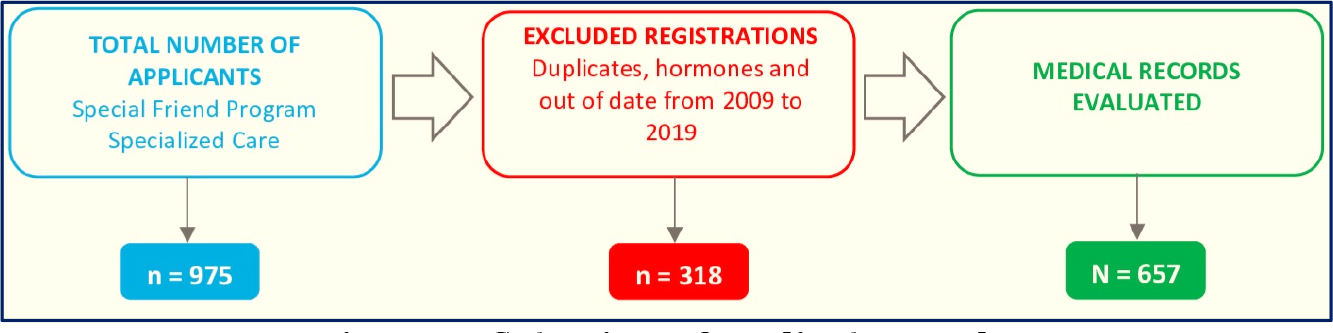
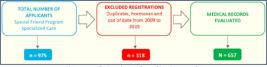
The list of individuals registered for specialized care in the Special Friend Program showed a total of 975 people. After applying the exclusion and inclusion criteria, 657 medical records were evaluated (Figure 1).
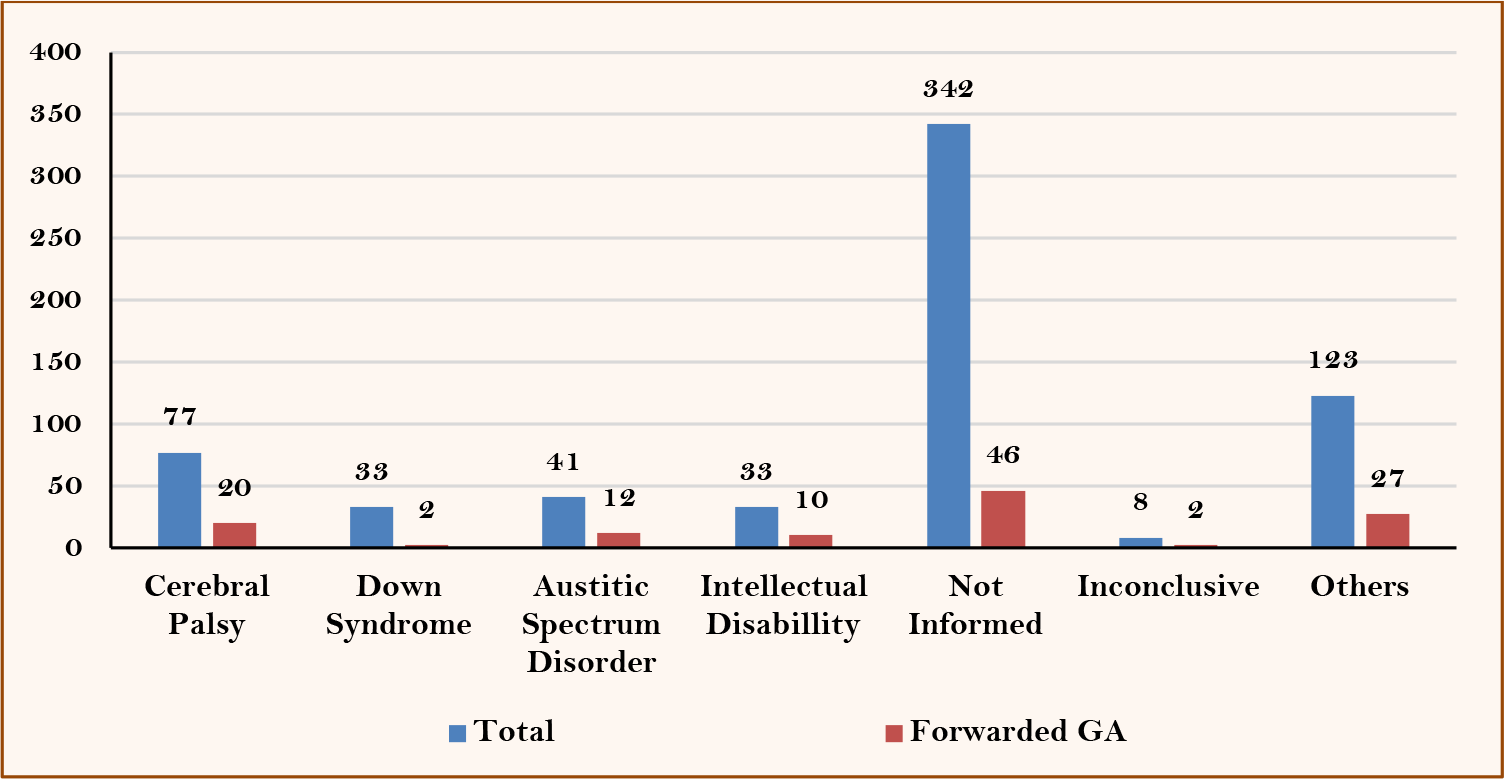
The total sample (n = 657) consisted of 54% (n = 352) males and 46% (n = 305) females, with ages ranging from 11 to 95 years and an average of 35.51 ± 14.39 years. Adults were the most frequent, with a higher concentration in the 22 to 40 age group (around 46% of the medical records assessed), followed by the 41 to 60 age group (31%) and the 13 to 21 age group (approximately 19%). More than half of the medical records analyzed (n = 342) showed no record of the underlying medical diagnosis (Table 1).
Among the diagnoses reported, the most frequent were cerebral palsy (12%), followed by autism (6%) and Down's syndrome and intellectual disability (both 5%). Around 19% had other diagnoses, such as stroke sequelae, bacterial meningitis, schizophrenia, rubella and congenital toxoplasmosis; Alzheimer's disease; epidermolysis bullosa; various genetic syndromes, etc.
Table 2 presents data on individuals with disabilities seen at the service and referred for general anesthesia (GA). When analyzing the relationship between the variables “gender” and “informed underlying diagnosis” in relation to the outcome variable “referral for general anesthesia”, no statistically significant association was identified. However, when analyzing the age group variable, the p-value < 0.001 indicates a significant association with “referral for general anesthesia”, with a higher concentration of cases in the 20-40 age group.
Information on people with disabilities seen at the service and referred for general anesthesia.
Among the medical records evaluated, 52% lacked information on the underlying diagnosis. For data analysis, the item “Not informed” was removed as it would have jeopardized the analysis Considering the reported diagnoses, no statistical significance was found among the different underlying diagnoses (p > 0.05).
The use of protective stabilization accounted for 44% of the total sample, with the simultaneous use of both physical and mechanical stabilization in approximately 55%. The frequency of protective stabilization in the total sample, as well as in those referred for GA, and the relationship between the use of protective stabilization and referrals are presented in Table 2. There is a correlation between the prior use of protective stabilization and referrals for GA (p < 0.001).
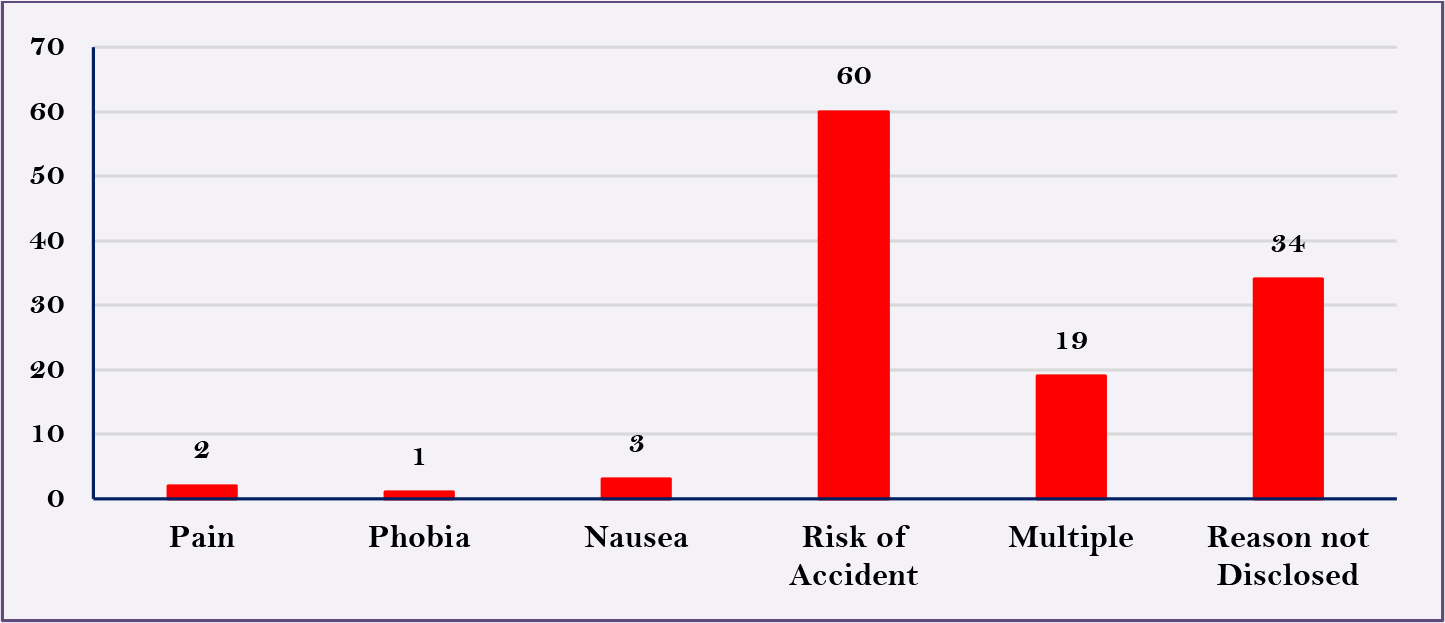
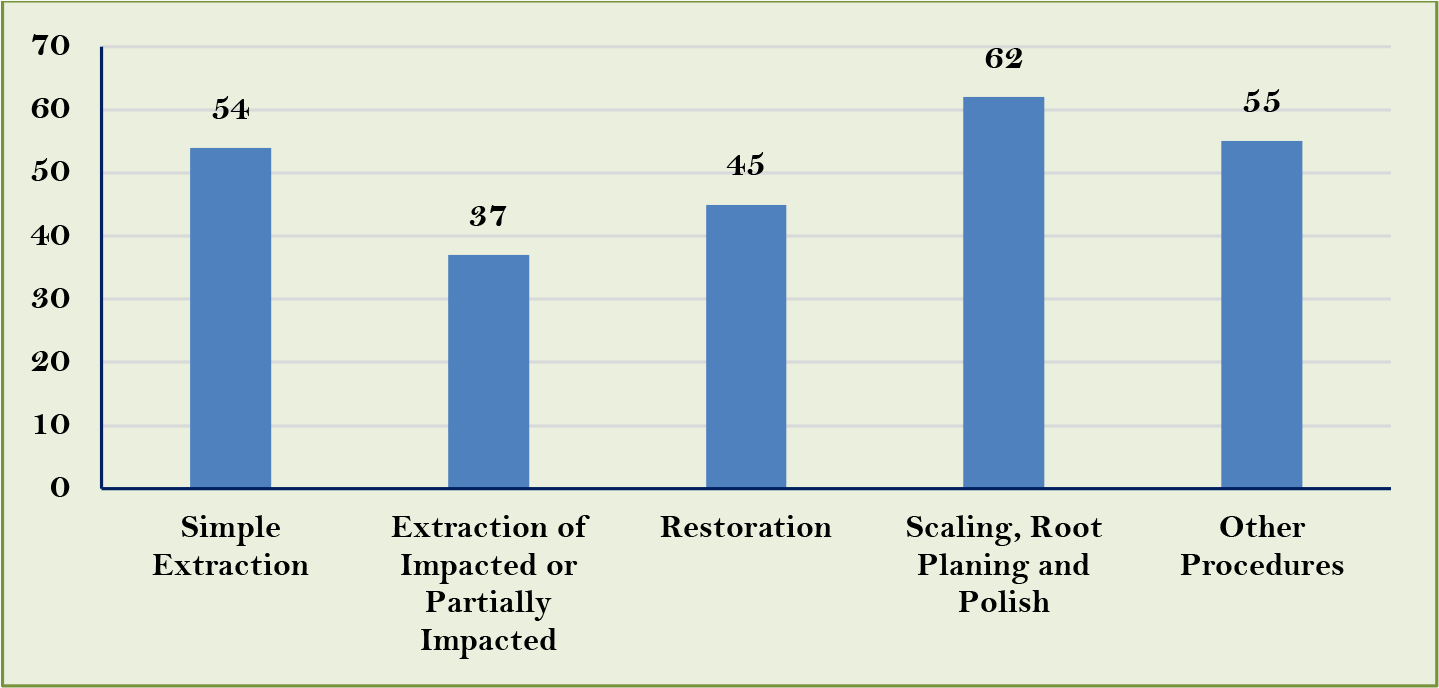
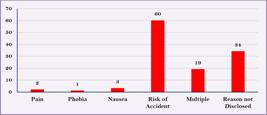
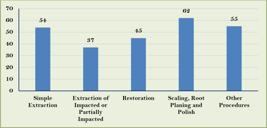
Figure 2 illustrates the underlying medical diagnoses in the total sample and among the referred patients, while Figure 3 shows the reasons for referral to general anesthesia, while Figure 4 shows the procedures performed under general anesthesia.
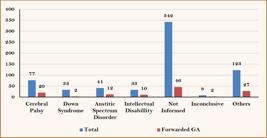
Medical diagnosis of people with disabilities in the total sample and those referred for general anesthesia.
The majority of people who underwent GA (74%) returned for outpatient care. In addition, it was observed that 55 individuals with disabilities, previously referred and treated under general anesthesia during the evaluation period, required a new referral for GA due to the impossibility of completing treatment in the outpatient setting.
In the logistic regression, the factors were analyzed together to assess their effect on the probability of the outcome variable - “referral for GA.” The predictors “use of protective stabilization” and “age” remained significant when analyzed alongside the other variables.
Discussion
The adult population was the most frequent in this study's sample, consistent with the findings of Jockusch et al. [1], Savanheimo et al. [5], Marinho et al. [7], and Nobre et al. [8]. A significant age difference was observed in the 22-40-year age group for the "referral for general anesthesia" variable. The chi-square test showed that more than half of the referrals were within this age range, with a p-value lower than 0.05, indicating a strong correlation between the variables. The study by López-Velasco et al. [9] showed that the use of general anesthesia for pediatric patients with disabilities is increasing, with limited follow-up for these patients and insufficient preventive care, resulting in high dropout rates. In turn, Kasemkhun et al. [10] reported that older patients with a high caries history, non-collaborative behaviors, and a substantial need for dental procedures are most suited for treatment under general anesthesia.
In the present study, the majority of individuals with disabilities treated under GA were male. However, gender was not associated with referral for general anesthesia. In the literature, one of the main reasons cited for the higher frequency of male patients is physical strength, which prevents adequate stabilization necessary for the performance of outpatient dental procedures [8,11-13]. Kim et al. [13], in turn, reported that the male proportion was higher for all disabilities analyzed, except for cases of mental disorders and dementia, where the female proportion was greater. However, the studies by Ozkan et al. [14] and Alofi et al. [15] presented a higher number of women with disabilities undergoing dental interventions under GA. The main explanation provided by Alofi et al. [15] was dental anxiety in women, which led to a higher number of referrals for general anesthesia.
Among the diagnoses reported in the medical records of this study, cerebral palsy, autism, and intellectual disability were the most frequently referred for general anesthesia. No association was found between the underlying medical diagnosis and referral for GA. However, the lack of information in dental records, particularly regarding the medical diagnosis of individuals with disabilities, was notably high. The absence of information in the records does not necessarily mean the data does not exist, but it may indicate that the professionals did not record it. Clinical record-keeping in patient charts is a fundamental part of providing patient care. Records should be accurate and complete, with objectives including facilitating communication between professionals and patients, as well as among professionals themselves; supporting clinical decision-making; assisting in the evaluation of patient care; serving as evidence in legal actions and forensic purposes; and being an important resource in scientific research and data analysis [16].
Although physical restraint (PR) is currently not considered the most appropriate method according to several scientific studies, due to its harmful and stressful nature for both the patient and the dentist, it can provide an opportune, safe, effective, and efficient means of enabling dental care or assessment when other alternatives are unavailable or unfeasible. Furthermore, it may be the most cost-effective option in an environment with limited financial resources for outpatient sedation or general anesthesia [4]. In logistic regression, the factors were analyzed jointly to assess their effects on the probability of referral for general anesthesia (GA). In this study, the logistic regression model indicated that the independent variables "use of protective stabilization" and "age" were significant predictors of the dependent variable "referral for general anesthesia." Those who required the use of PR showed a decrease in the probability of referral for GA. The literature indicates that individuals of older age, with extensive caries experience, consistently negative behavior, and numerous treatment needs, are more likely to be referred for general anesthesia [10].
The noncollaborative behavior of individuals with disabilities has been identified as a significant factor in dental treatment under general anesthesia [1,10,11,14,17-19]. In this study, the most frequently reported reason was the risk of injury to the patient or the professional team, which was noted in approximately half of the records.
Those who receive dental treatment under general anesthesia typically require more procedures than those treated on an outpatient basis [1]. The dental procedures performed under GA in the studied sample showed a higher number of tooth extractions, which corroborates the findings of Nobre et al. [8]. The high prevalence of caries and advanced stages of the disease are determining factors in the approach and the choice of tooth extractions for those who underwent dental treatment under general anesthesia [20,21]. In turn, Schnabl et al. [22] found a higher proportion of restorations (57%) than of tooth extractions (24%). Dental treatment under general anesthesia often differs from routine clinical dental treatment. The literature indicates a greater tendency toward tooth extractions rather than procedures aimed at maintaining and preserving the tooth, such as endodontic treatment [1,10,14,19]. Pulp therapy was not performed in the studied sample. Kasemkhun et al. [10] reported limited use of endodontic treatment under GA due to uncertain outcomes when treating questionable teeth or those with a poor prognosis, which may increase the risk of repeated treatments; thus, extraction was the first treatment option. Marinho et al. [7] reported variations in dental treatments for individuals with disabilities performed under general anesthesia, depending on the service provider. Patients treated in the private sector predominantly underwent restorations (46%), compared to those treated in public services (33%). Professional mechanical plaque removal (supragingival and subgingival debridement) was a dominant procedure, especially in the public sector group (81%).
The return to outpatient care after treatment under general anesthesia is of utmost importance for maintaining the oral health of individuals with disabilities. In the studied sample, the return rate to the clinic was high, around 75%. For patients who cannot be treated on an outpatient basis, they should return for treatment under general anesthesia within 12 months [1].
It is important to note that although the sample size was adequate for 10 years, changes in professional practices and family attitudes likely occurred during this period, which may have affected the results and should be considered a limitation of this study.
Conclusion
The predominant profile of the studied population was adults, male, and without a recorded diagnosis in the medical chart. Protective stabilization was the most relevant factor, potentially influencing the decision to refer general anesthesia. Therefore, those who received protective stabilization had a lower probability of being referred for general anesthesia. The age range of 22 to 40 years was also statistically significant for referral to general anesthesia. The most frequently performed dental procedure in the hospital setting was surgical, represented by tooth extractions. The return for continued outpatient dental follow-up in specialized care was observed in the vast majority of individuals with disabilities who underwent dental treatment under general anesthesia.
-
Financial Support
None.
Data Availability
The data used to support the findings of this study can be made available upon request to the corresponding author.
References
-
[1] Jockusch J, Sobotta BAJ, Nitschke I. Outpatient dental care for people with disabilities under general anaesthesia in Switzerland. BMC Oral Health 2020; 20(1):225-238. https://doi.org/10.1186/s12903-020-01203-6
» https://doi.org/10.1186/s12903-020-01203-6 -
[2] Lim MAWT, Liberali SAC, Borromeo GL. Utilisation of dental services for people with special health care needs in Australia. BMC Oral Health 2020; 20(1):360. https://doi.org/10.1186/s12903-020-01354-6
» https://doi.org/10.1186/s12903-020-01354-6 -
[3] Brasil. Ministério da Saúde (MS). Guia de Atenção à Saúde Bucal da Pessoa com Deficiência. Brasília; 2019. Available from: https://bvsms.saude.gov.br/bvs/publicacoes/guia_saude_bucal_pessoa_deficiencia.pdf [Accessed on May 19, 2023]. [In Portuguese].
» https://bvsms.saude.gov.br/bvs/publicacoes/guia_saude_bucal_pessoa_deficiencia.pdf - [4] Chavis SE, Wu E, Munz SM. Considerations for protective stabilization in community general dental practice for adult patients with special healthcare needs. Compend Contin Educ Dent 2021; 42(3):134-138.
-
[5] Savanheimo N, Sundberg SA, Virtanen JI, Vehkalahti. Dental care and treatments provided under general anaesthesia in the Helsinki Public Dental Service. BMC Oral Health 2012; 12(45):1-8. https://doi.org/10.1186/1472-6831-12-45
» https://doi.org/10.1186/1472-6831-12-45 -
[6] McGeown D, Stapleton S, Nunn J. A cost analysis estimation of a single episode of comprehensive dental treatment under general anesthesia for adults with disabilities. Br Dent J 2018; 224(6):442-446. https://doi.org/10.1038/sj.bdj.2018.124
» https://doi.org/10.1038/sj.bdj.2018.124 -
[7] Marinho MA, Ramos FCT, Cardoso AL, Silva-Júnior GO, Faria MDB, Bastos LF, et al. General anesthesia in patients with special needs provided by private and public healthcare services - A retrospective, comparative study. Healthcare 2022; 10(6):1147. https://doi.org/10.3390/healthcare10061147
» https://doi.org/10.3390/healthcare10061147 -
[8] Nobre KF, Costa LG, Oliveira CAM, Brito EHS, Pequeno LL, Marques PLP, et al. Profile of patients with disabilities submitted to dental treatment under general anesthesia. Res Soc Dev 2022; 11(8):e42411831058. https://doi.org/10.33448/rsd-v11i8.31058
» https://doi.org/10.33448/rsd-v11i8.31058 -
[9] López-Velasco A, Puche-Torres M, Carrera-Hueso FJ, Silvestre FJ. General anesthesia for oral and dental care in paediatric patients with special needs: A systematic review. J Clin Exp Dent 2021; 13(3):303-312. https://doi.org/10.4317/jced.57852
» https://doi.org/10.4317/jced.57852 -
[10] Kasemkhun P, Smutkeeree A, Jirarattanasopha V. A retrospective comparison of dental treatment under general anesthesia versus non-pharmacological approach in patient with special health care needs. J Dent Sci 2022; 17(3):1238-1243. https://doi.org/10.1016/j.jds.2021.11.019
» https://doi.org/10.1016/j.jds.2021.11.019 -
[11] Santos JS, Valle DA, Palmier AC, Amaral JHL, Abreu MHNG. Availability of hospital dental care services under sedation or general anesthesia for individuals with special needs in the Unified Health System for the State of Minas Gerais (SUS-MG), Brazil. Cien Saude Colet 2015; 20(2):515-524. https://doi.org/10.1590/1413-81232015202.06732014
» https://doi.org/10.1590/1413-81232015202.06732014 -
[12] Geddis-Regan AR, Gray D, Buckingham S, Misra U, Boyle C. The use of general anaesthesia in special care dentistry: A clinical guideline from the British Society for Disability and Oral Health. Spec Care Dentist 2022; 42(S1):3-32. https://doi.org/10.1111/scd.12652
» https://doi.org/10.1111/scd.12652 -
[13] Kim J, Kim H, Seo KS, Kim HJ. Analysis of sedation and general anesthesia in patients with special needs in dentistry using the Korean healthcare big data. J Dent Anesth Pain Med 2022; 22(3):205-216. https://doi.org/10.17245/jdapm.2022.22.3.205
» https://doi.org/10.17245/jdapm.2022.22.3.205 -
[14] Özkan AS, Erdogan MA, Şanlı M, Kaçmaz O, Durmus M, Çolak C. Retrospective evaluation of dental treatment under general anaesthesia. Turk J Anaesthesiol Reanim 2015; 43(5):332-336. https://doi.org/10.5152/TJAR.2015.82542
» https://doi.org/10.5152/TJAR.2015.82542 -
[15] Aloufi A, Alatawi F, Hakeem FF, Abed H. Factors determining the need for general anesthesia to deliver dental treatment for adults with intellectual and developmental disabilities. Saudi J Anaesth 2022; 16(1):24-28. https://doi.org/10.4103/sja.sja_296_21
» https://doi.org/10.4103/sja.sja_296_21 -
[16] Levitin SA, Grbic JT, Finkelstein J. Completeness of electronic dental records in a student clinic: Retrospective analysis. JMIR Med Inform 2019; 7(1):21. https://doi.org/10.2196/13008
» https://doi.org/10.2196/13008 -
[17] Ali S, Sims C, Foy S, McIndoe A, Yates R, Brooke T. A review of daycase GA services for Special Care patients at University Hospital, Bristol. Community Dent Health 2016; 33(1):6-8. https://doi.org/10.1007/s00784-019-02854-8
» https://doi.org/10.1007/s00784-019-02854-8 -
[18] Lim MAWT, Borromeo GL. The use of general anesthesia to facilitate dental treatment in adult patients with special needs. J Dent Anesth Pain Med 2017; 17(2):91-103. https://doi.org/10.17245/jdapm.2017.17.2.91
» https://doi.org/10.17245/jdapm.2017.17.2.91 -
[19] Lima CPOS, Couto GR, Barros ALO, Gutierrez GM, Santos MTBR. Epidemiological profile of patients with disabilities undergoing dental treatment under general anesthesia. Rev Odontol UNESP 2021; 50:e20210012. https://doi.org/10.1590/1807-2577.01221
» https://doi.org/10.1590/1807-2577.01221 -
[20] Bekes K, Steuber A, Challakh N, Schmidt J, Haak R, Hraský V, et al. Associated factors to caries experience of children undergoing general anaesthesia and treatment needs characteristics over a 10 year period. BMC Oral Health 2020; 20(1):307. https://doi.org/10.1186/s12903-020-01302-4
» https://doi.org/10.1186/s12903-020-01302-4 -
[21] Sevekar S, Jha MN, Avanti A. Characteristics and comparison of dental treatment under general anesthesia in healthy children and children with special healthcare needs: A retrospective study. Clin Pediatr Dent 2021; 14(S2):157-161. https://doi.org/10.5005/jp-journals-10005-2098
» https://doi.org/10.5005/jp-journals-10005-2098 -
[22] Schnabl D, Oberhofer M, Barbieri F, Laimer J, Steiner R, Bruckmoser E, et al. Medical diagnoses, mode of residence, and dental treatment demand under general anesthesia in special needs adults in Innsbruck, Austria. A retrospective breakdown of four and a half years. Healthcare 2021; 9(3):279. https://doi.org/10.3390/healthcare9030279
» https://doi.org/10.3390/healthcare9030279
Edited by
-
Academic Editor:
Wilton Wilney Nascimento Padilha