
 Non-octave-repeating scales as a form of tonal organization
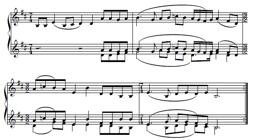
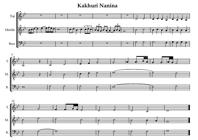
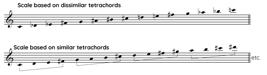
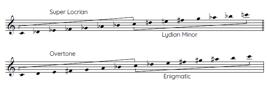
Whilst most of the world’s scales are octave-repeating, the fact is that non-octave-repeating scales have been employed for organizing tonal content in different musical cultures from the Middle Ages to present day. However, there have been few academic studies that deal with the subject from a global perspective, beyond the application of certain non-octave-repeating scales in specific musical contexts. Hence, the extent to which these structures have served for determining pitch content in music has until now not been widely extended or readily available to researchers and musicians potentially interested in the issue. The present paper draws from a variety of different sources in order to present a detailed and structured overview of the use of non-octave-repeating scales in a wide range of musical settings, thus confirming the hypothesis that these structures have proven to be a useful and time-tested way of organizing pitch content in music.
KEYWORDS:
Non-octave-repeating scales; Music theory; Musical analysis; Scale theory; Composition; Improvisation
 Thumbnail
 Thumbnail
 Thumbnail
 Thumbnail
 Thumbnail
 Thumbnail
 Thumbnail
 Thumbnail
 Thumbnail
 Thumbnail
 Thumbnail
 Thumbnail
 Thumbnail
 Thumbnail
 Thumbnail
 Thumbnail
 Thumbnail
 Thumbnail
 Thumbnail
 Thumbnail
 Thumbnail
 Thumbnail
 Thumbnail
 Thumbnail
 Thumbnail
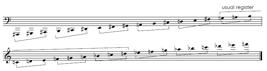 Thumbnail
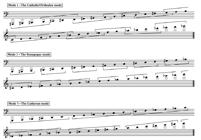 Thumbnail
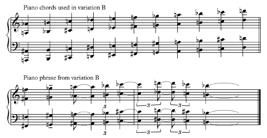 Thumbnail
 Thumbnail
 Thumbnail
 Thumbnail
 Thumbnail
 Thumbnail
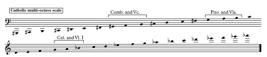 Thumbnail
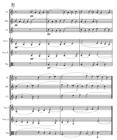 Thumbnail
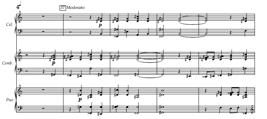 Thumbnail
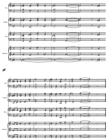 Thumbnail
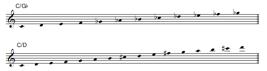 Thumbnail
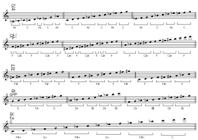 Thumbnail
 Thumbnail
 Thumbnail
 Thumbnail
 Reference: Own elaboration after
  Reference: Own elaboration after
  Reference: Own elaboration after
  Reference: Own elaboration after
 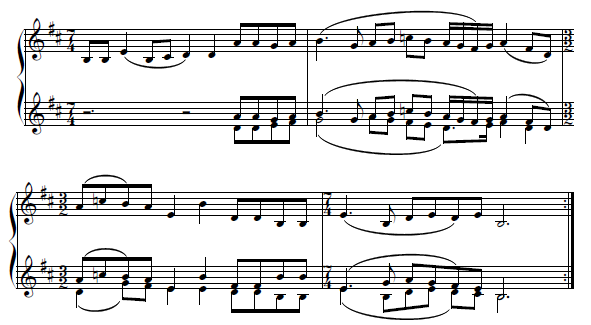 Reference: Own elaboration after
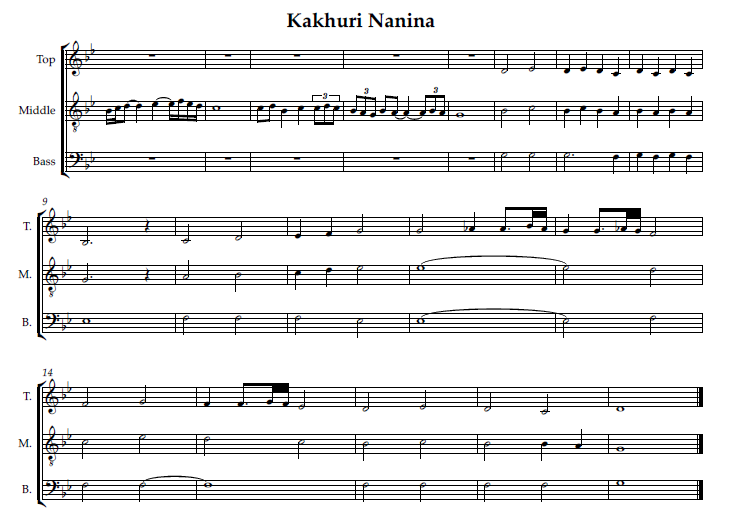 Reference: Own elaboration after
  Reference: Own elaboration after

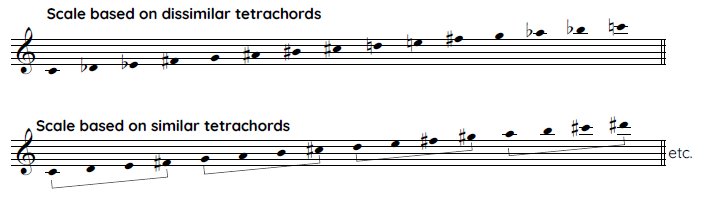 Reference: Own elaboration after
 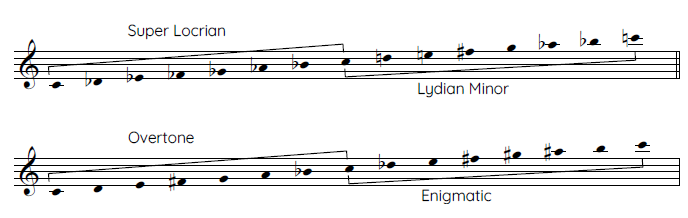 Reference: Own elaboration after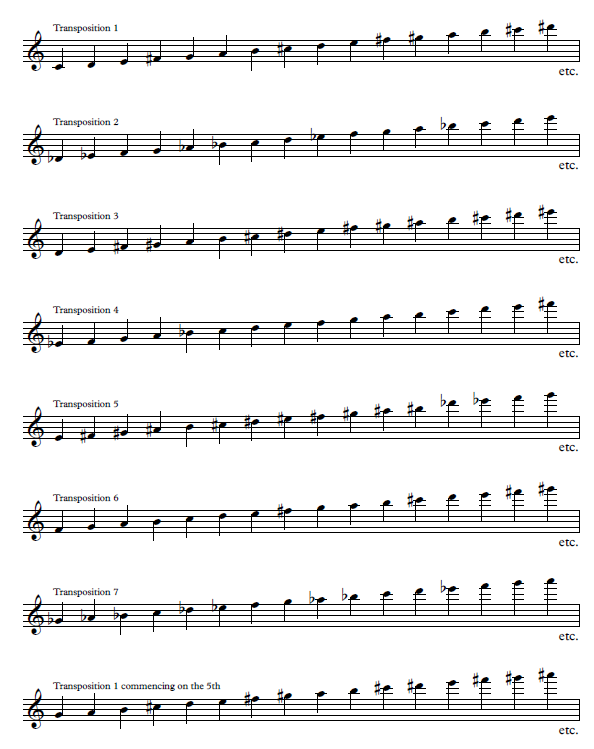
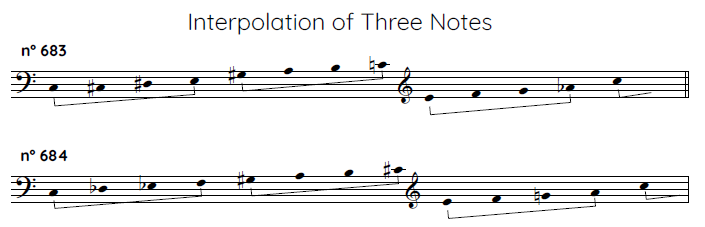 Reference: Own elaboration after
 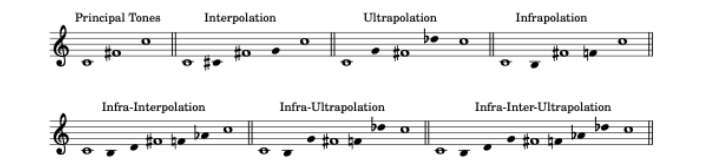 Reference: Own elaboration after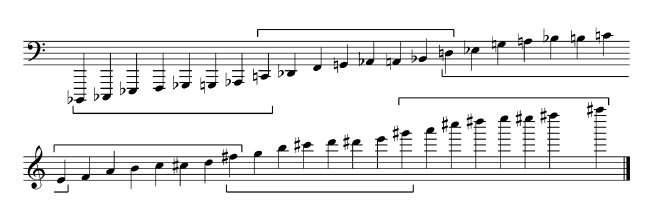
 Reference: Own elaboration after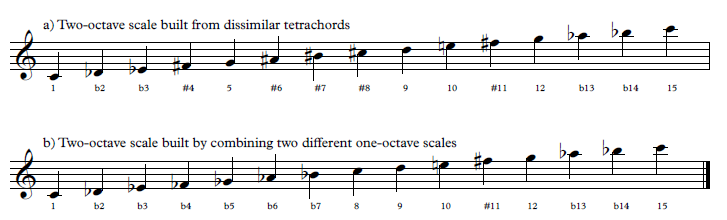


 Reference: Own elaboration after
  Reference: Own elaboration after
 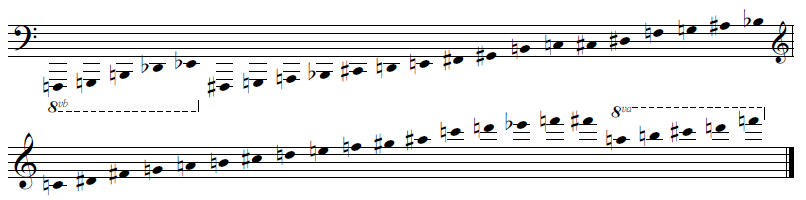 Reference: Own elaboration after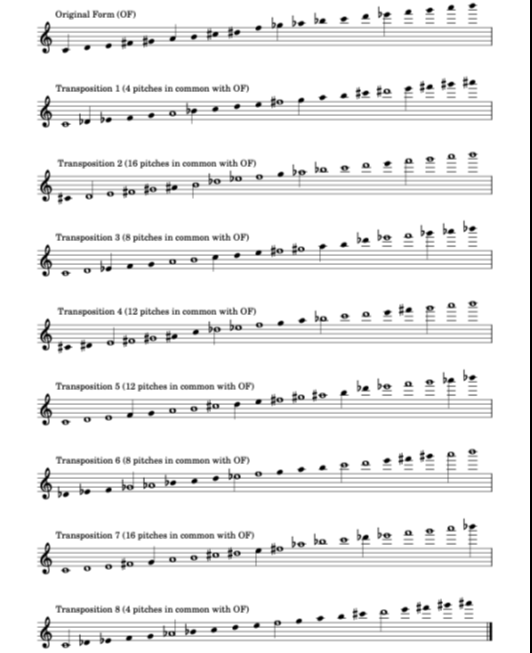
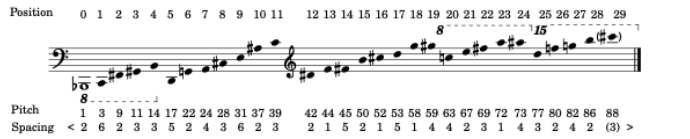 Reference: Own elaboration after
 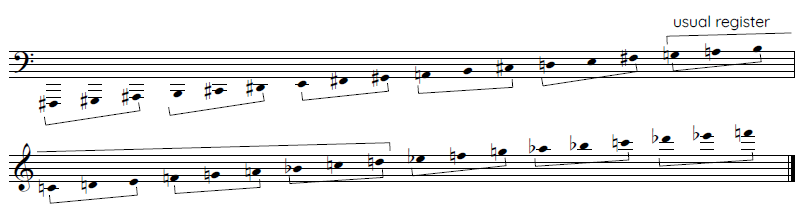 Reference: Own elaboration after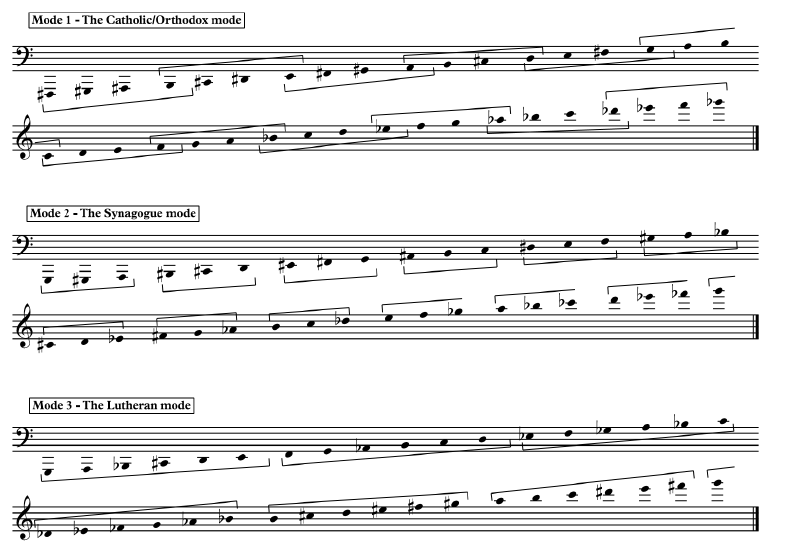
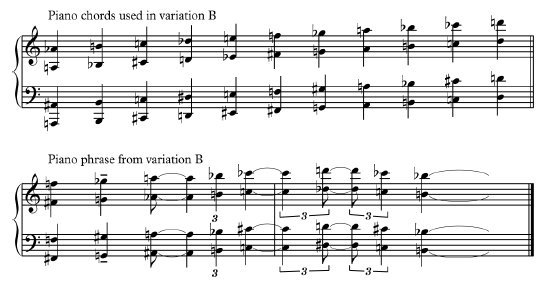
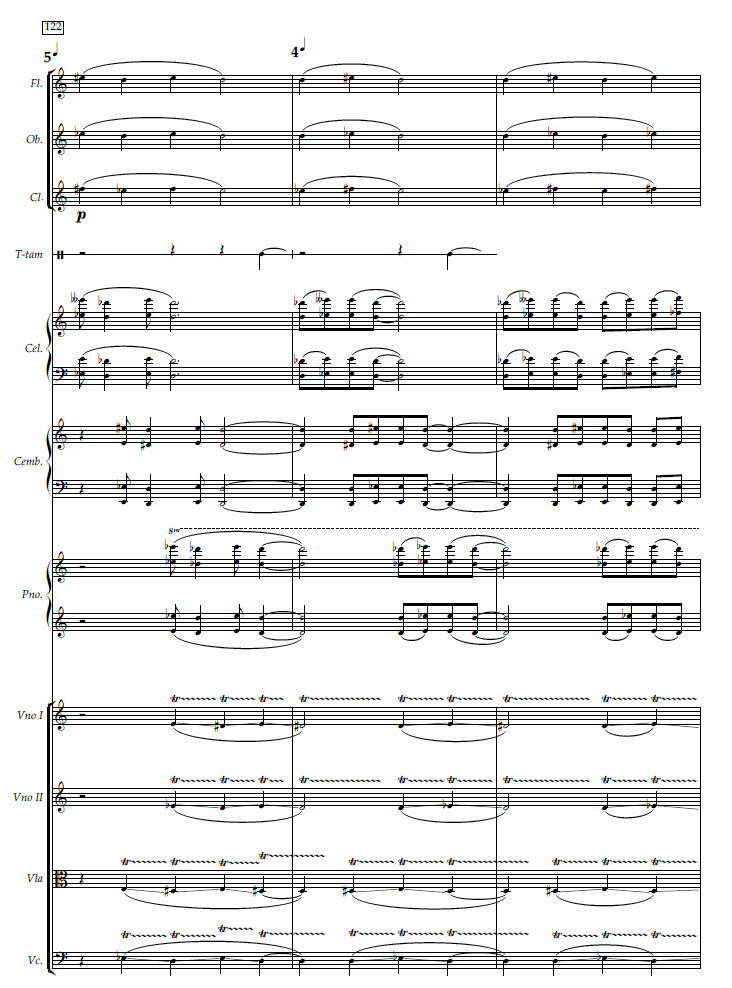
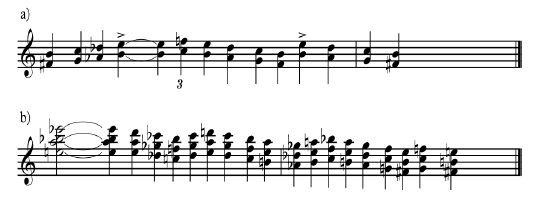
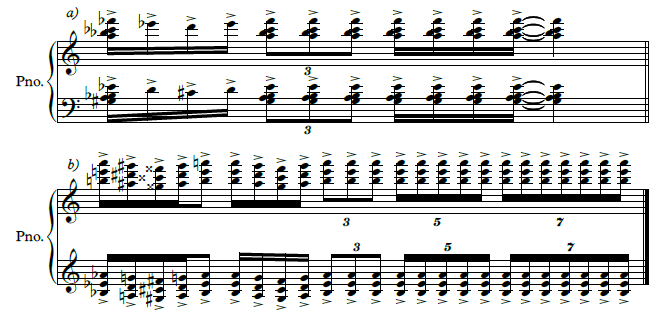
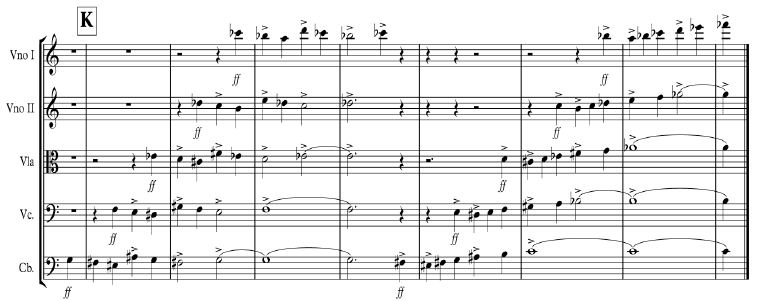
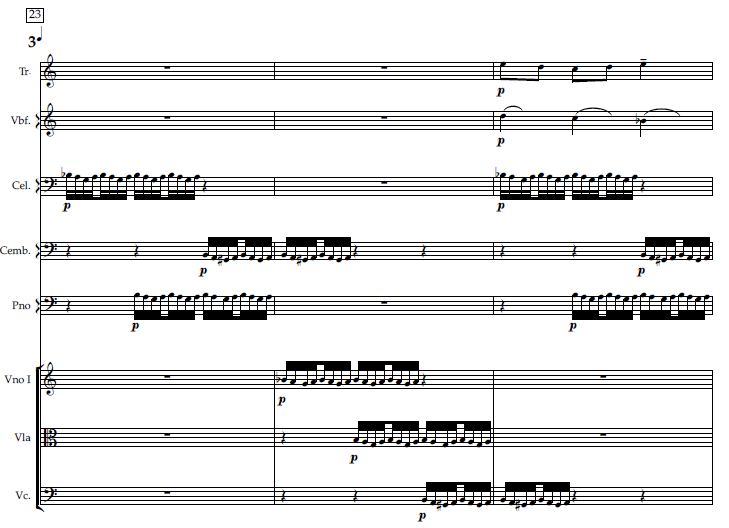
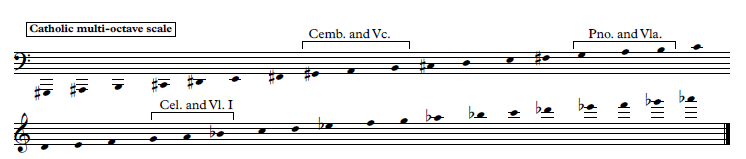
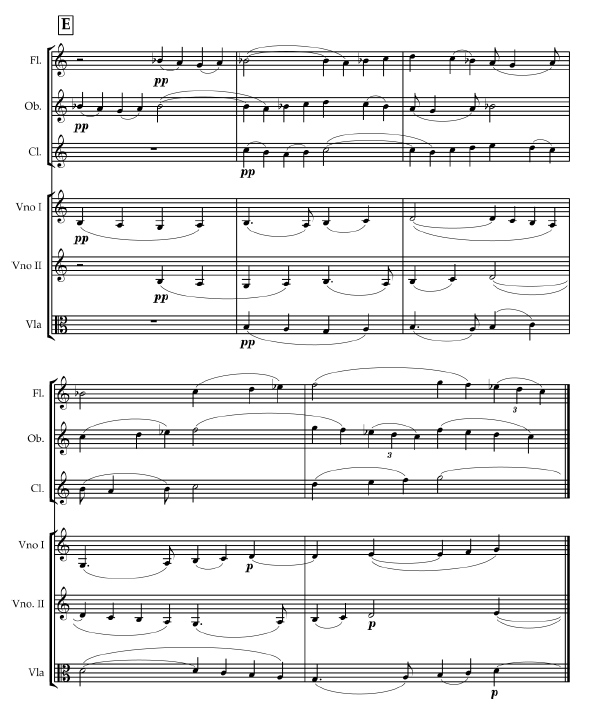
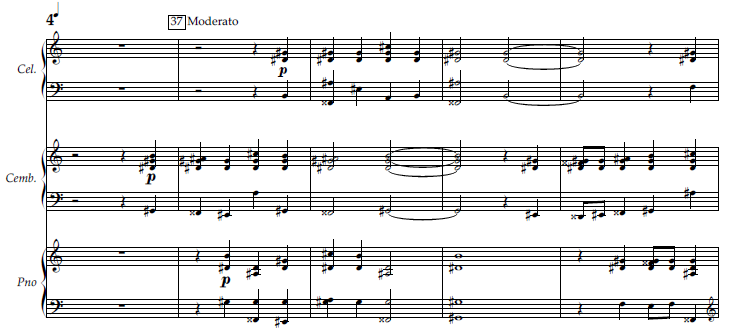
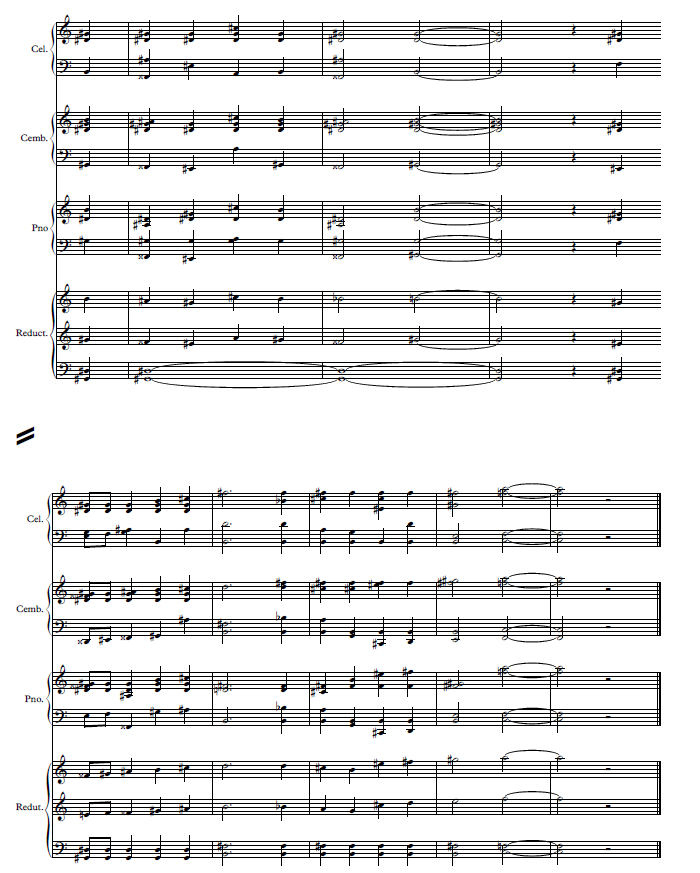
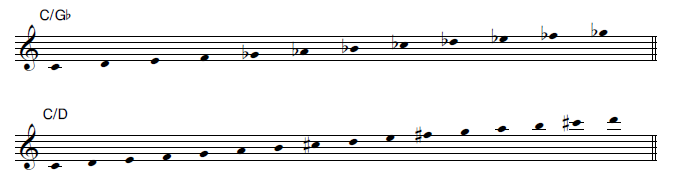 Reference: Own elaboration after
 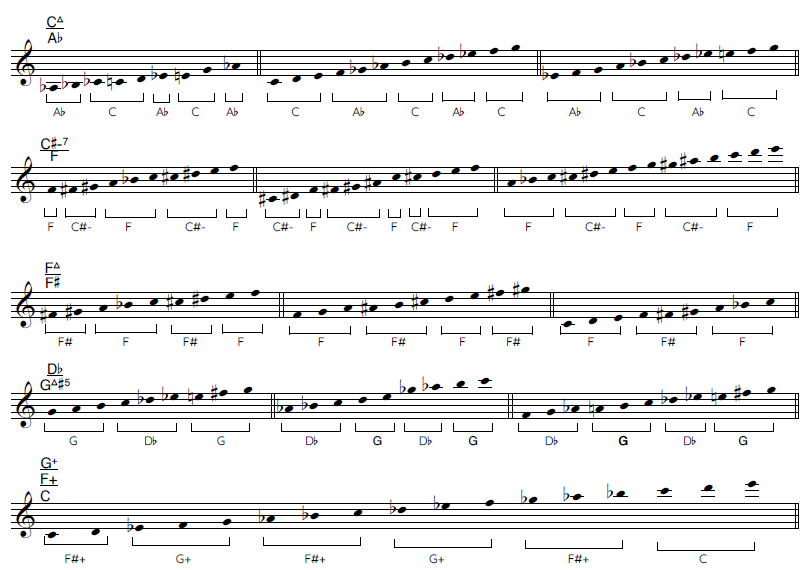 Reference: Own elaboration after
  Reference: Own elaboration after
  Reference: Own elaboration after
  Reference: Own elaboration after