 Suicide prevention starts before the crisis: intervention guidelines for university students
Abstract
Background Suicide among university students is a growing public health concern, particularly in low-and middle-income countries. The university setting presents unique challenges and opportunities for implementing effective suicide prevention strategies. Despite the availability of various interventions, these efforts often fail to address the contextual and systemic factors that influence their success.
Objective Investigate the elements that can support implementing actions to prevent suicide among university students. Using interviews, focus groups, and questionnaires, the study was conducted at a university in the North of Brazil.
Participants These are 20 undergraduate students, 12 undergraduate course coordinators, 6 technical-administrative staff, and 12 health professionals.
Method Thematic analysis and the context and implementation of complex interventions (CICI) model were used to analyze the data.
Results Thematic analysis revealed that political and socioeconomic contexts—such as underfunded mental health services, lack of institutional coordination, and limited financial aid—were critical barriers. Key facilitators included social participation, teacher-student relationships, and actions that promote a welcoming university environment. Implementation concerns included the risk of stigmatization and the need for role clarity among university staff. Stakeholders proposed a range of interventions distributed across ecological, proactive, early, and crisis zones, emphasizing the need for mental health promotion, intersectoral collaboration, and collective program design.
Conclusions Effective suicide prevention in universities requires a systemic approach that addresses prevention and treatment actions of suicidality. By leveraging the insights of multiple stakeholders and applying context-sensitive frameworks, universities can implement sustainable interventions. This study provides a road map for advancing suicide prevention efforts and illustrates ongoing and comprehensive actions to promote the mental health of university students.
Keywords
Suicide prevention; Mental health; University students; Higher education; Context and implementation of complex interventions; Intervention guidelines
Introduction
Suicide has become a significant global public health issue, particularly among adolescents and young adults in developing countries (Malta et al., 2021; WHO, 2021). In Brazil, university students face a unique combination of vulnerabilities—including socioeconomic instability, academic pressure, and limited access to mental health services—which increase the risk of suicidal ideation (Júnior et al., 2024; Santos et al., 2017a, 2017b). This scenario highlights the urgency of implementing suicide prevention programs using universal, selective, and indicated strategies (WHO, 2014).
Within the university setting, Drum and Denmark (2012) proposed a framework organizing suicide prevention into three zones—prevention, clinical intervention, and recovery — encompassing a continuum from ecological and proactive prevention to early intervention and crisis management (Table 1). However, most suicide prevention efforts at universities have focused primarily on psychoeducation and gatekeeper programs, which are limited to prevention and early intervention (Cecchin et al., 2022). Other important strategies, such as improving university counseling services (Thompson et al., 2010), restricting access to lethal means (Joffe et al., 2008), or encouraging students to seek help (Rivero et al., 2014), have been underutilized. Recent reviews underscore the importance of broadening the range of available interventions, including ecosystemic and digital approaches, while also emphasizing the crucial role of context in determining their effectiveness (Breet et al., 2021, Cecchin et al., 2022).
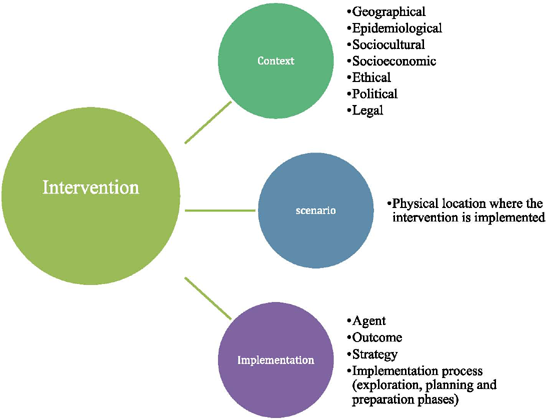
In this regard, context is not merely the background of interventions—it interacts with implementation and can determine success or failure. The context and implementation of complex interventions (CICI) model offers a systemic perspective (Pfadenhauer et al., 2017). The CICI model includes three interrelated dimensions: context, implementation, and setting. The context dimension encompasses seven domains—geographical, epidemiological, socio-cultural, socio-economic, ethical, legal, and political—that influence how an intervention is perceived and adopted. The implementation dimension includes elements such as implementation strategies, agents (i.e., individuals or organizations involved in putting the intervention into practice), processes, and outcomes. The setting refers to the physical and organizational environment in which the intervention occurs. Therefore, efforts should not be restricted to implementation but should include context analysis, consultation with social actors, and assessment of community resources (Eldredge et al., 2016), to avoid adverse effects (Bonell et al., 2015). Figure 1. CICI model proposed by Pfadenhauer et al. (2017) and was tailored to the university context explored in this study.
The CICI model is viewed as useful in the construction (Zechmeister-Koss et al., 2022) and implementation of programs to prevent negative health outcomes (Abdala et al., 2020). This model emphasizes the importance of engaging local stakeholders to understand contextual facilitators and barriers, which is especially critical in low- and middle-income countries where such factors are often overlooked.
Despite growing awareness, to date, no studies have applied the CICI model to understand suicide prevention in university settings. Most program evaluations overlook how institutional structure, stakeholder engagement, and the broader sociopolitical context influence the reach and sustainability of interventions. The present study addresses this gap by applying the CICI framework to investigate how contextual- and implementation-related factors shape suicide prevention efforts at a Brazilian public university.
Parallel to this methodological innovation, the study also aligns with recent theoretical advances that reframe suicidal behavior not as a purely clinical or intrapsychic issue but as a multifactorial and context-dependent phenomenon. As proposed by Al-Halabí and Fonseca-Pedrero (2024), suicide prevention must incorporate a contextual-functional and existential lens, recognizing the human suffering behind the act. This perspective complements the CICI model (Pfadenhauer et al., 2017) by reinforcing the need for multilevel, multisectoral strategies that address social determinants and humanize care practices.
To respond to these challenges, recent research has highlighted the effectiveness of multifaceted intervention strategies for university students. Digital interventions, in particular, have emerged as valuable tools to improve access to mental health services, especially where financial or logistical constraints limit traditional care (Auerbach et al., 2018; Lattie et al., 2019). When co-designed with users, these platforms are not only more engaging but also more impactful (Oti et al., 2023). Likewise, physical activity-based interventions have shown strong correlations with improved mental well-being and function synergistically with other strategies (Budzynski-Seymour et al., 2020; Donnelly et al., 2024).
Furthermore, specific subgroups within the university population—such as first-generation or high-risk students in engineering and medical programs—require targeted interventions that address their particular stressors (Jensen & Cross, 2021; Morais et al., 2021). This tailoring might include peer mentoring, specialized counseling, and stress management workshops to foster a sense of belonging and improve coping mechanisms (Jensen & Cross, 2021; Morais et al., 2021).
Another promising strategy involves the use of frameworks like Intervention Mapping to design health promotion programs based on stakeholder engagement and context-specific evidence (O’Brien et al., 2020). Enhancing family health literacy has also shown potential in positively influencing students’ mental health (Wang et al., 2023), expanding the scope of intervention beyond campus boundaries.
Given the complexity of these challenges, this study was guided by the following research questions: What contextual elements support or undermine the successful implementation of suicide prevention interventions for university students? What iatrogenic effects can be avoided in the design of these interventions? How can contextual facilitators and barriers inform program development? Which intervention modalities are perceived as appropriate within the local university context?
This study aims to investigate the elements that may support or hinder the implementation of suicide prevention initiatives in a Brazilian university, contributing to the development of context-sensitive and sustainable mental health strategies for higher education institutions. By doing so, it will be possible to identify a set of implementation resources and challenges relevant, thus supporting mental health planners, educators, and decision-makers in designing suicide prevention programs.
Method
The study followed a sequential exploratory study design, using a mixed-method approach, with multiple informants and a data triangulation strategy (Creswell, 2010), based on the CICI model (Pfadenhauer et al., 2017). The study included four phases of data collection and analysis. Subsequently, the results of both phases were integrated during the interpretation phase. This design was used for a clearer and more comprehensive understanding of elements that can support implementing actions to prevent suicide among university students. The first part, qualitative, interviewed 20 university students. The second part, qualitative, consulted six technical-administrative staff through focus-group sessions. The third part, quantitative, applied a questionnaire to 22 health professionals. The fourth part, qualitative, interviewed 12 course coordinators. The research process used the data analysis from one stage to support the next stage. The study was organized using the mixed methods article reporting standards (MMARS) of the American Psychological Association (APA) (Levitt et al., 2018).
The study, carried out at a public university in the northern region of Brazil, offers undergraduate and postgraduate courses in various areas of knowledge. The university operates in five municipalities, comprising five campuses.
Participants
The study had 60 participants, including 20 undergraduate students, 6 technical-administrative staff, 12 health professionals, and 12 undergraduate course coordinators. The sample of students included in this study was defined based on a diagnosis of suicidal ideation made by healthcare professionals. Students were identified through the university’s mental health support services, which maintain records of students who seek psychological and psychiatric assistance. Healthcare professionals, including psychologists and physicians, conducted initial assessments of students presenting mental health issues. The diagnosis of suicidal ideation was based on standardized clinical interviews conducted by licensed mental health professionals. These interviews were guided by established diagnostic criteria from the Diagnostic and Statistical Manual of Mental Disorders (DSM-5). Key indicators for diagnosing suicidal ideation included the presence of thoughts about self-harm or suicide, reported plans or means to commit suicide, and any previous suicide attempts. The final sample consisted of students who met the inclusion criteria of being diagnosed with suicidal ideation and belonging to a low-income background. These students had received mental health treatment for 12 months and had documented suicidal ideation. Health professionals were not university staffs; they worked in the private health network and cared for university students described above.
Instruments
The instruments (interviews, focus group, and questionnaire) were developed based on research questions and on the literature (Pfadenhauer et al., 2017), described in Table 2. Data collection was performed by a researcher with a degree in psychology, 10 years of experience in qualitative research, and familiarity with the institution’s culture.
Recruitment procedures
Students were recruited after consulting the university database. Firstly, data was obtained from undergraduate students who received financial aid from the university to undergo mental health treatment in 2020. One-hundred eighteen students comprised the original sample, 50 of whom had suicidal ideation certified by a private healthcare professional. Twenty students with suicidal ideation were selected. The students with suicidal ideation were selected, focusing on a balanced division between campuses and choosing those who had received financial aid for a longer time. Twenty students were interviewed, 16 women and 4 men. Students were recruited via email and invited for an individual interview via videoconference at the participant’s convenient date and time. The interviews lasted from 17 to 50 min, with an average time of 28 min.
The same database was used to recruit healthcare professionals. There were 41 health professionals who cared for the aforementioned students. These health professionals were recruited via email and received a link to the questionnaire. Twenty-two health professionals (53.6%) responded, and 2 refused to participate citing ethical reasons.
The 37 course coordinators were recruited via email and were invited to participate in an individual interview via videoconference and then asked to choose a convenient date and time. Twelve course coordinators (32.5%) responded.
The six technical-administrative staff were selected based on convenience and on their position in a student assistance center, at the dean’s office of student affairs, the dean’s office of undergraduate studies, or the NZ1 program. The technical-administrative staff were recruited via email, requesting one participant per department. Six of the eight invitations were answered.
Data collection
The study included four data collection phases carried out between May and August 2021. In phase 1, the students who had received financial aid were interviewed. In phase 2, the technical-administrative staff were interviewed in three biweekly focus-group sessions. Phase 3 included an online questionnaire administered to the health professionals who had cared for the students that received the financial aid. The undergraduate course coordinators were interviewed individually in phase 4. These course coordinators were interviewed because of their leadership roles, caring for students and directing them to other sectors. All interviews and focus groups were carried out via videoconference, and the communication was subsequently transcribed speech.
Data analysis
Data analysis was conducted in three distinct phases, combining both inductive and deductive approaches, as appropriate to the exploratory and implementation-oriented focus of the study. All qualitative data (transcripts of interviews) were analyzed using thematic analysis (Braun & Clarke, 2006). The health professionals’ questionnaire responses were analyzed via descriptive statistics.
In the first phase, two researchers independently conducted initial coding of the data from each target group (students, course coordinators, technical-administrative staffs, and mental health professionals). Through a process of repeated reading and line-by-line coding, meaningful segments of text were identified and assigned preliminary codes. These codes were then discussed and refined collaboratively to ensure consistency and interpretive alignment.
In the second phase, the researchers generated and defined themes inductively based on the coded data. Themes were grouped into five overarching categories that emerged across the dataset: resources, barriers, care, suggestions, and principles for implementing a suicide prevention program at the university. These categories were not predetermined but emerged through inductive analysis of recurring patterns in the participants’ responses. Principles refer to a set of norms and actions that reflect values, overarching guidelines, or broader conceptual frameworks, which should be considered in the design of the intervention ( Tables 3, 4, 5 and 6).
In the third phase, the data were reanalyzed deductively, using two theoretical frameworks. First, the CICI model (Pfadenhauer et al., 2017) was applied to map contextual factors related to implementation. Second, the intervention suggestions were categorized according to the intervention zones proposed by Drum and Denmark (2012) (e.g., universal, selective, indicated interventions), enabling a structured classification of proposals made by different stakeholder groups. A table was created to organize the results to highlight the agreements and divergences between multiple informants (Table 10), following the recommendations of Levitt et al. (2018).
To ensure trustworthiness, we adopted strategies such as triangulation of data sources (students, course coordinators, technical-administrative staff, and mental health professionals) and dual independent coding by researchers. Two researchers independently coded the data, and discrepancies were resolved through consensus meetings, which contributed to both credibility and dependability. Coding decisions were documented through reflective memos, allowing for an audit trail and supporting confirmability.
The member checking procedure, systematized by Birt et al. (2016), was used to evaluate data reliability. A summary was sent to all participants who were asked to read it and comment on whether the results reflected their experiences. In the case of technical-administrative staff, the results were read and commented on in a new focus-group meeting.
Ethical considerations.
All participants were fully informed about the objectives of the study, the researchers responsible, the voluntary nature of participation, and their rights, including the right to withdraw at any time without consequences. Informed consent was obtained through written consent forms and an additional authorization form covering the use of images and audio recordings. Participants were also informed about potential risks and benefits, including the possibility of emotional discomfort when discussing sensitive topics. In such cases, emotional support was provided by a qualified professional, and participants were referred to specialized mental health services available at the university, if necessary. Privacy and confidentiality were ensured throughout the research process, especially in the “Results” section, where identifying details were removed or anonymized. The interviews were conducted by a trained researcher who adopted an attentive, sensitive, and supportive approach, fostering a safe environment for open dialogue. The study followed the principles outlined in the Declaration of Helsinki and was approved by the Research Ethics Committee in Human and Social Sciences of the University of Brasilia (CAAE n° 42405021.3.0000.5540), in accordance with Resolution n° 510/2016 of the Brazilian National Health Council. No incentives or financial compensation was offered to participants.
Results
The results are presented according to the dimensions of the CICI model—context, setting, implementation, and intervention. Data was analyzed from four participant groups: undergraduate students (n = 20), course coordinators (n = 12), health professionals (n = 22), and technical-administrative staff (n = 6). While the perspectives of technical-administrative staff are particularly prominent in the context and implementation domains due to their institutional roles, the suggestions and insights from students, coordinators, and health professionals are fully integrated into the intervention domain, as shown in Tables 7, 8, 9, 10, 11, 12, 13, and 14.
Barriers and facilitators in the university context according to technical-administrative staff
The undergraduate students were aged between 21 and 32 years old (average of 24.4 years old). The technical-administrative staff members worked at the institution for 3 to 12 years (average of 7 years). The course coordinators had worked at the institution from 0.5 to 17 years (average of 6.6 years). Tables 3, 4, 5, and 6 show the other characteristics.
Context dimension
The technical-administrative staff pointed out barriers and facilitators related to the context shown in Table 7.
In the geographic domain, the lack of adequate physical space to provide student support is illustrated in the following interview excerpt:
We also face problems related to physical infrastructure — we don’t have an adequate space to serve students, neither in the area of social work nor, even less, in psychology or mental health care. So it’s quite difficult for them to seek us out. And over there, although another public servant and I, both social workers, have a small room, it is very accessible to other staff members. There is no privacy, no isolation — nothing. Anyone nearby can hear what is being said, and other staff members in the common area can see the student coming in for help. I believe this also discourages university students from seeking support (Participant 33, technical-administrativ e staff).
The context also depicts facilitators in the ethical domain that must be considered when designing suicide prevention programs. Table 8 summarizes the principles used in designing interventions to prevent suicide. The technical-administrative staff mentioned the need to design and implement collective actions to cautiously monitor the construction of an intervention, which was considered a principle.
In the principle of integrality, transversality, and intersectorality, the code “Perceive the student as an integral human being, understanding that teaching goes beyond technique and that mental health must be addressed in a transversal way” is illustrated in the following interview excerpt:
It’s a situation of vulnerability, so sometimes exposing oneself may worsen the situation, leading the student to remain silent. And then we return to what we discussed earlier — how close is the student to the course, to the people who make up the course? Would the student feel comfortable opening up to me... is there space for that? I believe that humanizing the university ends up being a positive element in this whole process. I think the university is not a very humanized environment; we tend to focus more on technical aspects. But the human being is integral — we can’t separate these dimensions. So, when I have a friendly relationship with the student, this happens more naturally. The student becomes close to the professor, even in academic guidance. If there is affinity, there is a greater chance the student will open up (Participant 32 – course coordinator).
Setting dimension
In the setting dimension, the technical-administrative staff presented a precaution that should be observed when constructing the intervention: security of the service location, avoiding places that could pose a risk if the student has a psychotic crisis or is at risk of suicide. This is illustrated in the following interview excerpt:
Another concern I always have is whether the place where the service is provided ensures safety. For example, there was a time when we were working on the second floor, and I was always very careful to make sure the window was locked to prevent any attempt by someone, during a psychotic episode, to open the window and jump out. When I talk about a suitable location, I’m also referring to this — the safety of the psychologist as well. In this case, since we (psychologists) follow students who have suicidal ideation, persecutory delusions, and access to chemical products, this was something we discussed for a long time. At one point, this student had a psychotic episode on campus and had access to chemical substances — he could have taken acid and thrown it at someone. So we’re also talking about our own safety, and the safety of the campus, because we’re responsible for all of that. Thank God we haven’t had any mass attack incidents here, but that’s something I always try to consider: what is available, what kinds of things could pose a threat. At least that’s how I think — when we talk about mental health, it’s not just about the risk a person poses to themselves, but also the risk they may pose to others.
I once provided care to a student many years ago — I was in my first or second year at the university — and this student had suicidal ideation and access to firearms at home. One day, we had to hospitalize him urgently. He showed up on campus armed. The issue was that his ex-girlfriend was now dating someone else on campus. He said to me: “I came to talk to you. I have the gun with me, and if I don’t talk to you, I’m going to do something stupid.” And by “something stupid,” he meant taking the gun, killing them both, and then himself. So this is a constant concern for me, because it seems that this is not obvious to everyone, but mental health is not only about the risk a person poses to themselves — it’s also about the risk they may pose to others, including to us. That’s why I always remain alert to this aspect (Participant 34, technical-administrative staff)
Implementation dimension
In the implementation dimension, the technical-administrative staffs presented five suggestions related to the implementation process, summarized in Table 9. The exploration phase emphasized the concern of staff members regarding the university not being responsible for services that are the responsibility of the Unified Health System (SUS), such as psychotherapy and intervention in suicidal crises. In the planning phase, interviewees point out the need to be cautious with potential harm to the target audience of the intervention, resulting from the stigmatization, embarrassment, and labeling of university students. In the planning and preparation phase, one technical-administrative staff member emphasized the importance of clearly defining the university’s role in order to avoid actions that might stigmatize students. Her statement illustrates the code “Avoid actions that may cause stigmatization, embarrassment, or labeling of students” as follows:
I also believe it is important, for implementation purposes, to clearly define the university’s role. This role needs to be well established so that mental health and suicide prevention actions are appropriate for this setting — aligned with its goals. I believe this is extremely important because, depending on the type of action, it may lead to increased stigmatization of students, cause embarrassing situations, or result in labeling In short, I think clear criteria must be established to ensure that any intervention is consistent with the objectives of the academic environment (Participant 37 – technical-administrative staff)
Intervention domain
In the intervention domain, the suggestions point to the components and delivery of interventions. All stakeholders who were interviewed provided suggestions for suicide prevention interventions for university students, which are related to implementation strategies. The three intervention suggestions with the highest percentage of responses from students were as follows: Improving the student-teacher relationship (60%), enhancing student assistance (55%), and offering themed groups and discussion circles (30%). The students’ suggestions are detailed in Table 10.
The three intervention suggestions with the highest percentage of responses from health professionals were as follows: Conducting mental health campaigns (31.8%), offering themed groups and discussion circles (13.6%), and offering psychoeducation programs (13.6%). All suggestions provided by health professionals are presented in Table 11.
The three intervention suggestions with the highest percentage of responses from course coordinators were as follows: creating an academic culture focused on health promotion and social connection (50%), modifying physical spaces to improve student well-being and learning (41.7%), improving the student-teacher relationship (25%), and conducting mental health campaigns (25%). All suggestions are listed in Table 12.
The three intervention suggestions with the highest percentage of responses from technical-administrative staff were as follows: improving the functioning of the Student Support Center through management support (100%), developing guidelines for student mental health programs (60%), improving the student-teacher relationship (60%), and conducting mental health campaigns (60%). All suggestions are listed in Table 13.
Table 14 shows the intervention suggestions in the four audiences that consistently reported the following: improve the teacher-student relationship, offer thematic groups and conversation circles, and carry out mental health campaigns.
Discussion
The study investigated which elements, as perceived by university students, course coordinators, technical-administrative staff, and mental health professionals, have the potential to support or undermine a successful intervention implementation to prevent suicide among university students.
The political and ethical domains stand out in the context dimension. These domains are particularly critical in the Brazilian higher education context, where the intersection of limited resources and high demands on student services often results in unmet mental health needs. Addressing these issues requires systemic policy changes and enhanced intersectoral collaboration. The political domain points to university management and the Student Assistance Center teams in terms of service qualification and overloaded teams. This is of concern, given that psychologists tend to be responsible for implementing psychoeducation and gatekeeper programs at universities. The fact that teams are overloaded due to work that is not within their competence demonstrates that the psychologists’ role at the institution may be misunderstood. In a national survey, the following challenges were identified regarding the work of psychologists: insufficient human and financial resources and the managers’ difficulty in understanding the role of psychologists at the university, where 71% of these professionals carry out administrative practices (Almeida et al., 2021). The literature reveals that the work of psychologists in universities is often marked by a lack of clarity regarding the skills and functions expected of these professionals (Moura & Facci, 2016; Santos et al., 2017a, 2017b), a gap that may have started during academic training (Silva et al., 2020). The same issue is highlighted in a study that addresses isolated actions and the lack of an institutional policy, especially regarding ecological prevention (Rodrigues et al., 2020). This lack of documentation highlights a gap in implementation guidance, which the CICI model could address by offering a structured framework to integrate context-specific barriers and facilitators into prevention suicide programs design.
In addition to aligning with existing frameworks, participants also contributed original insights that are not frequently addressed in the literature. For example, technical-administrative staff emphasized the need to ensure physical safety in service locations, especially when attending to students in acute psychological distress. This expands the concept of mental health care infrastructure to include environmental risk management, which is often overlooked in suicide prevention planning.
Furthermore, course coordinators proposed the creation of a student leave policy for those grieving the loss of a family member—a perspective that reflects a compassionate, context-sensitive approach to academic regulation. This suggestion highlights the potential for institutional policies to function as mental health interventions, especially when they address life events that affect students’ emotional well-being and academic engagement.
Another important domain was ethics, since the principles demonstrate a concern related to promoting health, the integrality of human health, the transversality of actions, intersectorality, and social participation. These data are in line with the Okagan Charter of Health Promoting Universities (WHO, 2015) which establishes 10 key principles, including the following: (a) take advantage of strengths, creating opportunities for continuous improvement in health and well-being on campus; (b) use systemic settings an(d approaches, using holistic settings and systems like foci of investigation and intervention; (c) develop transdisciplinary collaborations and intersectoral partnerships, developing collaborations and partnerships within and outside the university; and (d) use participatory approaches, promoting the involvement of students, staff, teachers, administrators, and other decision-makers (WHO, 2015).
The previously mentioned principles must be considered not only as a context but also as the implementation process, guiding the creation of programs, the direction of the university community’s mental health policy, and the change in work processes. The Brazilian Network of Health Promoting Universities began in Brazil recently (Hartmann et al., 2019), which represents an ongoing opportunity to expand and strengthen university involvement in this network, ensuring that its policies and practices are more aligned with these core principles.
Social participation is a principle that shows the involvement of implementing agents, which has concerned scientists in different parts of the world. Several theories guiding the construction of prevention and health promotion programs guide the construction of work groups of researchers and interested parties, ensuring social participation throughout the research process (Eldredge et al., 2016; Wallerstein et al., 2017). The synergy of efforts between researchers and interested parties helps to better use the available resources and strengthen partnerships, maximizing results in the mid and long term, increasing the chances to sustain the intervention over time (Wallerstein et al., 2017). Furthermore, as highlighted in previous research, social support and institutional care are protective factors that align with the principles of intersectionality and social participation emphasized in this study ( Cecchin et al., 2024).
These reflections are consistent with recent theoretical contributions in the field of suicide prevention. Al-Halabí and Fonseca-Pedrero (2024) advocate for a shift away from diagnosis-centered approaches and toward a contextual, phenomenological, and multisectoral understanding of suicidal behavior. According to these authors, suicidal acts should be interpreted as expressions of intense existential suffering, deeply rooted in the person’s biographical, social, and cultural context—not merely as symptoms of mental illness.
This perspective reinforces the idea that universities must go beyond clinical care by promoting institutional practices that humanize services, reduce stigmatization, and incorporate the social determinants of mental health. These include educational, economic, and community-based factors that shape students’ daily experiences. The emphasis on social participation, collective scaffolding, and contextualized care resonates with the suggestions presented in this study and provides further support for designing interventions that are not only evidence based but also meaning-centered and humanizing.
In the implementation dimension, the process domain highlights care related to iatrogenic effects. Bonell et al. (2015) state that similar to clinical interventions, public health programs can also cause harm. According to the authors, in addition to detecting possible damage, it is important to investigate their underlying mechanisms when designing interventions, consulting individuals in the context in which the intervention will be implemented. The goal of the implementation care mentioned by the participants is to avoid what Lorenc and Oliver (2014) classify as psychological (negative psychological impacts) and social (negative social perception of a behavior) damage, ensuring intervention confidentiality and avoiding stigmatization.
The intervention domain emphasizes investing in the teacher-student relationship and offering collective interventions, highlighted by all participants. And in the teacher-student relationship, the literature shows that social support favors fitting in (Wenjing Li et al., 2020) and the student’s permanence in higher education (Dorrance Hall et al., 2017; Hagenauer & Volet, 2014; Oliveira et al., 2014). The teacher’s educational social skills, a pillar that supports the quality of teacher-student relationship, is important for the young person’s mental health, as it is a source of social support for the university student (Vieira-Santos et al., 2018). This social support is vital for students from lower-income families who face academic delays when entering university, as well as social difficulties in remaining at the institution (Almeida et al., 2012; Vieira-Santos et al., 2019). Thus, workshops could offer developing educational social skills for university teachers, focusing on improving the teacher-student relationship.
On the other hand, mental health campaigns were included in the participants’ suggestions. Some students suggested expanding coverage of the Yellow September campaign, as well as reviewing some strategies to make it more attractive to young people. In Brazil, the Yellow September campaign has been the target of disagreements. However, it appears that the campaign did not significantly impact young people (Oliveira et al., 2020), stressing that the approach was ineffective to the topic, especially on social media (Lima & Brandão, 2021). Therefore, it is crucial to develop such initiatives, considering specialized guidelines (Ministério da Saúde, 2018; WHO, 2021).
The scope of the intervention brought a distance between conception and practice. A cross-sectional view of the information suggested by technical-administrative staff demonstrates that the responses are concentrated in the clinical intervention area. In terms of context, setting, and implementation, the suggested information demonstrates a concept of suicide prevention focused on individual psychotherapy. Although health professionals and managers have discussed prevention strategies for students since 2005 (Tavares et al., 2008), almost two decades later, it was observed that these ideas were not implemented in the national context. Psychotherapy and counseling are some of the main activities carried out by IFES psychologists, albeit they recognize the importance of prevention and actions to promote health (Almeida et al., 2021).
These results show a paradox in the sense that while staffs highlight that the university should not offer health treatment services, the resources and barriers mentioned are related to the clinical intervention zone. It is possible that the distance between conception and practice may be reinforced by institutional elements. For technical-administrative staffes, it may be more viable to work with individual assistance than to address issues linked to institutional functioning, such as: academic calendar, course curricular structure, teacher-student relationship, and others. The literature points to organizational barriers that hinder organizing prevention actions at the ecological level (Almeida et al., 2021; Rodrigues et al., 2020), and future studies can delve deeper into this issue.
In any case, efforts to implement a suicide prevention program must actively strive to clarify the roles of the tasks and responsibilities of the different professionals on the student assistance team, especially psychologists. Role clarity and transparency of responsibilities can be an important step for the sustainability of the program at the institution and for dissemination efforts. There is emphasis on the need to encourage training professionals so they can recognize the different levels of intervention, especially the prevention zones prior to illness (ecological and proactive prevention), in addition to creating spaces for exchanging information and experiences.
Breaking away from the clinical paradigm—where the focus is exclusively on treatment and individualized interventions—can bring significant benefits to the academic community. The exclusive use of the crisis intervention model means that the task of suicide prevention falls exclusively within the scope of the university’s mental health services, which are in the student assistance centers (Drum & Denmark, 2012). Or at most, it spreads to psychotherapy and whoever can provide it, whether at the university (through the assistance of the dean of student affairs) or in the territory (through the public health system). When crisis intervention is prioritized and prevention is neglected, there is a higher investment of resources, and the team may experience overload with an overflow of urgent and complex demands, without addressing the causes of the problem. Furthermore, palliative interventions in times of crisis do not contribute to constructing a healthy academic environment (Drum & Denmark, 2012; Rodrigues et al., 2020).
Therefore, most of the data collected in the intervention domain focuses on ecological and proactive prevention. It is noted that the suggestions go beyond classic suicide prevention actions, offering the university a range of actions. They can be used as support to build a mental health policy, aimed not only at students but also at teachers and administrative technicians. Some universities have successful experiences in this aspect, such as offering integrative community therapy remotely (Polejack et al., 2021) and the subject on happiness with mental health themes addressed in the classroom (Bernardes & Rosa, 2020). These initiatives offer a welcoming space and mental health literacy, strengthening friendships among students.
These initiatives can encompass the university’s relations with society. Considering that the university is responsible for educating new health professionals, this discussion is encouraged between the sectors responsible for teaching, so as to change the curricular structure of health courses. This could cover themes related to prevention, educating professionals to skillfully work in public health programs. This is especially relevant because a literature review showed that 60% of publications on suicide prevention in primary health care misuse the term prevention, which is linked to other areas of professional activity (Gotti et al., 2022). Another literature review on the state of the art of suicide prevention in Brazil points to descriptive and correlational studies, specific mental health actions, and the lack of systematic evaluation of interventions carried out to prevent suicide, making it difficult to disseminate good practices (Rodrigues et al., 2020).
This study was carried out with a small and context-specific sample (a single university in northern Brazil). While useful for exploratory insights, this limits the generalizability of the findings. Another limitation is that there were no interviews with managers. For future studies, the suggestion is to replicate research in several institutions in order to identify the needs of universities in the same geographic region and develop guidelines for student mental health policy. The context can be raised through a focus group with different professionals, such as intermediate managers from the dean’s office of student affairs and members of the student assistance policy. The social support received from teachers may also be examined. Finally, consider financing and strengthening universal coverage of the public health system to expand access to mental health services. These efforts can inform the creation of intersectoral policies tailored to the regional context and promote institutional responsibility for student well-being. Strengthening mental health infrastructure within universities may also contribute to early identification and support for students at risk.
The construction of preventive and health promotion actions in universities is defended both internationally and nationally (Universidade de Brasília, 2018; WHO, 2015). This concern has been reinforced by the Health Promoting Universities movement, with key actions directed at supporting personal development, promoting health through research, teaching, and training actions (WHO, 2015).
Conclusions
The present study spearheaded investigating elements for building a suicide prevention program for university students. It was innovatively based on the CICI model, which has the advantage of going beyond intervention components, considering how contextual resources and barriers can undermine or enhance new interventions, allowing us to elucidate the research questions of this study.
The research results point to two propositions for practice: presenting the results to university managers and building a working group to implement the suggestions presented. The findings offer a guide for continuous and comprehensive mental health actions. It allows going beyond the initiatives most frequently applied in Brazilian universities, which are mental health campaigns such as Yellow September—and providing treatment for students at risk of suicide. This study aligns with findings that emphasize the role of institutional risk factors for suicidal ideation among university students, including academic overload, professor-student relationship conflicts, failed institutional welcoming, and bullying at university which require targeted interventions for ecological prevention strategies (Cecchin et al., 2024). However, the literature reveals that efforts to address this issue are often hampered by the absence of robust epidemiological data and insufficient consideration of the cultural context surrounding student suicides (Khan et al., 2024). These barriers highlight the need for comprehensive surveillance systems and sustainable, culturally sensitive interventions.
Prevention efforts are more likely to fail when applied only during crises, as they miss the opportunity to reach students before the onset of suicidal ideation. Suicide prevention strategies should promote student well-being and resilience, ensuring a broader and lasting impact. The successful implementation of these strategies depends on three pillars: (a) Coordinated institutional engagement across multiple levels, (b) the inclusion of diverse stakeholders, and (c) continuity of care integrated into institutional policies. Universities must invest in training for staff and faculty, strengthen partnerships with public services, and form intersectoral coalitions that embed mental health into the university’s mission.
These findings reinforce the need for higher education institutions to move beyond crisis-centered approaches and adopt comprehensive, context-sensitive strategies for suicide prevention. The results support the development of institutional mental health policies that integrate ecological and proactive actions, such as improving faculty-student relationships, enhancing service coordination, and promoting a culture of well-being. They also point to the importance of forming intersectoral working groups to guide program implementation. These efforts can strengthen prevention capacity, particularly in low- and middle-income countries, and align university practices with broader public health policies.
-
Abbreviations
- APA American Psychological Association
- CICI Context and implementation of complex interventions
- DSM-5 Diagnostic and Statistical Manual of Mental Disorders
- MMARS Mixed methods article reporting standards
- SUS Sistema Único de Saúde (Brazilian Public Health System)
Acknowledgements
We would like to thank the researchers of the Study Group on Prevention and Health Promotion in the Life Cycle (GEPPSVida) for reviewing and commenting on an earlier version of this article. We also thank the participants in this study, who trusted us and granted their time. We also thank the Federal University of Tocantins (UFT) for providing the database.
-
Funding
The Federal University of Tocantins (UFT) granted Hareli Cecchin a study permit to conduct this research. However, UFT did not influence the study design, data analysis or interpretation, or the writing of this manuscript.
-
Ethical approval and consent to participate
The Ethics Committee in Research in Human and Social Sciences of the University of Brasilia approved the study under the CAAE opinion number 2405021.3.0000.5540. All participants were duly informed about the research process and consented to participate through consent forms and an authorization term to use images and sound. The treatment of human participants was in accordance with the ethical standards established in Resolution CNS number 510/2016.
-
Consent for publication
The participants consented to the publication of the data through the free and informed consent form.
Data availability
Datasets used and/or analyzed during the current study are available from the corresponding author upon reasonable request.
References
-
Cecchin, H.F.G., Murta, S.G., de Macedo, E.O.S. et al. Scoping review of 30 years of suicide prevention in university students around the world: efficacy, effectiveness, and cost-effectiveness. Psicologia: Refexão e Crítica. 35, 22 (2022). https://doi.org/10.1186/s41155-022-00227-x
» https://doi.org/10.1186/s41155-022-00227-x -
Abdala, I. G., Murta, S. G., Menezes, J., Nobre-Sandoval, L. A., Gomes, M., Duailibe, K. D., & Farias, D. A. (2020). Barriers and facilitators in the strengthening families program (SFP 10–14) implementation process in northeast Brazil: A retrospective qualitative study. International Journal of Environmental Research and Public Health, 17(19), 6979. https://doi.org/10.3390/ijerph17196979
» https://doi.org/10.3390/ijerph17196979 -
Al-Halabí, S., & Fonseca-Pedrero, E. (2024). Editorial for Special Issue on Understanding and prevention of suicidal behavior: Humanizing care and integrating social determinants. Psicothema, 36(4), 309–318. https://doi.org/10.7334/psicothema2024.341
» https://doi.org/10.7334/psicothema2024.341 -
Almeida, L. S., Marinho-Araujo, C. M., Amaral, A., & Dias, D. (2012). Democratização do acesso e do sucesso no ensino superior: uma reflexão a partir das realidades de Portugal e do Brasil. [Democratization of access and success in higher education: A refection based on the Portugal and Brazil realities]. Avaliação: Revista da Avaliação da Educação Superior (Campinas), 17(3), 899–920. https://doi.org/10.1590/S1414-40772012000300014
» https://doi.org/10.1590/S1414-40772012000300014 -
Almeida, M. R., Oliveira, I. F., Seixas, P. S. (2021). Formação acadêmica e prática profissional dos psicólogos que trabalham em universidades federais. [Academic training and professional practice of psychologists working at federal universities]. Psicologia: Ciência e Profissão, 41, 1–13. https://doi.org/10.1590/1982-3703003220014
» https://doi.org/10.1590/1982-3703003220014 -
Auerbach, R., Mortier, P., Bruffaerts, R., Alonso, J., Benjet, C., Cuijpers, P., … & Kessler, R. (2018). Who world mental health surveys international college student project: prevalence and distribution of mental disorders. Journal of Abnormal Psychology, 127(7), 623–638. https://doi.org/10.1037/abn0000362
» https://doi.org/10.1037/abn0000362 - Bernardes, L. V. S. & Rosa, C. M. (2020). Saúde mental na universidade: reflexões teóricas sobre a subjetividade dos jovens universitários. [Mental health at university: theoretical refections on the subjectivity of young university students]. In: Torres, J. F. P. (ed.) Estudos da Subjetividade: uma aproximação interdisciplinar. UFT.
-
Bonell, C., Jamal, F., Melendez-Torres, G. J., & Cummins, S. (2015). ‘Dark logic’: Theorising the harmful consequences of public health interventions. Journal of Epidemiology and Community Health, 69(1), 95–98. https://doi.org/10.1136/jech-2014-204671
» https://doi.org/10.1136/jech-2014-204671 -
Braun, V., & Clark, V. (2006). Using thematic analysis in psychology. Qualitative Research in Psychology, 3, 77–101. https://doi.org/10.1191/1478088706qp063oa
» https://doi.org/10.1191/1478088706qp063oa -
Breet, E., Matooane, M., Tomlinson, M., et al. (2021). Systematic review and narrative synthesis of suicide prevention in high-schools and universities: A research agenda for evidence-based practice. BMC Public Health, 21(1116), 1–21. https://doi.org/10.1186/s12889-021-11124-w
» https://doi.org/10.1186/s12889-021-11124-w -
Budzynski-Seymour, E., Conway, R., Wade, M., Lucas, A., Jones, M., Mann, S., … & Steele, J. (2020). Physical activity, mental and personal well-being, social isolation, and perceptions of academic attainment and employability in university students: The Scottish and British active students surveys. Journal of Physical Activity and Health, 17(6), 610–620. https://doi.org/10.1123/jpah.2019-0431
» https://doi.org/10.1123/jpah.2019-0431 -
Donnelly, S., Penny, K., & Kynn, M. (2024). The effectiveness of physical activity interventions in improving higher education students’ mental health: A systematic review. Health Promotion International, 39(2). https://doi.org/10.1093/heapro/daae027
» https://doi.org/10.1093/heapro/daae027 -
Dorrance Hall, E., McNallie, J., Custers, K., Timmermans, E., Wilson, S. R., & Van den Bulck, J. (2017). A cross-cultural examination of the mediating role of family support and parental advice quality on the relationship between family communication patterns and frst-year college student adjustment in the United States and Belgium. Communication Research, 44(5), 638–667. https://doi.org/10.1177/0093650216657755
» https://doi.org/10.1177/0093650216657755 -
dos Santos, H. G. B., Marcon, S. R., Espinosa, M. M., Baptista, M. N., & de Paulo, P. M. C. (2017b). Factors associated with suicidal ideation among university students. Revista Latino-Americana De Enfermagem, 25, Article e2878. https://doi.org/10.1590/1518-8345.1592.2878
» https://doi.org/10.1590/1518-8345.1592.2878 -
Drum, D. J., & Denmark, A. B. (2012). Campus suicide prevention: Bridging paradigms and forging partnerships. Harvard Review of Psychiatry, 20(4), 209–221. https://doi.org/10.3109/10673229.2012.712841
» https://doi.org/10.3109/10673229.2012.712841 - Eldredge, L. K. B., Markham, C. M., & Ruiter; R. A. C., Fernández, M. E., Kok, G., Parcel, G. S. (2016). Planning Health Promotion Programs: An Intervention Mapping Approach Jossey-Bass Public Health.
-
Gotti, E. S., Gomes, M. C., Argondizzi, J. G. F., de Oliveira, E. A., & de Sousa, N. M. (2022). Prevenção do suicídio na Atenção Primária à Saúde: Uma análise dos âmbitos de atuação profissional. [Suicide prevention in primary health care: An analysis of the areas of professional activity]. Perspectivas em Análise do Comportamento, 12(2), 465–486. Recuperado de https://revistaperspectivas.emnuvens.com.br/perspectivas/article/view/824
» https://revistaperspectivas.emnuvens.com.br/perspectivas/article/view/824 -
Hagenauer, G., & Volet, S. E. (2014). Teacher-student relationship at university: An important yet under-researched feld. Oxford Review of Education, 40(3), 370–388. https://doi.org/10.1080/03054985.2014.921613
» https://doi.org/10.1080/03054985.2014.921613 -
Hartmann, J. B., Andrade, G. R., Yamaguchi, M. U. (2019). Universidades Promotoras de Saúde (UPS) – breve mapeamento do cenário brasileiro atual. [Health Promoting Universities (UPS) – brief mapping of the current Brazilian scenario]. Anais do XI Encontro de Produção Científca. Retrieved from: https://rdu.unicesumar.edu.br/bitstream/123456789/3822/1/JANE%20BISCAIA%20HARTMANN.pdf
» https://rdu.unicesumar.edu.br/bitstream/123456789/3822/1/JANE%20BISCAIA%20HARTMANN.pdf -
Jensen, K., & Cross, K. (2021). Engineering stress culture: Relationships among mental health, engineering identity, and sense of inclusion. Journal of Engineering Education, 110(2), 371–392. https://doi.org/10.1002/jee.20391
» https://doi.org/10.1002/jee.20391 -
Jofe, P. (2008). An empirically supported program to prevent suicide in a college student population. Suicide and Life-Threatening Behavior, 38(1), 87–103. https://doi.org/10.1521/suli.2008.38.1.87
» https://doi.org/10.1521/suli.2008.38.1.87 -
Júnior, M., Sakman, R., Calderaro, K., & Faria, J. (2024). Ensaio acadêmico sobre acesso equitativo a serviços de saúde mental no Brasil [Academic essay on equitable access to mental health services In Brazil]. IOSR Journal of Humanities and Social, 29(9), 28–31. https://doi.org/10.9790/0837-2909082831
» https://doi.org/10.9790/0837-2909082831 -
Khan, A., Yousafzai, A. W., & Bantjes, J. (2024). Framework for suicide prevention among college students in low- and middle-income countries. Khyber Medical University Journal, 16(3), 270–73. https://doi.org/10.35845/kmuj.2024.23563
» https://doi.org/10.35845/kmuj.2024.23563 -
Lattie, E., Adkins, E., Winquist, N., Stiles-Shields, C., Waford, Q., & Graham, A. (2019). Digital mental health interventions for depression, anxiety, and enhancement of psychological well-being among college students: Systematic review. Journal of Medical Internet Research, 21(7), Article e12869. https://doi.org/10.2196/12869
» https://doi.org/10.2196/12869 -
Levitt, H. M., Bamberg, M., Creswell, J. W., Frost, D. M., Josselson, R., & Suárez-Orozco, C. (2018). Journal article reporting standards for qualitative primary, qualitative meta-analytic, and mixed methods research in psychology: The APA publications and communications board task force report. The American Psychologist, 73(1), 26–46. https://doi.org/10.1037/amp0000151
» https://doi.org/10.1037/amp0000151 -
Lima, D. P. A., & Brandão, C. B. (2021). 5 anos de campanha Setembro Amarelo: Estamos conseguindo prevenir suicídios? [5 years of the Yellow September campaign: Are we managing to prevent suicides?]. Research, Society and Development, 10(7). https://doi.org/10.33448/rsd-v10i7.16312
» https://doi.org/10.33448/rsd-v10i7.16312 -
Lorenc, T., & Oliver, K. (2014). Adverse effects of public health interventions: A conceptual framework. Journal of Epidemiology and Community Health, 68(3), 288–290. https://doi.org/10.1136/jech-2013-203118
» https://doi.org/10.1136/jech-2013-203118 -
Malta, D. C., Minayo, M. C. S., Cardoso, L. S. M., Veloso, G. A., Teixeira, R. A., Pinto, I. V., Naghavi, M. (2021). Mortalidade de adolescentes e adultos jovens brasileiros entre 1990 e 2019, uma análise do estudo Carga Global de Doença. [Mortality of Brazilian adolescents and young adults between 1990 and 2019, an analysis of the Global Burden of Disease Study]. Ciência e Saúde Coletiva, 26(9), 4069–4086. https://doi.org/10.1590/1413-81232021269.12122021
» https://doi.org/10.1590/1413-81232021269.12122021 -
Ministério da Saúde. (2018). Suicídio. Saber, agir e prevenir. Saiba como noticiar o assunto nos meios de comunicação e evitar o efeito contágio (cartilha) [Suicide. Know, act and prevent. Learn how to report the issue in the media and avoid the contagion effect (booklet)]. Retrieved from: http://portalarquivos2.saude.gov.br/images/pdf/2018/setembro/13/folheto-jornalistas-2018-15x21cm.pdf v
» http://portalarquivos2.saude.gov.br/images/pdf/2018/setembro/13/folheto-jornalistas-2018-15x21cm.pdf -
Morais, M., Silva, I., Versiani, E., Silva, C., & Moura, A. (2021). Mental health support services for medical students: A systematic review. Revista Brasileira de Educação Médica, 45(2). https://doi.org/10.1590/1981-5271v45.2-20200428.ing
» https://doi.org/10.1590/1981-5271v45.2-20200428.ing -
Moura, F. R., & Facci, M. G. D. (2016). A atuação do psicólogo escolar no ensino superior: Confgurações, desafios e proposições sobre o fracasso escolar. [The role of the school psychologist in higher education: Settings, challenges and proposals about school failure]. Psicologia Escolar e Educacional, 20(3), 503–514. https://doi.org/10.1590/2175-3539201502031036
» https://doi.org/10.1590/2175-3539201502031036 -
O’Brien, N., Lawlor, M., Chambers, F., & O’Brien, W. (2020). Mental fitness in higher education: Intervention mapping programme design. Health Education, 120(1), 21–39. https://doi.org/10.1108/he-09-2019-0042
» https://doi.org/10.1108/he-09-2019-0042 -
Oliveira, C. T., Wiles, J. M., Fiorin, P. C., & Dias, A. C. G. (2014). Percepções de estudantes universitários sobre a relação professor-aluno. [Perceptions of college students about the teacher-student relationship]. Psicologia Escolar e Educacional, 18(2), 239–246. https://doi.org/10.1590/2175-3539/2014/0182739
» https://doi.org/10.1590/2175-3539/2014/0182739 -
Oliveira, M. E. C., Gomes, K. A. L., Nóbrega, W. F. S., Gusmão, E. C. R., Santos, R. D., & Franklin, R. G. (2020). Série temporal do suicídio no Brasil: o que mudou após o Setembro Amarelo? [Time series of suicide in Brazil: what changed after Yellow September?]. Revista Eletrônica Acervo Saúde, 48 https://doi.org/10.25248/reas.e3191.2020
» https://doi.org/10.25248/reas.e3191.2020 -
Oti, O., Pretorius, C., Pitt, I. (2023). Experience of students in using online mental health interventions: A qualitative study. In: Papadopoulos, G.A., Achilleos, A., Pissaloux, E., Velázquez, R. (eds) ICT for health, accessibility and wellbeing. IHAW 2022. Communications in Computer and Information Science, 1799 Springer, Cham. https://doi.org/10.1007/978-3-031-29548-5_9
» https://doi.org/10.1007/978-3-031-29548-5_9 -
Pfadenhauer, L. M., Gerhardus, A., Mozygemba, K., Lysdahl, K. B., Booth, A., Hofmann, B., Wahlster, P., Polus, S., Burns, J., Brereton, L., & Rehfuess, E. (2017). Making sense of complexity in context and implementation: The context and implementation of complex interventions (CICI) framework. Implementation Science, 12(1), 21. https://doi.org/10.1186/s13012-017-0552-5
» https://doi.org/10.1186/s13012-017-0552-5 - Polejack, L., Leandro-França, C., Vasconcelos, L. A. et al. (2021). A Universidade de Brasília Promotora de Saúde no Contexto da Pandemia de COVID-19. [The University of Brasília Promoting Health in the Context of the COVID-19 Pandemic]. In: Murta, S. G. (org.) et al. Promoção da Saúde e Prevenção de Agravos à Saúde: diálogos de Norte a Sul [Health promotion and prevention of health diseases: Dialogues from North to South] (pp. 273–317). Rede Unida.
-
Rivero, E. M., Cimini, M. D., Bernier, J. E., Stanley, J. A., Murray, A. D., Anderson, D. A., & Wright, H. R. (2014). Implementing an early intervention program for residential students who present with suicide risk: A case study. Journal of American College Health, 62(4), 285–291. https://doi.org/10.1080/07448481.2014.887574
» https://doi.org/10.1080/07448481.2014.887574 -
Rodrigues, C. M. L., Perez, K. V., & Brun, L. G. (2020). Pesquisa e intervenção no ensino superior: Considerações a partir do “dossiê saúde mental e adoecimento nas IES”. [Research and intervention in higher education: Considerations based on the “mental health and illness dossier in higher education institutions”]. Trabalho (En)Cena, 5, 136–149. https://doi.org/10.20873/2526-1487V5N1P136
» https://doi.org/10.20873/2526-1487V5N1P136 -
Santos, D. C. O., Menezes, A. B. C., Borba, A., Ramos, C. C., & Costa, T. D. (2017). Mapeamento de competências do psicólogo escolar. [Mapping of competences of the school psychologist]. Psicologia Escolar e Educacional, 21(2), 225–234. https://doi.org/10.1590/2175-3539201702121109
» https://doi.org/10.1590/2175-3539201702121109 -
Silva, L. T. C., Chagas, L. V. S., de Morais, E. P. G., & Santos, L. V. A. (2020). Aprendizagem das competências gerais na graduação em Psicologia. [General skills learning in psychology undergraduate]. Psi UNISC, 4(1), 135–153. https://doi.org/10.17058/psiunisc.v4i1.14233
» https://doi.org/10.17058/psiunisc.v4i1.14233 - Tavares, M., Osse, Cleuser M. C., Moura, C. M., Bohry, S., Rodrigues, J. C., Portela, C. E. (2008). Apoio psicológico e social a estudantes nas universidades brasileiras. [Psychological and social support for students at Brazilian universities]. In: G. G. Kullmann; L. L. Pozobon; R. M. Domingues; S. T. Mello. (Org.). Apoio estudantil: Refexões sobre o ingresso e permanência no ensino superior. Universidade Federal de Santa Maria (pp. 255–287).
-
Thompson, D., Goebert, D., & Takeshita, J. (2010). A program for reducing depressive symptoms and suicidal ideation in medical students. Academic Medicine: Journal of the Association of American Medical Colleges, 85(10), 1635–1639. https://doi.org/10.1097/ACM.0b013e3181f0b49c
» https://doi.org/10.1097/ACM.0b013e3181f0b49c -
Universidade de Brasília. (2018). Carta de Brasília da Rede Brasileira de Universidades Promotoras de Saúde (ReBraUPS). [Letter from Brasília from the Brazilian Network of Health Promoting Universities (ReBraUPS)]. Retrieved from: https://docero.com.br/doc/150xn1n+&cd=1&hl=pt-BR&ct=clnk≷=br
» https://docero.com.br/doc/150xn1n+&cd=1&hl=pt-BR&ct=clnk≷=br -
Vieira-Santos, J., Del Prette, A., Del Prette, Z. A. P, Almeida, L. S. (2019). Relação professor-estudante na educação superior: Suporte social e habilidades sociais. [Teacher-student relationship in higher education: Social support and social skills]. Revista de Estudios e Investigación en Psicología y Educación, 6(1), 1–14. https://doi.org/10.17979/reipe.2019.6.1.4596
» https://doi.org/10.17979/reipe.2019.6.1.4596 - Wallerstein, N., Duran, B., Oetzel, J. G., & Minkler, M. (2017). Community-Based Participatory Research for Health: Advancing Social and Health Equity (3rd ed.), Jossey-Bass.
-
Wang, D., Sun, X., He, F., Liu, C., & Wu, Y. (2023). The mediating effect of family health on the relationship between health literacy and mental health: A national cross-sectional survey in China. International Journal of Social Psychiatry, 69(6), 1490–1500. https://doi.org/10.1177/00207640231166628
» https://doi.org/10.1177/00207640231166628 -
Wenjing Li, W., Dorstyn, D. S., & Jarmon, E. (2020). Identifying suicide risk among college students: A systematic review. Death Studies, 44(7), 450–458. https://doi.org/10.1080/07481187.2019.1578305
» https://doi.org/10.1080/07481187.2019.1578305 -
World Health Organization. (2014). Preventing suicide: A global imperative. Geneva. Retrieved from: http://apps.who.int/iris/bitstream/10665/131056/1/9789241564779_eng.pdf?ua=1&ua=1
» http://apps.who.int/iris/bitstream/10665/131056/1/9789241564779_eng.pdf?ua=1&ua=1 -
World Health Organization. (2015). Okanagan Charter: An international charter for health promoting universities and colleges. In: International Conference on Health Promoting Universities and Colleges VII International Congress, Kelowna. Retrieved from: http://internationalhealthycampuses2015.sites.olt.ubc.ca/fles/2016/01/Okanagan-Charter-January13v2.pdf
» http://internationalhealthycampuses2015.sites.olt.ubc.ca/fles/2016/01/Okanagan-Charter-January13v2.pdf -
World Health Organization. (2021). Live life: An implementation guide for suicide prevention in countries. Geneva. Retrieved from: https://www.who.int/publications/i/item/9789240026629
» https://www.who.int/publications/i/item/9789240026629 -
Zechmeister-Koss, I., Goodyear, M., Grössmann, N., & Wolf, S. (2022). Integrating home treatment into the Austrian child and adolescent mental health care system: An implementation science perspective. Neuropsychiatr, 36, 28–39. https://doi.org/10.1007/s40211-021-00404-x
» https://doi.org/10.1007/s40211-021-00404-x -
Cecchin, H. F. G., Costa, H. E. R. da ., Pacheco, G. R., Valencia, G. B. de ., & Murta, S. G.. (2024). A mixed methods study of suicide protective factors in college students. Psicologia: Refexão e Crítica, 37, 35. https://doi.org/10.1186/s41155-024-00315-0
» https://doi.org/10.1186/s41155-024-00315-0 -
Cecchin, H.F.G., da Costa, H.E.R., Pacheco, G.R. et al. Risk Factors for Suicidal Ideation in Brazilian University Students: A Mixed Methods Study. Trends in Psychology. (2024). https://doi.org/10.1007/s43076-024-00402-2
» https://doi.org/10.1007/s43076-024-00402-2