 Insights into Staphylococcus aureus pathogenesis and genetic diversity in bovine mastitis
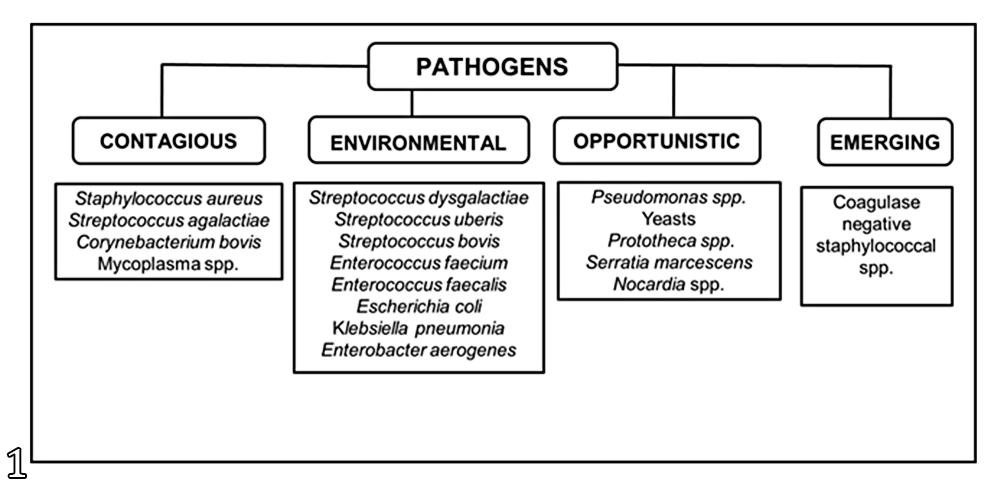
Bovine mastitis is the most common infectious disease in dairy herds and causes important economic losses. Various pathogens can cause the disease, with Staphylococcus aureus being one of the most significant. S. aureus can cause clinical, subclinical, and chronic forms of the disease due to a variety of virulence factors, including protein A, coagulase, toxins, and adhesins. The presence of methicillin-resistant S. aureus strains complicates treatment protocols and raises concerns about antimicrobial resistance. The genetic characterization of these strains, utilizing techniques such as molecular typing by pulsed-field gel electrophoresis (PFGE), reveals the existence of different genetic and virulence profiles, as well as the geographical variations in the distribution of these genotypes. The role of next-generation sequencing (NGS) technologies, functional genomics, and multi-omics approaches in the genetic research of bovine mastitis are highlighted, providing a complete understanding of its genetic basis and opening opportunities for targeted interventions and improved disease control strategies in the dairy industry. This review highlights the importance of understanding the genetic diversity and pathogenic mechanisms of S. aureus in bovine mastitis to develop effective disease management strategies and reduce economic losses in the dairy sector globally.
INDEX TERMS:
Infectious disease; dairy herds; genetic characterization; Staphylococcus aureus
 Thumbnail