 Anatomopathological findings and causes of death in wild canids rescued in São Paulo State (2021-2023): implications for wildlife health and conservation
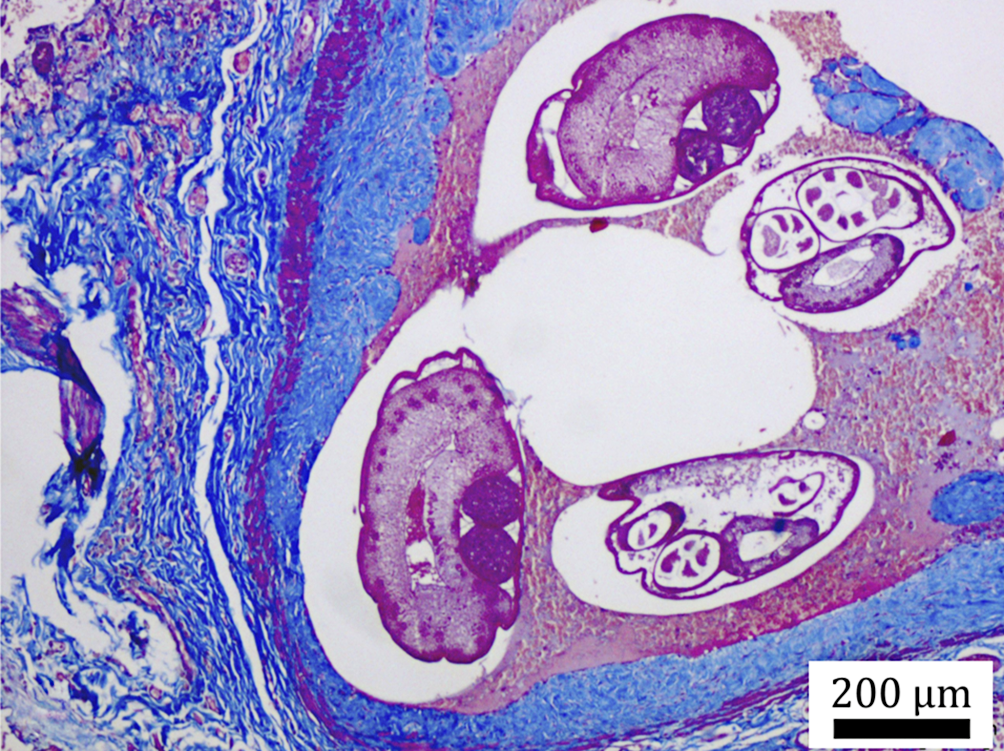
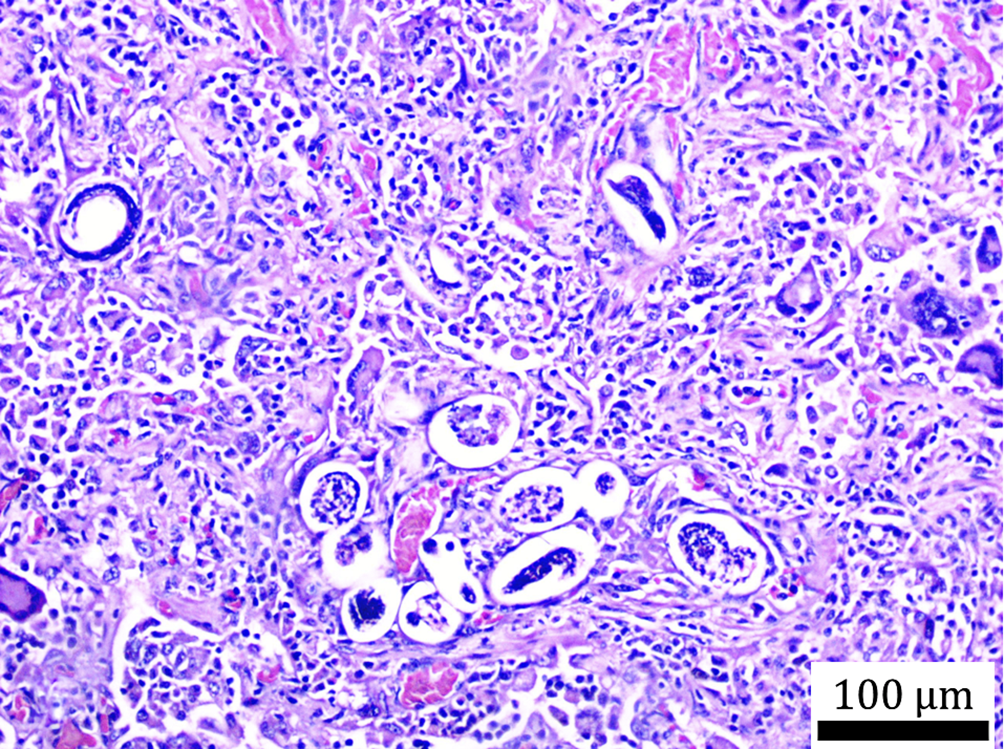
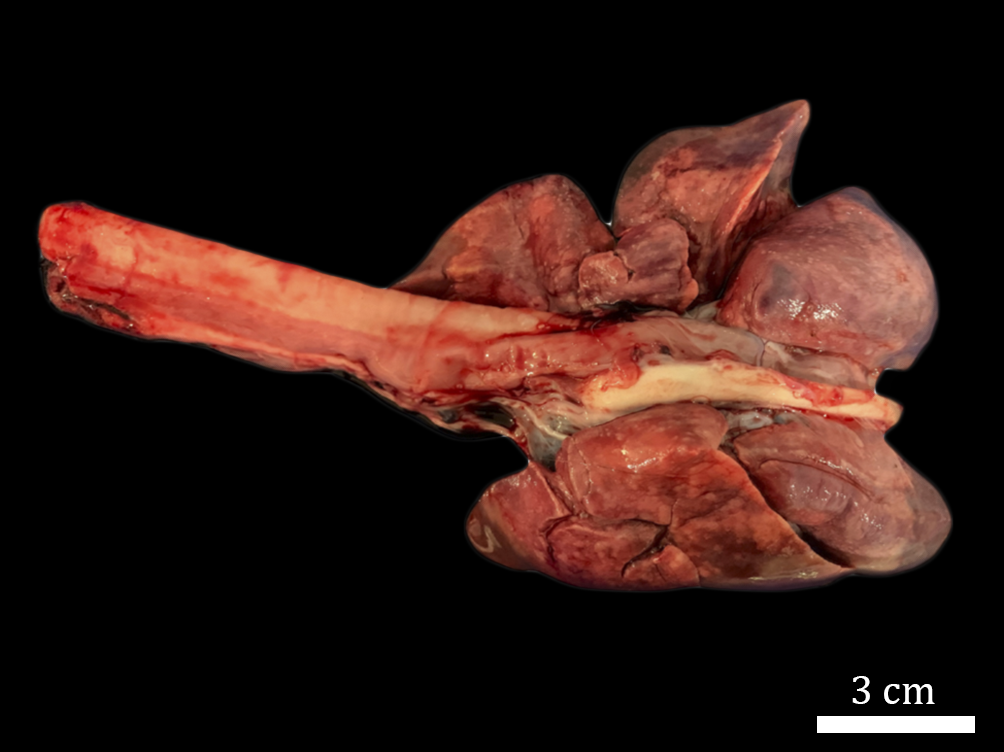
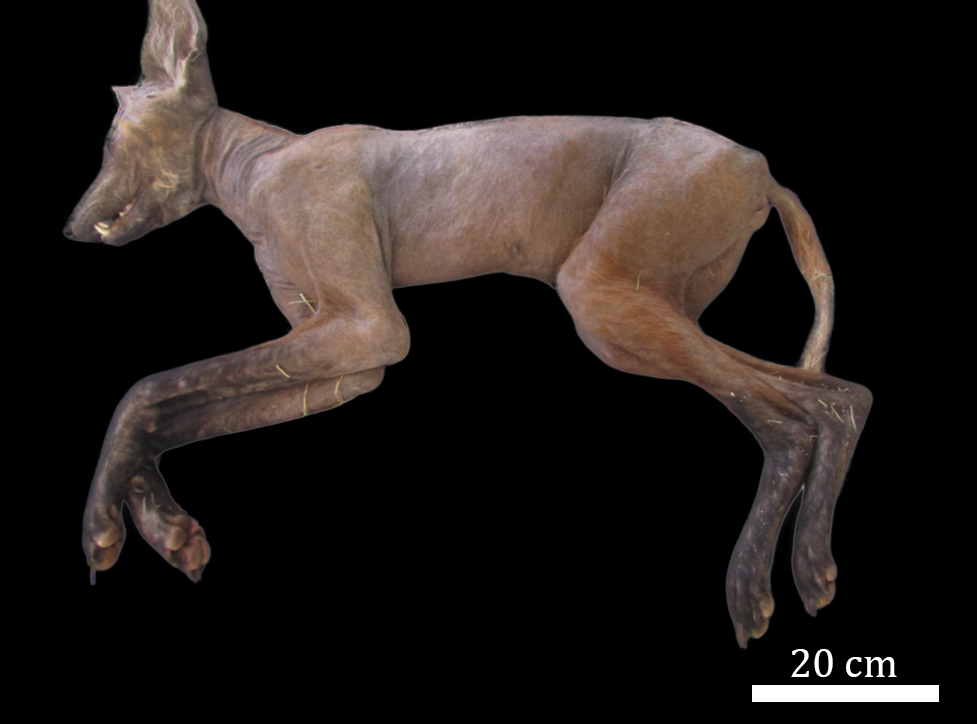
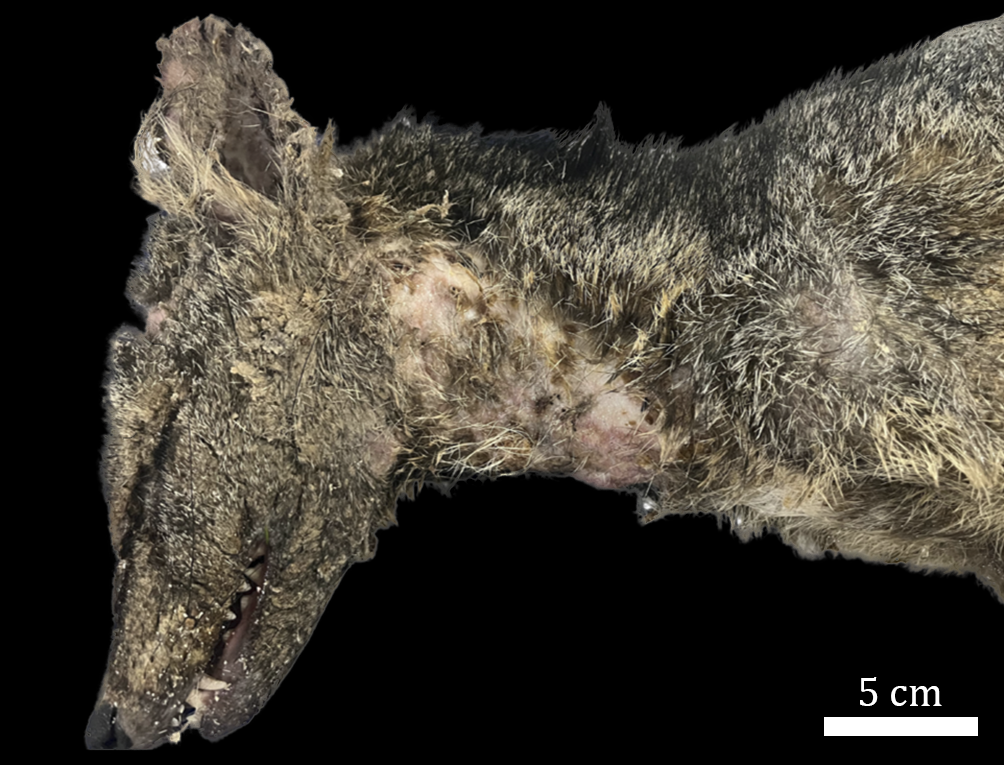
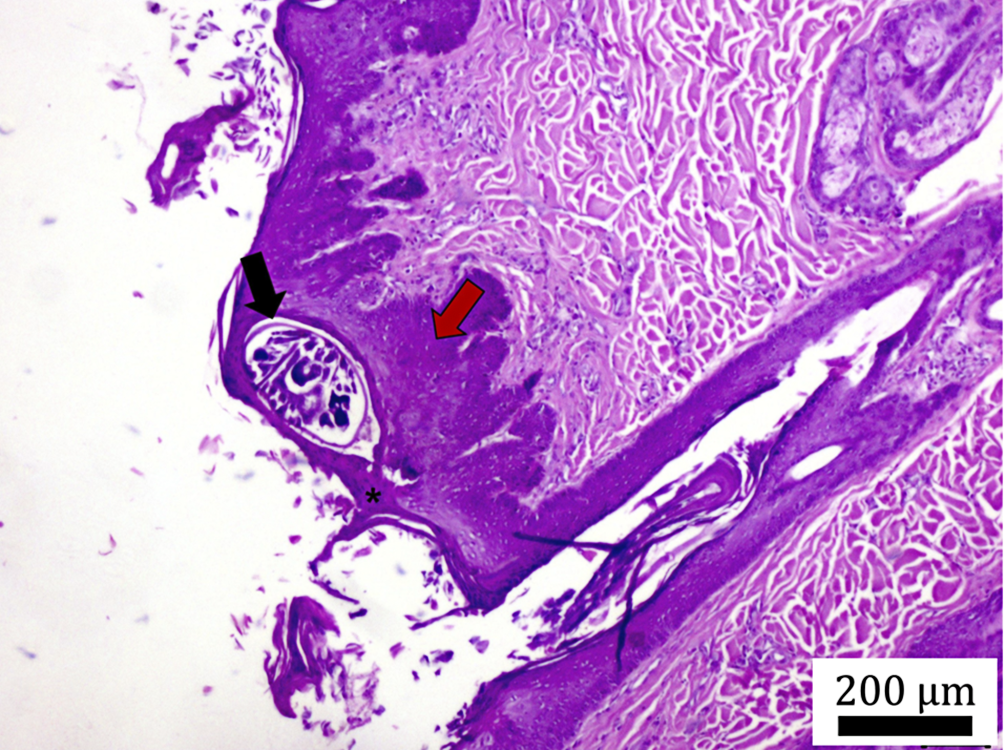
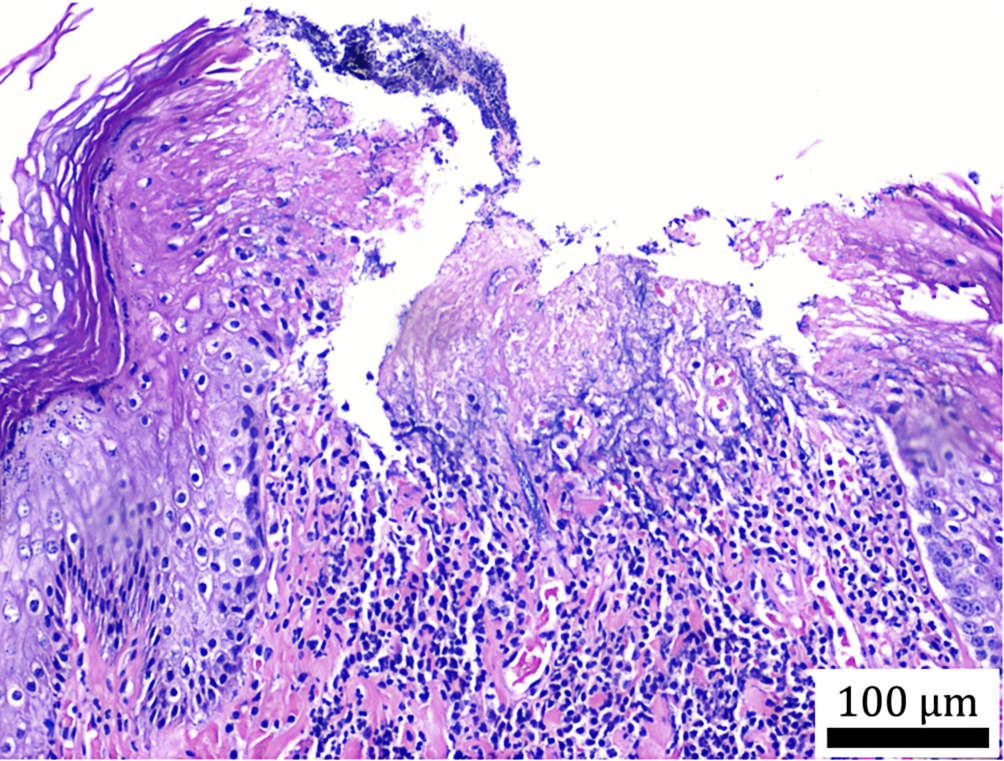
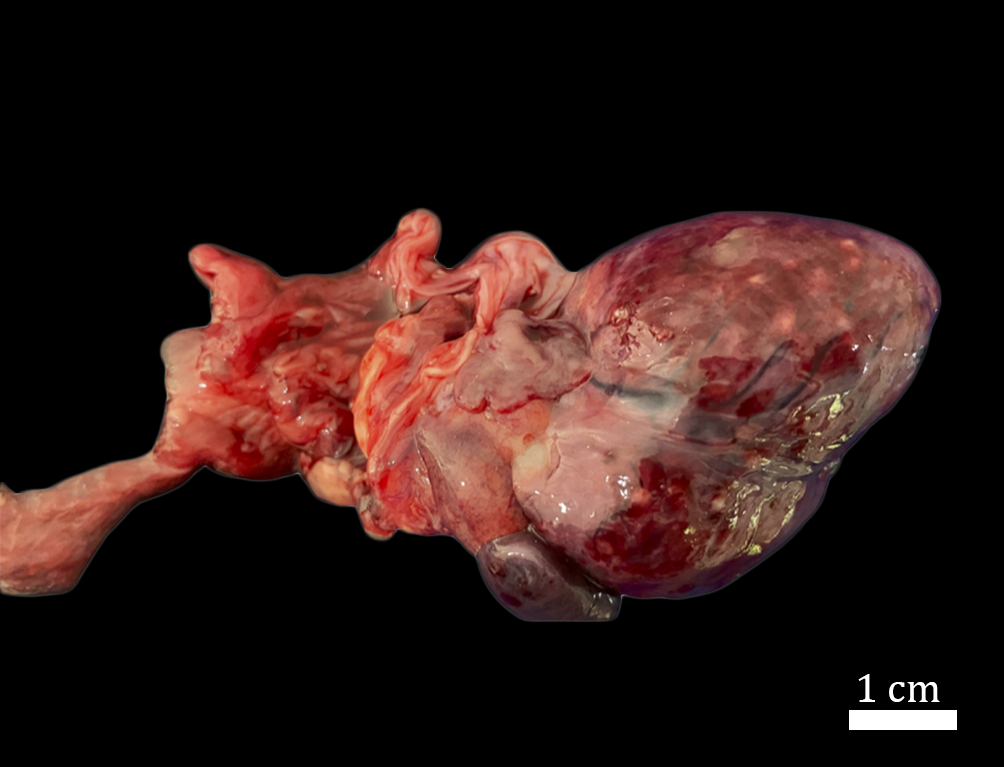
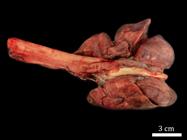
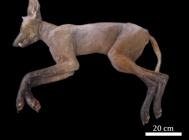
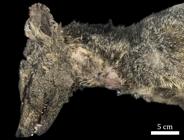
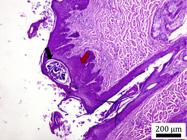
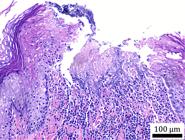
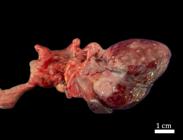
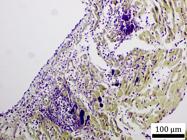
Wild canids in Brazil are increasingly affected by habitat fragmentation and emerging infectious diseases, some of which are zoonotic. This study aimed to investigate the pathological findings and causes of death of wild canids admitted to the Mata Ciliar Association (Jundiaí/SP) from 2021 to 2023, including 28 crab-eating foxes (Cerdocyon thous), six maned wolves (Chrysocyon brachyurus), and one hoary fox (Lycalopex vetulus). Tissue samples collected during necropsies were subjected to histopathological and molecular examination. The causes of death were road mortality (11/35, 31.4%), euthanasia (8/35, 22.9%), respiratory disorders (7/35, 20.0%), cachexia/malnutrition (4/35, 11.4%), sepsis (2/35, 5.7%), gastrointestinal disease (2/35, 5.7%), and hypovolemic shock associated with severe flea infestation (1/35, 2.8%). Notable pathological findings included granulomatous pneumonia associated with Angiostrongylus spp. (5/28, 17.85%) in crab-eating foxes, canine distemper virus infection (5/35, 14.3%), sarcoptic mange (2/35, 5.7%), renal parasitism by Dioctophyme renale in maned wolves (3/6, 50%),and an oral squamous cell carcinoma in the hoary fox. These findings highlight the importance of post mortem examinations for wildlife disease surveillance and emphasize the role of health monitoring in biodiversity conservation and the prevention of zoonotic risks.
INDEX TERMS:
Pathology; infectious diseases; wildlife disease surveillance; conservation medicine
 Thumbnail
 Thumbnail
 Thumbnail
 Thumbnail
 Thumbnail
 Thumbnail
 Thumbnail
 Thumbnail
 Thumbnail