 INFLUÊNCIA DO TEOR DE GLICEROL NAS PROPRIEDADES MECÂNICAS DE BIOPLÁSTICOS DE AMIDO CONTENDO BAGAÇO DE MALTE EM DIFERENTES GRANULOMETRIAS
Resumo
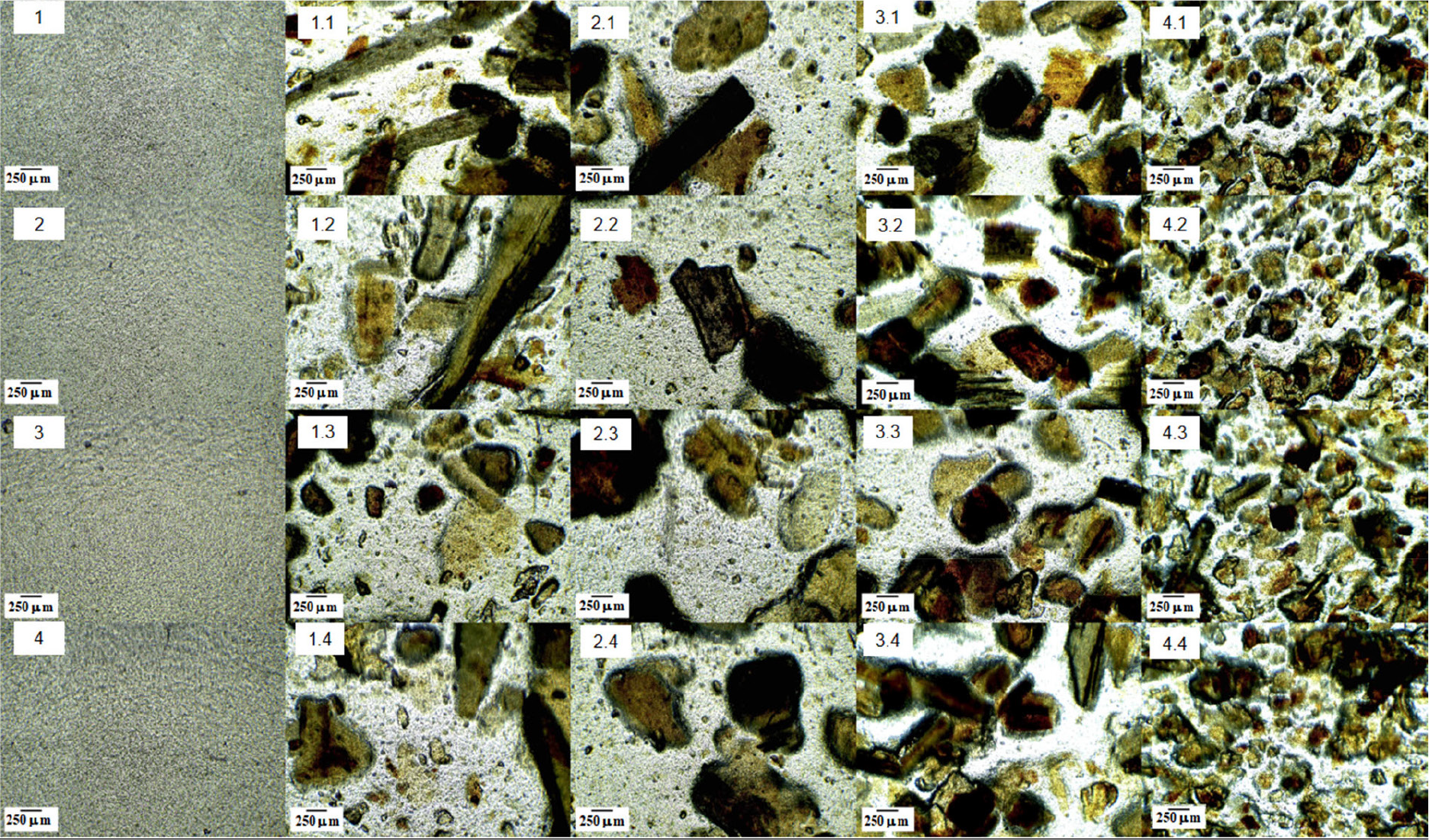
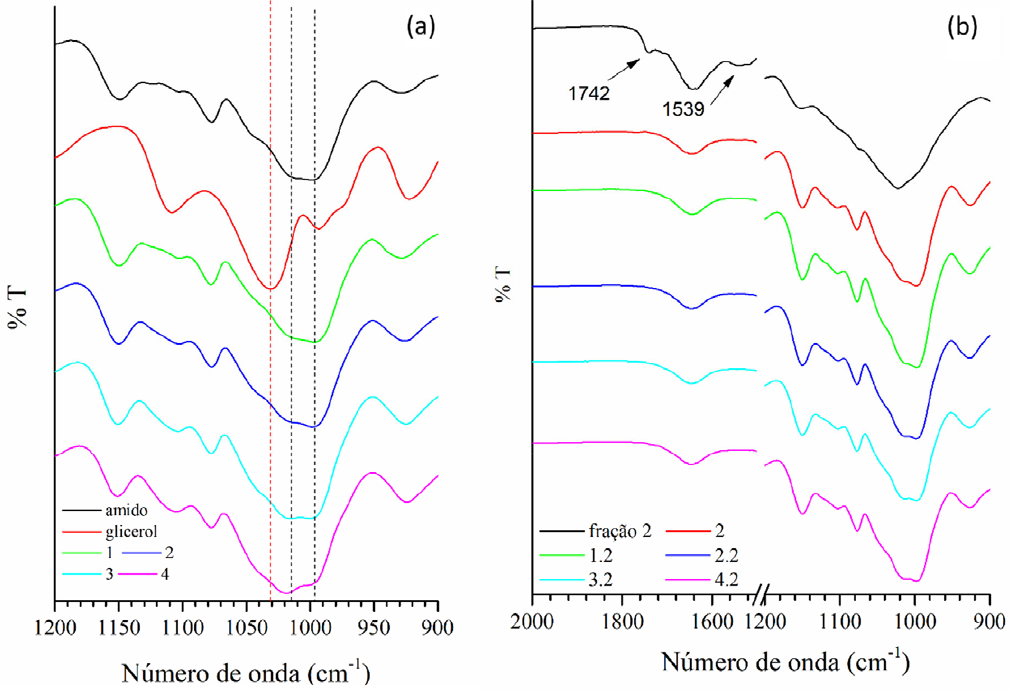
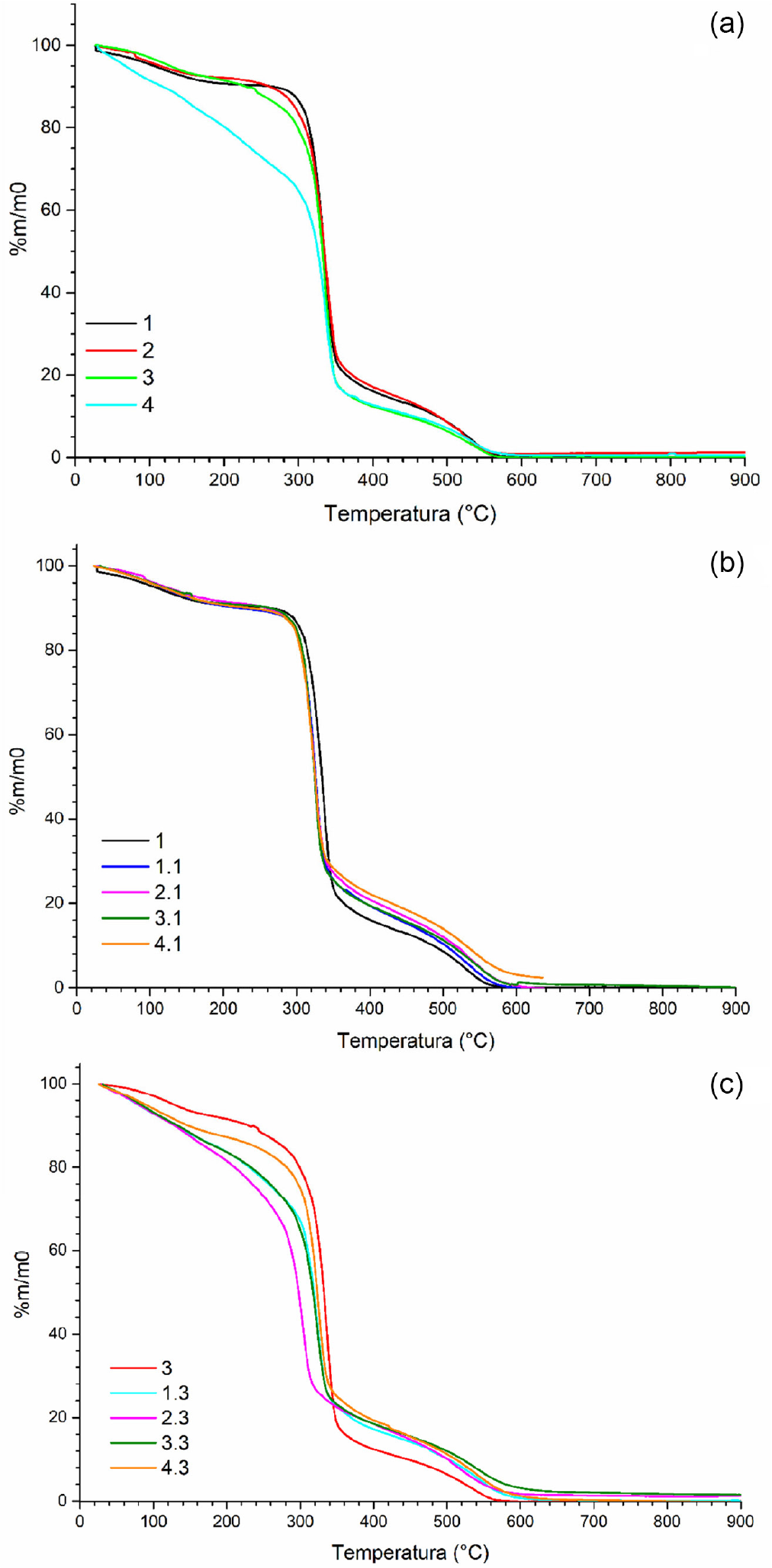
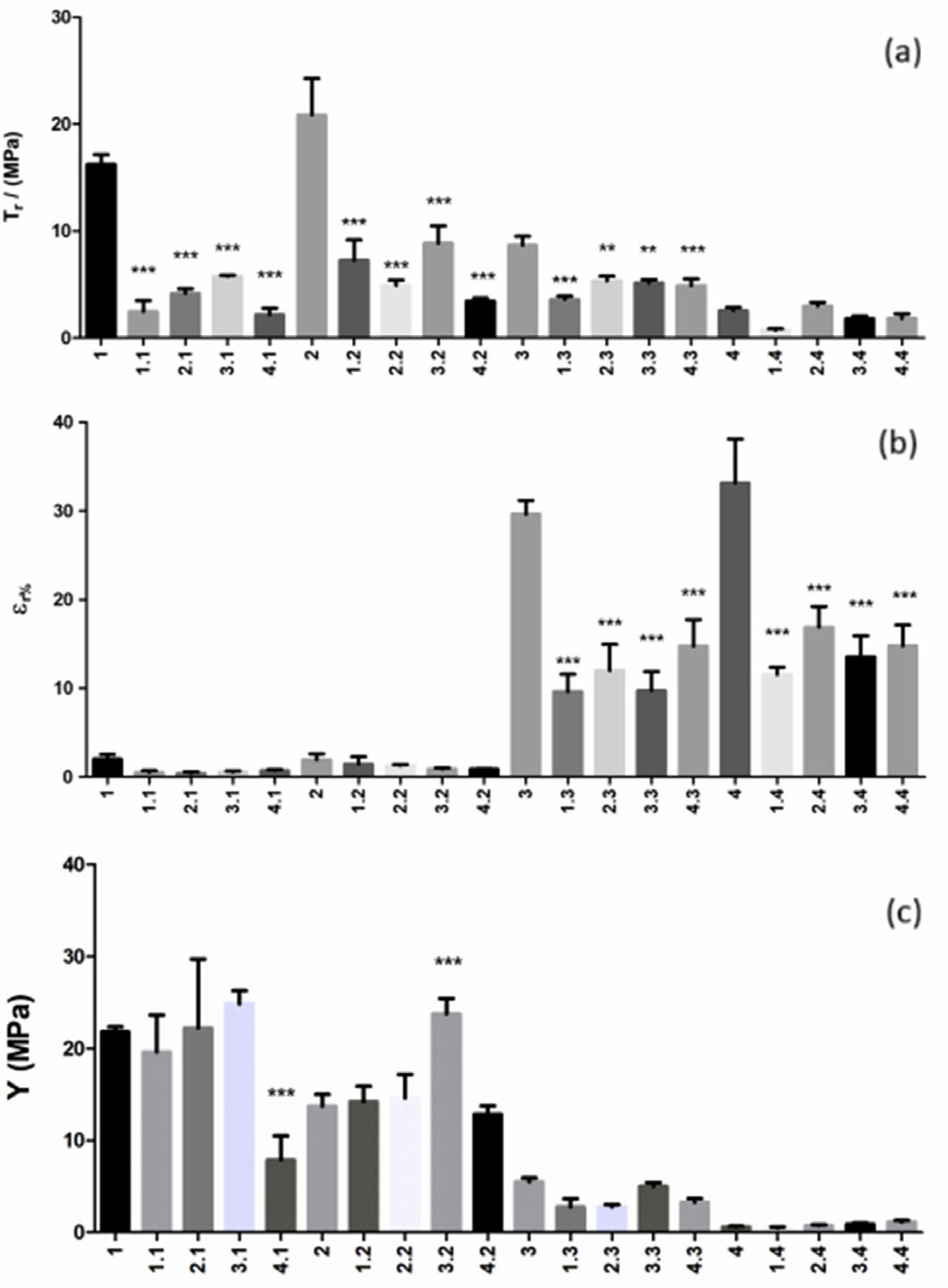
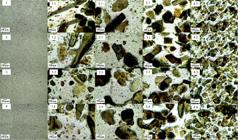
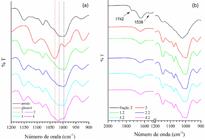
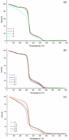
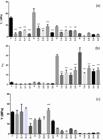
Starch-based bioplastics, incorporating different amounts of malt bagasse as a plant-based filler and glycerol as a plasticizer, were developed and characterized in terms of their physical and mechanical properties. Four bagasse samples, varying in condition and particle size, were used in the preparation of the materials, along with four glycerol concentrations (10, 20, 30, and 40% m/m ) per formulation. The bioplastics were produced by solution casting and analyzed using optical microscopy, Fourier-transform infrared spectroscopy, and thermogravimetric analysis, in addition to the evaluation of physical properties (density, thickness, grammage) and mechanical properties (tensile strength, % elongation at break, and Young’s modulus). The incorporation of bagasse influenced structural properties, reducing density and Young’s modulus in some formulations. Results showed that materials with 30 and 40% glycerol exhibited greater flexibility, while those with 10 and 20% resulted in more rigid bioplastics. This effect was maintained even after the addition of malt bagasse. These findings highlight the potential of brewing industry residues for the production of biodegradable materials, contributing to sustainability and circular economy initiatives.
 Thumbnail
 Thumbnail
 Thumbnail
 Thumbnail
 Thumbnail