
 Artificial intelligence to meet the psychosocial needs of cancer patients: a systematic review of randomized controlled trials
INTRODUCTION
Cancer remains one of the leading causes of morbidity and mortality worldwide, and beyond its physical burden, the disease imposes considerable psychosocial challenges1. Patients frequently experience anxiety, depression, distress, and impaired quality of life throughout the diagnostic and treatment trajectory2. Psychosocial support is therefore recognized as an essential component of comprehensive cancer care3. However, access to such support is often limited due to shortages of mental health professionals, financial and institutional barriers, and the stigma still associated with seeking psychological help4.
In recent years, artificial intelligence (AI) has emerged as a promising tool to expand the reach of supportive care5. AI-powered interventions such as chatbots, mobile applications, and digital therapeutics can provide personalized, scalable, and cost-effective psychosocial support6,7. These tools represent a technological spectrum ranging from simple rule-based algorithms to advanced generative models5. Crucially, the literature frequently conflates basic automation with genuine machine learning (ML), creating conceptual heterogeneity that complicates interpretation.
Although individual trials suggest potential benefits, no systematic synthesis of randomized evidence has yet clarified the effectiveness. These gaps highlight the importance of systematically reviewing and evaluating AI-based interventions to determine their effectiveness in improving psychosocial well-being among cancer patients.
METHODS
Protocol and registration
This systematic review followed Preferred Reporting Items for Systematic Review and Meta-Analysis (PRISMA) guidelines and was registered in PROSPERO (CRD420251134621). Literature search, study selection, data extraction, and quality assessment were performed independently by two researchers (NDK and FO), with disagreements resolved through consensus meetings.
Eligibility criteria
Studies were included if they met the PICOS framework: (P) patients diagnosed with cancer (any age, type, or stage); (I) AI-based interventions, defined operationally as tools utilizing ML (natural language processing, predictive modeling, and personalization based on behavioral data) or generative AI (large language models) to deliver psychosocial support; (C) usual care, standard psychosocial support, non-AI interventions; (O) psychosocial outcomes; (S) randomized controlled trials (RCTs) published in English. Exclusion criteria were unclear methodology, unavailable full text, observational designs, and simple rule-based algorithms or static digital health tools classified as non-AI digital interventions.
Search strategy
A literature search was conducted in PubMed, Cochrane Library, Scopus, Web of Science, and CINAHL. Keywords included "cancer," "oncology," "artificial intelligence," "digital health," "mental health," "psychological intervention," "psychosocial intervention," "mental health support," "quality of life," "anxiety," and "depression."
Data extraction
A standardized data extraction form was developed to collect key study characteristics. Extracted information included author details, publication year, country of study, study design, sample size, participant characteristics, intervention type and duration, comparison group, data collection period, and reported psychosocial outcomes. The data extraction process was conducted independently by two researchers (NDK and FO).
Quality assessment
The methodological quality of the included RCTs was assessed independently by two researchers using the Cochrane Risk of Bias 2 (RoB 2)8 tool. Studies were evaluated across five domains: randomization process, deviations from intended interventions, missing outcome data, measurement of the outcome, and selection of the reported result, with overall judgments assigned accordingly. Disagreements between researchers were resolved by discussion.
RESULTS
Search results
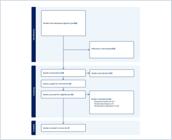
A search of five databases revealed a total of 996 relevant articles. After removing duplicates, 143 studies were selected for full-text analysis, and only seven9-15 met the selection criteria for inclusion in this review (Table 1). The detailed PRISMA flowchart is shown in Figure 1.
Quality assessment results
The risk of bias assessment indicated that most included trials were judged to be at low risk across all domains (Figure 2). The majority were rated overall as low risk of bias, while two trials were assessed as having some concerns due to issues related to baseline imbalances, missing outcome data, or attrition linked to higher baseline distress.

AI-based intervention results
AI-based methods in cancer care aim to enhance education, symptom management, and psychosocial support. Rule-based chatbots evaluated by Lee et al. and Shaban et al. provided information during radiotherapy or breast cancer management and reduced anxiety in some subgroups. A more advanced ChatGPT-4.0-based counseling intervention9 significantly reduced anxiety and depression before chemotherapy, emphasizing the need for expert validation. In a study by Jiang et al., it has been reported that "AI-TA" mobile app delivered personalized content, symptom tracking, and social support, improving psychological symptoms and self-efficacy. In an advanced cancer study by Kamdar et al., the ePAL app used AI to triage patient-reported outcomes, reducing pain scores and hospitalizations. Schmitz et al. tested the Nurse AMIE voice assistant, which showed high acceptability but no significant symptom effects. A study by Springer et al. reported that Mika app tailored support to cancer type, treatment stage, and user behavior, leading to reductions in distress, depression, anxiety, and fatigue. Only Jiang et al. explicitly applied a theoretical framework (person-centered care), while two studies incorporated therapeutic models like cognitive behavioral therapy and mindfulness-based stress reduction directly into the intervention content. Collectively, these approaches demonstrate AI's potential to deliver accessible, personalized psychosocial care, though expert oversight remains essential, especially for generative AI.
Psychosocial outcomes
Lee et al. tested a chatbot and video education during radiotherapy in breast cancer patients; while no overall effect was observed, younger patients (age <50 years) showed reduced anxiety. Akdogan et al. demonstrated that a ChatGPT-based counseling tool significantly reduced pre-chemotherapy anxiety and depression. Jiang et al. reported that the AI-TA mobile app improved psychological symptoms, self-efficacy, and social support in young breast cancer survivors. Kamdar et al. found that the ePAL app lowered pain scores and reduced pain-related hospitalizations in advanced cancer. Schmitz et al. showed that the Nurse AMIE voice assistant achieved high acceptability and satisfaction, though without significant effects on distress, symptoms, or quality of life. Shaban et al. observed that an AI chatbot significantly increased knowledge, empowerment, and positive attitudes toward AI in breast cancer patients. Springer et al. demonstrated that the Mika therapeutic app reduced distress, depression, anxiety, and fatigue in cancer patients.
DISCUSSION
This systematic review represents one of the first comprehensive syntheses of RCTs examining the effectiveness of AI-based interventions in addressing the psychosocial needs of cancer patients. The findings indicate that such digital tools show particularly promising effects in reducing anxiety and distress, while the evidence regarding depression and overall quality of life remains more limited and heterogeneous. A recent systematic review and meta-analysis demonstrated that digital psychosocial interventions (non-AI specific) significantly improved quality of life and produced moderate reductions in anxiety and depression among cancer patients, providing preliminary evidence for their integration into supportive care16. The trials also consistently reported high levels of acceptability, feasibility, and patient satisfaction, with interventions demonstrating the capacity to enhance knowledge, self-efficacy, and patient engagement.
International cancer guidelines, including the NCCN Distress Management Guidelines17, ESMO Supportive Care Recommendations18, and the ASCO Survivorship Guidelines19, emphasize psychosocial care as an integral component of comprehensive oncology. These guidelines advocate for routine distress screening and timely psychosocial interventions for all patients. However, the translation of these recommendations into routine clinical practice remains limited due to barriers such as shortages of mental health professionals, institutional and financial constraints, and the persistent stigma associated with seeking psychological support20. The findings of this review suggest that AI-based interventions offer a tangible mechanism to operationalize these recommendations. For instance, the automated triage algorithms evaluated in this review11 directly address the guideline requirement for "timely intervention" by identifying high-risk symptoms in real time, effectively bypassing delays associated with traditional referral pathways. Similarly, the digital therapeutic approaches offering on-demand coping strategies15 provide a scalable solution to the "routine support" advocated by ASCO, particularly for patients facing access barriers or stigma. Within this context, AI-based interventions, ranging from chatbots and mobile applications to digital therapeutics, offer accessible, scalable, and personalized solutions that could help bridge the gap between guideline recommendations and real-world care delivery21.
The findings suggest that AI interventions serve well as flexible adjuncts to conventional care. However, they introduce ethical risks including algorithmic bias22, generative AI "hallucinations"9, and data privacy concerns23. Furthermore, technological disparities may exclude older or lower-socioeconomic patients24. Consequently, large-scale, longitudinal studies are essential to establish the sustained effectiveness and safe integration of these tools into oncology practice.
CONCLUSION
AI-based interventions show promise for alleviating anxiety and distress, though efficacy varies. Their scalability offers a compelling opportunity to bridge service gaps and empower patients. However, integration faces significant challenges, including algorithmic bias, data privacy concerns, and digital literacy barriers. Consequently, AI should be developed as a scalable adjunct to, rather than a replacement for, professional human support. Future large-scale, longitudinal research must prioritize evaluating safety and ethical frameworks alongside clinical outcomes to ensure AI becomes a safe and integral component of comprehensive oncology care.
Limitations
Several limitations define this review. The small number of available RCTs, combined with significant heterogeneity in intervention types and outcome measures, restricted generalizability and precluded quantitative synthesis. Most interventions lacked a theoretical framework and assessed psychosocial outcomes only as secondary endpoints. Data on long-term sustainability remain scarce, with few studies providing extended follow-up. Finally, the restriction to English-language publications and major biomedical databases, excluding specialized technology repositories due to access constraints, may have introduced selection bias.
DATA AVAILABILITY STATEMENT
The datasets generated and/or analyzed during the current study are available from the corresponding author upon reasonable request.
REFERENCES
-
1 Wang Y, Feng W. Cancer-related psychosocial challenges. Gen Psychiatr. 2022;35(5):e100871. https://doi.org/10.1136/gpsych-2022-100871
» https://doi.org/10.1136/gpsych-2022-100871 -
2 Grassi L, Caruso R, Riba MB, Lloyd-Williams M, Kissane D, Rodin G, et al. Anxiety and depression in adult cancer patients: ESMO Clinical Practice Guideline. ESMO Open. 2023;8(2):101155. https://doi.org/10.1016/j.esmoop.2023.101155
» https://doi.org/10.1016/j.esmoop.2023.101155 -
3 Taylor TR, Adams-Campbell LL, Hicks J, Barrow J, Makambi KH, Warren J, et al. The relationship between psychosocial support service utilization, coping and post-traumatic growth among breast cancer survivors. J Psychosoc Oncol. 2025;43(6):823-40. https://doi.org/10.1080/07347332.2025.2486229
» https://doi.org/10.1080/07347332.2025.2486229 -
4 Bergerot C, Jacobsen PB, Rosa WE, Lam WWT, Dunn J, Fernández-González L, et al. Global unmet psychosocial needs in cancer care: health policy. EClinicalMedicine. 2024;78:102942. https://doi.org/10.1016/j.eclinm.2024.102942
» https://doi.org/10.1016/j.eclinm.2024.102942 -
5 Bekbolatova M, Mayer J, Ong CW, Toma M. Transformative potential of AI in healthcare: definitions, applications, and navigating the ethical landscape and public perspectives. Healthcare (Basel). 2024;12(2):125. https://doi.org/10.3390/healthcare12020125
» https://doi.org/10.3390/healthcare12020125 -
6 Olawade DB, Wada OZ, Odetayo A, David-Olawade AC, Asaolu F, Eberhardt J. Enhancing mental health with artificial intelligence: current trends and future prospects. J Med Surg Public Health. 2024;3:100099. https://doi.org/10.1016/j.jomsp.2024.100099
» https://doi.org/10.1016/j.jomsp.2024.100099 -
7 Sezgin MG, Bektas H. The effectiveness of patient-centered digital empowerment programs in hematological cancer care: a systematic review and meta-analysis of randomized controlled trials. Worldviews Evid Based Nurs. 2025;22(4):e70064. https://doi.org/10.1111/wvn.70064
» https://doi.org/10.1111/wvn.70064 -
8 Higgins JPT, Savović J, Page MJ, Elbers RG, Sterne JAC. Chapter 8: Assessing risk of bias in a randomized trial. In: Higgins JPT, Thomas J, Chandler J, Cumpston M, Li T, Page MJ, et al., editors. Cochrane handbook for systematic reviews of interventions. Version 6.5. Cochrane; 2019. Available from: https://training.cochrane.org/handbook
» https://training.cochrane.org/handbook -
9 Akdogan O, Uyar GC, Yesilbas E, Baskurt K, Malkoc NA, Ozdemir N, et al. Effect of a ChatGPT-based digital counseling intervention on anxiety and depression in patients with cancer: a prospective, randomized trial. Eur J Cancer. 2025;221:115408. https://doi.org/10.1016/j.ejca.2025.115408
» https://doi.org/10.1016/j.ejca.2025.115408 -
10 Jiang L, Xu J, Wu Y, Liu Y, Wang X, Hu Y. Effects of the "AI-TA" mobile app with intelligent design on psychological and related symptoms of young survivors of breast cancer: randomized controlled trial. JMIR Mhealth Uhealth. 2024;12:e50783. https://doi.org/10.2196/50783
» https://doi.org/10.2196/50783 -
11 Kamdar M, Jethwani K, Centi AJ, Agboola S, Fischer N, Traeger L, et al. A digital therapeutic application (ePAL) to manage pain in patients with advanced cancer: a randomized controlled trial. J Pain Symptom Manage. 2024;68(3):261-71. https://doi.org/10.1016/j.jpainsymman.2024.05.033
» https://doi.org/10.1016/j.jpainsymman.2024.05.033 -
12 Lee J, Byun HK, Kim YT, Shin J, Kim YB. A study on breast cancer patient care using chatbot and video education for radiation therapy: a randomized controlled trial. Int J Radiat Oncol Biol Phys. 2025;122(1):84-92. https://doi.org/10.1016/j.ijrobp.2024.12.012
» https://doi.org/10.1016/j.ijrobp.2024.12.012 -
13 Schmitz KH, Kanski B, Gordon B, Caru M, Vasakar M, Truica CI, et al. Technology-based supportive care for metastatic breast cancer patients. Support Care Cancer. 2023;31(7):401. https://doi.org/10.1007/s00520-023-07884-3
» https://doi.org/10.1007/s00520-023-07884-3 -
14 Shaban M, Osman YM, Mohamed NA, Shaban MM. Empowering breast cancer clients through AI chatbots: transforming knowledge and attitudes for enhanced nursing care. BMC Nurs. 2025;24(1):994. https://doi.org/10.1186/s12912-025-03585-w
» https://doi.org/10.1186/s12912-025-03585-w -
15 Springer F, Maier A, Friedrich M, Raue JS, Finke G, Lordick F, et al. Digital therapeutic (Mika) targeting distress in patients with cancer: results from a nationwide waitlist randomized controlled trial. J Med Internet Res. 2024;26:e51949. https://doi.org/10.2196/51949
» https://doi.org/10.2196/51949 -
16 Zhang Y, Flannery M, Zhang Z, Underhill-Blazey M, Bobry M, Leblanc N, et al. Digital health psychosocial intervention in adult patients with cancer and their families: systematic review and meta-analysis. JMIR Cancer. 2024;10:e46116. https://doi.org/10.2196/46116
» https://doi.org/10.2196/46116 -
17 Riba MB, Donovan KA, Ahmed K, Andersen B, Braun I, Breitbart WS, et al. NCCN Guidelines® insights: distress management, version 2.2023. J Natl Compr Canc Netw. 2023;21(5):450-7. https://doi.org/10.6004/jnccn.2023.0026
» https://doi.org/10.6004/jnccn.2023.0026 -
18 Cufer T, Kosty MP, Curriculum Development Subgroup—ESMO/ASCO Global Curriculum Working Group. ESMO/ASCO recommendations for a global curriculum in medical oncology edition 2023. JCO Glob Oncol. 2023;9:e2300277. https://doi.org/10.1200/GO.23.00277
» https://doi.org/10.1200/GO.23.00277 -
19 Andersen BL, Lacchetti C, Ashing K, Berek JS, Berman BS, Bolte S, et al. Management of anxiety and depression in adult survivors of cancer: ASCO guideline update. J Clin Oncol. 2023;41(18):3426-53. https://doi.org/10.1200/JCO.23.00293
» https://doi.org/10.1200/JCO.23.00293 -
20 Coppini V, Ferraris G, Monzani D, Grasso R, Pravettoni G. Disparities and barriers in the assessment of psychological distress, access to and use of psycho-oncological support in Europe: current perspectives. Front Psychol. 2023;14:1252843. https://doi.org/10.3389/fpsyg.2023.1252843
» https://doi.org/10.3389/fpsyg.2023.1252843 -
21 Isa AK. Exploring digital therapeutics for mental health: AI-driven innovations in personalized treatment approaches. World J Adv Res Rev. 2024;24(3):2733-49. https://doi.org/10.30574/wjarr.2024.24.3.3997
» https://doi.org/10.30574/wjarr.2024.24.3.3997 -
22 Kelkar AH, Hantel A, Koranteng E, Cutler CS, Hammer MJ, Abel GA. Digital health to patient-facing artificial intelligence: ethical implications and threats to dignity for patients with cancer. JCO Oncol Pract. 2024;20(3):314-7. https://doi.org/10.1200/OP.23.00412
» https://doi.org/10.1200/OP.23.00412 -
23 Hanna MG, Pantanowitz L, Jackson B, Palmer O, Visweswaran S, Pantanowitz J, et al. Ethical and bias considerations in artificial intelligence/machine learning. Mod Pathol. 2025;38(3):100686. https://doi.org/10.1016/j.modpat.2024.100686
» https://doi.org/10.1016/j.modpat.2024.100686 -
24 Freitas J, Agarwal S, Schmitt B, Haslam N. Psychological factors underlying attitudes toward AI tools. Nat Hum Behav. 2023;7(11):1845-54. https://doi.org/10.1038/s41562-023-01734-2
» https://doi.org/10.1038/s41562-023-01734-2
Edited by
-
Scientific Editor:
José Maria Soares Júnior


