 Evaluation of head posture in patients with temporomandibular joint disorders: a cross-sectional study
OBJECTIVE: This study evaluated head posture in patients with temporomandibular joint disorders and explored the effects of postural changes on clinical parameters.
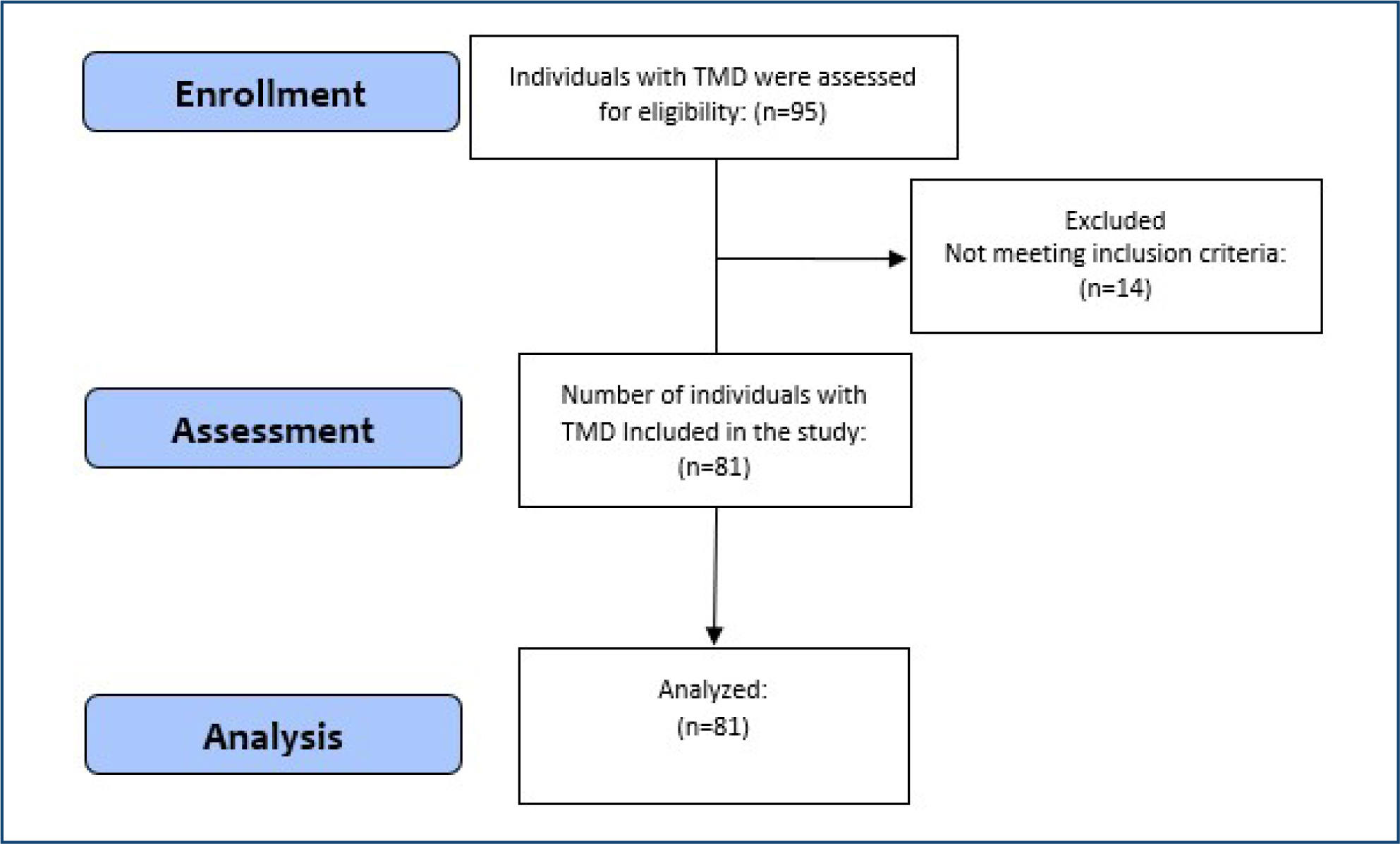
METHODS: In total, 81 individuals diagnosed with temporomandibular joint disorders participated in this cross-sectional prospective study. Demographics, pain status, head posture, and jaw movement data were collected. Head posture was assessed using the Posture Screen Mobile application.
RESULTS: Results indicated moderate negative correlations between pain and mouth opening (rho=-0.437, p<0.001) and maximum mouth opening (rho=-0.427, p<0.001). Anterior translation showed weak positive correlations with mouth opening and maximum mouth opening, while right lateral translation exhibited a weak positive correlation with pain (rho=0.264, p=0.017). Posterior angulation showed weak significant correlations with pain, mouth opening, and maximum mouth opening.
CONCLUSION: These findings suggest that head posture has a significant influence on temporomandibular joint disorder symptoms. Treatment strategies addressing postural abnormalities may help alleviate symptoms and enhance the quality of life in temporomandibular joint disorder patients.
KEYWORDS:
Jaw diseases; Pain; Posture; Temporomandibular joint disorders
 Thumbnail