 Prevalence of Two Variants of BRCA2 in Women with Breast Cancer of the Hospital Día Oncológico, Encarnación, Paraguay, 2023: a Pilot Study
Introduction: Hereditary breast cancer refers to cases in which genetic predisposition plays a significant role in its development. Inherited genetic variants, particularly in the BRCA1 and BRCA2 genes, significantly increase the risk of developing breast cancer and, in some cases, ovarian cancer.
Objective: To determine the prevalence of two variants of the BRCA2 gene in women with breast cancer attending the Hospital Día Oncológico in the city of Encarnación, Paraguay.
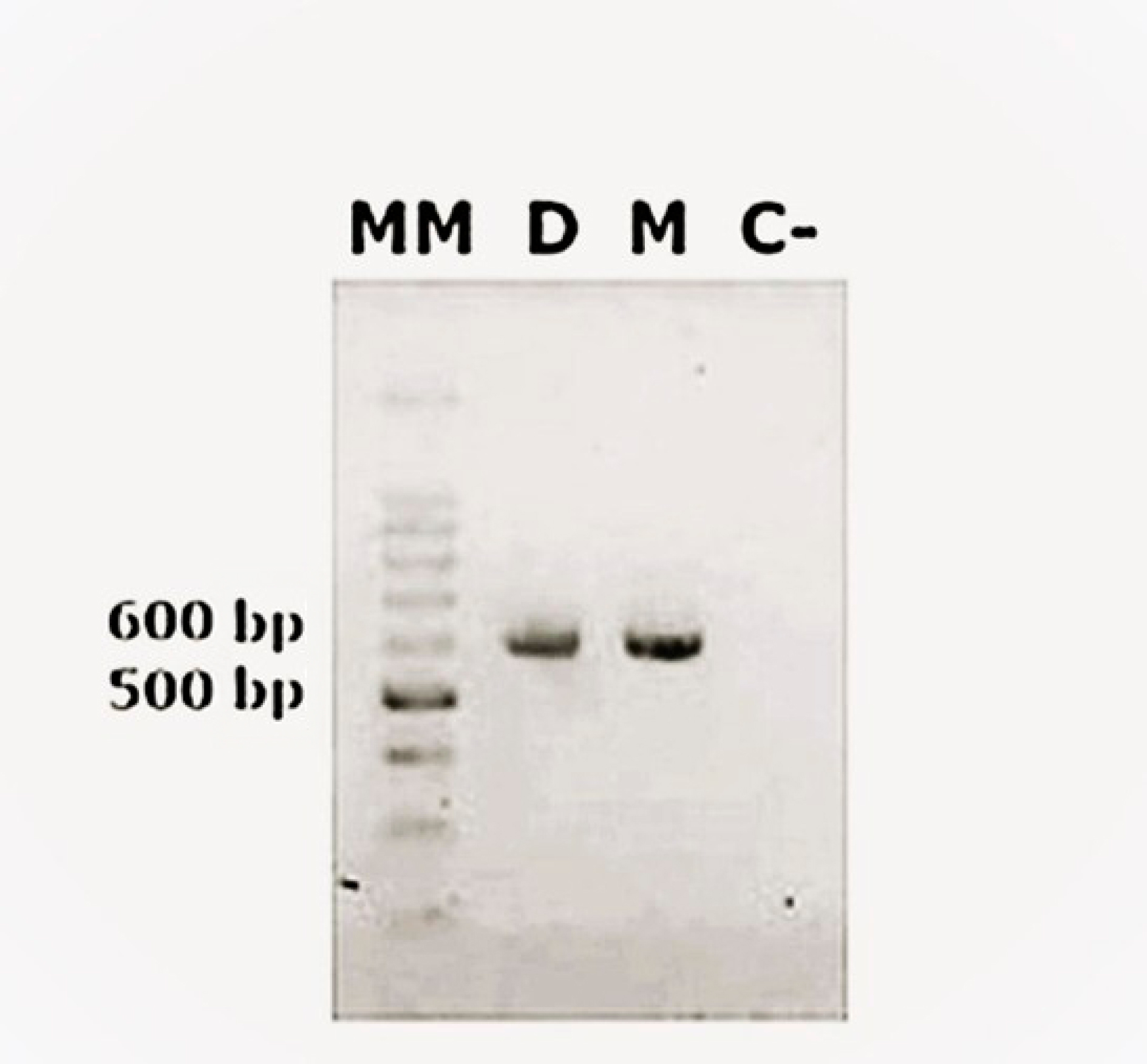
Method: A pilot observational and descriptive study was conducted. The sample consisted of women aged 18 to 50 years diagnosed with breast cancer, selected through non-probabilistic convenience sampling. After obtaining informed consent, questionnaires were administered, and blood samples were collected. Subsequently, genomic sequencing techniques and genetic analysis were performed to identify BRCA2 variants.
Results: A total of 11 patients participated, with a mean age of 39.45 years; six of them had a first-degree family history of cancer, and all were diagnosed with invasive breast cancer. The two analyzed BRCA2 gene variants were NM_000059.4: c.5351_5352insA and NM_000059.4: c.5681_5682insA.
Conclusion: The variants investigated were not detected in the 11 women with breast cancer. A comprehensive analysis of the entire BRCA2 gene is necessary to establish a database of genetic variants circulating in the Itapúa population.
Key words:
Breast Neoplasms/genetics; Genetic Diseases, Inborn; BRCA2 Gene
 Thumbnail