
 Immediate effects of ezzebike on posture and muscle activation in recreational cyclists
ABSTRACT
EzzeBike is a handlebar accessory designed to promote a more upright posture, but its effects on posture and muscle activation remain unclear. This study evaluated its immediate effects in recreational cyclists (n = 11) during a single experimental session. Kinematic variables (head flexion, forward trunk inclination, hip flexion, and knee flexion) and EMG activity of six muscles were analyzed. EzzeBike significantly reduced forward trunk inclination and head flexion (p < 0.05), while also decreasing splenius capitis activation, with no changes in lower limb muscle activation. These findings suggest that EzzeBike promotes a more neutral posture and reduces cervical load, potentially improving postural comfort in recreational cyclists.
Keywords:
Recreational cycling; Posture; Electromyography; Kinematics
RESUMO
O EzzeBike é um acessório de guidão projetado para promover uma postura mais ereta, mas seus efeitos sobre a postura e a ativação muscular ainda não foram totalmente esclarecidos. Este estudo avaliou seus efeitos imediatos em ciclistas recreacionais (n = 11) em uma única sessão experimental. Foram analisadas variáveis cinemáticas (flexão da cabeça, inclinação anterior do tronco, flexão do quadril e do joelho) e a atividade eletromiográfica de seis músculos. O EzzeBike reduziu significativamente a inclinação anterior do tronco e a flexão da cabeça (p < 0,05), além de diminuir a ativação do splenius capitis, sem alterações na ativação muscular dos membros inferiores. Esses achados sugerem que o EzzeBike promove uma postura mais neutra e reduz a sobrecarga cervical, podendo melhorar o conforto postural de ciclistas recreacionais.
Palavras-chave:
Ciclismo recreacional; Postura; Eletromiografia; Cinemática
RESUMEN
EzzeBike es un accesorio de manillar diseñado para promover una postura más erguida, pero sus efectos sobre la postura y la activación muscular aún no han sido completamente esclarecidos. Este estudio evaluó sus efectos inmediatos en ciclistas recreativos (n = 11) durante una única sesión experimental. Se analizaron variables cinemáticas (flexión de la cabeza, inclinación anterior del tronco, flexión de la cadera y de la rodilla) y la actividad electromiográfica de seis músculos. EzzeBike redujo significativamente la inclinación anterior del tronco y la flexión de la cabeza (p < 0,05), además de disminuir la activación del splenius capitis, sin cambios en la activación muscular de las extremidades inferiores. Estos hallazgos sugieren que EzzeBike promueve una postura más neutral y reduce la sobrecarga cervical, lo que podría mejorar el confort postural en ciclistas recreativos.
Palabras clave:
Ciclismo recreativo; Postura; Electromiografía; Cinemática
INTRODUCTION
Recreational cycling, unlike competitive cycling, emphasizes comfort, fitness, and transportation rather than performance. This globally expanded practice attracts a diverse audience, and with its increasing popularity, there has been growing interest in research on cycling biomechanics, posture, and strategies to reduce musculoskeletal load (Singleton, 2019). Despite its benefits, recreational cycling is frequently associated with non-traumatic injuries, including knee, neck, shoulder, hand, buttock, perineal, and lower back pain (Clarsen et al., 2010; Dettori and Norvell, 2006). These injuries are often linked to sustained postural demands, overuse, and improper bicycle fitting, which can increase muscle fatigue and discomfort (Dedieu et al., 2020; Burnett et al., 2004).
Proper bicycle fitting is essential for optimizing posture and reducing the risk of injury. Adjustments such as saddle height, handlebar alignment, and saddle-handlebar distance play a fundamental role in stabilizing the cyclist’s posture and minimizing excessive muscular load (Swart and Holliday, 2019; Priego Quesada et al., 2019). However, even with optimized fitting, cycling posture frequently requires cervical hyperextension and forward trunk inclination, which have been associated with increased load on the cervical and lumbar spine (Cyr, 2022; Streisfield et al., 2017). This sustained positioning increases the activation of postural muscles, particularly in the upper back and core, potentially leading to discomfort and fatigue over time. Given these biomechanical challenges, ergonomic accessories have been developed to enhance comfort and reduce musculoskeletal strain.
One such accessory is EzzeBike, a handlebar extender designed to allow cyclists to alter their posture while riding (Figure 1).
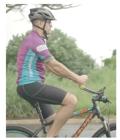
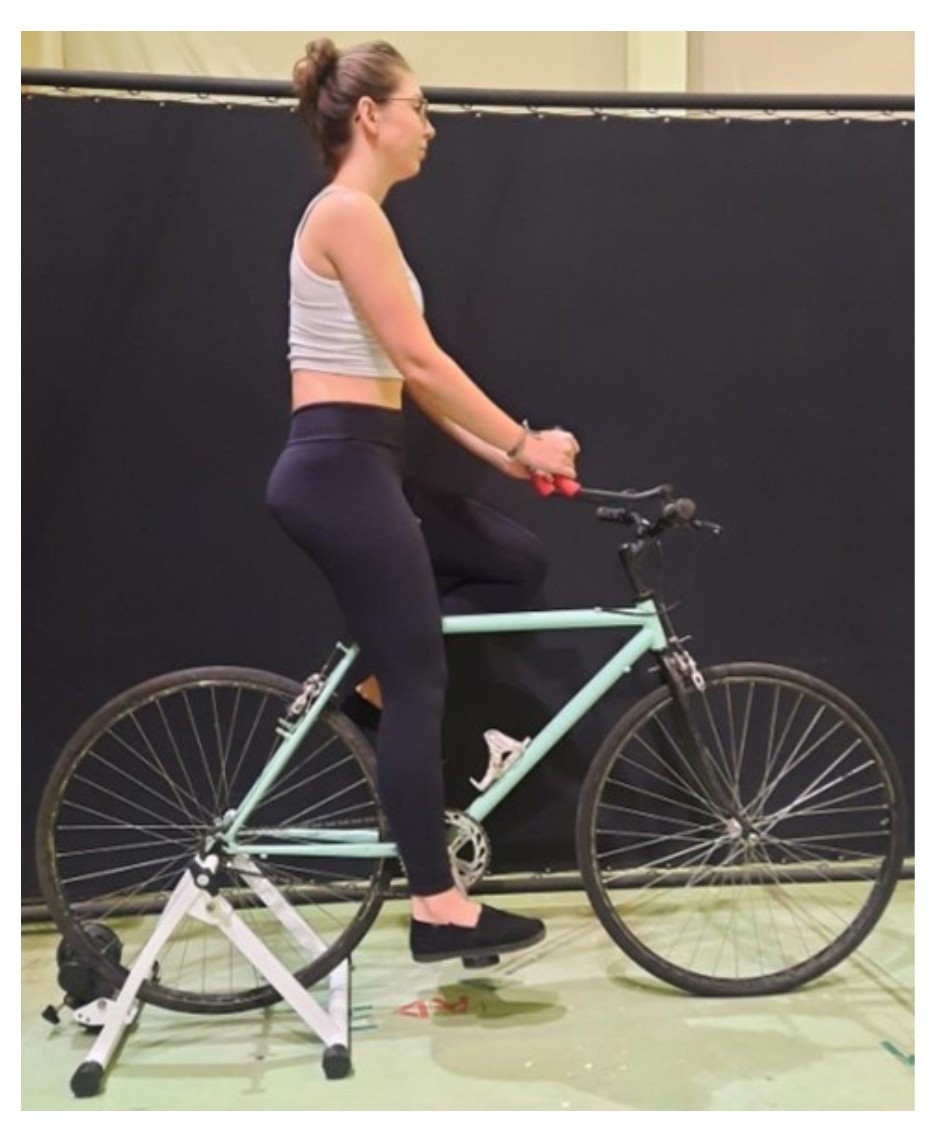
This device attaches to the handlebars, enabling the cyclist to switch from a standard cycling posture (Figure 2) to a more upright position (Figure 3).
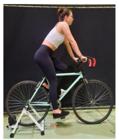

By promoting a reduction in trunk inclination and cervical extension, this adaptation may help redistribute muscle workload and decrease load on the cervical and lumbar spine, potentially alleviating discomfort associated with traditional cycling posture. Despite its commercial availability, no studies have systematically examined its biomechanical effects, leaving a gap in the literature regarding how it influences kinematics and neuromuscular responses in cyclists.
Given the interdependence between cycling posture and muscle activation, synchronizing kinematic and electromyographic (EMG) measurements is essential to fully understand how postural adaptations redistribute muscle workload. Previous studies have demonstrated that increased forward trunk inclination is associated with greater cervical and lumbar muscle activation (Muyor et al., 2011), while changes in hip and knee angles directly influence lower limb biomechanics and force distribution during pedaling (Dettori and Norvell, 2006; Du Toit et al., 2023). The relationship between kinematics and neuromuscular control is particularly important in cycling, as trunk inclination and head positioning modify the demand placed on cervical and lumbar stabilizers, while hip and knee angles influence lower limb muscle activation patterns (Du Toit et al., 2023).
This study aims to assess the immediate effects of EzzeBike on cycling posture and muscle activation, on kinematic parameters (head flexion angle, forward trunk inclination, hip and knee flexion) and electromyographic (EMG) activity. Specifically, we hypothesize that EzzeBike will reduce head flexion and forward trunk inclination, alter hip and knee angles, and decrease the activation of cervical muscle compared to traditional cycling posture.
METHODS
Study design and ethical approval
This study was a descriptive, quantitative, and cross-sectional investigation (Thomas et al., 2022) conducted in a controlled laboratory setting. Ethical approval was obtained from an institutional Research Ethics Committee (approval number available upon request). The study was conducted in accordance with national ethical guidelines. All participants provided written informed consent before participation. Data collection followed institutional personal data protection guidelines and the Brazilian General Data Protection Law (13.709/2018), ensuring confidentiality and secure storage of participant information.
Participants
A total of 11 healthy recreational cyclists (five males and six females), aged between 20 and 30 years, participated in the study. Participants were recruited through social media advertisements and were eligible if they engaged in recreational cycling at least twice per week and cycled primarily for leisure or transportation purposes, without participation in structured or periodized training programs. Cycling practice was characterized qualitatively, weekly cycling volume and training experience were not formally quantified. Inclusion criteria were engagement in recreational cycling at least twice per week, absence of current musculoskeletal pain, and absence of neurological disorders that could interfere with cycling posture or movement. Exclusion criteria included a history of lower limb or spinal surgery, musculoskeletal injuries within the previous six months, or any condition that could compromise cycling performance or data quality. No participants were excluded, and all completed the experimental protocol. All assessments were conducted by trained researchers following standardized data collection procedures.
Experimental design and setup
Data collection was conducted in a controlled laboratory environment, with participants using their own bicycles while maintaining their habitual cycling posture. No adjustments were made to the bicycles; some participants had bicycles that had been previously fitted through a professional bike fit process, while others used their default configurations. This approach ensured that cyclists pedaled in the positions they typically adopt in real-world settings, enhancing ecological validity.
During data collection, participants’ bicycles were mounted on a stationary magnetic trainer, which was used exclusively to stabilize the bicycle during testing. The specific model and resistance characteristics of the trainer were not instrumentally controlled, and cycling was performed using a self-selected cadence and effort, replicating habitual recreational cycling patterns. Exercise intensity was monitored subjectively using the Borg Rating of Perceived Exertion Scale (6–20) at the end of each cycling condition, with reported values corresponding to light exertion.
Participants performed three experimental conditions while their bicycles were secured on a stationary magnetic trainer to ensure stability and consistency. The orthostatic position (OP) served as a baseline reference for electromyographic and kinematic comparisons, with participants standing upright in a neutral posture to allow for baseline measurements before analyzing cycling-related adaptations. The traditional cycling position (TP) involved cycling with hands on the handlebars in a natural forward-leaning posture, while the EzzeBike cycling position (EP) involved cycling using the EzzeBike handlebar extender, which allows for a more upright posture.
The testing protocol consisted of a 15-minute warm-up in the traditional position before testing. Participants then completed two 1-minute experimental trials in a fixed sequence (TP to EP), with no rest interval between conditions, allowing an immediate transition from the traditional position to the EzzeBike position. The self-selected load was kept constant across conditions to prevent confounding effects due to resistance variation. The sequence of conditions was not randomized, as the study aimed to evaluate the immediate transition from traditional cycling to EzzeBike use, following previous methodologies (Candotti et al., 2007).
Electromyographic (EMG) data collection and processing
Electromyographic activity was recorded from six muscles bilaterally using the BTS FreeEMG 1000 system (BTS Bioengineering, Italy), following the Surface Electromyography for the Non-Invasive Assessment of Muscles (SENIAM) guidelines. The analyzed muscles included the splenius capitis (SC), lumbar multifidus (LM), rectus abdominis (RA), triceps brachii long head (TB), rectus femoris (RF), and biceps femoris (BF). Disposable bipolar surface electrodes were positioned parallel to the muscle fibers, maintaining an inter-electrode distance of 20 mm. The skin was shaved, cleaned with alcohol, and lightly abraded prior to electrode placement, and electrode–skin impedance was assessed before data collection and maintained below 5 kΩ. EMG data were recorded at a frequency of 2,000 Hz and processed using a fourth-order Butterworth band-pass filter with a frequency range of 20–500 Hz. The RMS values were normalized to maximum voluntary isometric contractions (MVIC) for each muscle (Burnett et al., 2004; Escamilla et al., 2006; Arokoski et al., 1999; Escamilla et al., 2010, 2022). MVICs were performed prior to the experimental trials, with participants seated or positioned according to the target muscle and stabilized using non-elastic straps when necessary. Manual resistance was applied in standardized joint positions to elicit maximal isometric contractions of each muscle. EMG data were collected bilaterally and averaged between the left and right sides for statistical analysis, as no side-specific hypotheses were tested.
Kinematic data collection
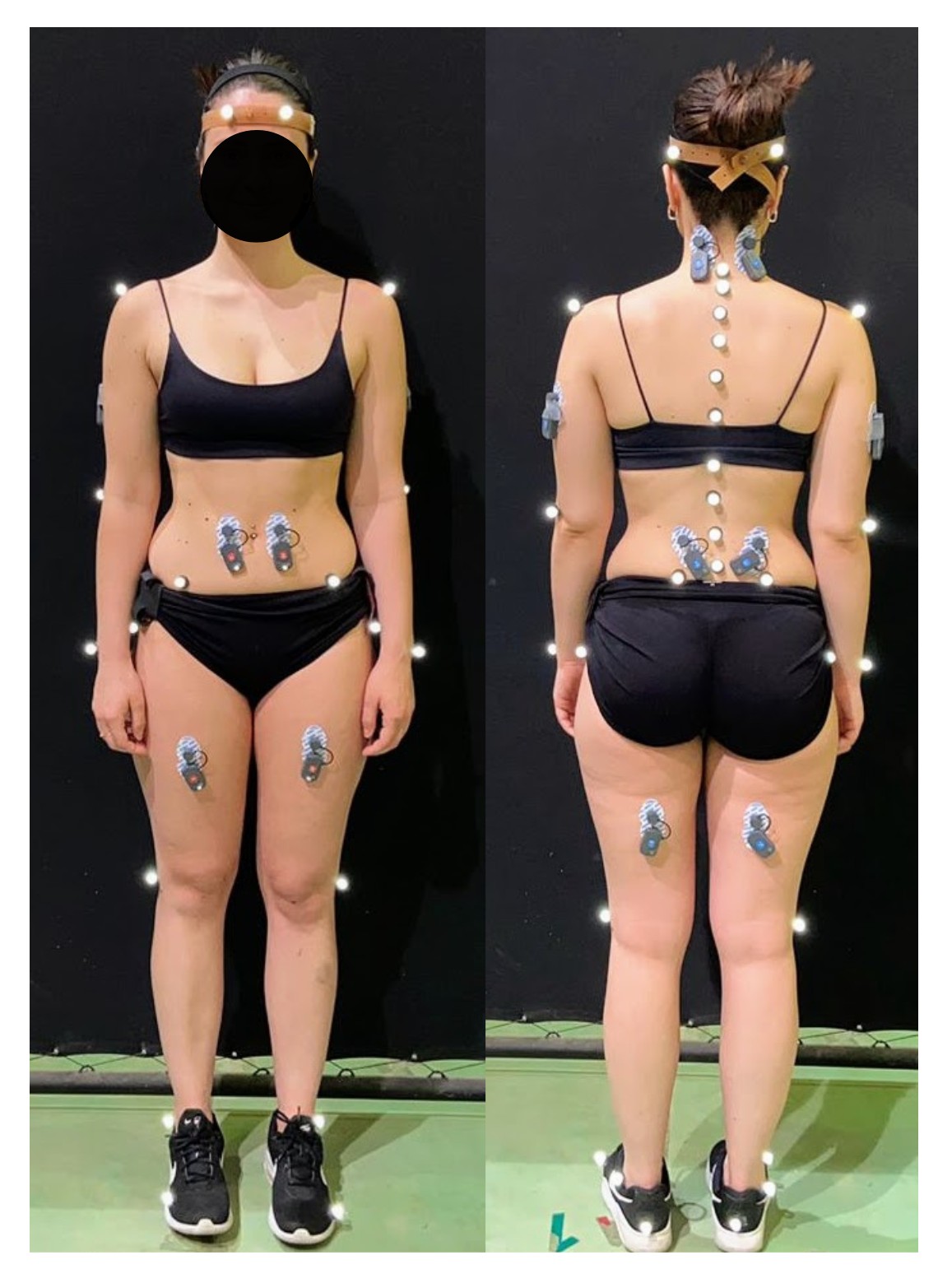
Three-dimensional kinematic data were recorded using a BTS Smart-DX motion capture system consisting of nine infrared cameras (sampling rate: 100 Hz). Thirty-four anatomical points were monitored on the participants, including the acromion, lateral epicondyle of the humerus, ulnar styloid process, anterior superior iliac spine (ASIS), posterior superior iliac spine (PSIS), greater trochanter of the femur, lateral condyle of femur, lateral malleolus, calcaneus, and the 5th metatarsal base, bilaterally. Additionally, four points on the head (two anterior and two posterior), fixed with an elastic band, and the spinous processes of the C7, T2, T4, T6, T8, T10, T12, L2, L4, and S2 vertebrae were monitored (Figure 4).
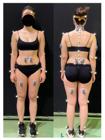
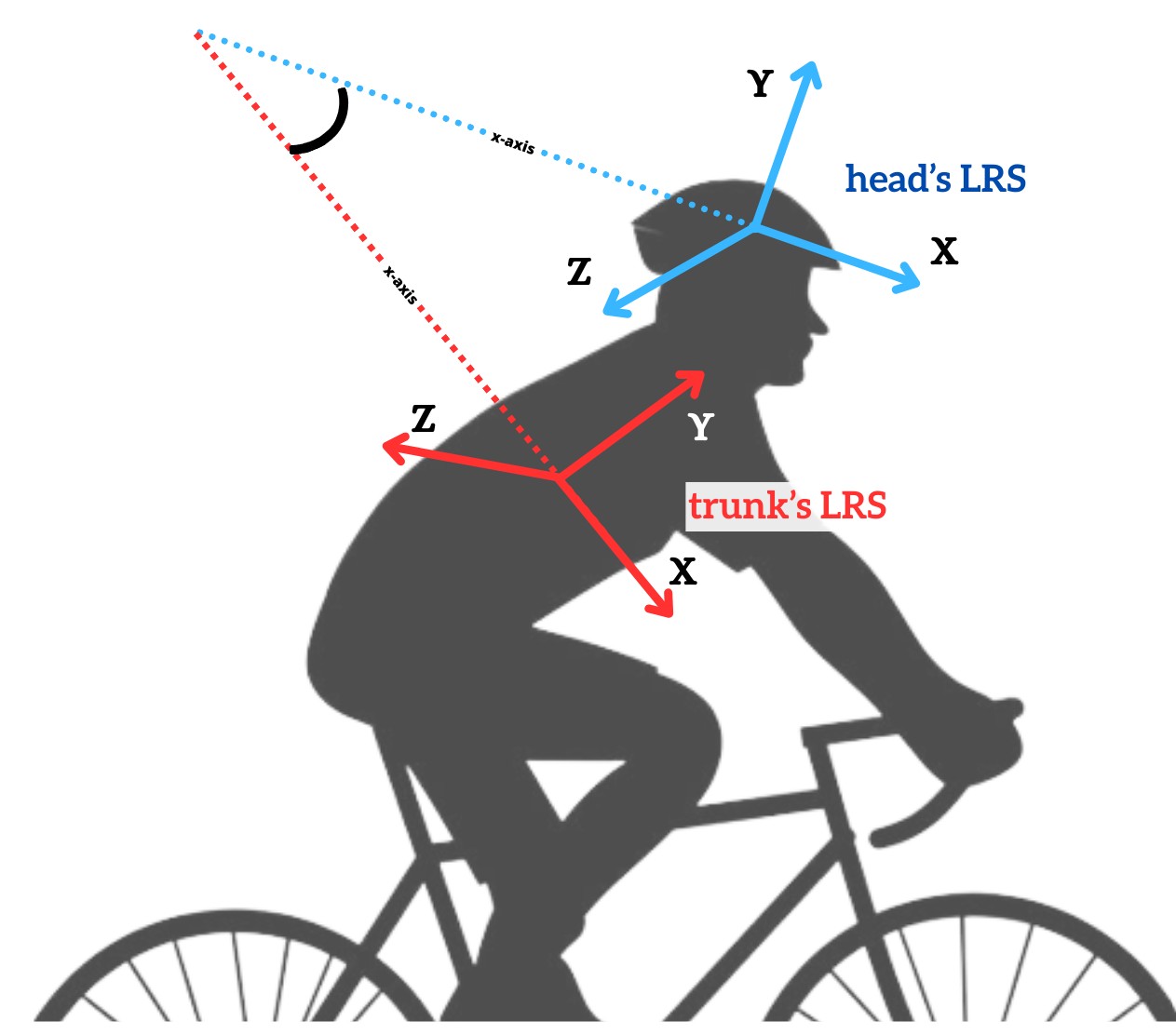
Two points on the sides of the bicycle handlebars were also recorded. In accordance with the guidelines set by the International Society of Biomechanics (Wu et al., 2002), local reference systems (LRS) were established for different body segments: head, trunk, thigh, and leg. Head flexion angle was defined as the inclination between the x-axis of the head’s local reference system and the x-axis of the trunk’s reference system (Figure 5).
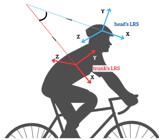
Definition of Head flexion angle (HA); angle formed between the x-axis of the head's LRS and x-axis of the trunk's LRS.
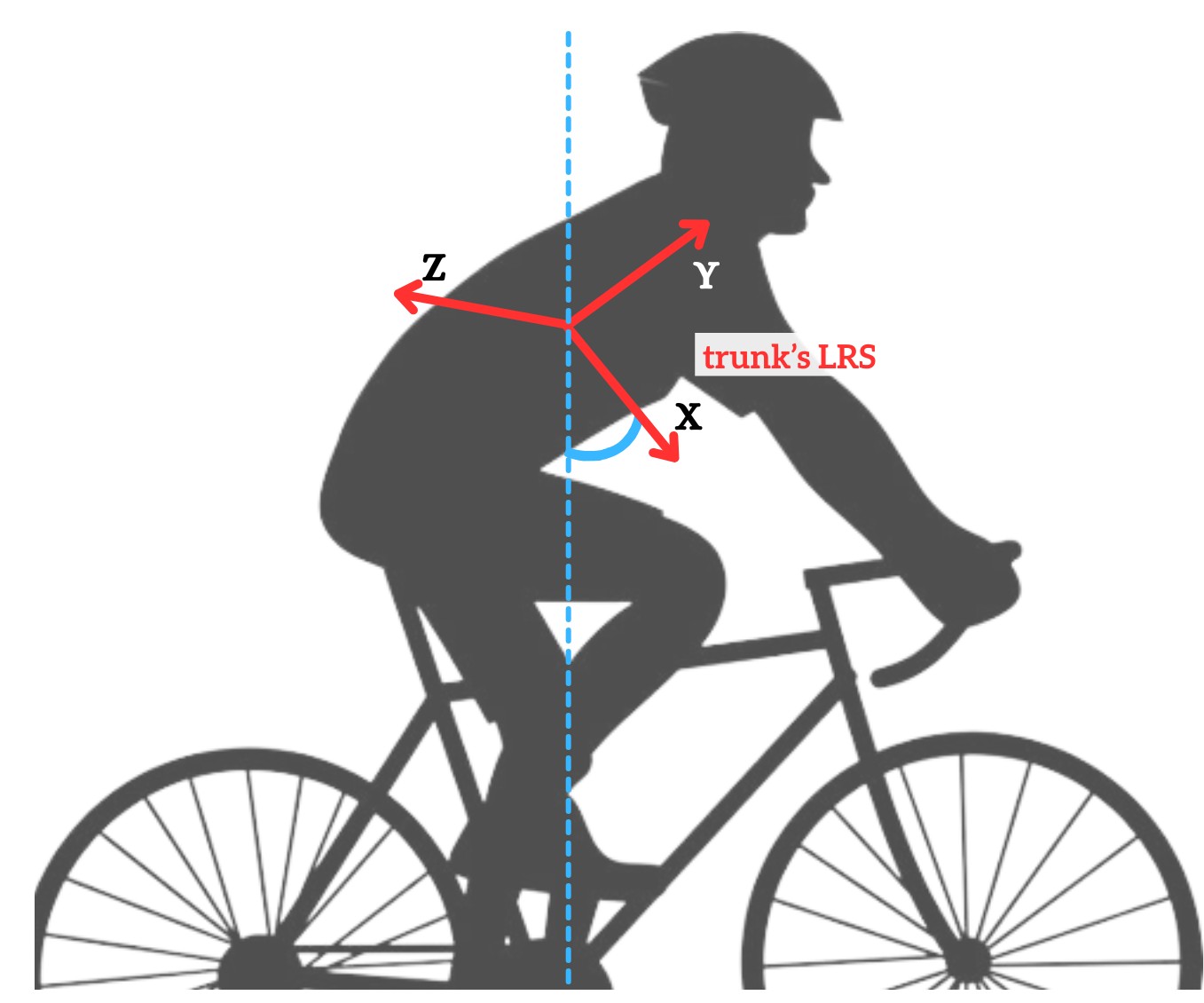
Forward trunk inclination was calculated as the angle between the x-axis of the trunk’s local reference system and the y-axis of the global reference system (Figure 6).
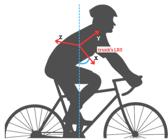
Definition of forward trunk inclination (TI); calculated between the x-axis of the trunk's LRS and y-axis of GRS aligned with the vertical.
Hip and knee flexion angles were determined using the y-axes of the thigh and leg’s local reference systems (Figure 7).
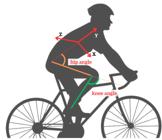
Definition of hip flexion angle; measured between the y-axis of the thigh's LRS and y-axis of the trunk's LRS. Definition of knee flexion angle; determined between the projection of the y-axis of the thigh's LRS and y-axis of the leg's LRS.
Analysis procedures
Data processing and analysis were conducted using Smart Analyzer software (BTS Engineering). Electromyographic (EMG) data were filtered using a fourth-order Butterworth band-pass filter (cut-off: 20–500 Hz). Maximum voluntary isometric contraction (MVIC) data were smoothed using a sliding window RMS with 1-second windows, and the maximum value of each MVIC was used for normalization. To quantify electromyographic activity, RMS values corresponding to the central 40 seconds of each trial were calculated after excluding the first and last 10 seconds to minimize transient effects. RMS values obtained in the orthostatic position were also analyzed for comparison. Results are presented as mean EMG activity (expressed as a percentage of MVIC) for each muscle, along with respective standard deviations. Kinematic variables were extracted from the same 40-second time window to ensure temporal alignment with EMG data. Mean, minimum, and maximum joint angles were calculated over the entire 40-second interval, without segmentation into individual pedaling cycles. Kinematic data were processed using a fourth-order low-pass Butterworth filter, with the cut-off frequency determined using Winter's residual criterion (Winter, 2009), resulting in a cut-off frequency of 6 Hz, which was applied uniformly across all markers.
Statistical analysis
The sample size was determined using G*Power 3.1.7 software (paired t-test, one-tailed). A statistical power of 95% and a 5% error rate (α = 0.05) were established. Expected postural changes were based on prior visual inspection (head flexion angle ~5°, forward trunk inclination ~20°, hip angle ~25°, and knee angle ~5°), leading to an estimated sample size of n=2 to n=6 per measure. To account for potential EMG data loss, a final sample of 11 cyclists was selected, consistent with previous studies (Jensen, 2007; Swanton et al., 2006). For EMG analysis, bilateral signals were averaged for each muscle before statistical testing, as no side-specific hypotheses were defined. Data normality was assessed using the Shapiro-Wilk test. A One-Way Repeated Measures ANOVA was conducted to compare the three conditions, followed by Bonferroni post hoc tests for pairwise comparisons. Statistical analyses were performed using SPSS v.22, with a significance level of p < 0.05.
RESULTS
Muscle activation
Muscle activation values for the orthostatic position, traditional cycling position, and EzzeBike position are presented in Table 1. Electromyographic signals were collected bilaterally and averaged for each muscle prior to statistical analysis.
The splenius capitis exhibited significantly greater activation in the traditional cycling position compared to the EzzeBike position (p < 0.05). No significant differences were observed between the two cycling positions for the remaining muscles. However, when compared with the orthostatic position, several muscles showed increased activation during cycling.
Kinematic analysis
Kinematic variables measured across conditions are shown in Table 2.
The EzzeBike position resulted in a more upright posture, with significantly lower head flexion angle and forward trunk inclination compared to the traditional cycling position (p < 0.05). No significant differences were observed between the two cycling positions for hip and knee angles. The orthostatic position was used only as a descriptive reference.
DISCUSSION AND IMPLICATIONS
This study investigated the immediate effects of the EzzeBike accessory on postural and electromyographic responses in recreational cyclists. The authors’ hypothesis was partially supported, as EzzeBike reduced head flexion and forward trunk inclination and decreased splenius capitis activation, while no consistent changes were observed in knee kinematics or in the activation of other muscles. The results indicate that only the splenius capitis muscle showed a significant reduction in activation when cycling with EzzeBike compared to the traditional cycling position (Table 1). Additionally, EzzeBike contributed to a more upright posture, bringing head and trunk angles closer to vertical alignment, using the orthostatic position as a reference (Table 2). In the traditional cycling position, a greater forward trunk inclination was observed, which likely increased cervical extension to maintain forward vision. This biomechanical adaptation requires higher activation of the splenius capitis to support the head, potentially leading to muscle overload and discomfort when sustained over prolonged periods. Excessive cervical extension in cyclists has been linked to neck pain and muscle fatigue (Asplund et al., 2005; Cyr, 2022). Additionally, a study has shown that cyclist positioning significantly influences mechanical load on the cervical spine, with greater forward inclination increasing stress on this region (Candotti et al., 2012). Muyor et al. (2023) also reported that cycling posture significantly influences spinal morphology, with greater forward trunk inclination leading to increased thoracic and lumbar flexion and compensatory higher activation of postural muscles, including the splenius capitis.
With the EzzeBike accessory, the reduction in forward trunk inclination and cervical extension likely resulted in lower mechanical demand on the splenius capitis, leading to reduced activation of this muscle. This finding suggests that adopting a more upright posture during cycling could help reduce neck muscle strain, potentially minimizing discomfort and the risk of chronic overuse injuries. From a clinical perspective, this is particularly relevant for recreational cyclists, who often lack structured training and may experience discomfort related to prolonged static postures. The higher activation of the splenius capitis in the traditional cycling position is likely attributed to the increased mechanical demand imposed by the forward trunk inclination, which in turn requires greater cervical extension to maintain proper visual orientation. This sustained activation over extended cycling sessions may contribute to muscular fatigue and pain, as previously reported in studies examining prolonged cervical extension in cyclists (Asplund et al., 2005). Additionally, maintaining excessive cervical extension for extended periods has been associated with altered proprioceptive control, which may negatively impact motor coordination and postural stability in cyclists. This is particularly relevant given that previous studies have demonstrated how cycling posture affects the mechanical load on the cervical spine, reinforcing the need for ergonomic adjustments to minimize stress in this region (Candotti et al., 2012).
The lumbar multifidus muscle showed no significant variations across conditions, indicating that postural stabilization demands remained stable. Similarly, rectus abdominis activation was low, with no difference between the traditional and EzzeBike positions. The absence of additional core stabilization demands between cycling postures when using a stationary magnetic trainer likely contributed to these findings, which differ from reports obtained under outdoor or more dynamic cycling conditions, as trunk muscles tend to be more engaged in dynamic outdoor cycling (Imai et al., 2010). Anatomical studies indicate that the lumbar spine plays a crucial role in maintaining posture and stability, with the lumbar multifidus being a key stabilizer of the lower back (Nikolai, 2012). Future studies should explore whether real-world cycling conditions—with terrain variability and balance demands—would lead to different activation patterns for these muscles. The triceps brachii muscle showed similar activation levels between cycling positions, but higher activation in both cycling conditions compared to the orthostatic position. This suggests that the upper limb played a similar role in weight support regardless of posture. A study by Holliday et al. (2023) indicated that triceps activation during cycling varies based on forward trunk inclination, saddle position, and handlebar reach distance. Additionally, the position of the elbow in the traditional cycling posture may influence triceps activation due to joint congruence effects, reducing the need for active muscle recruitment (Brand et al., 2020; Yamazaki et al., 1995). In an outdoor cycling environment, where handlebar control is more dynamic, triceps brachii activation could be different due to higher stabilization demands.
EzzeBike led to significant changes in most kinematic variables, but knee flexion angle remained unchanged (Table 2). Proper bicycle adjustments, including saddle height and pedal interface, have been shown to influence cycling efficiency and performance (Burke, 2003). Since rectus femoris and biceps femoris activation is influenced by knee flexion during the pedaling cycle (Bini and Carpes, 2014), the lack of variation in knee angle likely explains why these muscles' activation levels did not differ across conditions. In the present study, participants did not use clipless pedals. Previous research has shown that clipless pedal systems optimize biceps femoris involvement during the upstroke phase (Bini, 2020); therefore, the use of flat pedals in the present protocol may have contributed to the relatively low activation observed for this muscle. Changes in cycling posture, including saddle height modifications, have been shown to influence perceived comfort and biomechanical efficiency during cycling (Bini, 2020).
Although this study was conducted using a stationary bicycle trainer, real-world cycling conditions could alter muscle activation patterns due to terrain variations and dynamic stability demands. Ergonomic modifications in cycling setups, including handlebar positioning and saddle height, have been linked to improved comfort and efficiency, highlighting the importance of individualized adjustments for optimal performance (Burke, 2003). Additionally, bike fit adjustments, such as those involving saddle and handlebar positions, play a crucial role in the perception of comfort, fatigue, and pain in cyclists (Priego Quesada et al., 2017). These findings suggest that ergonomic adaptations such as EzzeBike may contribute to improved comfort, particularly for recreational cyclists who prioritize a more relaxed riding position.
Study limitations
This study has some limitations that should be considered when interpreting the results. First, the lack of randomization in the testing sequence may have introduced an order effect, as all participants initially cycled in the traditional position before transitioning to EzzeBike. This sequencing could have influenced muscle activation patterns due to prior exposure. However, the fixed sequence was intentional to simulate how cyclists would naturally adapt to the accessory in real-world conditions.
Another limitation is the use of a stationary magnetic trainer, which, while providing a controlled environment, does not replicate real-world cycling challenges such as road incline variations, terrain irregularities, or external forces that could impact postural adjustments and muscle activation. The absence of dynamic instability in this setup may have minimized differences in trunk muscle activation between conditions. Future research should incorporate outdoor cycling experiments to capture the full biomechanical implications of using EzzeBike.
Additionally, this study focused on healthy recreational cyclists aged 20–30 years, which may limit the generalizability of the findings to other populations, such as competitive cyclists or individuals with musculoskeletal conditions. The sample also does not fully reflect the diversity of the broader cycling community, emphasizing the need for further studies with a more heterogeneous group to enhance applicability.
CONCLUSION
EzzeBike influenced postural adjustments and muscle activation in recreational cyclists. The accessory promoted a more upright cycling posture, characterized by reduced cervical extension and forward trunk inclination. In terms of muscle activation, changes were observed primarily in the splenius capitis, with lower activation when cycling with EzzeBike. These findings suggest that EzzeBike may help reduce excessive cervical muscle demand and improve postural comfort in recreational cyclists. Future research should investigate the long-term effects of EzzeBike on muscle fatigue, injury prevention, and cycling efficiency in different cyclist profiles.
-
FUNDING
This study was supported by the Coordenação de Aperfeiçoamento de Pessoal de Nível Superior – Brasil (CAPES) – Finance Code 001.
DATA AVAILABILITY
The dataset supporting the results of this study is available upon request from the corresponding author.
References
-
Arokoski JP, Kankaanpää M, Valta T, Juvonen I, Partanen J, Taimela S, et al. Back and hip extensor muscle function during therapeutic exercises. Arch Phys Med Rehabil 1999;80(7):842-50. https://doi.org/10.1016/S0003-9993(99)90237-X PMid:10414772.
» https://doi.org/10.1016/S0003-9993(99)90237-X -
Asplund C, Webb C, Barkdull T. Neck and back pain in bicycling. Curr Sports Med Rep 2005;4(5):271-4. https://doi.org/10.1097/01.CSMR.0000306221.25551.69 PMid:16144585.
» https://doi.org/10.1097/01.CSMR.0000306221.25551.69 -
Bini RR. Acute effects from changes in saddle height in perceived comfort during cycling. Int J Sports Sci Coaching 2020;15(3):390-7. https://doi.org/10.1177/1747954120918965
» https://doi.org/10.1177/1747954120918965 -
Bini RR, Carpes FP. Biomechanics of cycling. Basel: Springer, 2014. p. 12-31. https://doi.org/10.1007/978-3-319-05539-8
» https://doi.org/10.1007/978-3-319-05539-8 -
Brand A, Sepp T, Klöpfer-Krämer I, Müßig JA, Kröger I, Wackerle H, et al. Upper body posture and muscle activation in recreational cyclists: Immediate effects of variable cycling setups. Res Q Exerc Sport 2020;91(2):298-308. https://doi.org/10.1080/02701367.2019.1665620 PMid:31718522.
» https://doi.org/10.1080/02701367.2019.1665620 - Burke E. High-tech cycling. Champaign: Human Kinetics, 2003.
-
Burnett AF, Cornelius MW, Dankaerts W, O’sullivan PB. Spinal kinematics and trunk muscle activity in cyclists: a comparison between healthy controls and non-specific chronic low back pain subjects - a pilot investigation. Man Ther 2004;9(4):211-9. https://doi.org/10.1016/j.math.2004.06.002 PMid:15522646.
» https://doi.org/10.1016/j.math.2004.06.002 -
Candotti CT, Ribeiro J, Soares DP, De Oliveira AR, Loss JF, Guimarães AC. Effective force and economy of triathletes and cyclists. Sports Biomech 2007;6(1):31-43. https://doi.org/10.1080/14763140601058490 PMid:17542176.
» https://doi.org/10.1080/14763140601058490 - Candotti CT, Delwing GB, La Torre M, Pasini M, Noll M, Loss JF. Influência do posicionamento do ciclista na sobrecarga mecânica da coluna cervical, calculada pela técnica da dinâmica inversa. Rev Educ Fis UEM 2012;23:585-98.
-
Clarsen B, Krosshaug T, Bahr R. Overuse injuries in professional road cyclists. Am J Sports Med. 2010;38(12):2494-501. https://doi.org/10.1177/0363546510376816 PMid:20847225.
» https://doi.org/10.1177/0363546510376816 -
Cyr A. Cervical spine, upper extremity neuropathies, and overuse injuries in cyclists. Phys Med Rehabil Clin N Am. 2022;33(1):187-99. https://doi.org/10.1016/j.pmr.2021.08.013 PMid:34798999.
» https://doi.org/10.1016/j.pmr.2021.08.013 - Dedieu P, Pelaez M, Poirier E, Zanone P-G. Effects of saddle height on muscular pattern and interlimb coordination in cycling. J Phys Educ Sport. 2020;20(1):222-8. http://doi.org/10.7752/jpes.2020.01029.
-
Dettori NJ, Norvell DC. Non-traumatic bicycle injuries. Sports Med. 2006;36(1):7-18. https://doi.org/10.2165/00007256-200636010-00002 PMid:16445308.
» https://doi.org/10.2165/00007256-200636010-00002 -
Du Toit F, Schwellnus M, Jordaan E, Swanevelder S, Wood P. Factors associated with patellofemoral pain in recreational road cyclists: A cross-sectional study in 59953 cyclists–SAFER XXXIII. Phys Ther Sport. 2023;59:136-43. https://doi.org/10.1016/j.ptsp.2022.12.007 PMid:36535111.
» https://doi.org/10.1016/j.ptsp.2022.12.007 -
Escamilla RF, McTaggart MS, Fricklas EJ, DeWitt R, Kelleher P, Taylor MK, et al. An electromyographic analysis of commercial and common abdominal exercises: implications for rehabilitation and training. J Orthop Sports Phys Ther. 2006;36(2):45-57. https://doi.org/10.2519/jospt.2006.36.2.45 PMid:16494072.
» https://doi.org/10.2519/jospt.2006.36.2.45 -
Escamilla RF, Lewis C, Bell D, Bramblet G, Daffron J, Lambert S, et al. Core muscle activation during Swiss ball and traditional abdominal exercises. J Orthop Sports Phys Ther. 2010;40(5):265-76. https://doi.org/10.2519/jospt.2010.3073 PMid:20436242.
» https://doi.org/10.2519/jospt.2010.3073 -
Escamilla RF, Zheng N, MacLeod TD, Imamura R, Wilk KE, Wang S, et al. Patellofemoral joint loading during the performance of the forward and side lunge with step height variations. Int J Sports Phys Ther. 2022;17(2):174-84. https://doi.org/10.26603/001c.31876 PMid:35136686.
» https://doi.org/10.26603/001c.31876 -
EzzeBike. EzzeBike Teaser 1 [Internet]. YouTube; 2020 [cited 2025 Feb 5]. Available from: https://www.youtube.com/watch?v=ebXNRKlV198
» https://www.youtube.com/watch?v=ebXNRKlV198 -
Holliday W, Theo R, Fisher J, Swart J. Cycling: joint kinematics and muscle activity during differing intensities. Sports Biomech. 2023;22(5):660-74. https://doi.org/10.1080/14763141.2019.1640279 PMid:31475880.
» https://doi.org/10.1080/14763141.2019.1640279 -
Imai A, Kaneoka K, Okubo Y, Shiina I, Tatsumura M, Izumi S, et al. Trunk muscle activity during lumbar stabilization exercises on both a stable and unstable surface. J Orthop Sports Phys Ther. 2010;40(6):369-75. https://doi.org/10.2519/jospt.2010.3211 PMid:20511695.
» https://doi.org/10.2519/jospt.2010.3211 - Jensen RL. Power output, muscle activity, and frontal area of a cyclist in different cycling positions. In: 25 International Symposium on Biomechanics in Sports; 2007 Aug 23-27; Ouro Preto, Brazil. Proceedings. Konstanz: ISBS - Conference Proceedings Archive; 2007.
-
Muyor JM, Antequera-Vique JA, Oliva-Lozano JM, Arrabal-Campos FM. Effect of incremental intensities on the spinal morphology and core muscle activation in competitive cyclists. Sports Biomech. 2023;22(4):597-620. https://doi.org/10.1080/14763141.2022.2097945 PMid:35837675.
» https://doi.org/10.1080/14763141.2022.2097945 - Muyor JM, López-Miñarro PA, Alacid F. Spinal posture of thoracic and lumbar spine and pelvic tilt in highly trained cyclists. J Sports Sci Med. 2011;10(2):355-61. PMid:24149883.
- Nikolai B. Clinical and radiological anatomy of the lumbar spine. Amsterdam: Elsevier, 2012.
-
Priego Quesada JI, Pérez-Soriano P, Lucas-Cuevas AG, Salvador Palmer R, Cibrián Ortiz de Anda RM. Effect of bike-fit in the perception of comfort, fatigue and pain. J Sports Sci. 2017;35(14):1459-65. https://doi.org/10.1080/02640414.2016.1215496 PMid:27490817.
» https://doi.org/10.1080/02640414.2016.1215496 -
Priego Quesada JI, Kerr ZY, Bertucci WM, Carpes FP. The association of bike fitting with injury, comfort, and pain during cycling: An international retrospective survey. Eur J Sport Sci. 2019;19(6):842-9. https://doi.org/10.1080/17461391.2018.1556738 PMid:30556469.
» https://doi.org/10.1080/17461391.2018.1556738 -
Singleton PA. Walking (and cycling) to well-being: Modal and other determinants of subjective well-being during the commute. Travel Behav Soc. 2019;16:249-61. https://doi.org/10.1016/j.tbs.2018.02.005
» https://doi.org/10.1016/j.tbs.2018.02.005 -
Streisfield GM, Bartoszek C, Creran E, Inge B, McShane MD, Johnston T. Relationship between body positioning, muscle activity, and spinal kinematics in cyclists with and without low back pain: A systematic review. Sports Health. 2017;9(1):75-9. https://doi.org/10.1177/1941738116676260 PMid:27784817.
» https://doi.org/10.1177/1941738116676260 - Swanton A, Shafat A, Anderson R. Biomechanical & physiological characterisation of four cycling positions. In: 24 International Symposium on Biomechanics in Sports; 2006 Jul 14-18; Salzburg, Austria. Proceedings. Konstanz: ISBS - Conference Proceedings Archive; 2006.
-
Swart J, Holliday W. Cycling biomechanics optimization—the (R) evolution of bicycle fitting. Curr Sports Med Rep. 2019;18(12):490-6. https://doi.org/10.1249/JSR.0000000000000665 PMid:31834181.
» https://doi.org/10.1249/JSR.0000000000000665 - Thomas JR, Nelson JK, Silverman SJ. Research methods in physical activity. Champaign: Human Kinetics, 2022.
-
Winter DA. Biomechanics and motor control of human movement. Hoboken: John Wiley & Sons, 2009. https://doi.org/10.1002/9780470549148
» https://doi.org/10.1002/9780470549148 -
Wu G, Siegler S, Allard P, Kirtley C, Leardini A, Rosenbaum D, et al. ISB recommendation on definitions of joint coordinate system of various joints for the reporting of human joint motion—part I: ankle, hip, and spine. J Biomech. 2002;35(4):543-8. https://doi.org/10.1016/S0021-9290(01)00222-6 PMid:11934426.
» https://doi.org/10.1016/S0021-9290(01)00222-6 -
Yamazaki Y, Itoh H, Ohkuwa T. Muscle activation in the elbow-forearm complex during rapid elbow extension. Brain Res Bull. 1995;38(3):285-95. https://doi.org/10.1016/0361-9230(95)00101-J PMid:7496823.
» https://doi.org/10.1016/0361-9230(95)00101-J
Edited by
-
Responsible Editors:
Chief Editor: Ari Lazzarotti FilhoExecutive editor: Pedro Otavio Pimpim BezerraAssistant editor: André Ivaniski MelloAssociate editor: Fábio Lanferdini

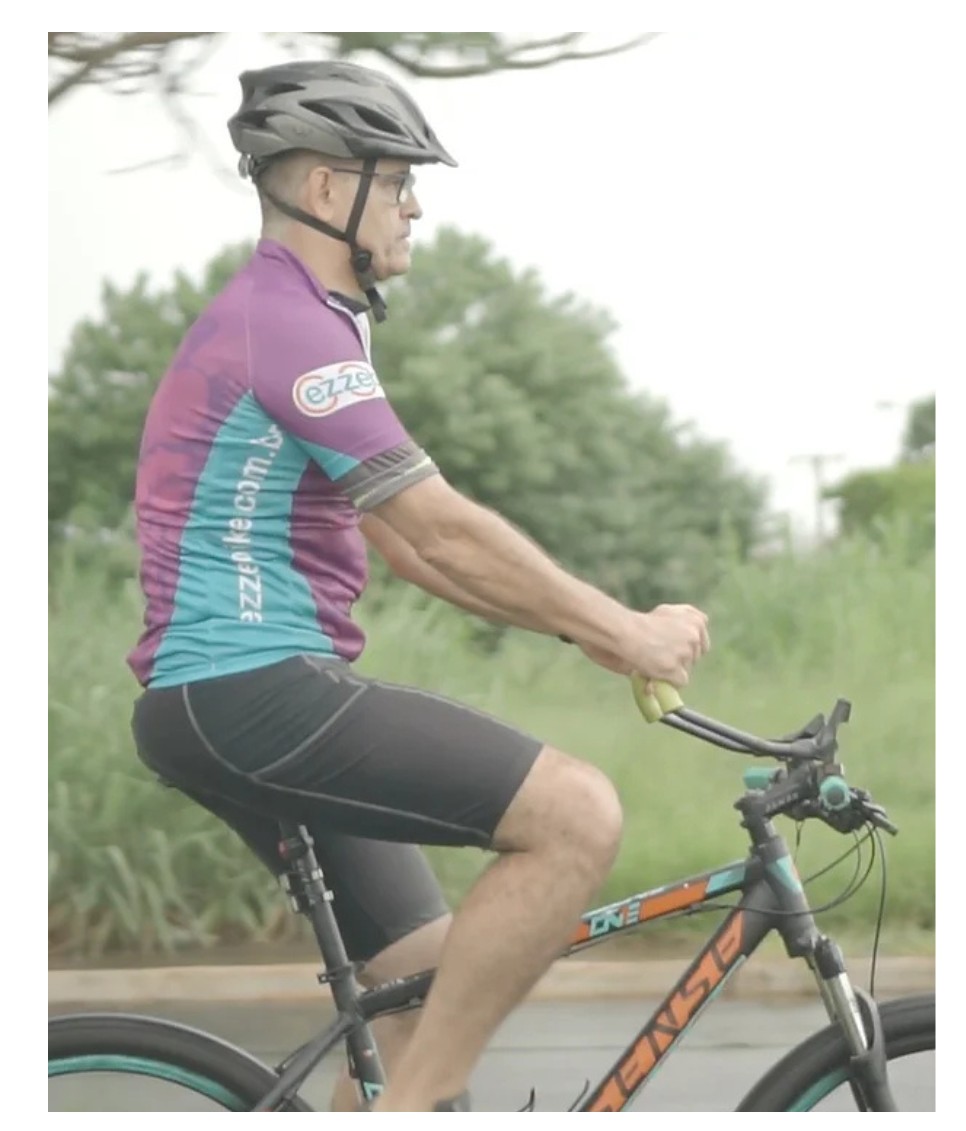 Source:
 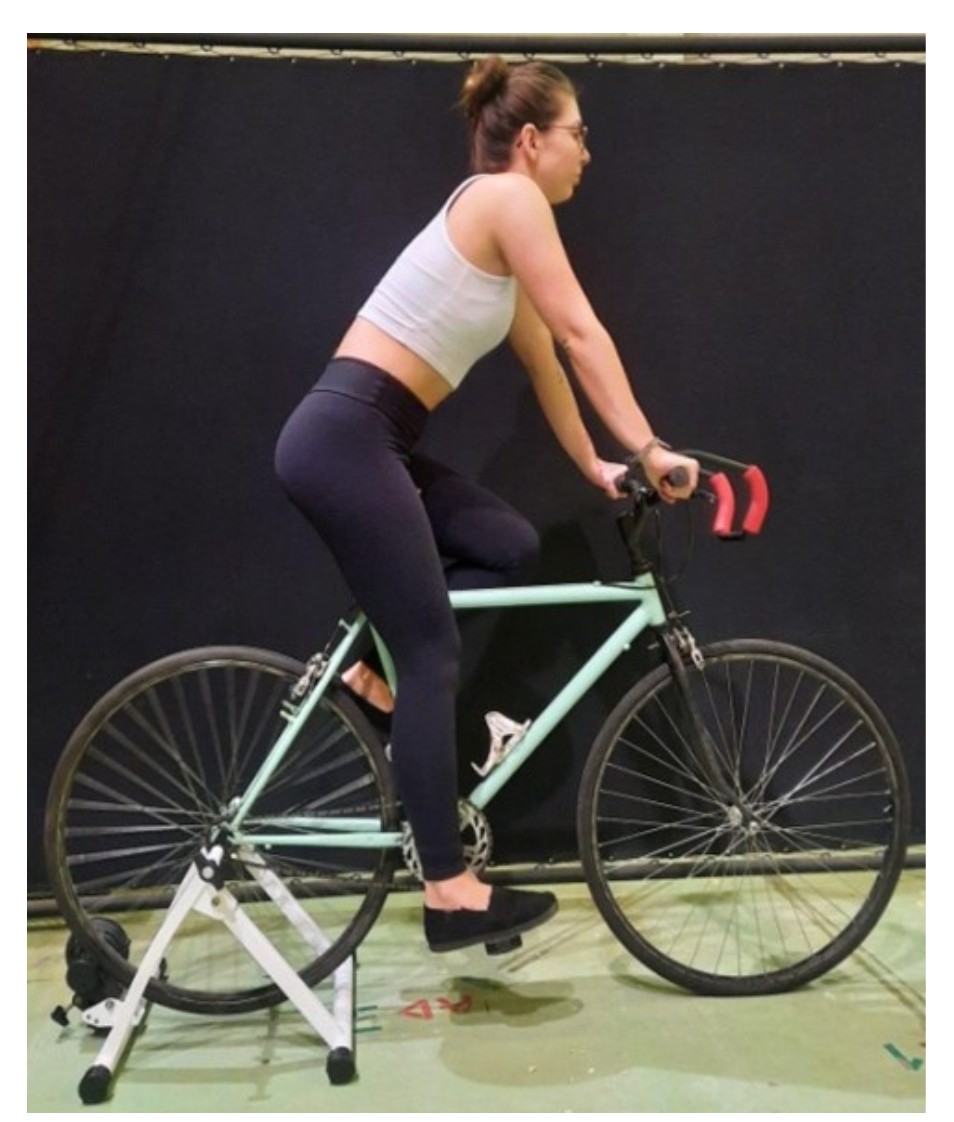 Source: Taken by the authors.
 Source: Taken by the authors.
 Source: Taken by the authors.
 Source: Created by the authors using Canva.
 Source: Created by the authors using Canva.
 Source: Created by the authors using Canva.