 Integration of New Biological Therapies into the Brazilian Unified Health System: Logistics Assessment and First Clinical Applications of Legalized Amniotic Membrane Transplantation
Introduction The human amniotic membrane (AM) possesses immunomodulatory and regenerative properties, making it valuable in the treatment of burns and complex skin lesions. In Brazil, Ordinance No. 8,244, issued in September 2025, regulates the processing and clinical use of AM by multi-tissue banks.
Objective To present the initial operational results from implementing this new therapeutic resource in an accredited tissue bank.
Materials and Methods This descriptive study, a preliminary note, evaluated the period from October 7 to November 26, 2025, spanning 50 days. We analyzed both operational (recruitment, processing, and distribution) and clinical data (initial transplants). The processing involved thorough donor screening, antibiotic treatment, handling in a cleanroom with International Organization for Standardization (ISO) 5 laminar flow hood qualification, and microbiological and serological quality control. Tissue release occurred only after consistently negative test results.
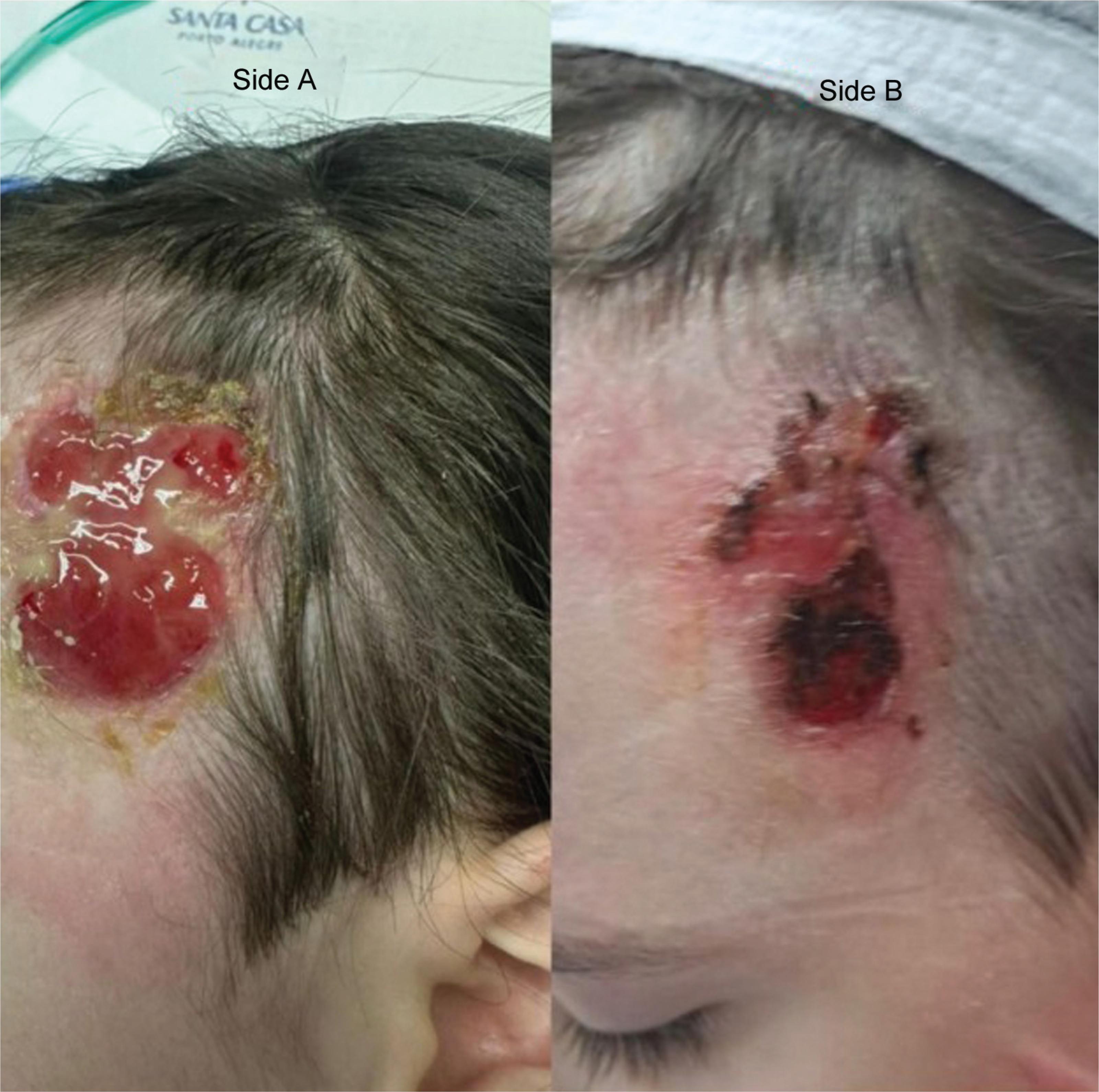
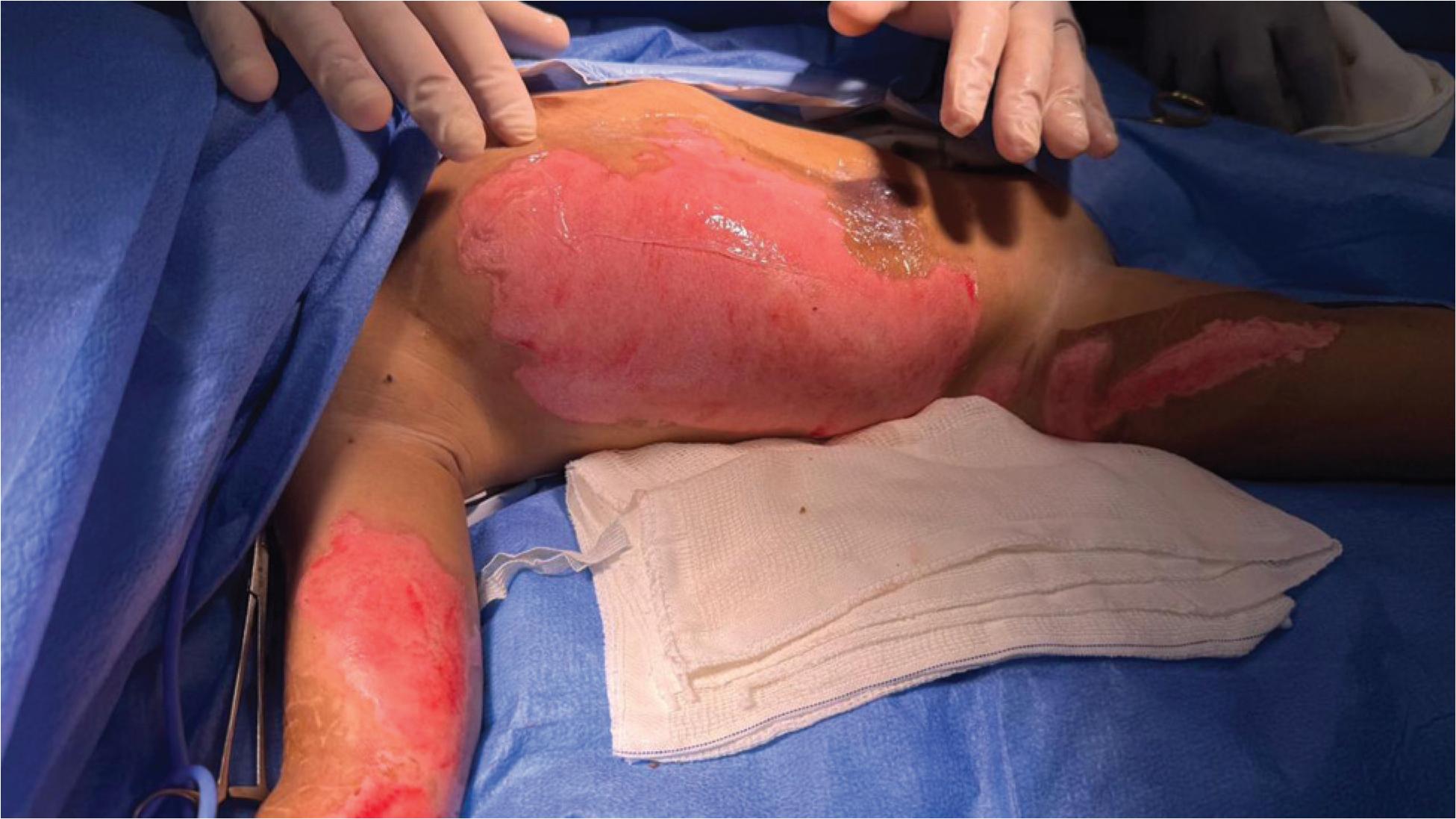
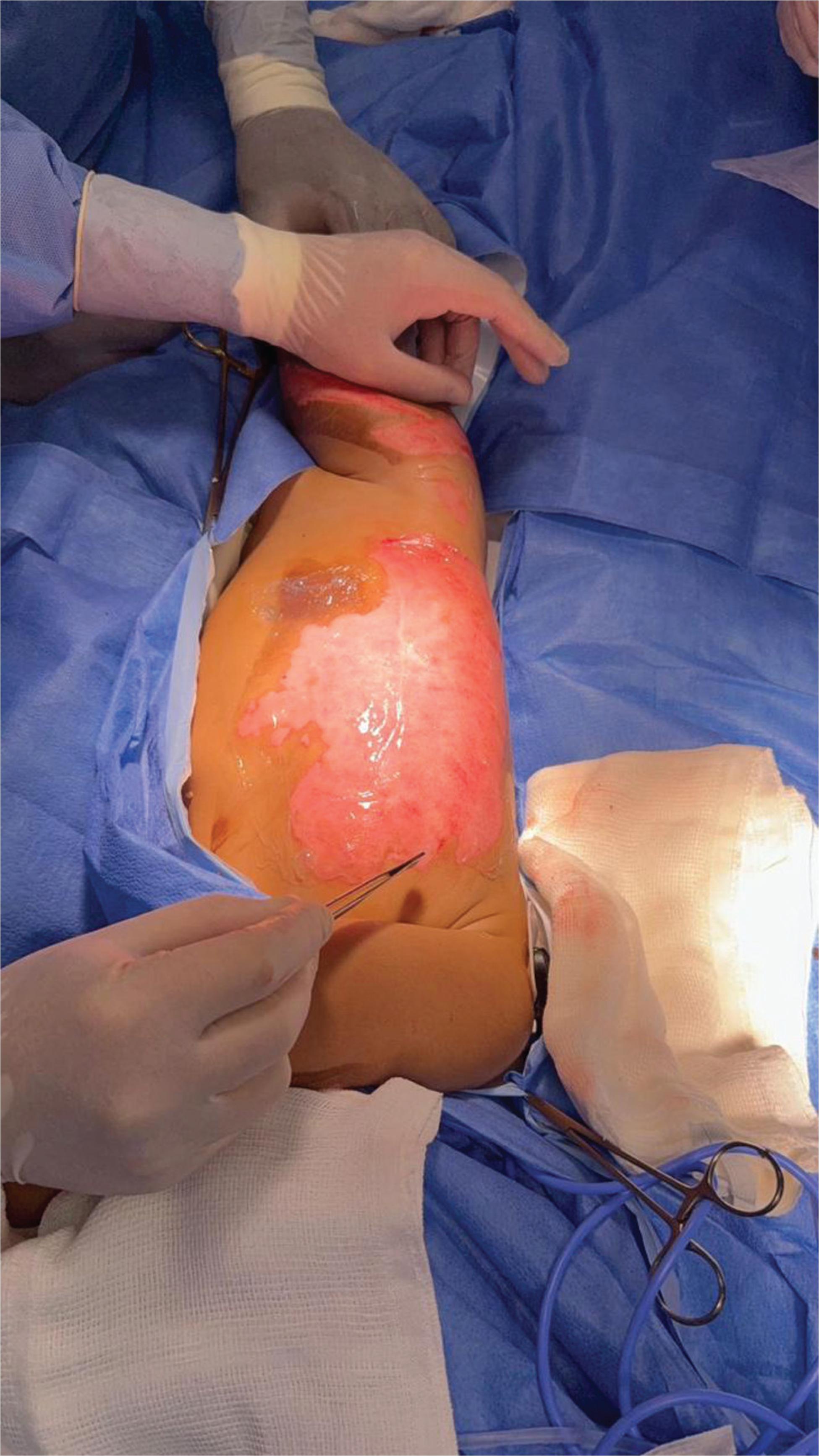
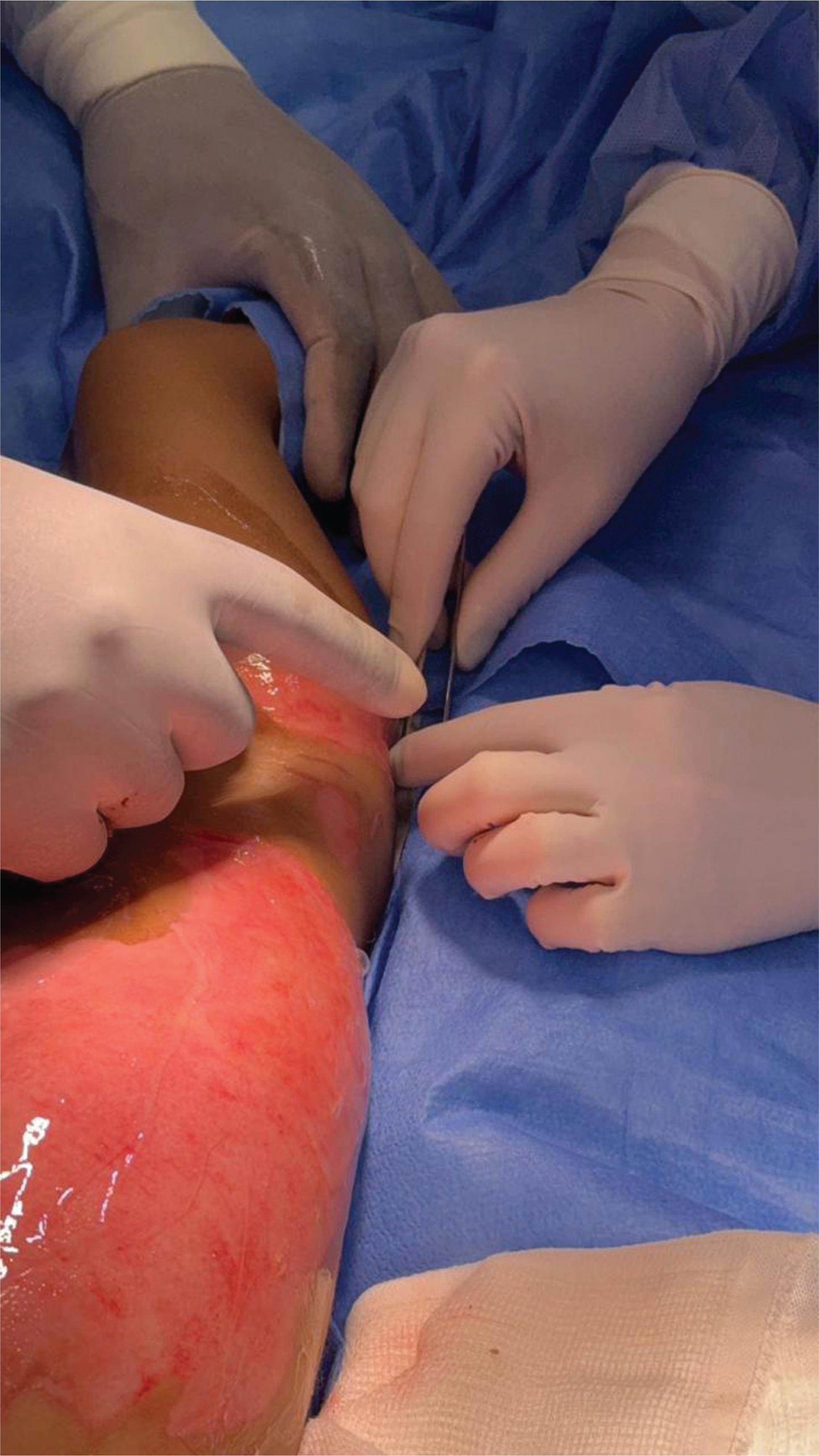
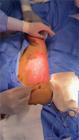
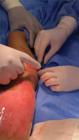
Results Dr. Roberto Corrêa Chem Tissue Bank (BTDRCC) harvested 13 AMs and achieved 100% compliance with microbiological and serological standards. The total volume released was 4,157 cm2 (60% distribution), with an average interval from harvesting to release of 12.5 days. The first legally authorized AM transplant in Brazil occurred during this period.
Conclusion Preliminary results validate the operational feasibility and safety of the protocol established by BTDRCC, ensuring 100% microbiological compliance and rapid tissue release. These data form the basis for future investigations into the clinical outcomes and cost analysis of AM use in the Brazilian setting.
Keywords
amniotic membrane; transplants; tissue banks; burns; graft
 Thumbnail
 Thumbnail
 Thumbnail
 Thumbnail
 Thumbnail