 Eutrophic Facelift: A Less-Invasive Alternative to Rhytidoplasty
Introduction Facial aging poses significant challenges in cosmetic surgery due to anatomical, physiological, and psychological changes. Surgical techniques have evolved to address these changes while striking a balance between effectiveness and safety. Eutrophic facelift is an alternative to conventional rhytidoplasty. This less invasive technique involves minimal skin detachment and subdermal tunneling to achieve facial rejuvenation whilst preserving skin vitality.
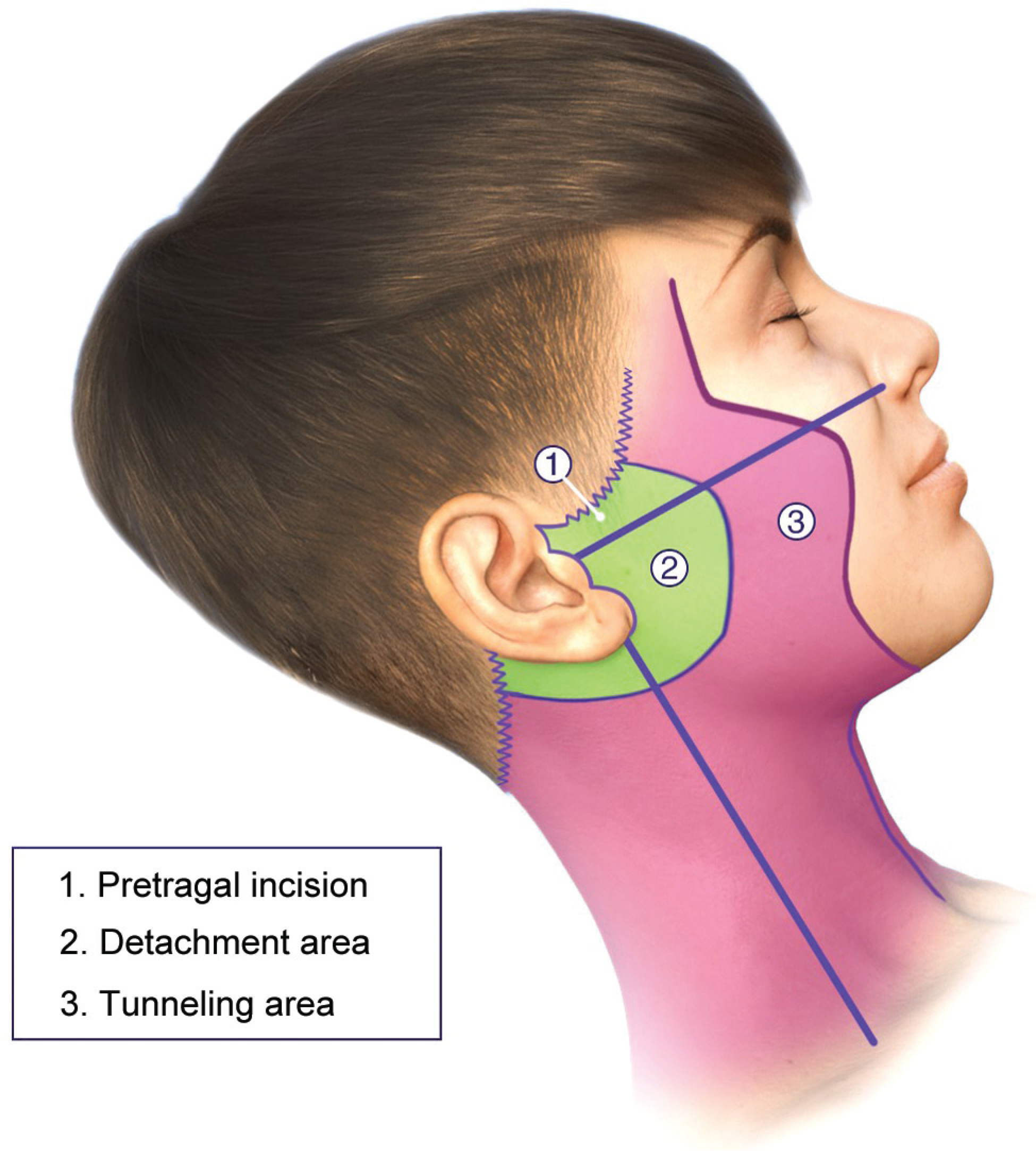
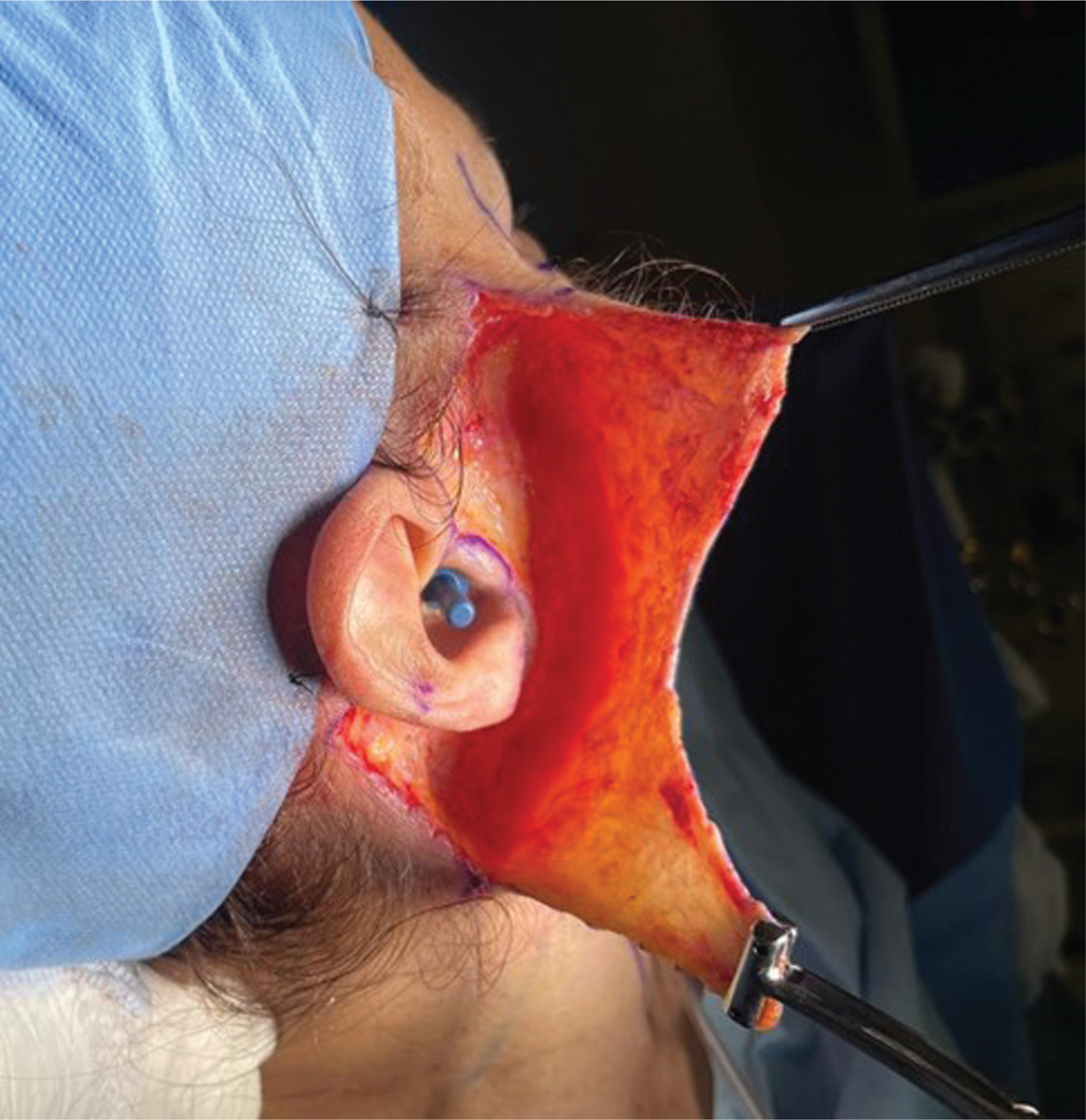
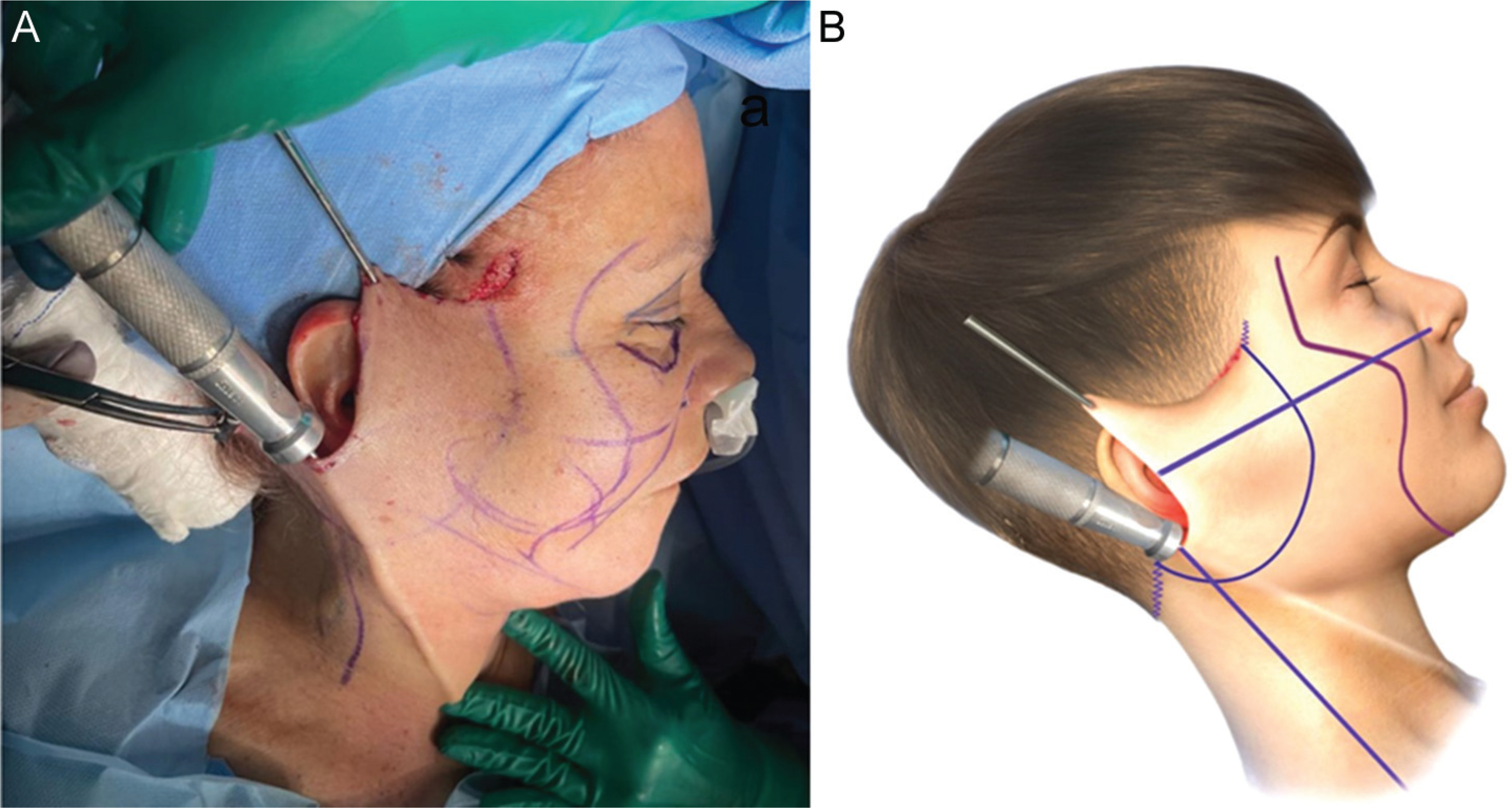
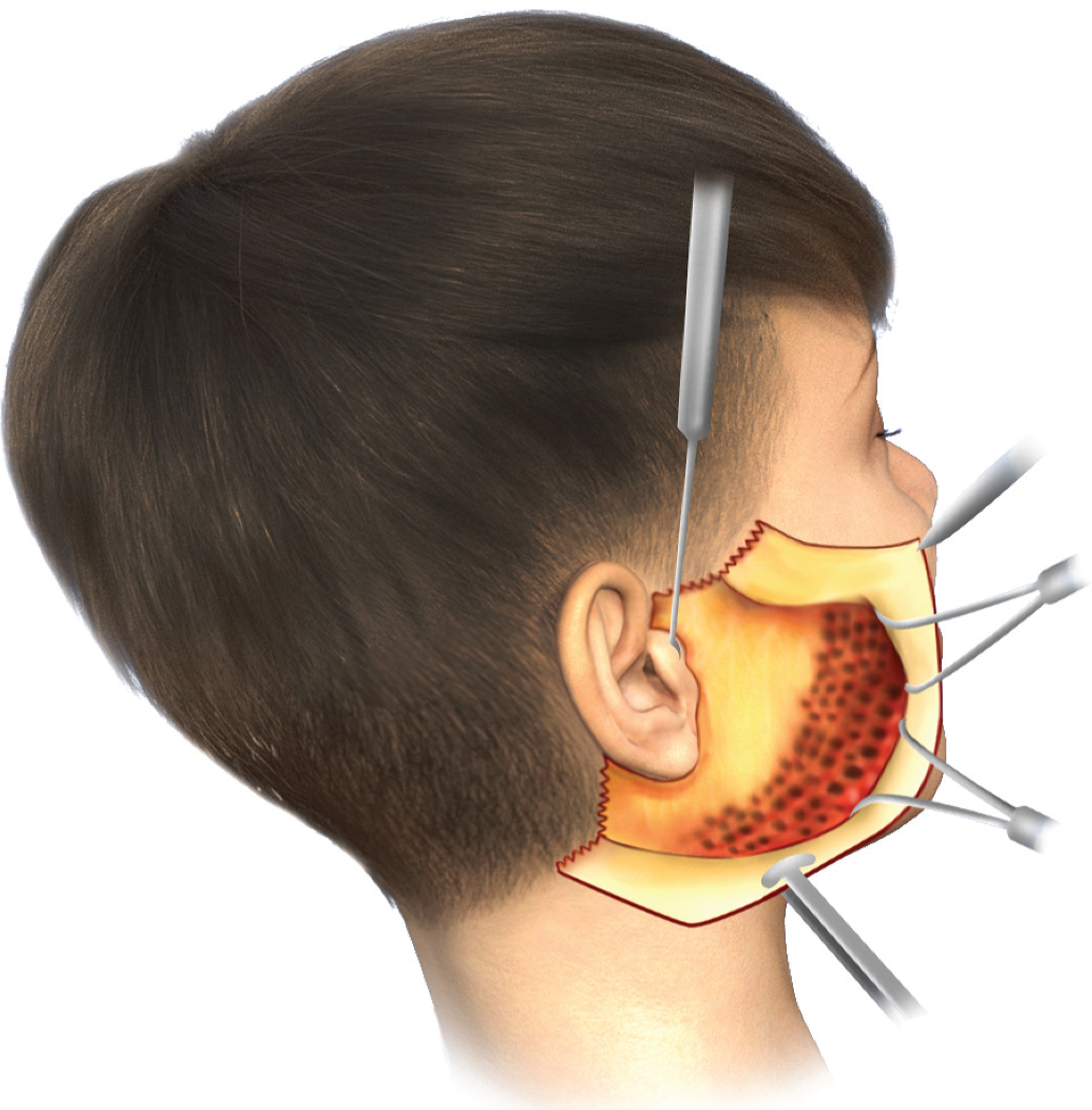
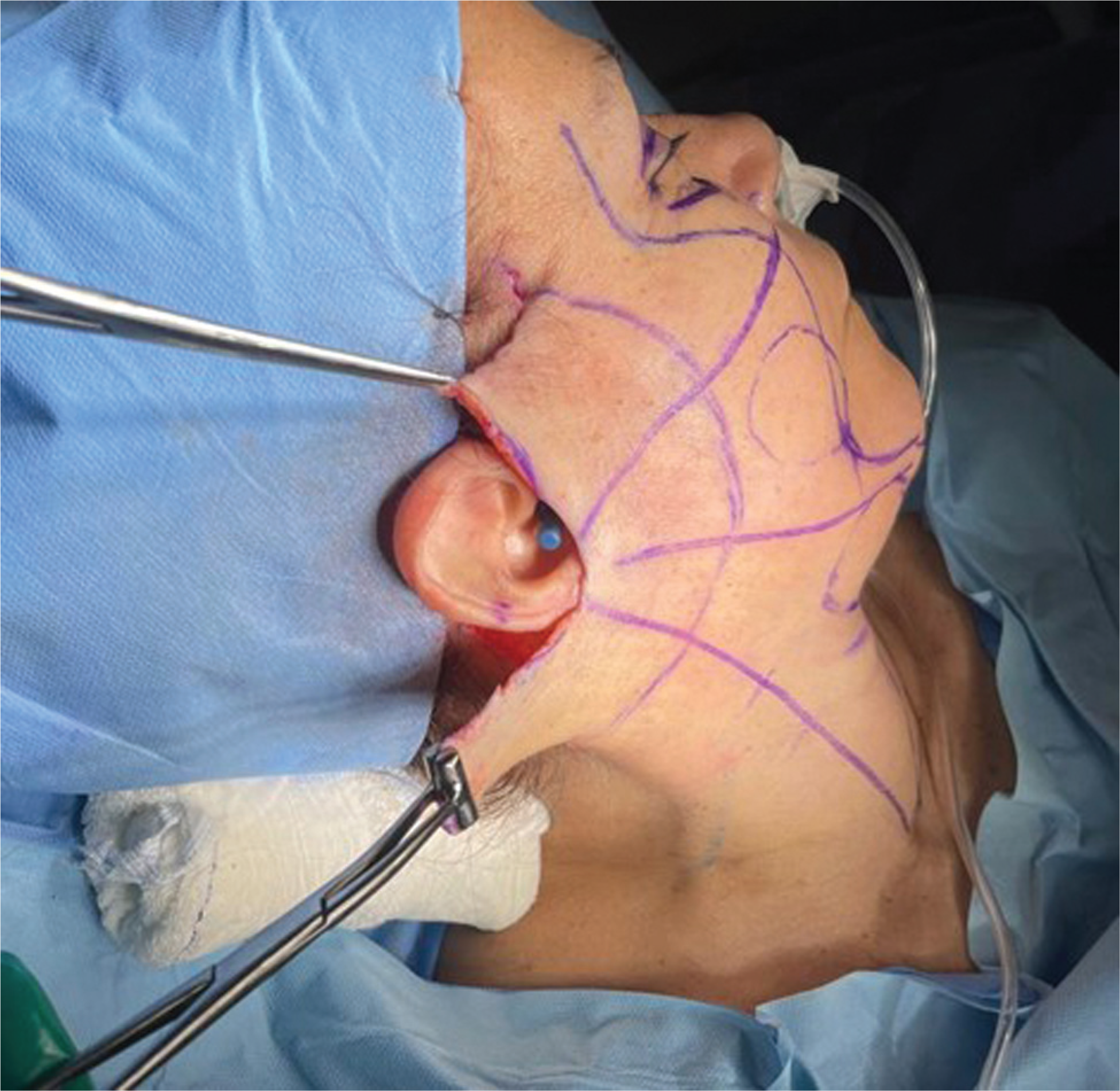
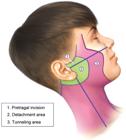
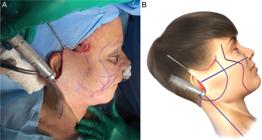
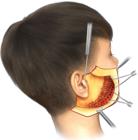
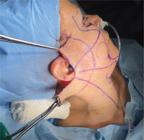
Materials and Methods This retrospective study analyzed 53 patients who underwent eutrophic facelifts from 2017 to 2024, considering specific inclusion and exclusion criteria. The surgical technique included minimal skin undermining, subdermal tunneling with a cannula, superficial muscular aponeurotic system (SMAS) plication, and supplementary procedures as needed for each case.
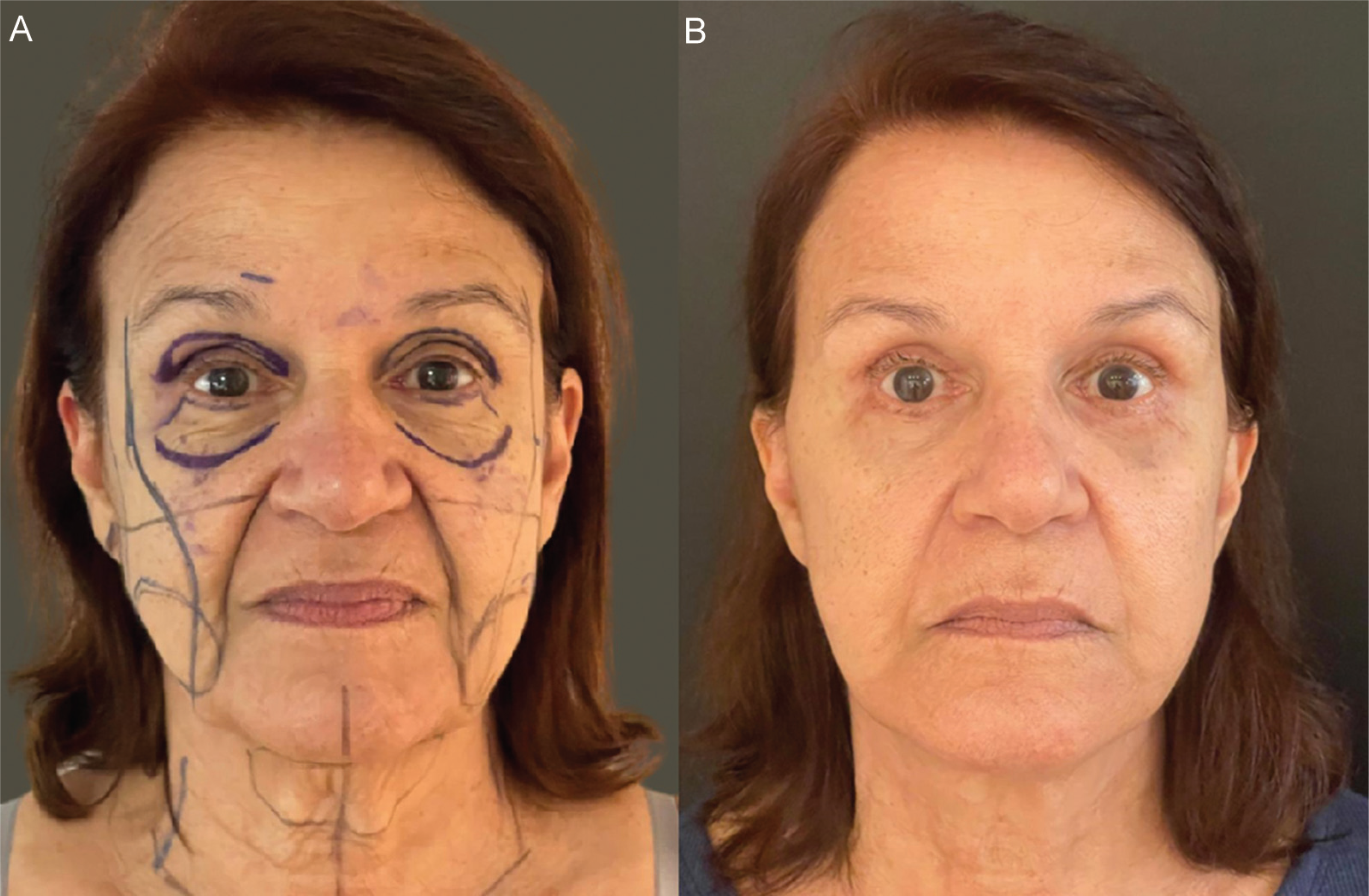
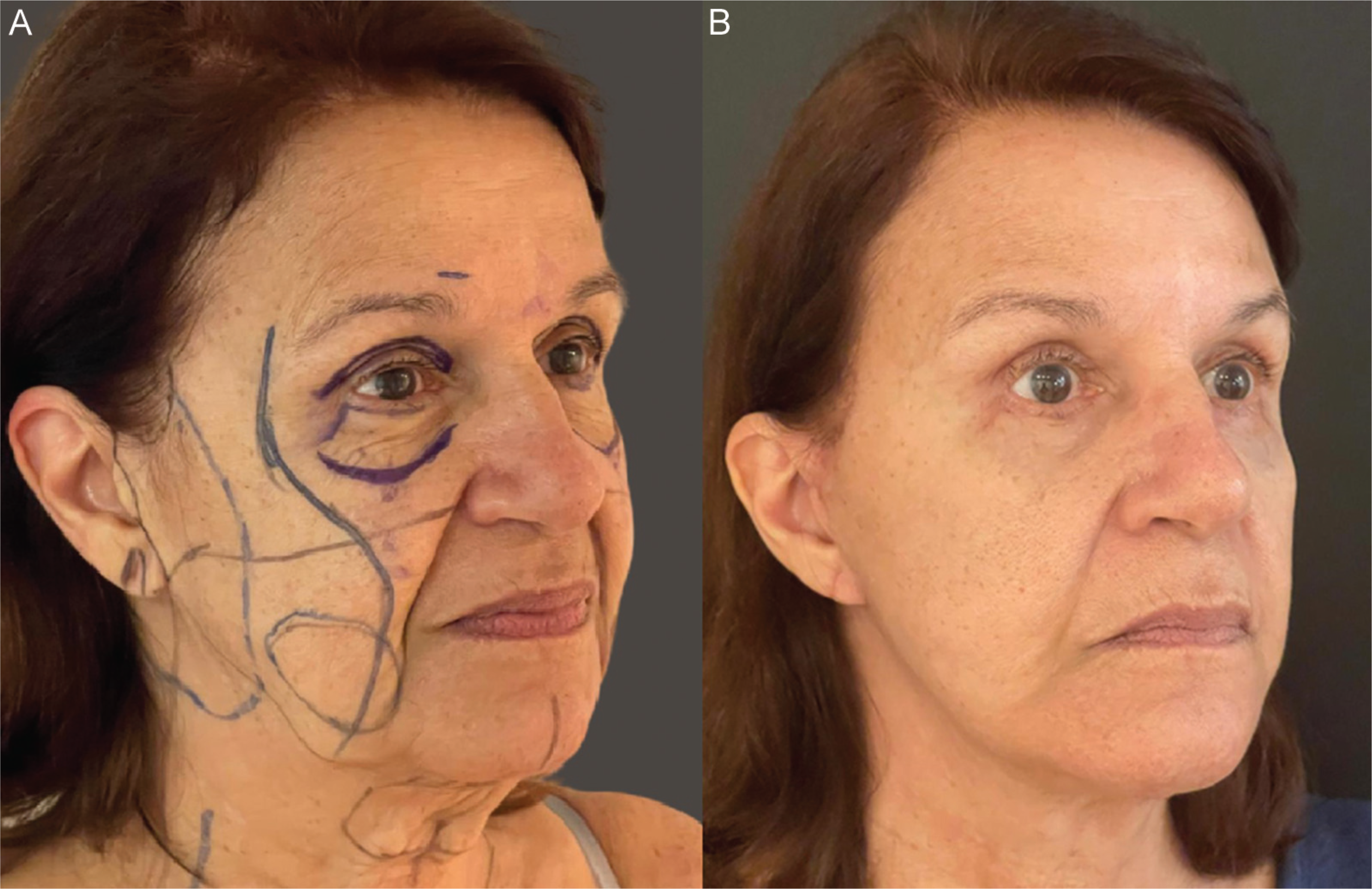
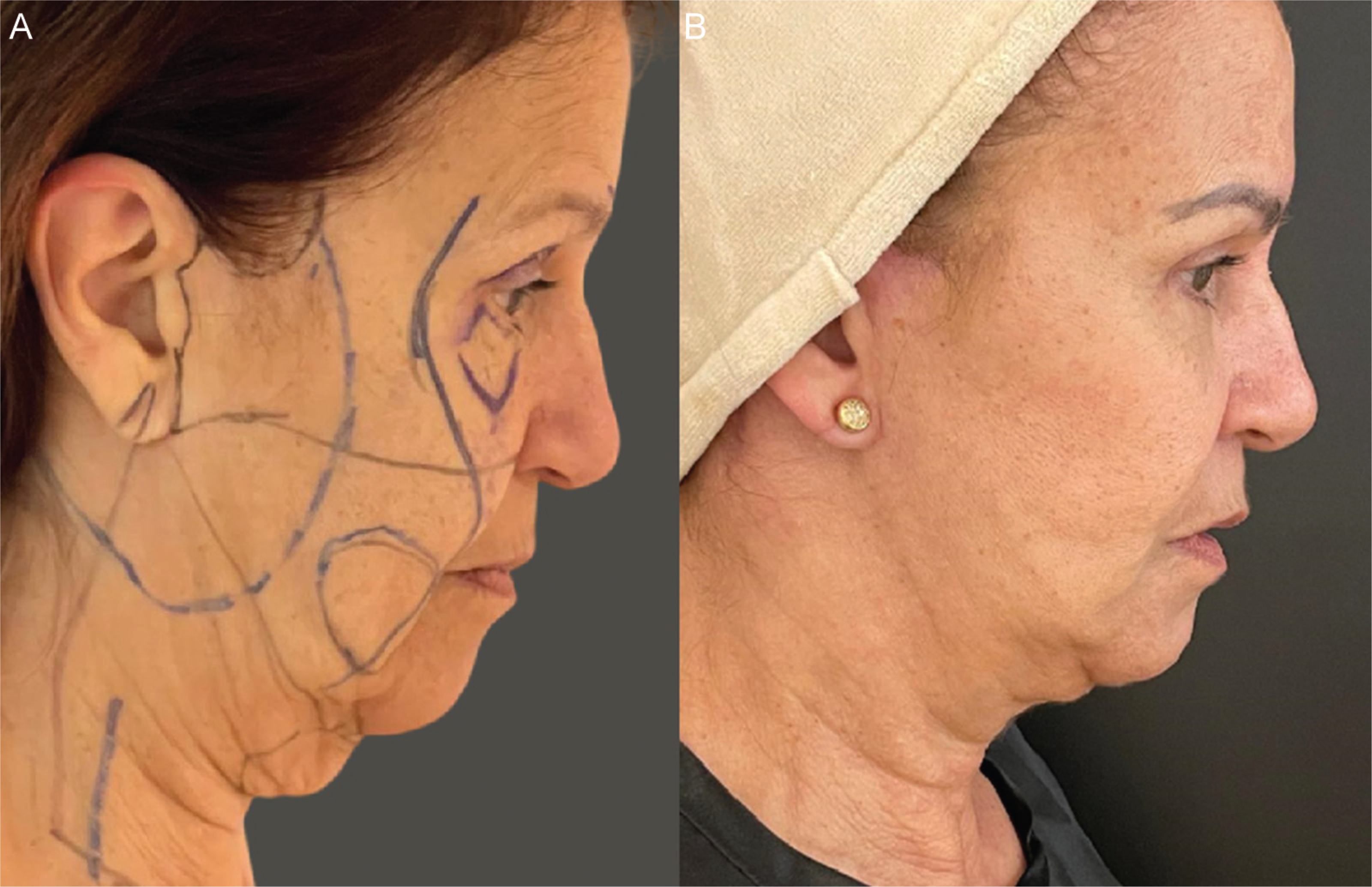
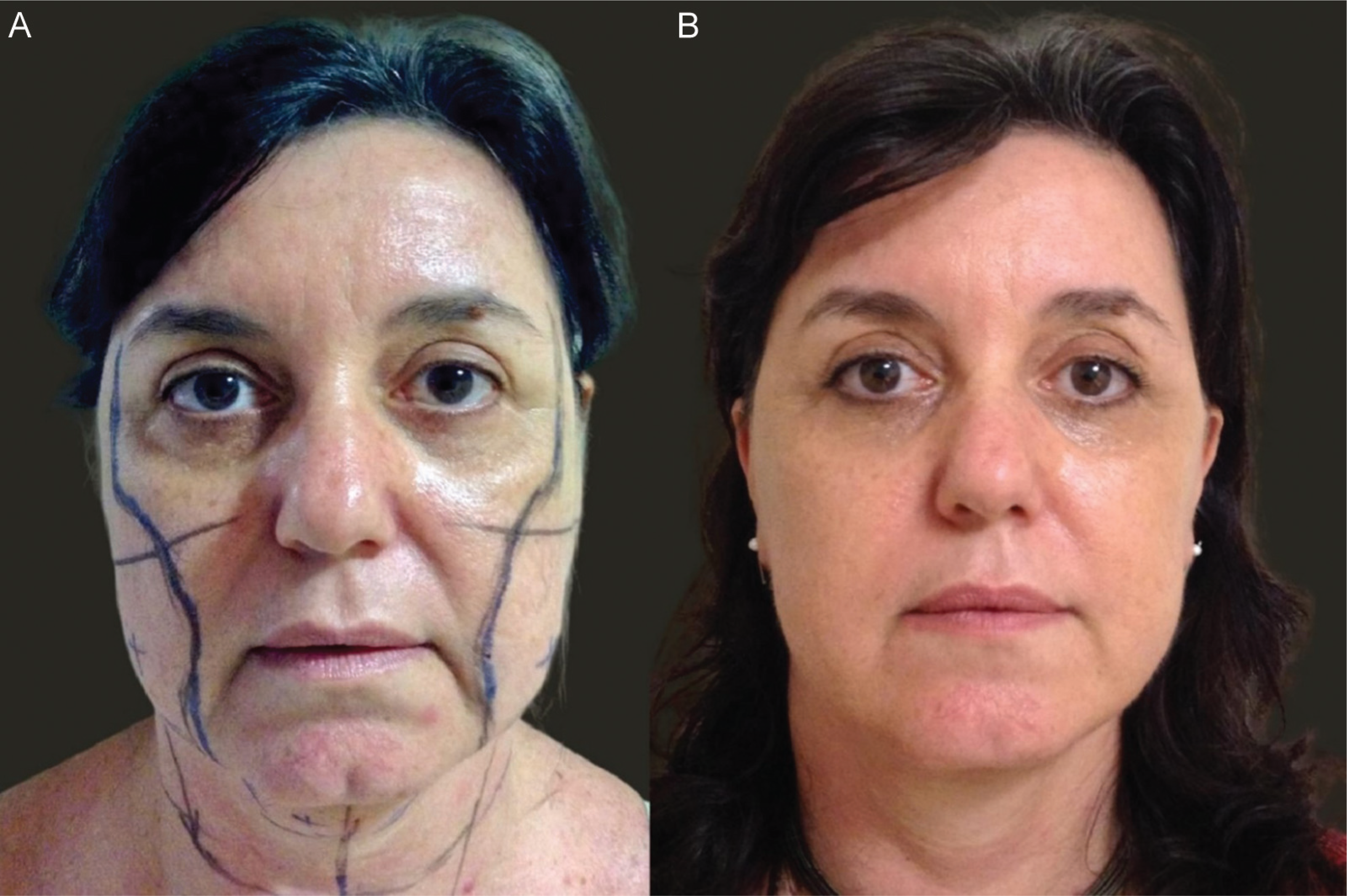
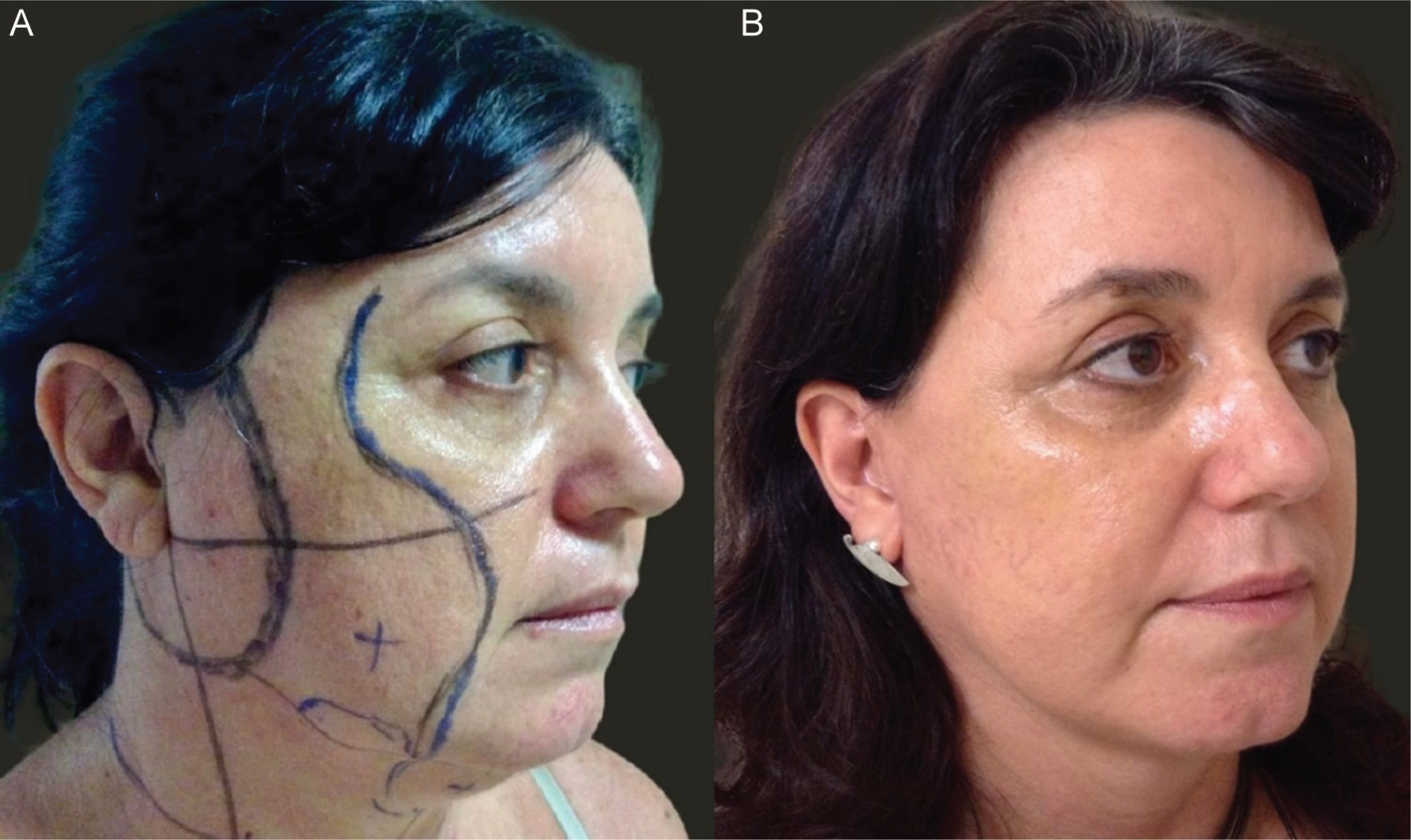
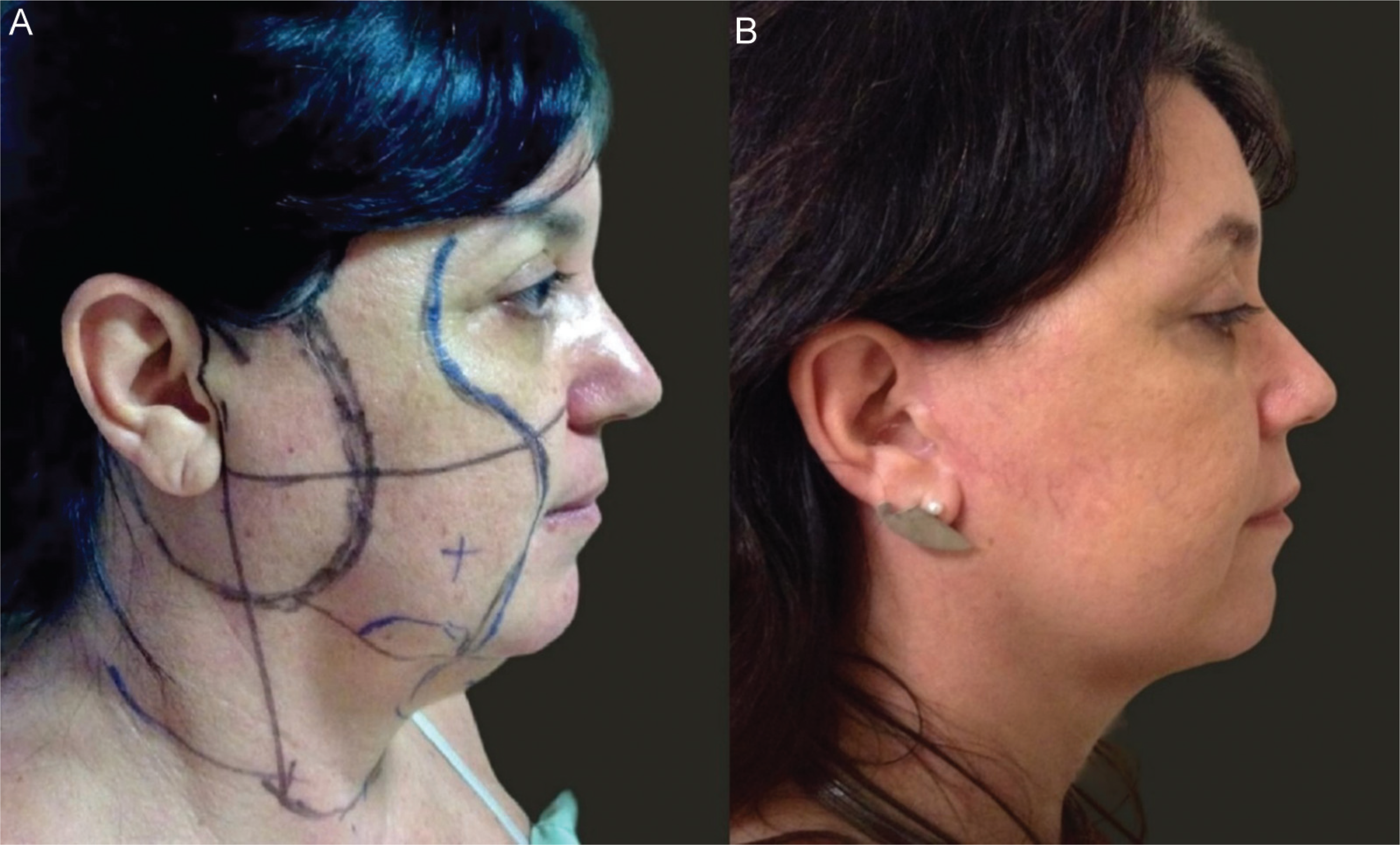
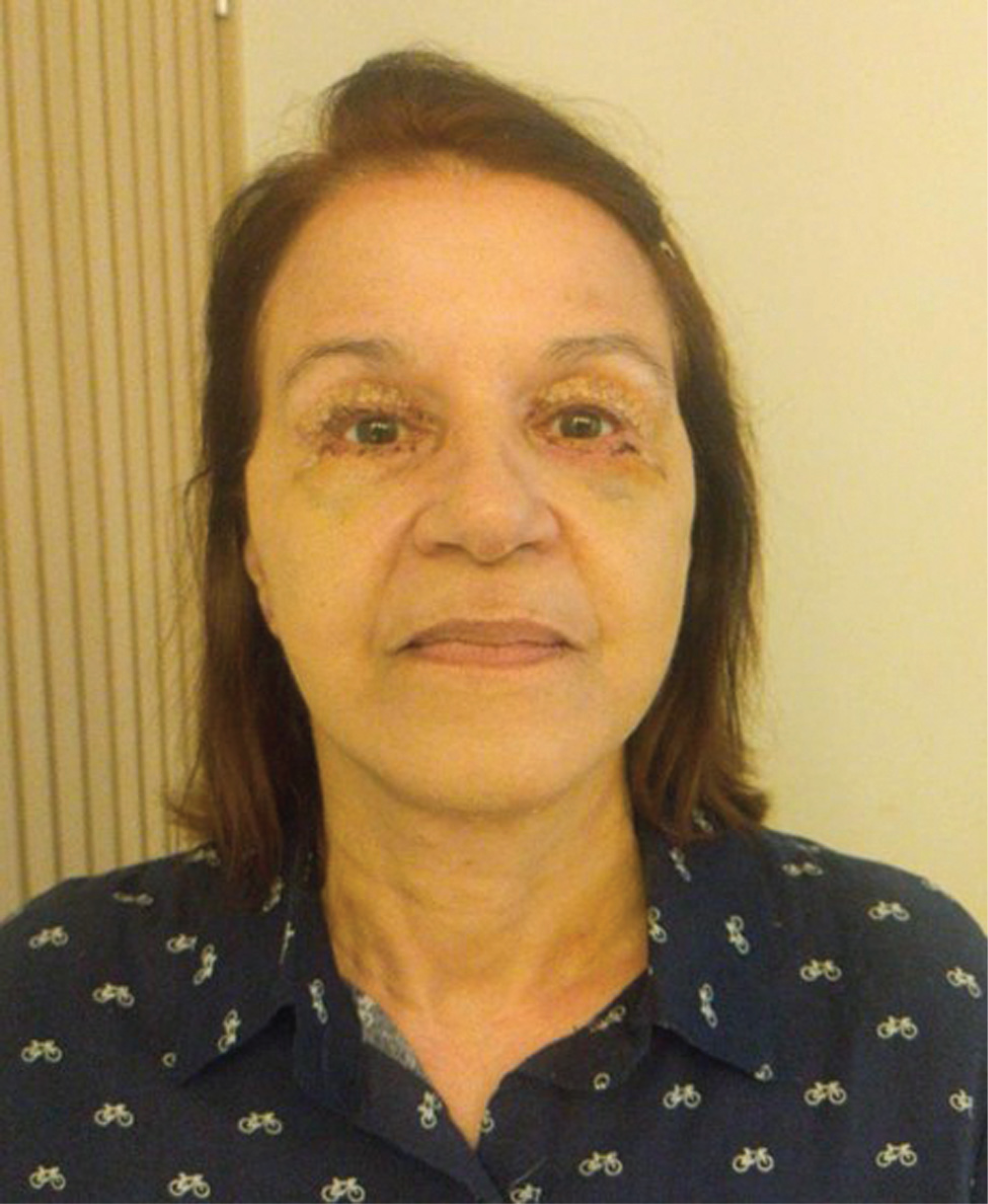
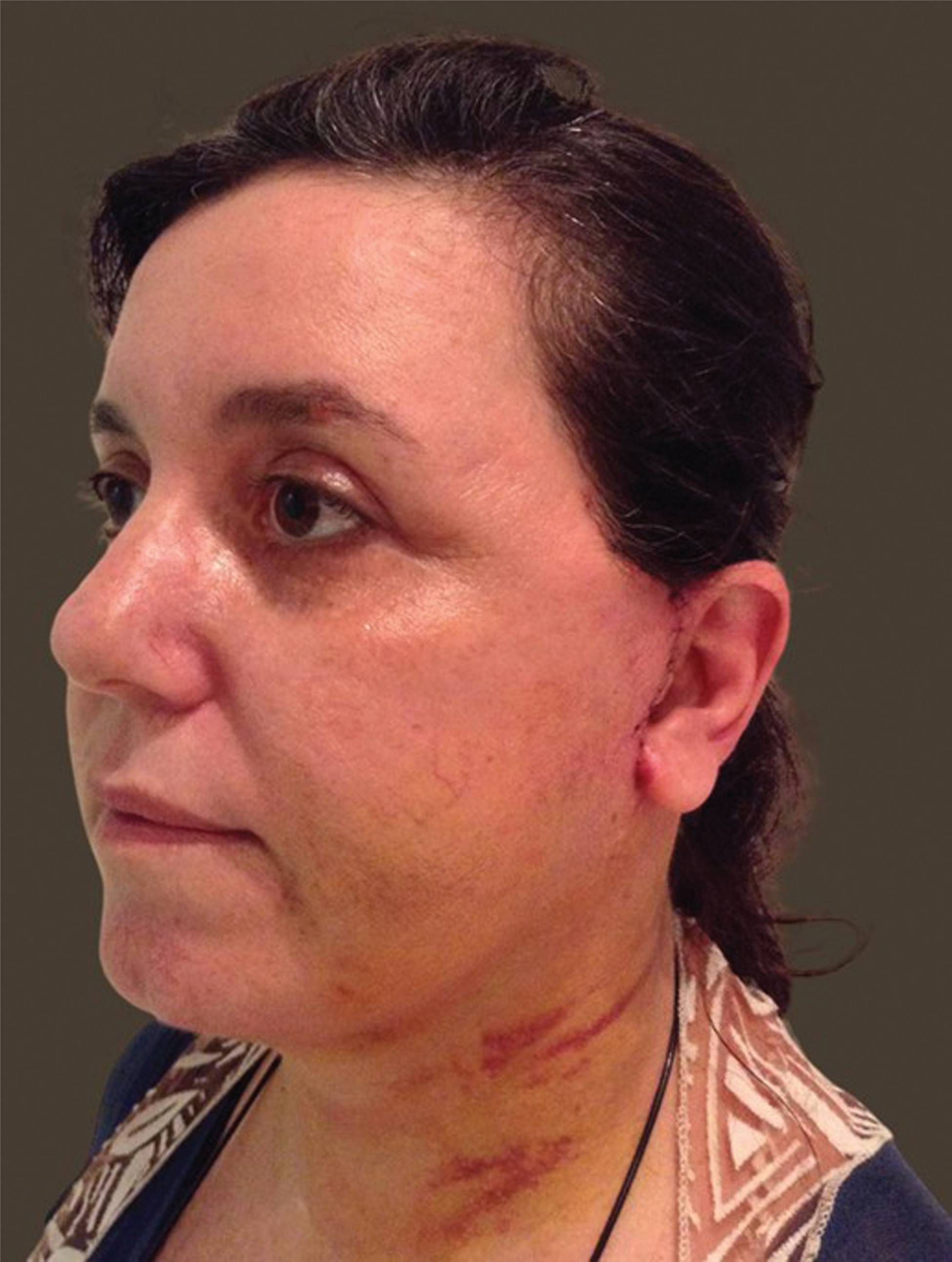
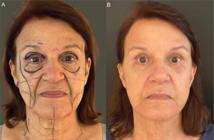
Results The eutrophic facelift technique yielded satisfactory esthetic outcomes, preserving a natural and revitalized skin appearance, with minimal bruising and moderate edema, and no cases of hematoma, seroma, or necrosis. The surgical procedure reduced postoperative recovery time, resulted in hospital discharge within 24 hours, without the need for drains, and with a high satisfaction rate.
Conclusion The eutrophic facelift is a safe, less invasive, and efficient technique, with quick recovery. It also ensures natural esthetic outcomes with a low complication rate.
Keywords
rhytidoplasty; plastic surgery; minimally invasive surgical procedures; rejuvenation; skin aging
 Thumbnail
 Thumbnail
 Thumbnail
 Thumbnail
 Thumbnail
 Thumbnail
 Thumbnail
 Thumbnail
 Thumbnail
 Thumbnail
 Thumbnail
 Thumbnail
 Thumbnail