
 Rehabilitation of Burn Injuries in the Lower Limbs: A Retrospective Study
Introduction Burns are among the main external causes of death in Brazil, and their occurrence in the lower limbs is less common. However, significant burns in this region are a challenge for reconstruction, especially in later stages, due to the difficulty in recreating the region's particular anatomy and sustaining limb functionality.
Materials and Methods We conducted a retrospective analysis of the medical records of burn victims with sequelae treated at a rehabilitation hospital from 2001 to 2005.
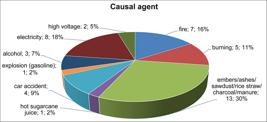
Results We evaluated 44 patients, 61.3% of whom were male and aged between 21 and 40 (mean age: 26) years. Most (98%) were of working age (< 60 years). Thermal causal agents were predominant, and 65% of the patients underwent different surgeries and rehabilitation programs.
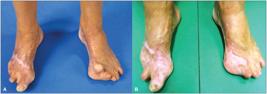
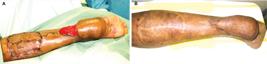
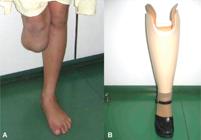
Conclusion The analysis revealed severe deformities, including articular issues and amputations, in patients with long-standing burns, especially male individuals, of working age, and from the Midwestern, Northern, and Northeastern regions of Brazil. The required treatments involved different complex surgical procedures and physical therapy for rehabilitation depending on the causal agent and the extent of the injury, always prioritizing limb functionality and the patient's reintegration into society.
Keywords
burns; lower extremity; plastic surgery procedures; rehabilitation
 Thumbnail
 Thumbnail
 Thumbnail
 Thumbnail
 Thumbnail
 Thumbnail
 Thumbnail
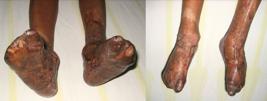 Thumbnail
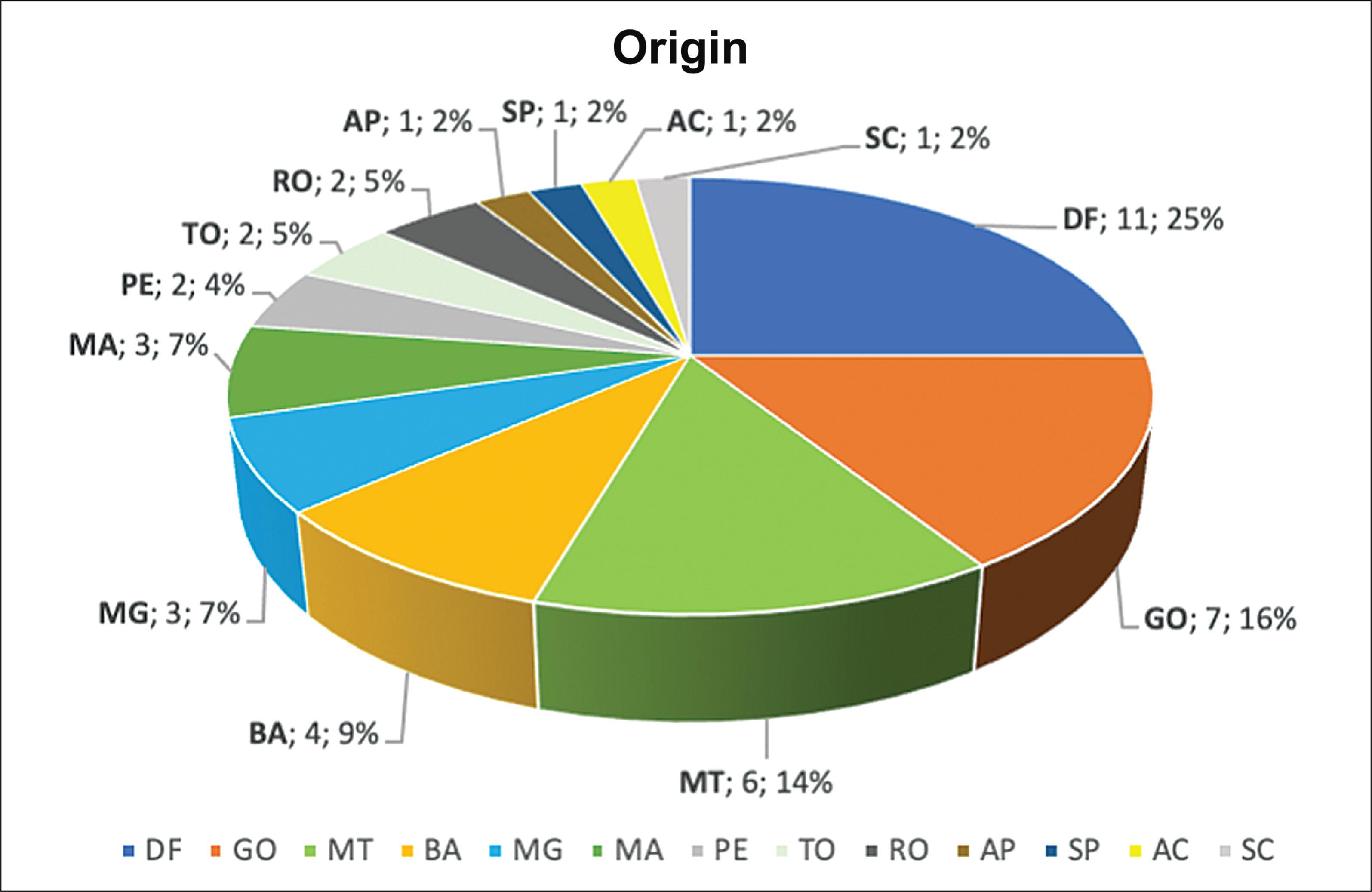
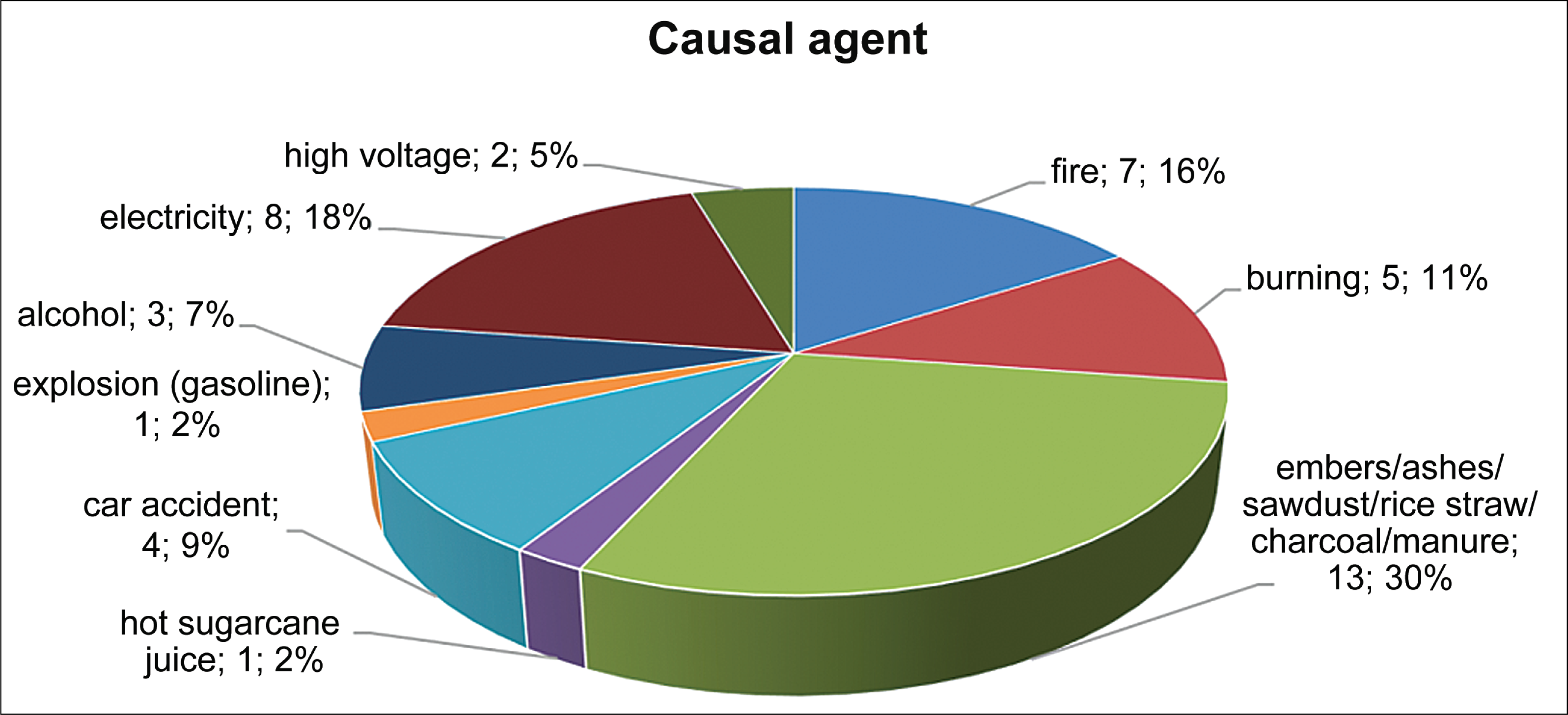
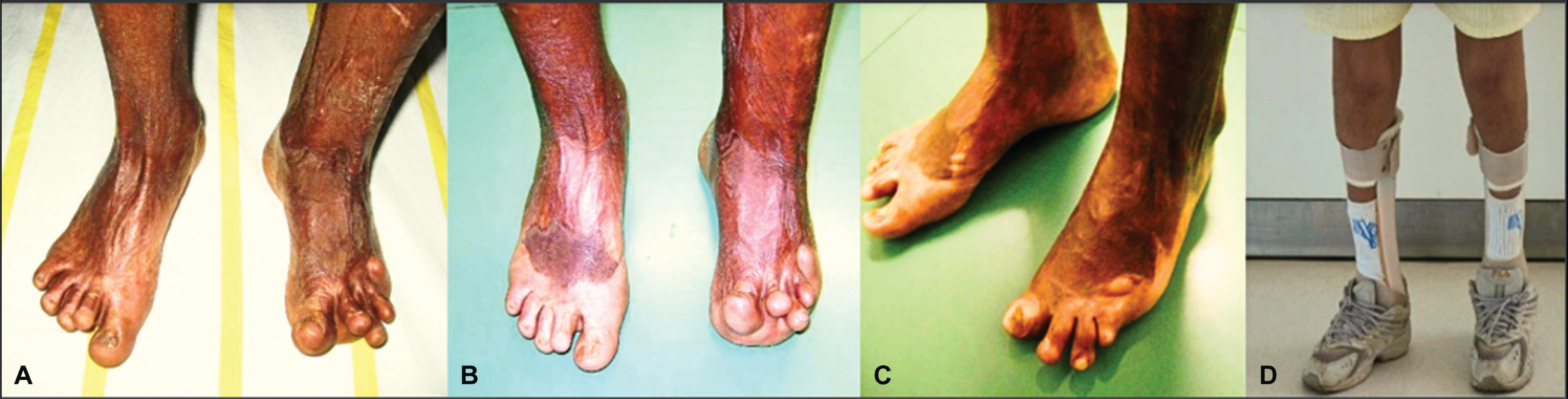 Source: Hospital Sarah Kubitschek, Brasília, Brazil.
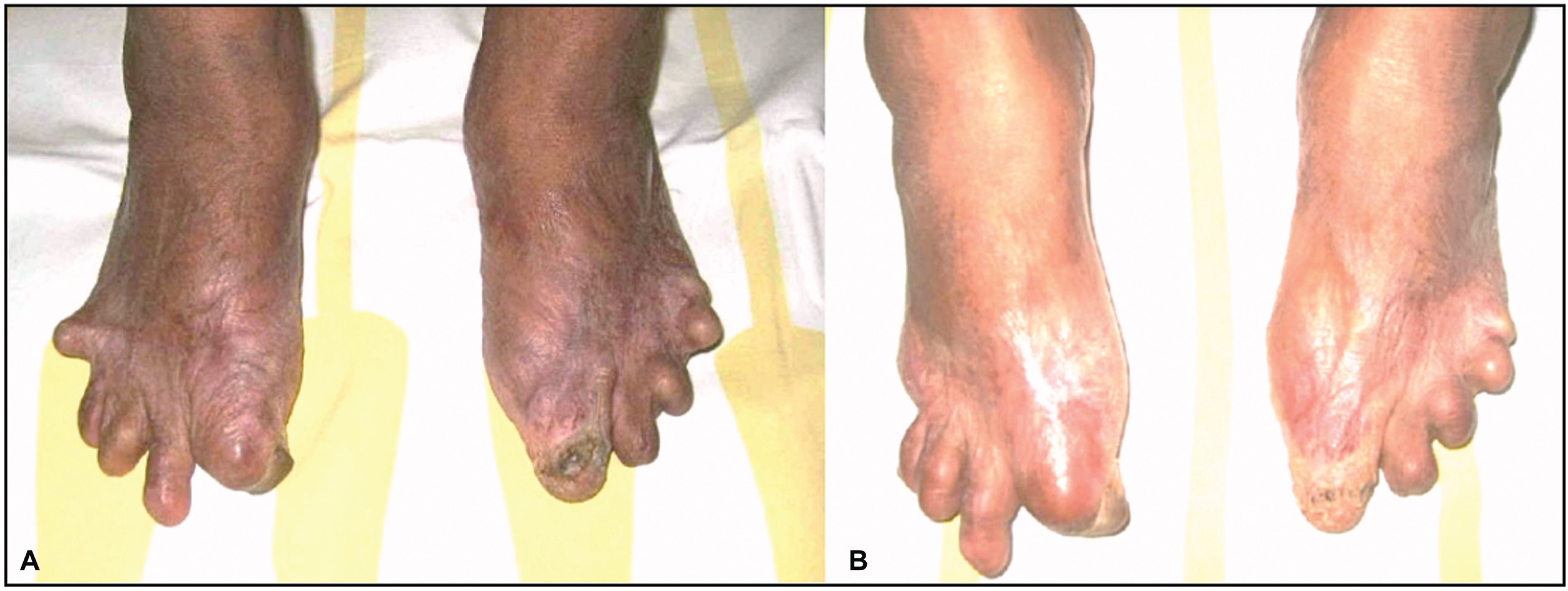 Source: Hospital Sarah Kubitschek, Brasília, Brazil.
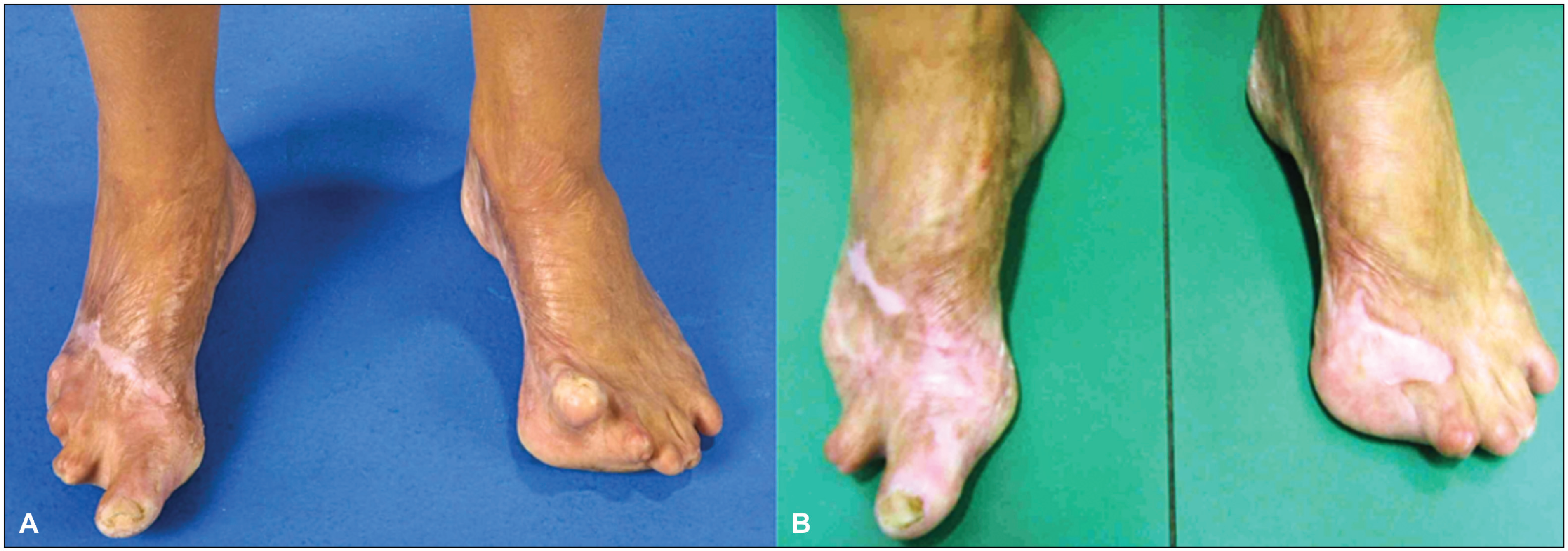 Source: Hospital Sarah Kubitschek, Brasília, Brazil.
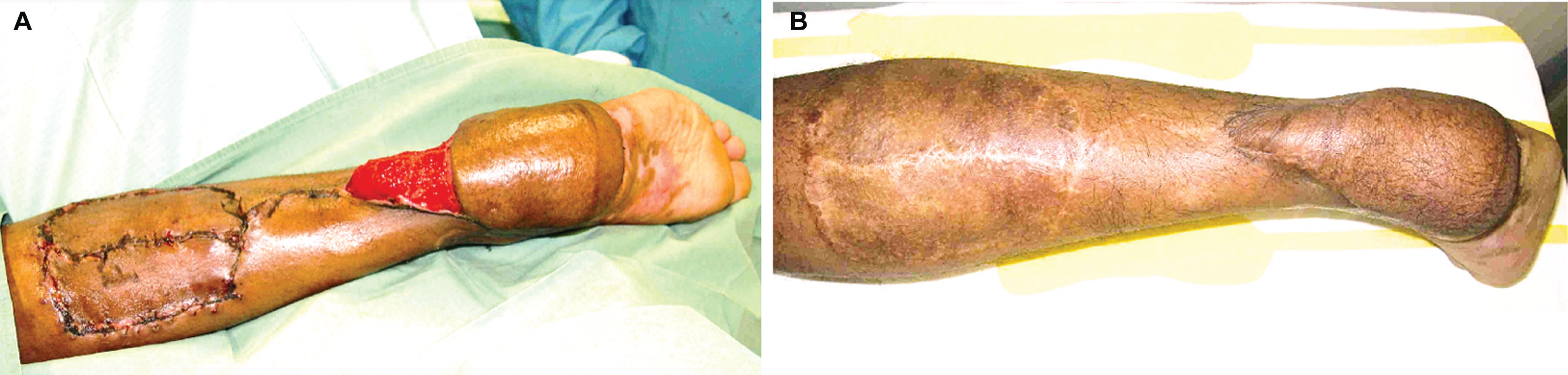 Source: Hospital Sarah Kubitschek, Brasília, Brazil.
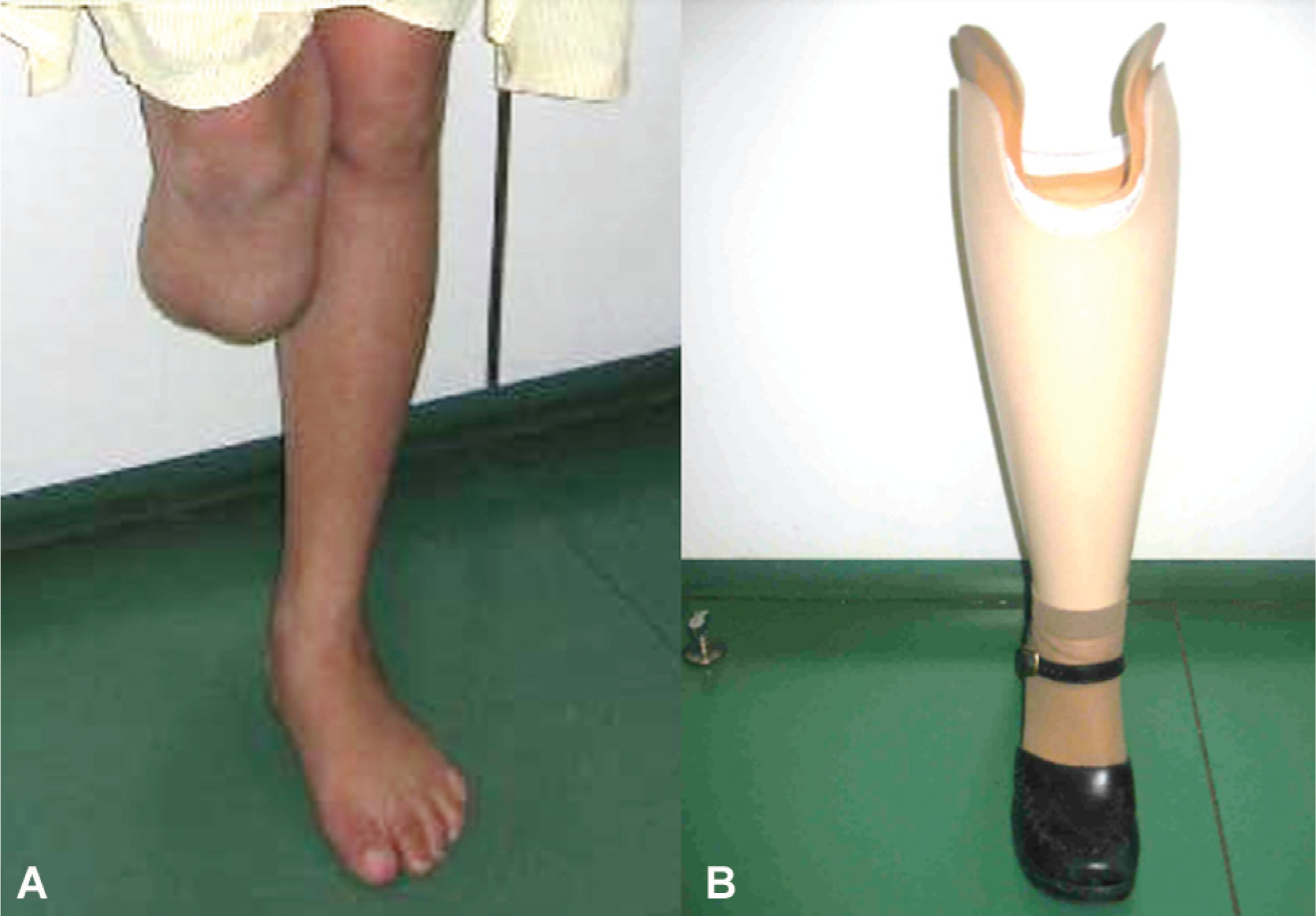 Source: Hospital Sarah Kubitschek, Brasília, Brazil.
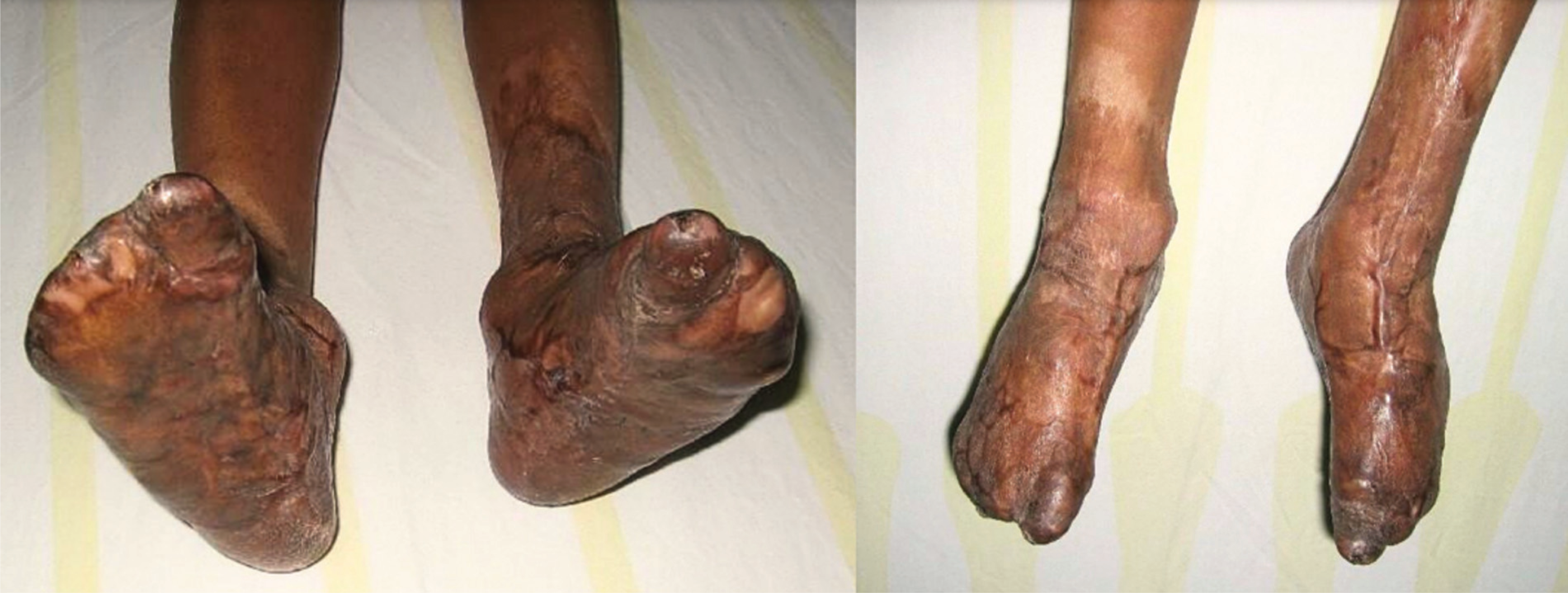 Source: Hospital Sarah Kubitschek, Brasília, Brazil.