 Delirium in hospitalized older adults: influence of sociodemographic and clinical factors in a longitudinal study
Objective To analyze the effects of sociodemographic and clinical characteristics on the occurrence of delirium in hospitalized older adults.
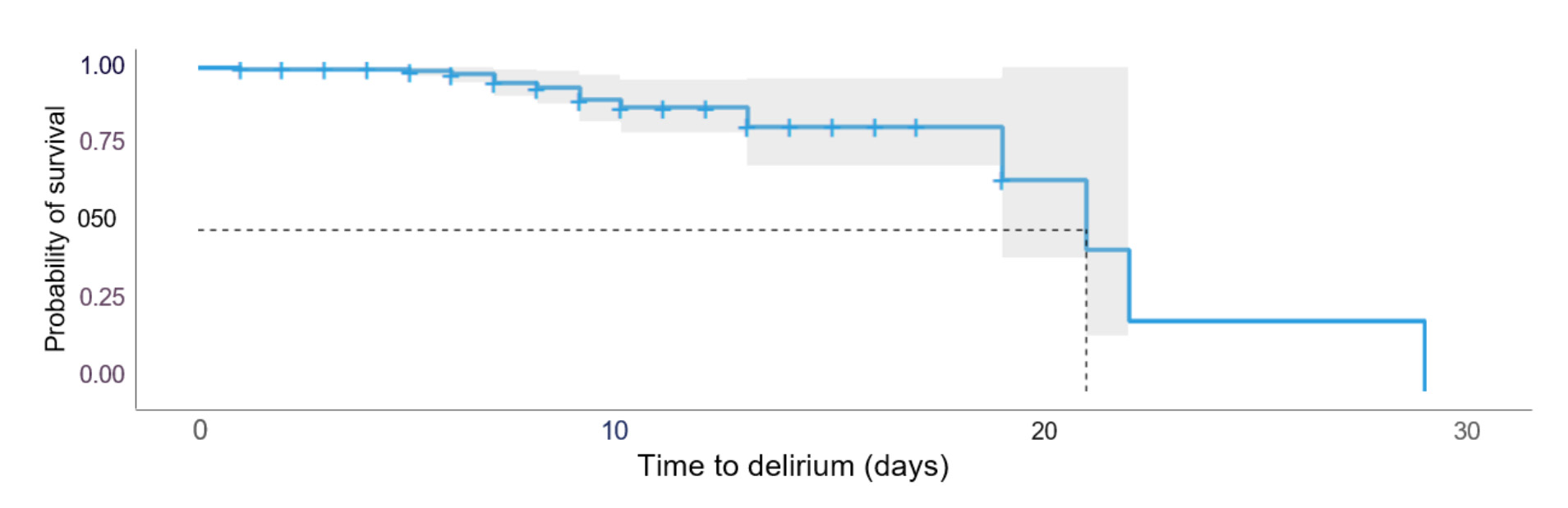
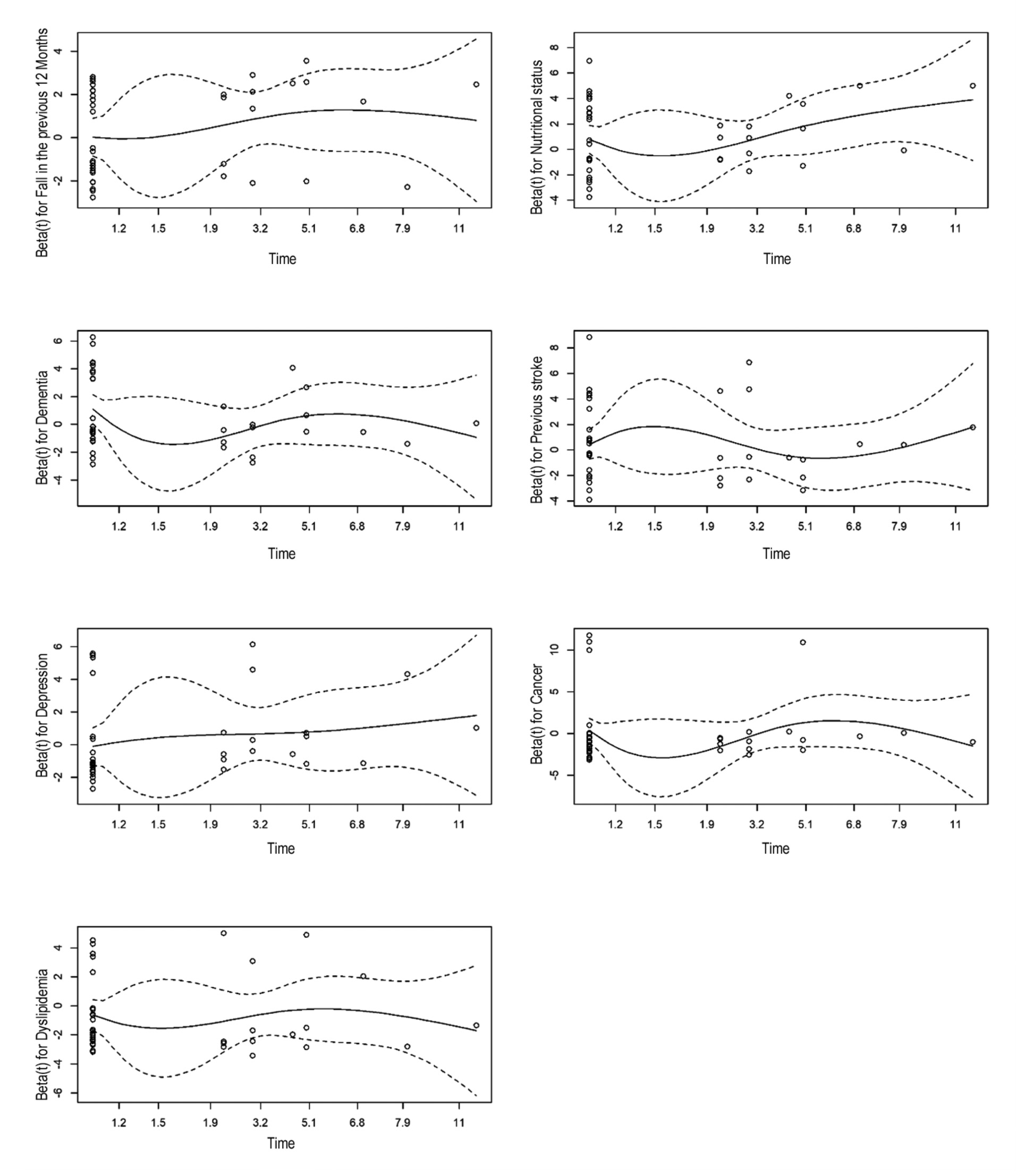
Method A prospective longitudinal study was conducted with 427 older adults aged ≥60 years without delirium at hospital admission, between March 2022 and July 2023. Delirium was monitored daily until discharge or death. Kaplan–Meier curves were used to estimate survival, and Cox proportional hazards regression was used to calculate hazard ratios (95% CI), assessed using the Wald test. The proportional hazards assumption was verified using Schoenfeld residuals.
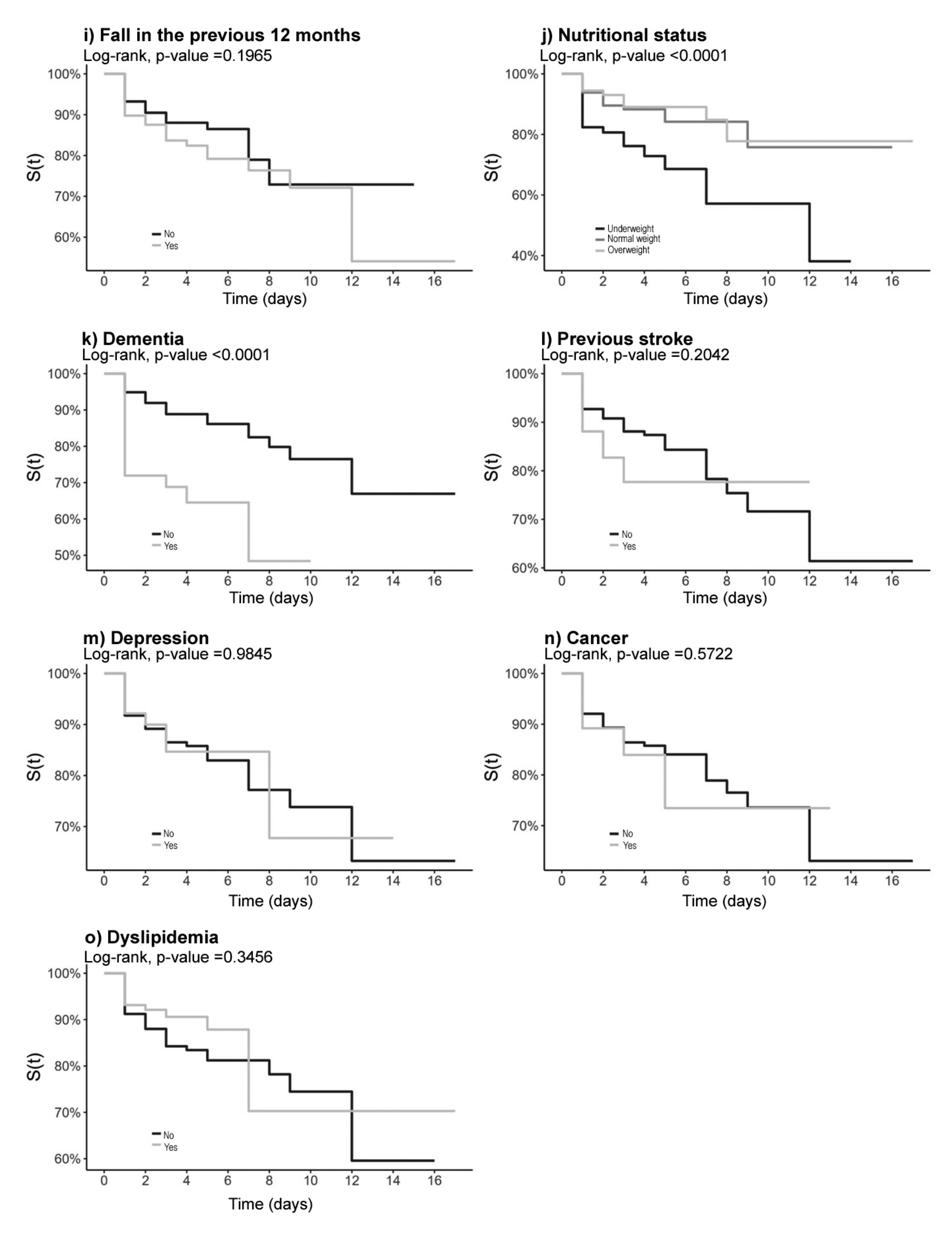
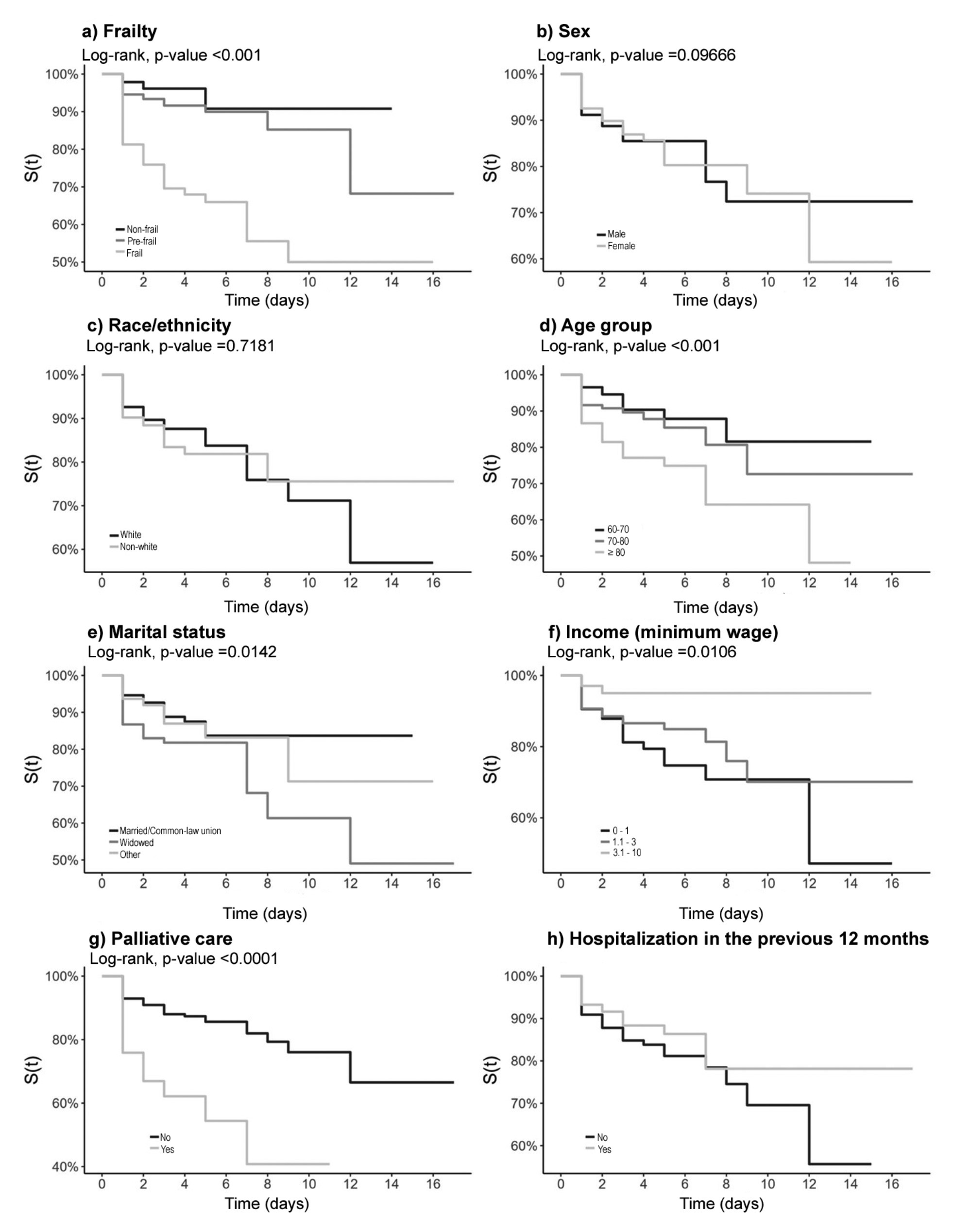
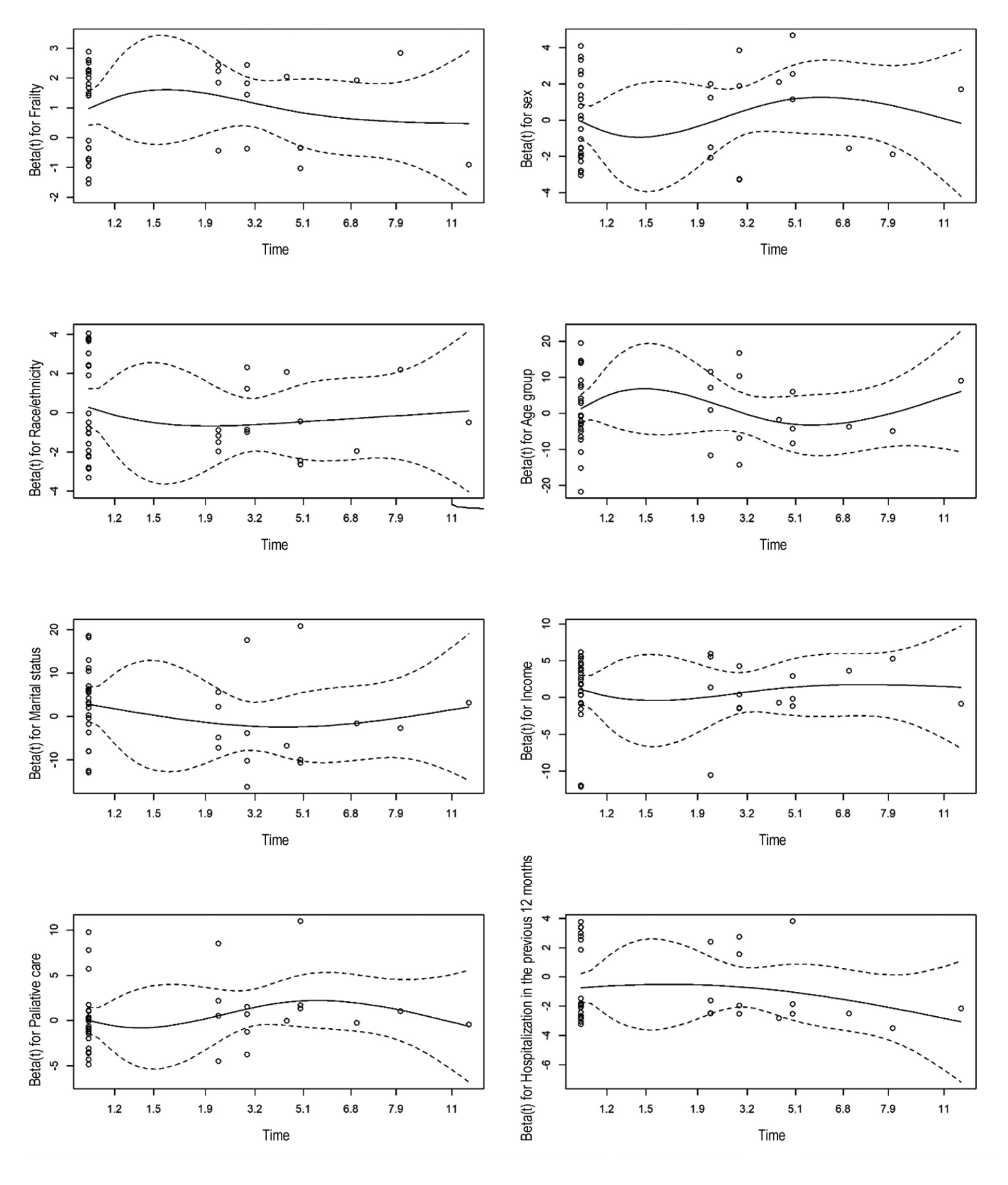
Results The risk of delirium was 5.47 times higher in frail individuals, 2.5 times higher in those receiving palliative care, and 2.51 times higher in individuals with dementia. Income greater than 3.1 minimum wages was a protective factor, reducing the risk by 71% compared with the 0–1 minimum wage category. Older adults with hospitalizations in the previous 12 months had a 56% lower risk of delirium. Age ≥80 years (p=0.0007), widowhood (p=0.0142), low body weight (p=0.0002), frailty (p<0.001), dementia (p≤0.0001), and palliative care (p≤0.0001) were associated with shorter time to first delirium episode.
Conclusion Frailty, dementia, and the need for palliative care were the main risk factors for delirium in older adults, whereas higher income showed a protective effect. Recognition of these factors allow the implementation of targeted, individualized, and more effective preventive and therapeutic strategies for delirium in hospitalized older adults.
Keywords
Aged; Hospitalization; Delirium; Observational Study; Risk Factors.
 Thumbnail
 Thumbnail
 Thumbnail