 A real-world pharmacovigilance study of the FAERS database for fluvoxamine: perspectives from physicians and pharmacists
Abstract
Objective: Although fluvoxamine is a well-established treatment for depressive disorders, real-world safety data remain limited. This study analyzed adverse drug events associated with fluvoxamine in the U.S. Food and Drug Administration’s Adverse Event Reporting System, a large-scale pharmacovigilance database, to assess the drug’s safety profile.
Methods: The database was used to collect data on fluvoxamine-related adverse drug events from the first quarter of 2004 to the third quarter of 2024. Disproportionality analyses were performed using the reporting odds ratio, proportional reporting ratio, Bayesian confidence propagation neural network, and empirical Bayes geometric mean methods.
Results: A total of 355 fluvoxamine-related adverse drug event reports were identified, spanning 26 different system organ classes and 67 preferred terms. Psychiatric disorders were the most frequently reported adverse drug events. Notably, signals for reproductive system and breast disorders, cardiac disorders, and eye disorders were stronger but were unrelated to the pharmacological properties of fluvoxamine, thus warranting special clinical attention. Disinhibition had the highest signal strength and requires vigilance. A considerable number of drug interactions were noted, leading to increased antipsychotic drug levels and extrapyramidal symptoms, such as slow speech, drooling, and tardive dyskinesia. Self-harm and suicidal behavior require appropriate clinical risk management. Additionally, significant symptoms of serotonin syndrome were observed, including tics, clonus, mydriasis, and myoclonus. Our study also discovered adverse drug events not previously documented in product labels, such as Cushing’s syndrome, papilledema, and increased intracranial pressure.
Conclusion: This study provides a real-world pharmacovigilance analysis of fluvoxamine, identifying several rare adverse drug events and clinically significant symptoms, particularly neuroleptic malignant syndrome and serotonin syndrome. Our study offers important insights for the clinical safety assessment of fluvoxamine.
Keywords:
Fluvoxamine; FAERS; adverse drug events
Introduction
Depression is a major global public health challenge.1 A cohort study using the Global Burden of Disease database to investigate depression incidence from 1990 to 2019 found that the incidence of depression was 290 million in 2019, a 59.3% increase compared to 1990.2 Furthermore, a 2013 Global Burden of Disease study highlighted that depression had become the leading cause of disability-adjusted life years across all countries worldwide.3 Depression severely affects quality of life, work, and social functioning.4 Pharmacotherapy is considered the cornerstone of treatment.5 One of the first selective serotonin reuptake inhibitors, fluvoxamine is now used in over 110 countries to treat depressive disorders.6 Its antidepressant effects are due to inhibition of serotonin (5-hydroxytryptamine [5-HT]) reuptake in the presynaptic membrane, thereby increasing the concentration of serotonin in the synaptic cleft.7
In a double-blind, placebo-controlled study, patients treated with fluvoxamine for 4 to 6 weeks showed significant improvement in depressive symptoms; those with severe depression had a higher treatment response rate than those with mild or moderate depression.8 Additionally, fluvoxamine has been approved for post-traumatic stress disorder,9 autism spectrum disorder,10 and as an adjunctive treatment for schizophrenia.11 It has also led to improvement in insomnia and cognitive impairment.12 Research has also indicated that, in high-risk patients with severe COVID-19 infection and underlying conditions such as diabetes, fluvoxamine can significantly reduce the risk of severe illness and mortality early in the infection.13 This effect may be attributed to fluvoxamine’s anti-inflammatory action, which is mediated through sigma-1 receptor agonism.14
Despite these emerging therapeutic benefits, concerns persist about fluvoxamine’s safety profile. Common adverse drug events (ADEs) include gastrointestinal symptoms such as nausea, dry mouth, and constipation, central nervous system symptoms such as mild anxiety and sleep disturbances, and autonomic nervous system symptoms such as palpitations and tachycardia.15 Serious adverse reactions include hyponatremia, bleeding disorders, and a potential risk of glaucoma.16 Since no study has investigated the real-world adverse effects of fluvoxamine, we conducted this pharmacovigilance study using the U.S. Food and Drug Administration’s Adverse Event Reporting System (FAERS) database. Through extensive monitoring and analysis of ADEs, we assessed the safety of fluvoxamine in real-world settings. We considered the perspective of physicians and pharmacists to reduce the risk of result bias,17 focusing on ADEs from a professional viewpoint. Our study provides health care professionals with a comprehensive safety profile for fluvoxamine.
Methods
Data source
The FAERS database is designed to collect reports from patients, pharmaceutical manufacturers, health care professionals, and others worldwide to monitor drug-related ADE. These data files are made publicly available on a quarterly basis in seven sections: patient demographic information, drug information, ADE details, patient outcomes, report source, drug treatment dates, and drug indications. We selected all relevant data from the FAERS database from the first quarter of 2004 to the third quarter of 2024. The search strategy was based on the generic drug name “fluvoxamine.” Since the data files are de-identified, no ethics committee approval was required.
Data extraction and analysis
To ensure the accuracy of the data, when duplicate reports were identified, we followed U.S. Food and Drug Administration guidelines by retaining only the most recent FDA_DT. Additionally, when both FDA_DT and CASEID were identical, we selected the report with the higher PRIMARYID. The Medical Dictionary for Regulatory Activities is one of the most commonly used medical coding dictionaries in clinical and post-market pharmacovigilance. We encoded the ADE reports obtained from the FAERS database and, based on the Medical Dictionary for Regulatory Activities’ preferred terms, classified the ADEs into system organ classes. The selected fluvoxamine-related ADEs were further analyzed, including patient information such as sex, age, adverse event report timing, type, severity, and other relevant details.
Descriptive statistical analysis was employed in this study. Disproportionality analysis is the primary method for data mining in spontaneous reporting systems. In our study, disproportionality analysis was used to assess the association between fluvoxamine and ADEs, including the reporting odds ratio (ROR), proportional reporting ratio (PRR), Bayesian confidence propagation neural network, and empirical Bayes geometric mean (EBGM). Table 1 presents the 2 × 2 contingency table, the formulas for these algorithms, and the criteria for positive signal detection.18 To minimize errors and improve sensitivity, this study combined four algorithms for comprehensive data analysis.
Statistical analysis
MySQL 8.0 and Microsoft Excel 2019 were used for statistical analysis, while R (version 4.3.1) was used for data visualization.
Results
Baseline information
From the first quarter of 2004 until the third quarter of 2024, a total of 355 fluvoxamine-related ADE reports were recorded in the FAERS database (Figure 1). Among patients whose sex was known, the incidence was slightly higher in women (48.7%) than men (40.8%). The highest proportion of patients was in the 18-64-year age group (53%), followed by the 65-85-year age group (10.1%). A significant proportion of missing weight data limited further analysis. Physicians accounted for 73% of the reports, more than twice the number filed by pharmacists (27%). The countries that filed the most reports were the United States (24.5%) and Japan (15.8%), and 39.29% of ADEs occurred within 30 days after beginning treatment. The highest proportion of serious outcomes was important medical events (39.7%), followed by hospitalization-initial or prolonged (32.4%), and death (9%). The number of reports showed a fluctuating upward trend each year, peaking in 2019 and subsequently declining (Supplementary Table S1).
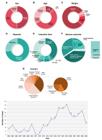
Basic information on adverse drug event reports for fluvoxamine by (A) patient sex distribution, (B) age distribution, (C) weight distribution, (D) reporter distribution, (E) induction time distribution, (F) serious outcome distribution, (G) reported countries distribution, as well as number of cases per year.
System organ class signals
Fluvoxamine-related ADEs primarily involved 26 different SOCs (Table 2). The top three systems with the highest number of ADE reports were: psychiatric disorders (n=281, ROR 5.47, PRR 4.51, IC 2.17, EBGM 4.51), nervous system disorders (n=214, ROR 2.2, PRR 2, IC 1, EBGM 2), and general disorders and administration site conditions (n=166, ROR 0.81, PRR 0.83, IC -0.26, EBGM 0.83), which are consistent with the drug’s mechanism of action. Notably, reproductive system and breast disorders (n=11, ROR 1.45, PRR 1.44, IC 0.53, EBGM 1.44), cardiac disorders (n=51, ROR 1.08, PRR 1.08, IC 0.11, EBGM 1.08), and eye disorders (n=34, ROR 1.35, PRR 1.34, IC 0.43, EBGM 1.34), showed signals across the four algorithms and warrant special clinical attention. Additionally, some adverse reactions not mentioned in the drug’s prescribing information were identified, such as respiratory, thoracic, and mediastinal disorders (n=28, ROR 0.39, PRR 0.41, IC -1.3, EBGM 0.41), vascular disorders (n=32, ROR 1.01, PRR 1.01, IC 0.02, EBGM 1.01), and ear and labyrinth disorders (n=6, ROR 1.25, PRR 1.25, IC 0.33, EBGM 1.25), which require further investigation.
Preferred term signals
This study identified 67 significant preferred terms related to fluvoxamine (Figure 2), which were ranked in descending order based on the strictest EBGM algorithm. The top thirty terms are listed in Table 3, of which the top three were disinhibition (n=5, ROR 112.57, PRR 112.14, IC 6.79, EBGM 111.04), antipsychotic drug level increased (n=7, ROR 60.06, PRR 59.74, IC 5.89, EBGM 59.43), and slow speech (n=3, ROR 56.1, PRR 55.98, IC 5.8, EBGM 55.7). The three ADEs with the highest number of reported cases were drug interaction (n=51, ROR 11.24, PRR 10.84, IC 3.44, EBGM 10.83), suicide attempt (n=33, ROR 17.65, PRR 17.2, IC 4.11, EBGM 17.21), and intentional overdose (n=24, ROR 13.4, PRR 13.17, IC 3.72, EBGM 13.16). Several extrapyramidal symptom (EPS) manifestations, such as drooling and tardive dyskinesia, were identified and require close clinical monitoring. We also found a notable proportion of serotonin syndrome manifestations, such as tics, clonus, and mydriasis, with myoclonus considered one of the core symptoms of serotonin syndrome. This study also uncovered some ADEs not listed in the drug’s prescribing information, such as Cushing’s syndrome, papilledema, and increased intracranial pressure. While these adverse effects are rare, their signal strengths were high and warrant further attention.
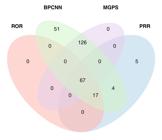
Venn diagram of four different methods: among the 484 signal combinations, the ROR method identified 84 related signals, the PRR method identified 93, the MGPS method identified 193, and the BCPNN method identified 265 valid signals. BCPNN = Bayesian confidence propagation neural network; MGPS = multi-item gamma Poisson shrinker; PRR = proportional reporting ratio; ROR = reporting odds ratio.
Discussion
Fluvoxamine is a selective serotonin reuptake inhibitor approved by the U.S. Food and Drug Administration for the treatment of depression and obsessive-compulsive disorder.19 In addition to its classic 5-HT reuptake inhibition and 5-HT receptor desensitization effects,20 it also alleviates depression-related insomnia by modulating glutamate release through activation of the σ1 receptor and reducing the degradation of melatonin.21 Although fluvoxamine has shown impressive clinical efficacy in patients with depressive disorder,22 current research has also raised concerns regarding its adverse effects.23 With the increasing global depression prevalence, ADE monitoring for antidepressants in clinical practice is crucial. Routine pharmacovigilance studies include the entire population, which makes it difficult to avoid outcome bias due to reports from non-medical professionals.17 Therefore, based on the perspectives of physicians and pharmacists, we utilized the FAERS database to analyze real-world ADEs of fluvoxamine, providing evidence for drug safety monitoring and clinical practice.
According to our results, significantly more reports were filed for female patients than male patients, which might be attributed to physiological and hormonal differences that affect drug metabolism and response in the body.24 This difference may also be related to a greater help-seeking behavior among women.25 The fact that the highest proportion of patients was in the 18-64 year age group could be due to a higher prevalence of antidepressant use in this age group.26 Further research is needed to obtain accurate age group data. The highest proportion of reports came from the United States, which could be due to the fact that the FAERS database was established in the United States, the country’s level of development, and its emphasis on ADE monitoring. Further investigation is needed to rule out cultural or regional biases. Although, most ADEs occurred within 30 days of beginning the medication, nearly a quarter occurred 1 year after beginning the medication, highlighting the importance of long-term clinical monitoring. Most of the severe adverse events involved hospitalization and other serious events. There was a fluctuating upward trend in annual reports of fluvoxamine-related ADEs, which might have been influenced by expanded reporting channels, improved monitoring systems, and increased awareness of the need to identify and report ADEs in the population.27
According to the proportional analysis, the most common signals for fluvoxamine at the system organ class level were psychiatric disorders, nervous system disorders, and general disorders and administration site conditions, which might be attributed to the drug’s mechanism of action. Notably, reproductive system and breast disorders also showed strong signals, which could be related to fluvoxamine’s potential impact on hypothalamic function, interfering with normal hormonal fluctuations.28 Respiratory, thoracic, and mediastinal disorders, vascular disorders, and ear and labyrinth disorders, which were not listed in the drug’s package insert, exhibited correlations in our results. This may be linked to the progression of the patient’s underlying disease, genetic factors, or individual differences,29,30 which warrants further attention.
At the preferred terms level, significant ADEs primarily included disinhibition, antipsychotic drug level increased, and slow speech. The most frequently reported ADEs were drug interactions, suicide attempts, and intentional overdoses. The drug interaction results indicate that fluvoxamine has a high potential for interaction with other medications, which resulted in significant ADEs, such as increased antipsychotic drug levels. EPS, like slow speech, drooling, tardive dyskinesia, and salivary hypersecretion, were also observed. We also found several manifestations of serotonin syndrome, such as tics, clonus, myoclonus, and mydriasis. Importantly, serotonin syndrome is difficult to distinguish from neuroleptic malignant syndrome (NMS), as both are life-threatening emergencies with different management approaches. Clinicians should closely monitor for core symptom differences. In addition to common symptoms listed in the package insert, such as galactorrhea, orthostatic hypotension, and suicide attempt, rare and unlisted ADEs like Cushing’s syndrome, papilledema, increased intracranial pressure, and acidosis also had strong signals and should be closely monitored in clinical practice.
Disinhibition, a state in which an individual’s internal behavioral restraints are lifted, primarily manifests as a reduced ability to control impulses. This may involve neural circuit changes, particularly in the prefrontal cortex, basal ganglia, and thalamus.31 In our study, disinhibition had the highest signal strength. Although the precise mechanism is not yet clear, a potential mechanism involves alterations in serotonin (5-HT) levels mediated by fluvoxamine. Changes in 5-HT levels can lead to fluctuations in neurotransmitter homeostasis, subsequently affecting an individual’s responsiveness to external stimuli.32 Further research is needed to clarify this mechanism.
Antipsychotic drug levels increased and drug interaction had high signal strength and was the most frequently reported ADE, consistent with the drug interactions indicated in fluvoxamine’s prescribing information. Fluvoxamine is primarily metabolized by CYP2D6,33 with additional minor involvement of CYP1A2.34 Variability in the CYP2D6 genotype (e.g., poor metabolizers) can lead to elevated fluvoxamine plasma concentrations and increased risk of adverse reactions.35 Fluvoxamine is also a potent inhibitor of CYP1A2,34 CYP2C19,36 and to a lesser extent CYP3A437 and CYP2D6,33 which can substantially affect the pharmacokinetics of co-administered drugs such as clozapine, alprazolam, propranolol, and theophylline.38 Additionally, fluvoxamine can interact with monoamine oxidase inhibitors39 and drugs like terfenadine, astemizole, and carbamazepine.40 Clinicians must be vigilant regarding these interactions. There was a high frequency of reported suicide attempts, which aligns with the risk warnings in the prescribing information, ie, that fluvoxamine may increase the risk of suicide, particularly during the early stages of treatment (especially in the first month).41 It is important to note that the risk of suicide-related events may not improve after the first few weeks of treatment or beyond.42 Therefore, both health care providers and family members should closely monitor changes in the patient’s mood and behavior, especially during the early phases of treatment or following dosage adjustments.
EPS and serotonin syndrome showed strong signals in our study. Slow speech may be related to EPS,43 with other ADEs, such as drooling and tardive dyskinesia, also indicating an association between fluvoxamine and EPS. This may be partly related to pharmacokinetic interactions. In clinical practice, fluvoxamine is often used in combination with atypical antipsychotics as an augmentation therapy for depression. Fluvoxamine’s inhibition of liver enzymes33,34 can increase the concentration of certain antipsychotics like clozapine and olanzapine, thereby increasing the risk of EPS.44 This interaction also increases the risk of NMS. NMS is a life-threatening complication characterized by altered mental status, muscle rigidity, hyperthermia, and autonomic dysfunction, typically occurring after taking antipsychotic medications.45 Reports of fluvoxamine interacting with quetiapine to trigger NMS have been documented,46 which is likely related to imbalance between the dopamine and serotonin systems.47 Our study also confirmed this ADE. Serotonin syndrome is a life-threatening clinical condition caused by excessive 5-HT activity, presenting with autonomic dysfunction, neuromuscular hyperactivity, and altered mental status.48 Our study identified core symptoms of serotonin syndrome, including tics, clonus, myoclonus, and mydriasis.49 Although both serotonin syndrome and NMS are life-threatening conditions, their management strategies differ. Moreover, their symptoms overlap to some extent, with the key distinction being the presence of myoclonus.50 This underscores the need for close clinical attention to differentiate between these two potentially fatal syndromes and apply appropriate treatment strategies. Hunter’s criteria, a widely used diagnostic tool for serotonin syndrome, emphasizes specific clinical features – including inducible clonus and hyperreflexia – to aid in diagnosis.51
Importantly, our study also identified some rare safety concerns at the preferred terms level, such as Cushing’s syndrome, increased intracranial pressure, and papilledema. Cushing’s syndrome is a group of serious systemic abnormalities caused by elevated cortisol levels, which lead to various clinical manifestations and complications, significantly increasing cardiovascular risk.52 While this signal may be related to fluvoxamine’s potential effect on adrenocorticotropic hormone and cortisol levels,53 it should be interpreted with caution. Further investigation is needed to clarify this potential association. Increased intracranial pressure refers to elevated pressure inside the skull, which can lead to acute or chronic physiological disturbances and pathological changes. If untreated, it can rapidly escalate into a clinical catastrophe.54 We observed a signal between fluvoxamine and this serious event; however, given the spontaneous nature of the data, this finding should be considered exploratory rather than conclusive. Further research is required to clarify the underlying mechanisms. Papilledema, often associated with increased intracranial pressure, is the swelling of the optic disc due to elevated pressure within the skull. When intracranial pressure exceeds intraocular pressure, the optic disc swells, resulting in optic disc edema.55 Although a previous clinical study reported rare cases of increased intracranial pressure and papilledema potentially associated with fluvoxamine,56 the underlying mechanisms remain unclear. One proposed explanation involves fluvoxamine’s effect on cerebral blood flow, which could contribute to hypoxia and subsequent brain edema.57,58 These rare ADEs indicate the need for vigilant monitoring, particularly in high-risk patients, as well as for further research to elucidate the mechanisms behind these serious outcomes.
Although this study analyzed real-world ADE data for fluvoxamine, identified multiple signals of concern, and explored its potential mechanisms, providing valuable insights for clinical application, it nevertheless has some limitations. First, as a spontaneous reporting system, the FAERS database is a subject to underreporting, reporting bias, and variable data quality. Moreover, causality between fluvoxamine and the reported ADEs cannot be established. Second, subgroup analyses by age, sex, or polypharmacy status were not performed, which could reduce the generalizability of the findings across diverse populations. Third, due to the lack of detailed clinical information in the data, we were unable to further analyze factors, such as patient history, comorbidities, and drug interactions, which could affect the accuracy of adverse reaction assessments, especially for fluvoxamine, a drug with numerous interactions. Future research should integrate multi-center prospective studies and include subgroup analyses to further explore fluvoxamine’s safety.
In conclusion, this study provided a comprehensive investigation of real-world ADEs associated with fluvoxamine, offering new insights into the drug’s safety profile. Disinhibition and drug interactions are ADEs with significant signals that require special clinical attention. EPS, such as slow speech, drooling, tardive dyskinesia, and serotonin syndrome (including tics, clonus, myoclonus, and mydriasis), were prevalent in our study and warrant caution in clinical practice. Additionally, NMS was identified, which requires heightened clinical awareness. Appropriate risk management is needed for symptoms of self-harm and suicidal behavior. Rare and unlisted ADEs, such as Cushing’s syndrome, papilledema, and increased intracranial pressure, were also identified and require further exploration to clarify the underlying mechanisms. Despite certain limitations, this study provides strong evidence in support of clinical adverse reaction warnings for fluvoxamine and serves as a reference for future drug safety monitoring and the development of personalized treatment strategies. Future studies should incorporate prospective designs, detailed clinical data, and pharmacogenomics analysis to better characterize risk factors and validate these findings in diverse patient populations.
Supplementary Materials
Supplementary Material
Acknowledgements
The authors would like to thank Xiang Li, from the Eye Institute & Affiliated Xiamen Eye Center, School of Medicine, Xiamen University, for the valuable guidance provided during the preparation of this manuscript. This study was supported by the National Natural Science Foundation of China’s Youth Fund (8230082561).
Data availability statement
The original contributions presented in this study are included in the article material; further inquiries can be directed to the corresponding authors.
References
- 1 Dean J, Keshavan M. The neurobiology of depression: an integrated view. Asian J Psychiatr. 2017;27:101-11.
- 2 Wu Y, Fan L, Xia F, Zhou Y, Wang H, Feng L, et al. Global, regional, and national time trends in incidence for depressive disorders, from 1990 to 2019: an age-period-cohort analysis for the GBD 2019. Ann Gen Psychiatry. 2024;23:28.
- 3 Ferrari AJ, Somerville AJ, Baxter AJ, Norman R, Patten SB, Vos T, et al. Global variation in the prevalence and incidence of major depressive disorder: a systematic review of the epidemiological literature. Psychol Med. 2013;43:471-81.
- 4 Nelson JC, Devanand DP. A systematic review and meta-analysis of placebo-controlled antidepressant studies in people with depression and dementia. J Am Geriatr Soc. 2011;59:577-85.
- 5 Alexopoulos GS. Depression in the elderly. Lancet. 2005;365:1961-70.
- 6 Medvedev VE, Kardashian RA, Frolova VI. [Fluvoxamine in the treatment of anxiety-depressive spectrum disorders]. Zh Nevrol Psikhiatr Im S S Korsakova. 2024;124:101-9.
- 7 Wilde MI, Plosker GL, Benfield P. Fluvoxamine. An updated review of its pharmacology, and therapeutic use in depressive illness. Drugs. 1993;46:895-924.
- 8 Mendlewicz J. Efficacy of fluvoxamine in severe depression. Drugs. 1992;43 Suppl 2:32-7; discussion 37-9.
- 9 March JS. Fluoxetine and fluvoxamine in PTSD. Am J Psychiatry. 1992;149:413.
- 10 Nanjappa MS, Voyiaziakis E, Pradhan B, Mannekote Thippaiah S. Use of selective serotonin and norepinephrine reuptake inhibitors (SNRIs) in the treatment of autism spectrum disorder (ASD), comorbid psychiatric disorders and ASD-associated symptoms: a clinical review. CNS Spectr. 2022;27:290-7.
- 11 Edinoff AN, Fort JM, Woo JJ, Causey CD, Burroughs CR, Cornett EM, et al. Selective Serotonin reuptake inhibitors and clozapine: clinically relevant interactions and considerations. Neurol Int. 2021;13:445-63.
- 12 Hao Y, Hu Y, Wang H, Paudel D, Xu Y, Zhang B. The effect of fluvoxamine on sleep architecture of depressed patients with insomnia: an 8-week, open-label, baseline-controlled study. Nat Sci Sleep. 2019;11:291-300.
- 13 Nyirenda JL, Sofroniou M, Toews I, Mikolajewska A, Lehane C, Monsef I, et al. Fluvoxamine for the treatment of COVID-19. T Cochrane Database Syst Rev. 2022;9:CD015391.
- 14 Sukhatme VP, Reiersen AM, Vayttaden SJ, Sukhatme VV. Fluvoxamine: a review of its mechanism of action and its role in COVID-19. Front Pharmacol. 2021;12:652688.
- 15 van Harten J. Overview of the pharmacokinetics of fluvoxamine. Clin Pharmacokinet. 1995;29 Suppl 1:1-9.
- 16 Tomar LK, Patra P, Nigam A. A study to understand the pattern of hyponatremia in patients using selective serotonin reuptake inhibitors and serotonin dopamine antagonists. Ind Psychiatry J. 2021;30:113-7.
- 17 Chen S, Fang W, Zhao L, Xu H. Safety assessment of cenobamate: real-world adverse event analysis from the FAERS database. Front Pharmacol. 2024;15:1369384.
- 18 van Puijenbroek EP, Bate A, Leufkens HGM, Lindquist M, Orre R, Egberts ACG. A comparison of measures of disproportionality for signal detection in spontaneous reporting systems for adverse drug reactions. Pharmacoepidemiol Drug Saf. 2002;11:3-10.
- 19 Hiemke C, Härtter S. Pharmacokinetics of selective serotonin reuptake inhibitors. Pharmacol Ther. 2000;85:11-28.
- 20 Oba A, Nakagawasai O, Onogi H, Nemoto W, Yaoita F, Arai Y, et al. Chronic fluvoxamine treatment changes 5-HT(2A/2C) receptor-mediated behavior in olfactory bulbectomized mice. Life Sci. 2013;92:119-24.
- 21 von Bahr C, Ursing C, Yasui N, Tybring G, Bertilsson L, Röjdmark S. Fluvoxamine but not citalopram increases serum melatonin in healthy subjects-- an indication that cytochrome P450 CYP1A2 and CYP2C19 hydroxylate melatonin. Eur J Clin Pharmacol. 2000;56:123-7.
- 22 Kishi T, Ikuta T, Sakuma K, Okuya M, Hatano M, Matsuda Y, et al. Antidepressants for the treatment of adults with major depressive disorder in the maintenance phase: a systematic review and network meta-analysis. Mol Psychiatry. 2023;28:402-9.
- 23 Omori IM, Watanabe N, Nakagawa A, Cipriani A, Barbui C, McGuire H, et al. Fluvoxamine versus other anti-depressive agents for depression. Cochrane Database Syst Rev. 2010;2010:CD006114.
- 24 Lacroix C, Maurier A, Largeau B, Destere A, Thillard EM, Drici M, et al. Sex differences in adverse drug reactions: are women more impacted? Therapie. 2023;78:175-88.
- 25 Lau BHP, Tang CSK, Holroyd E, Wong WCW. Challenges and implications for menopausal health and help-seeking behaviors in midlife women from the United States and China in light of the COVID-19 pandemic: web-based panel surveys. JMIR Public Health Surveill. 2024;10:e46538.
- 26 Alexopoulos GS, Streim J, Carpenter D, Docherty JP; Expert Consensus Panel for Using Antipsychotic Drugs in Older Patients. Using antipsychotic agents in older patients. J Clin Psychiatry. 2004;65 Suppl 2:5-99; discussion 100-2; quiz 103-4.
- 27 Basile AO, Yahi A, Tatonetti NP. Artificial intelligence for drug toxicity and safety. Trends Pharmacol Sci. 2019;40:624-35.
- 28 Limberger N, Starke K, Singer EA. Serotonin uptake blockers influence serotonin autoreceptors by increasing the biophase concentration of serotonin and not through a “molecular link”. Naunyn Schmiedebergs Arch Pharmacol. 1990;342:363-70.
- 29 Hicks JK, Bishop JR, Sangkuhl K, Müller DJ, Ji Y, Leckband SG, et al. Clinical Pharmacogenetics Implementation Consortium (CPIC) guideline for CYP2D6 and CYP2C19 genotypes and dosing of selective serotonin reuptake inhibitors. Clin Pharmacol Ther. 2015;2:127-34.
- 30 Milosavljevic F, Bukvic N, Pavlovic Z, Miljevic C, Pešic V, Molden E, et al. Association of CYP2C19 and CYP2D6 poor and intermediate metabolizer status with antidepressant and antipsychotic exposure: a systematic review and meta-analysis. JAMA Psychiatry. 2021;78:270-80.
- 31 Huey ED. A critical review of behavioral and emotional disinhibition. J Nerv Ment Dis. 2020;208:344-51.
- 32 Kaye W. Neurobiology of anorexia and bulimia nervosa. Physiol Behav. 2008;94:121-35.
- 33 Cicali EJ, Smith DM, Duong BQ, Kovar LG, Cavallari LH, Johnson JA. A scoping review of the evidence behind cytochrome P450 2D6 isoenzyme inhibitor classifications. Clin Pharmacol Ther. 2020;108:116-25.
- 34 Orlando R, Padrini R, Perazzi M, De Martin S, Piccoli P, Palatini P. Liver dysfunction markedly decreases the inhibition of cytochrome P450 1A2-mediated theophylline metabolism by fluvoxamine. Clin Pharmacol Ther. 2006;79:489-99.
- 35 Zastrozhin M, Skryabin V, Smirnov V, Zastrozhina A, Grishina E, Ryzhikova K, et al. Effect of genetic polymorphism of the CYP2D6 gene on the efficacy and safety of fluvoxamine in major depressive disorder. Am J Ther. 2021;29:e26-e33.
- 36 Yasui-Furukori N, Tsuchimine S, Kubo K, Ishioka M, Nakamura K, Inoue Y. The effects of fluvoxamine on the steady-state plasma concentrations of escitalopram and desmethylescitalopram in depressed japanese patients. Ther Drug Monit. 2016;38:483-6.
- 37 Hesse C, Siedler H, Burhenne J, Riedel KD, Haefeli WE. Fluvoxamine affects sildenafil kinetics and dynamics. J Clin Psychopharmacol. 2005;25:589-92.
- 38 Hemeryck A, Belpaire FM. Selective serotonin reuptake inhibitors and cytochrome P-450 mediated drug-drug interactions: an update. Curr Drug Metab. 2002;3:13-37.
- 39 Mandrioli R, Mercolini L, Saracino MA, Raggi MA. Selective serotonin reuptake inhibitors (SSRIs): therapeutic drug monitoring and pharmacological interactions. Curr Med Chem. 2012;19:1846-63.
- 40 Verdoux H, Quiles C, de Leon J. Optimizing antidepressant and clozapine co-prescription in clinical practice: a systematic review and expert recommendations. Schizophr Res. 2024;268:243-51.
- 41 Asakura S, Koyama T, Hosokai T, Kawano H, Kajii Y. Post-marketing surveillance of fluvoxamine maleate used long-term in patients with social anxiety disorder in Japan. Drugs Real World Outcomes. 2014;1:7-19.
- 42 Schneeweiss S, Patrick AR, Solomon DH, Mehta J, Dormuth C, Miller M, et al. Variation in the risk of suicide attempts and completed suicides by antidepressant agent in adults: a propensity score-adjusted analysis of 9 years’ data. Arch Gen Psychiatry. 2010;67:497-506.
- 43 Arya DK. Extrapyramidal symptoms with selective serotonin reuptake inhibitors. Br J Psychiatry. 1994;165:728-33.
- 44 Koch J, Launio M, Williams AM. Extrapyramidal side effects with nonantipsychotic medications. Ment Health Clin. 2024;14:233-5.
- 45 Kornhuber J, Weller M. Neuroleptic malignant syndrome. Curr Opin Neurol. 1994;7:353-7.
- 46 Matsumoto R, Kitabayashi Y, Nakatomi Y, Tsuchida H, Fukui K. Neuroleptic malignant syndrome induced by quetiapine and fluvoxamine. Am J Psychiatry. 2005;162:812.
- 47 Yamawaki S, Lai H, Horita A. Dopaminergic and serotonergic mechanisms of thermoregulation: mediation of thermal effects of apomorphine and dopamine. J Pharmacol Exp Ther. 1983;227:383-8.
- 48 Wang S, Qiu L, Zhou Q, Chen C, Wu J. Serotonin syndrome caused by escitalopram in Parkinson’s disease psychosis: a case report. BMC Geriatr. 2024;24:769.
- 49 Revet A, Montastruc F, Roussin A, Raynaud JP, Lapeyre-Mestre M, Nguyen TTH. Antidepressants and movement disorders: a postmarketing study in the world pharmacovigilance database. BMC Psychiatry. 2020;20:308.
- 50 Wu J, Yu J, Qu K, Yin J, Zhu C, Liu X. Serotonin syndrome caused by a CYP2C19-mediated interaction between low-dose escitalopram and clopidogrel: a case report. Front Psychiatry. 2023;14:1257984.
- 51 Dunkley EJC, Isbister GK, Sibbritt D, Dawson AH, Whyte IM. The hunter serotonin toxicity criteria: simple and accurate diagnostic decision rules for serotonin toxicity. QJM. 2003;96:635-42.
- 52 Cai Y, Ren L, Tan S, Liu X, Li C, Gang X, et al. Mechanism, diagnosis, and treatment of cyclic Cushing’s syndrome: a review. Biomed Pharmacother. 2022;153:113301.
- 53 Rinne T, de Kloet ER, Wouters L, Goekoop JG, de Rijk RH, van den Brink W. Fluvoxamine reduces responsiveness of HPA axis in adult female BPD patients with a history of sustained childhood abuse. Neuropsychopharmacology. 2003;28:126-32.
- 54 Saria MG, Kesari S. Increased intracranial pressure: the use of an individualized ladder approach. Semin Oncol Nurs. 2021;37:151133.
- 55 Xie JS, Donaldson L, Margolin E. Papilledema: a review of etiology, pathophysiology, diagnosis, and management. Surv Ophthalmol. 2022;67:1135-59.
- 56 Samant H, Samant P. Fluvoxamine-induced intracranial hypertension in a 10-year-old boy. Indian J Ophthalmol. 2018;66:712-4.
- 57 Grome JJ, Harper AM. The effects of serotonin on local cerebral blood flow. J Cereb Blood Flow Metab. 1983;3:71-7.
- 58 Kao TY, Lin MT. Brain serotonin depletion attenuates heatstroke-induced cerebral ischemia and cell death in rats. J Appl Physiol (1985). 1996;80:680-4.
-
How to cite this article:
Xie W, Li N, Gu J, Wang F, Liu L, Wu J, et al. A real-world pharmacovigilance study of the FAERS database for fluvoxamine: perspectives from physicians and pharmacists. Braz J Psychiatry. 2026;48:e20254146. Epub 2025 Sep 29. http://doi.org/10.47626/1516-4446-2025-4146
Edited by
-
Handling Editor:
Giselli Scaini