 A real-world pharmacovigilance study of the FAERS database for fluvoxamine: perspectives from physicians and pharmacists
Abstract
Objective: Although fluvoxamine is a well-established treatment for depressive disorders, real-world safety data remain limited. This study analyzed adverse drug events associated with fluvoxamine in the U.S. Food and Drug Administration’s Adverse Event Reporting System, a large-scale pharmacovigilance database, to assess the drug’s safety profile.
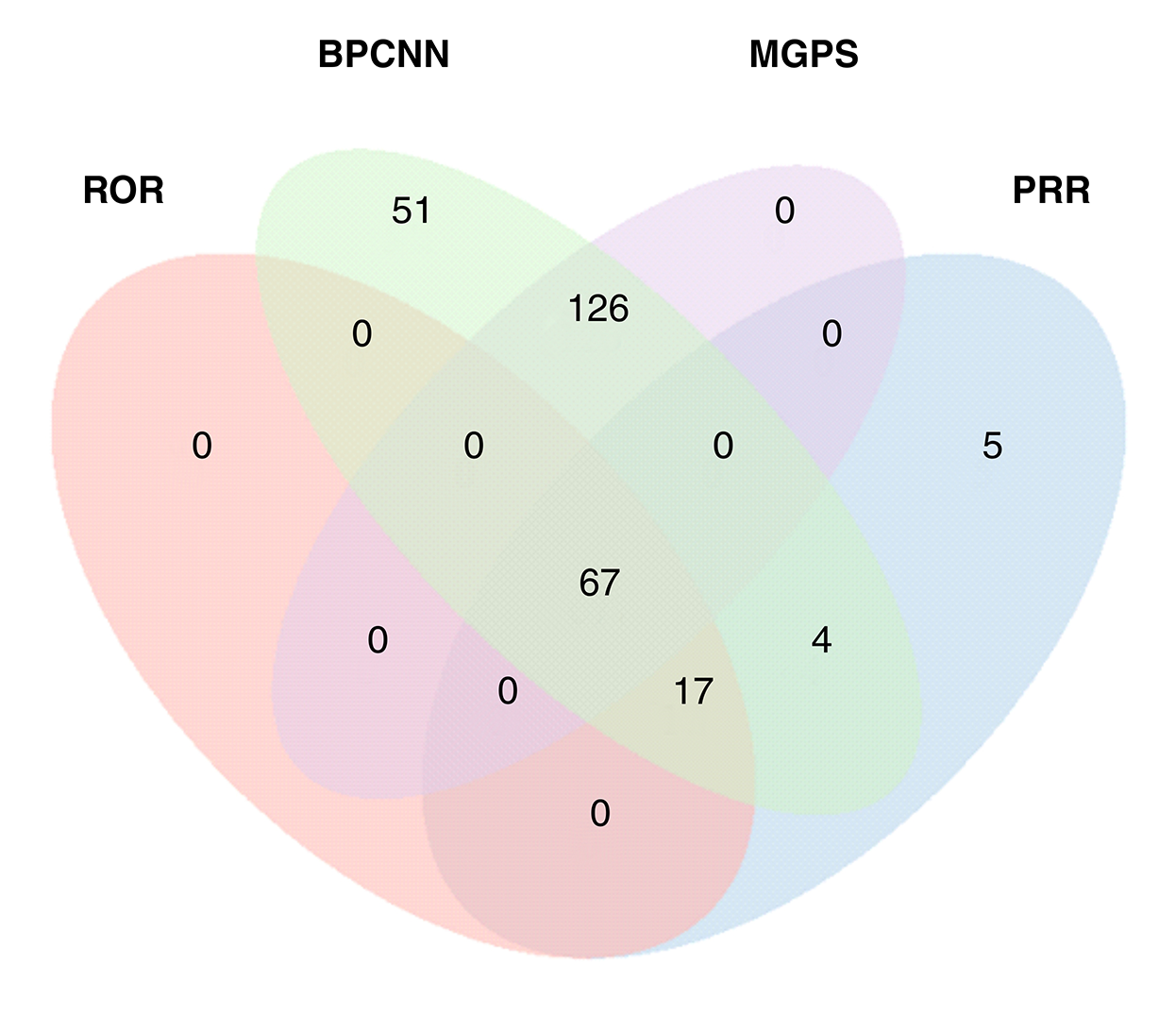
Methods: The database was used to collect data on fluvoxamine-related adverse drug events from the first quarter of 2004 to the third quarter of 2024. Disproportionality analyses were performed using the reporting odds ratio, proportional reporting ratio, Bayesian confidence propagation neural network, and empirical Bayes geometric mean methods.
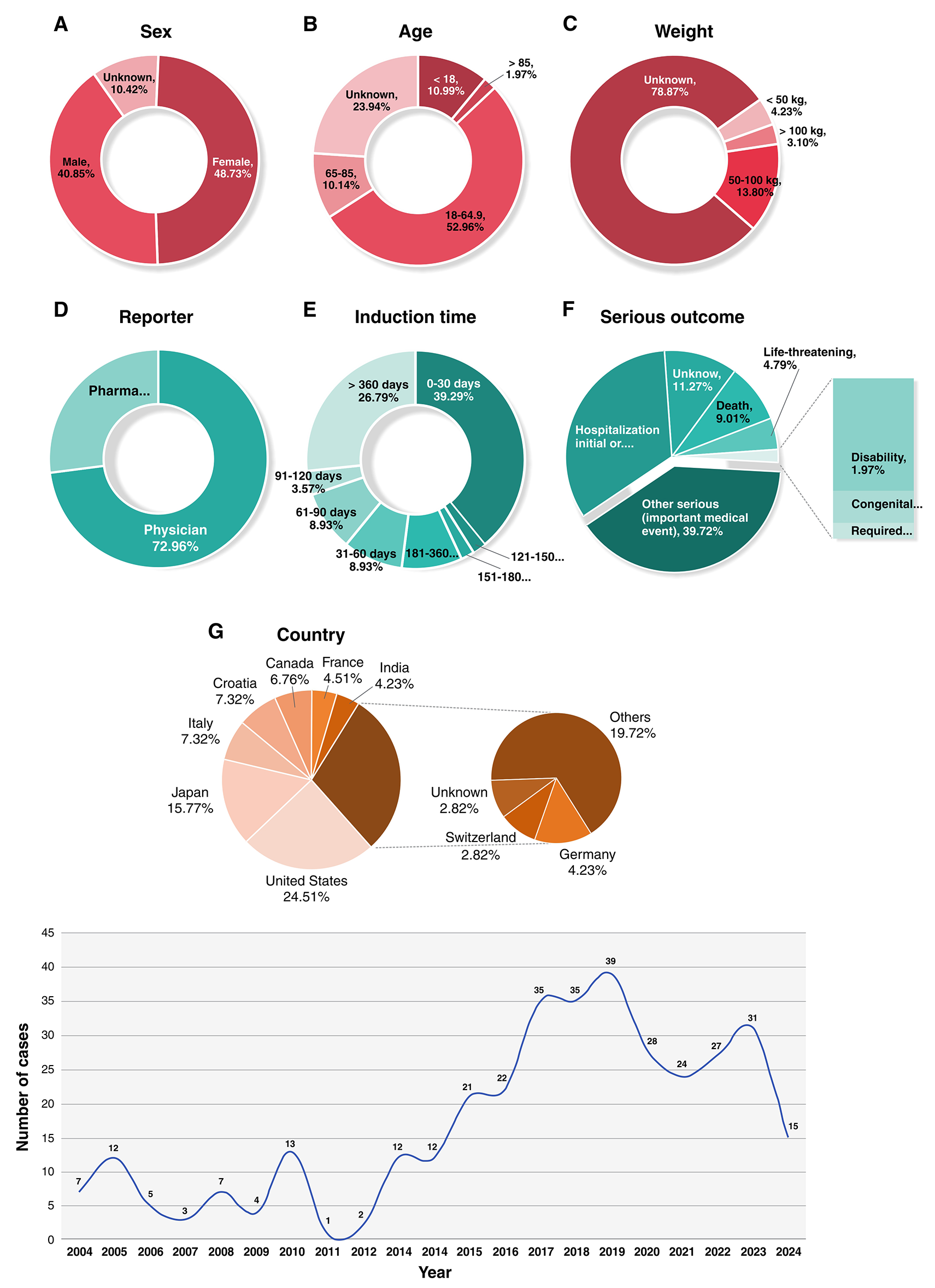
Results: A total of 355 fluvoxamine-related adverse drug event reports were identified, spanning 26 different system organ classes and 67 preferred terms. Psychiatric disorders were the most frequently reported adverse drug events. Notably, signals for reproductive system and breast disorders, cardiac disorders, and eye disorders were stronger but were unrelated to the pharmacological properties of fluvoxamine, thus warranting special clinical attention. Disinhibition had the highest signal strength and requires vigilance. A considerable number of drug interactions were noted, leading to increased antipsychotic drug levels and extrapyramidal symptoms, such as slow speech, drooling, and tardive dyskinesia. Self-harm and suicidal behavior require appropriate clinical risk management. Additionally, significant symptoms of serotonin syndrome were observed, including tics, clonus, mydriasis, and myoclonus. Our study also discovered adverse drug events not previously documented in product labels, such as Cushing’s syndrome, papilledema, and increased intracranial pressure.
Conclusion: This study provides a real-world pharmacovigilance analysis of fluvoxamine, identifying several rare adverse drug events and clinically significant symptoms, particularly neuroleptic malignant syndrome and serotonin syndrome. Our study offers important insights for the clinical safety assessment of fluvoxamine.
Keywords:
Fluvoxamine; FAERS; adverse drug events
 Thumbnail
 Thumbnail