
 Performance, intestinal development and cecal microbial composition in laying hens fed different fiber sources
ABSTRACT
Laying hens’ gut health and microbiota are directly linked to their productivity, egg quality, and overall welfare. This study evaluated the impact of different fiber sources on the performance Dekalb laying hens (63 to 71 weeks of age) and egg quality at 67 and 71 weeks. At the end of the trial (71 weeks), organ development was assessed, and the cecal microbiota was characterized using 16S rRNA sequencing. Birds were divided into four groups: a diet with elephant grass (Pennisetum purpureum Schum), a diet with commercial insoluble fiber, a control diet without added fiber, and a diet with soybean hulls, with five replicates of 26 hens each. Fiber inclusion did not affect egg production, egg mass, feed conversion per dozen or per egg box, or eggshell quality (P>0.05). However, hens fed elephant grass had higher final body weight (P≤0.05), while soybean hulls improved feed conversion, reduced costs, and increased egg weight in the first evaluation (67 weeks; P≤0.05). Additionally, diets with soybean hulls led to a higher yolk percentage but a lower albumen percentage (P≤0.05). Beta diversity analysis revealed greater bacterial diversity in hens fed elephant grass compared with those in the control and soybean hull groups (P≤0.05). Soybean hulls increased the abundance of the Selenomonadaceae family, while elephant grass favored the genera Bacteroides, Megamonas, and the species Faecalibacterium prausnitzii. These findings indicate that elephant grass, soybean hulls, and commercial insoluble fiber are viable alternatives in layer hen diets to improve microbial diversity and gut health in poultry, with soybean hulls standing out as a cost-effective option for maintaining performance and egg quality.
Keywords
16S rRNA; bacterial diversity; commercial insoluble fiber; elephant grass; gut health; soybean hulls
1. Introduction
Various types of fiber derived from agricultural by-products have been tested as feed ingredients in laying hen nutrition to adjust the dietary energy density, increase dietary neutral detergent fiber (NDF) content, and consequently reduce costs (Mateos et al., 2012; Rodríguez et al., 2012; Sousa et al., 2019; Andrade et al., 2022; Sousa et al., 2025). The wide variety of fiber options, along with differences in their physicochemical composition and solubility, are factors that alter the positive effects on the production of volatile fatty acids, gut health, and the microbiological diversity of the intestine, making it difficult to determine the best option for improving performance (Singh and Kim, 2021; Sousa et al., 2025).
These alternative fiber sources should be free of soluble fractions, as these can reduce nutrient absorption. In addition, they must avoid antinutritional factors that encapsulate nutrients within cell walls and should be sufficiently efficient to replace wheat bran, which is commonly used as a fiber source but often has higher production costs due to the challenges of cultivation in tropical climates (Giroto, 2008). The experimental fibers used in this study, which are commercially available in Brazil and have a low acquisition cost, are primarily composed of soluble non-starch polysaccharides (NSP). Due to their physicochemical properties, NSP reduce reduce gastrointestinal content retention time and limit nutrient absorption, consequently decreasing the utilization of dietary nutrients (Montagne et al., 2003; Choct et al., 2010).
Besides affecting digestive physiology, fibers have a high capacity to positively influence gut development and health by preventing the adhesion of pathogenic bacterial populations to the epithelial mucosa (Jha et al., 2019). Other mechanisms through which fibers positively influence the intestine include increasing the population of bacteria responsible for polysaccharides breakdown and short-chain fatty acid production, which provide energy to colonocytes and stimulate cell proliferation (Garcia et al., 2012; Glowacki and Martens, 2021; Sousa et al., 2025).
While laying hens are crucial for global food production due to their efficient conversion of feed into a low-cost protein source (Barbosa et al., 2025), a significant challenge remains: identifying alternative fiber sources to replace costly ingredients like corn or wheat (Shuaib et al., 2022). Although this issue affects poultry production globally, the present study specifically addresses regional constraints by evaluating locally sourced fiber alternatives available in Brazil.
Existing physiological and microbiota studies offer no clear consensus on which fiber options can reduce costs while maintaining or even improving performance (Jha et al., 2019; Sousa et al., 2019). Since a laying hens’ gut health and microbiota are directly linked to their productivity, egg quality, and overall welfare, a deeper investigation was warranted (Guo et al., 2022). Therefore, the objective of this study was to evaluate the influence of including various fiber sources in the diets of commercial laying hens (63 to 71 weeks of age) on key parameters, including performance, egg quality, intestinal morphology, and cecal microbiota.
2. Material and methods
The current experimental protocol was approved by the Ethical Principles in Animal Experimentation Committee under protocol Nº 048/2023. The laying hens were reared at the Experimental Center of the company Mantiqueira Brasil, located in the city of Primavera do Leste, Mato Grosso, Brazil (20° 04' 13" S, 44° 18' 06" W). The bacteria isolated and identified in this study were registered in the National System for the Management of Genetic Heritage and Associated Traditional Knowledge (SisGen) under protocol number A2B7C2E.
2.1. Experimental design, treatments and management
The experimental design was completely randomized and consisted of four treatments: elephant grass (EG), commercial insoluble fiber (IF) containing cellulose, control (CO), and soybean hull (SH). The study included five replicates of 26 birds per experimental unit. A total of 520 Dekalb White laying hens, aged 63 to 71 weeks, were used. The laying hens were housed in 20 identical cages (50 × 44 × 40 cm), each containing 13 birds, resulting in a stocking density of 370 cm2/bird. Each cage was equipped with trough feeders and nipple drinkers. The laying hens received a lighting program of 16L:8D per day during the entire experiment. Feed and water were provided ad libitum. Prior to the experimental period (63 to 71 weeks), the hens underwent a 15-d adaptation period to the diet and the poultry house facilities.
All experimental diets were formulated based on corn and soybean meal, following the nutritional recommendations for light laying hens established by Rostagno et al. (2017). The treatments were defined according to the type of fiber included in the diet: a diet with elephant grass (Pennisetum purpureum Schum) cultivar BRS Capiaçu, a diet with a commercial insoluble fiber (containing cellulose), a corn–soybean meal control diet without added fiber, and a diet with soybean hulls (Table 1). The inclusion levels of each fiber source were determined based on a literature review focused on fiber use in poultry nutrition (Sousa et al., 2019; Hou et al., 2020; Andrade et al., 2022; Sousa et al., 2025).
The elephant grass was manually cut when it reached 120 d of regrowth, with a total of approximately 500 kg harvested. The grass was then shredded and moved to a drying area, where it was left for 15 d, turned daily. After drying, the grass was ground to an approximate size of 3 mm and incorporated into the other feed ingredients.
To update the feed cost from the first quarter of 2023, when the cost data were originally collected from suppliers in Minas Gerais, Brazil, to 2025, the year of publication, the following two-step procedure was applied. First, the original BRL costs were converted to U.S. Dollars (USD 2023) using the average 2023 exchange rate (BRL 4.96/USD 1). Second, the converted USD 2023 values were adjusted to account for general inflationary effects over the period by applying the accumulated variation of the Consumer Price Index (IPCA), providing a reliable estimate of the adjusted USD 2025 cost. This methodology ensures cost comparability across different time periods and allows for broader international comparisons.
2.2. Performance and egg quality
Egg production was recorded daily to calculate the average laying rate (%) during the experimental period (63 to 71 weeks). The laying rate was determined by dividing the number of eggs collected daily by the total number of hens in the respective replicate/group, multiplied by 100. The amount of feed offered and the leftovers for each replicate were weighed weekly to determine feed intake and feed conversion ratio. Mortality was recorded daily to obtain the viability percentage and the number of eggs produced per hen. Egg weights were recorded weekly, with all eggs from each replicate being weighed. This allowed for the calculation of both egg weight and feed conversion per egg mass produced. At the end of the experimental period, feed conversion per egg carton (360 eggs) and feed cost were determined.
At 67 and 71 weeks of age, 30 eggs from each treatment were analyzed to determine the percentage of yolk, shell, and albumen, shell thickness, Haugh unit, shell strength, and yolk coloration. Shell thickness was measured using a Digimess digital micrometer (Digimess, São Paulo, Brazil), with 0.001 mm precision. Measurements were taken at three distinct points on the eggshell (apical, equatorial, and basal regions). The result was the average of the three measurements, expressed in millimeters.
The Haugh unit was calculated using the egg weight and albumen height and according to the formula: , where h = albumen height and W = egg weight (Brant et al., 1951). To assess shell strength, compression fracture testing was performed using the Brü̈ring fast-egg-shell-tester (Bröring Technology GmbH®, Oldenburg, Germany). The whole egg was placed longitudinally on a metal ring (5 cm in diameter) inside a porcelain crucible. The shell was pressed until fracture occurred. Yolk coloration was determined using yolks from the eggs used to measure the proportions of egg components, Haugh unit, and shell thickness.
The DSM Yolk Color Fan (2005 - HMB 51548, DSM-Firmenich, Maastricht, The Netherlands) color chart was used, and the yolk color was immediately compared to the closest color on the palette, which ranges from 1 to 15. These evaluations were made by the same person, in the same location, to avoid variation, especially since this is a subjective analysis. At the beginning and at the end of the experimental period, all birds were weighed to assess weight gain.
2.3. Digestive organs development
At the end of the experimental period (71 weeks of age), one laying hen per replicate (selected from within a ±10% range of the replicate’s average weight) was euthanized by cervical dislocation for intestinal morphology and cecal microbiota analyses. For the intestinal morphology data, the birds’ gastrointestinal tracts were removed and evaluated by weighing the gizzard (after cleaning and removing all residual feed), measuring the intestinal length, and then dissecting the intestine. The duodenum, jejunum, and ileum were separated to analyze villus height and crypt depth. A total of 20 samples were collected from each segment per treatment, resulting in 60 samples per treatment. These intestinal fragments, each approximately three centimeters in length, were fixed in a 10% formalin solution and sent to the laboratory for analysis. Cross sections (5 mm thick) of each intestinal segment were processed in low-melt paraffin and stained with hematoxylin and eosin (Adibmoradi et al., 2006). The morphological indices evaluated were villus height from the tip of the villus to the crypt, crypt depth from the base of the villi to the submucosa (Zang et al., 2009).
2.4. Cecal microbiota analyses
The cecal contents from these same laying hens used for digestive organs development were collected for cecal microbiota analyses, resulting in a total of 20 samples. The samples were collected aseptically and stored in tubes containing a RNAlater. DNA was extracted using the commercial kit ZR Fecal DNA MiniPrep (Zymo Research, Irvine, California, USA) following the manufacturer’s protocol and quantified by spectrophotometry at 260 nm. To assess DNA integrity, all samples were run on a 1% agarose gel.
For microbiota analyses, a segment of approximately 460 bp from the V3-V4 hypervariable region of the 16S RRNA gene was amplified using universal primers under the following PCR conditions: 95 °C for 3 min; 25 cycles of 95 °C for 30 s, 55 °C for 30 s, and 72 °C for 30 s; with a final extension at 72 °C for 5 min. From these amplicons, a metagenomic library was constructed using the Nextera DNA Library Preparation Kit (Illumina®, San Diego, CA, USA). The amplicons were pooled and subsequently sequenced on the Illumina® MiSeq platform (Degnan and Ochman, 2012).
The reads obtained were analyzed using only the forward strand on the QIIME2 platform (Quantitative Insights into Microbial Ecology) (Caporaso et al., 2011). The analysis workflow included the removal of low-quality sequences, filtering, chimera removal, and taxonomic classification. Sequences were classified into bacterial genera by identifying Amplicon Sequence Variants (ASVs), which are based on sequence homology by comparison against a reference database. For sequence comparison, the 2021 update (GTDB 202) of the Genome Taxonomy Database (Chaumeil et al., 2022) was used. To standardize the data and ensure comparability among samples, 20,239 reads per sample were used for ASV-based classification, resulting in the analysis of 20 samples.
2.5. Statistical analyses
The experimental design was completely randomized, comprising four treatments with five replicates of 26 birds each per experimental unit for performance evaluation. For morphological analysis, one bird per replicate was used, totaling 20 birds per treatment. For egg quality analysis, 30 eggs per treatment were used, with each egg considered as a replicate.
All data were analyzed using the following fixed effect model:
in which Y is the response variable, μ is the overall mean, Ti is the fixed effect of treatment (i = elephant grass, commercial insoluble fiber, control and soybean hulls), and e is the residual error.
Means were subjected to ANOVA, and when significant, means were compared using Tukey’s test (P≤0.05). The exception was the beta diversity analysis and yolk color at 67 and 71 weeks, these data did not meet the normality assumption and were therefore analyzed using the Kruskal-Wallis test and Dunn’s post hoc test (P≤0.05). All analysis were evaluated using R software.
For the microbiota analysis, the statistical comparison of alpha diversity for each group was performed using the non-parametric Kruskal-Wallis test followed by Dunn’s post hoc test, considering results with P≤0.05. Beta diversity analyses were conducted using PERMANOVA within the QIIME2 pipeline, employing 10,000 permutations. All figures and statistical analyses were generated using R. Alpha diversity metrics were calculated using the “phyloseq” (McMurdie and Holmes, 2013), “vegan” (Oksanen et al., 2015), and “Microbiome” (Lahti and Shetty, 2018) libraries. Differences in the relative abundances of taxa among groups were assessed using the Kruskal-Wallis test and Dunn’s post hoc test (P≤0.05).
3. Results
3.1. Performance and egg quality
The initial body weights of the layers were similar across all treatments (P>0.05), confirming the uniformity of the birds at the start of the experimental period (Table 2). At the end of the experiment, final body weight showed a significant difference. Hens fed elephant grass had a higher final weight than those fed insoluble fiber (P≤0.05). The final weights of the control and soybean hulls groups were similar to those of all other treatments (P>0.05). For weight gain between 63 and 71 weeks, no significant differences were observed among any the treatments (P>0.05; Table 2).
Treatments did not affect egg production, feed intake, egg weight, or egg mass from 61 to 73 weeks (P>0.05; Table 3). Laying hens fed soybean hulls exhibited a lower feed conversion per kilogram compared to those in the other treatments (P≤0.05). Similarly, laying hens fed soybean hulls achieved a lower feed conversion ratio compared to birds fed the control diet or commercial insoluble fiber (P≤0.05), while those fed elephant grass showed similar results to the other treatments (P>0.05). Moreover, the fiber source impacted feed cost, with the soybean hull diet resulting in a lower feed cost compared to the insoluble fiber and control treatments (P≤0.05); diets with elephant grass and the control treatment showed no significant differences between them (P>0.05). There was no effect of the fiber source on laying hens’ viability (P>0.05; Table 3).
In the initial egg quality evaluation at 67 weeks, laying hens fed soybean hulls produced significantly heavier eggs than those fed elephant grass or insoluble fiber (P≤0.05). No differences were observed among treatments for yolk, albumen, and shell percentages, yolk color, Haugh units, shell strength, or shell thickness (P>0.05; Table 4).
At 71 weeks, laying hens that received soybean hull or control diets produced heavier eggs than those on the commercial insoluble fiber diet (P≤0.05), while the elephant grass group was similar to the other groups (P>0.05; Table 5).
Additionally, hens fed soybean hulls exhibited a higher yolk percentage and a lower albumen percentage compared to the other treatments (P≤0.05). All other treatments were similar to each other for both yolk and albumen percentages (P>0.05). Yolk color, Haugh units, shell strength, and shell thickness remained unaffected by any of the treatments (P>0.05;Table 5).
3.2. Organ development and intestinal morphology
Laying hens fed commercial insoluble fiber exhibited a longer ileum compared to those on the control diet and soybean hull diet (P≤0.05), while laying hens fed elephant grass showed ileum lengths similar to those of the other treatments (P>0.05). No significant differences were observed among the treatments for total intestinal length, duodenum and jejunum lengths, or gizzard relative weight (P>0.05; Table 6).
Laying hens fed commercial insoluble fiber had the greatest duodenal villus height, while those fed elephant grass had the lowest (P≤0.05), the control and soybean hull groups showed similar results to each other and to the other treatments (P>0.05). No significant effects were observed for duodenal villus width (P>0.05; Table 7).
For the duodenal crypt diameter, laying hens fed elephant grass exhibited greater values compared with those fed commercial insoluble fiber (P≤0.05), while the control and soybean hull groups showed similar results to the other groups (P>0.05). Additionally, laying hens on the control and insoluble fiber diets had thicker duodenal walls than those fed elephant grass (P≤0.05; Table 7).
No significant differences were observed in the jejunal villus height, villus width, crypt diameter, or wall thickness (P>0.05). For the ileum villi, laying hens fed soybean hulls exhibited greater villus width than the control group (P≤0.05), while the elephant grass and insoluble fiber groups displayed similar values to the other treatments (P>0.05). No significant effects were observed for ileal villus height, ileal crypt diameter, and in the ileal wall thickness (P>0.05; Table 7).
3.3. Cecal microbiota analysis
No significant differences were observed among treatments across multiple alpha diversity indices (Shannon, Pielou’s Evenness, Simpson, Fisher, observed OTUs, and Chao1) (P>0.05; Figure 1). Beta diversity was evaluated using Bray-Curtis, Jaccard, UniFrac, and weighted UniFrac metrics. The elephant grass treatment was significantly higher than both the control and soybean hull groups based on Bray-Curtis distances (P = 0.03), and from the soybean hull group when assessed by weighted UniFrac (Figure 2). In contrast, no significant differences were detected with the Jaccard and unweighted UniFrac metrics (P>0.05; Figure 2).
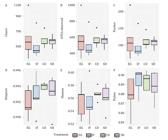
Alpha-diversity estimated by the parameters Chao1 (A), Observed OTUs (B), Fisher Index (C), Simpson Index (D), Shannon (E), and Evenness (F).
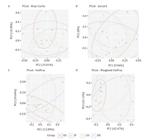
Beta diversity estimated by the parameters Bray-Curtis (A), Jaccard (B), UniFrac (C), and Weighted UniFrac (D).
The genera Phocaeicola, Faecalibacterium, Bacteroides, Olsenella, and Lawsonibacter were dominant (Figure 3), while at the species level, Phocaeicola sp900066445, Faecalibacterium sp002160895, Bacteroides sp002160055, Olsenella sp002159625, and Phocaeicola salanitronis were most abundant (Figure 4).
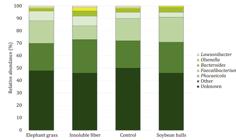
Effects of dietary fiber source on relative abundance of genera detected in cecum contend of laying hens.

Effects of dietary fiber source on relative abundance of species detected in cecum contend of laying hens.
Statistical analyses (Kruskal-Wallis with Dunn’s post hoc test, P≤0.05) revealed specific differences in the relative abundance of certain taxa. At the genus level, Bacteroides and Megamonas showed higher abundance in the elephant grass treatment compared to the soybean hull and commercial insoluble fiber treatments (P≤0.05), but not compared to the control (P>0.05; Figure 5). At the species level, Faecalibacterium prausnitzii showed higher abundance in the elephant grass group compared with the soybean hull treatment (P≤0.05), and Megamonas funiformis showed higher abundance in the elephant grass treatment compared with both the soybean hull and commercial insoluble fiber treatments (P≤0.05), but not compared with the control (P>0.05; Figure 6).
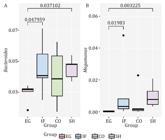
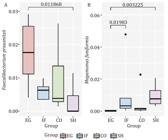
Differential abundance for the species Faecalibacterium prausnitzii (A) and Megamonas funiformis (B).
4. Discussion
The present study demonstrated that including up to 2% of fiber sources: elephant grass, soybean hulls, and commercial insoluble fiber, in laying hen diets did not adversely affect performance parameters, such as egg production, eggs per housed hen, egg weight, egg mass, viability, or most egg quality indices. In fact, soybean hulls improved feed conversion efficiency, which may be associated with their relatively higher protein content. This fiber source, along with elephant grass, enhanced cecal microbiota diversity, promoting beneficial bacteria such as Bacteroides and Faecalibacterium prausnitzii. These microbiota shifts may contribute to improved nutrient utilization, intestinal health, and immune modulation, providing further support for incorporating diverse fiber sources in layer nutrition (Oakley et al., 2014).
Moreover, laying hens fed diets containing elephant grass achieved a higher final body weight compared to those receiving commercial fiber sources. The improved performance of the elephant grass group is likely due to its predominantly insoluble fiber, which may have stimulated endogenous enzyme production, thereby improving nutrient digestion and absorption. This finding aligns with other studies on dietary fiber in poultry, for instance, Panaiite et al. (2016) found that supplementing broilers with 8% pelleted alfalfa increased their live weights. Similarly, Yokhana et al. (2016) and Sozcu et al. (2020) also reported improvements in body weight and feed efficiency with the inclusion of lignocellulose at moderate levels (1-2%).
However, weight gain in laying hens can be detrimental, as a positive energy balance may disrupt the finely coordinated processes of egg formation, potentially leading to reproductive dysfunctions such as expanded ovarian hierarchies and hyperovulation (Walzem and Chen, 2014). Taken together, these findings suggest that moderate fiber inclusion is ideal for supporting performance while avoiding profound negative effects on reproductive physiology.
Concerning production parameters, feed intake and egg quality traits (e.g., egg weight, egg mass), were largely unaffected by the fiber sources. This is consistent with Sousa et al. (2019), who observed that reductions in dietary energy via fiber inclusion did not compromise laying performance. However, soybean hulls yielded better feed conversion per kilogram and per egg carton, as well as the most favorable feed cost. Although all diets were formulated to be isonutritive, the soybean hull diet exhibited higher crude protein levels upon bromatological analysis, which may partly explain its enhanced conversion efficiency. In contrast, the other diets performed the poorest in this regard.
Regarding viability, it was not significantly influenced by the dietary treatments. Nevertheless, fiber inclusion has been linked in other studies to improved welfare and reduced cannibalism, likely due to prolonged feeding time and decreased pecking behavior (Hartini et al., 2002), although Sousa et al. (2019) have noted adverse effects on viability with certain fiber sources, specifically a 2.78% reduction in viability with the use of soybean hulls at a 5% inclusion level.
In the first assessment, hens fed soybean hulls produced heavier eggs, while in the second evaluation, both the soybean hull and control diets yielded superior egg weights. Additionally, at 71 weeks of age, the soybean hull treatment was associated with a higher yolk percentage but a lower albumen percentage. This change in albumen percentage may be influenced by various factors, such as pH, storage time, and the integrity of ovomucin bonds (Silversides and Budgell, 2004). However, as these specific parameters were not evaluated in the present study, it is not possible to definitively attribute the observed differences to any single factor. Other egg quality parameters, including shell percentage, shell thickness, shell strength, Haugh unit, yolk color, and specific gravity, remained unaffected.
It is noteworthy that the second egg weight recording, which showed no significant treatment differences, provides a more reliable indicator of overall performance than isolated assessments. While this long-term trend remained unaffected, point-in-time assessments revealed specific, temporal effects. For instance, in the first assessment, hens fed soybean hulls produced heavier eggs, a finding that may be associated with the diet’s high protein levels (Leeson and Summers, 2005).
These observations demonstrate that certain fiber sources can induce minor and temporary shifts in performance at specific times during the production cycle, even if the overall long-term trend remains unchanged.
In line with this, Andrade et al. (2022) who used up to 2.5% wheat bran in diet formulation, also found no negative changes in the internal and external quality of eggs. These results reinforce that this inclusion level may represent an upper limit, and that fiber appears to have little influence on these parameters at moderate inclusion rates. It is noteworthy that weekly egg weight recordings, which showed no significant treatment differences, may provide a more reliable indicator of overall performance than isolated quality assessments.
Regarding intestinal morphology, the low inclusion level of fiber (2%) generally did not produce marked changes in the overall gastrointestinal structure. Although hens fed commercial fiber exhibited a longer ileum than those on the control or soybean hull diets, and subtle differences were noted in duodenal villus height and crypt diameter among treatments, these effects were limited in magnitude. The minimal morphological alterations suggest that at low inclusion rates, fiber does not detrimentally affect gut structure, a finding that aligns with previous work by Sittiya et al. (2019), who observed significant morphological changes only at higher fiber inclusion levels.
The cecal microbiota analysis revealed that overall alpha diversity (assessed via Shannon, Pielou’s Evenness, Simpson, Fisher, observed OTUs, and Chao1 indices) remained stable across treatments, indicating that fiber inclusion did not affect microbial richness or evenness. Furthermore, weighted UniFrac metrics revealed significant differences between the elephant grass and soybean hull treatments, suggesting that specific fiber sources modulate the cecal microbiota structure. This distinction highlights the potential of the soybean hull treatment to increase the abundance of butyrate-producing bacteria, which have been associated with improved growth performance and intestinal health (Leung et al., 2018; Liu et al., 2021).
Taxonomic profiling showed an increase in beneficial bacteria in some diets, particularly in hens fed elephant grass, which exhibited a higher relative abundance of the genera Bacteroides and Megamonas, as well as an increased proportion of Faecalibacterium prausnitzii a butyrate-producing bacterium known to enhance intestinal blood flow, mucosal production, and epithelial cell proliferation (Hou et al., 2020; Sousa et al., 2025). These microbiota shifts, while subtle, may have functional implications for nutrient digestion and immune modulation. In line with Hou et al. (2020), our results suggest that dietary fiber can enhance the diversity and abundance of beneficial bacterial taxa in the ceca, which could contribute to improved gut health and nutrient utilization.
The superior cost-benefit ratio of the soybean hull-based diet, as observed, provides a compelling economic argument for its use. However, a key practical implication of this work is the potential for price volatility of feed ingredients, which can fluctuate significantly based on global market conditions, regional availability, and seasonality. Therefore, while the favorable market prices at the time of this study likely contributed to the exceptional economic outcome, the ultimate decision on diet formulation should be based on a comprehensive evaluation that also considers animal performance and intestinal health.
5. Conclusions
The inclusion of up to 2% of fiber sources in laying hen diets did not negatively impact essential performance parameters. Moreover, it was associated with notable changes in gut health as fiber sources positively influenced the cecal microbiota, with elephant grass being associated with an increased relative abundance of beneficial bacteria such as Bacteroides and Faecalibacterium prausnitzii, which are commonly associated with improved nutrient digestion and intestinal function.
Furthermore, soybean hulls stood out as a cost-effective option for maintaining performance and egg quality. These results highlight the potential of these fiber sources to improve microbial diversity and gut health in poultry, without compromising production and at a reasonable cost.
Acknowledgments
The authors acknowledge the assistance Postgraduate Program in Animal Science at the Universidade Federal de Minas Gerais and the Conselho Nacional de Desenvolvimento Científico e Tecnológico - Brazil (CNPq) for scholarships program. We also wish to acknowledge Mantiqueira Brasil for supporting the research.
References
-
Adibmoradi, M.; Navidshad, B.; Seifdavati, J. and Royan, M. 2006. Effect of dietary garlic meal on histological structure of small intestine in broiler chickens. Journal of Poultry Science 43:378-383. https://doi.org/10.2141/jpsa.43.378
» https://doi.org/10.2141/jpsa.43.378 - Andrade, P. G. C. D.; Mendonça, M. A. F.; Cruz, F. G. G.; Rufino, J. P. F.; Silva, F. M. F. and Reis, L. A. 2022. Effects of dietary fiber on performance and egg quality of laying hens at pre-laying and laying peak. Acta Scientiarum. Animal Sciences 45:e57534.
-
Barbosa, H. J. S.; Pimenta, J. G. F.; Abreu, A. R. C.; Saldanha, M. M.; Triginelli, M. V.; Costa, B. T. A.; Lobato, H. C.; Garcia, S. K.; Araújo, I. C. S. and Lara, L. J. C. 2025. Beak trimming using infrared, hot blade straight cut, and hot blade V-cut on laying hen production. Revista Brasileira de Zootecnia 54:e20240140. https://doi.org/10.37496/rbz5420240140
» https://doi.org/10.37496/rbz5420240140 - Brant, A. W. 1951. Recommended standards for scoring and measuring opened egg quality. Food Technology 5:356-361.
-
Caporaso, J. G.; Lauber, C. L.; Costello, E. K.; Berg-Lyons, D.; Gonzalez, A.; Stombaugh, J.; Knights, D.; Gajer, P.; Ravel, J.; Fierer, N.; Gordon, J. I. and Knight, R. 2011. Moving pictures of the human microbiome. Genome Biology 12:R50. https://doi.org/10.1186/gb-2011-12-5-r50
» https://doi.org/10.1186/gb-2011-12-5-r50 -
Chaumeil, P. A.; Mussig, A. J.; Hugenholtz, P. and Parks, D. H. 2022. GTDB-Tk v2: memory friendly classification with the genome taxonomy database. Bioinformatics 38:5315-5316. https://doi.org/10.1093/bioinformatics/btac672
» https://doi.org/10.1093/bioinformatics/btac672 -
Choct, M.; Dersjant-Li, Y.; McLeish, J. and Peisker, M. 2010. Soy oligosaccharides and soluble non-starch polysaccharides: a review of digestion, nutritive and anti-nutritive effects in pigs and poultry. Asian-Australasian Journal of Animal Sciences 23:1386-1398. https://doi.org/10.5713/ajas.2010.90222
» https://doi.org/10.5713/ajas.2010.90222 -
Degnan, P. H. and Ochman, H. 2012. Illumina-based analysis of microbial community diversity. The ISME Journal 6:183-194. https://doi.org/10.1038/ismej.2011.74
» https://doi.org/10.1038/ismej.2011.74 -
Garcia, G. D.; Carvalho, M. A. R.; Diniz, C. G.; Marques, J. L.; Nicoli, J. R. and Farias, L. M. 2012. Isolation, identification and antimicrobial susceptibility of Bacteroides fragilis group strains recovered from broiler faeces. British Poultry Science 53:71-76. https://doi.org/10.1080/00071668.2012.662272
» https://doi.org/10.1080/00071668.2012.662272 - Giroto, F. G. 2008. Custo de produção de ovos. Documentos, 127. Embrapa Aves e Suínos, Concórdia.
-
Glowacki, R. W. P. and Martens, E. C. 2021. If you eat it or secrete it, they will grow: the expanding list of nutrients utilized by human gut bacteria. Journal of Bacteriology 203:e00481-20. https://doi.org/10.1128/jb.00481-20
» https://doi.org/10.1128/jb.00481-20 -
Guo, W.; Xu, L. N.; Guo, X. J.; Wang, W.; Hao, Q. H.; Wang, S. Y. and Zhu, B. C. 2022. The impacts of fermented feed on laying performance, egg quality, immune function, intestinal morphology and microbiota of laying hens in the late laying cycle. Animal 16:100676. https://doi.org/10.1016/j.animal.2022.100676
» https://doi.org/10.1016/j.animal.2022.100676 -
Hartini, S.; Choct, M.; Hinch, G.; Kocher, A. and Nolan, J. V. 2002. Effects of light intensity during rearing and beak trimming and dietary fiber sources on mortality, egg production, and performance of ISA brown laying hens. Journal of Applied Poultry Research 11:104-110. https://doi.org/10.1093/japr/11.1.104
» https://doi.org/10.1093/japr/11.1.104 -
Hou, L.; Sun, B. and Yang, Y. 2020. Effects of added dietary fiber and rearing system on the gut microbial diversity and gut health of chickens. Animals 10:107. https://doi.org/10.3390/ani10010107
» https://doi.org/10.3390/ani10010107 -
Jha, R.; Fouhse, J. M.; Tiwari, U. P.; Li, L. and Willing, B. P. 2019. Dietary fiber and intestinal health of monogastric animals. Frontiers in Veterinary Science 6:48. https://doi.org/10.3389/fvets.2019.00048
» https://doi.org/10.3389/fvets.2019.00048 -
Lahti, L. and Shetty, S. 2018. Introduction to the microbiome R package. Available at: <https://microbiome.github.io/ tutorials>. Accessed on: Mar. 28, 2025.
» https://microbiome.github.io/ tutorials - Leeson, S. and Summers, J. D. 2005. Commercial poultry nutrition. 3rd ed. Nottingham University Press, Nottingham.
-
Leung, H.; Arrazola, A.; Torrey, S. and Kiarie, E. 2018. Utilization of soy hulls, oat hulls, and flax meal fiber in adult broiler breeder hens. Poultry Science 97:1368-1372. https://doi.org/10.3382/ps/pex434
» https://doi.org/10.3382/ps/pex434 -
Liu, Y.; Feng, J.; Wang, Y.; Lv, J.; Li, J.; Guo, L. and Min, Y. 2021. Fermented corn-soybean meal mixed feed modulates intestinal morphology, barrier functions and cecal microbiota in laying hens. Animals 11:3059. https://doi.org/10.3390/ani11113059
» https://doi.org/10.3390/ani11113059 -
Mateos, G. G.; Jiménez-Moreno, E.; Serrano, M. P. and Lázaro, R. P. 2012. Poultry response to high levels of dietary fiber sources varying in physical and chemical characteristics. Journal of Applied Poultry Research 21:156-174. https://doi.org/10.3382/japr.2011-00477
» https://doi.org/10.3382/japr.2011-00477 -
McMurdie, P. J. and Holmes, S. 2013. phyloseq: An R package for reproducible interactive analysis and graphics of microbiome census data. PLoS ONE 8:e61217. https://doi.org/10.1371/journal.pone.0061217
» https://doi.org/10.1371/journal.pone.0061217 -
Montagne, L.; Pluske, J. R. and Hampson, D. J. 2003. A review of interactions between dietary fiber and the intestinal mucosa and their consequences on digestive health in young non-ruminant animals. Animal Feed Science and Technology 108:95-117. https://doi.org/10.1016/S0377-8401 (03)00163-9
» https://doi.org/10.1016/S0377-8401 (03)00163-9 -
Oakley, B. B.; Lillehoj, H. S.; Kogut, M. H.; Kim, W. K.; Maurer, J. J; Pedroso, A.; Lee, M. D.; Collett, S. R.; Johnson, T. J. and Cox, N. A. 2014. The gastrointestinal microbiome of chickens. FEMS Microbiology Letters 360:100-112. https://doi.org/10.1111/1574-6968.12608
» https://doi.org/10.1111/1574-6968.12608 - Oksanen, J.; Blanchet, F. G.; Friendly, M.; Kindt, R.; Legendre, P.; McGlinn, D.; Minchin, P. R.; O'Hara, R. B.; Simpson, G. L.; Solymos, P.; Stevens, M. H. H.; Szoecs, E. and Wagner, H. 2015. vegan: Community Ecology Package. R Foundation for Statistical Computing, Vienna, Austria.
- Panaite, C. V.; Criste, R. D.; Dragotoiu, D.; Panaite, T. D. and Olteanu, M. 2016. Effect of crude fibre concentration in pullet diets (9-16 weeks) on their subsequent performance. AgroLife Scientific Journal 5(1).
-
Rodríguez, M. L.; Rebolé, A.; Velasco, S.; Ortiz, L. T.; Treviño, J. and Alzueta, C. 2012. Wheat-and barley-based diets with or without additives influence broiler chicken performance, nutrient digestibility and intestinal microflora. Journal of the Science of Food and Agriculture 92:184-190. https://doi.org/10.1002/jsfa.4561
» https://doi.org/10.1002/jsfa.4561 - Rostagno, H. S.; Albino, L. F. T.; Hannas, M. I.; Donzele, J. L.; Sakomura, N. K.; Perazzo, F. G.; Saraiva, A.; Abreu, M. L. T.; Rodrigues, P. B.; Oliveira, R. F. M.; Barreto, S. L. T. and Brito, C. O. 2017. Brazilian tables for poultry and swine: feed composition and nutritional requirements. 4th ed. UFV/DZO, Viçosa, MG.
-
Shuaib, M.; Hafeez, A.; Chand, N. and Tahir, M. 2022. Effect of dietary inclusion of soybean hull on production performance and nutrient digestibility during peak egg production period with different phases in laying hens. Pakistan Journal of Zoology 55:397-405. https://doi.org/10.17582/journal.pjz/20211105091115
» https://doi.org/10.17582/journal.pjz/20211105091115 -
Silversides, F. G. and Budgell, K. 2004. The relationships among measures of egg albumen height, pH, and whipping volume. Poultry Science 83:1619-1623. https://doi.org/10.1093/ps/83.10.1619
» https://doi.org/10.1093/ps/83.10.1619 -
Singh, A. K. and Kim, W. K. 2021. Effects of dietary fiber on nutrients utilization and gut health of poultry: a review of challenges and opportunities. Animals 11:181. https://doi.org/10.3390/ani11010181
» https://doi.org/10.3390/ani11010181 -
Sittiya, J.; Yamauchi, K.; Nimanong, W. and Thongwittaya, N. 2019. Influence of levels of dietary fiber sources on the performance, carcass traits, gastrointestinal tract development, fecal ammonia nitrogen, and intestinal morphology of broilers. Brazilian Journal of Poultry Science 22:eRBCA-2019-1151. https://doi.org/10.1590/1806-9061-2019-1151
» https://doi.org/10.1590/1806-9061-2019-1151 -
Sozcu, A. and Ipek, A. 2020. The effects of lignocellulose supplementation on laying performance, egg quality parameters, aerobic bacterial load of eggshell, serum biochemical parameters, and jejunal histomorphological traits of laying hens. Poultry Science 99:3179-3187. https://doi.org/10.1016/j.psj.2020.01.024
» https://doi.org/10.1016/j.psj.2020.01.024 -
Sousa, L. S.; Silva, D. L. L.; Cardoso, A. R.; Moreira, L. G.; Rios, D. L.; Ecco, R.; Araújo, I. C. S. and Lara, L. J. C. 2025. Cecal microbial composition and serum concentration of short-chain fatty acids in laying hens fed different fiber sources. Brazilian Journal of Microbiology 56:709-722. https://doi.org/10.1007/s42770-024-01606-5
» https://doi.org/10.1007/s42770-024-01606-5 -
Sousa, L. S.; Carvalho, T. S. M.; Nogueira, F. A.; Saldanha, M. M.; Vaz, D. P.; Bertechini, A. G.; Baião N. C. and Lara, L. J. C. 2019. Fiber source and xylanase on performance, egg quality, and gastrointestinal tract of laying hens. Revista Brasileira de Zootecnia 48:e20170286. https://doi.org/10.1590/rbz4820170286
» https://doi.org/10.1590/rbz4820170286 -
Walzem, R. L. and Chen, S. E. 2014. Obesity-induced dysfunctions in female reproduction: lessons from birds and mammals. Advances in Nutrition 5:199-206. https://doi.org/10.3945/an.113.004747
» https://doi.org/10.3945/an.113.004747 -
Yokhana, S.; Parkinson, G. and Frankel, T. L. 2016. Effect of insoluble fiber supplementation applied at different ages on digestive organ weight and digestive enzymes of layer-strain poultry. Poultry Science 95:550-559. https://doi.org/10.3382/ps/pev336
» https://doi.org/10.3382/ps/pev336 -
Zang, J. J.; Piao, X. S.; Huang, D. S.; Wang, J. J.; Ma, X. and Ma, Y. X. 2009. Effects of feed particle size and feed form on growth performance, nutrient metabolizability and intestinal morphology in broiler chickens. Asian-Australasian Journal of Animal Sciences 22:107-112. https://doi.org/10.5713/ajas.2009.80352
» https://doi.org/10.5713/ajas.2009.80352
-
Data availability:
The datasets generated and/or analyzed during the current study are available from the corresponding author upon reasonable request.
Edited by
-
Editors:
Ines Andretta Gabriela Miotto Galli
The datasets generated and/or analyzed during the current study are available from the corresponding author upon reasonable request.

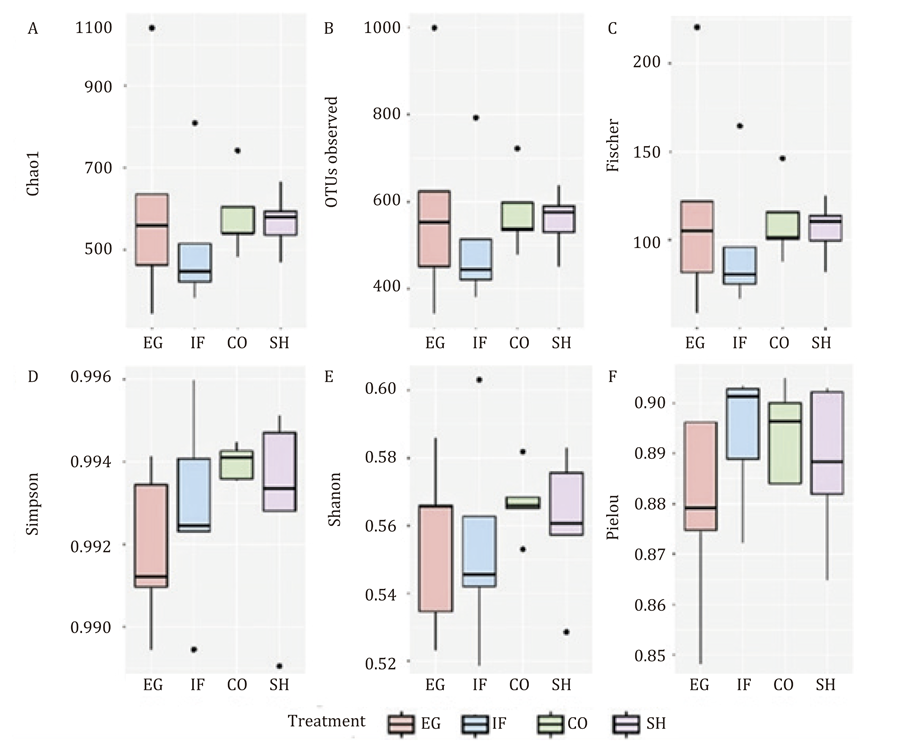 The treatments include elephant grass (EG), commercial insoluble fiber (IF), control (CO), and soybean hulls (SH).
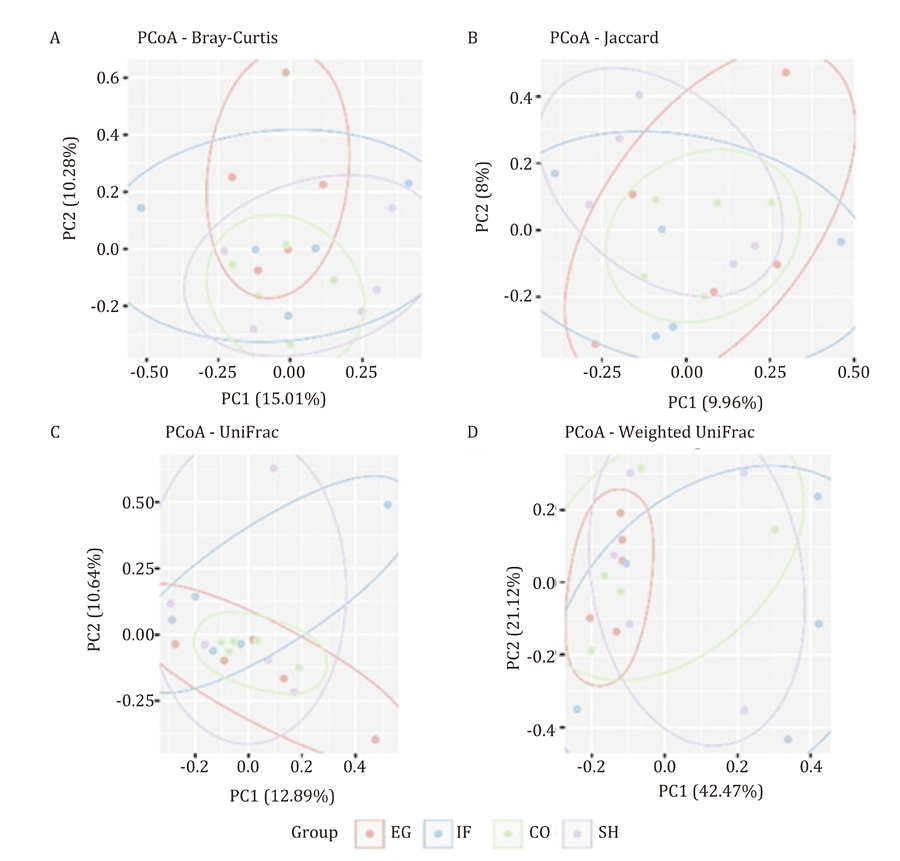 Colored ellipses have been added automatically via the ggforce library in R. Treatments include elephant grass (EG), commercial insoluble fiber (IF), control (CO), and soybean hulls (SH).

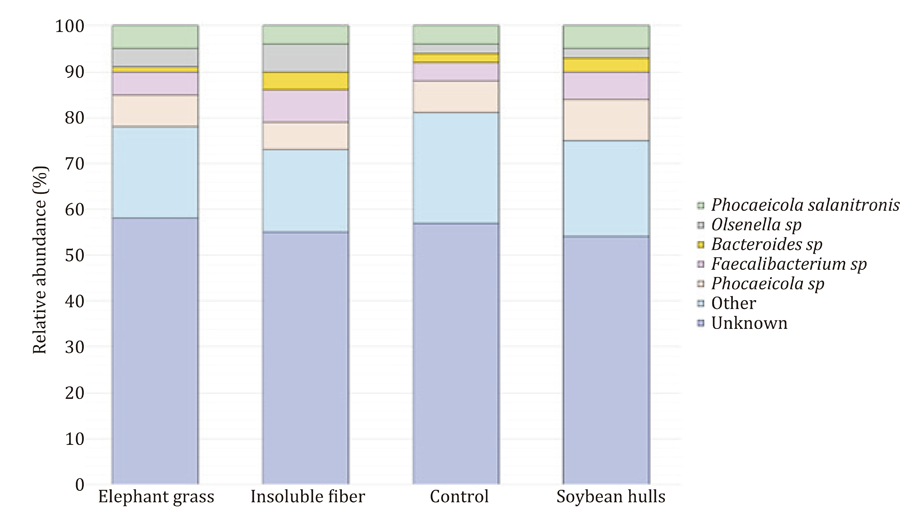
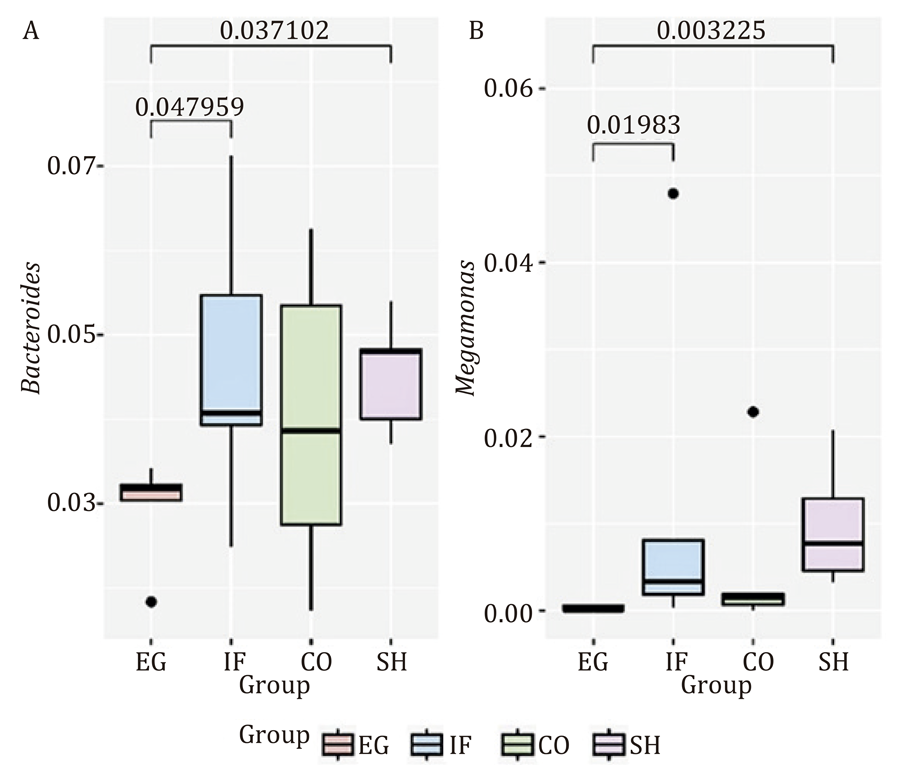 Treatments include elephant grass (EG), commercial insoluble fiber (IF), control (CO), and soybean hulls (SH).
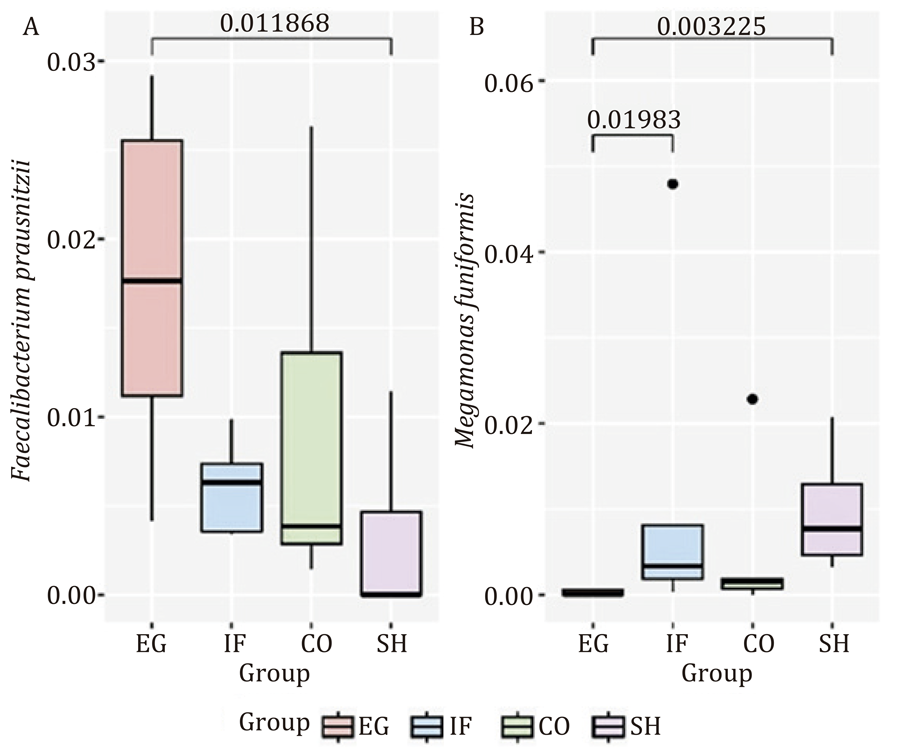 The treatments include elephant grass (EG), commercial insoluble fiber (IF), control (CO), and soybean hulls (SH).