Morphophysiological aspects of radish plants under exogenous alanine application
ABSTRACT
Radish is a fast-growing vegetable of great economic importance, particularly for small-scale farmers. Amino acids, such as alanine, supplied by exogenous application, can act as a biostimulant by participating in physiological processes linked to nitrogen metabolism and protein synthesis, promoting plant growth. Therefore, this study aimed to evaluate the effects of exogenous alanine application on the morphophysiological aspects of the 'Crimson Giant' radish variety. The experiment was conducted in a greenhouse at the Federal Rural University of the Semi-Arid Region, Mossoró, RN, Brazil. A completely randomized design comprised seven alanine concentrations (0.0, 2.5, 5.0, 7.5, 10.0, 12.5, and 15.0 mM) with five replicates. The variables evaluated were: plant height, stem diameter, number of leaves, leaf area, leaf dry mass, specific leaf area, and leaf mass per unit area. For the roots, the following variables were assessed: fresh mass, length, diameter, pH, soluble solids, and firmness. It was found that the exogenous application of alanine altered the morphophysiological characteristics of radish plants, with the 5.0 mM concentration standing out. Increasing alanine concentrations reduced soluble solids and root firmness. Exogenous application of alanine, particularly at a concentration of 5.0 mM, increased stem diameter, root diameter, and leaf area, highlighting its potential role as a biostimulant in radish cultivation.
Keywords:
Raphanus sativus L; Development; Biostimulants; Amino acids
RESUMO
O rabanete é uma hortaliça de ciclo rápido e de grande importância econômica, especialmente para pequenos produtores. Aminoácidos, como a alanina, fornecidos por aplicação exógena, podem atuar como bioestimulantes participando de processos fisiológicos ligados ao metabolismo do nitrogênio e à síntese de proteínas, promovendo o crescimento das plantas. Assim, este estudo teve como objetivo avaliar os efeitos da aplicação exógena de alanina sobre os aspectos morfofisiológicos da variedade de rabanete ‘Crimson Gigante’. O experimento foi realizado em casa de vegetação pertencente à Universidade Federal Rural do Semi-Árido, Mossoró-RN, Brasil. O delineamento experimental foi o inteiramente casualizado, constituído de sete concentrações de alanina (0.0, 2.5, 5.0, 7.5, 10.0, 12.5 e 15.0 mM) e cinco repetições. As variáveis avaliadas foram: altura da planta, diâmetro do caule, número de folhas, área foliar, massa seca foliar, área foliar específica e massa foliar por unidade de área. Nas raízes, avaliou-se massa fresca, comprimento, diâmetro da raiz, pH, sólidos solúveis e firmeza. Verificou-se que a aplicação exógena de alanina alterou os aspectos morfofisiológicos das plantas de rabanete, com destaque para a concentração de 5.0 mM. O aumento das concentrações de alanina proporcionou redução dos sólidos solúveis e a firmeza das raízes. A aplicação exógena de alanina, principalmente, na concentração de 5.0 mM propiciou incrementos ao diâmetro do caule, diâmetro da raiz e área foliar, destacando seu papel potencial como bioestimulante no cultivo de rabanete.
Palavras-chave:
Raphanus sativus L; Desenvolvimento; Bioestimulantes; Aminoácidos
INTRODUCTION
Radish (Raphanus sativus L.) is a crop of great importance, recognized for its high nutritional value, particularly due to the presence of proteins, fatty acids, glucosinolates, flavonoids, β-carotene, and minerals (GAMBA et al., 2021). Although it exhibits good adaptability to various growing conditions, its production can be affected by climatic and environmental factors, such as high temperatures, irregular water availability, saline irrigation water, and nutritional imbalances (RIBEIRO et al., 2024; COÊLHO et al., 2025). These conditions, together with inadequate soil management, can induce physiological disorders such as root bifurcation, cracking, and pulp browning, which reduce the commercial quality and market value of the roots (MANZOOR et al., 2021).
Unlike agricultural inputs such as fertilizers and pesticides used as forms of management, biostimulants have unique characteristics. A single product can influence the growth and development of plants in different ways, depending on the time, form, and place of application (SIBLE; SEEBAUER; BELOW, 2021). In addition, biostimulants are an innovative technology capable of promoting greater efficiency in agricultural production, ensuring high nutritional values even under adverse environmental conditions (CASTIGLIONE et al., 2021).
Studies show that biostimulants are rich sources of active biological compounds that optimize plant metabolic processes, resulting in improvements in crop quality, yield, productivity, and that in addition, foliar application of these compounds increases gas exchange, chlorophyll content in radish, and positively influences plant morphology and fresh and dry biomass (REHIM et al., 2021; RAZA et al., 2022; TOSCANO; ROMANO; PATANÈ, 2023; BASHIR et al., 2025). It is essential to recognize that the effectiveness of amino acid-based biostimulants depends not only on their role in plant physiological and metabolic processes, but also on factors such as species, cultivar, climatic conditions, and application dose (ALFOSEA-SIMÓN et al., 2021).
Alanine is an amino acid that performs several functions in plants, accumulating as a general stress-response molecule, providing protection against extreme temperatures, drought, and biotic stresses (ALFOSEA-SIMÓN et al., 2021). In addition, it participates in lignin biosynthesis, ethylene synthesis, and can be converted into homo-glutathione, a compound with osmoprotective and antioxidant properties (ABDELKADER et al., 2023). Studies indicate that cotton seedlings treated with alanine showed an increase in the levels of metabolites such as alkaloids, coumarins, organic acids, amino acids and derivatives, saccharides, and alcohols, in addition to improvements in photosynthetic efficiency (REN; CHEN, 2023). In that study, alanine was applied by foliar spraying at the fourth-leaf stage.
In this context, exogenous application of alanine can be an alternative approach to enhance the structural and functional aspects of plants in modern agriculture. However, despite the physiological roles already reported for alanine in other species, its effects on radish growth and development remain unclear. Therefore, this study was grounded not only on the scarcity of previous investigations but also on the need to determine whether alanine application can effectively influence morphophysiological traits relevant to radish cultivation. It was hypothesized that varying concentrations of this amino acid would enhance the morphophysiological performance of the crop. Thus, this work aimed to evaluate the effects of exogenous alanine application on the morphophysiological aspects of the 'Crimson Giant' radish variety.
MATERIAL AND METHODS
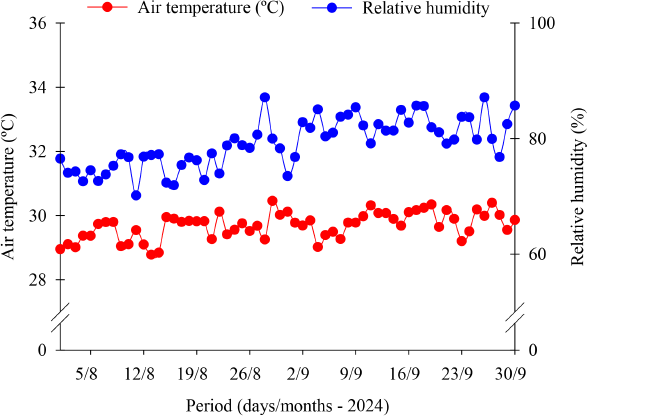
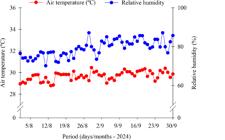
The experiment was conducted from August 2024 to September 2024 in a greenhouse belonging to the Department of Agronomic and Forestry Sciences of the Federal Rural University of the Semi-Arid Region (UFERSA), Mossoró, Rio Grande do Norte, Brazil (5º 12' 28" S, 37º 19' 04" W). The region's climate is classified as BSh, hot and dry, according to Köppen (ALVARES et al., 2013). The average rainfall in the region is 555 mm, irregular throughout the year, the average temperature is 27.8 ºC and the relative humidity is 68.9% (CLIMATE-DATA, 2021). During the experimental period, meteorological data were monitored within the greenhouse environment using a digital thermo-hygrometer (Figure 1).
The experimental design was completely randomized with five replications. The treatments comprised seven alanine concentrations (0.0, 2.5, 5.0, 7.5, 10.0, 12.5 and 15.0 mM), totaling 35 experimental units. 'Crimson Giant' radish variety seeds were sown in 1.2 dm³ polyethylene pots, filled with soil collected near the experimental area (Table 1). Fertilization with nitrogen (N), phosphorus (P) and potassium (K) was carried out seven days before planting according to Camargo, Trani and Passos (2022). The sources of NPK were urea 46% N), monoammonium phosphate (MAP) (61% P2O5 and 12% N) and potassium chloride (KCl) (60% K2O). The urea source complemented the recommendation of N, which is also provided by MAP. Topdressing fertilization with NPK was also carried out, divided and applied at 7 and 14 days after emergence (DAE), consisting of 60, 15 and 25 kg ha-1 of N, P2O5 and K2O, respectively (CAMARGO; TRANI; PASSOS, 2022). The doses expressed in kg ha-1 were converted to g per pot according to the surface area and substrate volume used in each experimental unit.
At 3 DAE, thinning was performed, leaving one plant per pot. Irrigation was carried out daily with local-supply water until the end of the experiments, leaving the soil moist with 80% of the field capacity, according to Girardi et al. (2016). The control of invasive plants was carried out manually whenever necessary. The alanine solutions were prepared by dissolving it in distilled water. They were applied weekly, totaling four applications (5, 12, 19, and 26 DAE), corresponding to the main vegetative growth stages of radish, when the plant exhibits high metabolic activity and leaf expansion. In the alanine solutions, polysorbate 80 (Tween-80, 0.05% v/v) was added to increase the adhesion of the amino acid to the leaf. A handheld sprayer was used to apply the solutions to both abaxial and adaxial surfaces of all leaves.
At 32 DAE, the following parameters were evaluated: plant height, measured with a ruler graduated in centimeters (cm); stem diameter, measured with a digital caliper in millimeters (mm); number of leaves, counted manually; leaf area (LA, cm2), obtained from the length and width of the leaves, measured with a millimeter ruler, using the equation LA = 0.847(LW) + 29.39 proposed by Aminifard, Bayat, and Khayyat (2019); root fresh mass (RFM) (g plant-1), obtained by weighing on an analytical precision scale (0.001 g); root length (RL) and diameter (RD), measured with a digital caliper (mm); and root firmness, measured with a penetrometer, with values expressed in kgf.
Subsequently, the plants were separated into shoots and roots. The aerial part was subjected to drying in a forced circulation oven until reaching constant weight. Leaf dry mass (LDM) was determined with an analytical scale (0.001 g), and the values were expressed in g per plant. Using the dry mass and leaf area, the specific leaf area (SLA) (cm2 g-1) and the leaf mass per unit area (LMA) (g m-2) were calculated (BENINCASA, 2003). At the same time, the fresh root part was processed for further analysis. With the processed material, pH was measured using a pH meter, and soluble solids (SS) were determined with a digital refractometer, with the values expressed in ºBrix. The data obtained were tested for normality (Shapiro-Wilk test) and homoscedasticity (Bartlett's test), and then subjected to analysis of variance (F-test, p ≤ 0.05). Confidence bands were produced, allowing the visualization of 95% confidence intervals. Principal component analysis (PCA) and Pearson's correlations were also performed to verify the relationship between the variables and treatments. The analyses were performed using the statistical program R v.4.4.1 (R CORE TEAM, 2023).
RESULTS AND DISCUSSION
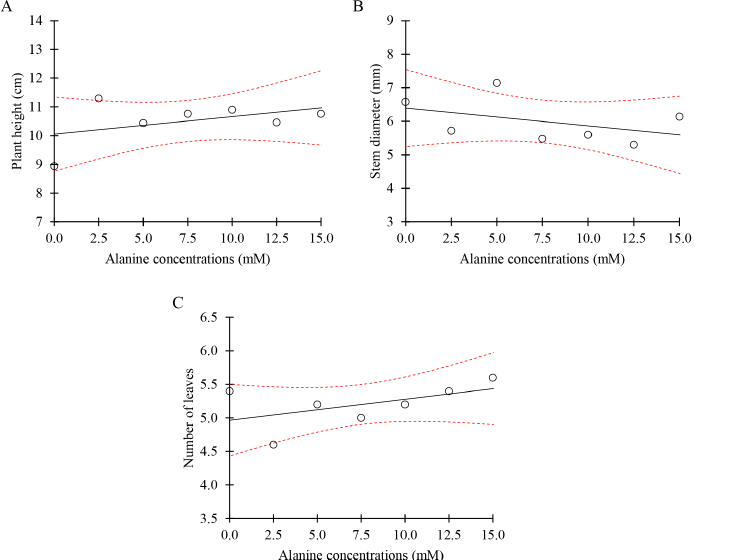
Although the analysis of variance did not indicate significant effects for all variables, confidence intervals were calculated and presented to provide a descriptive view of the mean values and their variability, allowing the identification of possible trends even in the absence of statistical significance. Plant height increased with the exogenous application of alanine, with a value of 11.30 cm at a concentration of 2.5 mM. In comparison, the minimum value was 8.94 cm in plants that did not receive the exogenous application of alanine (Figure 2A). Stem diameter showed oscillations with increasing alanine concentrations; the highest value (7.14 mm) was observed at the concentration of 5.0 mM, and the lowest value (5.30 mm) at the concentration of 12.5 mM (Figure 2B). The number of leaves increased from 4.60 at 2.5 mM to 5.60 at 15.0 mM (Figure 2C).
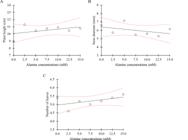
Plant height (A), stem diameter (B) and number of leaves (C) of radish plants as a function of alanine concentrations.
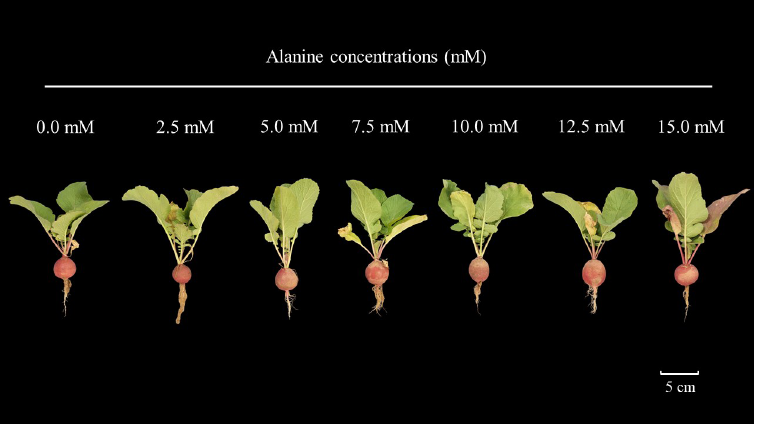
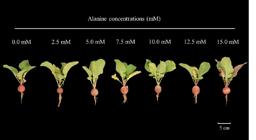
One explanation for the observed increments in radish plant height is that alanine is involved in signaling and several metabolic processes that benefit plant development (TIONG et al., 2021). In addition, alanine contributes to nitrogen metabolism, improving cellular processes essential for plant growth (MA et al., 2025). In addition, other amino acids, such as glutamine and tryptophan, increased shoot length, leaf area, and number of leaves (MIRA; ABD ELMAKSOUD; ELMOGY, 2024). Radish plants treated with different concentrations of alanine can be seen in Figure 3.
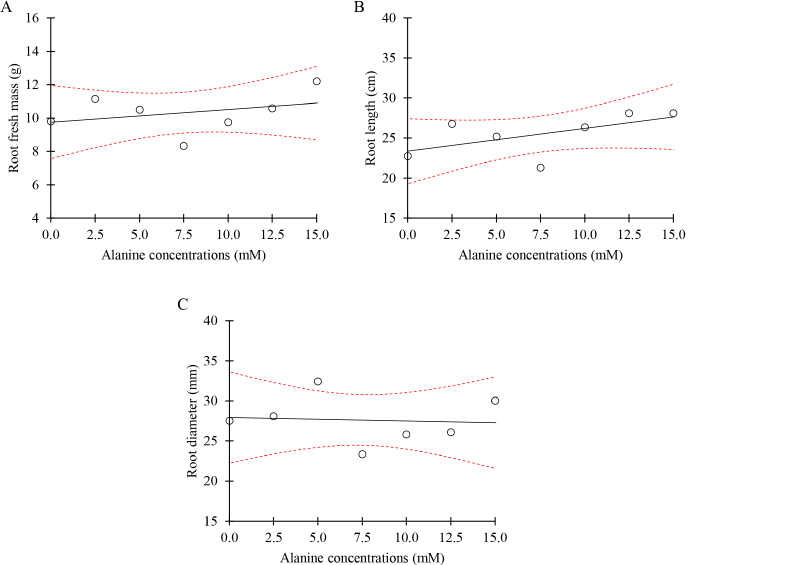
For root fresh mass, the highest value (12.20 g) was observed at the concentration of 15.0 mM (Figure 4A). At the same time, root length was 28.10 mm (Figure 4B) and root diameter was 32.42 mm (Figure 4C); the highest values were observed at concentrations of 15.0 and 5.0 mM, respectively.
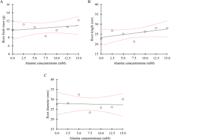
Root fresh mass (A), root length (B) and root diameter (C) of radish plants as a function of alanine concentrations.
In addition, for the same variables, the lowest values were observed at the concentration of 7.5 mM (8.32 g; 21.30 mm and 23.34 mm), for fresh root mass, root length and root diameter.
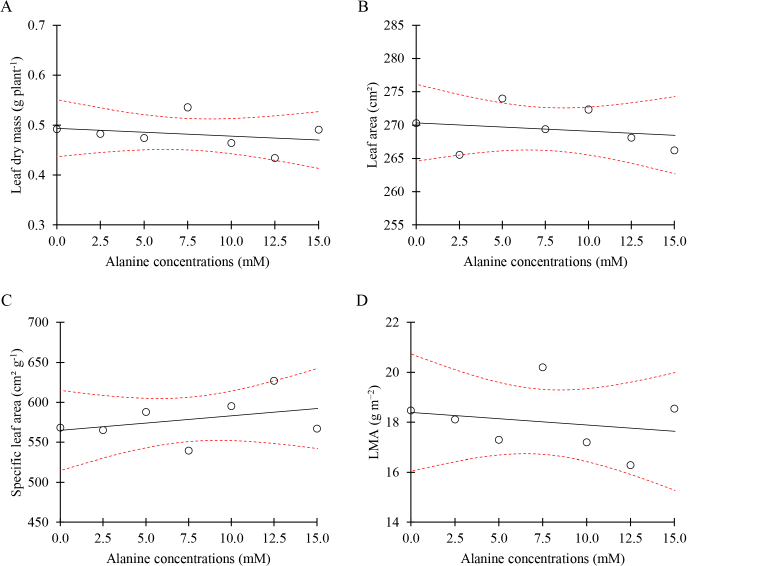
It is worth mentioning that alanine plays a crucial role in the root system, as it enhances the development of roots, thereby improving the plant's ability to absorb water and nutrients (MIRA; ABD ELMAKSOUD; EL-MOGY, 2024). However, when applied at concentrations above the optimal physiological range, 10-15 mmol L-1, alanine may cause imbalances in carbon and nitrogen metabolism, leading to growth inhibition and possible phytotoxic effects (YUXIAO; GUO; XINHUA, 2023). These effects can also extend to other morphophysiological traits, since excessive amino acid accumulation may interfere with photosynthetic activity, cell expansion, and the regulation of osmotic balance. Sohail et al. (2021) used several amino acids to inhibit postharvest senescence of broccoli and found that a concentration of 5 mmol L-1 alanine slowed chlorosis and reduced ethylene production and transpiration. Alfosea-Simón et al. (2021) reported phytotoxicity in tomato plants at 15 mmol L-1 alanine, suggesting possible alterations at high concentrations, although the results in this study showed no clear biological trend. Regarding leaf dry mass and LMA, respectively, the concentration of 7.5 mM of alanine promoted the highest mean values (0.536 g and 20.20 g m-2), but the lowest mean values (0.434 g and 16.29 g m-2) were observed at the concentration of 12.5 mM (Figures 5A and 5D). For leaf area, values fluctuated with increasing concentrations, with a maximum of 273.97 cm2 at 5 mM and a minimum of 265.53 cm2 at 2.5 mM (Figure 5B). In addition, for the specific leaf area, the highest value (626.96 cm-2 g-1) was observed at a concentration of 12.5 mM, while the lowest value (539.24 cm-2 g-1) was observed at a concentration of 7.5 mM (Figure 5C).
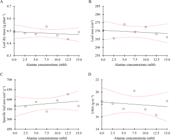
Leaf dry mass (A), leaf area (B), specific leaf area (C) and leaf mass per unit area - LMA (D) of radish plants as a function of alanine concentrations.
Leaf dry mass, leaf area, specific leaf area and leaf mass per unit area are variables influenced by biomass, since alanine promotes biomass accumulation and carbon skeleton production (MA et al., 2025). Li et al. (2024) evaluated alanine concentrations (0, 10 and 20 mmol L-1) in Chlorella pyrenoidosa. They found that a concentration of 10 mmol L-1 increased plant biomass and lipid production, favored the respiratory process, and promoted an increase in cell metabolism. In the present study, leaf dry mass and leaf mass per unit area showed increases at a concentration of 7.5 mM, a result consistent with that found by the researchers; however, this concentration negatively affected root development, which is undesirable for radish production.
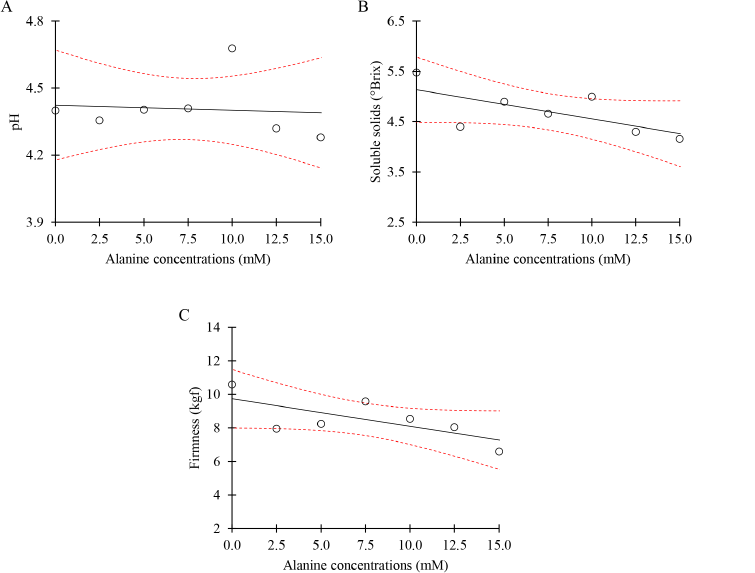
For pH, the highest value (4.68) was observed at the concentration of 10 mM (Figure 6A). On the other hand, soluble solids and firmness showed similar behavior, decreasing with the increase in alanine concentrations, with the lowest values (4.16 ºBrix and 6.60 kgf, respectively) at a concentration of 15 mM. The treatment that did not receive alanine concentration showed the highest values (5.48 ºBrix and 10.59 kgf) for soluble solids and firmness (Figures 6B and 6C).
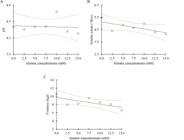
pH (A), soluble solids (B) and firmness (C) of radish plants as a function of alanine concentrations.
Alanine is known to regulate intracellular pH (ZEMANOVÁ; PAVLÍK; PAVLÍKOVÁ, 2017). In addition, changes in pH have been found in alanine metabolism, and also in the metabolism of other amino acids, such as aspartate and glutamate, and these variations in pH intensify several metabolic pathways of amino acids, sugars, and lipids (BUAYAM et al., 2019). Thus, it can be inferred that alanine concentrations altered cellular pH, influencing soluble solids content and root firmness. Byeon and Lee (2021) emphasized that alanine is directly associated with fruit maturity, considering the individual levels of other free amino acids. In addition, it was found that alanine showed a negative and very strong correlation with firmness, in a study evaluating the physiological quality of pear fruits under different temperatures, through the evaluation of secondary metabolites (LATT; LWIN; LEE, 2024), which may justify the reduction in firmness, with the increase in alanine concentrations.
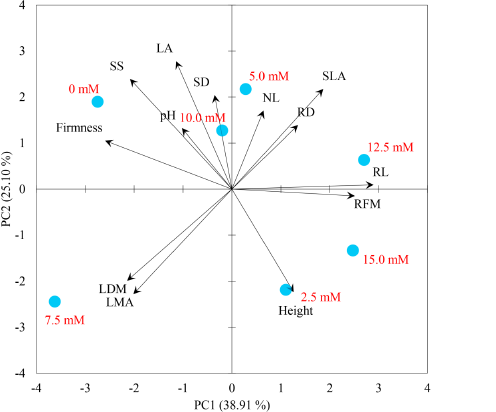
The sum of the principal components (PC) provided a total inertia of 64.01% of the total variation (Figure 7). PC1 provided 38.91% of the total variation and showed positive correlations with height, RFM, RL, RD, SLA and NL, mainly for concentrations 2.5, 5.0 and 12.5 mM. However, it showed negative correlations with LDM and LMA at a concentration of 7.5 mM. Height showed contrary behavior to pH, SS and firmness, emphasizing that the increase in alanine concentrations reduced these postharvest parameters. PC2 obtained 25.10% of the total variation and showed positive correlations with pH, SS and firmness for the concentration of 0 mM and LA and SD for the concentration of 10.0 mM.
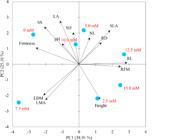
Principal component analysis (PCA) of radish plants as a function of alanine concentrations.
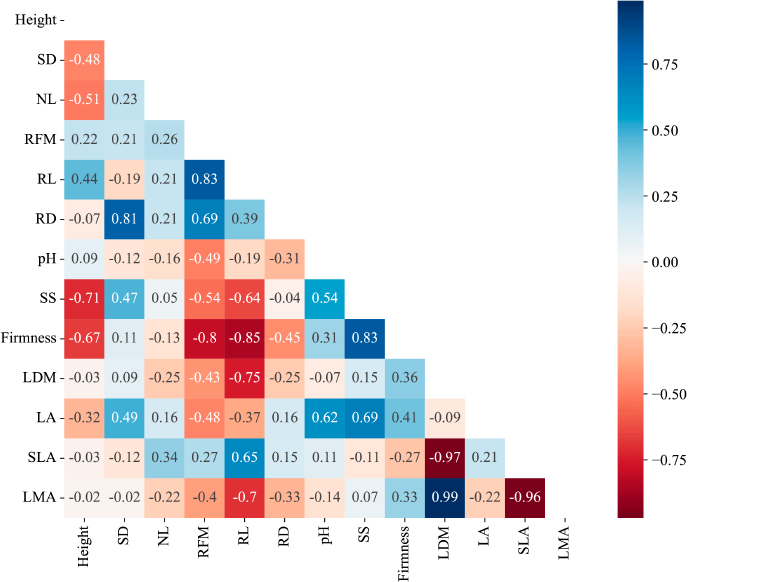
The SD variable showed a positive and strong correlation with RD (0.81) (Figure 8). In addition, LMA showed a positive and very strong correlation with LDM (0.99). Height showed negative and moderate correlations with SS (-0.71) and firmness (-0.67). Although RL showed a positive and strong correlation with RFM (0.83), there were also moderate negative correlations with SS (-0.64) and LDM (-0.75), and strong correlations with firmness (-0.85).
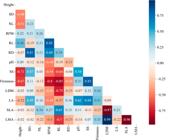
Pearson's correlation of radish plants as a function of alanine concentrations. Very weak (0 - 0.19), weak (0.20 - 0.39), moderate (0.40 - 0.69), strong (0.70 - 0.89) and very strong (0.90 - 1).
CONCLUSIONS
Exogenous application of alanine, particularly the concentration of 5.0 mM, altered the morphophysiological aspects of radish plants.
Increase in alanine concentrations reduced soluble solids and root firmness.
Exogenous application of alanine, mainly at a concentration of 5.0 mM, increased stem diameter, root diameter, and leaf area.
These findings suggest the potential applicability of alanine in radish crop management, primarily as a biostimulant to modulate morphophysiological traits.
Data Availability:
The data that support the findings of this study can be made available, upon reasonable request, from the corresponding author.
REFERENCES
- ABDELKADER, M. et al. Biostimulants-based amino acids augment physio-biochemical responses and promote salinity tolerance of lettuce plants (Lactuca sativa L.). Horticulturae, 9: 807, 2023.
- ALFOSEA-SIMÓN, M. et al. Physiological, nutritional and metabolomic responses of tomato plants after the foliar application of amino acids aspartic acid, glutamic acid and alanine. Frontiers in Plant Science, 11: 581234, 2021.
- ALVARES, C. A. et al. Köppen's climate classification map for Brazil. Meteorologische Zeitschrift, 22: 711-728, 2013.
- AMINIFARD, M. H.; BAYAT, H.; KHAYYAT, M. Individual modelling of leaf area in cress and radish using leaf dimensions and weight. Journal of Horticulture and Postharvest Research, 2: 83-94, 2019.
- BASHIR, M. A. et al. Assessing the Role of Biostimulants in Affecting the Production of Radish and Eggplant. Journal of Soil Science and Plant Nutrition, 25: 1-11, 2025.
- BENINCASA, M. M. P. Análise de crescimento de plantas: noções básicas. 3. ed. Jaboticabal, SP: FUNEP, 2003. 41 p.
- BUAYAM, N. et al. Effects of Copper and pH on the Growth and Physiology of Desmodesmus sp. AARLG074. Metabolites, 9: 84, 2019.
- BYEON, S. E.; LEE, J. Fruit maturity differentially affects fruit quality and responses of targeted metabolites in cold? stored figs (Ficus carica L.). Journal of the Science of Food and Agriculture, 101: 673-683, 2021.
- CAMARGO, M. S.; TRANI, P. E.; PASSOS, F. A. Nabo e rabanete. In: CANTARELLA, H. et al. (Eds.). Recomendações de adubação e calagem para o estado de São Paulo Campinas, SP: Instituto Agronômico de Campinas, 2022. v. 1, cap. 3., p. 404-406.
- CASTIGLIONE, A. M. et al. Microbial biostimulants as response to modern agriculture needs: Composition, role and application of these innovative products. Plants, 10: 1533, 2021.
-
CLIMATE-DATA.ORG. 2021. Clima Avaliable at: <https://pt.climate-data.org/america-do-sul/brasil/rio-grande-do-norte/mossoro-4448/>. Access on: May. 02, 2025.
» https://pt.climate-data.org/america-do-sul/brasil/rio-grande-do-norte/mossoro-4448/ - COÊLHO, E. S. et al. Application of biostimulants modulates photosynthesis responses, and chlorophyll fluorescence under salt stress in radish. Journal of Plant Growth Regulation, 44, 5063-5078, 2025.
- GAMBA, M. et al. Nutritional and phytochemical characterization of radish (Raphanus sativus): A systematic review. Trends in Food Science & Technology, 113: 205-218, 2021.
- GIRARDI, L. B. et al. Evapotranspiration and crop coefficients of potted Alstroemeriax hybrida grown in greenhouse. Irriga, 21: 817-829, 2016.
- LATT, T. T.; LWIN, H. P.; LEE, J. Fruit quality and physiological disorders respond differentially to storage temperature by mediating targeted metabolites in cold-stored 'Chuhwangbae'pears. Scientia Horticulturae, 338: 113610, 2024.
- LI, Y. et al. Supplementation of alanine improves biomass accumulation and lipid production of Chlorella pyrenoidosa by increasing the respiratory and metabolic processes. Journal of Oceanology and Limnology, 42: 570-579, 2024.
- MA, W. et al. Mitigating drought stress in fenugreek through synergistic effects of alanine and potassium-enriched biochar. BMC Plant Biology, 25: 139, 2025.
- MANZOOR, A. et al. Role of different abiotic factors in inducing pre-harvest physiological disorders in radish (Raphanus sativus). Plants, 10: 2003, 2021.
- MIRA, A. M.; ABD ELMAKSOUD, M. M.; EL-MOGY, S. M. Foliar application of alanine, glutamine and tryptophan improves the growth parameters and bunch quality of Early Sweet grapevines in clay soils under surface-irrigated system. Journal of Sustainable Agricultural and Environmental Sciences, 3: 27-42, 2024.
-
R CORE TEAM. R: A language and environment for statistical computing R Foundation for Statistical Computing, Vienna, Austria. 2023. Available at: <https://www.r-project.org/>. Access on: Apr. 2, 2025.
» https://www.r-project.org/ - RAZA, Q. U. A. et al. Biostimulants induce positive changes in the radish morpho-physiology and yield. Frontiers in Plant Science, 13: 950393, 2022.
- REHIM, A. et al. Yield enhancement of biostimulants, Vitamin B12, and CoQ10 compared to inorganic fertilizer in radish. Agronomy, 11: 697, 2021.
- REN, W.; CHEN, L. Integrated transcriptome and metabolome analysis of salinity tolerance in response to foliar application of β-alanine in cotton seedlings. Genes, 14: 1825, 2023.
- RIBEIRO, J. E. S. et al. Melatonin mitigates salt stress effects on the growth and production aspects of radish. Revista Brasileira de Engenharia Agrícola e Ambiental, 28, e279006, 2024.
- SIBLE, C. N.; SEEBAUER, J. R.; BELOW, F. E. Plant biostimulants: A categorical review, their implications for row crop production, and relation to soil health indicators. Agronomy, 11: 1297, 2021.
- SOHAIL, M. et al. Multiple amino acids inhibit postharvest senescence of broccoli. Horticulturae, 7: 71, 2021.
- TIONG, J. et al. Improving nitrogen use efficiency through overexpression of alanine aminotransferase in rice, wheat, and barley. Frontiers in Plant Science, 12: 628521, 2021.
- TOSCANO, S.; ROMANO, D.; PATANÈ, C. Effect of application of biostimulants on the biomass, nitrate, pigments, and antioxidants content in radish and turnip microgreens. Agronomy, 13: 145, 2023.
- YUXIAO, Z.; GUO, Y.; XINHUA, S. Comprehensive insight into an amino acid metabolic network in postharvest horticultural products: a review. Journal of the Science of Food and Agriculture, 103: 5667-5676, 2023.
- ZEMANOVÁ, V.; PAVLÍK, M.; PAVLÍKOVÁ, D. Cadmium toxicity induced contrasting patterns of concentrations of free sarcosine, specific amino acids and selected microelements in two Noccaea species. PLoS One, 12: e0177963, 2017.
Edited by
-
Editor in Chief:
Aurélio Paes Barros Júnior
-
Section Editor:
Fred Augusto Lourêdo de Brito