Toxicity of spinosyns to the honey bee in two exposure modes
ABSTRACT
The efficiency of bees makes them the primary pollinator of cultivated plants, giving them significant economic and ecological value. However, the excessive use of pesticides contributes to the disappearance of bees in agricultural areas, as poisoning can be lethal or cause adverse effects on the physiology and behavior of these insects. Therefore, this study evaluated the toxicity of the insecticides Spinetoram and Spinosad, both belonging to the spinosyn chemical group, on the survival and flight capacity of the Africanized honey bee Apis mellifera. The bioassays were conducted under laboratory conditions (at 25 ± 2 ºC, 60 ± 10% RH and 12 h photophase), using adult worker bees. The experiments tested five commercial doses of Spinetoram (0.02; 0.03; 0.04; 0.05; 0.1 g a.i./L) and Spinosad (0.024; 0.048; 0.096; 0.12; 0.144 g a.i./L) registered for pest control in several crops. Two exposure methods were evaluated: direct spraying of insecticides on bees and provision of contaminated diet. Spinetoram and Spinosad were extremely toxic to A. mellifera both via direct spraying, causing 100% mortality and LT50 values ranging from 8.2 to 24.1 hours, and via contaminated diet, with mortality of 90.02% for Spinetoram and 90.14% for Spinosad, with LT50 values ranging from 38.2 and 43.5 hours for Spinetoram and 27.3 and 43.5 hours for Spinosad. Both insecticides impaired the flight capacity of A. mellifera, regardless of exposure modes and evaluated doses. Spinetoram and Spinosad are toxic to A. mellifera through direct spraying and ingestion of contaminated diet.
Keywords:
Apis mellifera; Pollinator; Spinetoram; Spinosad; Toxicology.
RESUMO
A eficiência das abelhas as torna o principal polinizador das plantas cultivadas, conferindo-lhes alto valor econômico e ecológico. No entanto, o uso excessivo de agrotóxicos contribui para o desaparecimento das abelhas em áreas agrícolas, pois as intoxicações podem ser letais ou causar efeitos adversos na fisiologia e no comportamento do inseto. Portanto, este trabalho avaliou a toxicidade dos inseticidas Spinetoram e Spinosad, ambos do grupo químico espinosina, sobre a sobrevivência e capacidade de voo da abelha africanizada Apis mellifera. Os bioensaios foram realizados em condições de laboratório (a 25 ± 2 ºC, 60 ± 10% UR e fotofase de 12 h), utilizando abelhas operárias adultas. Os experimentos testaram cinco doses comerciais de Spinetoram (0.02; 0.03; 0.04; 0.05; 0.1 g i.a./L) e Spinosad (0.024; 0.048; 0.096; 0.12; 0.144 g i.a./L) registradas para controle de pragas em diversas culturas. Foram avaliados dois modos de exposição: pulverização direta de inseticidas sobre as abelhas e fornecimento de dieta contaminada. Spinetoram e Spinosad foram extremamente tóxicos para A. mellifera tanto via pulverização direta, causando 100% de mortalidade e TL50 variando de 8.2 a 24.1 horas, quanto via dieta contaminada, com mortalidade de 90.02% para Spinetoram e 90.14% Spinosad, com TL50 variando de 38.2 e 43.5 horas para Spinetoram e 27.3 e 43.5 horas para Spinosad. Ambos os inseticidas afetaram a capacidade de voo de A. mellifera, independentemente dos modos de exposição e doses avaliadas. Spinetoram e Spinosad são tóxicos para A. mellifera por meio de pulverização direta e ingestão de dieta contaminada.
Palavras-chave:
Apis mellifera. Polinizador; Spinetoram; Spinosad; Toxicologia.
INTRODUCTION
Bees are essential insects for pollination and maintenance of terrestrial ecosystems (PANDEY; GURR, 2019), being crucial for food production in agricultural areas, especially fruits and seeds (GARIBALDI et al., 2016; MELÉNDEZ RAMÍREZ; AYALA; DELFIN GONZÁLEZ, 2018). The honey bees Apis mellifera L. (Hymenoptera: Apidae) are among the most important crop pollinators in the world (HUNG et al., 2018; DAI et al., 2019). The success of this species in agricultural production is due to the thousands of individuals per hive, its generalist behavior and its easy of handling. In the United States, 2.5 million A. mellifera hives were used for agricultural pollination in 2020, ensuring high yields and generating an additional income of US$ 254 million in pollination services (FREITAS, 2022).
Globally, there has been an increase in agricultural areas cultivated with pollinator-dependent crops. At the same time, agricultural practices that are detrimental to pollination services are expanding, reducing pollinator availability and effectiveness, and impacting essential ecosystem services that sustain productivity, along with other benefits provided by biodiversity (AIZEN et al., 2019). Moreover, the growing expansion of urban and agricultural areas, combined with the excessive use of pesticides, has reduced the diversity and populations of bees by altering their habitats and decreasing floral resources, which affects their reproduction (PIRES et al., 2016). Such processes cause serious impacts on agriculture, drawing the attention of researchers to investigate the causes of bee mortality and decline, especially in A. mellifera (GOULSON et al., 2015). This information is particularly relevant when considering the specificity of action and the level of toxicity of each pesticide to different organisms (ZHU et al., 2015).
In Brazil, approximately 70% of toxicological studies on bees focus on the species A. mellifera (NOCELLI et al., 2012). However, there is still limited information about the toxicity of many insecticides, especially under different exposure methods and doses. For example, few studies examined the toxicity of the insecticides Spinosad and Spinetoram insecticides on bees, even though they are registered for the control of several agricultural pests in pollinator-dependent crops such as melon (Cucumis melo L.), guava (Psidium guajava L.) and pumpkin (Cucurbita moschata Duch.) (AGROFIT, 2025). The study conducted by Carmo et al. (2017) on the toxicity of the insecticide Spinetoram through contact exposure on brassicas to A. mellifera (L.) reported a 100% mortality rate after 48h of exposure. Lopes et al. (2018) evaluated the oral toxicity of the insecticide Spinosad at the recommended field dose of 0.816 mg/mL in worker bees of A. mellifera, and found that the product was extremely toxic, causing 100% mortality by the end of the evaluation period.
Even with the information cited above, it is clear that further studies are needed to expand information on the effects of spinosyns on bees. As the insecticides Spinosad and Spinetoram are commonly used for pest control in Brazil, it is necessary to assess different doses and modes of exposure, as these are factors that can influence the toxicity of insecticides to bees. Therefore, this study evaluates the survival and flight ability of adult worker bees (A. mellifera) after direct and oral exposure to different commercial doses of Spinosad and Spinetoram.
MATERIAL AND METHODS
The research was conducted at the Laboratory of Entomology in the Center for Agri-food Science and Technology (CCTA) at the Federal University of Campina Grande (UFCG), Pombal Campus - PB. Adult worker bees of the Africanized honey bee A. mellifera were collected from three hives housed in Langstroth wooden boxes belonging to the CCTA/UFCG apiary.
Toxicological tests evaluated the insecticides Spinetoram and Spinosad, both belonging to the spinosyns chemical group. Five doses of each insecticide were tested, following the recommendations provided in the package insert of each product. The selected doses are registered for the pest control in several crops, such as acerola cherry (Malpighia emarginata DC.), garlic (Allium sativum L.), cashew (Anacardium occidentale L.), onion (Allium cepa L.), guava (Psidium guajava L.), apple (Pirus malus L.), watermelon (Citrullus lanatus (Thunb) Matsum & Nakai), melon (Cucumis melo L.), tomato (Solanum lycopersicon L.), pepper (Capsicum spp.) and bell pepper (Capsicum annuum L.) (AGROFIT, 2025). Distilled water was used as an absolute control, and the insecticide Thiamethoxam as a positive control (at the maximum dose recommended by the manufacturer for the melon crop). To calculate the insecticide dilution, an average application volume of 500 L/ha was assumed, maintaining the proportions of g a.i./L in the spray solution. Details of each insecticide and doses used are presented in Table 1.
Insecticides and respective doses evaluated for their toxicity to Apis mellifera bees, under conditions of direct spraying and ingestion of a contaminated diet.
The lethal effects of Spinetoram and Spinosad on A. mellifera were evaluated in two independent bioassays, comprising two exposure methods: direct spraying on the bees and ingestion of a contaminated diet (oral exposure), following the methodology used described by Costa et al. (2014). To facilitate handling during the preparation of the bioassays, the bees were previously anesthetized by cold treatment (± 4 ºC for 90 seconds).
The bees were confined in arenas (plastic containers measuring 15 cm in diameter x 15 cm in height), partially sealed at the upper end with an anti-aphid screen, and with side openings of approximately 0.1 cm to allow air circulation. In each arena, Cândi paste (an artificial diet of refined sugar and honey) was provided in plastic containers measuring 28 mm in diameter, along with water absorbed in hydrophilic cotton, which was hydrated every hour during the evaluation.
The bioassays were conducted in a completely randomized design, consisting of 12 treatments: an absolute control (distilled water); a positive control (Thiamethoxam 0.30 g a.i./L); Spinetoram at 0.02, 0.03, 0.04, 0.05, and 0.1 g a.i./L; and Spinosad at 0.024, 0.048, 0.096, 0.12, and 0.144 g a.i./L. Each treatment was replicated ten times, with each plot (arena) containing 10 adult worker bees (A. mellifera). All bioassays were performed in a climate-controlled room at 25 ± 2 ºC, 60 ± 10% RH, and with a photoperiod of 12 hours.
After the application of the treatments, bee mortality and behavior were monitored at standardized observation intervals of 1, 2, 3, 4, 5, 6, 24 and 48 hours after the beginning of exposure to the insecticides. The recorded behaviors included prostration, tremors and paralysis. Bees were considered dead when they showed no movement at the time of observation, even when subjected to mechanical stimulation (touching the body with a fine-bristle paint-brush).
Bioassay 1: Direct exposure of Apis mellifera to insecticides
The bees were exposed to insecticides in the arenas according to each established treatment, using the direct spray technique with the aid of a manual sprayer, thereby simulating a likely field spraying situation. After exposure, the effects of insecticides on bees were evaluated over a 48-hours period.
Bioassay 2: Oral exposure of Apis mellifera to insecticides
In the contaminated diet bioassay, the bees were starved for 2 hours prior to testing to stimulate diet consumption during evaluations. The artificial diet (Cândi paste) was sprayed with the treatments using a hand sprayer, simulating a field application. Once the bees were distributed in the arenas, the contaminated diet was provided along with cotton soaked in distilled water. After the introduction of the contaminated diet, the bees were observed until food intake was confirmed, and the effects of insecticides were monitored for a period of 48 hours.
Bioassay 3: Assessment of the flight ability of Apis mellifera
Two bioassays were conducted to evaluate the flight capacity of A. mellifera, corresponding to the direct and oral exposure to Spinetoram and Spinosad insecticides, using the same doses described above. Flight ability was evaluated at 1, 24, and 48 hours after the start of insecticide exposure, following the methodology described by Gomes et al. (2020). The experimental design was completely randomized, comprising 12 treatments and 30 replications, with each experimental unit consisting of a single adult bee.
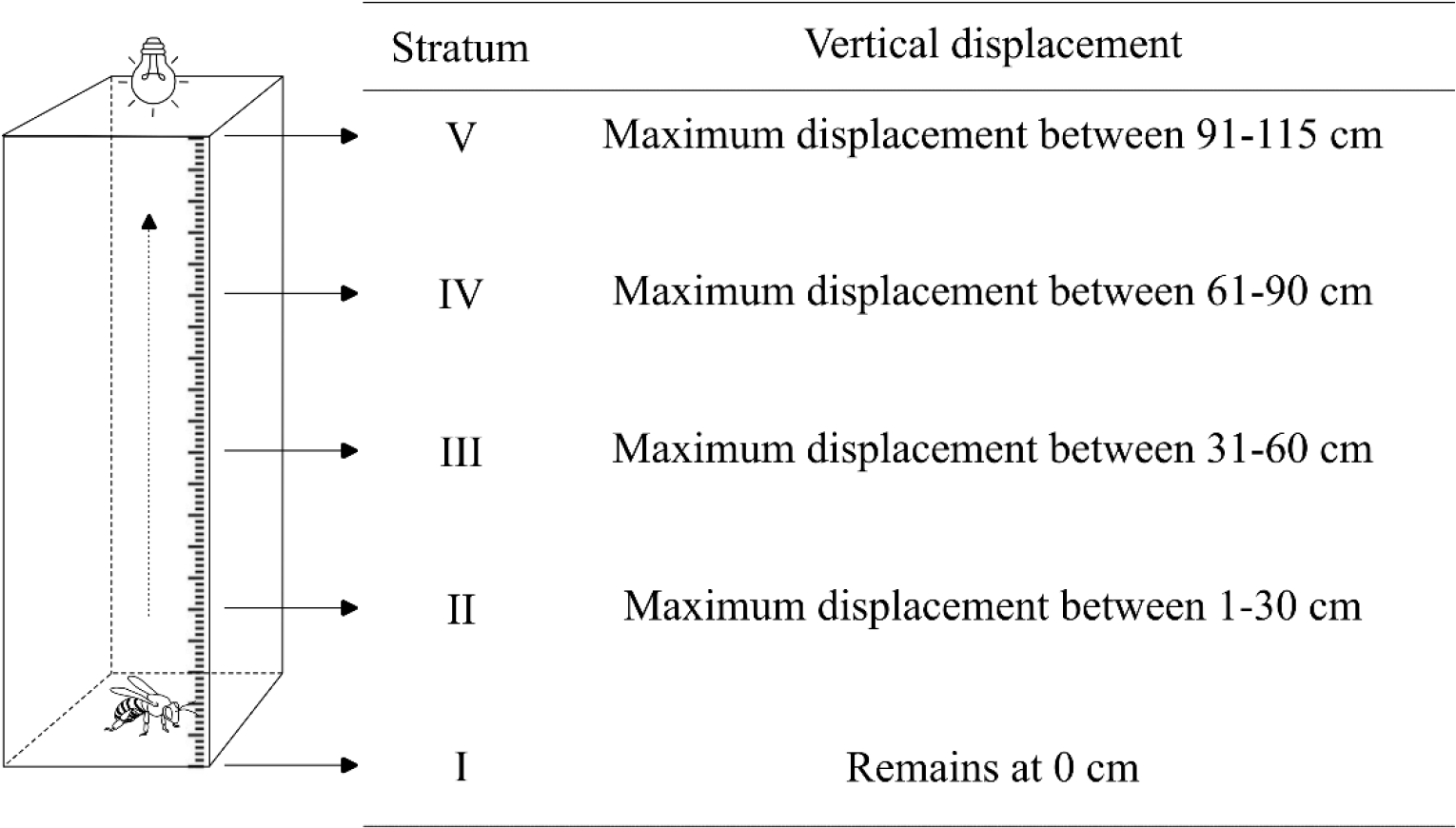
The flight capacity was assessed inside a flight tower located in a dark room, maintained in an average temperature of 25 ± 2 °C and relative humidity of 60 ± 10. The flight tower was constructed of wood (35 × 35 × 115 cm), open inside, with a fluorescent lamp at the top (to attract bees by phototropism), a tape measure, and transparent sides to allow the visualization of bees in flight (GOMES et al., 2020). After 1, 24, and 48 hours of direct or oral exposure, the surviving bees were individually released at the base of the tower (0 cm height), and their displacement was observed for 60 seconds, recording the maximum height reached. Afterward, the bees were released. The flight tower was divided into five height level, as shown in Figure 1.
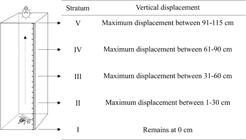
Illustration of the flight tower and classification of the strata, according to bee behavior during the evaluation of flight capacity.
For the mortality test, the means were corrected using Abbott’s formula (1925). Subsequently, the Kruskal-Wallis test (1952) was applied at a 5% significance level, followed by the Wilcoxon test. The bee survival data were analyzed using the “survival” package (THERNEAU; LUMLEY, 2020) in R software (R CORE TEAM, 2025) and fitted to a Weibull distribution. Treatments were then grouped according to similar effects on toxicity and mortality rate. The median lethal time (LT50) was calculated for each group. Survival percentagewasestimatedusingtheformula f x = e((-μ-α )(tα )), where μ = lethal time, α = 1/score of the chosen model, t = time (hours), and ƒ(x) = survival (%).
The effect of insecticide doses on the flight ability of A. mellifera was investigated by comparing the number of bees that reached each height level of the flight tower. To analyze the data, a t-test for groups with heterogeneous variance was applied. Comparisons among treatments were performed only within the same height class.
RESULTS AND DISCUSSION
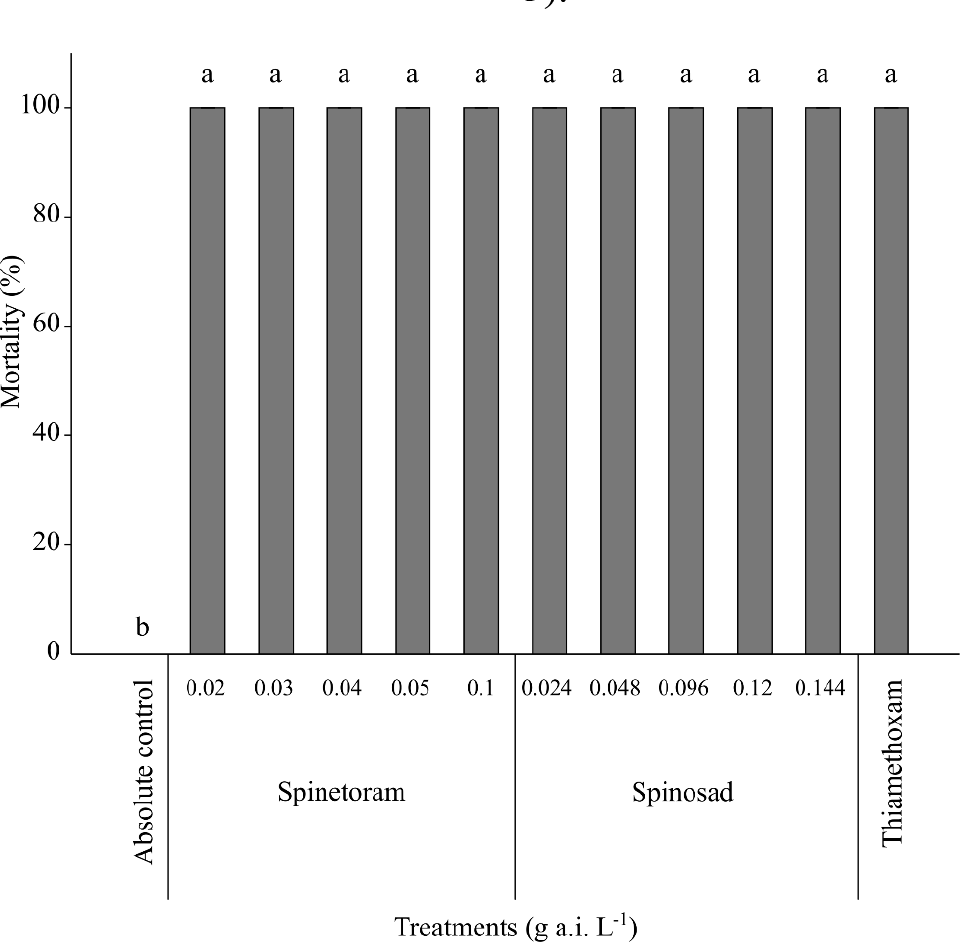
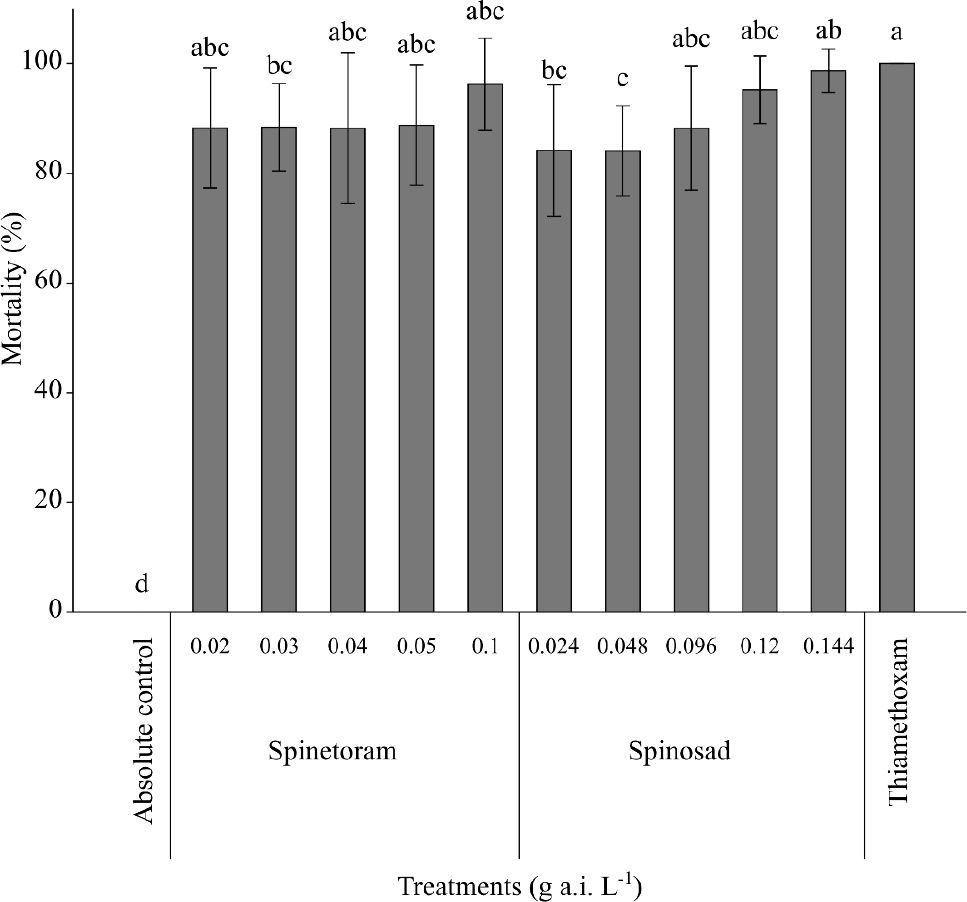
The insecticides Spinetoram and Spinosad, when applied by direct spraying on A. mellifera, caused 100% mortality of the bees in all five evaluated doses, showing no statistical difference from the positive control, the insecticide Tiamethoxam (Figure 2). Oral exposure to Spinetoram resulted in mortality rates ranging from 88.3 to 96.3%, while Spinosad caused mortality between 84.2 and 98.8%. The doses 0.02, 0.04, 0.05, and 0.1 g a.i./L of Spinetoram, as well as 0.096, 0.12, and 0.144 g a.i./L of Spinosad, did not differ statistically from the positive control (Thiamethoxam) (Figure 3).
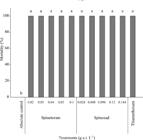
Mortality rate (%) of Apis mellifera after direct spraying exposure to Spinetoram and Spinosad. Different letters above the bars indicate significant differences according to the Wilcoxon test at the 5% significance level.
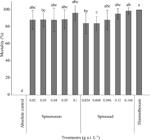
Mortality rate (%) of Apis mellifera after exposure to contaminated diet with Spinetoram and Spinosad insecticides. Different letters above the bars indicate significant differences according to the Wilcoxon test at the 5% significance level.
The high mortality of bees exposed to these insecticides may be attributed to the mode of action of Spinosyns, which target the central nervous system of insects. Specifically, they act on allosteric sites in the nicotinic acetylcholine receptors, causing continuous and uncontrolled transmission of nerve impulses that result in persistent tremors and intense excitation. After this excitation period, the insects become paralyzed due to muscle fatigue and eventually die (IRAC, 2019). These effects were confirmed in our experiment. Carmo et al. (2017), when evaluating the toxicity of Spinetoram on A. mellifera by contact exposure, classified the insecticide as extremely toxic, causing 100% mortality and demonstrating non-selectivity toward the pollinator. Similarly, Lopes et al. (2018) reported that oral exposure of A. mellifera to Spinosad at the field-recommended dose (0.816 mg/mL) resulted in 100% mortality by the end of the experiment, also classifying this insecticide as extremely toxic.
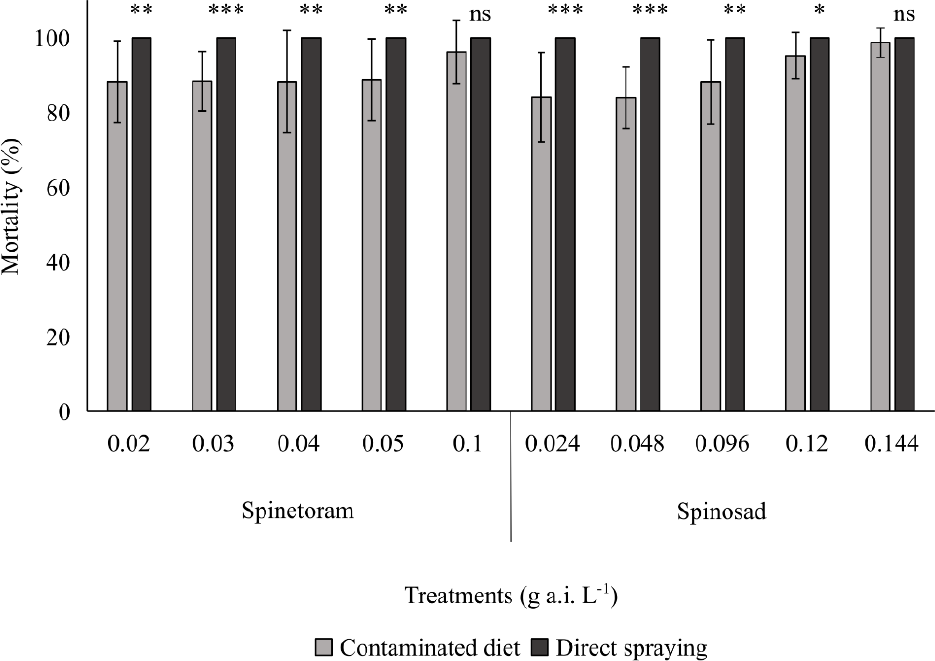
When comparing insecticide dosages across exposure modes, both contaminated diet and direct spraying demonstrated that A. mellifera is highly susceptible to Spinetoram and Spinosad. Regardless of the exposure route, the insecticides were highly toxic; however, the results indicated greater toxicity via direct spraying (Figure 4). During the evaluations, bees exposed to insecticides exhibited signs of intoxication in both exposure modes, including leg and wing tremors, agitation, and paralysis, which were not obserced in the absolute control.
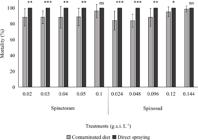
Mortality rate (%) of Apis mellifera after ingestion of contaminated diet and direct spraying with Spinetoram and Spinosad insecticides. * (p≤0.05); ** (p≤0.01); ns (not significant), according to the Wilcoxon test.
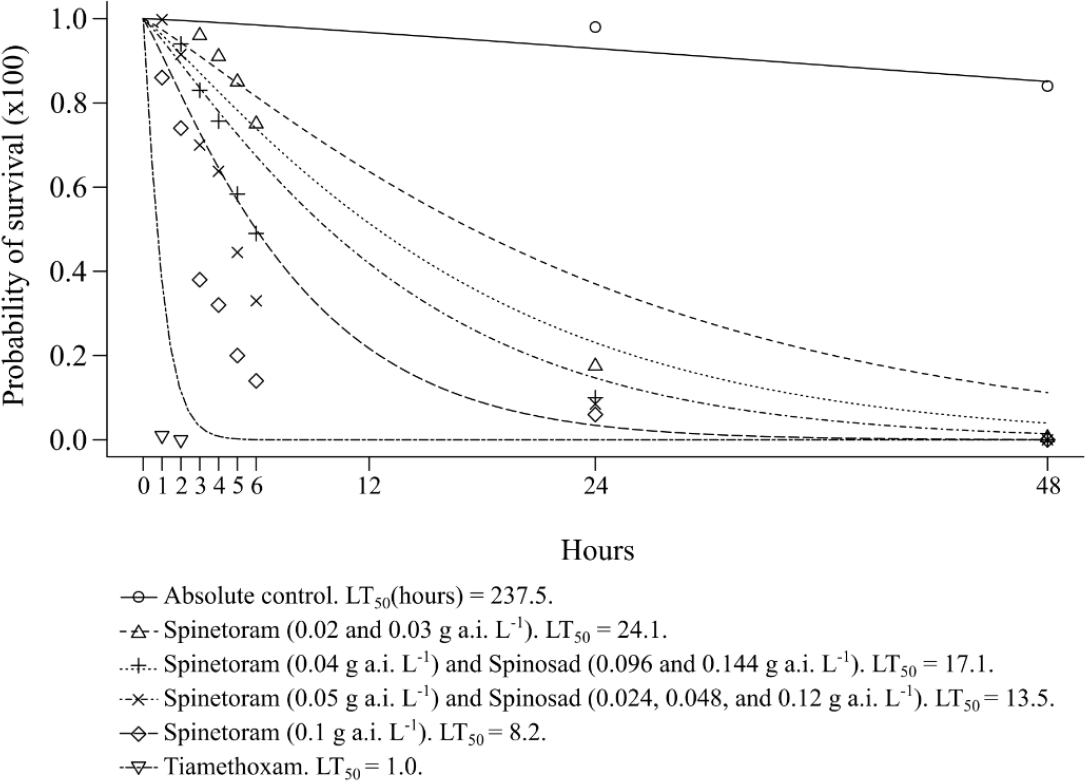
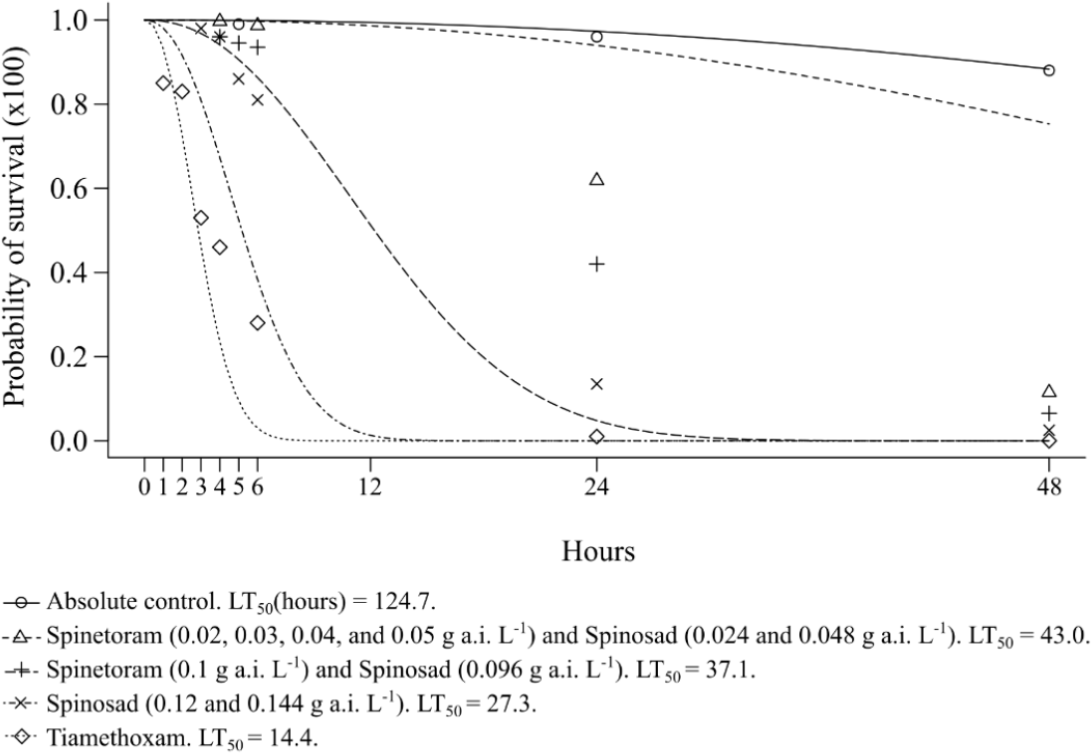
In the survival analysis via direct spraying, the insecticides Spinetoram and Spinosad produced low Median Lethal Time (LT50); however, these were higher than those of the positive control, indicating that mortality occurred slowly than with Thiamethoxam. Spinetoram and Spinosad exhibited LT50 ranging from 8.2 hours to 24.1 hours, depending on the dose (Figure 5). In the bioassay with contaminated diet, the LT50 values for Spinetoram and Spinosad were higher compared to direct spraying and to the positive control. Under this exposure mode, LT50 values ranged from 27.3 hours to 43.5 hours, varying according to the dose (Figure 6).
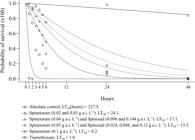
Survivorship (%) of adult Apis mellifera workers after direct spraying with different insecticides.
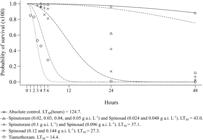
Survivorship (%) of adult of Apis mellifera workers after ingestion of a diet contaminated with different insecticides.
It is important to emphasize that, despite their harmful effects on A. mellifera, the insecticides Spinoteram and Spinosad, regardless of the exposure route, caused slower mortality compared to Thiamethoxam, which is known to be highly lethal to bees and induces rapid death (COSTA et al., 2014).
The mortality rate of certain pesticides is influenced by the mode of exposure to which insects were subjected. The oral route, through a contaminated diet in which the digestive tract absorbs the molecules of the contaminating agent, is generally more sensitive to pesticides than topical exposure (DEL SARTO et al., 2014). However, our results demonstrated that Spinosyns are more lethal via direct spraying.
The high toxicity of Spinetoram and Spinosad, combined with the low LT50 values, indicates that these products should be used sparingly in near beehives, particularly during the early morning when the bees are foraging, or during specific phenological stages of plants, such as flowering, in order to minimize direct contact of pollinators with pesticides.
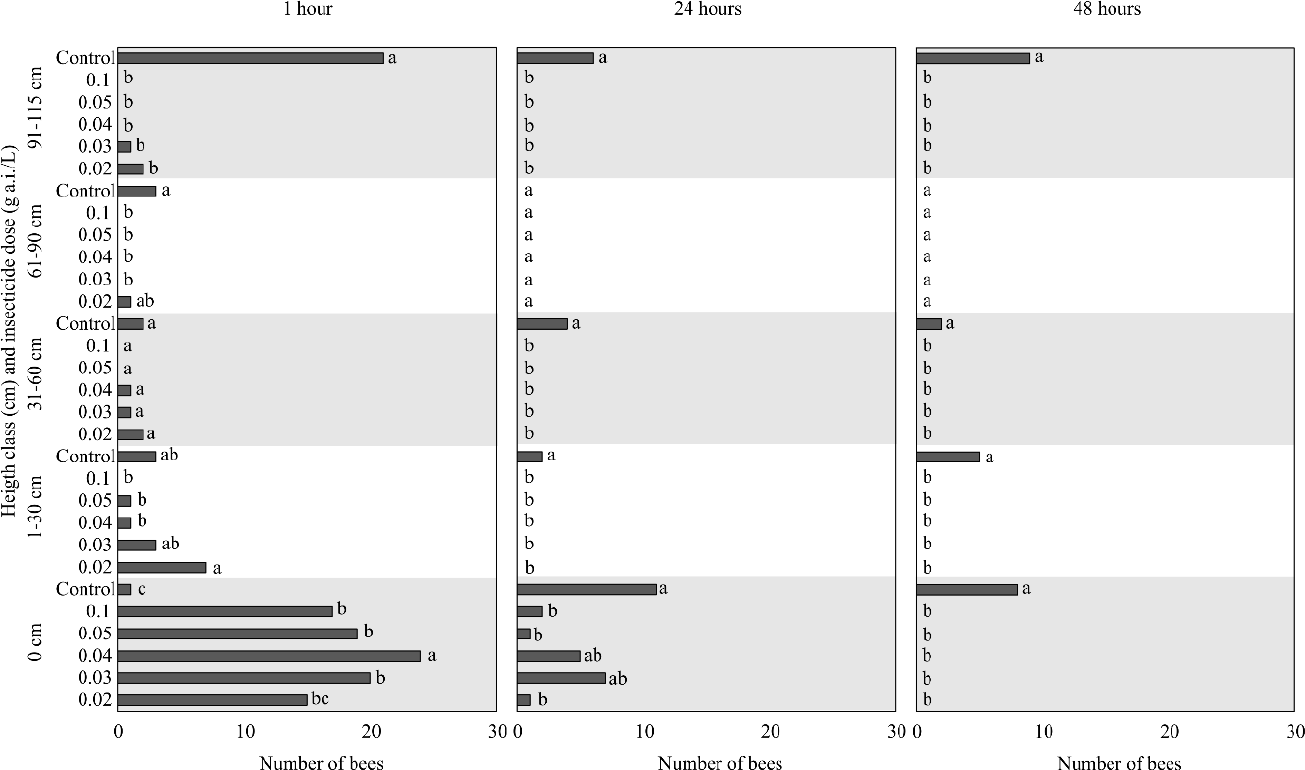
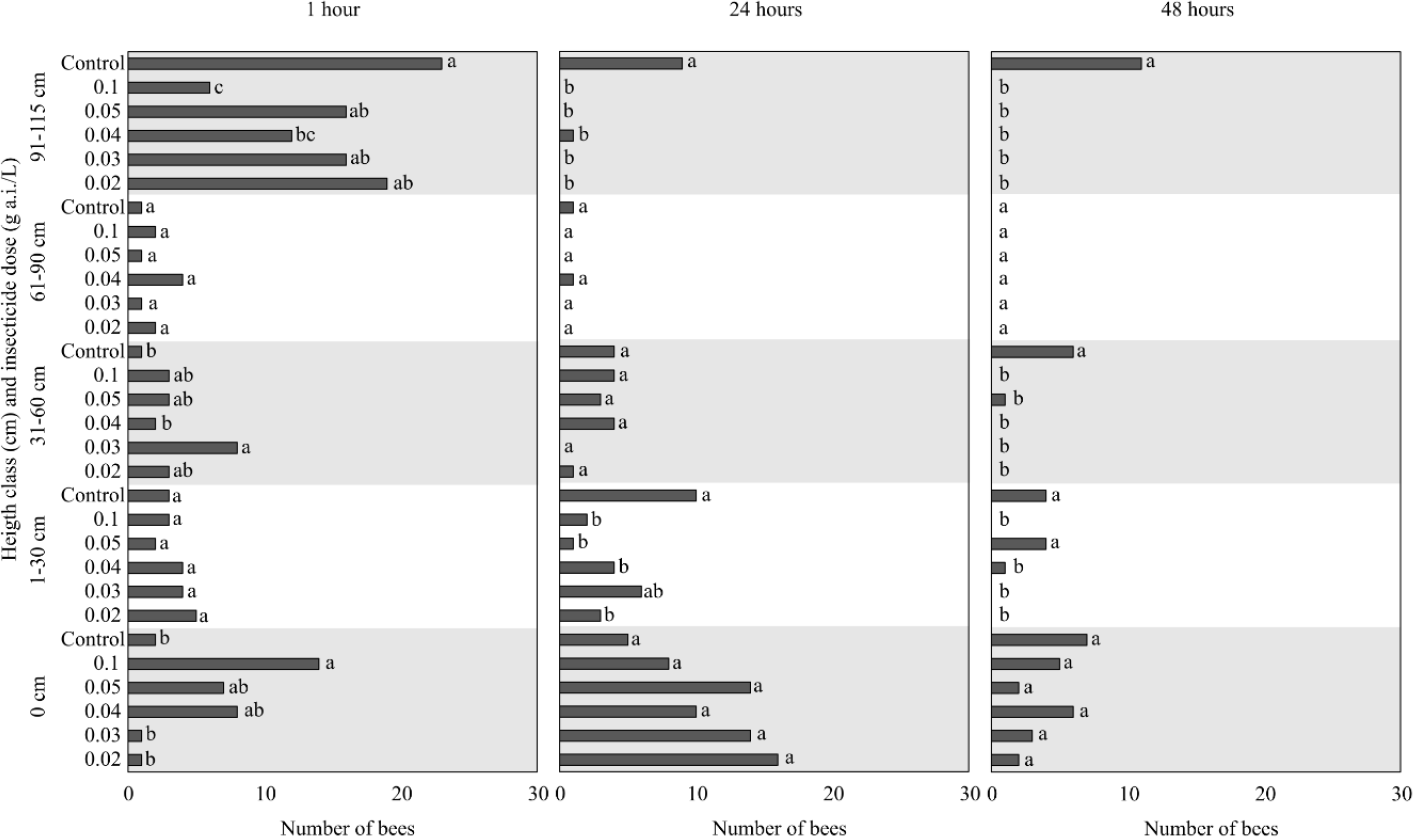
In the assessment of A. mellifera flight ability, direct spraying of Spinetoram caused adverse effects as early as one hour after exposure. After 24 hours, the bees that survived at all evaluated doses remained at the base (0 cm) of the flight tower, exhibiting motor disturbances such as tremors and paralysis, which were absent in absolute control. After 48 hours of exposure, no survivors were observed at any of the five evaluated doses (Figure 7). When exposed to a diet contaminated with Spinetoram, bees were able to fly to the maximum height (>90 cm) at all doses after one hour of exposure. However, negative effects appeared after 24 hours, and the surviving bees (16%, 14%, 10%, 14%, and 8% exposed to doses of 0.02, 0.03, 0.04, 0.05, and 0.1 g a.i./L, respectively) remained walking only at the base (0 cm) of the flight tower. After 48 hours, with few surviving individuals, Spinetoram, regardless of dose, impaired the flight ability of A. mellifera, as no bee reached the top of the flight tower (115 cm) (Figure 8).
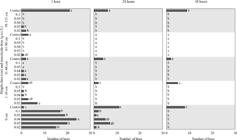
Flight capacity (cm) of Apis mellifera after direct spray exposure to Spinetoram insecticide. Different letters beside the bars indicate significant differences according to t-test results at the 95% confidence level.
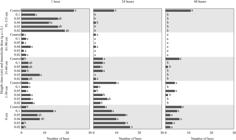
Flight capacity (cm) of Apis mellifera (L.) after exposure to Spinetoram by contaminated diet. Different letters beside the bars indicate significant differences according to t-test results at the 95% confidence level.
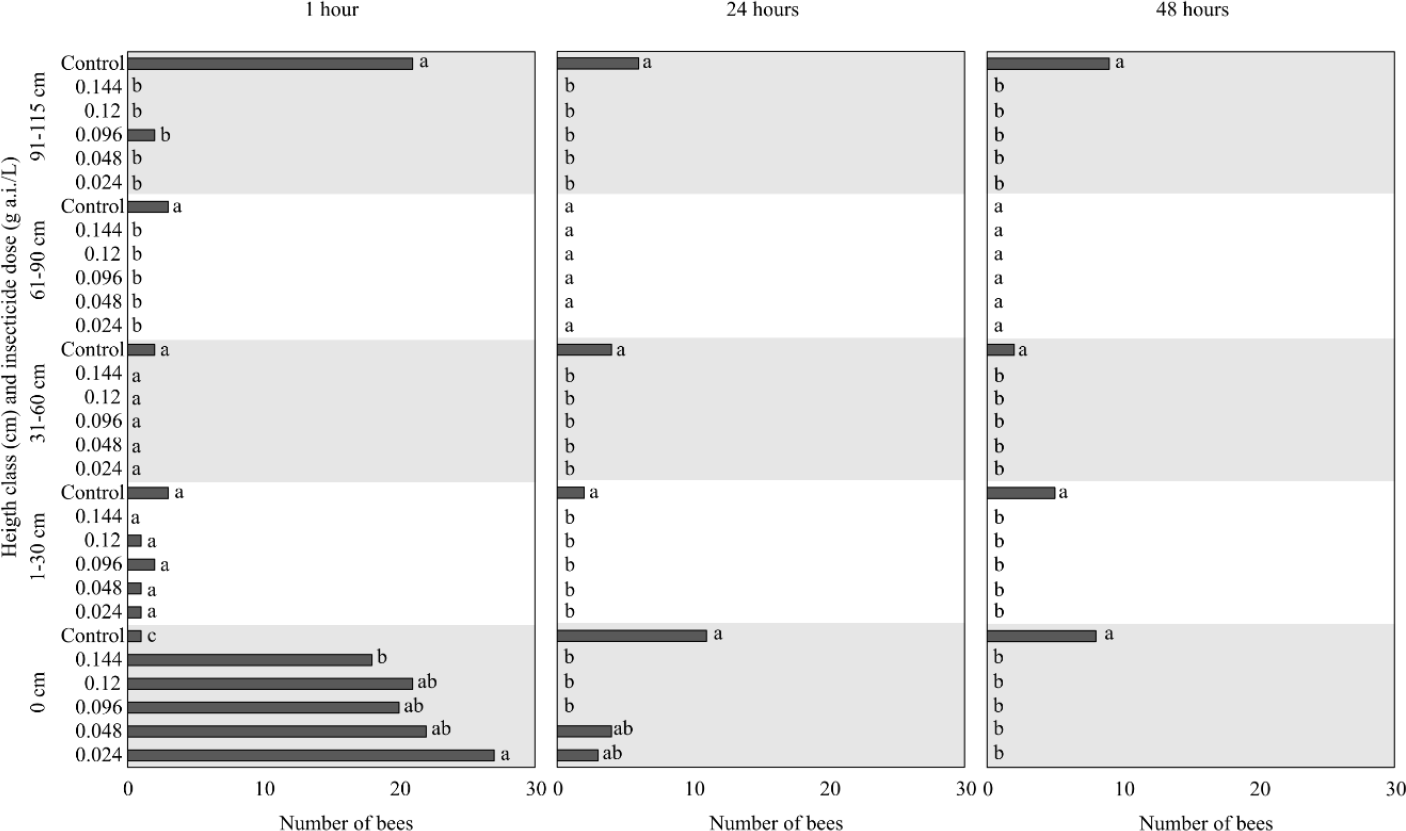
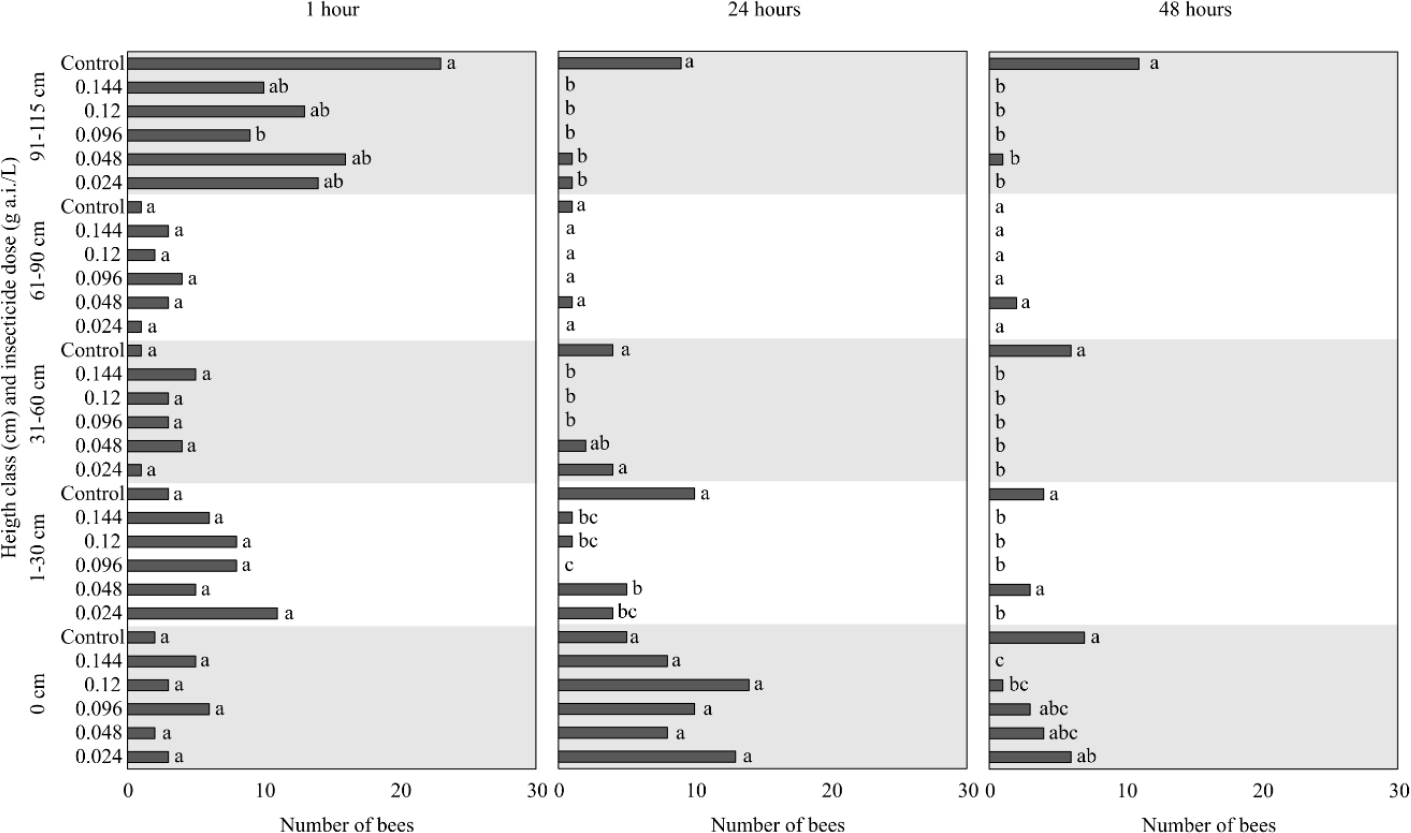
Direct spraying Spinosad impaired the motor activity of A. mellifera. After one hour of exposure at all doses, most bees remained at the base (0 cm) of the flight tower. After 24 hours, only bees exposed to the two lowest doses (0.024 g a.i./ L and 0.048 g a.i./L) survived, and they also remained at the base. After 48 hours, only bees of the absolute control were evaluated, as no survivors were observed at any of the five Spinosad doses (Figure 9). When exposed to Spinosad via contaminated diet, bees were able to reach maximum height (>90 cm), at all doses after one hour of exposure,. However, negative effects on flight ability appeared after 24 hours: the only survivors at 0.096 g a.i./L remained at the base (0 cm) while bees exposed to 0.12 g a.i./L and 0.144 g a.i./L reached a maximum height of 30 cm. After 48 hours, 3% and 1% of the bees remained at the base after exposure to 0.096 g a.i./L and 0.12 g a.i./L, respectively. No survivors were observed at the highest dose (0.144 g a.i./L) (Figure 10).

Flight capacity (cm) of Apis mellifera (L.) after direct spraying with Spinosad insecticide. Different letters beside the bars indicate significant differences according to t-test results at the 95% confidence level.
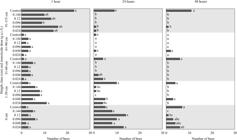
Flight capacity (cm) of Apis mellifera after exposure to a contaminated diet to the insecticide Spinosad. Different letters beside the bars indicate significant differences according to t-test results at the 95% of confidence level.
The insecticides Spinoteram and Spinosad impaired the flight ability of A. mellifera regardless of the exposure route, compromising an essential activity for insect survival and pollination. Paralysis and tremors observed during the flight capacity evaluation resulted in deficits that prevented bees from reaching the top of the tower. This behavior alteration, together with the high mortality rate, can be explained by the mode of action of Spinoyns, which act on the central nervous system of insects by activating acetylcholine receptor proteins (nAChRs). This activation causes continuous and uncontrolled nerve impulses, leading to tremors and intense excitation. Shortly thereafter, muscle fatigue occurs, followed by paralysis and death (IRAC, 2019).
Changes in flight behavior directly affect the collection of pollen and nectar, thereby compromising the overall development of the colony and, consequently, the pollination of nearby crops, which can lead to economic losses (BRITTAIN; POTTS, 2011; GOMES et al., 2020; LIBARDONI et al., 2021). Therefore, the application of these products in agricultural areas must be carried out with caution, given the significant mortality and alterations in flight capacity that can impair the colony development and contaminate bee products.
Given the importance of A. mellifera for the environment through the maintenance of biodiversity, pollination services in fruit and seed production, and the economic value of bee products further research is required, particularly under field conditions, to evaluate the toxicity of Spinosyn-group insecticides and to elucidate their real impact and contribution to the decline of bee populations.
The results obtained represent the first data on the toxicity of the insecticides Spinetoram and Spinosad at doses registered for use in Brazil and under different exposure modes. Therefore, farmers must exercise caution when applying these insecticides. It is recommended that applications be carried at dusk or at night, and that spraying be avoided during pre-flowering and flowering periods, in order to minimize the risks of contamination and mortality, thereby ensuring the sustainability of pollinator management in agricultural areas.
CONCLUSION
Spinetoram and Spinosad insecticides are toxic to A. mellifera through both direct spraying and ingestion of a contaminated diet. Direct spraying represents the greatest threat to bee populations. Furthermore, Spinetoram and Spinosad impaired the flight capacity of A. mellifera at 1, 24, and 48 hours after the onset of both direct and oral exposure.
Data Availability:
The data that support the findings of this study can be made available, upon reasonable request, from the corresponding author.
REFERENCES
- ABBOTT, W. S. A method of computing the effectiveness of an insecticide. Journal of Economic Entomology, 18: 265-267, 1925.
-
AGROFIT. Sistema de Agrotóxicos Fitossanitários do Ministério da Agricultura, Pecuária e Abastecimento. Consulta Aberta Available at: <https://agrofit.agricultura.gov.br/agrofit_cons/principal_agrofit_cons>. Access on: Nov. 11, 2025.
» https://agrofit.agricultura.gov.br/agrofit_cons/principal_agrofit_cons - AIZEN, M. A. et al. Global agricultural productivity is threatened by increasing pollinator dependence without a parallel increase in crop diversification. Global Change Biology, 25: 3516-3527, 2019.
- BRITTAIN, C.; POTTS, S. G. The potential impacts of insecticides on the life-history traits of bees and the consequences for pollination. Basic and Applied Ecology, 12: 321-331, 2011.
- CARMO, D. et al. Toxicidade de inseticidas comerciais, por ação de contato, para Apis mellifera Insetos e entomologia, s/v: 145-148, 2017.
- COSTA, E. M. et al. Toxicity of insecticides used in the Brazilian melon crop to the honey bee Apis mellifera under laboratory conditions. Apidologie, 45: 34-44, 2014.
- DAI, P. et al. Chronic toxicity of clothianidin, imidacloprid, chlorpyrifos, and dimethoate to Apis mellifera L. larvae reared in vitro. Pest Management Science, 75: 29-36, 2019.
- DEL SARTO, M. C. L. et al. O. Differential insecticide susceptibility of the Neotropical stingless bee Melipona quadrifasciata and the honey bee Apis mellifera Apidologie, 45: 626-636, 2014.
-
FREITAS, B. Bees: The forgotten agricultural bioinput in Brazil 2022. Available at: <https://abelha.org.br/artigos/>. Access on: Jan. 21, 2022.
» https://abelha.org.br/artigos/ - GARIBALDI, L. A. et al. Mutually benefical pollinator diversity and crop yield outcomes in small and large farms. Science, 351: 388-391, 2016.
- GOMES, I. N. et al. Honeybee survival and flight capacity are compromised by insecticides used for controlling melon pests in Brazil. Ecotoxicology, 29: 97-107, 2020.
- GOULSON, D. et al. Bee declines driven by combined stress from parasites, pesticides, and lack of flowers. Science, 347: 1-7, 2015.
- HUNG, K. L. J. et al. The worldwide importance of honeybees as pollinators in natural habitats. Proceedings of the Royal Society B: Biological Sciences, 285: 2017-2140, 2018.
-
IRAC. Comitê de Ação de Resistência a Inseticidas. Classificação do modo de ação de inseticidas 2019. Available at:<https://www.iracbr.org/modo-de-ao-de-inseticidas-e-acaricidas>. Access on: 11 nov 2025.
» https://www.iracbr.org/modo-de-ao-de-inseticidas-e-acaricidas - KRUSKAL, W. H.; WALLIS, W. A. Use of ranks in one-criterion variance analysis. Journal of the American Statistical Association, 47: 583-621, 1952.
- LIBARDONI, G. et al. Possible interference of Bacillus thuringiensis in the survival and behavior of africanized honey bees (Apis mellifera). Scientific Reports, 11: 34-82, 2021.
- LOPES, M. P. et al. Spinosad-mediated effects on the walking ability, midgut, and Malpighian tubules of Africanized honeybee workers. Pest management science, 74: 1311-1318, 2018.
- MELÉNDEZ RAMÍREZ, V.; AYALA, R.; DELFÍN GONZÁLEZ, H. Crop pollination by stingless bees. In: VIT, P.; PEDRO, S.; ROUBIK, D. (Eds.). Pot-pollen in stingless bee melittology Springer, Cham, 2018. v. 1, cap. 11, p. 139-153.
- NOCELLI, R. C. et al. Riscos de pesticidas sobre as abelhas. Semana dos Polinizadores, 3: 196-212, 2012.
- PANDEY, S.; GURR, G. M. Conservation biological control using Australian native plants in a brassica crop system: seeking complementary ecosystem services. Agriculture, Ecosystems and Environment, 280: 77-84, 2019.
- PIRES, C. S. S. et al. Weakness and collapse of bee colonies in Brazil: are there cases of CCD?. Pesquisa Agropecuária Brasileira, 51: 422-442, 2016.
- R CORE TEAM, 2025. R: a language and environment for statistical computing Vienna: R Foundation for Statistical Computing.
-
THERNEAU, T.; LUMLEY, T. 2020. Survival: survival analysis, including penalised likelihood. R package version [online]. Available at: <https://github.com/therneau/survival> Access on: Nov. 21, 2025.
» https://github.com/therneau/survival - ZHU, Y. C. et al. Spray toxicity and risk potential of 42 commonly used formulations of row crop pesticides to adult honeybees (Hymenoptera: Apidae). Journal of Economic Entomology, 108: 2640-2647, 2015.
Edited by
-
Editor in Chief:
Aurélio Paes Barros Júnior
-
Section Editor:
Carlos Henrique Brito