 The representation of iconographic information in the collection of the Department of Historical Heritage of São Paulo: a proposal for organization
ABSTRACT
Introduction: Most of the photographs and negatives that recorded the architectural and urban development of São Paulo make up the collection of the city’s Department of Historical Heritage. However, due to the collection's age and the discontinuity in safeguarding documentation, much of the iconographic material lacks definitive organization.
Objective: A representation model of iconographic information specific to the collection of photographs and negatives of the Document Management Center of the Department of Historical Heritage of São Paulo is proposed, considering the particular characteristics and based on existing literature. Methodology: The research adopts a qualitative approach, of an exploratory and descriptive nature, with a bibliographic survey in databases and in loco documentary analysis, in addition to presenting examples with the application of the proposed representation model.
Results: The developed model is based on preparing an informative summary and assigning keywords that encompass the photographic context, the location depicted in the image, and the architectural subjects.Conclusion: The use of abstracts and keywords as information representation tools promotes terminological standardization and facilitates information retrieval for users, contributing to the dissemination of iconographic documentation from the Department of Historical Heritage of São Paulo's collection.
KEYWORDS
Information representation; Historical heritage; Iconographic documentation.
RESUMO
Introdução: A maioria das fotografias e negativos que registraram o desenvolvimento arquitetônico e urbanístico de São Paulo compõem o acervo do Departamento do Patrimônio Histórico da cidade. No entanto, devido à antiguidade do acervo e à descontinuidade na salvaguarda da documentação, grande parte do material iconográfico carece de organização definitiva.
Objetivo: Propõe-se um modelo de representação da informação iconográfica específico para o acervo de fotografias e negativos do Núcleo de Gestão Documental do Departamento do Patrimônio Histórico de São Paulo, considerando as características particulares e fundamentando-se na literatura existente. Metodologia: A pesquisa adota uma abordagem qualitativa, de caráter exploratório e descritivo, com levantamento bibliográfico em bases de dados e análise documental in loco, além de apresentar exemplos com a aplicação do modelo de representação proposto.
Resultados: O modelo desenvolvido baseia-se na elaboração de resumo informativo e na atribuição de palavras-chave que englobam o contexto fotográfico, a localização expressa na imagem e termos de assuntos arquitetônicos.
Conclusão: A utilização do resumo e das palavras-chave como ferramentas de representação da informação promove a padronização terminológica e facilita a recuperação da informação pelos usuários, contribuindo para a difusão da documentação iconográfica do acervo do Departamento do Patrimônio Histórico de São Paulo.
PALAVRAS-CHAVE
Representação da informação; Patrimônio histórico; Documentação iconográfica.
1 INTRODUCTION
Human knowledge and wisdom have always been passed down from generation to generation. This is evident in the discovery of fire, agriculture, and hunting tools, as well as in records such as cave paintings. For many years, little concern was given to preserving physical artifacts and intangible knowledge generated by humanity. This resulted in the loss of part of history and the failure to preserve the heritage of various communities. In Brazil, according to Lemos (2006), awareness of heritage and its importance in a people’s historical narrative are not recurring themes, despite being raised as early as the 18^(th) century.
Centuries later, during the post-World War II era, European intellectuals realized that the fighting had destroyed many cultural institutions and historic buildings. This sparked a movement in Brazil to protect built heritage, resulting in pioneering listing projects promoted by the National Institute of Historic and Artistic Heritage (Instituto do Patrimônio Histórico e Artístico Nacional - IPHAN) and the United Nations Educational, Scientific and Cultural Organization (UNESCO).
In São Paulo, concerns about the city's rapid changes-which meant the loss of architectural heritage-were compounded by the effervescent cultural context in which Modernism sought to express itself and inspire everyone with the richness of Brazilian art. Thus, São Paulo's preservation efforts resulted in extensive documentation of its architectural heritage, much of which is now held in the Department of Historical Heritage's (DPH) collection. However, this documentation lacks definitive organization, hindering research aimed at retracing the city’s history and gaining a comprehensive understanding of it, particularly through the visualization of images from that era.
The photographic documentation in the São Paulo Department of Historical Heritage's (DPH) collection requires a rethinking of its informational representation. This article proposes a model for representing the DPH's collection of negatives and photographs, taking into account its unique characteristics, supported by existing literature.
A model is necessary to represent the iconographic information in the Document Management Center's collection (NGD/DPH) because of its symbolism. It contains photographs and negatives representing a period of São Paulo's rise, marked by economic, social, and cultural changes that laid the foundation for the modern metropolis.
The DPH itself is part of São Paulo's heritage, and its rich iconographic collection deserves objective representation and preservation. Furthermore, the DPH will celebrate its 50th anniversary in 2025. Even after half a century, many residents are unaware of its history, social function, or collection. This reinforces the need for greater visibility of the agency and its services.
2 THE DEPARTMENT OF HISTORICAL HERITAGE
The cultural effervescence in São Paulo during the first half of the 20th century culminated in a growing awareness of Brazilian culture and its embrace by the people (Gomes, 2008). It became clear to the intellectuals active in the modernist movements that the population should have greater access to culture. This idea was supported by politicians of the time and led to the creation of the Department of Culture in 1935. Conceived by Mário de Andrade, Paulo Duarte, and other intellectuals, the department was intended to develop projects in sociocultural, educational, and artistic areas. It was also supposed to promote the study and cataloging of São Paulo’s cultural characteristics through research and records. Additionally, the department was tasked with disseminating the collected material (Alves, Daltério, 2006).
The creation of the Department of Culture encouraged the documentation and publicity of the city’s cultural and artistic activities. As a result, the first photographic collections of São Paulo were produced to document the capital city's architectural changes. Recognized as one of the oldest collections in the current Municipal Secretariat of Culture and Creative Economy of São Paulo, this photographic documentary was extensively managed by photographer Benedito Junqueira Duarte during his tenure at the Department of Culture (São Paulo, 1992). His work contributed to the proper preservation of the photographs and safeguarded the memory of old São Paulo from the 19th and 20th centuries.
In this sense, the establishment of the Municipal Department of Culture opened new avenues for accessing cultural assets, preserving memory, and promoting creativity in São Paulo (Gomes, 2008, p. 31). Over time, the modernist ideologies that shaped the department's creation strengthened, improving the lives of São Paulo's residents by preserving their history and memory.
In 1975, the Department of Culture was dissolved and replaced by the Municipal Secretariat of Culture of São Paulo. The Division of Iconography and Museums, the Municipal Historical Archive (Arquivo Histórico Municipal - AHM), and the Division of Preservation became technical divisions subordinate to the Municipal Secretariat of Culture, which was subordinate to the newly established Department of Historical Heritage (Departamento do Patrimônio Histórico - DPH).
Historical heritage, "a subject that, until recently, held little interest for people and was linked to ancient buildings and their contents that represented past generations" (Lemos, 2006, p. 7), gained recognition in the city for the first time. The DPH dedicated itself to developing landmark work to recognize, preserve, and disseminate the values of tangible and intangible cultural assets, using available legal instruments to safeguard histories, places, and landscapes (Oliveira et al., 2021, p. 11).
Consequently, the DPH's initial efforts centered on initiatives and projects that preserved municipal properties, conserved works of art and monuments in public spaces, conducted archaeological surveys in the city, created the General Inventory of Environmental, Cultural, and Urban Heritage (Inventário Geral do Patrimônio Ambiental, Cultural e Urbano - IGEPAC), published technical studies, and revitalized designated areas and buildings (Oliveira et al., 2021, p. 12).
The Department of Historical Heritage was officially established in 2018 by Decree No. 58,207/2018, which provided for structural changes to the São Paulo Municipal Secretariat of Culture and Creative Economy (São Paulo, 2018). The department consists of the São Paulo Archaeology Center (Centro de Arqueologia de São Paulo - CASP); the Heritage Enhancement Division (Divisão de Valorização do Patrimônio - DVP), which coordinates the Document Management Unit ( Núcleo de Gestão Documental - NGD) and the Heritage Dissemination Unit (Núcleo de Difusão do Patrimônio - NDP); and the Heritage Preservation Division (Divisão de Preservação do Patrimônio - DPP), which is responsible for the Project, Restoration, and Conservation Unit (Núcleo de Projeto, Restauro e Conservação - NPRC); the Identification and Listing Unit (Núcleo de Identificação e Tombamento - NIT); and the Monuments and Artistic Works Unit (Núcleo de Monumentos e Obras Artísticas - NMOA) (Division..., 2023).
The NGD was chosen for the iconographic representation model because historical records and documentation from the other units are preserved there and await processing. Together, the units monitor interventions on public and private listed properties, evaluate and conduct research on requests for recognition of the city’s cultural assets, work with the Municipal Council for the Preservation of the Historical, Cultural, and Environmental Heritage of the City of São Paulo (Conselho Municipal de Preservação do Patrimônio Histórico, Cultural e Ambiental da Cidade de São Paulo - CONPRESP), guide archaeological research, and promote heritage enhancement initiatives, among other activities (Learn more…, 2022).
Recalling the space is like returning to old São Paulo. Residents learn about the city’s origins, which contributes to their awareness of the space they use-and which has been used by many others before them.
3 THE DOCUMENT MANAGEMENT UNIT AND THE ORGANIZATION OF THE IMAGE COLLECTION
Political changes are a constant feature of the public sector. These changes alter the organization of departments and work teams and can even alter the names and structures of agencies. For example, the current Document Management Center (NGD) originated as the Documentation and Research Center (NDP) in 2018, pursuant to Decree No. 58,207 dated April 24, 2018 (São Paulo, 2018). However, Decree No. 62,652, dated August 9, 2023 (São Paulo, 2023), renamed it the Center for Document Management (NGD). The NGD is now subordinate to the Division of Heritage Enhancement (DVP/DPH). Despite the name changes, the NGD has played a fundamental role in the DPH since its inception, as it is responsible for the institution’s collections.
The NGD manages the bibliographic and archival collections. "The bibliographic collection [...] was formed randomly through ad hoc acquisitions [...] and as a result of incentive laws. Thus, one finds books of photographs on the shelves, as well as books on history, architecture, and historical and cultural heritage" (Department..., 2017, p. 13). This creates a varied thematic web that provides a broader view of heritage.
The archival collection contains documentation generated by the Municipal Secretariat of Culture, its divisions, and technical staff who served during the Secretariat’s various administrations (Pavan, Mussupapo, Silva, 2021). Many documents in the collection originate from São Paulo’s heritage listing processes and inventories. These include inventory forms and photographs documenting the study and preservation of various areas of the city over the years. The collection includes documents and records from the General Inventory of São Paulo’s Environmental, Cultural, and Urban Heritage (IGEPAC) covering the Bela Vista and Liberdade neighborhoods, as well as newspapers, architectural plans, listing studies, and photographs of important sites such as the Municipal Theater of São Paulo and the Old Market of Santo Amaro.
The Document Management Center is responsible for the care of the collections. Its motto is “accessible knowledge and valued culture,” and its mission is “to provide excellent information services to citizens and DPH professionals, thereby supporting the preservation of the city’s historical and cultural heritage” (Núcleo..., 2024, online). The Center's values include quality, access to information, and impartiality, regardless of audience (Center…, 2024, online).
The Document Management Center allows users to retrieve books from the bibliographic collection through the São Paulo City Hall Online Catalog. Since 2018, the NGD has been part of the São Paulo Municipal Library System (SMBSP) (Pavan, Mussupapo, Silva, 2021). However, it is not possible to perform the same retrieval on the archive’s documents because the document types differ, and the metadata is insufficient or unsuitable for the management software. Additionally, the audience seeking information in the São Paulo Online Catalog differs from those seeking specialized information in the NGD.
Clearly, items in the archival collection-which includes iconographic documentation such as photographs, negatives, and enlargements-are not adequately represented and cannot be retrieved by DPH architects and technicians (referred to as internal users). While some photographs and negatives have a spreadsheet for internal retrieval, primarily by librarians, it lacks a clear, intuitive organization for internal users. Often unaware of this tool's existence, internal users are further hindered in their searches.
Many records and indexes generated to catalog the negatives over the years are located in the NGD/DPH archive. Due to its mandate to protect the city’s built heritage, the archive organizes, titles, and classifies iconographic items based on location. This guiding principle was adopted during the production of the IGEPACs, as the inventories and listing studies began with central, specific locations and moved toward the city’s peripheral areas, generating records, drawings, photographs, and other documents (São Paulo, 1986). Therefore, the most effective method for identifying documentation in the collection is by location, i.e., neighborhood, complete address, specific building, village, etc.
The NGD/DPH photographs and negatives are stored in hanging folders, cardboard boxes, and A-Z folders-much like ring binders-which contain more than one photograph or negative per sheet without damaging them. However, as part of an initiative to organize and recover the photographs, the index cards pasted into the A-Z folders representing the NGD photographs have been digitized. This demonstrates the team’s commitment to preventive conservation, ensuring that no information is lost over time, as such incidents have affected the collection in the past.
Consequently, an Excel spreadsheet titled "Alphabetical Index" was created. It contains a small selection of photographs from the A-Z folders, as well as a general index that locates archival folders, sculptures, IGEPACs, and periodicals. The DPH’s technical staff and architects can access the index by contacting the library. The librarians send the latest version of the spreadsheet via institutional email when the DPH architect contacts them. The spreadsheet is then saved on the individual’s computer.
However, the search terms used by internal DPH users are not standardized and do not follow a controlled vocabulary. This results in not all documents in the index being retrieved. When users are dissatisfied with the search results, they contact the librarians again and provide terms they are familiar with. It is then up to the librarians to search using cross-references and keywords they know. This highlights the absence of a controlled vocabulary list.
To better visualize retrieving photographs from the spreadsheet and understanding their physical storage, here is an example request workflow. It starts with a DPH architect and ends with access to a photograph, as permitted by the current organization and representation of the information.
Certain issues make it difficult to retrieve data from the current photo organization spreadsheet. For example, the spreadsheet may be updated without the user’s knowledge, leaving them unable to access newly added or reorganized documents. Since the spreadsheet is saved on the user’s personal computer rather than in the cloud, no new updates appear.
Additionally, internal users may be unaware of the spreadsheet’s existence. Other issues include the lack of vocabulary control when entering photographic collections, crossreferences between negatives and prints, more specific search filters, and contextual information regarding the photograph’s location.
To address these issues, it is necessary to understand the principles that guide information representation to ensure that an appropriate model is developed, thereby enabling users to easily access photographs in the NGD/DPH collection.
4 THE REPRESENTATION OF INFORMATION AND SOME METHODOLOGIES
Representation and information are concepts with multiple meanings that can be interpreted in various ways depending on the context. With this in mind, for this article, information is defined as "the set of data that allows one to extract meaning and potentially acquire knowledge" (Lima, Alvares, 2012, p. 24), regardless of its medium, whether textual or visual.
The definition of representation can be approached from various perspectives, including the cultural perspective. According to Hall (2016, p. 31, emphasis added), "representation is an essential part of the process by which meanings are produced and shared among members of a culture," and "the act of representing involves the use of language, signs, and images that signify or represent objects." In other words, language is a commonly used vehicle of representation within a culture, uniting its speakers through shared interpretations of experiences. For example, a community or social group connects all its members through language, understood as the written and spoken representation of what is observed in a given context.
For this reason, studies of representation from cultural, documentary, and linguistic perspectives are closely related, as they all hold that representation means "using language to express something about the world intelligibly or to represent it to others" (Hall, 2016, p. 31).
The representation provided by language is merely illustrative since words do not replace objects, but rather represent them more intuitively and rapidly. This speed is relevant to documentary processing because written and visual information, such as that found in books and photographs, must be expressed quickly so the user can interpret the content of a given document. In the study of documentation, representation is a pre-theoretical concept associated with describing aspects that identify documents materially (cataloging) and with the process and product of condensing textual content (Kobashi, 1996, p. 11).
Similarly, in information science, representation ensures users have access to the information they need by serving as a bridge between users and documents (Novellino, 1996). Theories, methods, and tools developed in knowledge organization are strengthened by the field's interdisciplinary nature, which consolidates knowledge structuring, enabling more information to be represented and retrieved within a system.
Knowledge organization systems (KOS) generate structures and schemas to organize data for retrieval, reasoning, and information discovery (Soergel, 2009). This creates a dialogical and interdisciplinary relationship between classification theory, documentary analysis, cognitive sciences, linguistics, computer science, and terminology (Albuquerque, Gaudêncio, Santos, 2019, p. 19).
Consequently, information must be represented in a way that allows users to retrieve it, whether through lists of terms, bibliographic references, catalog cards, or similar formats. It is important to understand how information professionals should represent documents because their work in identifying, selecting, and translating terms into a documentary language at the system’s entry point ensures users interested in architecture will be satisfied with and successful in their final retrieval.
4.1 The Representation of Iconographic Information
In a world where images and short videos are gaining prominence at an unprecedented rate, knowing how to represent iconographic information in collections and documentation centers is indispensable. This is especially true when the collection specializes in themes that are best visualized through photography. The Document Management Center's collection, which specializes in architecture and historical and cultural heritage, is a prime example.
Before understanding how images can be represented, however, it is important to note that photography emerged in the 19th century. At that time, it was considered a rare, timeconsuming, and difficult-to-access artifact. It became more widespread only during the Industrial Revolution, alongside economic and sociocultural changes (Pedrosa, Hubner, & Andretta, 2019). From then on, photographers began capturing diverse scenes, ranging from portraits of wealthy families to the daily grind of work and travelers arriving and departing.
According to Sontag (2004), photography developed alongside the growth of tourism, a new modern activity that cannot be fully experienced without documentation. Many photographs taken on trips highlight a location's culture and architecture, capturing how a community’s buildings and customs are structured over time. These photographs enable comparisons and studies when properly stored, identified, and cataloged.
Thus, photographs, whether created to preserve memories or taken in daily life to capture a particular moment, can hold meaning within themselves, carrying a message that can be shared. Rather than being conveyed in words, this message is shared through visual signs and can be studied as index or icon photography (Smit, 1996).
According to Smit (1996), the concept of indexical photography is more promising for studies in documentation and information science in the context of visual representation.
affirms the existence of a document in which the referent is very much present, but which is not to be confused with it, as proposed by the concept of the “iconphotograph.” This means that the photographic image, however much it shows how the thing was [...] is not necessarily identical to the object in focus, precisely because the latter was selected (by segmenting the space), framed, illuminated, etc. (Smit, 1996, p. 30).
However, representing images is more challenging because it requires conveying the image's intended message rather than the object in the image itself. This process requires reference to the photograph’s original context and the intention behind its creation, while avoiding personal opinions or fictional scenarios.
Furthermore, when creating an image representation, it is important to note that photographs carry implicit information about the intended message, which can be deciphered based on the professional's contextual knowledge. They also carry descriptive information, such as the photographer’s name and the date of capture. Both sets of information should generate terms that are faithful to the image, since they will be used for user retrieval.
Additionally, information professionals must recognize that users searching for photographs as an object of study know the time, space, and subject they are seeking (Manini, 2002). Therefore, it is necessary to establish retrieval methods that align with their expectations by providing metadata and terms most appropriate to the collection's context and the user’s search. Likewise, "the analysis of photographs involves transposing elements from the visual code to the verbal. One starts with the photograph, and the result is verbal" (Manini, 2002, p. 50), which requires conducting an adequate visual analysis. To this end, methodologies for analyzing and representing information have been developed and continue to evolve to ensure more effective user retrieval. According to Manini (2002) and other researchers in this field, including Dubois (1994), Panofsky (1991), Shatford (1986), and Smit (1987; 1996), significant contributions have been made to this area of study, inspiring the development of new methodologies.
4.2 Analysis of the National Library Foundation’s Manual for Indexing Photographic Documents
The National Library Foundation (BN), the leading reference body for Brazilian libraries, had already expressed concern about how images are handled. This is because images are represented differently from text, and the institution’s image collection is important to the nation (Alves, Valerio, 1988). In that same year, the Iconography Division of the BN published the Manual for the Indexing of Photographic Documents. Librarians produced this manual to present to the public how the BN handled photographic documentation (Alves, Valério, 1988).
The manual clarifies that its purpose is not to teach indexing but rather "to guide the indexer’s perspective toward the institution’s point of view, which is based on the type of collection it holds, the diverse user base it serves, and its characteristics as a national library" (Alves, Valério, 1988, p. 7). This statement reminds us that when suggesting a representation of information for a collection, we must consider the institution's objective, the audience that will retrieve it, and the information to be shared. This is especially important for iconographic documents since the same photograph can convey different information depending on its context.
Similarly, according to the 1998 Manual for the Indexing of Photographic Documents, the processing of photographs must be preceded by research to understand and subsequently represent the photographic context. Guiding questions can be used to this end, such as "Who is the photographer?" When and where was the photograph taken? What or who is in the photograph? Once the photographer is identified, other details, such as the location and date, can be uncovered. Most of the Foundation’s photographic collection dates from the 19th century (Alves; Valerio, 1988). In other collections, such deductions and approximations to obtain information must be carefully made and grounded in solid sources to prevent erroneous information from being accepted as truth and applied to the representation.
The first two photographic collections of the National Library focus on Brazilian landscapes, personalities, and historical events. They always mention street names and the perspective of the images. For example, they indicate whether a building is in the background or foreground. They also mention landmarks and the former and current names of buildings and streets. This information must be included in the photograph’s description. This description model aligns with the ideal for the DPH Document Management Center's photographs, since users' searches focus on landscapes and architectural elements. Below is an example of a photographic description taken from the National Library’s Indexing Manual:
The summary, the product of research by librarians and historians, is displayed alongside the image. This allows users to access keywords, gain a better understanding of the photograph’s context, and make connections between information from different historical periods. The BN Indexing Manual (1988) includes a chapter with guidelines for properly recording common elements in photographs. For example, a subject heading should be established for each specific building. A house should be called a house, a school should be called a school, and a church should be called a church. The building's current name should be included, along with a note indicating whether it previously had another name or use.
Other examples suggest that if a photograph with a general view includes a building or geographical feature in the foreground, the primary term for retrieval should be the general term for that building, accompanied by a summary that provides further information about the image. This also ensures retrieval by secondary subjects (Alves, Valerio, 1988).
Similarly, remember that "photos show people unquestionably present in a specific place and time in their lives. They bring together people and things that dispersed or changed a moment later" (Sontag, 2004, pp. 43-44). This highlights the importance of preserving memory through photographs, especially when the image is of a city-an urban center undergoing rapid transformation, as with major cities.
4.3 Analysis of Erwin Panofsky’s Methodology
In his research, Panofsky explores iconography, which he defines as "the branch of art history that deals with the subject or message of works of art as opposed to their form" (1991, p. 47). He begins by noting that all objects and events in society provoke reactions in each individual, shaping interpretations that are shaped by collective and individual contexts.
Works of art can also be influenced by context, generating interpretations and meanings that, according to Panofsky (1991), fall into three categories: primary or natural themes, subdivided into factual and expressional. Factual themes involve understanding pure forms, seeing them as they are. For example, if there is a square in an image, it will simply be read as a square. This level of interpretation is pre-iconographic. The next level is the secondary or conventional theme, which consists of understanding what the sets of signs in the image represent. For instance, Panofsky (1991, p. 50) observes that "a male figure with a knife represents Saint Bartholomew" and "a female figure holding a peach is the personification of truth," suggesting that the artist intends to create a new image by combining these symbols, which will be interpreted within a context. This level is called the iconographic level.
The third level, the intrinsic or content level, is the viewer's interpretation of the image based on their cultural repertoire and references from their social, religious, philosophical, and other backgrounds. At this level, called the iconological level, the viewer may interpret the artwork differently from the artist's intent because it depends on the references within their cultural repertoire.
The pre-iconographic, iconographic, and iconological levels are interpretive frameworks that require viewers to contextualize images before analyzing them. The iconological level, in particular, offers a wide range of image interpretations, an activity that must be carried out carefully to avoid erroneous analyses that could be conveyed to users. According to Panofsky's methodology (1991), images are interpreted more subjectively and abstractly to elucidate the message they intend to convey. This method employs more abstract terms.
Manini (2002, p. 74), citing Panofsky (1991) and Shatford (1986), emphasizes that:
Shatford draws on Panofsky’s categorization (pre-iconographic, iconographic, and iconological levels) to develop her thoughts on the “what” and the “why” of an image. She distinguishes between them as follows: an iconographic analysis makes it possible to identify, in particular, the “what” of an image-that is, what the image depicts-but it also enables the recognition of allegories, personifications, and symbols, thereby allowing for an analysis of the “why” of an image.
Briefly highlighting the main idea of Sara Shatford’s (1986) methodology in comparison to Panofsky’s (1991) methodology makes it clear that an image represents something, but can be interpreted differently since the "in" and the "above" in the image can express different meanings. The "in" is more concrete, and the "above" is more abstract (Maimone & Gracioso, 2007).
In historical collections that preserve memory, providing interpretations of the subjects and contexts of images helps users better understand the historical era in which the photographs were taken. Information professionals play a role in filtering the themes of images and representing them in ways that highlight both iconographic and iconological meanings.
4.4 Analysis of Johanna Smit’s methodology
In The Representation of the Image (1996, p. 29), Smit limits his study to the photographic image. He notes that it cannot be analyzed in the same way as text because "the status of the photographic image distinguishes it from text" and "the use of the photographic image (and of the image in general) is not defined solely by its informational content, but also by its photographic expression." This makes it necessary to extract more than what the image displays. It is important to highlight the moment of its construction, the context in which it was taken, and how it can be used today.
Smit (1996) notes that Dubois (1994) examines images by their use and distinguishes three perceptions of them: photography as a mirror of reality, as a transformation of reality, and as a trace of reality. Photography as a mirror of reality, also called icon photography, aims to accurately depict reality, conveying to the viewer exactly what was captured, as if the image were the actual object in front of them (Dubois, 1994, as cited in Smit, 1996).
On the other hand, photography as a transformation of reality emerges as a second phase of photographic image analysis. At this point, images are no longer seen as identical to reality but rather as "[...] a reality relativized by cultural and ideological coding." In this sense, the photographic image is assimilated to the Peircean symbol" (Smit, 1996, p. 29, emphasis added). Thus, the image symbolizes an action and context, representing an occurrence subject to interpretations drawn from each individual's repertoire. This concept has been extensively discussed at the iconological level by Panofsky (1991).
The third perception is that of photography as a trace of reality, or indexical photography. This perception relates to both the image's referent and its cultural relativity. According to Smit (1996), this perception is most appropriate when beginning an analysis of images, as images convey an intended interpretation to the recipient. It also allows the recipient to interpret the image as a document, illustrating that the displayed object is merely its representation.
In this sense, it becomes clear that analyzing images requires considering various aspects, such as transparency, transcoding, technical information, and interpretation. These aspects are referred to as Conditions of Analysis (Smit, 1987) because, unlike text, images are often identified by their context and concrete, subjective subjects rather than by their title and author.
Ideally, the photographic image should be described in terms that convey its production context, purpose, and technical characteristics, such as the type of photographic paper. According to Smit (1987), "in the case of photographs, these 'technical' details relating to the production of the document make a significant difference and must necessarily be mentioned in the analysis" (p. 104).
According to Smit (1987), taking the Conditions of Analysis into account, information professionals should ensure that image analysis is not overly specific and that retrieval provides a maximum of 30 images from the requested photographic group so users can analyze which images best match their search without being overwhelmed. Representing the results based on the questions who, where, when, how, and why is practical and meets user requests, providing a more objective representation without excesses or omissions.
4.5 Analysis of the Nair-Kobashi Methodology
According to Kobashi (1997, p. 201), "The creation of summaries is conceived as an operation involving the processing of texts. Information deemed essential is selected from the texts to produce a new, condensed text." However, summaries can represent more than just texts. They can also represent images because the selection of information that makes up a summary can be applied to the implicit messages conveyed by images.
Summaries can be created for textual and iconographic documents by considering the linguistic information shared explicitly through words or implicitly by applying questions to images to extract terms for representation. Thus, Kobashi (1997) proposes two types of summaries arising from a documentary product: the informative and the indicative summaries.
These summaries are structured on the principle that data selection must precede an understanding of the text and the identification and prioritization of textual information (Kobashi, 1997, p. 206). In other words, one must read the document and extract the most relevant information to meet the user’s immediate informational needs. The most significant data from the text or image superstructure is listed for the search context.
The informative summary, as described by Kobashi (1997), is structured based on all important elements of the text or image in a condensed, targeted manner that highlights the theme, problem, hypotheses, methodologies, causes, and solutions. In turn, the indicative summary highlights the theme, problems, causes, and solutions, providing more specificity.
Furthermore, the summary serves as a representational tool that does not distort the information shared by the original text or image. According to Kobashi (1997, p. 208), pertinent condensation requires data collection procedures supported by mechanisms that identify and integrate information into categories based on their functions in the text. Thus, the informative summary is an excellent framework for iconographic representation because it requires reading the image and extracting its most important elements while preserving the photographer's message and context.
5 METHODOLOGY
To propose a model for representing iconographic information in the collection of the Document Management Center of the Department of Historical Heritage (NGD/DPH), this study employed a qualitative, exploratory, and descriptive methodology. Literature reviews were conducted in the following databases: BRAPCI, SciELO, and the Brazilian Digital Library of Theses and Dissertations (BDTD).
Some relevant titles include Manual for Indexing Iconographic Documents of the National Library (Alves & Valerio, 1988); Documentary Analysis of Photographs: A Methodological Proposal (Kobashi, 1997); Thematic Representation of Images: A Framework for Interpreting Photographic Images for Documentary Purposes (Manini, 2002); The Representation of the Image (Smit, 1996); and Documentary Abstracts: A Methodological Proposal (Kobashi, 1997), and Thematic Representation of Images: Methodological Perspectives (Maimone & Gracioso, 2007), are essential references for developing the iconographic representation model for the NGD's collection.
Additionally, documentary research was conducted on-site, consulting documents produced by the DPH over the years, which served as the basis for this study. These documents were consulted digitally in the DPH’s internal archive system with prior authorization from the NGD managers. Nevertheless, to complement the methodological framework of this study, two librarians responsible for the NGD collection assisted in answering some questions informally. This allowed the methodology to be developed based on their perceptions and on those derived from the documentary research conducted at the DPH.
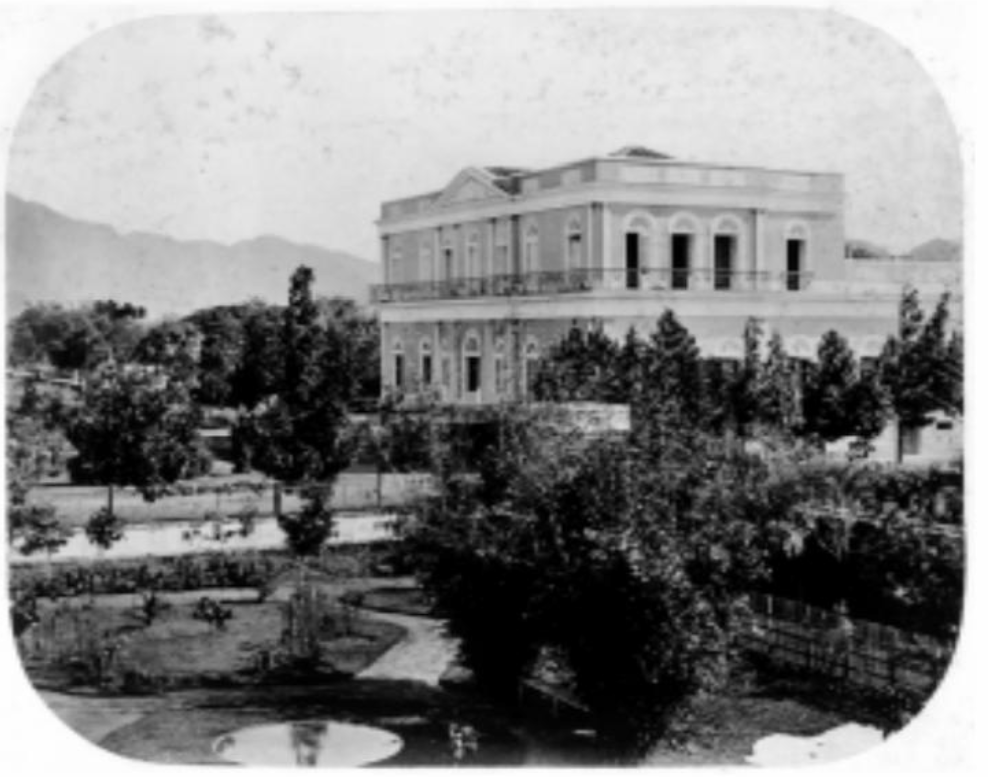
Furthermore, only the negatives and physical photographs in the collection were considered for this study, as these are stored locally at the NGD and can be retrieved electronically. Photographs from various time periods were analyzed, including those from the late 19th century, the 1980s, the 1990s, and the early 2000s, to ensure the collection's scope was adequately represented. Organizing the representation of photographic documents serves as a starting point for representing the collection’s other document types and aligns with the librarians’ organizational goals. Several trials using the proposed methodology were conducted to present possible results, outlined below. While the model pertains to São Paulo's architecture, it can also inspire other collections from Brazilian metropolises.
6 RESULTS
The proposed model for representing information is based on Kobashi’s (1997) observations and is structured as a summary. Its applicability to the iconographic documentation of the Documentation Management Center was demonstrated using negatives, photographs, and prints stored in the A-Z folders. These folders contain images from the city of São Paulo inventories conducted between 1980 and 1990.
Following the methodologies of Smit (1996) and the Manual for Indexing Photographic Documents (1998), we carried out a preliminary contextualization of the images, retrieving various descriptive details that we organized alongside the summary in a Microsoft Excel spreadsheet titled "Information Representation for Photographic Records," which has cloud-based access. This descriptive information was essential for the thematic representation of the documentation, as shown in Chart 3.
Descriptive metadata for the “Information Representation for Photographic Records” spreadsheet
In turn, the summary should be structured with a focus on answering who, where, when, how, and why (Smit, 1987), emphasizing primarily the location depicted in the image, since the audience accessing the NGD collection consists of architects who search for information using addresses, neighborhoods, streets, and surrounding areas.
Furthermore, the summary should be concise and use standard architectural terminology to facilitate retrieval by the specialized audience. It should always adhere to standardized terminology so that a controlled list of subjects can begin to take shape and, in the future, the organization of a controlled vocabulary can commence. The digitized image and keywords for the represented iconography must also follow the summary.
It should be noted that a representation organized in a spreadsheet is accessible within the context of the NGD/DPH, as purchasing new collection management software would not fit within the department’s budget. However, the spreadsheet must be shared with all DPH staff. Still, it should be updated only by librarians or library science interns under supervision, due to the complex nature of the information representation process.
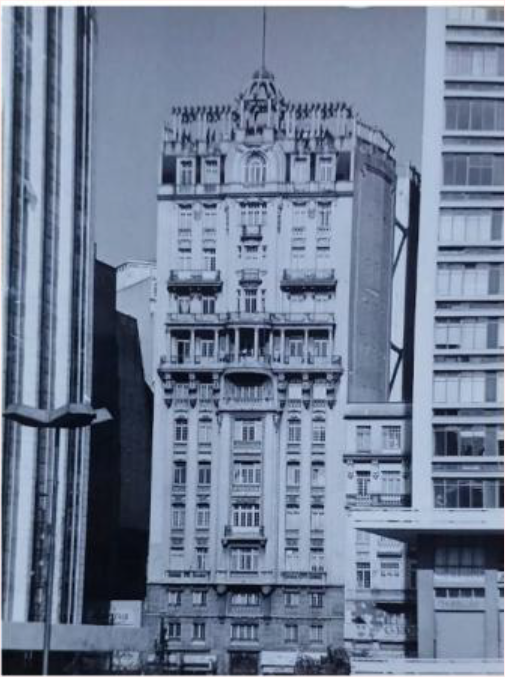
When examining the images from the negatives, contact sheets, and photographs, it becomes clear that these documentary materials will always feature buildings and addresses as key elements in the creation of the thematic summary, since this is a collection related to the inventory of the city of São Paulo-notably, most of the photographs were taken in the city center-the buildings and the streets surrounding them are always present in the images. Similarly, it is necessary to briefly describe the other elements that make up the image to complement the architectural information that guides the researcher through the analysis of the photographs, also assisting in their differentiation and appropriate selection, according to the user’s intent.
7 CONCLUSION
To propose a model for representing iconographic information for the collection of the Document Management Center (NGD) of the Department of Historical Heritage (DPH), based on existing methodologies in the field of Information Science, such as the studies by Erwin Panofsky (1991), Johanna Smit (1987; 1996), Miriam Manini (2002), Sara Shatford (1986), Nair Kobashi (1997), and the Manual for the Indexing of Photographic Documents, published by the National Library Foundation (1988), this article employed a qualitative methodology of a descriptive and exploratory nature, in which research was conducted in scientific databases and in the documentation made available by the NGD/DPH.
The model for representing iconographic information was designed with retrieval in mind for users with an affinity for architecture, as it provides an informative summary that highlights the architectural elements and the locations shown in the photographs. The summary, which will be stored in the Representation of Information for Photographic Records spreadsheet, saved in the cloud, can be made available to the public and must be produced by an information professional who understands the context of the photographs; this professional must know architecture, highlighting terms that are likely to be most frequently searched.
The decision was made to use the summary and keywords as tools/products for representing image information because the storage medium is a low-cost spreadsheet, due to the financial and contractual limitations faced by the NDG/DPH. By “translating” the images into words, a database of terms begins to form, encouraging the future creation of a controlled vocabulary. Nevertheless, using the spreadsheet digitally organizes the photographic documentation records. It allows the data to be easily migrated to a system that the NDG/DPH may contract in the future.
Consequently, further studies should be conducted focused on the documentation of the Document Management Center of the São Paulo Department of Historical Heritage, given that the collection safeguards the city’s memory and its transformations, passing on to future generations the images that recorded and attest to the struggle for the preservation of São Paulo’s architecture and historical heritage.
-
Article submitted to the similarity checker
-
Funding:
Not applicable.
-
Ethical approval:
Not applicable.
-
AI usage statement:
The authors declare that they did not use AI tools.
-
Image:
Retrieved from the Lattes platform.
-
Translation:
S. Iacaovacci Translation Service
-
JITA:
ID. Knowledge representation
-
SDG 10. Reduced inequalities
Acknowledgments:
Not applicable.
Availability of data and materials:
Not applicable.
References
-
ALBUQUERQUE, Maria Elizabeth Baltar Carneiro de; GAUDÊNCIO, Sale Mário; SANTOS, Raimunda Fernanda dos. Reflexões Teóricas em Representação da Informação. In: ALBUQUERQUE, Maria Elizabeth Baltar Carneiro de; MARTINS, Grace Kelli; MOTA, Danysson Axel Ribeiro (org.). Organização e representação da informação e do conhecimento: intersecções teórico-sociais. João Pessoa: Editora UFPB, 2019. 208 p. Disponível em: https://encurtador.com.br/tLCU Acesso em: 14 set. 2025.
» https://encurtador.com.br/tLCU -
ALVES, Mônica Carneiro; VALERIO, Sérgio Apelian. Manual para indexação de documentos fotográficos Rio de Janeiro: Departamento de processos técnicos - Biblioteca Nacional, 1988. 41 p. Disponível em: https://encurtador.com.br/ywAu Acesso em: 15 set. 2025.
» https://encurtador.com.br/ywAu - CAMARGO, Luís Soares de. O Arquivo Histórico Municipal e o DPH. 45 anos do DPH: Departamento do Patrimônio Histórico da Cidade de São Paulo 1975-2020. Revista do Arquivo Municipal/Arquivo Histórico Municipal, São Paulo, v.207, p.1-353, 2021.
-
CONHEÇA O DPH - Departamento do Patrimônio Histórico Prefeitura de São Paulo. Secretaria Municipal de Cultura e Economia Criativa, 2022. Disponível em: https://encurtador.com.br/EndF Acesso em: 5 maio. 2024.
» https://encurtador.com.br/EndF - DEPARTAMENTO DO PATRIMÔNIO HISTÓRICO. Biblioteca, Arquivo e Sistema de Gestão. São Paulo: Núcleo de Documentação e Pesquisa, 2017. 20 p.
- DIVISÃO de VALORIZAÇÃO DO PATRIMÔNIO - DVP. (2023). Relatório anual de trabalho 2023.
- DUBOIS, Philippe. O ato fotográfico e outros ensaios Campinas: Papirus, 1994. (Ofício de arte e forma).
-
GOMES, Denise Pedroso. O Departamento Municipal de Cultura de São Paulo (19351938): políticas de criação de bibliotecas e democratização de leitura. 2008. 111 f. Dissertação (Mestrado em Educação) - Pontifícia Universidade Católica de São Paulo, São Paulo, 2008. Disponível em: https://tede2.pucsp.br/handle/handle/10661 Acesso em: 5 mar. 2024.
» https://tede2.pucsp.br/handle/handle/10661 - HALL, Stuart. O papel da representação. In: HALL, Stuart. Cultura e Representação Rio de Janeiro: Editora PUC-Rio: Apicuri, 2016, p. 31-53.
- KOBASHI, Nair Yumiko. Análise Documentária e Representação da Informação. INFORMARE - Cad. Prog. Pós-Grad. Ci. Inf., Rio de Janeiro, v.2, n. 2. p. 5-27, jul/dez. 1996.
-
KOBASHI, Nair Yumiko. Resumos documentários: uma proposta metodológica. Revista de Biblioteconomia de Brasília, Brasília, v. 21, n. 2, p. 201-210, 1997. Disponível em: https://periodicos.unb.br/index.php/rbbsb/article/view/46172 Acesso em: 16 set. 2025.
» https://periodicos.unb.br/index.php/rbbsb/article/view/46172 - LEMOS, Carlos Alberto Cerqueira. O que é Patrimônio Histórico São Paulo: Brasiliense, 2006. (Coleção Primeiros Passos).
-
LIMA, José Leonardo Oliveira; ALVARES, Lilian. Organização e representação da informação e do conhecimento. Organização da informação e do conhecimento: conceitos, subsídios interdisciplinares e aplicações São Paulo: B4 Editores, v. 248, p. 21-48, 2012. Disponível em: https://encurtador.com.br/CTYn Acesso em: 16 set. 2025.
» https://encurtador.com.br/CTYn -
MAIMONE, Giovana Deliberali; GRACIOSO, Luciana de Souza. Representação temática de imagens: perspectivas metodológicas. Informação & Informação, Londrina, v. 12, n. 1, p. 130-141, 2007. Disponível em: https://encurtador.com.br/amRX Acesso em: 29 jan. 2024.
» https://encurtador.com.br/amRX -
MANINI, Miriam Paula. Análise documentária de fotografias: um referencial de leitura de imagens fotográficas para fins documentários. Tese (Doutorado) - Escola de Comunicações e Artes, Universidade de São Paulo, São Paulo, 2002. Disponível em: https://encurtador.com.br/tKrr Acesso em: 29 out. 2024.
» https://encurtador.com.br/tKrr -
NOVELLINO, María Salet Ferreira. Instrumentos e metodologias de representação da informação. Informação & Informação, Londrina, v. 1, n. 2, p. 37-45, 1996. Disponível em: https://encurtador.com.br/NqhA Acesso em: 17 set 2025.
» https://encurtador.com.br/NqhA -
NÚCLEO de Gestão Documental do Departamento do Patrimônio Histórico. Prefeitura de São Paulo Secretaria Municipal de Cultura e Economia Criativa, 2024. Disponível em: https://encurtador.com.br/affg Acesso em: 16 set. 2025.
» https://encurtador.com.br/affg - OLIVEIRA, Lícia Mara Alves de. et al Apresentação do DPH. 45 anos do DPH: Departamento do Patrimônio Histórico da Cidade de São Paulo 1975-2020. Revista do Arquivo Municipal/Arquivo Histórico Municipal, São Paulo, v.207, p. 1-3 53, 2021.
- PANOFSKY, Erwin. Significado nas artes visuais. São Paulo: Perspectiva, 1991. (Debates, 99).
- PAVAN, Ana Paula; MUSSUPAPO, Jamile Salibe Ribeiro de Faria; SILVA, Roberto Pereira da. O Núcleo de Documentação e Pesquisa do DPH. 45 anos do DPH: Departamento do Patrimônio Histórico da Cidade de São Paulo 1975-2020. Revista do Arquivo Municipal/Arquivo Histórico Municipal, São Paulo, v.207, p. 1-353, 2021.
-
PEDROSA, Jaira Silva; HUBNER, Marcos Leandro Freitas; ANDRETTA, Pedro Ivo Silveira. A análise documentária de imagens fotográficas no jornal Diário da Amazônia: dificuldades e possibilidades. Repositório - FEBAB Vitória, 2019. Disponível em: http://repositorio.febab.org.br/items/show/3232 Acesso em: 1 set. 2024.
» http://repositorio.febab.org.br/items/show/3232 -
SÃO PAULO. Decreto nº 58.207, de 24 de abril de 2018. Dispõe sobre a reorganização da Secretaria Municipal de Cultura, altera a denominação e a lotação dos cargos de provimento em comissão que especifica, bem como transfere cargos para o Quadro Específico de Cargos de Provimento em Comissão. São Paulo, SP: Diário Oficial, 2018. Disponível em: https://www.saopaulo.sp.leg.br/iah/fulltext/decretos/D58207.pdf Acesso em: 15 jul. 2024.
» https://www.saopaulo.sp.leg.br/iah/fulltext/decretos/D58207.pdf -
SÃO PAULO. Decreto nº 62.652, de 9 de agosto de 2023. Modifica parcialmente a estrutura organizacional da Secretaria Municipal de Cultura, bem como altera o Decreto nº 58.207, de 24 de abril de 2018, e a distribuição dos cargos em comissão da Secretaria Municipal de Cultura, nos termos do artigo 19 da Lei nº 17.708, de 3 de novembro de 2021. São Paulo, SP: Diário Oficial da Cidade, 2023. Disponível em: https://encurtador.com.br/tent Acesso em: 16 set. 2025.
» https://encurtador.com.br/tent - SÃO PAULO. Prefeitura Municipal. Secretaria Municipal de Cultura. Inventário geral do patrimônio ambiental e cultural: metodologia. São Paulo: Departamento do Patrimônio Histórico, 1986.
- SÃO PAULO. Secretaria Municipal de Cultura. Departamento do Patrimônio Histórico. O acervo fotográfico do Departamento do Patrimônio Histórico: processamento técnico e informatização. São Paulo: Departamento do Patrimônio Histórico, 1992. 80p.
-
SHATFORD, Sara. Analyzing the subject of a picture: a theoretical approach. Cataloging and Classification Quarterly, Pennsylvania, v.5, n.3, p.39-61, 1986. Disponível em: https://encurtador.com.br/nSxG Acesso em: 30 jan. 2024.
» https://encurtador.com.br/nSxG - SMIT, Johanna Wilherlmina. A representação da imagem Informare, Rio de Janeiro, v. 2, n. 2, p. 28-36, jul./dez. 1996.
- SMIT, Johanna Wilherlmina. A análise da imagem: um primeiro plano. In: SMIT, J. W. et al Análise documentária: a análise da síntese Brasília: IBICT, 1987. p. 135.
-
SOERGEL, Dagobert. Knowledge Organization Systems: Overview. 2009. Disponível em: https://encurtador.com.br/CRXo Acesso em: 16 mar. 2025.
» https://encurtador.com.br/CRXo - SONTAG, Susan. Sobre fotografia. São Paulo: Companhia das Letras, 2004.
Edited by
-
Editor:
Gildenir Carolino Santos https://orcid.org/0000-0002-4375-6815