
 Algorithmic influence and consumer decision-making: empirical evidence on the limitations of predictive AI in marketing communication management
ABSTRACT
Purpose This study investigates the convergence and divergence between visual attention predictions generated by predictive Artificial Intelligence (AI) models and empirical patterns of visual attention of Brazilian consumers, and discusses the limitations of AI-generated models in supporting managerial decision-making in marketing and communication.
Design/methodology/approach We adopt a comparative empirical design that integrates three studies based on eye tracking with Brazilian consumers—two from the literature and one original experiment with menu-type stimuli. The empirical data were compared with results generated by a predictive AI system predominantly trained with Euro-American databases.
Results The results show consistent divergences between human attentional patterns and algorithmic predictions. While AI tended to overestimate visually salient elements, Brazilian consumers showed greater sensitivity to contextual, textual, and semantically relevant information for decision-making.
Limitations/implications of the study The study focuses on a single cultural context and a specific predictive AI system, which limits the generalizability of the results to other markets and algorithmic models.
Practical implications The findings alert managers to the risks of uncritical use of predictive AI in marketing communication management, indicating the need for local empirical validation and complementary use of algorithmic tools and consumer research.
Social implications The study contributes to the debate on decision-making autonomy and consumer well-being by showing that inaccurate algorithmic predictions can increase cognitive overload and compromise consumer experiences.
Originality/value The study offers unprecedented empirical evidence in an emerging market, expanding the literature on algorithmic influence by integrating cognitive, cultural, and managerial dimensions in the evaluation of AI use in marketing.
Keywords
Artificial Intelligence; Decision Making; Visual attention; Marketing; Management
RESUMO
Objetivo Este estudo investiga a convergência e a divergência entre as previsões de atenção visual geradas por modelos preditivos de Inteligência Artificial (IA) e os padrões empíricos de atenção visual entre consumidores brasileiros, e discute suas limitações no apoio à tomada de decisões gerenciais em marketing e comunicação.
Desenho/metodologia/abordagem Adotamos um desenho empírico comparativo que integra três estudos baseados em rastreamento ocular com consumidores brasileiros, dois da literatura e um experimento original com estímulos do tipo menu. Os dados empíricos foram comparados com os resultados gerados por um sistema de IA preditiva treinado predominantemente com bancos de dados euro-americanos.
Resultados Os resultados mostram divergências consistentes entre os padrões de atenção humanos e as previsões algorítmicas. Enquanto a IA tende a superestimar elementos visualmente salientes, os consumidores brasileiros mostram maior sensibilidade a informações contextuais, textuais e semanticamente relevantes para a tomada de decisões.
Limitações/implicações da pesquisa A pesquisa se concentra em um único contexto cultural e em um sistema específico de IA preditiva, o que limita a generalização dos resultados para outros mercados e modelos algorítmicos.
Implicações práticas As descobertas alertam os gestores para os riscos do uso acrítico da IA preditiva na gestão da comunicação de marketing, indicando a necessidade de validação empírica local e uso complementar de ferramentas algorítmicas e pesquisa com consumidores.
Implicações sociais O estudo contribui para o debate sobre autonomia na tomada de decisões e bem-estar do consumidor, mostrando que previsões algorítmicas imprecisas podem aumentar a sobrecarga cognitiva e comprometer as experiências do consumidor.
Originalidade/valor A pesquisa oferece evidências empíricas sem precedentes em um mercado emergente, expandindo a literatura sobre influência algorítmica ao integrar dimensões cognitivas, culturais e gerenciais na avaliação do uso da IA em marketing.
Palavras-chave
Inteligência Artificial; Tomada de Decisão; Atenção visual; Marketing; Gestão
1 INTRODUCTION
Consumer behavior is largely driven by automatic and unconscious processes, with evidence indicating that most purchasing decisions occur below the threshold of consciousness (Mohd Isa & Anuar, 2024; Barbierato et al., 2023). This characteristic imposes significant limitations on traditional self-report-based approaches, which often fail to capture implicit, automatic, and nonverbal consumer responses (Hubert & Kenning, 2008; Alsharif & Isa, 2025; Usman et al., 2025).
In this context, consumer neuroscience emerges as a complementary methodological approach that investigates the cognitive and emotional mechanisms underlying consumer choices, broadening the understanding of the dissociation between stated attitudes and actual behaviors (Karmarkar & Yoon, 2016; Zhang & Lee, 2022; Gidlöf et al., 2017). Among the processes investigated, visual attention occupies a central position because the human cognitive system has limited processing capacity, and therefore requires selective prioritization of stimuli considered relevant (Herold et al., 2024; Milić Keresteš et al., 2024).
Visual attention directly influences the processing of marketing information and consumer decision-making, often at an unconscious level (Laeng et al., 2016; Marques et al., 2025). In this sense, eye tracking has been consolidated as a robust tool for measuring attentional patterns and inferring implicit cognitive-emotional processes, offering objective metrics of consumer interaction with visual stimuli (Pereira et al., 2024; Calderón-Fajardo et al., 2024).
In addition to its explanatory value, consumer neuroscience contributes to management practices by enabling the development of consumer experiences more aligned with the individuals’ cognitive limits, promoting well-being, decision-making autonomy, and reducing information overload (Azman et al., 2019; Erden et al., 2025; Daneshvar et al., 2025).
At the same time, recent advances in Artificial Intelligence (AI) have expanded the use of predictive models capable of anticipating visual attention patterns from large eye tracking databases (Kondak, 2023; Juárez-Varón et al., 2024). From a management perspective, these systems are being incorporated as strategic tools to support managerial decisions in marketing, communication, and experience design (Alshaketheep et al., 2025; Shukla et al., 2024). However, the growing dependence on predictive algorithms raises critical questions about their generalization and suitability for diverse cultural contexts.
Most AI models are predominantly trained on Euro-American databases. There are thus concerns about their applicability in emerging markets such as Brazil, given that cultural and contextual factors significantly influence consumer behavior (Moriuchi & Moriyoshi, 2024; Pereira et al., 2024; Almourad et al., 2025; Šola et al., 2024). In this scenario, discrepancies between algorithmic predictions and actual behaviors can compromise the effectiveness of managerial decisions and raise ethical implications related to consumer autonomy.
Given this gap, the present study aims to compare visual attention predictions generated by AI models with empirical eye tracking data collected from Brazilian consumers. Specifically, we investigate the extent to which models trained with foreign data reproduce local attentional patterns and examine the theoretical and managerial implications of these convergences and divergences for algorithmic influence and marketing decision-making.
To address this objective, four hypotheses were formulated:
H1: AI models overestimate the allocation of visual attention to highly salient elements when compared to empirical human eye tracking data.
H2: In goal-oriented tasks, AI-generated visual attention predictions differ significantly from human patterns in allocation of attention to textual and contextual elements.
H3: AI models predominantly trained with Euro-American databases show significant divergences from the visual attention patterns of Brazilian consumers.
H4: Discrepancies between algorithmic predictions and actual attentional behaviors reduce the effectiveness of algorithmic influence and impact consumer decision-making autonomy.
2 THEORETICAL FRAMEWORK
2.1 Visual attention
Visual attention is a central cognitive function for decision-making due to the limited capacity of the human brain to simultaneously process all visual information available in an environment (Milić Keresteš et al., 2024; Treue, 2003). This phenomenon is explained theoretically by the Limited Capacity Model of Motivated Mediated Message Processing (LC4MP), which conceptualizes consumers as biological organisms with finite cognitive resources to allocate their visual attention to stimuli (Herold et al., 2024).
In organizational and consumer contexts, the abovementioned limitation makes selective attention a strategic resource because individuals may prioritize elements that are visually relevant to their goals, tasks, and decisions, especially in environments characterized by high information load, such as advertising campaigns, retail shelves, and digital interfaces (Malheiros, 2025; Simonetti & Bigne, 2024; Posner & Petersen, 1990).
The literature identifies two fundamental mechanisms of visual attention: exogenous (bottom-up) attention and endogenous (top-down) attention (Corbetta & Shulman, 2002; Wolfe & Horowitz, 2004). Exogenous attention is triggered automatically and reflexively by external stimuli and is strongly influenced by characteristics of visual salience, such as contrast, color, brightness, movement, and unusual shapes. It is a rapid, stimulus-driven process that is widely exploited in visual communication strategies and marketing design (Itti & Koch, 2001; Herold et al., 2024; Malheiros et al., 2025). Endogenous attention, on the other hand, is voluntarily directed by the observer and guided by specific goals, expectations, and tasks. This top-down mechanism reflects more elaborate cognitive processes in which the individual allocates attention according to the perceived relevance of the information for decision-making, previous experience, and situational context (Leon et al., 2020; Pentus et al., 2020). The interaction between bottom-up and top-down mechanisms is fundamental to understand how consumers process visual stimuli in decision-making environments, especially in those that require contextual and semantic interpretation of information (Milić Keresteš et al., 2024).
In the context of management, visual attention not only reflects pre-existing consumer preferences but also plays an active role in their formation (Wedel & Pieters, 2006). Studies indicate that the duration and order of gaze directly influence cognitive processing and preference formation, a phenomenon known as the gaze cascade effect (Laeng et al., 2016; Bigne et al., 2025). Longer gazes are associated with greater depth of processing, increased perceived attractiveness, and a higher probability of choice (Simonetti & Bigne, 2024). Empirical evidence from eye tracking studies shows, for example, that the time spent looking at labels and informational elements is positively related to stated preference, product choice, and willingness to pay, indicating that visual attention is a relevant antecedent of consumer behavior (Malheiros et al., 2025; Laeng et al., 2016). These findings reinforce the importance of visual attention as a strategic variable for marketing communication management and for supporting managerial decision-making based on visual stimuli.
2.2 Eye Tracking
Eye tracking is an empirical research methodology that measures and records eye movements, gaze direction, and, in some cases, variations in pupil diameter in individuals during interaction with visual stimuli (Dhillon & Singh, 2012; Kondak, 2023; Colombo & Bruno, 2024). In management research, this technique has been widely used as an objective indicator of visual attention processes, allowing indirect inference of cognitive and emotional aspects underlying consumer behavior in decision-making contexts (Duchowski, 2002).
From a methodological point of view, eye tracking stands out for its ability to capture attentional processes that are predominantly unconscious in nature and which are not always accessible through self-reports or traditional declarative methods (Marques et al., 2025; Moriuchi & Moriyoshi, 2024). Thus, the technique offers relevant insights for marketing communication management, experience design, and the evaluation of the effectiveness of visual stimuli used in organizational and consumer environments (Kondak, 2023; Pieters et al., 2002).
Historically, studies on eye movements date back to the late 19th century; however, recent technological advances (especially in the use of infrared cameras and increased computing power) have made eye tracking devices less intrusive, more accurate, and economically viable (Duchowski, 2002; Wedel & Pieters, 2006; Calderón-Fajardo et al., 2024). These advances have contributed to the expansion of eye tracking applications beyond psychology laboratories, consolidating its use in areas such as marketing, advertising, packaging design, website usability (UX/UI), user experience, and industrial engineering (Duchowski, 2002; Mendoza & Cardenas, 2024; Zamani et al., 2016; Herold et al., 2024).
The main eye movement metrics used in eye tracking studies include fixations, saccades, and scan paths (Almourad et al., 2025; Dhillon & Singh, 2012). Fixations correspond to periods in which the gaze remains relatively stable, usually between 200 and 500 milliseconds, allowing for the extraction and detailed processing of visual information (Bigne et al., 2025; Colombo & Bruno, 2024). The duration and count of fixations in Areas of Interest (AOIs) are widely used as indicators of the level of attention and cognitive effort devoted to specific elements of a visual stimulus (Juárez-Varón et al., 2024; Cao et al., 2025).
Saccades, in turn, are rapid, ballistic eye movements, with an average duration of between 20 and 40 milliseconds, responsible for positioning the fovea from one fixation point to another (Bigne et al., 2025). During these movements, visual perception is temporarily suppressed, which reinforces the idea that information processing occurs predominantly during fixations (Pieters et al., 2002). The integrated sequence of fixations and saccades constitutes the scan path, which reveals how individuals visually explore a stimulus and organize information over time (Wedel & Pieters, 2006; Duchowski, 2002).
Another widely used metric is total dwell time, which corresponds to the sum of the time that the gaze remains directed at a given AOI throughout exposure to the stimulus (Malheiros et al., 2025). This metric is particularly relevant for studies in Business Administration, as it allows for the quantification of visual attention and cognitive processing dedicated to informational elements critical to consumer decision-making, such as prices, descriptions, labels, and product attributes (Almourad et al., 2025).
Therefore, eye tracking provides a solid empirical basis for managerial decision-making. By transforming the abstract concept of “attention” into measurable variables (fixations and saccades), the technique allows managers to optimize the allocation of visual resources to maximize communication and conversion (Simonetti & Bigne, 2024).
2.3 AI and algorithmic influence
The incorporation of AI into marketing practices has been associated with the transition to the so-called Marketing 5.0, characterized by the intensive use of technologies capable of simulating human skills, such as analysis, prediction, and adaptation, with the aim of creating, communicating, and delivering value in a more efficient and personalized way (Kumar et al., 2019; Erden et al., 2025; Atlı, 2024). In the context of Management, this transformation repositions AI as a central resource in strategic management, influencing everything from product design to sales forecasting and customer relationship management (Daneshvar et al., 2025).
Through the use of machine learning algorithms, AI systems analyze large volumes of data—including browsing history, interactions on digital platforms, and previous purchases—to identify behavioral patterns and generate predictions about future preferences (Juárez-Varón et al., 2024). Based on these predictions, such systems proactively guide the selection and presentation of products, offers, and messages, directly influencing consumer decisions and the way stimuli are visually organized at customer touchpoints (Daneshvar et al., 2025; Anupama & Rosita, 2024).
However, AI algorithms learn from historical data that reflects human behaviors, organizational practices, and preexisting social structures (Kumar et al., 2019). When these data incorporate biases such as racial, gender, or socioeconomic inequalities, algorithmic systems tend not only to reproduce them but also to potentially amplify them, generating automated decisions that can compromise the fairness and effectiveness of management strategies (Šola et al., 2024; Herold et al., 2024). In the field of management, this phenomenon has relevant implications for the responsible management of technologies because decisions based on biased predictions can result in suboptimal segmentation, communication, and pricing strategies (Boltaeva, 2023; Kumar et al., 2019).
Furthermore, the operational effectiveness of AI applied to marketing depends, to a large extent, on the massive collection and processing of consumer data, including sensitive information and, in some cases, biometric data such as eye movements, facial expressions, and neurophysiological signals (Marques et al., 2025). While such data enhances the predictive potential of systems, there are concerns related to privacy, transparency, and ethical use of information (Kondak, 2023).
In the realm of algorithmic influence, AI’s ability to exploit attentional patterns and subconscious cognitive biases raises important questions about the boundaries between efficient personalization and undue manipulation of consumer behavior (Atlı, 2024). For the management practice, this tension highlights the need to understand not only the technical performance of AI systems, but also their cognitive and cultural limitations, especially when used to support decision-making in diverse organizational contexts (Daneshvar et al., 2025; Kumar et al., 2019; Boltaeva, 2023). Thus, empirically evaluating the convergence between algorithmic predictions and actual consumer behavior is an essential step for the strategic and responsible use of AI in management.
3 METHODOLOGY
This study adopts a multilevel comparative empirical design, combining quasi-experimental and experimental elements, with the aim of analyzing the convergences and divergences between human visual attention patterns captured by eye-tracking technology and predictions generated by predictive AI systems (Juárez-Varón et al., 2024). The study employs a predictive validation approach, comparing empirical data from Brazilian consumers with algorithmic heat maps in order to assess the applicability of these tools in supporting managerial decision-making.
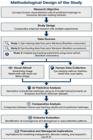
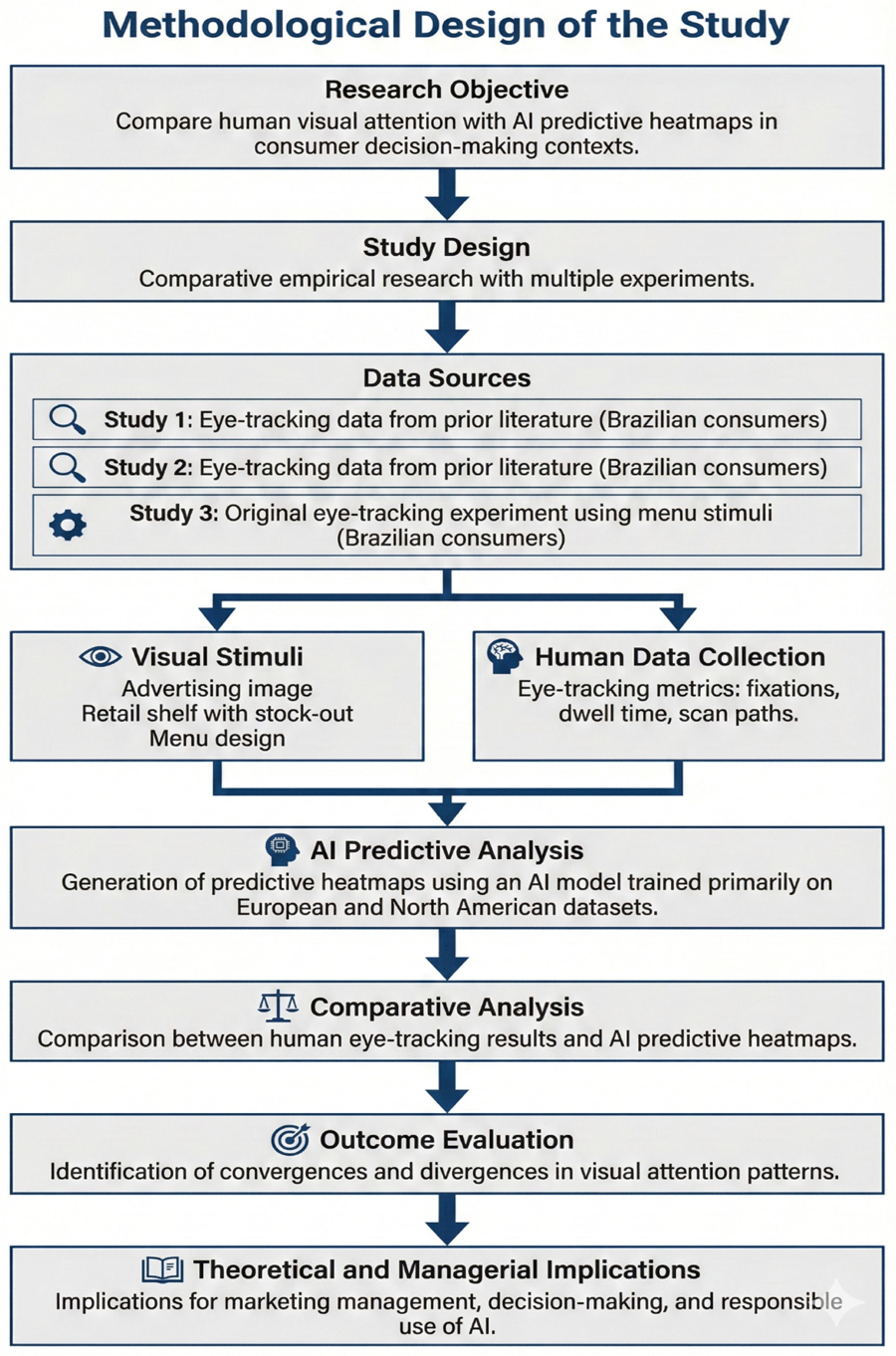
The methodological design was structured in two complementary stages. The first stage consisted of a systematic analysis of empirical studies in the literature that used eye tracking with Brazilian participants, covering non-marketing stimuli (institutional advertising) and marketing stimuli (retail shelves). In these analyses, the original visual stimuli were processed by a predictive AI system, allowing for comparison between empirically documented attentional patterns and algorithmic predictions. The second stage comprised an original, controlled experiment with data collection using a conventional eye tracker and a gastronomic menu-type stimulus. This stage enabled a more in-depth quantitative assessment of visual attention metrics, increasing the empirical robustness of the study. figure 1 summarizes the methodological design adopted, highlighting the stages of collection, analysis, and comparison between human data and AI-generated predictions.
3.1 Literature Study 1: Kawano (2019)
The empirical data for Study 1 were obtained from Kawano’s (2019) thesis, entitled “Undeclared response: contributions of eye tracker and skin conductance response to advertising research”. The study was conducted in a laboratory, using eye tracking technology to record patterns of visual attention during exposure to institutional and non-market advertising pieces.
The sample consisted of 15 Brazilian university students, predominantly aged between 18 and 25 years, of both sexes, with no history of diagnosed neurological problems. The visual stimuli analyzed contained different informational elements, such as texts, images of characters, logos, and institutional seals. The visual attention metrics considered included gaze distribution and fixation concentration on the areas of interest defined in the original study.
In the present study, the same images used by Kawano (2019) were processed by a predictive AI system, enabling a qualitative comparison between the algorithmic heat maps and the human visual attention patterns reported in the original study.
3.2 Literature Study 2: Lopes et al. (2025)
The second set of empirical data analyzed was extracted from the article “When Stock Disappears, Psychology Appears: The Moderating Effect of the Regulatory Focus on Consumer Reactions to Out-of-Stock” (Lopes, Mesquita & Herrero, 2025), published in the Brazilian Administration Review. The study investigated the impact of stockouts on visual attention patterns and purchase intention, considering the consumers’ regulatory focus.
The study used webcam-based eye tracking technology through the RealEye platform, and data collection was carried out in a controlled environment. The sample consisted of 65 adult participants, mostly Brazilian, exposed to images of supermarket shelves with different levels of stockouts. The analyzed metrics focused on the distribution of visual attention between areas with available products and empty spaces.
For comparative purposes, the visual stimuli used in the original study were subjected to predictive AI analysis in the present work, allowing for a comparison between the heat maps generated by the algorithm and empirically documented human attention patterns.
3.3 Study 3 – Original experiment with menu
The original experiment was conducted at the Faculty of Engineering, Language arts, and Social Sciences of the Federal University of Rio Grande do Norte (FELCS/UFRN) in June 2025. The study was approved by the Research Ethics Committee of the Alberto Santos Dumont Institute of Education and Research, under protocol CAAE No. 84060024.3.0000.0129, in accordance with Resolution No. 466/2012 of the National Health Council.
Twenty-eight volunteers participated in the experiment, 14 men and 14 women, aged between 20 and 37 years, all students at FELCS/UFRN. The inclusion criteria adopted were age 18 years or older and academic affiliation with the institution. Participants with a history of diagnosed neurological problems, cognitive deficits, or uncorrected vision problems were excluded.
The experimental stimulus consisted of a gastronomic menu presented individually on a computer screen. The participants were instructed to observe the stimulus as if they were choosing a dish in a restaurant for a period of 75 seconds. AOIs relevant to the decision were previously defined for the analysis.
Visual attention data were collected using Mangold Eye-tracker equipment. The main metric used was total dwell time, defined as the sum of the duration of fixations made in each AOI. The data was processed and analyzed using RStudio software (version 4.5.0).
3.4 Predictive AI Analysis
Predictive analyses were performed using the Attention Insight platform, which employs deep learning algorithms trained with large eye tracking databases. According to information provided by the developer, the model was trained mainly with data from participants in Europe and the United States, totaling millions of fixations and gaze points from proprietary studies and open databases.
In the present study, AI was used to generate predictive heat maps for the same stimuli analyzed in the three empirical studies (institutional advertising, retail shelves, and restaurant menus). These maps were compared to human visual attention patterns obtained by eye tracking, allowing for the evaluation of convergences and divergences between algorithmic predictions and the actual behavior of Brazilian consumers.
4 STUDY RESULTS
4.1 Study 1 results – Eye tracking data (Kawano, 2019)
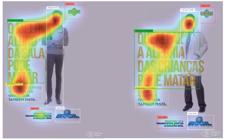
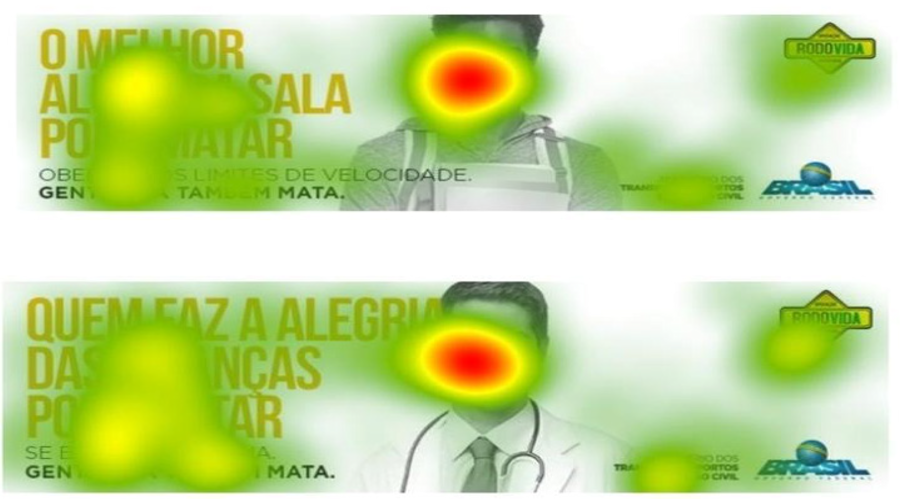
The analysis of heat maps obtained through traditional eye tracking revealed consistent patterns of visual attention allocation among participants. Facial elements were the main focal points, concentrating the highest intensity of visual attention. At the second level, moderate attention was observed for hierarchical textual elements, especially main and secondary titles. In contrast, institutional representations, such as Federal Government logos, had low eye fixation rates.
The observed pattern indicates the presence of a perceptual hierarchy in which stimuli with human characteristics take precedence in visual processing, followed by textual informational content, while institutional symbols occupy a peripheral position in attentional engagement. figure 2 shows the heat maps corresponding to the static pieces in horizontal format.
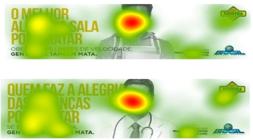
– Heat maps of visual attention in the horizontal static parts of the campaign based on empirical eye tracking data
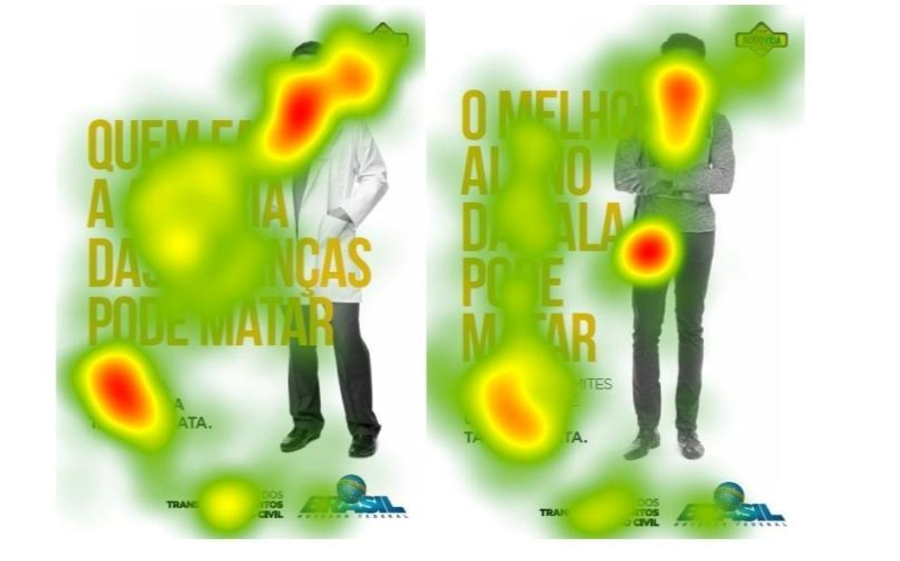
The analysis of vertical-format pieces revealed variations in the distribution of visual attention, although facial elements remained the primary focus. Unlike horizontal compositions, secondary titles emerged as the second most visually engaging element. Additionally, there was a relative increase in attention directed at institutional elements, including the Federal Government and highway logos, which had higher fixation rates compared to the horizontal versions.
These results suggest that the spatial organization and format of the visual stimulus influence the attentional hierarchy, modulating the visibility and perceptual relevance of institutional and informational elements. Figure 3 illustrates the heat maps of the static pieces in vertical format.
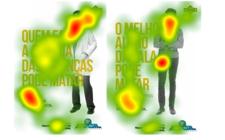
– Heat maps of visual attention in vertical static parts of the campaign based on empirical eye tracking data
4.2 Results – AI predictions for images from the study (Kawano, 2019)
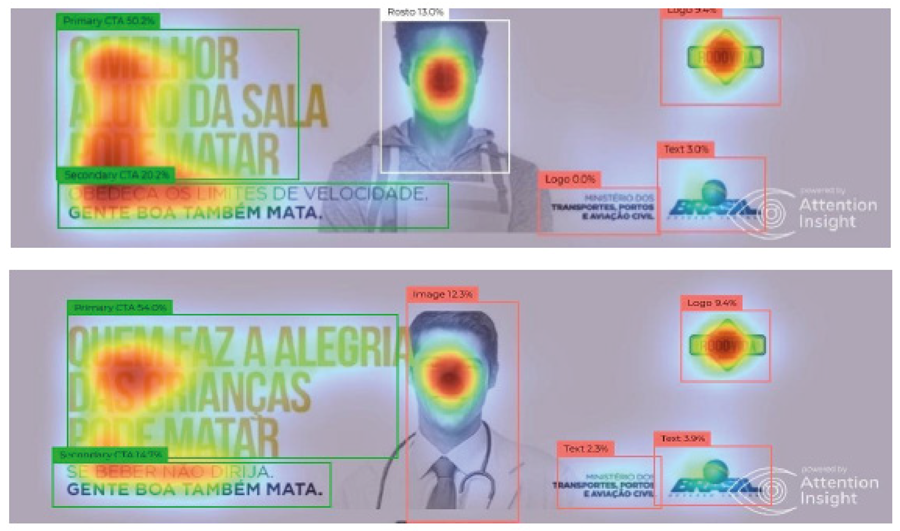
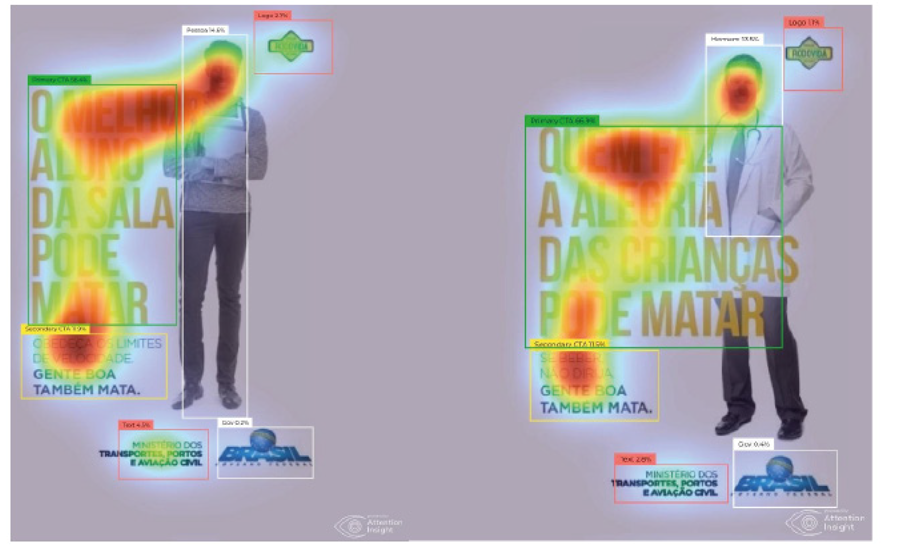
The heat maps generated by predictive AI for horizontal compositions showed a visual attention hierarchy distinct from that observed in empirical human eye tracking data. Although facial elements showed significant levels of visual engagement, textual components, both main and secondary titles, emerged as the main focus of attention predicted by the algorithm, surpassing the salience attributed to faces.
Additionally, the visual identity of the highway showed high levels of visual attraction in AI predictions, contrasting with the low levels of fixation found in the empirical data from traditional eye tracking. This pattern can be seen in the heat maps shown in Figure 4, which illustrate the distribution of visual attention predicted by the algorithmic system for horizontal images.
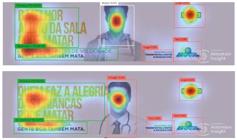
In general, AI predictions for horizontal compositions indicate a marked prioritization of textual and institutional elements, suggesting significant divergences from the attentional patterns empirically observed.
Analysis of the heat maps of the vertical images generated by AI revealed an even more pronounced hierarchy in the distribution of visual attention. The main and secondary titles were the dominant focal points of the composition, with the highest density of predicted fixations. Facial representations also attracted significant attention, but to a lesser extent than textual elements.
A clear spatial gradient of attention was also observed, with a higher concentration of fixations in the upper and central regions of the images. In contrast, institutional elements located in peripheral areas, such as the Federal Government and highway logos, showed reduced levels of visual engagement in the algorithmic predictions. These patterns are shown in Figure 5.
4.3 Comparison between AI predictions and empirical eye tracking data from Study 1 (Kawano, 2019)
The comparative analysis between AI predictions and human eye tracking data revealed substantial differences in visual attention allocation patterns, especially in vertical images, as shown in Table 1.
– Comparison of average visual attention percentages according to AI-generated predictions and human eye tracking (ET) data – Vertical images
The most significant discrepancy was observed in the main title, for which predictive AI estimated an average of 61.47% visual attention while empirical eye tracking data indicated only 25.07%. A similar pattern was identified in the secondary title, whose algorithmic prediction was 11.07% contrasting with 4.40% of attention actually recorded among human participants.
Differences were also observed in institutional elements. Although to a lesser extent: the attention allocated to the Federal Government and highway logos showed consistent variations between AI predictions and empirical data, indicating a tendency for the algorithmic model to redistribute visual attention differently from that observed in real consumers. In horizontal images, the discrepancies between AI and human eye tracking were less pronounced, but still relevant, as shown in Table 2.
– Comparison of average visual attention percentages according to AI-generated predictions and human eye tracking (ET) data – Horizontal images
Even in the horizontal composition, AI showed a systematic tendency to overestimate the attention paid to textual elements, particularly the main title, while underestimating the attention paid to facial representations, when compared to empirical data from human participants.
4.4 Study 2 results (Lopes et al., 2025) and comparison with AI predictions
Figure 6 shows the heat maps obtained in Study 2 (Lopes et al., 2025) in which Brazilian participants were induced to focus on prevention. In this study, the consumers’ visual attention was predominantly concentrated on areas of stockouts, represented by empty spaces on the shelves. These regions had a high density of fixations, indicating that the absence of products acted as a highly relevant visual stimulus in the context of the task.
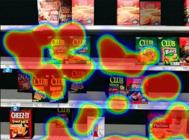
– Heat map of visual attention according to human eye tracking data (preventive regulatory profile)
This pattern suggests that human consumers interpreted the gaps on the shelves as critical informational signals, possibly associated with the perception of risk, scarcity, or service failure, consistently directing their visual attention to these areas.
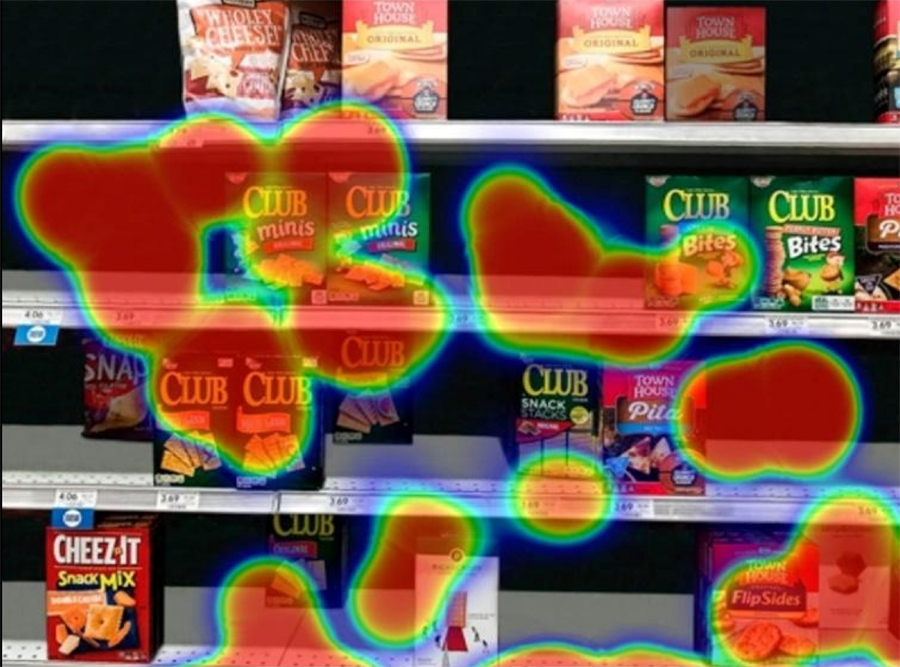
In contrast, Figure 7 shows the heat map generated by predictive AI for the same visual stimulus. The algorithm focused attention almost exclusively on the visual elements that were present and salient, especially the packaging of the remaining products, such as the Club and Cheez-It brand boxes. The out-of-stock areas, which received significant attention in the human data, were not identified as relevant regions by the predictive model.

– Heat map of visual attention generated by predictive AI for the shelf with stock shortage
The comparison between human eye tracking heat maps and AI predictions revealed a substantial divergence in visual attention allocation patterns. While Brazilian consumers directed their attention to the absence of products, interpreting it as a relevant informational stimulus, the AI model prioritized exclusively positive and salient visual stimuli, based on perceptual characteristics such as color, contrast, and the presence of objects.
These results indicate that the predictive model operated predominantly under a logic of visual salience (bottom-up), without capturing the contextual meaning of the absence of products, a central element in consumer decision-making in real purchasing situations. The observed discrepancy suggests limitations of AI in reproducing attentional patterns dependent on semantic interpretation and situational context, especially when applied to Brazilian consumers in out-of-stock scenarios.
4.5 Study 3 results – Eye tracking data (menu experiment)
The Total Dwell Time—defined as the sum of the duration of all fixations (timegap_ms) made by the 28 participants—was calculated for each of the four AOIs. This procedure allowed us to measure the total time, in milliseconds, visually devoted to each area of the menu.
In order to facilitate the comparison of visual attention devoted to AOIs, the absolute values of Total Dwell Time were converted into percentages. Table 3 shows the results obtained.
The results indicate a relatively balanced distribution of visual attention between the upper and lower areas of the menu, with emphasis on AOI 4, which concentrated the highest proportion of visual attention observed among human participants.
4.6 Results – AI predictions for images from the original experiment with the menu
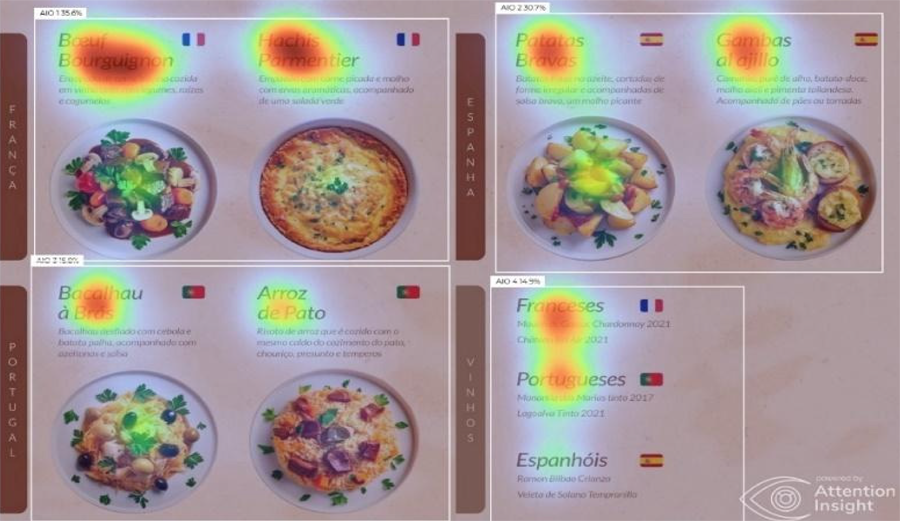
Figure 8 shows the layout of the menu submitted for analysis by the AI system overlaid with a heat map indicating the areas most likely to attract attention. As in the human eye tracking experiment, the analysis was structured around four AOIs, corresponding to the quadrants of the menu.
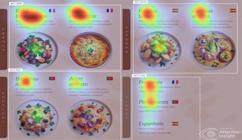
The distribution of attention predicted by AI revealed a clear visual hierarchy. The upper left quadrant (AOI 1), with French cuisine dishes, was predicted to be the main focus of attention, concentrating 35.6% of total visual attention. Next, the upper right quadrant (AOI 2), with Spanish cuisine dishes, received 30.7% of the predicted attention.
In contrast, the lower quadrants received significantly lower proportions of visual attention, with 19.0% attributed to the Portuguese section (AOI 3) and 14.9% to the wine list (AOI 4). These results indicate a marked algorithmic prioritization of the upper areas of the layout over the lower sections.
4.7 Comparison between AI predictions and empirical data from the original experiment with the menu
Human eye tracking data were processed in the RStudio environment using the readxl package to import data and the janitor package to standardize variables. The chi-square goodness-of-fit test (chisq.test) was applied for the statistical comparison between observed (human) and AI-predicted values.
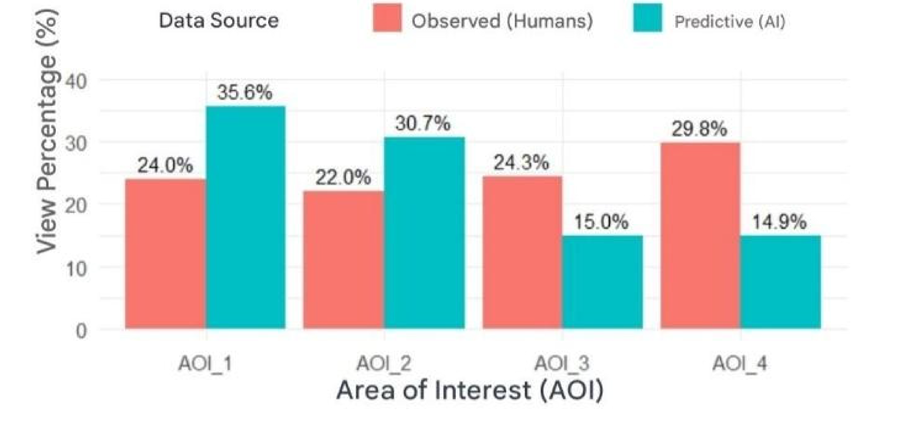
The comparative illustration of distribution of visual attention was performed using the ggplot2 package (Wickham, 2016), enabling the graphical analysis of the discrepancies between the observed and predicted patterns. Figure 9 shows the comparison in terms of percentage by AOI.
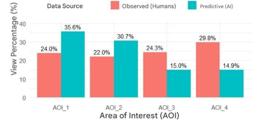
– Comparison of visual attention to AOIs: observed (human eye tracking) versus predictive (AI-generated) data
The results indicated consistent discrepancies between the visual attention patterns observed in human participants and those predicted by the AI model. Specifically, AI overestimated the attention directed to the upper areas of the menu (AOI 1 and AOI 2) and underestimated the attention devoted to the lower areas, especially the wine list (AOI 4).
This divergence was statistically confirmed by the chi-square goodness-of-fit test [χ2(3) = 226.663, p < 0.001], indicating that the predictive model did not adequately reproduce the actual pattern of visual fixations observed in the experiment with humans.
5 DISCUSSION
H1 - AI models overestimate the allocation of visual attention to highly salient elements when compared to empirical human eye tracking data.
The results of this study provide consistent empirical support for H1, indicating that AI models tend to overestimate the visual attention directed at highly salient elements when compared to data obtained by human eye tracking. In both contexts analyzed —literature data and original experiment with the menu—AI assigned disproportionately higher levels of attention to elements with high visual contrast, spatial centrality, and striking perceptual characteristics, such as faces and highlighted titles. In contrast, human eye tracking data revealed a more balanced distribution of attention dependent on the task context, showing that real consumers are not guided exclusively by visual salience. In the experiment with the menu, for example, human participants directed relevant attention to less salient informational elements, such as descriptions and categories, suggesting that processing was guided by specific decision-making goals.
The behavior of human participants, who focused on descriptions and categories (functionally relevant but visually less salient elements), aligns with the findings of Colombo and Bruno (2024). These authors used the TranSalNet model on e-commerce websites and observed that, although AI accurately identified the central images of the products, it failed to predict human attention directed to peripheral elements crucial for navigation, such as search bars, filters, and menus.
The above findings corroborate the literature that distinguishes between exogenous (bottom-up) and endogenous (top-down) attention mechanisms. AI predictions predominantly reflect exogenous processes characterized by automatic and reflexive responses to physical attributes of the stimulus, such as contrast, color, and positioning (Milić Keresteš et al., 2024). On the other hand, the behavior observed in human participants highlights the action of endogenous attention mechanisms, in which visual focus is guided by intentions, expectations, and consumption goals, as highlighted by Bigne et al. (2025).
H2 - In goal-oriented tasks, AI-generated visual attention predictions differ significantly from human patterns in allocation of attention to textual and contextual elements.
The results of the present study offer strong empirical support for H2, demonstrating that the divergence between AI-generated visual attention predictions and the patterns observed in human consumers is significantly pronounced in contexts guided by specific goals. Unlike exploratory or purely visual situations, decision-making tasks require directed information processing, which substantially alters how attention is allocated.
In the data from Kawano (2019), informative textual elements received more fixation time from human participants than predicted by AI, indicating that the algorithm underestimated the relevance of these components in a message interpretation task. This pattern became even more evident in the original experiment with the menu, in which consumers directed their attention to sections directly related to decision-making, such as categories and descriptions of dishes and wines, while AI maintained its prioritization of visually more striking stimuli.
Convergent results were observed in the comparison between the study by Lopes et al. (2025) and AI predictions. In this case, the absence of products on the shelves was a critical contextual element for human consumers, consistently guiding their visual attention. However, this contextual stimulus, characterized by the “lack of product”, was not captured by the algorithmic model, in which attention was mostly focused on positive and present visual elements.
The above findings are in line with the literature, which points out that AI models for predicting visual attention are predominantly trained to identify patterns of perceptual salience (bottom-up), learning to recognize colors, contrasts, shapes, and positioning (Atlı, 2024). However, such models have substantial limitations when applied to situations where attention is guided by goals, expectations, and semantic interpretations, which are central characteristics of endogenous (top-down) attention.
The literature on consumer behavior reinforces this argument. Simonetti and Bigne (2024) demonstrated that consumers engaged in focused tasks tend to ignore visually salient stimuli, such as advertising banners, a phenomenon known as banner blindness. This effect directly explains the patterns observed in the present study, in which human consumers prioritized information relevant to the decision over aesthetically appealing stimuli.
H3 - AI models predominantly trained with Euro-American databases show significant divergences from the visual attention patterns of Brazilian consumers.
The results of this study corroborate H3, highlighting significant differences between the visual attention predictions generated by AI models trained with predominantly Euro-American databases and the patterns observed in Brazilian consumers. Human eye-tracking data indicated greater attention to contextual and informational elements, whereas AI showed systematic tendencies to prioritize visual stimuli based on perceptual salience, disregarding the cultural and contextual specificities of the analyzed audience.
In the first stage of the study, AI overestimated the attention directed to the Brazilian Federal Government logo, while human participants devoted minimal attention to this element. This result suggests that the cultural familiarity of Brazilian consumers with institutional symbols may reduce the attentional relevance of these elements, whereas the algorithmic model trained mainly with data from foreign contexts does not incorporate this prior cultural repertoire.
Cultural differences were also consistently manifested in the experiment with the menu. Elements associated with the Portuguese cuisine, which is culturally closer to the Brazilian gastronomic experience, received significant levels of attention from human participants but were not highlighted by the AI model. This pattern indicates that cultural preferences and references influence the allocation of visual attention, particularly in experiential and symbolic contexts such as food choices.
Although cultural familiarity may influence food preferences, the divergence observed in Study 3 appears to be more strongly explained by goal-directed attention (top-down processing) rather than purely cultural factors. While the AI model prioritized visually salient, image-based stimuli (bottom-up saliency), human participants focused on task-relevant textual information necessary for decision-making. Therefore, the discrepancy is better interpreted as a structural limitation of bottom-up predictive models in capturing endogenous, goal-oriented attentional processes, rather than as a purely cultural mismatch.
Convergent results were observed in the comparisons with the study by Lopes et al. (2025). In the context explored in this study, the attention of Brazilian consumers was directed to stockout areas (empty shelf spaces), whereas AI completely ignored this contextual stimulus. This finding suggests that if certain contextual cues are not adequately represented in the training data, the algorithmic model tends not to recognize them as relevant, regardless of their importance to local consumer behavior.
These results are consistent with the cross-cultural literature that demonstrates that the cultural background significantly shapes the patterns of visual attention. Moriuchi and Moriyoshi (2024) compared Japanese and American consumers and found that individuals from high-context cultures pay greater attention to experiential and imagery elements, whereas consumers from low-context cultures prioritize graphic structures and analytical information. This pattern is analogous to the behavior observed among the Brazilian participants in this study, who prioritized contextual and experiential elements in their decision-making.
In agreement with the above, studies such as Cao et al. (2025) report significant differences in eye-fixation metrics across cultural groups, reinforcing that visual attention prediction models trained with data from a specific cultural context may present limitations when applied to different markets. From a managerial perspective, these findings indicate that the generalization of algorithmic models to support decision-making should be undertaken with caution, especially in emerging markets where cultural and contextual factors play a central role in consumer behavior.
H4 - Discrepancies between algorithmic predictions and actual attentional behaviors reduce the effectiveness of algorithmic influence and impact consumer decision-making autonomy.
The discrepancies identified in the results confirm that algorithmic predictions of visual attention may compromise the effectiveness of digital influence. In the stimuli analyzed, AI consistently overestimated logos and visually salient elements that were largely ignored by participants, reinforcing the phenomenon of banner blindness (Simonetti & Bigne, 2024). Similarly, in the experiment with the menu, predictive AI emphasized secondary visual items, whereas consumers directed their attention toward information that was directly relevant to their choice.
These findings reveal an important managerial risk. When design and communication decisions rely exclusively on algorithmic predictions, managers may unintentionally reinforce visually salient but functionally irrelevant stimuli. Such practices increase visual clutter, forcing consumers to invest greater cognitive effort to locate meaningful information (Wedel & Pieters, 2006; Moriuchi & Moriyoshi, 2024). As interfaces become increasingly overstimulated, consumers are more likely to experience information overload and decision fatigue, which reduces decision efficiency and negatively affects the overall consumption experience (Simonetti & Bigne, 2024; Marques et al., 2025).
Importantly, the impact on consumer autonomy does not occur through direct manipulation, but through the progressive erosion of informational clarity. As advanced visual analytics and predictive systems increasingly prioritize salience-driven stimuli, they may subtly exploit subconscious attentional biases, raising ethical concerns regarding the preservation of consumer autonomy (Boltaeva, 2024; Herold et al., 2024).
This erosion is further exacerbated by visually overloaded environments and reduced visual clarity, in which information saturation and excessive stimuli hinder the formation of informed judgments (Atlı, 2024; Šola et al., 2024; Bucheli Mendoza & Vaca Cardenas, 2024). Rather than facilitating personalization, such environments can generate frustration and disengagement, compromising both trust in the brand and perceived consumer well-being (Atlı, 2024; Kheddache & Ferroudj, 2025).
Therefore, the results of the present study corroborate H4 by demonstrating that discrepancies between algorithmic predictions and actual consumer attention patterns can weaken algorithmic influence and constrain decision-making autonomy. Across all analyzed contexts, AI tended to overvalue visual salience detached from decision functionality, while human attention remained oriented toward task-relevant information. These findings reinforce the need to treat predictive AI as a complementary tool to empirical consumer research rather than as a substitute, particularly in complex decision-making environments.
6 CONCLUSION
This study demonstrates the extent to which AI models predominantly trained on foreign databases are capable of reproducing actual patterns of visual attention among Brazilian consumers. The results indicate that AI is effective in identifying visually salient stimuli (H1) but presents significant divergences in goal-oriented tasks (H2) and across different cultural contexts (H3). Additionally, these divergences raise important implications regarding the authenticity of algorithmic influence and its potential effects on consumer decision-making autonomy (H4).
The theoretical contributions of this research are initially evident in hypotheses H1 and H2, demonstrating that AI models only partially reproduce human visual cognition. The results indicate that such models operate mainly based on visual salience mechanisms, capturing exogenous attention (bottom-up) while neglecting endogenous attention (top-down), which is fundamental in goal-oriented consumption contexts. This distinction expands the literature by reinforcing the limitations of purely salience-dependent models and supporting the need for hybrid approaches that integrate perceptual and cognitive factors in predicting visual attention.
With regard to H3, the study contributes empirically to the consumer neuroscience literature and to cross-cultural research by demonstrating that models trained on Euro-American datasets do not adequately represent the attentional patterns of Brazilian consumers. The findings indicate that cultural and contextual factors significantly modulate visual attention processing, challenging the universal validity of algorithmic predictions and reinforcing the importance of incorporating cultural specificities into predictive models.
Additionally, the results associated with H4 advance the theoretical debate on the authenticity of algorithmic influence by showing that discrepancies between AI predictions and actual behavior may reinforce visually salient but decision-irrelevant stimuli. From a theoretical perspective, these findings broaden the discussion on consumer well-being in digital environments, suggesting that biased models can negatively affect decision-making autonomy by increasing cognitive load and hindering access to relevant information.
From a managerial standpoint, the study offers relevant contributions to marketing, design, and digital communication firms. The results demonstrate that relying exclusively on algorithmic predictions may lead to ineffective strategies, such as overemphasizing elements that are of limited relevance to consumers. Accordingly, the findings indicate the need to calibrate and customize AI models using local data to better align design and communication decisions with the actual behavioral patterns of Brazilian consumers.
Furthermore, the findings suggest that improving predictive performance in emerging markets may require more than retraining models with local datasets. Structural adjustments to model architecture may be necessary, including the integration of semantic labeling, contextual inference mechanisms, and hybrid systems capable of combining bottom-up saliency detection with top-down task modeling. Purely pixel-based saliency algorithms appear insufficient to capture meaning-driven human attention in decision-making contexts.
In summary, from a theoretical standpoint, this study broadens the debate on algorithmic influence by integrating cognitive, cultural, and empirical dimensions into the application of AI in marketing management. Empirically, it provides robust evidence that predictive models trained on Euro-American datasets exhibit significant limitations when applied to the Brazilian context. Moreover, the results encourage managers to adopt a critical and strategic stance toward algorithmic tools, avoiding automated decisions that could compromise both communication effectiveness and consumer autonomy.
Finally, the findings also offer implications for AI developers and startups, highlighting that saliency-based models need to evolve to incorporate goals, context, and cultural variables, paving the way for the development of culturally adapted and more accurate AI systems. They also contribute to the debate on public policy and digital consumption ethics by indicating that discrepancies between algorithmic predictions and actual behavior may reduce consumer autonomy and increase cognitive load, providing input for future guidelines on transparency, consumer protection, and the regulation of algorithmic influence.
6.1 Limitations and suggestions for future studies
This study has some limitations that should be considered when interpreting its results. First, the study focused on a single cultural context, involving exclusively Brazilian consumers, which limits the generalization of the findings to other markets and sociocultural realities. Second, the stimuli analyzed were limited to static images (advertisements and shelves) and a digital menu, not fully capturing the complexity and dynamism of interactive, multimodal, and real-time digital environments.
In addition, the comparison between algorithmic predictions and human behavior was based on a single AI system predominantly trained with data from consumers from the United States and Europe. This choice, although aligned with the study’s objectives, restricts the analysis to a specific visual prediction model. Third, the investigation focused exclusively on visual attention metrics, without incorporating emotional, motivational, or behavioral dimensions directly associated with consumer decisions.
Although the multi-study design strengthens the external validity through contextual triangulation, the individual sample sizes in Study 1 (n = 15) and Study 3 (n = 28) are relatively small. While sufficient for exploratory comparisons of heat maps and qualitative gaze pattern analyses, these samples limit statistical power for broader population-level generalizations.
Given the abomentioned limitations, future research may proceed in several directions. Cross-cultural studies are particularly relevant for examining the performance of visual attention prediction models across different countries and sociocultural contexts, thereby broadening the debate on the external validity and generalizability of algorithmic predictions. Furthermore, the use of dynamic stimuli, such as advertising videos, social media interfaces, e-commerce environments, and immersive experiences, may offer a more realistic understanding of AI performance in contemporary consumption settings.
Another important direction for research is to compare different visual prediction systems and architectures, assessing whether similar patterns emerge from alternative training datasets and algorithmic methodologies. Additionally, the integration of complementary metrics, such as emotional responses (e.g., facial emotion recognition, skin conductance) and behavioral indicators (clicks, browsing time, actual purchase choices), would allow for a more comprehensive understanding of the relationship between algorithmic predictions, visual attention, and their influence on consumer decision-making. Finally, future research should replicate these findings using larger samples and inferential statistical analyses to enhance robustness.
REFERENCES
- Almourad, M., Bataineh, E., Hussein, M., & Wattar, Z. (2025). Strategic placement of branding elements in digital marketing: Insights from eye tracking data. Proceedings of the 27th International Conference on Enterprise Information Systems, 417-423.
-
Alshaketheep, K., Al-Ahmed, H., & Mansour, A. (2025). Beyond purchase patterns: harnessing predictive analytics to anticipate unarticulated consumer needs. Acta Psychologica, 257 (105089), 105089. https://doi.org/10.1016/j.actpsy.2025.105089
» https://doi.org/10.1016/j.actpsy.2025.105089 -
Alsharif, A. H., & Isa, S. M. (2025). Electroencephalography studies on marketing stimuli: A literature review and future research agenda. International Journal of Consumer Studies, 49 (1). https://doi.org/10.1111/ijcs.70015
» https://doi.org/10.1111/ijcs.70015 -
Anupama, T., & Rosita, S. (2024). Neuromarketing insights enhanced by artificial intelligence. ComFin Research, 12 (2), 24-28. https://doi.org/10.34293/commerce.v12i2.7300
» https://doi.org/10.34293/commerce.v12i2.7300 -
Atli, D. (2024). Analyzing turkey's premier e-commerce marketplaces by predictive eye tracking method. Journal of Business in The Digital Age. https://doi.org/10.46238/jobda.1490101
» https://doi.org/10.46238/jobda.1490101 -
Azman, H., Amin, M. K. M., & Wibirama, S. (2019). Exploring the subconscious decision making in neuromarketing research using eye tracking technique. Journal of Advanced Manufacturing Technology (JAMT), 13 (2(2)). https://jamt.utem.edu.my/jamt/article/view/5720
» https://jamt.utem.edu.my/jamt/article/view/5720 -
Barbierato, E., Berti, D., Ranfagni, S., Hernández-Álvarez, L., & Bernetti, I. (2023). Wine label design proposals: an eye tracking study to analyze consumers' visual attention and preferences. International Journal of Wine Business Research, 35 (3), 365-389. https://doi.org/10.1108/ijwbr-06-2022-0021
» https://doi.org/10.1108/ijwbr-06-2022-0021 -
Bigne, E., Boksem, M., Casado-Aranda, L. A., García-Madariaga, J., Gier-Reinartz, N. R., Guerreiro, J., Loureiro, S., Kakaria, S., Smidts, A., & Wedel, M. (2025). How to conduct valuable marketing research with neurophysiological tools. Psychology & Marketing, 42 (10), 2616-2649. https://doi.org/10.1002/mar.70002
» https://doi.org/10.1002/mar.70002 - Boltaeva, Z. M. (2023). Artificial intelligence and neuromarketing: The future of personalized advertising. Modern Problems in Education and Their Scientific Solutions, 93-96.
-
Calderón-Fajardo, V., Anaya-Sánchez, R., Rejón-Guardia, F., Molinillo, S. (2024). Neurotourism insights: Eye Tracking and galvanic analysis of tourism destination brand logos and AI visuals. Tourism & Management Studies, 20(3), 53–78. https://doi.org/10.18089/tms.20240305
» https://doi.org/10.18089/tms.20240305 -
Cao, X., Horváth-Mezofi, Z., Sasvár, Z., Szabó, G., Gere, A., Hitka, G., & Radványi, D. (2025). Influence of visual quality and cultural background on consumer apple preferences: An eye tracking study with Chinese and Hungarian consumers. Applied Sciences (Basel, Switzerland), 15 (2), 773. https://doi.org/10.3390/app15020773
» https://doi.org/10.3390/app15020773 -
Colombo, L., & Bruno, A. (2024). Artificial intelligence for perception and artificial consciousness https://ceur-ws.org/Vol-3923/
» https://ceur-ws.org/Vol-3923/ -
Corbetta, M., & Shulman, G. L. (2002). Control of goal-directed and stimulus-driven attention in the brain. Nature Reviews. Neuroscience, 3 (3), 201-215. https://doi.org/10.1038/nrn755
» https://doi.org/10.1038/nrn755 -
Daneshvar, A., Olfat, M., Pourghader Chobar, A., & Yadegari, E. (2025). Improving the performance of direct advertising campaigns by applying artificial intelligence techniques. Corporate Communications An International Journal https://doi.org/10.1108/ccij-02-2025-0044
» https://doi.org/10.1108/ccij-02-2025-0044 - Dhillon, H. S., & Singh, J. (2012). Human eye tracking and related issues: A review. International Journal of Scientific and Research Publications
-
Duchowski, A. T. (2002). A breadth-first survey of eye tracking applications. Behavior Research Methods, Instruments, & Computers: A Journal of the Psychonomic Society, Inc, 34 (4), 455-470. https://doi.org/10.3758/bf03195475
» https://doi.org/10.3758/bf03195475 -
Erden, A., Bilgili, A., Durmus, B., & Çinko, M. (2025). Focusing area on advertising: An eye tracking application. Bilisim Teknolojileri Dergisi, 18 (1), 77-83. https://doi.org/10.17671/gazibtd.1506664
» https://doi.org/10.17671/gazibtd.1506664 -
Herold, E., Singh, A., Feodoroff, B., & Breuer, C. (2024). Data-driven message optimization in dynamic sports media: an artificial intelligence approach to predict consumer response. Sport Management Review, 27 (5), 793-816. https://doi.org/10.1080/14413523.2024.2372122
» https://doi.org/10.1080/14413523.2024.2372122 -
Hubert, M., & Kenning, P. (2008). A current overview of consumer neuroscience. Journal of Consumer Behaviour, 7 (4-5), 272-292. https://doi.org/10.1002/cb.251
» https://doi.org/10.1002/cb.251 -
Itti, L., & Koch, C. (2001). Computational modelling of visual attention. Nature Reviews. Neuroscience, 2 (3), 194-203. https://doi.org/10.1038/35058500
» https://doi.org/10.1038/35058500 -
Juárez-Varón, D., Mengual-Recuerda, A., Zuluaga, J. C. S., & Corvello, V. (2024). Application of artificial intelligence in neuromarketing to predict consumer behaviour towards brand stimuli: Case study - neurotechnologies vs. AI predictive model. International journal of software science and computational intelligence, 16 (1), 1-18. https://doi.org/10.4018/ijssci.347214
» https://doi.org/10.4018/ijssci.347214 -
Karmarkar, U. R., & Yoon, C. (2016). Consumer neuroscience: advances in understanding consumer psychology. Current opinion in psychology, 10, 160-165. https://doi.org/10.1016/j.copsyc.2016.01.010
» https://doi.org/10.1016/j.copsyc.2016.01.010 -
Kawano, D. R. (2019). Resposta não declarada: contribuições do eye tracker e da resposta de condutância de pele para a pesquisa em publicidade. Tese de Doutorado, Escola de Comunicações e Artes, Universidade de São Paulo, São Paulo. doi:10.11606/T.27.2019.tde-14082019-113333. Recuperado em 2026-03-09, de www.teses.usp.br
» https://doi.org/10.11606/T.27.2019.tde-14082019-113333» www.teses.usp.br -
Kheddache, F., & Ferroudj, M. A. (2025). The use of Eye Tracking and Artificial Intelligence (Ai) in assessing the hotels website design aesthetic element: The case of Algerian hotels websites. International Journal of Professional Business Review, 10 (2), e05256. https://doi.org/10.26668/businessreview/2025.v10i2.5256
» https://doi.org/10.26668/businessreview/2025.v10i2.5256 -
Kondak, A. (2023). The application of eye tracking and artificial intelligence in contemporary marketing communication management. Scientific Papers of Silesian University of Technology Organization and Management Series, 2023 (186), 239-253. https://doi.org/10.29119/1641-3466.2023.186.18
» https://doi.org/10.29119/1641-3466.2023.186.18 -
Kumar, V., Rajan, B., Venkatesan, R., & Lecinski, J. (2019). Understanding the role of artificial intelligence in personalized engagement marketing. California Management Review, 61 (4), 135-155. https://doi.org/10.1177/0008125619859317
» https://doi.org/10.1177/0008125619859317 -
Laeng, B., Suegami, T., & Aminihajibashi, S. (2016). Wine labels: an eye tracking and pupillometry study. International Journal of Wine Business Research, 28 (4), 327-348. https://doi.org/10.1108/ijwbr-03-2016-0009
» https://doi.org/10.1108/ijwbr-03-2016-0009 -
Leon, F. A. D., Spers, E. E., & de Lima, L. M. (2020). Self-esteem and visual attention in relation to congruent and non-congruent images: A study of the choice of organic and transgenic products using eye tracking. Food Quality and Preference, 84 (103938), 103938. https://doi.org/10.1016/j.foodqual.2020.103938
» https://doi.org/10.1016/j.foodqual.2020.103938 -
Lopes, E., Mesquita, E., Herrero, E., Santini, F. de O. S., & Pandey, S. (2025). When stock disappears, psychology appears:The moderating effect of the regulatory focus on consumer reactions to out-of-stock Zenodo. https://doi.org/10.5281/ZENODO.16763763
» https://doi.org/10.5281/ZENODO.16763763 -
Malheiros, B. A., Spers, E. E., Contreras Castillo, C. J., Aroeira, C. N., & de Lima, L. M. (2025). The role of visual attention and quality cues in consumer purchase decisions for fresh and cooked beef: An eye tracking study. Applied Sciences (Basel, Switzerland), 15 (13), 7360. https://doi.org/10.3390/app15137360
» https://doi.org/10.3390/app15137360 -
Marques, J. A. L., Neto, A. C., Silva, S. C., & Bigne, E. (2025). Predicting consumer ad preferences: Leveraging a machine learning approach for EDA and FEA neurophysiological metrics. Psychology & Marketing, 42 (1), 175-192. https://doi.org/10.1002/mar.22118
» https://doi.org/10.1002/mar.22118 - Mendoza, A. D. B., & Cardenas, L. A. V. (2024). The influence of artificial intelligence in digital marketing. 2024 Tenth International Conference on eDemocracy & eGovernment (ICEDEG), 1-8.
-
Mohd Isa, S., & Anuar, N. N. A. (2024). Neuromarketing cues: an eye tracking study on mother's visual attention to organic vegetable advertisement. Neuroscience research notes, 7 (4). https://doi.org/10.31117/neuroscirn.v7i4.363
» https://doi.org/10.31117/neuroscirn.v7i4.363 -
Moriuchi, E., & Moriyoshi, N. (2024). A cross-cultural study on online reviews and decision making: An eye-tracking approach. Journal of Consumer Behaviour. https://doi.org/10.1002/cb.2165
» https://doi.org/10.1002/cb.2165 -
Pentus, K., Ploom, K., Mehine, T., Koiv, M., Tempel, A., & Kuusik, A. (2020). Mobile and stationary eye tracking comparison - package design and in-store results. The Journal of Consumer Marketing, 37 (3), 259-269. https://doi.org/10.1108/jcm-04-2019-3190
» https://doi.org/10.1108/jcm-04-2019-3190 -
Pereira, M. H. N., Melo, F. L. N. B. de, Soares, A. M. J., Ferreira, P. B. S., Silva, M. P. da, & Morya, E. (2024). Eye tracking como correlato fisiológico do comportamento do consumidor: uma revisão sistemática da literatura: Uma revisão sistemática da literatura. Revista Brasileira de Marketing, 23 (1), 300-365. https://doi.org/10.5585/remark.v23i1.23271
» https://doi.org/10.5585/remark.v23i1.23271 -
Pieters, R., Warlop, L., & Wedel, M. (2002). Breaking through the clutter: Benefits of advertisement originality and familiarity for brand attention and memory. Management Science, 48 (6), 765-781. https://doi.org/10.1287/mnsc.48.6.765.192
» https://doi.org/10.1287/mnsc.48.6.765.192 -
Posner, M. I., & Petersen, S. E. (1990). The attention system of the human brain. Annual Review of Neuroscience, 13 (1), 25-42. https://doi.org/10.1146/annurev.ne.13.030190.000325
» https://doi.org/10.1146/annurev.ne.13.030190.000325 -
Serbia, Milic Keresteš, N., Golubovic, G., Dedijer, S., Pavlovic, Ž., & Janjic, T. (2024). Ai models for predicting visual attention in digital applications: A comparative pilot analysis with eye tracking results. Proceedings - The Twelfth International Symposium GRID 2024. https://doi.org/10.24867/grid-2024-p47
» https://doi.org/10.24867/grid-2024-p47 - Shukla, R. P., Juneja, D., & Monga, S. (2024). Predictive analytics in marketing using artificial intelligence. Em Lecture Notes in Networks and Systems (p. 213-224). Springer Nature Singapore.
-
Simonetti, A., & Bigne, E. (2024). Does banner advertising still capture attention? An eye tracking study. Spanish Journal of Marketing-ESIC, 28 (1), 3-20. https://doi.org/10.1108/sjme-11-2022-0236
» https://doi.org/10.1108/sjme-11-2022-0236 -
Šola, H. M., Qureshi, F. H., & Khawaja, S. (2024). AI-powered eye tracking for bias detection in online course reviews: A Udemy case study. Big Data and Cognitive Computing, 8 (11), 144. https://doi.org/10.3390/bdcc8110144
» https://doi.org/10.3390/bdcc8110144 -
Treue, S. (2003). Visual attention: the where, what, how and why of saliency. Current Opinion in Neurobiology, 13 (4), 428-432. https://doi.org/10.1016/s0959-4388 (03)00105-3
» https://doi.org/10.1016/s0959-4388 (03)00105-3 -
Usman, S. M., Khalid, S., Tanveer, A., Imran, A. S., & Zubair, M. (2025). Multimodal consumer choice prediction using EEG signals and eye tracking. Frontiers in Computational Neuroscience, 18, 1516440. https://doi.org/10.3389/fncom.2024.1516440
» https://doi.org/10.3389/fncom.2024.1516440 -
Wedel, M., & Pieters, R. (2006). Eye tracking for visual marketing. Foundations and Trends® in Marketing, 1 (4), 231-320. https://doi.org/10.1561/1700000011
» https://doi.org/10.1561/1700000011 - Wickham, H. (2016). Ggplot2: Elegant graphics for data analysis (2 o ed.). Springer International Publishing.
-
Wolfe, J. M., & Horowitz, T. S. (2004). What attributes guide the deployment of visual attention and how do they do it? Nature Reviews. Neuroscience, 5 (6), 495-501. https://doi.org/10.1038/nrn1411
» https://doi.org/10.1038/nrn1411 -
Zhang, J., & Lee, E.-J. (2022). "Two Rivers" brain map for social media marketing: Reward and information value drivers of SNS consumer engagement. Journal of Business Research, 149, 494-505. https://doi.org/10.1016/j.jbusres.2022.04.022
» https://doi.org/10.1016/j.jbusres.2022.04.022
-
Plagiarism Check:
The ReA/UFSM maintains the practice of submitting all documents approved for publication to the plagiarism check, using specific tools, e.g.: Turnitin.
-
Data availability statement:
Data will be available upon request
Edited by
-
Edited by:
Jordana Marques Kneipp
Data will be available upon request

 Source: Prepared by the authors, 2025
 Source:
  Source:
  Source: Prepared by online AI software, 2025
 Source: Prepared by online AI software, 2025
 Source:
  Source: Prepared by online AI software, 2025
 Source: Prepared by online AI software, 2025
 Source: Results obtained in R-Studio, 2025