
 Algorithmic influence and consumer decision-making: empirical evidence on the limitations of predictive AI in marketing communication management
Purpose This study investigates the convergence and divergence between visual attention predictions generated by predictive Artificial Intelligence (AI) models and empirical patterns of visual attention of Brazilian consumers, and discusses the limitations of AI-generated models in supporting managerial decision-making in marketing and communication.
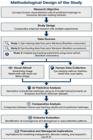
Design/methodology/approach We adopt a comparative empirical design that integrates three studies based on eye tracking with Brazilian consumers—two from the literature and one original experiment with menu-type stimuli. The empirical data were compared with results generated by a predictive AI system predominantly trained with Euro-American databases.
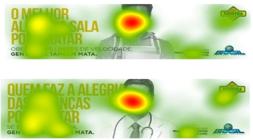
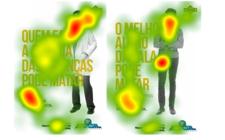
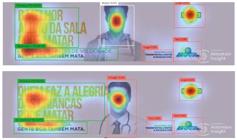
Results The results show consistent divergences between human attentional patterns and algorithmic predictions. While AI tended to overestimate visually salient elements, Brazilian consumers showed greater sensitivity to contextual, textual, and semantically relevant information for decision-making.
Limitations/implications of the study The study focuses on a single cultural context and a specific predictive AI system, which limits the generalizability of the results to other markets and algorithmic models.
Practical implications The findings alert managers to the risks of uncritical use of predictive AI in marketing communication management, indicating the need for local empirical validation and complementary use of algorithmic tools and consumer research.
Social implications The study contributes to the debate on decision-making autonomy and consumer well-being by showing that inaccurate algorithmic predictions can increase cognitive overload and compromise consumer experiences.
Originality/value The study offers unprecedented empirical evidence in an emerging market, expanding the literature on algorithmic influence by integrating cognitive, cultural, and managerial dimensions in the evaluation of AI use in marketing.
Keywords
Artificial Intelligence; Decision Making; Visual attention; Marketing; Management
 Thumbnail
 Thumbnail
 Thumbnail
 Thumbnail
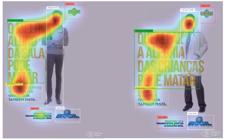 Thumbnail
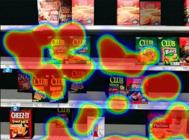 Thumbnail
 Thumbnail
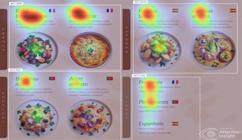 Thumbnail
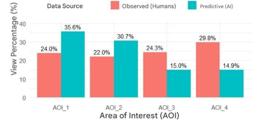 Thumbnail
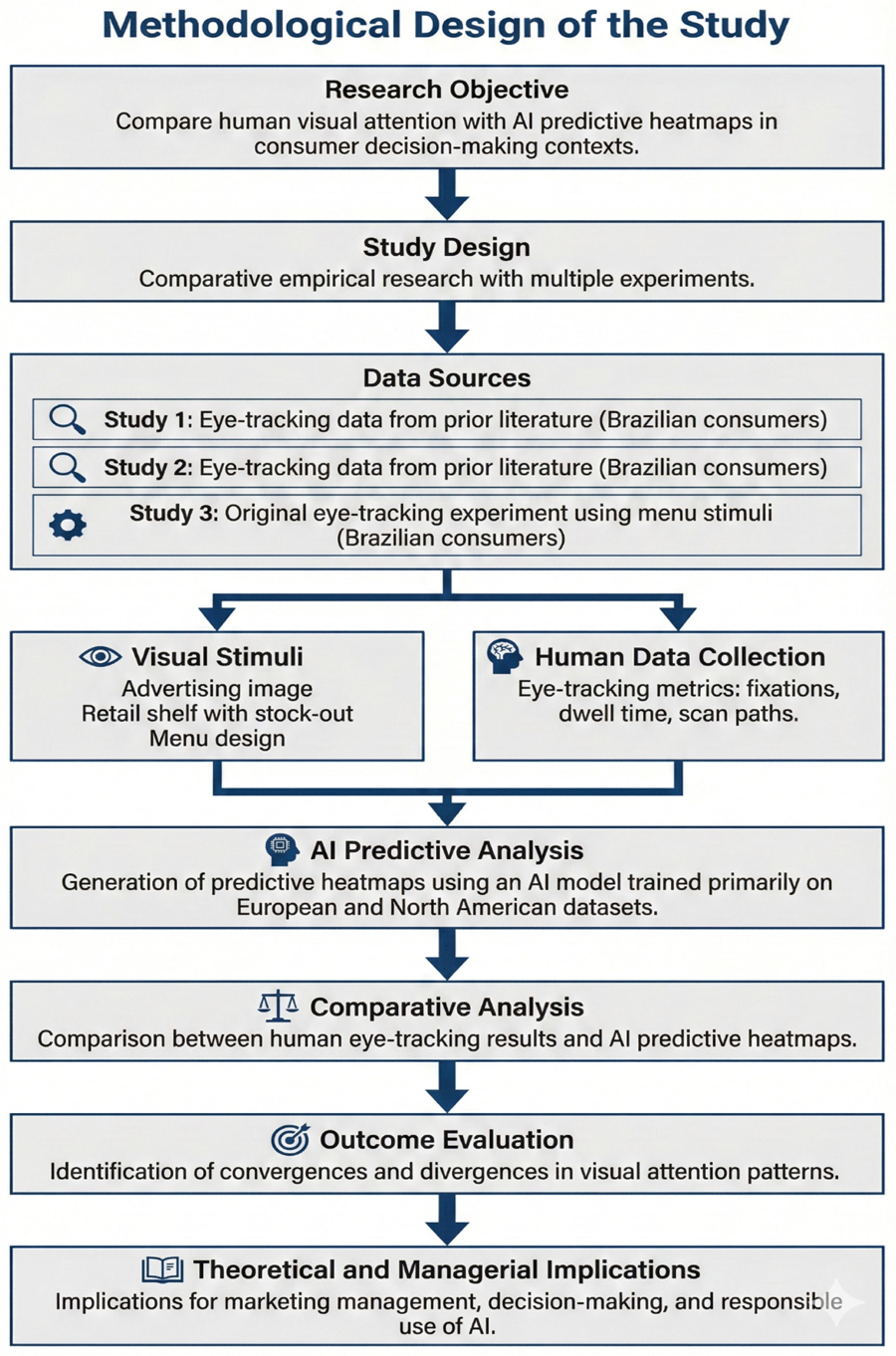 Source: Prepared by the authors, 2025
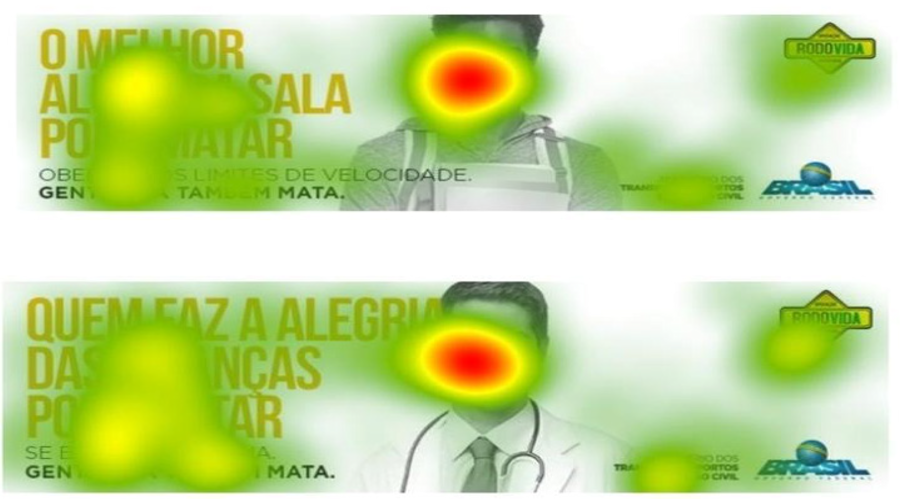 Source:
 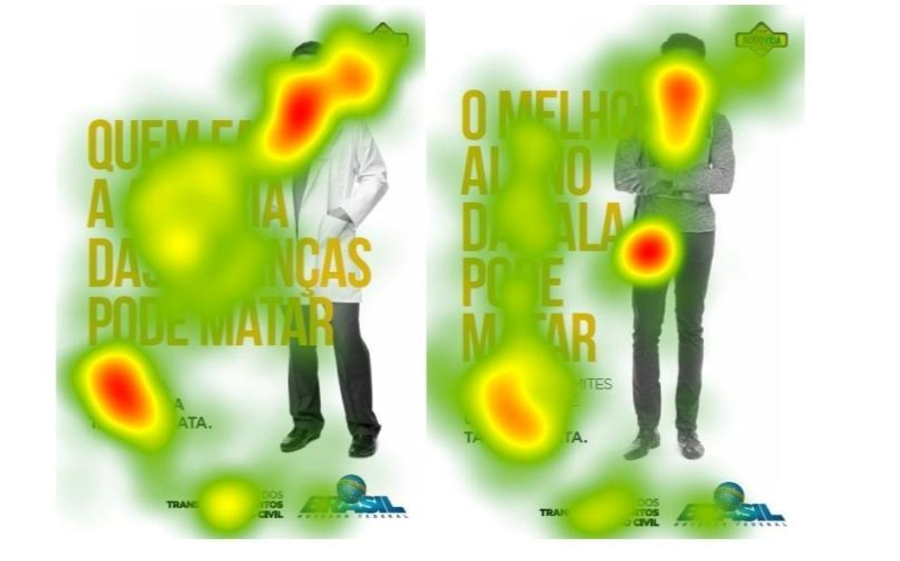 Source:
 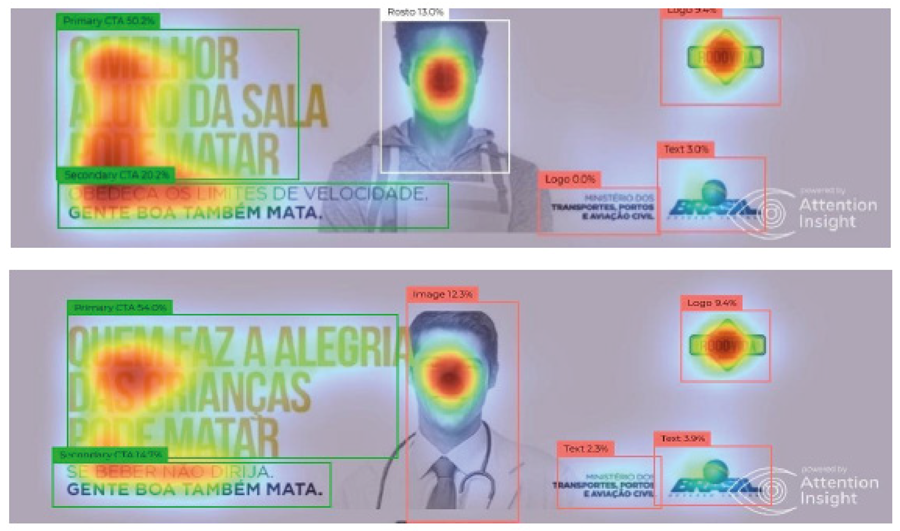 Source: Prepared by online AI software, 2025
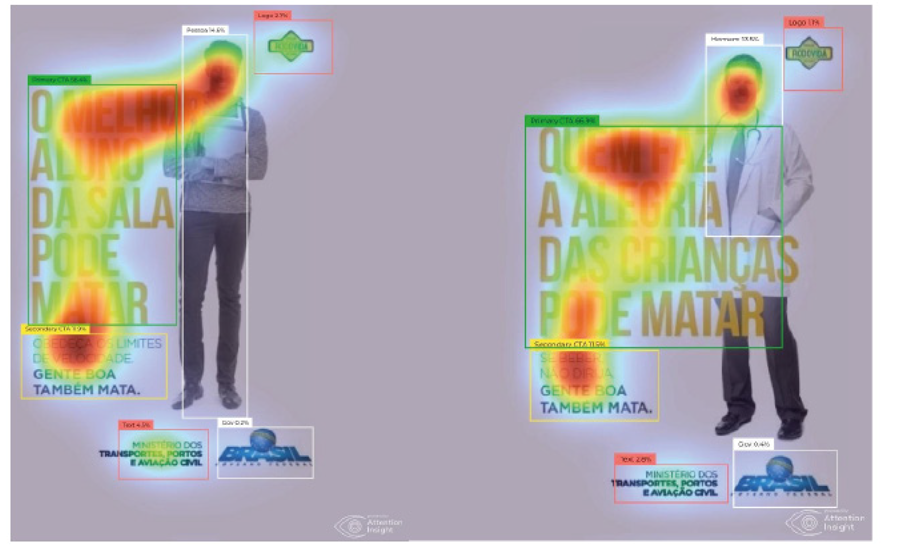 Source: Prepared by online AI software, 2025
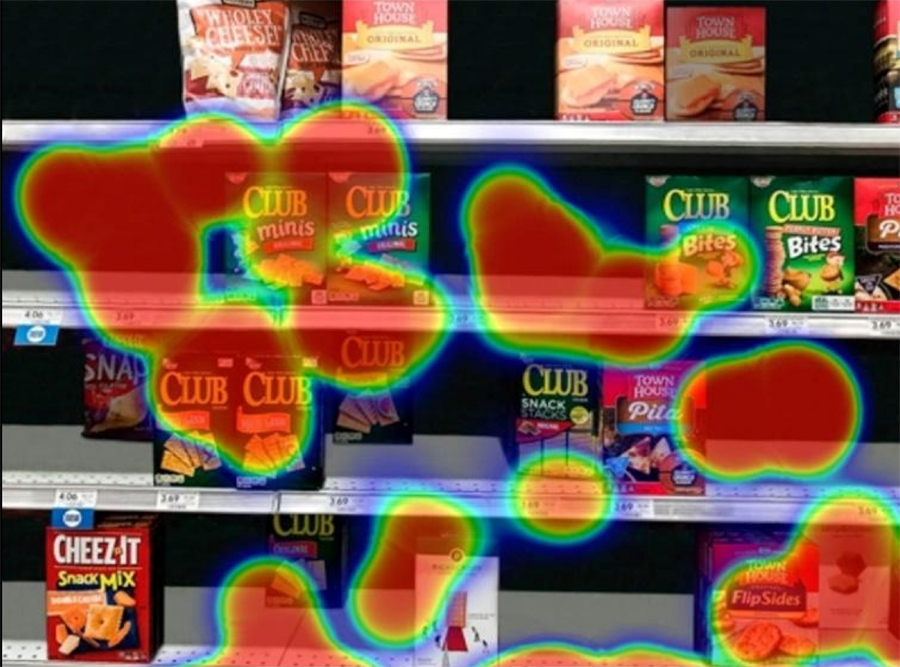 Source:
  Source: Prepared by online AI software, 2025
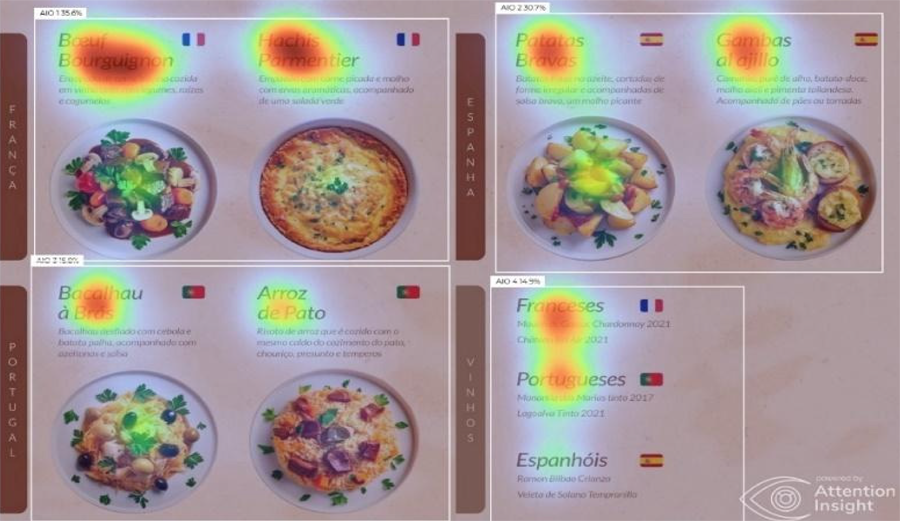 Source: Prepared by online AI software, 2025
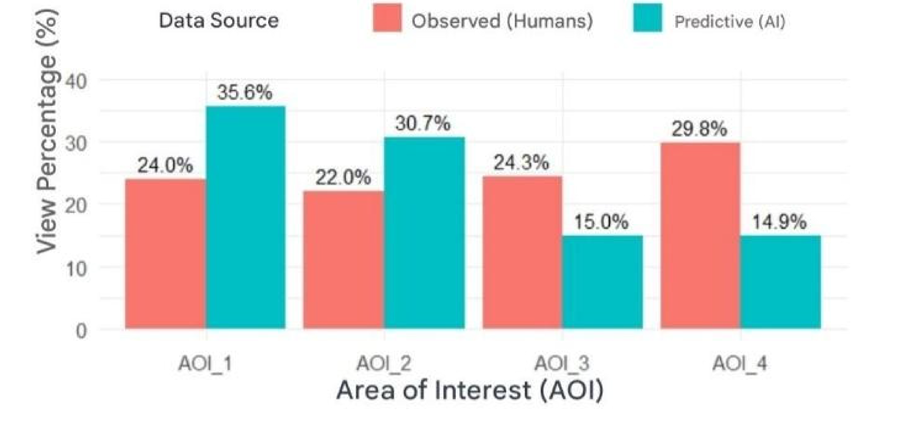 Source: Results obtained in R-Studio, 2025