 Technical feasibility and limitation of using extruded concrete pipes for lining oil wells
Abstract
The continuous advancement in new materials and manufacturing processes enables innovative applications to emerge daily in the oil and gas sector. Among these, concrete extrusion technology, enhanced by plasticizer addition and reduced porosity, offers improved mechanical properties compared to conventional cementitious components. This article evaluates the technical feasibility of replacing high-alloy steel pipes with extruded concrete pipes for oil well casing. Using finite element analysis developed in Ansys®, four critical scenarios were evaluated: (i) radial tensile stresses associated with gas bubbles, ii) radial compressive stresses linked to pore pressure and formation fracturing, iii) axial tensile stresses due to string movement, and iv) axial tensile stresses related to casing string unlocking. Results indicate that extruded concrete pipes can safely withstand differential radial pressures of up to 1,000 psi, provided a minimum wall thickness of 100 mm is adopted. However, axial load simulations revealed critical limitations: maximum tensile stresses reached 96.6 MPa during lifting operations and 193.1 MPa during unlocking, both far exceeding the material’s tensile strength of 30 MPa. These findings demonstrate that, despite the material’s adequate performance under radial loading, extruded concrete pipes are unsuitable for axial loading conditions inherent to casing operations. Further research is recommended on hybrid or fiber-reinforced alternatives to enhance tensile resistance and extend the potential of concrete extrusion to downhole applications.
Keywords:
concrete pipes; extruded concrete; finite element analysis; oil and gas.
1. Introduction
The continuous advancement in new materials and manufacturing processes enables innovative applications to emerge daily. This is the case with advances in concrete extrusion technology. According to Perrot (2019), extrusion is a manufacturing process in which a moldable material is forced through a die shaped according to the desired cross-section. This technique is applied to both conventional and fiber-reinforced cement-based materials for producing various construction components, including panels, pipes, and roadside curbs. As noted by Perrot (2019, apud Benbow, 1993), the extrusion of cement-based materials remains uncommon and therefore underexplored. Furthermore, the available theoretical background stems from studies on ceramic extrusion, highlighting the need for more research focused on cementitious systems.
One of those initiatives is found in Rosseto (2007). In this study, the research involved the incorporation of plasticizers and innovative processing methods, such as concrete extrusion technology that enables the reduction of material voids. Since these voids act as stress concentration points and promote crack formation, their reduction leads to enhanced mechanical properties.
Although there are indications of the use of concrete as an internal coating for corrosion protection in oil casing pipes, a challenging application for this type of material is its use as a primary element for structural purposes. Such an application requires materials with high tensile and compressive strength, as well as the ability to withstand elevated temperatures and significant corrosion rates, which may limit the applicability of traditional extruded concrete. There is no evidence of commercial use or field testing of extruded concrete pipes in oil wells.
This phase of well construction is one of the most expensive, with casing costs accounting for over 15% of total well expenditure. The replacement of high-alloy steels with alternative materials has been highlighted as a potential cost-reduction strategy. Non-metallic casings and cementitious composites show lower raw material and manufacturing costs, while also decreasing expenses associated with corrosion inhibitors and maintenance (Kennedy, 2024). Therefore, the economic incentive for research into concrete and composite-based solutions is not only linked to initial material costs but also to the life-cycle savings associated with reduced degradation in aggressive environments. Additionally, sustainability concerns have strengthened the motivation for research on non-metallic alternatives, considering that concrete-based solutions may reduce the environmental footprint of well construction compared to steel (Cao, 2024; Sayedabadi, 2024). However, a thorough technical assessment must be conducted in accordance with current requirements and regulations.
In this context, the object of this research is defined as the evaluation of a technical feasibility and limitation analysis of the usage of extruded concrete pipes as an alternative to traditional high-alloy steel pipes in oil well casing applications. The focus is placed on determining whether the mechanical performance of extruded concrete can withstand the complex stress conditions typically encountered during drilling and completion.
This study employs a quantitative approach with applied research methods and experimental procedures to examine the technical feasibility of extruded concrete pipes - as described by Rossetto (2007) - for oil well casing applications. The study evaluates stresses and strains generated under four critical scenarios for a casing string. The finite element analysis was performed considering typical mechanical properties of extruded parts.
2. Casing string and critical sizing
Since ancient times, humans have drilled wells into the Earth's crust. These wells were typically unstable, and the need for casing was quickly recognized. This lining has evolved from rudimentary masonry used in ancient times, through wooden protections and cast-iron pipes, to today's special steel pipe coating (Thomas, 2001).
When drilling begins, there is already a specified casing position based on predicted variations in pore formation and fracture pressures, indicating risks of differential sticking, kicks, or wellbore collapse.
According to Iramina (2016), casing strings consist of approximately 10-meter pipe sections that are individually connected through threaded joints during the downhole installation process, using specialized handling equipment. Each of these pipes exhibits specific properties (tensile strength, internal pressure resistance, collapse resistance) determined by their diameter, steel composition, and wall thickness. Casing represents one of the most significant costs in oil well drilling operations (15-20%).
The structure must be watertight, have adequate strength and dimensions for future loads and activities, feature easy connections, and maintain minimal thickness. Currently, the American Petroleum Institute (API) and the International Organization for Standardization (ISO) have published numerous guidelines outlining calculation methods for determining key characteristics and parameters of well casing pipes. The works of Roque (1992) and Costa (2015):
-
• API 5CT: This standard establishes specifications for casing pipes and fittings, encompassing outer diameters, wall thickness, and mechanical properties.
-
• API 5B: Focuses on the threads of connections, defining standards to ensure the integrity and safety of joints between pipes.
-
• API 5C2: It deals with the performance of the casing tubes, addressing aspects, such as resistance to collapse and internal pressure (burst), which are fundamental to guarantee structural safety during operation.
-
• API ISO 10400: This standard is used to calculate the mechanical strength of casing strings, considering axial loads and internal pressures. It is essential to ensure that the columns withstand the expected operating conditions.
According to the Brazilian Oil and Gas Institute (IBP) (2022), well casings must be designed based on representative scenarios that account for service conditions and expected well loads. These scenarios result in hydrostatic, axial, and thermal loads, requiring the evaluation of pipe and connection resistance to collapse, internal pressure, axial forces, and triaxial stresses. These calculation methods generally aim to ensure the structural integrity of the casing, and consequently, wellbore stability during operations. Iramina (2016) goes further; the article cites that the main critical situations are related to:
-
• Radial tensile stresses associated with a gas bubble from a possible kick;
-
• Compressive radial stress associated with pore pressure and formation fracturing;
-
• Axial tensile stress associated with casing string movement; and
-
• Axial tensile stress associated with the unlocking of the casing string.
According to Iramina (2016), it is sufficient to design the pipes considering scenarios of internal pressure exceeding external pressure (uncontrolled gas influx through the casing), external pressure exceeding internal pressure (pore pressure and formation pressure exerting radial force on the pipe), and axial loads (occurring during movement, positioning, and unlocking situations).
Although several equations analyze each of these scenarios across different casing sections, they consider the elastic-plastic behavior characteristic of steel. Since this study examines the behavior of an extruded concrete casing column (with brittle behavior), the approach employs finite element analysis and material data to determine the safety factor.
3. Extruded concretes
Although concrete is one of the most widely used materials worldwide and its consumption is an indicator of a country's development level, research and development of new technologies and applications continues unabated. A substantial portion of this work focuses on enhancing the material's mechanical properties through improvements in microstructure and processing techniques.
Two studies stand out in this regard. Roy and Gouda (1973) demonstrated that Portland cement pastes with water-cement ratios below 0.10 can achieve compressive strengths up to 330 MPa when pressed at 345 MPa for 1 hour.
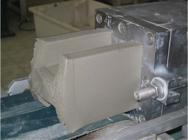
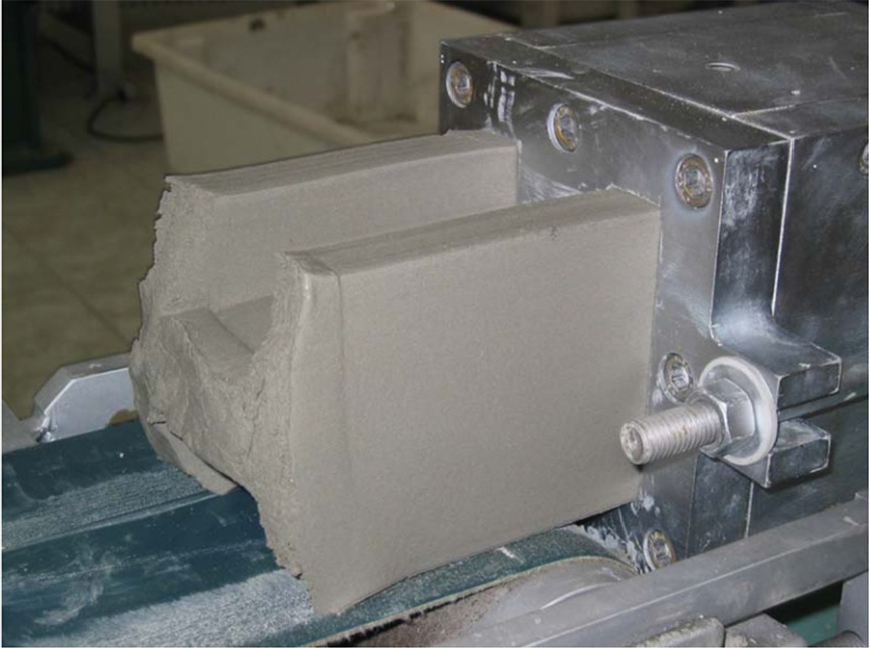
The second was Birchall, Howard and Kendall's (1981) study, which demonstrated that maintaining low water-to-cement ratios combined with water-soluble polymer addition, enabled shaping through conventional plastic forming techniques, such as pressing and extrusion. Finally, Rossetto (2007) developed industrial processes enabling the production of high-strength concrete elements with low water-cement ratios. Figure 1 shows one of the profiles described in the article of Rossetto (2007).
The research developed and improved highly productive forming techniques - roll pressing and extrusion - applied to cementitious materials, achieving high mechanical performance and industrial reproducibility. Cementitious plates with compressive strength exceeding 200 MPa and extruded profiles with flexural strength from 40 to 150 MPa were obtained, comparable to technical ceramics and suitable for structural applications. In the field of durability, the study presented an innovative impregnation method using TEOS (tetraethyl orthosilicate), capable of reducing porosity to less than 1% and decreasing the chloride ion diffusion coefficient by one order of magnitude, thereby significantly enhancing resistance to degradation and corrosion. From a theoretical standpoint, the thesis proposed a new adhesion model between the hydrated phases of Portland cement, based on the action of water molecules confined within nanometric films, which behave as a glassy phase, promoting cohesion. This original approach introduces the concept of “adhesion by confined water,” contributing to the nanoscopic understanding of the mechanical strength of cementitious materials.
In recent years, further developments in cementitious composites for aggressive environments, including oil and gas wells, have been reported. Engineered Cementitious Composites (ECC) and fiber-reinforced cements have demonstrated enhanced ductility and crack resistance under high-pressure, high-temperature (HPHT) conditions (Yu et al., 2018; Han et al., 2024). Additionally, nano-modified cements incorporating silica nanoparticles or carbon nanotubes have shown improvements in tensile strength and permeability reduction, crucial for resisting chemical attack by brines, CO2, and hydrocarbons (Li et al., 2020). These advances highlight the potential for tailoring extruded cementitious materials to withstand the unique durability demands of downhole applications.
4. Materials and methods
The guidelines established for the development of this research led to the adoption of an applied study of explanatory nature and using experimental procedures. The control variables, maximum stress, and safety factors were analyzed for multiple scenarios. According to Prodanov (2013), experimental research is primarily employed in technological sciences to demonstrate the occurrence of specific phenomena and their underlying causes. This research design involves the direct manipulation of variables related to the object of study. Through this manipulation, researchers can examine cause-and-effect relationships in specific phenomena.
The four critical scenarios were analyzed using numerical models. The tool used was the Ansys® analysis software, widely used for commercial and academic purposes. While tetrahedral mesh elements were used, boundary conditions varied according to the critical scenario under analysis. The mesh generation was performed in sequential stages. A reduced discretization without compromising computational performance was the goal.
Due to innovative and remarkable characteristics, the mechanical properties considered in the study were determined from the results described in Rossetto (2007) and are compiled in Table 1. The tests carried out for the mechanical characterization aimed to evaluate the structural performance and reproducibility of the composites obtained through different forming techniques, such as pressing and extrusion. The main tests performed were compressive strength and three-point flexural strength, following technical standards (ASTM C-1161), using specimens extracted from the cementitious plates and profiles. In addition to the strength measurements themselves, the Weibull modulus (m) was determined for controlling statistical variability.
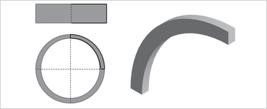
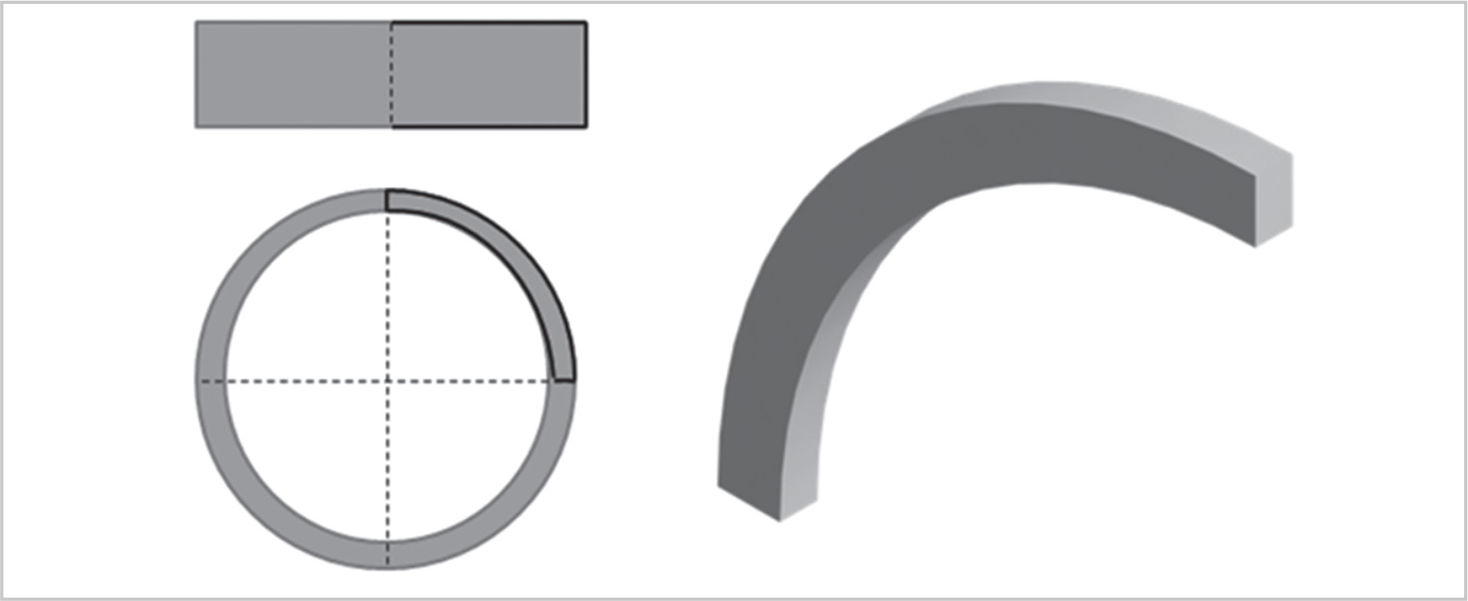
It is important to emphasize that certain simplifications and assumptions were necessary during the modeling process. The mechanical behavior of the material was considered perfect plastic, and although in practice the connections between the casing elements behave in a rigid manner, in this study the joints were modeled with some degree of flexibility. Furthermore, given that the casing is geometrically axisymmetric and considerably long, the models were simplified to a 90° sector with a reduced length, as illustrated in Figure 2. This methodological approach leads to substantial computational savings. By optimizing resource allocation, the system enhances data processing efficiency while reducing execution time and computational overhead.
Regarding the developed models, convergence tests were conducted for all analyzed cases to ensure numerical accuracy and consistency. Mesh refinements were evaluated until variations in key results fell below an acceptable threshold.
5. Models and results
5.1 Analysis of stresses, deformations, and safety factors associated with internal pressure greater than external pressure
One of the critical scenarios for the casing string occurs when the wellbore internal pressure exceeds the external pressure. Due to the mechanical properties of cementitious materials, this scenario becomes even more critical. It can occur when the well becomes unstable, causing a gas influx and increase internal pressure. Estimates indicate that the internal pressure may exceed the external pressure by up to 1,000 psi.
The model considers a pipe with an internal diameter of 663 mm and pressure differentials of 1,000 psi. The internal and external pressures were 1.500 and 500 psi, respectively. Table 2 summarizes this data. The convergence test for the developed models showed satisfactory results, with differences below 5% between the finest and coarsest meshes.
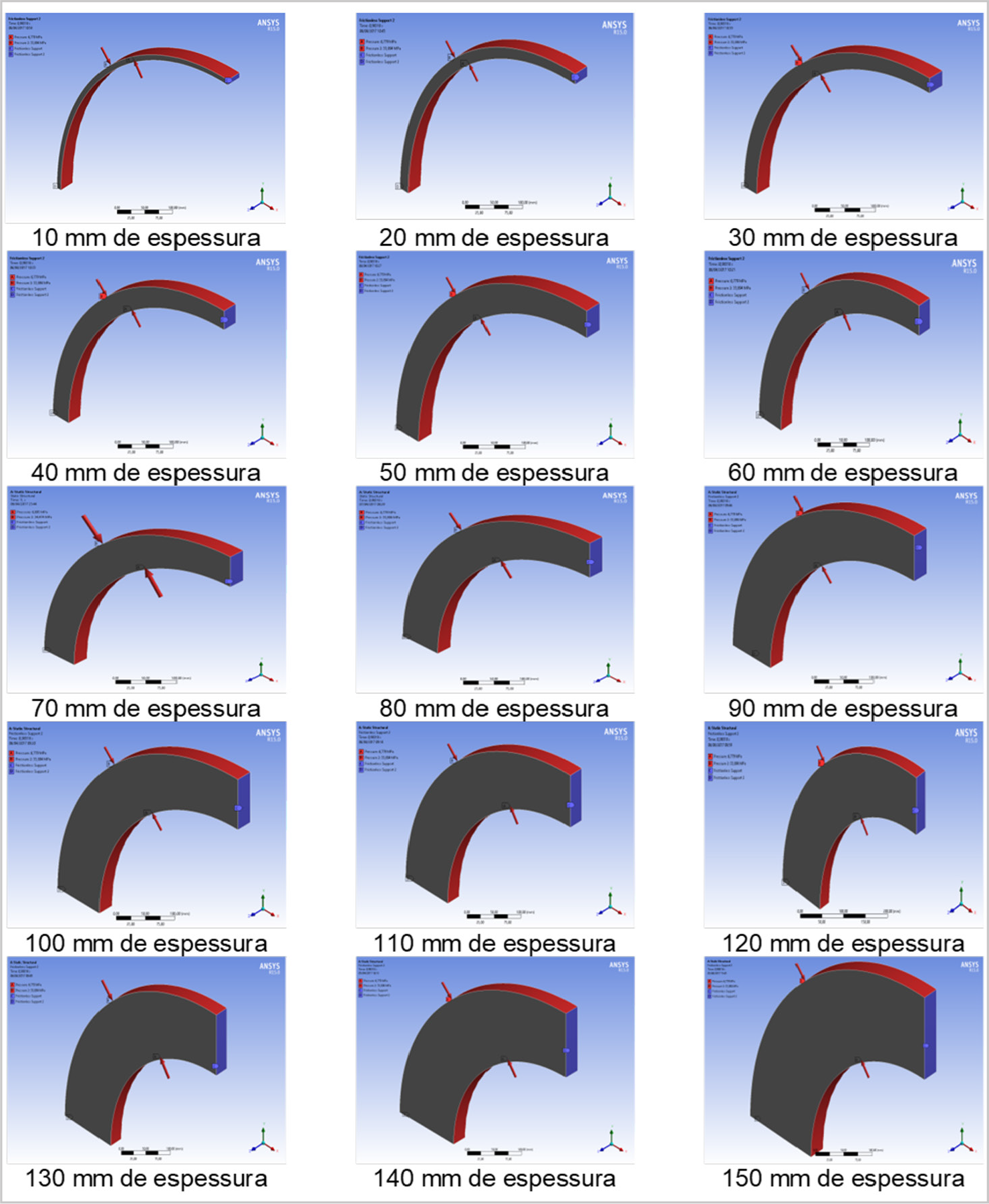
The analysis focused on stress, strain, and safety factors for pipes with wall thickness ranging from 10 to 150 mm (10-mm increments). Figure 3 shows the analyzed sections together with the boundary conditions used.
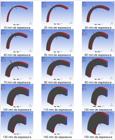
Models developed with thicknesses ranging from 10 to 150 mm and their respective boundary conditions. The elements are tetrahedral and the material is characterized by perfectly plastic behavior. Internal pressure of 1,500 psi and external pressure of 500 psi. (Source: prepared by the author)
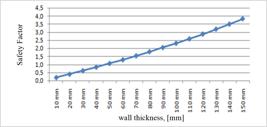
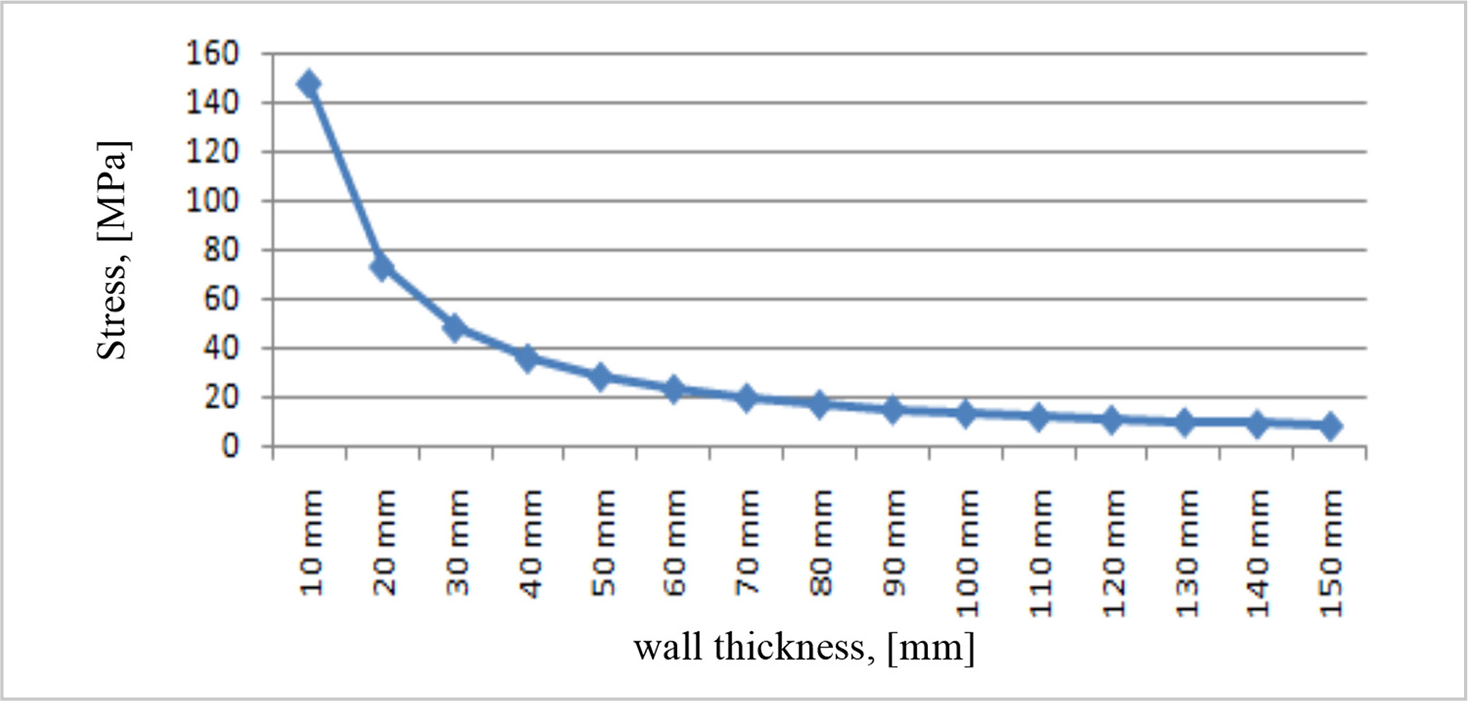
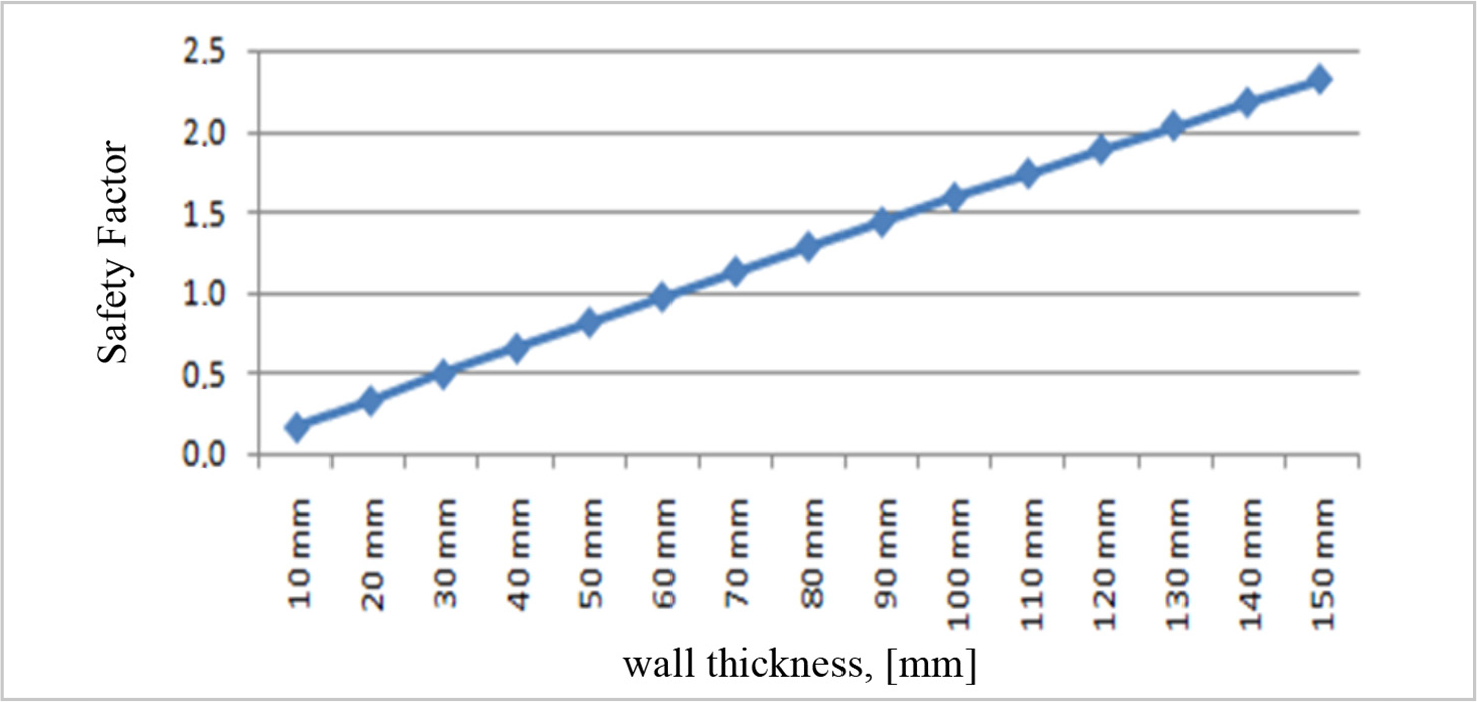
Figures 4 and 5, in turn, summarize the maximum stress values and safety factors calculated for each model. Figure 4 shows that increasing the wall thickness of the concrete pipe significantly reduces wall stress. Between 10 and 40 mm, the stress decreases from approximately 150 kPa to around 40 kPa, representing a reduction of about 73%. Beyond this point, the decrease becomes more gradual, stabilizing at approximately 10 kPa for thicker walls. This behavior is illustrated in Figure 5, which shows the variation of the safety factor. It can be observed that a safety factor equal to 1.0 is achieved at a wall thickness of around 40 mm. Greater thickness will be required for industrial applications. Therefore, the greatest structural gains occur at smaller thicknesses, while for values above roughly 50 mm, additional reductions in stress are minimal, indicating an optimal thickness in terms of structural efficiency and material economy.
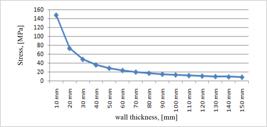
Maximum stress in each model analyzed for internal pressure greater than external pressure.
5.2 Analysis of stresses and strains under external pressure exceeding internal pressure
Another critical scenario occurs when the external pressure on the casing reaches excessive levels. This can occur when wells are drilled in highly confined formations. Such wells are called high-pressure wells.
Similar to the previous critical case, the analyses focused on the stress, strain, and safety factors for tubes with thicknesses ranging from 10 to 150 mm. This similarity allowed the reuse of models already developed. Only the values of the boundary conditions were modified. Table 3 describes the parameters used to analyze this critical case. As the first case, the convergence test for the developed models showed satisfactory results, with differences below 5% between the finest and coarsest meshes.
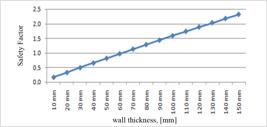
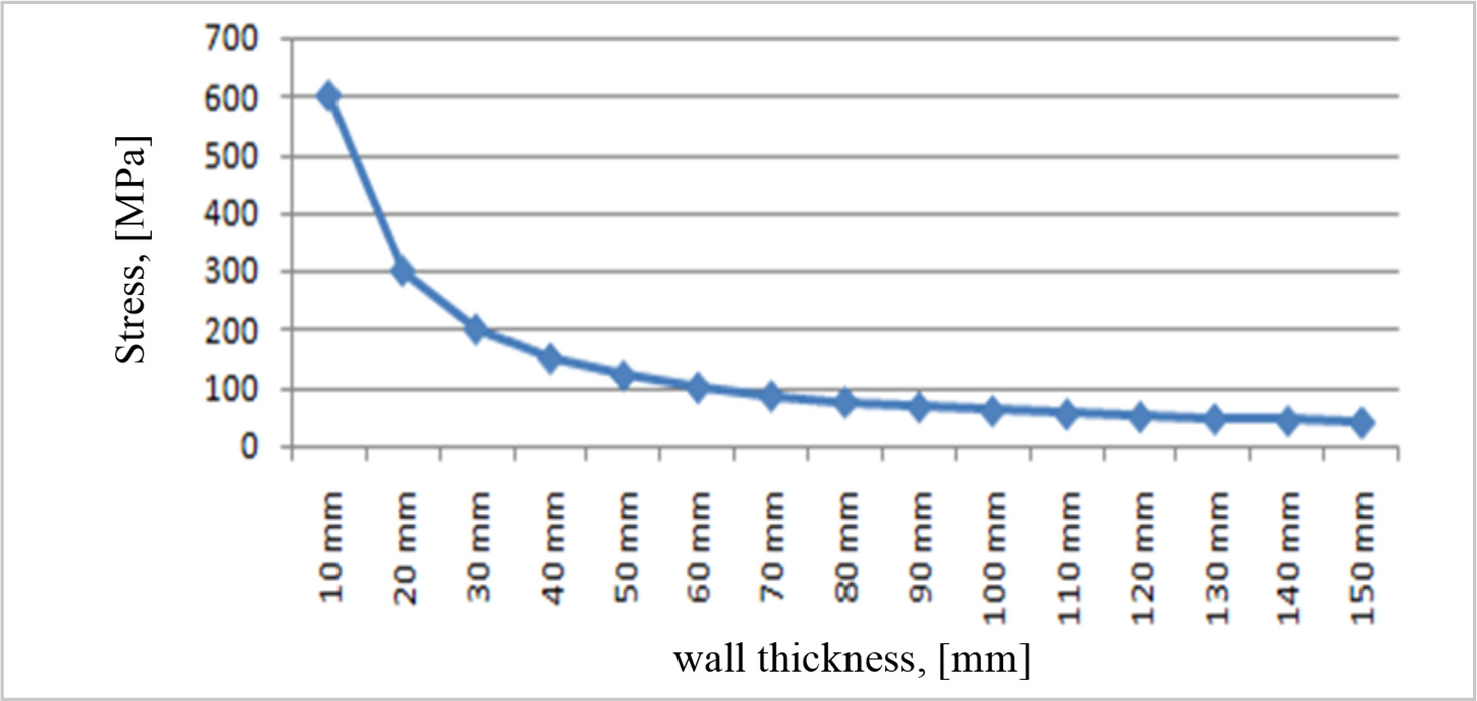
Similarly to the previous critical condition, the maximum stress values and safety factors are shown in Figures 6 and 7. Similar considerations to the previous case can be made here. Most of the reduction in stress levels occurs at smaller thicknesses. The safety factor, however, is achieved only at higher thickness values. In this case, a minimum thickness of 60 mm is required for the safety factor of 1.0 to be reached and more are necessary for typical industrial requirements.
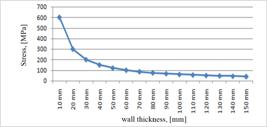
Maximum stress in each model analyzed for external pressure greater than internal pressure.
5.3 Analysis of stress and deformations associated with the weight of the casing string
The third critical scenario involves axial tensile loads during casing string lifting operations for well positioning. During this process, the pipes are threaded together and lowered to the target depth.
In the case of extruded concrete casing, the proposed casing string would consist of eleven 9-meter-long pipes with an internal diameter of 663.7 millimeters and a thickness of 100 millimeters, weighing 5.181 kilograms each.
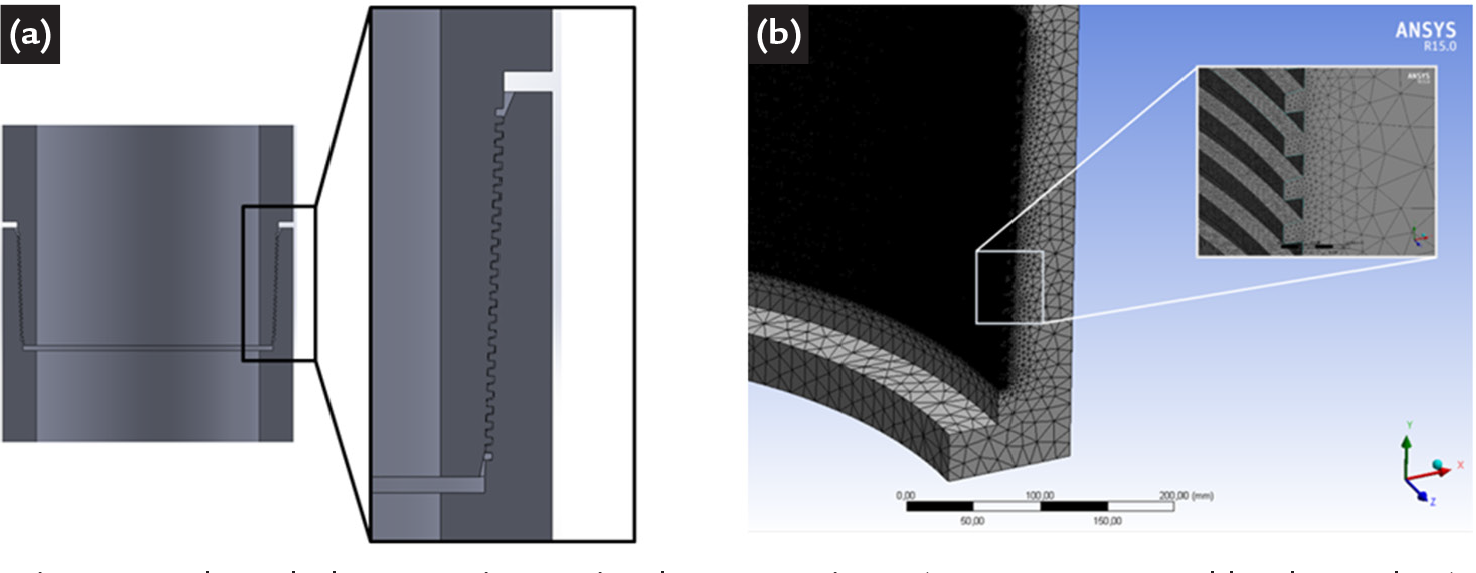
To minimize computational effort, the analysis focused on the connection between the first and second tubes. This connection used Buttress thread (as shown in Figure 8.a) and due to the geometric details of the model, special attention was paid to the preparation of the mesh. A finer mesh was used near the thread regions, as shown in Figure 8.b. The convergence test was carried out with special attention to this region. The results show satisfactory values, with differences below 5% between the finest and coarsest meshes.
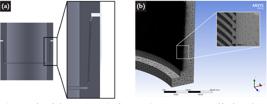
The model was analyzed using Ansys® software, assuming the perfect plasticity behavior of the material. As shown in Table 4, which summarizes the main analyzed parameters, the mesh consisted of 3.916.187 elements and 6.122.571 nodes.
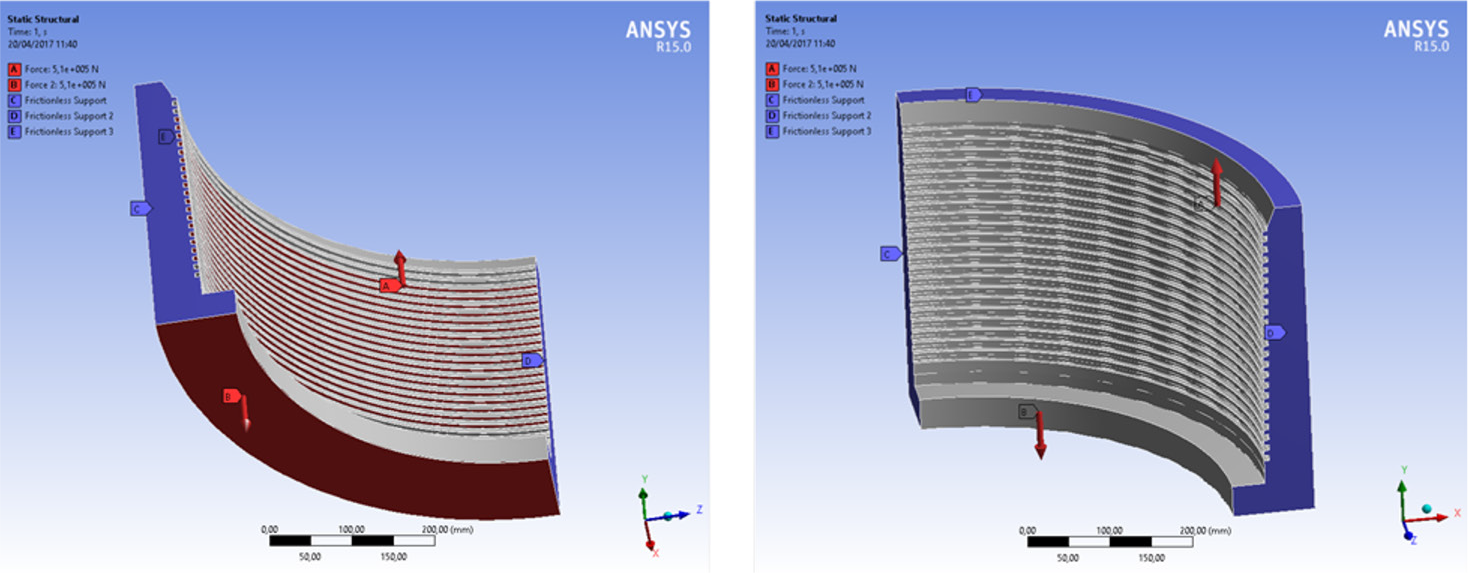
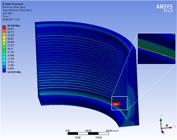
As shown in Figure 9, while the faces that radially connect the analyzed region to the rest of the body were considered frictionless fixed supports, the load was evenly distributed over the thread teeth and the face that axially connects the analyzed region and the rest of the tube.

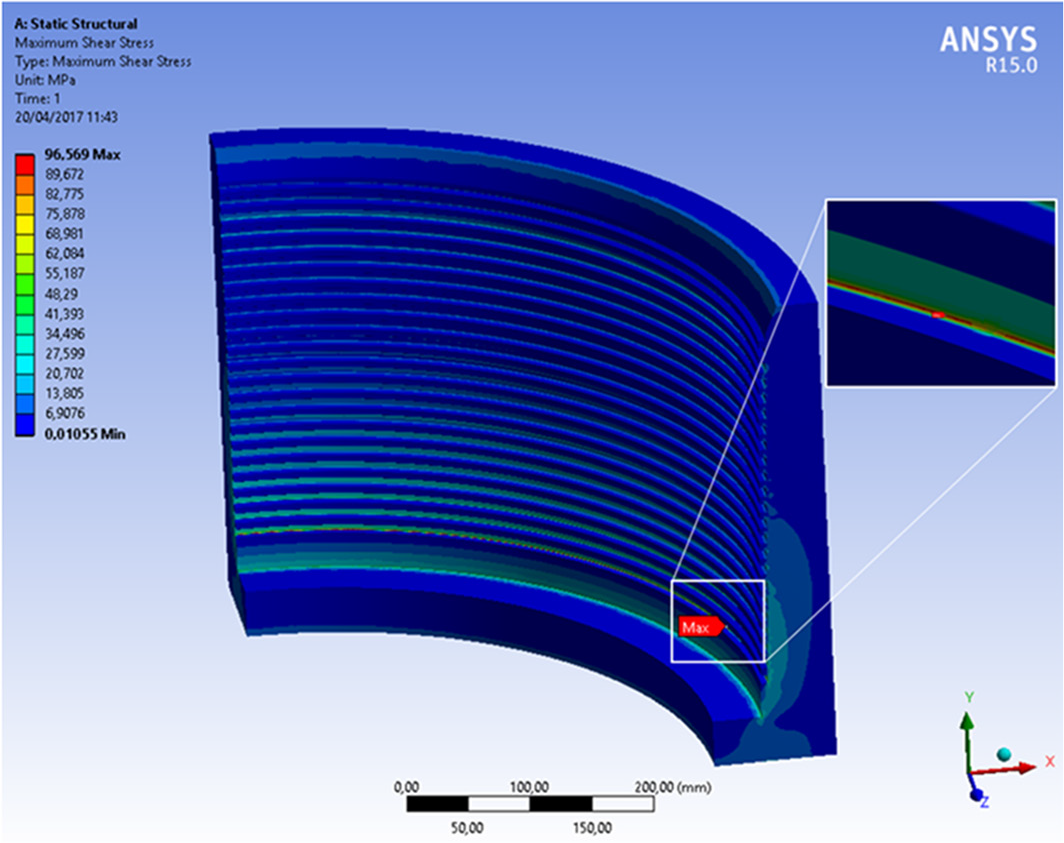
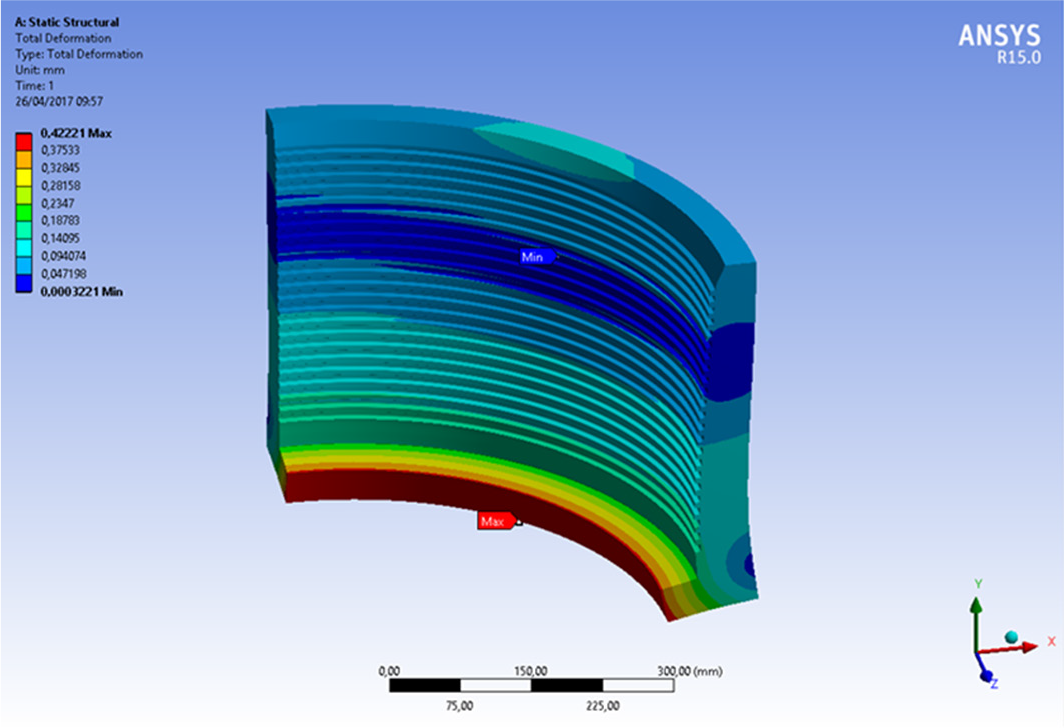
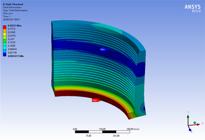
The stress-strain diagrams detailed the model's response to the applied loads. Such diagrams are shown in Figures 10 and 11. The maximum stress value was 96.57 MPa and the deformation value was 0.42 mm.
6. Final considerations
Concrete extrusion is a highly innovative manufacturing process that yields products with mechanical properties significantly superior to those produced through conventional methods. However, its application as a manufacturing process for oil well casing pipes requires further developments and studies.
The identification of critical scenarios affecting casing strings supported this conclusion. While the computational model analysis for external and internal pressure conditions enabled determining the wall thickness (100 mm) with an adequate safety factor, the evaluation of the column during lifting and releasing operations revealed stresses beyond the material's structural capacity.
While the lifting process analysis revealed a stress of 96.57 MPa, the unlocking process analysis indicated peak a stress of 193.14 MPa. Both values are significantly higher than the material's maximum tensile strength of 30 MPa. This catastrophic collapse calls for further analysis and significant improvements to the material. The inclusion of techniques involving nanoparticles represents a promising alternative.
It is worth noting that the weight analysis of the column considered only 11 pipes, totaling a column length of 99.0 meters. A value that is only compatible with the conductive casing but negligible compared to the hundreds of meters required for the intermediate casing of oil wells.
Furthermore, the 100 mm thickness significantly increases the excavated volume and places greater demand on the other drilling systems. This fact increases the value and raises the risk of the well collapsing.
The roughness and permeability of the concrete are factors that should also be mentioned. Although the values are considerably lower than those found in other concrete components, these characteristics hinder the upward flow of well fluids (requiring higher pumping power) and do not ensure perfect casing sealing.
Acknowledgements
This research received financial support from the Brazilian Government through CNPq (National Council for Scientific and Technological Development), FINEP (Financier of Studies and Projects) and the Civil Engineering Departments of the Federal University of Santa Catarina (UFSC) and the State University of Santa Catarina (UDESC).
-
Funding information
Conselho Nacional de Desenvolvimento Científico e Tecnológico, Financiadora de Estudos e Projetos - Processo: 01.12.0511.00
Data availability
The data supporting the results of this study originate from research focused on technological development, involving sensitive and strategically significant information. For this reason, full access to the dataset is restricted. However, the data may be made available upon request, subject to justified application and prior review by the authors. Researchers interested in accessing the material should contact the authors directly via the email addresses provided in this article.
References
- ARNEY, M.; RIBEIRO, G.; GUEVARA, E.; BAI, R.; JOSEPH, D. Cement-lined pipes for water lubricated transport of heavy oil. International Journal of Multiphase Flow, v. 22, p. 207-221, 1996.
- BENBOW, J.; BRIDGWATER, J. Paste flow and extrusion. Oxford (UK): Clarendon Press; 1993. 153 p. ISBN 0-19-856338-8.
-
BIRCHALL, J. D.; HOWARD, A. J.; KENDALL, K. Flexural strength and porosity of cements. Nature, v. 289, n. 5796, p. 388-390, Jan. 1981. Springer Science and Business Media LLC. DOI: https://doi.org/10.1038/289388a0 Acesso em: 10 out. 2024.
» https://doi.org/10.1038/289388a0 -
CAO, P.; KARIBUL, H.; GENTIL, B. Comparative study of Cradle-to-Gate carbon emissions from steel and concrete structures of Bangladeshi Industrial Projects. Journal of Recent Activities in Infrastructure Science. 2024. DOI: https://doi.org/10.46610/jorais.2024.v09i03.005
» https://doi.org/10.46610/jorais.2024.v09i03.005 - COSTA, J. C. H.; SANTOS, J. P. L. Ferramenta computacional para auxílio ao dimensionamento de colunas de revestimento em poços de petróleo. In: CONGRESSO BRASILEIRO DE PESQUISA E DESENVOLVIMENTO EM PETRÓLEO E GÁS, 8., 2015, Curitiba. Anais [...]. Curitiba: Universidade Federal de Alagoas, 2015.
- INSTITUTO BRASILEIRO DE PETRÓLEO E GÁS - IBP. Diretrizes para projeto e construção de poços marítimos. Rio de Janeiro: IBP, 2022. 127 p.
- IRAMINA, W. S. Introdução à engenharia de perfuração: objetivos e escopo da disciplina. São Paulo: PoliUSP, 2016. (Aula 1).
-
HAN, H.; WANG, Z.; MOSLEH, M. High performance basalt-fibre modified cement for elevated temperature environments. Construction and Building Materials. 2024. DOI: https://doi.org/10.1016/j.conbuildmat.2024.138186
» https://doi.org/10.1016/j.conbuildmat.2024.138186 -
KENNEDY, S. M. et al. A comprehensive overview of the fabrication and testing methods of FRP composite pipes. MethodsX, v. 13, p. 102990, 2024. DOI: https://doi.org/10.1016/j.mex.2024.102990 (revista indexada).
» https://doi.org/10.1016/j.mex.2024.102990 -
LI, H.; SHI, Y. High-strength, waterproof, corrosion-resistant nano-silica carbon nanotube Cementitious Composites Materials. 2020; 13. DOI: https://doi.org/10.3390/ma13173737
» https://doi.org/10.3390/ma13173737 - PERROT, A.; RANGEARD, D.; NERELLA, V. N.; MECHTCHERINE, V. Extrusion of Cement-based materials - an overview. RILEM Technical Letters, v. 3, p. 91-97, 2019.
- PRODANOV, C. C.; DE FREITAS, E. C. Metodologia do trabalho científico: métodos e técnicas da pesquisa e do trabalho acadêmico. 2. ed. Editora Feevale, 2013.
- ROQUE, J. L. Dimensionamento de revestimentos para poços profundos, poços direcionais e horizontais de longo afastamento horizontal pelo método do mínimo custo global. 1992. Dissertação (Mestrado em Engenharia de Petróleo) - Faculdade de Engenharia Mecânica - Universidade Estadual de Campinas. Campinas, 1992.
- ROSSETTO, H. L. Contribuições para a ciência e engenharia dos materiais cimentícios: processamento, durabilidade e resistência mecânica. Tese (Doutorado em Ciência e Engenharia dos Materiais) - Escola de Engenharia de São Carlos - Universidade de São Paulo. São Carlos, 2007.
- ROY, D. M.; GOUDA, G. R. High strength generation in cement paste. Cement and Concrete Research. Pensylvania, p. 807-820. Jun. 1973.
- SEYEDABADI, M.; KARRABI, M.; SHARIATI, M.; KARIMI, S.; MAGHREBI, M.; EICKER, U. Global building life cycle assessment: comparative study of steel and concrete frames across European Union, USA, Canada, and Australia building codes. Energy and Building. 2024.
- THOMAS, J. E. Fundamentos da engenharia de petróleo. Rio de Janeiro: Interciência, 2001.
-
YU, K.; YU, J.; DAI, J.; LU, Z.; SHAH, S. Development of ultra-high performance engineered cementitious composites using polyethylene (PE) fibers. Construction and Building Materials. 2018; 158. DOI: https://doi.org/10.1016/J.CONBUILDMAT.2017.10.040
» https://doi.org/10.1016/J.CONBUILDMAT.2017.10.040
Edited by
-
Associate Editor
Diogo Rodrigo Ferreira Ribeiro

 (Source: prepared by the author)
 (Source: prepared by the author)
 (Source: prepared by the author)
 (Source: prepared by the author)