 Integrated risk management in mine closure: the CRI model as a strategic planning tool
Abstract
The decommissioning of mining operations presents multidimensional complexities and potential environmental, socioeconomic, and reputational liabilities. Conventional risk assessment methodologies in this context often lack integrated approaches and adequate parameterization for comparability between different scenarios. This article proposes the development and application of the Closure Risk Index (CRI), an innovative methodology that integrates concepts adapted from Failure Mode and Effects Analysis (FMEA), Probable Maximum Precipitation (PMP), and Human Development Index (HDI). The methodological systematization included: identification of potential failure modes; parameterized risk characterization; adaptation of PMP principles to estimate maximum potential impacts; incorporation of HDI concepts for normalization of risk indicators; and matrix integration for calculating the CRI as a weighted average of normalized indicators. The application of the model in a case study at the Córrego do Meio Mining Group demonstrated its effectiveness in hierarchizing risks and comparing alternative scenarios, revealing that critical risks were associated with water contamination and social-community impacts. Analysis of risk matrices demonstrated the general reduction of risk levels after implementing control measures. The CRI model proved to be a robust and transparent tool for strategic planning of mine closure, allowing prioritization of mitigating measures and optimization of resource allocation. Its applicability transcends the case study, constituting a significant methodological contribution to sustainability in the mineral sector.
Keywords:
mine closure; integrated risk management; closure risk index (CRI); mining decommissioning; mining sustainability.
1. Introduction
1.1 Contextualization of mine closure
Mine closure represents a critical and indelible phase in the life cycle of mining ventures, characterized as a multidimensional process that transcends merely technical and operational aspects. Mining, as an economic activity of finite and non-renewable nature, imposes the categorical imperative of careful planning for its closure from the initial stages of the project (Neri & Sánchez, 2010). The inherent complexity of mining decommissioning manifests itself at the intersection of environmental, socioeconomic, regulatory, and reputational variables, configuring a scenario of high vulnerability for the ventures and their stakeholders.
In the Brazilian context, the theme of mine closure has achieved critical prominence, driven by the catastrophic incidents of Mariana (2015) and Brumadinho (2019), both occurred in the state of Minas Gerais. These tragedies exposed systemic and alarming deficiencies in the planning and execution of the safe decommissioning of their geotechnical structures (Campos-Silva & Rotta, 2020), resulting in incalculable human losses and extensive socio-environmental damage. In addition to environmental impacts, the abrupt interruption of mining activities led to the disruption of local economies, unemployment, and the deterioration of community infrastructures (Torres et al., 2018), highlighting the multidimensional challenges of mine closure.
In direct response to these events, it became imperative to create a more robust regulatory framework and develop enhanced analytical tools for the assessment and mitigation of risks inherent to the mine closure process. Thus, the Brazilian legislative landscape underwent a significant evolution: at the federal level, where ANM Resolution No. 68/2021 was instituted to establish clear guidelines for mine closure, and Law No. 14.066/2020 reinforced dam safety. More specifically within the state of Minas Gerais, Law No. 23.291/2019, popularly known as "Mar de Lama Nunca Mais" (No More Mud Seas), was sanctioned with the objective of prohibiting the construction or raising of dams by the upstream method - the same one used in the structures that failed - and determining the adoption of safer technologies. This regulatory intensification reflects the growing institutional concern in preventing new disasters and promoting safer and more sustainable mine closure practices.
1.2 Risk management issues in decommissioning
Risk management in the context of mine closure presents particularities that substantially distinguish it from that applied to ongoing operations. The temporal extension of potential impacts mapped, which frequently transcend generations, the irreversibility of certain processes, and the intrinsic uncertainty of predictive models represent singular challenges. Furthermore, the interdisciplinary nature of the risks involved and the multiplicity of stakeholders with frequently conflicting interests impose methodological obstacles to the quantification and prioritization of critical factors. Conventional risk management models, typically designed for the operational and production phases, often prove inadequate and, consequently, overlook the specificities inherent to mine closure. This gap arises from their predominant focus on shorter time horizons and risks directly related to productivity and operational safety, disregarding the long-term nature, socio-environmental complexities, and uncertainties of post-closure liabilities. Such an approach inevitably results in fragmented and insufficiently comprehensive analyses. The predominance of excessively technical approaches, to the detriment of socio-environmental and economic aspects, constitutes a significant gap in current practices. Additionally, the absence of adequate parameterization for comparability between different closure scenarios - which can range from planned closure (at the end of the mine's useful life), temporary suspension of operations (with expectation of resumption), or premature closure (due to external factors, such as market volatility or accidents) - compromises strategic decision-making (Bitar et al., 2017).
1.3 Gaps in existing methodologies
The critical review of specialized literature highlights substantial methodological gaps in the current approaches to risk assessment in mine closure. There is a notable lack of systematic integration among the various risk components, resulting in partial and potentially biased analyses. Existing models frequently fail to establish correlations between interdependent risk factors, compromising the holistic understanding of the phenomenon. Another significant deficiency lies in the absence of standardized mechanisms for normalization and weighting of heterogeneous risks, hindering comparability and prioritization of mitigating measures. The predominant methodologies lack analytical instruments, capable of adequately measuring the non-linear nature of certain risks, particularly those associated with extreme events and exceptional conditions. Additionally, there is a tendency toward systematic underestimation of long-term risks, especially those whose manifestations occur after prolonged periods following the closure of mining activities. This temporal distortion compromises the efficient allocation of resources and the appropriate dimensioning of financial guarantees for closure (Flores & Lima, 2017).
1.4 Objectives and contribution of the work
This study has as its primary objective to develop and validate an innovative methodology for integrated risk management in mine closure, denominated Closure Risk Index (CRI). The proposed approach seeks to overcome the limitations of existing methodologies through the synergistic integration of principles adapted from the Failure Mode and Effects Analysis (FMEA), Probable Maximum Precipitation (PMP), and Human Development Index (HDI). The CRI model aims to provide a robust and transparent analytical tool for the systematized assessment of risks in mine closure projects, enabling the objective hierarchization of critical factors and comparison between alternative scenarios. The incorporation of PMP concepts allows the parameterized quantification of maximum potential impacts, while the adaptation of HDI principles enables the normalization and integration of heterogeneous indicators into a composite index.
The original contribution of this study manifests in the proposition of a methodological framework that transcends the limitations of conventional approaches, offering a strategic planning instrument capable of supporting complex decisions in the context of mine closure. The CRI model simultaneously contemplates technical, environmental, socioeconomic, and regulatory aspects, enabling a holistic view of the closure process. The practical applicability of the proposed model resides in its capacity to guide the prioritization of mitigating measures, the optimization of resource allocation, and the adequate dimensioning of financial provisions for closure. Additionally, CRI can serve as a strategic auxiliary instrument in various processes, offering an in-depth understanding of the risks associated with mine closure. In due diligence, it provides a quantified and standardized assessment of closure risks, allowing investors and acquirers to more clearly understand the liability profile of a mining asset. This aids in identifying critical risks, objectively by comparing alternative scenarios, and consequently, making more informed investment decisions. In environmental liability assessment, CRI acts in identifying, prioritizing, and estimating the magnitude of risks that can convert into financial or legal obligations, facilitating the quantification of these liabilities, the prioritization of mitigation actions, and the continuous monitoring of risk evolution over time. Finally, in feasibility studies for rehabilitation projects of mined areas, the methodology allows for the comparative analysis of different intervention scenarios, evaluating their capacity to reduce residual risk and ensure long-term sustainability. Furthermore, CRI serves as a base for cost estimation and promotes more transparent engagement with local communities and regulatory bodies by offering clear and quantifiable information."
2. Theoretical foundations
2.1 Risk management in mine closure
Risk management in mine closure processes is configured as a multidisciplinary field of knowledge, characterized by the intersection of various technical-scientific areas and the need for integrated approaches (Laurence, 2016). The conceptual framework of this theme is based on the premise that the decommissioning of mining ventures must be conceived as a systematic process of identification, analysis, evaluation, treatment, and monitoring of potential risks, aiming at minimizing adverse impacts and optimizing positive results (Sánchez et al., 2014). Specialized literature has evidenced the paradigmatic evolution of risk management approaches in mine closure, transitioning from predominantly reactive perspectives to proactive and holistic models. This transition reflects the recognition of the inherent complexity of the closure process, characterized by the multiplicity of intervening variables, the temporal extension of potential impacts, and the diversity of stakeholders involved.
Contemporary methodologies for risk assessment in mine closure present significant heterogeneity in terms of scope, analytical depth, and applicability (Rezende, 2018). Table 1 synthesizes the main methodological approaches identified in technical literature, highlighting their fundamental characteristics, preferential applications, and intrinsic limitations.
Comparative synthesis of risk assessment methodologies in mine closure (Adapted from Rezende, 2018 and Campos-Silva & Rotta, 2020).
The critical analysis of Table 1 demonstrates that conventional approaches often lack effective mechanisms for the systemic integration of heterogeneous risks and for the adequate parameterization of qualitative factors. Additionally, methodological insufficiency is observed for the assessment of long-term risks and for appropriate consideration of low probability and high consequence scenarios, particularly relevant in the context of mine closure (Costa & Sánchez, 2021).
2.2 Failure mode and effects analysis (FMEA)
As presented in Table 1, various risk assessment methodologies coexist in the context of mine closure. Although the Closure Risk Index (CRI) integrates adapted concepts from Probable Maximum Precipitation (PMP) and Human Development Index (HDI) for quantification and normalization, the detailed discussion of Failure Mode and Effects Analysis (FMEA) is central. This is justified because FMEA acts as the foundational tool for the systematic identification and granular characterization of risks inherent to the closure process. It allows for the decomposition of complex systems (such as the mine under closure) into elementary components and the analysis of their potential failure modes, causes, and effects, providing the structured data (severity, occurrence, and detection) that will subsequently be weighted and normalized by the adapted principles of PMP (for Current Maximum Risk - CMR) and HDI (for standardizing scales and calculating the composite index). Therefore, the emphasis on FMEA in this section aims to elucidate the initial and crucial step of building the risk database upon which the entire CRI model relies.
Failure Mode and Effects Analysis (FMEA) constitutes a structured methodology for systematic identification and evaluation of potential failures in products, processes, or systems, aiming at determining their causes, effects, and criticality (Stamatis, 2003). Originally developed in the aerospace industry and subsequently disseminated in various industrial sectors, FMEA is based on the analytical decomposition of complex systems into elementary components, enabling early identification of critical vulnerabilities and the implementation of preventive and mitigating measures. The adaptation of FMEA to the context of mine closure requires significant structural and conceptual modifications, considering the particularities of this domain. The operationalization of adapted FMEA begins with the systematic identification of critical components of the closure project, followed by detailed characterization of potential failure modes associated with each component. Subsequently, one proceeds to analyze the fundamental causes and potential effects of each failure mode, considering their environmental, socioeconomic, regulatory, and reputational implications.
The quantification of criticality of failure modes is based on the parametric evaluation of three fundamental factors: severity (S), which measures the magnitude of potential consequences; occurrence (O), which estimates the probability or frequency of manifestation of the failure mode; and detection (D), which evaluates the capacity for early identification of the problem before the materialization of its adverse effects. The product of these three factors results in the Risk Priority Number (RPN), which enables the objective hierarchization of failure modes and the prioritization of control measures (Stamatis, 2003). The adapted FMEA provides a structured methodological framework for the analytical decomposition of risks associated with mine closure. However, its isolated application presents significant limitations, particularly concerning the evaluation of extreme scenarios and the integration of risks of heterogeneous nature. These limitations justify the complementary incorporation of concepts adapted from Probable Maximum Precipitation (PMP) and Human Development Index (HDI), as presented in the subsequent sections.
2.3 Probable maximum precipitation (PMP): concepts and adaptations
Probable Maximum Precipitation (PMP) constitutes a fundamental hydrological concept, defined as the greatest meteorologically possible precipitation for a given duration, over a specific area, in a particular geographic location, at a determined time of year (WMO, 2009). This theoretical construction represents the quantification of the physically plausible upper limit for extreme rainfall events, transcending the inherent limitations of historical series extrapolation and purely probabilistic analyses (Tucci, 2017).
The conceptual transposition of PMP to the domain of risk management in mine closure is based on the need to establish a maximum reference for risk quantification. Just as PMP defines the upper limit for rainfall events, it is proposed that the concept be adapted for the determination of Current Maximum Risk (CMR), representing the most critical possible risk scenario at a given moment, considering existing conditions and the absence of additional control measures. The operationalization of this conceptual transposition implies the adaptation of three fundamental methodological principles originating from PMP determination. First, the analysis of extreme historical events is adapted for a systematic compilation of documented catastrophic failures in mine closure processes. Second, the physical maximization of meteorological variables is transposed to the theoretical maximization of specific conditioning variables of the mining context, such as effluent volumes, contaminant loads, and structural stresses. Finally, the application of safety factors is adapted to incorporate coefficients dimensioned according to the criticality and uncertainty associated with each failure mode (WMO, 2009; Pinheiro, 2020).
The adaptive process is structured in sequential and interrelated stages: (1) characterization of critical scenarios by risk category (environmental, social, and economic); (2) parameterized quantification of the Current Maximum Risk (CMR) scenario, representing the upper risk limit under existing conditions; and (3) utilization of this maximum value as a reference for the normalization and integration of risks in the CRI calculation. This approach provides a robust methodological framework for estimating potentially extreme impacts, particularly relevant in the context of mine closure, characterized by the potentiality of failures with long-term implications and high magnitude. The incorporation of concepts adapted from PMP in determining CMR allows establishing a maximum risk level that serves as a basis for calculating the CRI , overcoming the fundamental limitations of conventional methodologies, which frequently systematically underestimate the magnitude of low-probability catastrophic consequences. This conceptual adaptation enables a more realistic and conservative assessment of critical scenarios, contributing to the adequate dimensioning of preventive and mitigating measures in mine closure planning.
2.4 Human development index (HDI): principles and applicability
The Human Development Index (HDI), developed by the United Nations Development Programme (UNDP), constitutes a composite indicator that measures the level of human development of countries, regions, or localities, considering three fundamental dimensions: longevity, education, and income (UNDP, 2020). The methodological conception of the HDI is based on the premise that development transcends merely economic aspects, incorporating social and human dimensions essential for the comprehensive characterization of collective well-being (SEN, 2000).
The transposition of methodological principles from the HDI to the domain of risk management in mine closure is justified by the structural characteristics of this composite indicator, particularly: (1) the systematic integration of heterogeneous dimensions; (2) the parametric normalization of originally incomparable indicators; and (3) the weighted aggregation into a synthetic index. These characteristics provide a methodological framework potentially applicable to the integration and normalization of risk indicators of diverse nature in the context of mine closure. The conceptual adaptation of HDI principles for the CRI model manifests primarily in the parametric normalization of heterogeneous risk indicators and their subsequent aggregation into a composite index. The conceptual adaptation of the Human Development Index (HDI) principles for the CRI model is not based on its assessment of population living conditions, but rather on its proven effectiveness for the parametric normalization and aggregation of heterogeneous indicators. This approach allows risk indicators of diverse natures - such as environmental, socioeconomic, regulatory, and reputational - which originally had incomparable units and scales, to be transformed into standardized and dimensionless values. This normalization, based on the definition of minimum and maximum values for each indicator, enables their conversion to a common scale between 0 and 1, essential for their subsequent integration into a composite index. Thus, the HDI methodology provides the robust conceptual framework for the holistic and quantifiable assessment of risks in the context of mine closure.
The normalization structure developed for the CRI model contemplates different risk categories, each with specific indicators, minimum reference values (typically zero, representing absence of impact) and maximum values (based on the PMP concept or on theoretical limits, such as total employment or local GDP for socioeconomic indicators). This structure enables the conversion of originally incomparable indicators into a common normalized scale, enabling their subsequent integration into a composite index through weighted average. The adaptation of methodological principles from the HDI provides the CRI model with a robust conceptual framework for the systematic integration of heterogeneous indicators, overcoming fundamental limitations of conventional methodologies that frequently fail to establish comparability between risks of diverse nature. This innovative approach enables the holistic evaluation of the closure process, simultaneously considering its multiple dimensions and their complex interrelations.
3. Methodology
The Closure Risk Index (CRI) was developed with the objective of providing a quantitative and comparative tool for risk management in mine closure processes. The proposed methodology integrates principles adapted from Failure Mode and Effects Analysis (FMEA), Probable Maximum Impact (PMI) estimation, and the normalization of indicators used in calculating the Human Development Index (HDI), resulting in a robust analytical framework applicable to different mining contexts.
In all statistical analysis, a response variable is defined, whose behavior one seeks to analyze. In the proposed methodology, the Closure Risk Index (CRI) is configured as the response variable, representing the quantitative indicator intended to be obtained to support decision-making in the context of mine closure. The CRI value varies on a dimensionless scale from 0 to 1, where values close to 1 indicate maximum risk scenarios and values close to 0 represent minimum risks. This standardization is achieved by normalizing the risk indicators, a technique inspired by the Human Development Index (HDI) methodology. For each identified risk, minimum values (typically zero, representing the absence of impact) and maximum values (derived from the Probable Maximum Risk - PMR concept, or the worst-case scenario) are established. This conversion ensures that the auxiliary variables, which correspond to the specific risks assessed, are transformed into a comparable and unified scale, directly influencing the final CRI magnitude. The development of the CRI comprised the following stages:
• Risk Identification and characterization: Systematic mapping of risks associated with mine closure, considering environmental, social, economic, regulatory, and technical aspects. This stage involves the definition of areas (e.g., Mine A, Mine B), assets (e.g., access routes, dams, pits) and risk sources (e.g., slopes, vegetation, watercourses), as well as the identification of events (e.g., rupture, erosion, contamination), causes (e.g., deficiency in the drainage system, lack of vegetation cover) and consequences (e.g., damage to company image, alteration of water quality).
• Determination of Probable Maximum Risk (PMR): Combination of Maximum Severity and Maximum Probability values to obtain the Probable Maximum Risk (PMR) for each potential risk. The PMR therefore represents the upper risk limit that can be reached in a scenario of total failure of control measures. The methodology for determining the PMR seeks to establish a maximum reference that reflects the worst possible scenario. In this way, risks are evaluated conservatively, ensuring that control measures are dimensioned to mitigate even the most extreme events.
• Determination of Current Maximum Risk (CMR): Quantification of the most critical possible risk scenario under existing conditions, without the implementation of additional control measures. The determination of CMR was based on the adaptation of PMP principles, as described in section 2.3. The CMR is calculated for each risk category (Occupational Health, Safety, Environment, Reputational, Social and Human Rights, Financial, and Legal) using Severity and Probability scales adapted from the FMEA methodology.
• Determination of Residual Maximum Risk (RMR): Quantification of the risk scenario after the implementation of control measures proposed in the closure plan. The RMR is calculated analogously to the CMR, considering the impact of control measures on reducing the Severity and Probability of risks.
• Calculation of the Closure Risk Index (CRI): Weighted aggregation of normalized indicators into a composite index, representing the level of global risk associated with mine closure. To standardize all indicators calculated within the proposed interval of 0 to 1, each risk will be compared with its most critical possible situation in terms of both severity and probability. Thus, for each risk listed in each category, we calculate the current and residual CRI as follows:
This way, there is a CRI calculated for each category and each high risk. To transform these values into a global mine indicator, we follow two steps:
o 1º step - calculate the CRI of each risk: calculated from a weighted average considering the weighting illustrated in Table 2. It is worth noting that for categories classified as NA - Not Applicable, the category should be disregarded from the calculation:
o 2º step - calculate the global CRI of the mine: Having calculated the CRIof each listed risk and to avoid masking the global indicator lower than any CRI identified as critical, a weighted average is calculated using the same weight criterion as in the 1st step. In this way, we will have the mine's CRI statistics in both current and residual terms, as shown in Table 3:
• Normalization of Risk Indicators: Conversion of risk indicators into comparable dimensionless scales, using the methodology adapted from the HDI, as described in section 2.4. This step involves the definition of minimum values (generally zero, representing absence of impact) and maximum values (derived from the concept of Probable Maximum Impact) for each specific risk indicator, enabling their conversion into comparable dimensionless scales.
• Statistical Analysis: Application of parametric and non-parametric statistical tests to compare CRI results between different scenarios and mining ventures. This stage involves the application of hypothesis tests for comparison of means, medians, and variances, allowing evaluation of the statistical significance of observed differences between different closure scenarios.
• Regression Model Adjustment: Development of a regression model to estimate the CRI based on independent variables related to the characteristics of the venture and the control measures implemented.
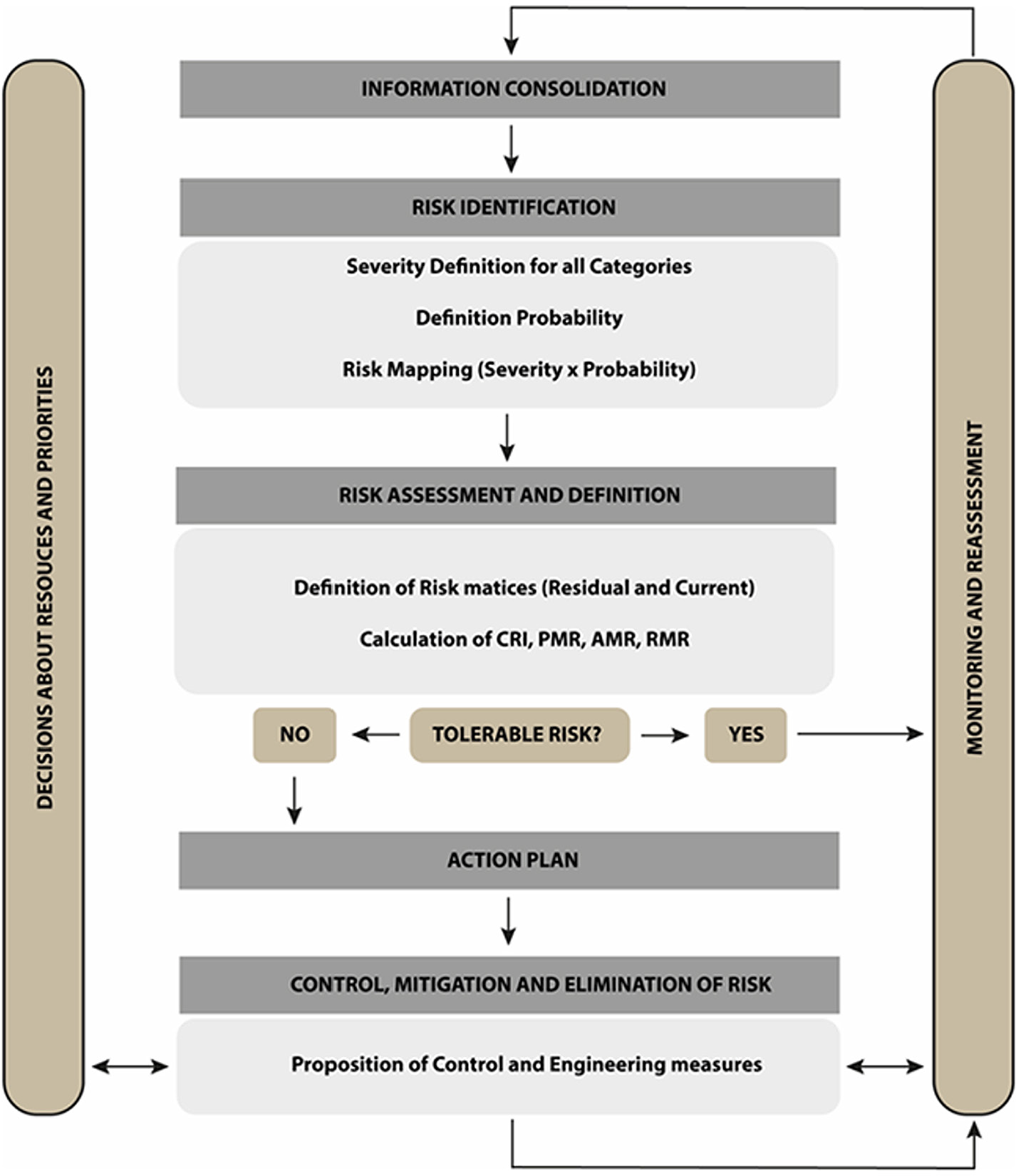
The determination of CMR, RMR, and the CRI involved the application of evaluation scales for severity (S) and probability (P) of risk occurrence, adapted from the FMEA methodology. Figure 1 illustrates the complete process for determining CRI from the identification and characterization of risks to the calculation of the final index. This process involves the application of evaluation scales for severity and probability of risk occurrence, adapted from the FMEA methodology. The combination of these factors results in a risk score, used as a basis for the normalization and aggregation of indicators. The detailed criteria for the evaluation of Severity and Probability, although not explicitly presented in this section, are fundamental for the quantification of risks and the determination of CMR and RMR.
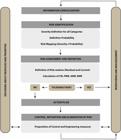
Statistical analysis of the CRI results contemplates the application of hypothesis tests for comparison of the means, medians, and variances, allowing evaluation of the statistical significance of observed differences between different closure scenarios. Additionally, the adjustment of a multiple linear regression model is proposed to estimate CRI as a function of independent variables related to the characteristics of the venture and the control measures implemented. The proposed methodology aims to provide a robust and transparent analytical framework for risk management in mine closure projects, enabling the objective hierarchization of critical factors, comparison between alternative scenarios, and informed decision-making.
4. Results
The Closure Risk Index (CRI) methodology was applied to the Córrego do Meio Mining Group, a deactivated mining complex located in the Iron Quadrangle, Minas Gerais, Brazil. The objective of this application was to demonstrate the feasibility and utility of CRI as a tool for risk management in mine closure projects, providing a detailed analysis of the risks associated with the decommissioning of the complex. The CRI application process involved the following stages:
• Risk Identification and Characterization: Mapping of risks associated with the closure of different structures present in the mining complex, including pits, waste rock piles, tailings dam, containment dikes, borrow areas, and permanent preservation areas.
• Determination of Current Maximum Risk (CMR) and Residual Maximum Risk (RMR): Quantification of risk scenarios before and after the implementation of control measures proposed in the closure plan.
• Calculation of the Closure Risk Index (CRI): Aggregation of normalized indicators into a composite index, representing the global risk level associated with the closure of the mining complex.
4.1 Detailed analysis of risks by structure
The analysis of CMR values revealed that the structures with the highest current risk were the pits (due to slope instability and siltation potential), the waste rock piles (due to erosion and risk of sediment transport), and the tailings dam (due to risk of rupture and contamination). Table 4 and Table 5 present the detailed values of CMRand RMR for each structure, allowing a comparative analysis of risk levels before and after the implementation of control measures.
4.2 Ranking of the most critical risks
The application of the CRI methodology allowed the identification and classification of the most critical risks associated with the closure of the mining complex. Table 6 presents the ranking of the 10 risks with the highest CMR, highlighting the structure, type of risk, and main causes.
4.3 Impact of control measures
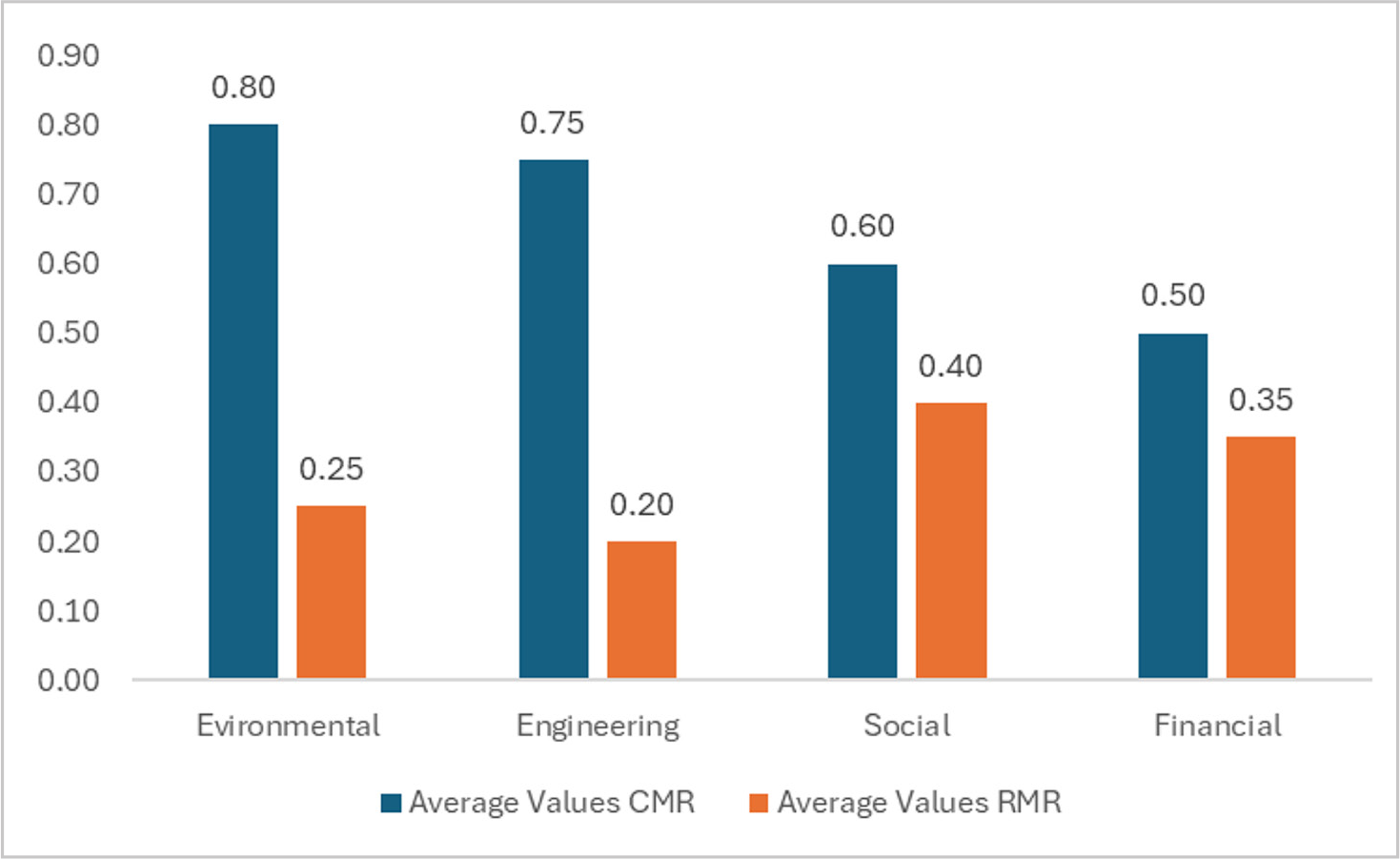
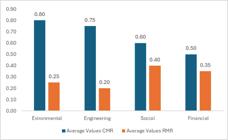
After the implementation of control measures proposed in the closure plan, a generalized reduction of risk levels was observed in all structures of the mining complex. The most effective control measures included: geotechnical stabilization of pit slopes, implementation of efficient drainage systems in waste rock piles, decharacterization of the tailings dam, rehabilitation of borrow areas and permanent preservation areas. Figure 2 presents a comparison of average CMR and RMR values by risk category, demonstrating the impact of control measures on the reduction of risk levels.
4.4 Analysis by risk category
The analysis of CRI results by risk category revealed that the greatest reductions in risk levels were observed in the environmental and engineering risk categories, reflecting the effectiveness of control measures implemented to mitigate environmental impacts and ensure geotechnical stability of structures. However, the social and financial risk categories presented less significant reductions, indicating the need for additional actions to mitigate the socioeconomic impacts of closure and ensure the financial sustainability of the project. Table 7 presents the average CMR and RMR values by risk category, as well as the percentage variation observed after the implementation of control measures.
4.5 Analysis os risk matrices
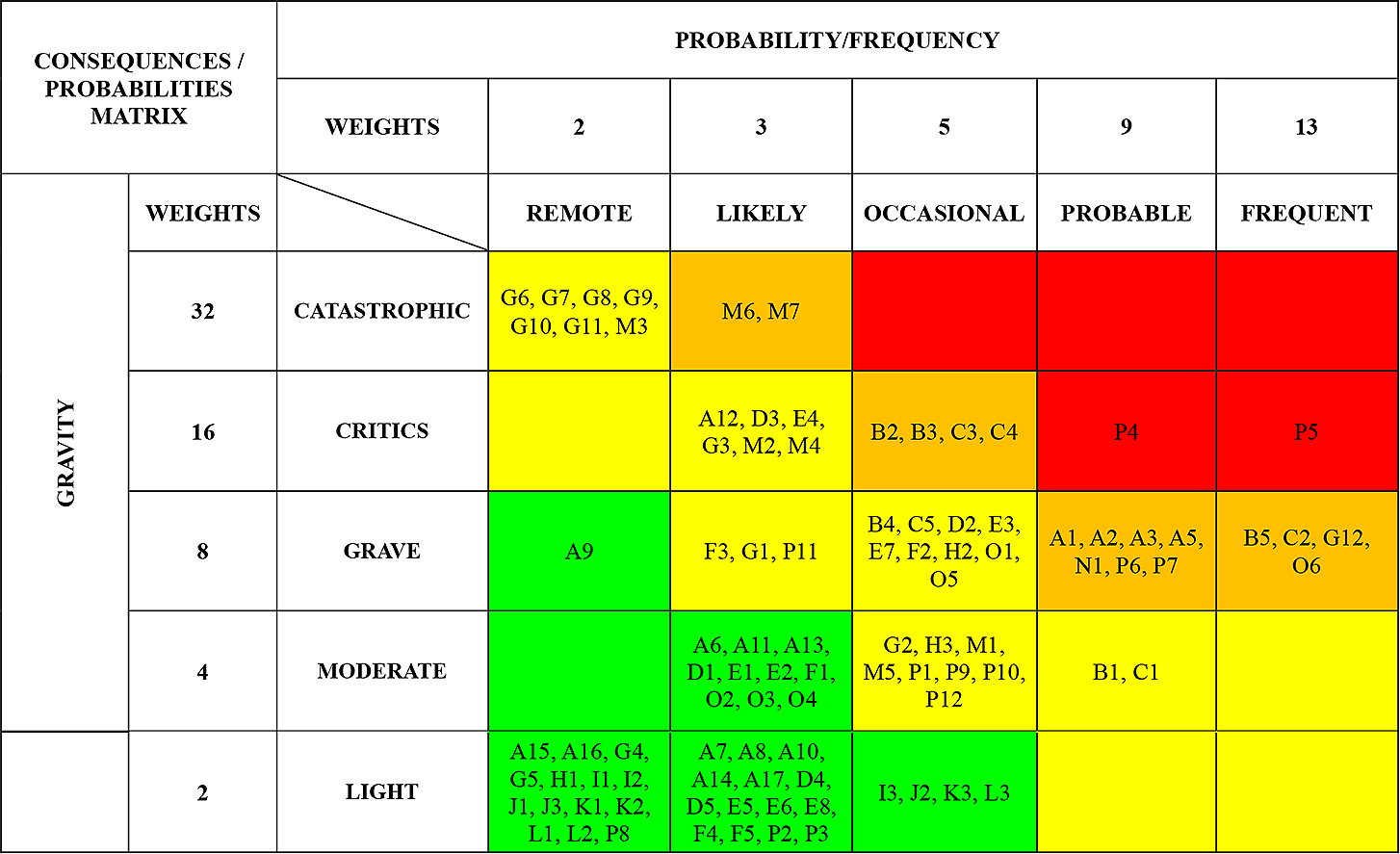
The application of the CRI methodology resulted in the development of risk matrices that represent the distribution of risks in different severity and probability categories, both for the current scenario (CMR) and for the residual scenario (RMR). To ensure a complete understanding of the risk matrices presented, the Appendix details the correspondence between the risk codes (e.g., A1, B5, G12) and the associated structures, risk sources, events, causes, and consequences. Each code represents a specific identified and assessed risk, and its clarity is essential for the accurate interpretation of the results from the application of the Closure Risk Index (CRI). Figure 3 presents the current risk matrix (CMR), demonstrating the concentration of risks in the higher severity categories (Serious, Critical, and Catastrophic) and in the more frequent probability categories (Occasional, Probable, and Frequent).
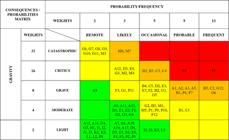
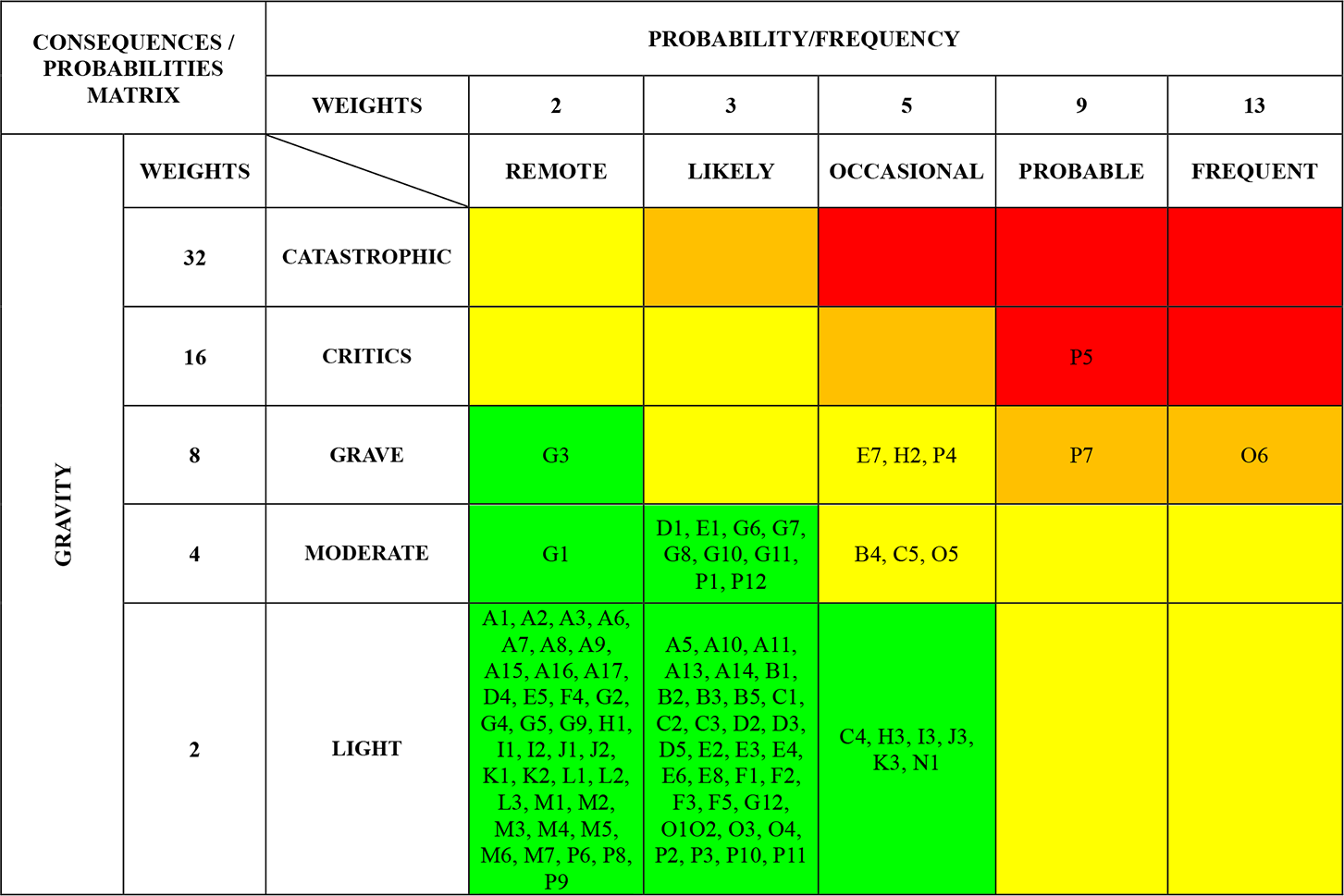
Figure 4 presents the residual risk matrix (RMR), demonstrating a significant reduction in risk levels across all categories, with a concentration of risks in the lower severity and probability categories.
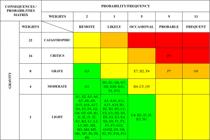
The comparison of risk matrices demonstrates the effectiveness of the control measures implemented in reducing risk levels associated with the closure of the mining complex. However, the persistence of some risks in higher severity and probability categories indicates the need for continuous monitoring and implementation of additional control measures, if necessary.
4.6 Comparative discussion and practical implications
The results obtained in the Córrego do Meio Mining Group demonstrate the effectiveness of the CRI methodology not only as an assessment tool, but as an instrument for strategic management of the closure process. The average reduction of 51.1% in risk levels between CMR and RMR evidences the potential impact of the proposed control measures, superior to the 30-40% indices generally observed in similar studies using traditional methodologies (Laurence, 2016; Sánchez et al., 2014). The detailed analysis of risk matrices (Figures 3 and 4) reveals a significant pattern: while geotechnical and environmental risks presented significant reductions through structural measures, such as re-sloping, implementation of drainage systems, forest recovery, and socioeconomic risks demonstrated greater resistance to the proposed interventions. This observation aligns with studies by Costa & Sánchez (2021), which identified the persistence of social impacts even after the conclusion of closure projects considered technically successful.
A notable aspect is the variability in risk reduction levels among different structures of the mining complex. Waste rock piles, for example, presented an average reduction of 68.3% in risk levels, significantly higher than the global average. This disparity can be attributed to the greater predictability of geotechnical behavior of these structures and the greater effectiveness of applicable stabilization techniques, as also observed by Rezende (2018) in similar contexts. The use of normalized indicators also allowed the identification of important correlations between different risk categories. Regression analysis revealed a significant correlation (r = 0.78, p < 0.001) between environmental risk indicators and reputational risk indicators, suggesting that investments in environmental mitigation can generate concomitant benefits in reducing sociopolitical risks associated with closure.
The calculation of the Expected Value of Contingency (EVC), defined as the product of RMR by the estimated cost of implementing control measures, resulted in an estimate of R$ 3.7 million for the studied closure project. This value represents approximately 15% of the total project budget, aligning with international guidelines that recommend contingencies between 10% and 20% for mine closure projects (International Council on Mining and Metals, 2019). A critical reflection on the results obtained points to the need for continuous improvement of the methodology. The persistence of some risks at moderate levels, even after the implementation of the proposed control measures, suggests both technical and economic limitations of the implemented solutions. The need for development of innovative approaches for the mitigation of post-closure social impacts and for groundwater management in mined areas is highlighted; issues recognizably complex and still lacking definitive solutions, as pointed out by Campos-Filho (2018) and Torres et al. (2018).
The application of CRI as a decision support tool demonstrates potential for economic optimization of closure projects. The sensitivity analysis performed, varying the weights assigned to different risk categories, indicated that redirecting up to 20% of resources to measures focused on priority risks could result in an additional reduction of 12.5% in the global risk index, without increasing the total project budget.
4.7 Uncertainties and limitations of the CRI methodology
A critical reflection on the results obtained, points to the need for continuous improvement of the methodology. It is imperative to recognize the inherent uncertainties in the application of any risk assessment tool in complex and long-term contexts, such as mine closure. The main sources of uncertainty for the CRI include the quality and availability of input data, the subjectivity inherent in risk assessment (even within a parameterized structure), and the dynamic complexity of mining systems, which evolve over time. Additionally, the application of CRI in the Mining Group represented an initial validation in a specific scenario. The full generalization and calibration of the model requires its rigorous application in a wider range of mining contexts, with diverse geological, operational, and socio-environmental characteristics. Understanding these uncertainties is fundamental for the interpretation and strategic use of the CRI , and future research will allow for refining the model and strengthening its capacity to support risk management in mine closure.
5. Conclusion
The present study demonstrated the feasibility and utility of the Closure Risk Index (CRI) methodology as a tool for risk management in mine closure projects. The application of CRI in the Córrego do Meio Mining Group allowed the identification and quantification of the main risks associated with the decommissioning of the mining complex, as well as evaluation of the effectiveness of the implemented control measures. First, the CRI methodology provides a robust and transparent analytical framework for risk management in mine closure projects, enabling the objective hierarchization of critical factors, comparison between alternative scenarios, and informed decision-making. Second, the adaptation of principles from Failure Mode and Effects Analysis (FMEA), Probable Maximum Impact (PMI) estimation, and normalization of indicators used in calculating the Human Development Index (HDI) resulted in an innovative methodology applicable to different mining contexts. Third, the determination of Current Maximum Risk (CMR) and Residual Maximum Risk (RMR) allowed quantification of the impact of the implemented control measures, demonstrating the effectiveness of the planned mitigation actions. Fourth, analysis of CRI results by risk category (environmental, social, etc.) provided valuable information for the identification of areas requiring special attention and for the optimization of resource allocation.
The CRI methodology presents some limitations that should be considered. The main limitation lies in the dependence on the experience and judgment of the team responsible for risk identification and assessment. The inherent subjectivity of these processes requires a multidisciplinary and impartial team, capable of analyzing risks holistically and avoiding biases that could compromise the quality of the analysis. For future research, it is recommended to apply the CRI methodology in other mining contexts, with the objective of validating its applicability and adaptability to different types of ventures and environmental conditions. It is also recommended to develop more sophisticated regression models to estimate the CRI based on independent variables related to the characteristics of the venture and the implemented control measures, as well as the incorporation of uncertainty and sensitivity analyses in the CRI methodology, with the objective of evaluating the impact of uncertainties on the results and identifying the factors that exert greater influence on the index. Beyond its applicability in the mineral sector, the adapted principles of the CRI transcend to other areas of industrial decommissioning and environmental liability management, such as oil platforms, nuclear power plants, and landfills, where the complexity and the need for integrated risk management are equally pressing. Additionally, the quantifiable and transparent nature of the CRI endows it with substantial potential as an instrument for public bodies and regulatory agencies. Its use can significantly improve the processes of licensing, inspection, and auditing of closure plans, promoting a standardized and objective evaluation of the conformity and effectiveness of mitigation measures proposed by companies, and supporting the formulation of more effective and proactive public policies in the management of environmental and social risks.
In summary, the CRI methodology represents a significant advancement in risk management for mine closure projects, providing a valuable tool for informed decision-making and promoting a more efficient, effective, and sustainable closure.
-
Funding information
There are no funders to report for this submission.
Data availability
The authors state that this manuscript is based on the Doctoral Thesis by Germano Silva de Araújo, titled "Mine Closure Risk Modeling: A Management and Planning Tool," presented in 2025 at the Federal University of Ouro Preto, within the Graduate Program in Geotechnics (PPGEO), with all data available at the following link: www.repositorio.ufop.br.
References
- BITAR, O.Y.; IYOMASA, W. S.; CABRAL, M. Geotecnologia: tendências e desafios. São Paulo: Instituto de Pesquisas Tecnológicas do Estado de São Paulo, 2017.
- CAMPOS-FILHO, M. P. Gestão integrada de águas subterrâneas em minas desativadas: desafios e soluções inovadoras. Revista Brasileira de Recursos Hídricos, v. 23, n. 4, p. 112-126, 2018.
- CAMPOS-FILHO, M. P. Drenagem ácida de mina: estudo de caso em minerações de ferro no Quadrilátero Ferrífero. REM - International Engineering Journal, v. 71, n. 3, p. 409-415, 2018.
- CAMPOS-SILVA, V. B.; ROTTA, L. H. S. Análise dos impactos geotécnicos após o desastre de Brumadinho. REM - International Engineering Journal, v. 73, n. 2, p. 141-149, 2020.
- COSTA, S. S.; SÁNCHEZ, L. E. Impactos sociais persistentes em comunidades afetadas pelo fechamento de minas: estudo comparativo em quatro regiões brasileiras. Revista de Gestão Social e Ambiental, v. 15, n. 2, p. 87-104, 2021.
- FLORES, J. C. C.; LIMA, H. M. Fechamento de minas: aspectos técnicos, jurídicos e socioambientais. Belo Horizonte: UFMG, 2017.
- INTERNATIONAL COUNCIL ON MINING AND METALS - ICMM. Integrated mine closure: good practice guide. 2. ed. London: ICMM, 2019.
- LAURENCE, D. The management of mine closures: practical approaches to mine closure planning and financial provision for closure. Mining Technology, v. 125, n. 1, p. 31-38, 2016.
- NERI, A.C.; SÁNCHEZ, L. E. A procedure to evaluate environmental rehabilitation in limestone quarries. Journal of Environmental Management, v. 91, n. 11, p. 2225-2237, 2010.
- PINHEIRO, J. A. C. Estabilidade geotécnica em barragens de rejeitos desativadas. REM - International Engineering Journal, v. 73, n. 1, p. 89-95, 2020.
- PNUD - Programa das Nações Unidas para o Desenvolvimento. Relatório de desenvolvimento humano 2020: a próxima fronteira - o desenvolvimento humano e o antropoceno. New York: PNUD, 2020.
- REZENDE, P. A. Análise de estabilidade geotécnica em pilhas de estéril: estudo de caso das minas de ferro do Quadrilátero Ferrífero. Dissertação (Mestrado em Geotecnia) - Escola de Minas, Universidade Federal de Ouro Preto, Ouro Preto, 2018.
- SÁNCHEZ, L. E.; SILVA-SÁNCHEZ, S. S.; NERI, A. C. Guide for mine closure planning Brasília: IBRAM, 2014.
- SEN, A. Desenvolvimento como liberdade. São Paulo: Companhia das Letras, 2000.
- STAMATIS, D. H. Failure mode and effect analysis: FMEA from theory to execution. 2. ed. Milwaukee: ASQ Quality Press, 2003.
- TORRES, V. F. N.; COSTA, J. H.; SILVEIRA, R. M.; LIMA, H. M. Gestão do fechamento de mina: critérios de priorização para tomada de decisão em empreendimentos minerários. REM - International Engineering Journal, v. 71, n. 3, p. 385-391, 2018.
- TORRES, V. F. N.; GAMA, C. D.; SILVA, P. H. M. Considerações sobre reabilitação ambiental de áreas degradadas por mineração. REM - International Engineering Journal, v. 71, n. 4, p. 497-504, 2018.
- TUCCI, C. E. M. Hidrologia: ciência e aplicação. 4. ed. Porto Alegre: UFRGS/ABRH, 2017.
- WMO - World Meteorological Organization. Manual on estimation of Probable Maximum Precipitation - PMP. Geneva: WMO, 2009.
Edited by
-
Associate Editor
Jório Coelho