
 Educational avatars for patients with cardiovascular diseases: a scoping review
ABSTRACT
Objective: to map the scientific evidence on the use of educational avatars for patients with cardiovascular diseases.
Methods: a scoping review was conducted according to the Joanna Briggs Institute guidelines, with no time limit. The search was conducted in eight databases, in the gray literature, and reverse citation searching. Data extraction and description followed the Preferred Reporting Items for Systematic Reviews and Meta-Analyses Extension for Scoping Reviews.
Results: a total of 1,405 publications were identified, of which 14 studies were included, all published in English. The studies pointed to good acceptance of avatars by patients for self-management of their health condition, understanding, treatment adherence, promotion of self-care, and improvement in health literacy levels. Methodological diversity was observed, along with important gaps, such as the lack of description of avatar development processes and the scarcity of information on the profile and selection criteria of experts involved in the validation process.
Conclusion: educational avatars have the potential to complement clinical practice and the promotion of cardiovascular health. Further studies are needed in different contexts to ensure effective, accessible, and patient-centered tools.
Descriptors:
Cardiovascular diseases; Humanoid avatar; Educational technology; Digital health; Health education
RESUMO
Objetivo: mapear as evidências científicas sobre o uso de avatares educacionais para pacientes com doenças cardiovasculares.
Método: revisão de escopo conduzida conforme as diretrizes do Joanna Briggs Institute, sem delimitação temporal. A busca foi realizada em oito bases de dados, na literatura cinzenta e por meio de busca reversa por citações. A extração e descrição dos dados seguiram o Preferred Reporting Items for Systematic Reviews and Meta-Analyses Extension for Scoping Reviews.
Resultados: foram identificadas 1.405 produções, das quais 14 estudos foram incluídos, todos publicados no idioma inglês. Os estudos apontaram boa aceitação dos avatares pelos pacientes para a autogestão da condição de saúde, a compreensão, a adesão ao tratamento, a promoção do autocuidado e a melhoria dos níveis de letramento em saúde. Observou-se diversidade metodológica, acompanhada de lacunas importantes, como a falta de descrição dos processos de desenvolvimento dos avatares e a escassez de informações sobre o perfil e os critérios de seleção dos especialistas envolvidos no processo de validação.
Conclusão: os avatares educacionais apresentam potencial complementar à prática clínica e à promoção da saúde cardiovascular. São necessários mais estudos, em diferentes contextos, para garantir ferramentas eficazes, acessíveis e centradas nas necessidades do paciente.
Descritores:
Doenças cardiovasculares; Avatar humanoide; Tecnologia educacional; Saúde digital; Educação em saúde
RESUMEN
Objetivo: mapear las pruebas científicas sobre el uso de avatares educativos para pacientes con enfermedades cardiovasculares.
Método: revisión de alcance realizada según las directrices del Joanna Briggs Institute, sin delimitación temporal. La búsqueda se realizó en ocho bases de datos, en literatura gris y mediante búsqueda inversa por citas. La extracción y descripción de los datos se realizó siguiendo el Preferred Reporting Items for Systematic Reviews and Meta-Analyses Extension for Scoping Reviews.
Resultados: se identificaron 1405 publicaciones, de las cuales se incluyeron 14 estudios, todos publicados en inglés. Los estudios señalaron una buena aceptación de los avatares por parte de los pacientes para el autocontrol de su estado de salud, la comprensión, la adherencia al tratamiento, la promoción del autocuidado y la mejora de los niveles de alfabetización en salud. Se observó diversidad metodológica, acompañada de importantes lagunas, como la falta de descripción de los procesos de desarrollo de los avatares y la escasez de información sobre el perfil y los criterios de selección de los especialistas involucrados en el proceso de validación.
Conclusión: los avatares educativos presentan un potencial complementario a la práctica clínica y a la promoción de la salud cardiovascular. Se necesitan más estudios, en diferentes contextos, para garantizar herramientas eficaces, accesibles y centradas en las necesidades del paciente.
Descriptores:
Enfermedades cardiovasculares; Avatar humanoide; Tecnología educacional; Salud digital; Educación en salud
INTRODUCTION
Cardiovascular diseases (CVDs) are the leading cause of mortality around the world and contribute substantially to the high number of hospitalizations, disabilities, premature deaths, and high financial costs for health systems1. In 2021, there were 20.5 million deaths from CVDs worldwide, of which 395,000 occurred in Brazil. Among the main conditions related to CVDs are acute myocardial infarction, stroke, heart failure, and cardiac arrhythmias2.
The impacts of CVDs represent challenges for health systems, resulting in high economic costs and significant impacts on healthcare3. Hospitalization, invasive procedures, continuous medication use, and the need for cardiac rehabilitation increase the demand for financial resources. In addition to direct costs, CVDs also lead to indirect impacts, such as loss of productivity due to work disability and reduced quality of life4.
When individuals understand the nature of their disease, the associated risk factors, the signs and symptoms of worsening, as well as treatment options, they tend to actively engage in their self-care. This process includes consistent adherence to medication regimens, lifestyle changes, and early recognition of signs and symptoms of decompensation that require intervention5.
The therapeutic management of CVDs is directly influenced by the patient’s level of knowledge. Educational guidance provided immediately after clinical diagnosis and/or hospital discharge is often excessive and difficult to assimilate. This may result in forgetfulness or low adherence to therapeutic recommendations. When such guidance is not provided adequately, it leaves important gaps in patient knowledge6.
With the current technological revolution, several digital health tools have been developed to support the promotion of self-care behaviors and improve therapeutic adherence among people with CVDs. These technologies enhance access to information about health conditions, enable continuous monitoring, encourage lifestyle changes, promote self-management of disease, and support more assertive decision-making7-8.
Digital health has been consolidated as a strategy to strengthen health systems by expanding access to qualified information and optimizing the quality of care provided. The World Health Organization (WHO) developed the Global Strategy on Digital Health 2020-2025, which highlights the need for technological innovation to address global challenges9. The Digital Health Strategy for Brazil 2020-2028 follows this guideline, promoting and supporting the use of digital technologies through the informatization of health services, the integration between services, telehealth and telemedicine, as well as the development of digital solutions, such as applications and platforms, to expand the reach and efficiency of health care in the country10.
Educational avatars in healthcare are emerging as innovative tools capable of transforming how patients engage with their own self-care and treatment. Avatars are virtual representations of human beings that seek to realistically reproduce physical characteristics, facial expressions, body movements, and appearance details through an interactive experience11. Therefore, avatars can be incorporated into the ecosystem of digital innovations, which includes methodologies, models, and software aimed at engaging users in health education and supporting user empowerment in managing their clinical condition10,12.
A previous study analyzed the effectiveness of using educational avatars by patients with chronic diseases and identified improvements in knowledge, self-care, and self-efficacy. However, little evidence was found regarding the impact on quality of life, medication adherence, and hospital readmission13.
No publications were identified from searches conducted in January 2026 in scientific databases indexed in Web of Science, PubMed, and Scopus, as well as in research protocol repositories such as the Open Science Framework (OSF), that have systematically mapped the process of creating avatars, including design stages, their characteristics, implementation, and evaluation of these tools aimed at people with CVDs. In this sense, this study seeks to contribute to filling this knowledge gap and to support nurses and other professionals in the development and implementation of digital educational strategies aimed at improving treatment adherence, self-care, communication with patients, and potential interventions to improve health outcomes. Therefore, this study aims to map the scientific evidence on the use of educational avatars for patients with cardiovascular diseases.
METHOD
This is a scoping review, defined as the process of mapping and synthesizing the scientific evidence available in the literature from a broad perspective on the object of investigation. The development of this review followed the methodological guidelines of the Joanna Briggs Institute (JBI)14.
The study protocol was previously registered with the OSF in October 2024, under the registration: osf.io/2sxhe/. The review follows the recommendations of the Preferred Reporting Items for Systematic Reviews and Meta-Analyses Extension for Scoping Reviews (PRISMA-SCR)15.
The research question was developed based on the Population, Concept, and Context (PCC) mnemonic, where P (population): patients with cardiovascular diseases; C (concept): avatar; and C (context): educational interventions. Based on these elements, the following guiding question was formulated: “What evidence is available in the literature on the use of educational avatars for patients with cardiovascular diseases?”.
The review included empirical studies, regardless of methodological design, that addressed the use of educational avatars in contexts aimed at patients diagnosed with CVDs, focusing on the development, implementation, evaluation, or impact of these interventions. Original research articles, systematic or scoping reviews, dissertations, and theses published in any language and time period were considered. Publications unavailable in full text, whose complete version could not be accessed even after attempts through the Coordination for the Improvement of Higher Education Personnel Journal Portal (Coordenação de Aperfeiçoamento de Pessoal de Nível Superior - CAPES), conference abstracts, research protocols, expert opinions, and studies directed at health professionals or students were excluded.
The search strategy was developed based on controlled vocabularies from the Health Sciences Descriptors (DeCS), Medical Subject Headings (MeSH), and Embase Subject Headings (EMTREE), combined using the Boolean operators AND and OR to maximize search sensitivity and specificity.
Initially, a pilot test was conducted in the Medical Literature Analysis and Retrieval System Online (MEDLINE), via PubMed®, to identify relevant descriptors and validate the search terms. Two reviewers fully retrieved all potentially relevant documents. Based on the results, the strategy was refined and adapted to the specificities of each database.
studies was conducted in the following databases: Medical Literature Analysis and Retrieval System Online (MEDLINE) / PubMed® (via the National Library of Medicine), Cumulative Index to Nursing and Allied Health Literature (CINAHL), Scopus (Elsevier), Excerpta Medica Database (Embase), Cochrane Library, Web of Science, Latin American and Caribbean Health Sciences Literature (LILACS), ACM Digital Library, and IEEE Xplore. These were accessed through the CAPES Journal Portal via the Federated Academic Community (Comunidade Acadêmica Federada - CAFe). Additionally, gray literature was explored through the Electronic Theses Online Service (EThOS) and Google Scholar (limited to the first 100 results, as recommended in the literature (16). The searches were conducted by one of the researchers between December 2024 and January 2025, using the specific search strategies detailed in Chart 1.
The references were exported to the Zotero® (version 7.0.3), manager (version 7.0.3), which assisted in identifying and removing duplicates and organizing the references. Subsequently, two reviewers independently and double-blindly screened the studies using the Rayyan Qatar Computing Research Institute platform (Rayyan®).
The study selection process followed four main steps: initially, the titles and abstracts were read for the preliminary identification of potentially eligible publications; next, any disagreements between the reviewers were resolved by consensus, without the need for a third evaluator; subsequently, full-text reading of the pre-selected articles was conducted to assess their eligibility according to the inclusion criteria; finally, a manual search of citations in the reference lists of the included studies was performed to identify additional evidence not captured in the electronic searches.
Data extraction was performed by completing a form developed by the authors with the following information: title, author(s), country of origin, database, year of publication, objective(s) and methodological design, specific characteristics of educational avatars, development stages, main results and outcomes, identified benefits and limitations. The data were organized based on the categorization of the variables in the developed form and subsequently subjected to a descriptive synthesis.
Before the final data collection, a pilot test was conducted to validate and adjust the instrument, ensuring standardization, consistency, and quality in data extraction, without requiring further adjustments. The results were presented in charts and figures to highlight the distribution of studies, their methodological characteristics, and the main findings.
RESULTS
The search in the databases resulted in the identification of 1,405 records, of which 11 publications were included in the data corpus. Additionally, a manual search of the references of the selected studies allowed the inclusion of three new publications, totaling 14 studies in the review. The selection process is detailed in the flowchart (Figure 1).
Flowchart of the study selection process, adapted from the PRISMA 2020 recommendation. João Pessoa, Paraíba, Brazil, 2025
Figure 2 presents a world map illustrating the geographic distribution of the selected studies.
Regarding temporality, the studies covered the period from 2016 to 2024, with a significant number in the last five years, showing the following distribution: 202417-18, 202319-20, 202121-22, 202023-27, 201828, 201729 and 201630. Regarding the origin of the studies, seven (50%) were conducted in Australia20,22-23,25-28, five (35.7%) in the United States17,21,24,29-30, one (7.1%) in Hong Kong18 and one (7.1%) in the Netherlands 19. All studies were published in English.
The indexing sources were CINAHL, with three19,22,25 (21,4%) studies, MEDLINE/PubMed26,28, Embase27,30 and Scopus20-21, with two publications each (14.3%), followed by the Cochrane Library18 and Google Scholar23, with one research each (7.1%). In addition, the citation search resulted in the inclusion of three studies17,24,29 (21.4%). Regarding methodological designs, randomized clinical trials stood out17,20-22,24-25,27, followed by methodological studies23,30, and, with equal distribution, qualitative studies18, descriptive19, pilot26, participatory action research28 and cohort studies29.
The characterization of the included studies is presented in Chart 2, including author(s), objective(s), and main results and outcomes.
It was observed that some studies describe the stages for avatar development, while others present partial information or do not detail all phases of the process. The development stages, as identified in the analyzed studies, are systematized in Chart 3.
DISCUSSION
This scoping review analyzed studies on the use of educational avatars for patients with CVD, identifying growing academic interest and potential application in educational and clinical contexts focused on cardiovascular health. In addition, methodological heterogeneity was observed among the included studies, as well as a recurring gap in the description of the development and validation processes of these technologies.
The studies were published between 2016 and 2024, with an emphasis on randomized clinical trials, considered the gold standard in the production of robust evidence due to their high rigor and lower susceptibility to bias31. The geographical analysis of the studies revealed a concentration in developed countries, particularly in Australia, highlighting an important gap in regions such as Latin America and other developing countries. This disparity reinforces the need to expand research across different economic and sociocultural contexts to ensure greater representativeness and global applicability of educational technologies.
Heart failure and atrial fibrillation were the main cardiovascular clinical conditions identified in the sample of studies. Both conditions require lifestyle changes and involve complex therapeutic regimens, the use of multiple classes of medications, and continuous monitoring of signs and symptoms for decision-making32.
Patients with heart failure often have low levels of self-care, a multifaceted phenomenon that, when unsatisfactory, potentiates clinical decompensation, morbidity and mortality, and negatively affects quality of life. Factors such as health literacy level, social support, polypharmacy, multiple comorbidities, and cognitive or functional limitations of patients contribute to an unfavorable prognosis33-35.
Currently, there is an increase in smartphone use and internet access, expanding mHealth interventions, which include mobile applications, text messaging (SMS), and telemonitoring systems aimed at primary and secondary prevention of CVD and the promotion of self-care behaviors36. In this context, educational avatars have gained prominence due to their educational and motivational potential in health-oriented applications and software. These resources can be used as support tools in the self-care process, promoting increased knowledge about the disease, levels of health literacy, and patient engagement in decisions related to their treatment37.
In this review, heterogeneity was observed in the methodological approaches adopted for avatar development. Although some steps have been commonly described - such as content selection based on clinical guidelines, consultation with experts and users, technical development, and preliminary testing - few studies20,23,24,28-30 reported these phases in a detailed and standardized manner, which compromises reproducibility and hinders the consolidation of good scientific practices.
The participation of multidisciplinary teams, along with the direct involvement of the target audience, has proven to be an essential strategy to ensure the quality, validity, and applicability of the technologies developed. Validation by experts is relevant to ensure the accuracy of the content and its compliance with clinical guidelines38. However, the lack of information regarding the profile and selection criteria of experts limits comparisons between studies and the replication of their results. Furthermore, the active involvement of the target population during the development and validation processes contributes to aligning technology with real needs and expectations, enhancing the acceptability and effectiveness of educational interventions in clinical practice39.
Regarding technical aspects, the best-rated avatars were those with anthropomorphic characteristics, realistic facial expressions, body gestures, and intuitive interfaces, which enhance user engagement - especially among older adults. Features such as icons, vibrant colors, and enlarged text were also considered important facilitators of the user experience28. Studies suggest that avatars that simulate human communication may be better received by patients due to their greater interactivity and anthropomorphic characteristics40-41.
Usability and acceptability testing was described in some studies, contributing to adjustments in the design, language, and interactivity of the avatars. Acceptability is understood as the extent to which an intervention is considered appropriate by users based on their cognitive and emotional responses and is directly related to adherence and the effectiveness of interventions42. Similarly, usability testing - whether formative or summative - are essential to identify navigation flaws, clarity of information, accessibility and overall user satisfaction43. These strategies made it possible to identify practical problems and make significant improvements before final implementation, strengthening the adherence and experience of end users44.
Through customized communication and interactivity, educational avatars have the potential to reduce barriers to accessing knowledge, especially for populations with low health literacy45. Self-management of chronic diseases is complex, especially for patients with limited health literacy, as it encompasses understanding health information and adhering to therapeutic regimens, which can often be considered complex, in addition to daily decision-making about their own health46.
Studies have pointed to significant challenges, especially regarding digital inclusion. Older users or those with low technological familiarity reported difficulties in interaction, which can compromise the continuity and engagement in use22. A systematic review study aimed at evaluating the use of conversational agents in the self-management of chronic diseases highlights that the exclusion of populations that could significantly benefit from these technologies, such as older adults or people with physical limitations, in design and usability studies, may exacerbate existing disparities47. Therefore, it is important to develop and adapt technologies to different user profiles, prioritizing accessible interfaces, usability features, and continuous support48.
As technology increasingly influences nearly all aspects of life in contemporary society, health education and promotion are also being transformed by the digital era. Telehealth, as a technological resource that enables interaction between patients and healthcare professionals, has the potential to transform the model of care, particularly by offering support for remote monitoring and health education for individuals with CVD49.
Although limited public investment in digital solutions is still observed, there has been growth in the development of new technologies, which has progressively impacted the clinical care of populations with CVD. In a context of reduced production costs and increased access to digital technologies, including in low- and middle-income countries, health education strategies and avatar-mediated digital consultations are becoming feasible50.
These resources not only broaden the reach of health information but also contribute to overcoming barriers to access to services, especially in contexts marked by geographical, social and economic inequalities. The possibility of integration into digital platforms contributes to a more inclusive, connected, and patient-centered health ecosystem, reinforcing the digital transformation of services and equity in access to health knowledge9,10.
This review revealed some important limitations: most studies used small samples with short follow-up periods, which limits the generalization of findings and benefits of use in the medium and long term. Additionally, the concentration of studies conducted in developed countries limits the understanding of the applicability of avatars in contexts with less technological infrastructure, as well as different socioeconomic and cultural realities, considering specific challenges such as barriers to technology access, digital literacy, and inequalities in access to the healthcare system.
CONCLUSION
Educational avatars are promising technologies in promoting health literacy, self-care, and therapeutic adherence in patients with cardiovascular diseases. Improvements in health literacy were observed as avatars facilitated the understanding of clinical information through accessible explanations and visual representations for users. In terms of self-care, avatars have demonstrated potential to support the organization of disease management routines, promoting the understanding of knowledge necessary for self-management and the development of skills to monitor clinical conditions more effectively.
The synthesis presented in this review provides a framework for expanding the use of digital educational technologies in nursing care by highlighting the integration of these technologies into care pathways, increasing the potential for innovation and impact on professional practice. Robust methodological studies, with greater sample and geographic diversity, feasibility and usability testing, and validation processes with experts and end-users are needed. Furthermore, the applicability of educational interventions in diverse clinical and sociocultural settings is opportune to ensure that these tools are accessible, effective, and aligned with patient-centered needs. The scarcity of studies in Brazil reinforces the need for investment in research exploring the potential of these tools in the therapeutic management of patients with CVD.
Acknowledgments
The present work was conducted with the support of the Coordination for the Improvement of Higher Education Personnel - Brazil (Coordenação de Aperfeiçoamento de Pessoal de Nível Superior - CAPES) - Funding Code 001.
REFERENCES
-
1. Luengo-Fernandez R, Little M, Gray A, Torbica A, Maggioni AP, Huculeci R, et al. Cardiovascular disease burden due to productivity losses in European Society of Cardiology countries. Eur Heart J Qual Care Clin Outcomes. 2024;10(1):36-44. https://doi.org/10.1093/ehjqcco/qcad031
» https://doi.org/10.1093/ehjqcco/qcad031 -
2. Lindstrom M, DeCleene N, Dorsey H, Fuster V, Johnson CO, LeGrand KE, et al. Global Burden of Cardiovascular Diseases and Risks Collaboration, 1990-2021. J Am Coll Cardiol. 2022;80(25):2372-425. https://doi.org/10.1016/j.jacc.2022.11.001
» https://doi.org/10.1016/j.jacc.2022.11.001 -
3. Oliveira GMMD, Brant LCC, Polanczyk CA, Malta DC, Biolo A, Nascimento BR, et al. Estatística Cardiovascular - Brasil 2023. Arq Bras Cardiol. 2024;121(2):e20240079. https://dx.doi.org/10.36660/abc.20240079
» https://dx.doi.org/10.36660/abc.20240079 -
4. Stevens B, Pezzullo L, Verdian L, Tomlinson J, George A, Bacal F. The Economic Burden of Heart Conditions in Brazil. Arq Bras Cardiol . 2018; 111(1):29-36. https://doi.org/10.5935/abc.20180104
» https://doi.org/10.5935/abc.20180104 -
5. Singh K, Bawa VS, Venkateshmurthy NS, Gandral M, Sharma S, Lodhi S, et al. Assessment of Studies of Quality Improvement Strategies to Enhance Outcomes in Patients With Cardiovascular Disease. JAMA Netw Open. 2021;4(6):e2113375. https://doi.org/10.1001/jamanetworkopen.2021.13375
» https://doi.org/10.1001/jamanetworkopen.2021.13375 -
6. Trivedi SP, Corderman S, Berlinberg E, Schoenthaler A, Horwitz LI. Assessment of Patient Education Delivered at Time of Hospital Discharge. JAMA Intern Med. 2023;183(5):417. https://doi.org/10.1001/jamainternmed.2023.0070
» https://doi.org/10.1001/jamainternmed.2023.0070 -
7. Zwack CC, Haghani M, Hollings M, Zhang L, Gauci S, Gallagher R, et al. The evolution of digital health technologies in cardiovascular disease research. Npj Digit Med. 2023;6(1):1. https://doi.org/10.1038/s41746-022-00734-2
» https://doi.org/10.1038/s41746-022-00734-2 -
8. Tamura Y, Nomura A, Kagiyama N, Mizuno A, Node K. Digitalomics, digital intervention, and designing future: the next frontier in cardiology. J Cardiol. 2024;83(5):318-22. https://doi.org/10.1016/j.jjcc.2023.12.002
» https://doi.org/10.1016/j.jjcc.2023.12.002 -
9. World Health Organization (WHO). Global strategy on digital health 2020-2025. Geneva: WHO; 2021[cited 2025 Feb 16]. Available from: https://www.who.int/docs/default-source/documents/gs4dhdaa2a9f352b0445bafbc79ca799dce4d.pdf
» https://www.who.int/docs/default-source/documents/gs4dhdaa2a9f352b0445bafbc79ca799dce4d.pdf -
10. Ministério da Saúde (BR). Estratégia de Saúde Digital para o Brasil 2020-2028. Brasília: Ministério da Saúde; 2020 [citado 2025 Feb 16]. Available from: https://bvsms.saude.gov.br/bvs/publicacoes/estrategia_saude_digital_Brasil.pdf
» https://bvsms.saude.gov.br/bvs/publicacoes/estrategia_saude_digital_Brasil.pdf -
11. Deng Y, Zhang X, Si S, Wang J. Human avatars synthesis technologies: a survey. Big Data Res. 2023;9(3):114-39. https://doi.org/10.11959/j.issn.2096-0271.2022081
» https://doi.org/10.11959/j.issn.2096-0271.2022081 -
12. Rheu M (Mj), Jang Y, Peng W. Enhancing healthy behaviors through virtual self: a systematic review of health interventions using avatars. Games Health J. 2020;9(2):85-94. https://doi.org/10.1089/g4h.2018.0134
» https://doi.org/10.1089/g4h.2018.0134 -
13. Wonggom P, Kourbelis C, Newman P, Du H, Clark RA. Effectiveness of avatar-based technology in patient education for improving chronic disease knowledge and self-care behavior: a systematic review. JBI Database Syst Rev Implement Rep. 2019;17(6):1101-29. https://doi.org/10.11124/JBISRIR-2017-003905
» https://doi.org/10.11124/JBISRIR-2017-003905 -
14. Peters MD, Godfrey C, McInerney P, Munn Z, Tricco AC, Khalil H. Scoping reviews. In: Aromataris E, Lockwood C, Porritt K, Pilla B, Jordan Z, editors. JBI Manual for Evidence Synthesis. JBI; 2024. https://doi.org/10.46658/JBIMES-24-09
» https://doi.org/10.46658/JBIMES-24-09 -
15. Tricco AC, Lillie E, Zarin W, O’Brien KK, Colquhoun H, Levac D, et al. PRISMA Extension for Scoping Reviews (PRISMA-ScR): Checklist and Explanation. Ann Intern Med. 2018;169(7):467-73. https://doi.org/10.7326/M18-0850
» https://doi.org/10.7326/M18-0850 -
16. Rethlefsen ML, Kirtley S, Waffenschmidt S, Ayala AP, Moher D, Page MJ, et al. PRISMA-S: an extension to the PRISMA Statement for Reporting Literature Searches in Systematic Reviews. Syst Rev. 2021;10(1):39. https://doi.org/10.1186/s13643-020-01542-z
» https://doi.org/10.1186/s13643-020-01542-z -
17. Fallah M, Bickmore T, Olafsson S, Paasche-Orlow M, Mrkva AJ, Magnani JW. Exploring the Potential of Virtual Agents in Atrial Fibrillation Management: Insights from a Randomized Trial. In: Proceedings of the ACM International Conference on Intelligent Virtual Agents. GLASGOW United Kingdom: ACM; 2024. p. 1-9. https://doi.org/10.1145/3652988.3673955
» https://doi.org/10.1145/3652988.3673955 -
18. Zhu Y, Long Y, Wei L, Zhang Y, Ma Z, Lee K-P, et al. Developing cue-behavior association for habit formation: A qualitative study to explore the role of avatar in hypertension. Digit Health. 2024;10:20552076241265217. https://doi.org/10.1177/20552076241265217
» https://doi.org/10.1177/20552076241265217 -
19. Gingele AJ, Amin H, Vaassen A, Schnur I, Pearl C, Brunner-La Rocca H-P, et al. Integrating avatar technology into a telemedicine application in heart failure patients: A pilot study. Wien Klin Wochenschr. 2023;135(23-24):680-4. https://doi.org/10.1007/s00508-022-02150-8
» https://doi.org/10.1007/s00508-022-02150-8 -
20. Gallagher R, Chow CK, Parker H, Neubeck L, Celermajer DS, Redfern J, et al. The effect of a game-based mobile app ‘MyHeartMate’ to promote lifestyle change in coronary disease patients: a randomized controlled trial. Eur Heart J -Digit Health . 2023;4(1):33-42. https://doi.org/10.1093/ehjdh/ztac069
» https://doi.org/10.1093/ehjdh/ztac069 -
21. Hickman RL, Clochesy JM, Alaamri M. Effects of an eHealth Intervention on Patient-Provider Interaction and Functional Health Literacy in Adults With Hypertension. SAGE Open Nurs. 2021;7:23779608211005863. https://doi.org/10.1177/23779608211005863
» https://doi.org/10.1177/23779608211005863 -
22. Zisis G, Carrington MJ, Oldenburg B, Whitmore K, Lay M, Huynh Q, et al. An m-Health intervention to improve education, self-management, and outcomes in patients admitted for acute decompensated heart failure: barriers to effective implementation. Eur Heart J -Digit Health . 2021;2(4):649-57. https://doi.org/10.1093/ehjdh/ztab085
» https://doi.org/10.1093/ehjdh/ztab085 -
23. Du H, Wonggom P, Burdeniuk C, Wight J, Nolan P, Barry T, et al. Development and feasibility testing of an interactive avatar education application for education of patients with heart failure. Br J Card Nurs. 2020;15(6):1-13. https://doi.org/10.12968/bjca.2020.0007
» https://doi.org/10.12968/bjca.2020.0007 -
24. Guhl E, Althouse AD, Pusateri AM, Kimani E, Paasche-Orlow MK, Bickmore TW, et al. The atrial fibrillation health literacy information technology trial: pilot trial of a mobile health app for atrial fibrillation. JMIR Cardiol. 2020;4(1):e17162. https://doi.org/10.2196/17162
» https://doi.org/10.2196/17162 -
25. Wonggom P, Nolan P, Clark RA, Barry T, Burdeniuk C, Nesbitt K, et al. Effectiveness of an avatar educational application for improving heart failure patients’ knowledge and self‐care behaviors: a pragmatic randomized controlled trial. J Adv Nurs. 2020;76(9):2401-15. https://doi.org/10.1111/jan.14414
» https://doi.org/10.1111/jan.14414 -
26. Zisis G, Huynh Q, Yang Y, Neil C, Carrington MJ, Ball J, et al. Rationale and design of a risk‐guided strategy for reducing readmissions for acute decompensated heart failure: the Risk‐HF study. ESC Heart Fail. 2020;7(5):3151-60. https://doi.org/10.1002/ehf2.12897
» https://doi.org/10.1002/ehf2.12897 -
27. Tongpeth J, Du H, Barry T, Clark RA. Effectiveness of an Avatar application for teaching heart attack recognition and response: a pragmatic randomized control trial. J Adv Nurs . 2020;76(1):297-311. https://doi.org/10.1111/jan.14210
» https://doi.org/10.1111/jan.14210 -
28. Tongpeth J, Du HY, Clark RA. Development and feasibility testing of an avatar‐based education application for patients with acute coronary syndrome. J Clin Nurs. 2018;27(19-20):3561-71. https://doi.org/10.1111/jocn.14528
» https://doi.org/10.1111/jocn.14528 -
29. Magnani JW, Schlusser CL, Kimani E, Rollman BL, Paasche-Orlow MK, Bickmore TW. The atrial fibrillation health literacy information technology system: pilot assessment. JMIR Cardio. 2017;1(2):e7. https://doi.org/10.2196/cardio.8543
» https://doi.org/10.2196/cardio.8543 -
30. Athilingam P, Osorio RE, Kaplan H, Oliver D, O’neachtain T, Rogal PJ. Embedding patient education in mobile platform for patients with heart failure: theory-based development and beta testing. CIN Comput Inform Nurs. 2016;34(2):92-8. https://doi.org/10.1097/CIN.0000000000000216
» https://doi.org/10.1097/CIN.0000000000000216 -
31. Sharma N, Srivastav AK, Samuel AJ. Randomized clinical trial: gold standard of experimental designs: importance, advantages, disadvantages and prejudices. Rev Pesqui Fisioter. 2020;10(3):512-9. https://doi.org/10.17267/2238-2704rpf.v10i3.3039
» https://doi.org/10.17267/2238-2704rpf.v10i3.3039 -
32. Gopinathannair R, Chen LY, Chung MK, Cornwell WK, Furie KL, Lakkireddy DR, et al. Managing atrial fibrillation in patients with heart failure and reduced ejection fraction: a scientific statement from the American Heart Association. Circ Arrhythmia Electrophysiol. 2021;14(7):e000078. https://doi.org/10.1161/HAE.0000000000000078
» https://doi.org/10.1161/HAE.0000000000000078 -
33. Aghajanloo A, Negarandeh R, Janani L, Tanha K, Hoseini‐Esfidarjani S. Self‐care status in patients with heart failure: systematic review and meta‐analysis. Nurs Open. 2021;8(5):2235-48. https://doi.org/10.1002/nop2.805
» https://doi.org/10.1002/nop2.805 -
34. Riegel B, Dickson VV, Faulkner KM. The situation-specific theory of heart failure self-care: revised and updated. J Cardiovasc Nurs. 2016;31(3):226-35. https://doi.org/10.1097/jcn.0000000000000244
» https://doi.org/10.1097/jcn.0000000000000244 -
35. Riegel B, Dickson VV, Vellone E. The situation-specific theory of heart failure self-care: an update on the problem, person, and environmental factors influencing heart failure self-care. J Cardiovasc Nurs . 2022;37(6):515-29. https://doi.org/10.1097/jcn.0000000000000919
» https://doi.org/10.1097/jcn.0000000000000919 -
36. Spaulding EM, Marvel FA, Piasecki RJ, Martin SS, Allen JK. User engagement with smartphone apps and cardiovascular disease risk factor outcomes: systematic review.JMIR Cardiol . 2021;5(1):e18834. https://doi.org/10.2196/18834
» https://doi.org/10.2196/18834 -
37. Grant JK, Javaid A, Carrick RT, Koester M, Kassamali AA, Kim CH, et al. Digital health innovation and artificial intelligence in cardiovascular care: a case-based review. Cardiovasc Heal. 2024;1(1):26. https://doi.org/10.1038/s44325-024-00020-y
» https://doi.org/10.1038/s44325-024-00020-y -
38. Melo ESJ, Silva MJND, Silva APDN, Braga HFGM, Oliveira BSBD, Monteiro FPM, et al. Criteria for selecting experts in the evaluation of educational technologies in Nursing: an integrative review. Rev Rene. 2024;25:e92942. https://doi.org/10.15253/2175-6783.20242592942
» https://doi.org/10.15253/2175-6783.20242592942 -
39. Ahn AB, Kulhari S, Karimi A, Sundararajan S, Sajatovic M. Readability of patient education material in stroke: a systematic literature review. Top Stroke Rehabil. 2024;31(4):345-60. https://doi.org/10.1080/10749357.2023.2259177
» https://doi.org/10.1080/10749357.2023.2259177 -
40. Tohyama M, Momosaki R, Tora K, Okuhara T. The impact of avatar appearance on the persuasiveness of a short video encouraging physical activity: a randomized observational study. Cureus. 2025;17(2):e78582. https://doi.org/10.7759/cureus.78582
» https://doi.org/10.7759/cureus.78582 -
41. Sestino A, D’Angelo A. My doctor is an avatar! the effect of anthropomorphism and emotional receptivity on individuals’ intention to use digital-based healthcare services. Technol Forecast Soc Change. 2023;191:122505. https://doi.org/10.1016/j.techfore.2023.122505
» https://doi.org/10.1016/j.techfore.2023.122505 -
42. Sekhon M, Cartwright M, Francis JJ. Acceptability of healthcare interventions: an overview of reviews and development of a theoretical framework. BMC Health Serv Res. 2017;17(1):88. https://doi.org/10.1186/s12913-017-2031-8
» https://doi.org/10.1186/s12913-017-2031-8 -
43. Broekhuis M, Van Velsen L, Peute L, Halim M, Hermens H. Conceptualizing usability for the ehealth context: content analysis of usability problems of ehealth applications. JMIR Form Res. 2021;5(7):e18198. https://doi.org/10.2196/18198
» https://doi.org/10.2196/18198 -
44. Lee-Jayaram JJ, Berg BW, Sy A, Hara KM. Emergent themes for instructional design: alpha and beta testing during a faculty development course. Simul Healthc J Soc Simul Healthc. 2019;14(1):43-50. https://doi.org/10.1097/SIH.0000000000000329
» https://doi.org/10.1097/SIH.0000000000000329 -
45. Zhang L, Gallagher R, Du H, Barry T, Foote J, Ellis T, et al. Evaluate the effect of virtual nurse-guided discharge education app on disease knowledge and symptom response in patients following coronary events. Int J Med Inf. 2025;196:105818. https://doi.org/10.1016/j.ijmedinf.2025.105818
» https://doi.org/10.1016/j.ijmedinf.2025.105818 -
46. Van Der Gaag M, Heijmans M, Spoiala C, Rademakers J. The importance of health literacy for self-management: a scoping review of reviews. Chronic Illn. 2022;18(2):234-54. https://doi.org/10.1177/17423953211035472
» https://doi.org/10.1177/17423953211035472 -
47. Griffin A, Xing Z, Khairat S, Wang Y, Bailey S, Arguello J, et al. Conversational agents for chronic disease self-management: a systematic review. AMIA Annu Symp Proc [Internet]. 2021[cited 2025 Feb 16];504-13. Available from: https://pmc.ncbi.nlm.nih.gov/articles/PMC8075433/
» https://pmc.ncbi.nlm.nih.gov/articles/PMC8075433/ -
48. Bertolazzi A, Quaglia V, Bongelli R. Barriers and facilitators to health technology adoption by older adults with chronic diseases: an integrative systematic review. BMC Public Health. 2024;24(1):506. https://doi.org/10.1186/s12889-024-18036-5
» https://doi.org/10.1186/s12889-024-18036-5 -
49. Kuan PX, Chan WK, Fern Ying DK, Rahman MAA, Peariasamy KM, Lai NM, et al. Efficacy of telemedicine for the management of cardiovascular disease: a systematic review and meta-analysis. Lancet Digit Health . 2022;4(9):e676-91. https://doi.org/10.1016/S2589-7500(22)00124-8
» https://doi.org/10.1016/S2589-7500(22)00124-8 -
50. Chaturvedi A, Prabhakaran D. Transforming cardiovascular care with digital health. JACC Adv. 2024;3(9):101183. https://doi.org/10.1016/j.jacadv.2024.101183
» https://doi.org/10.1016/j.jacadv.2024.101183
Access to the dataset is available upon request from the corresponding author.

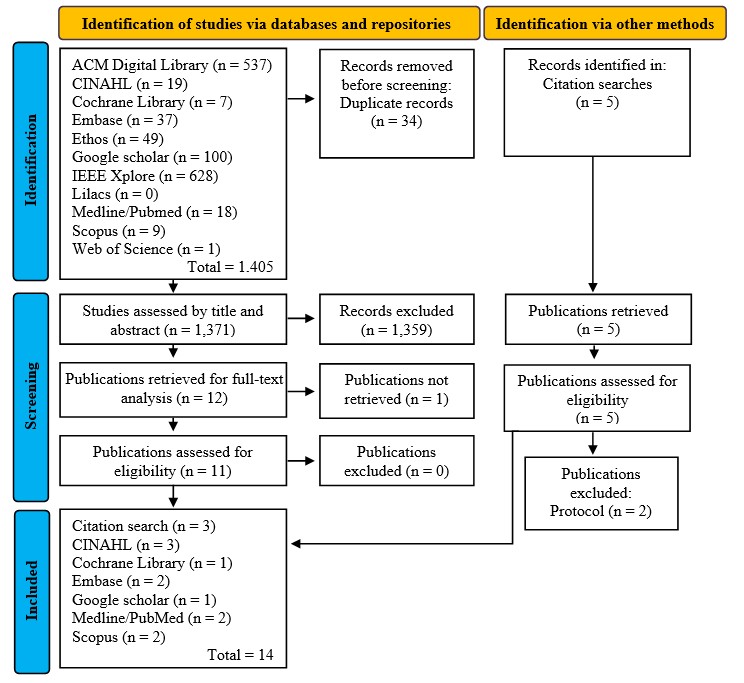 Source: research data, 2025.
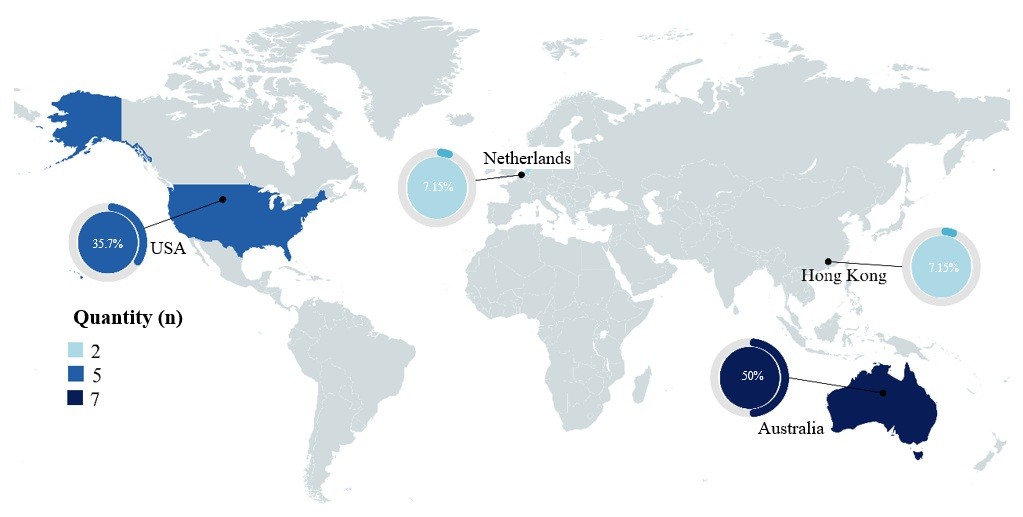 Source: prepared by the authors using the Canva tool, 2025.