 Durability of binary geopolymers with metakaolin and porcelain polishing residue against magnesium sulfate attack
Abstract
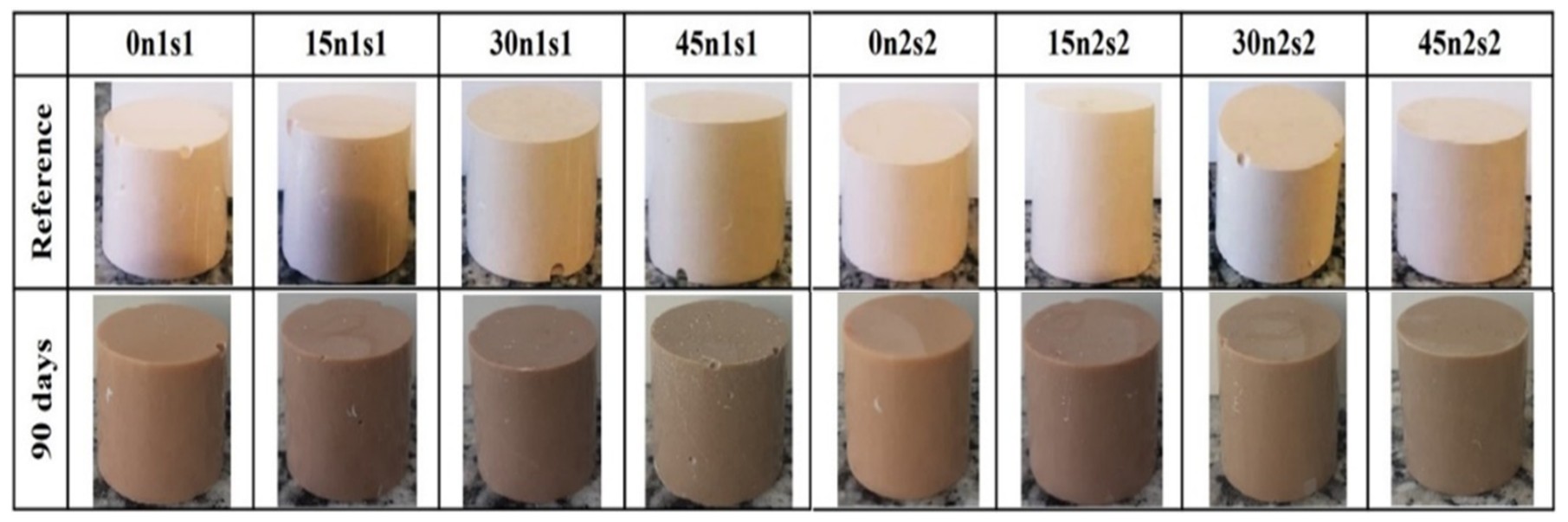
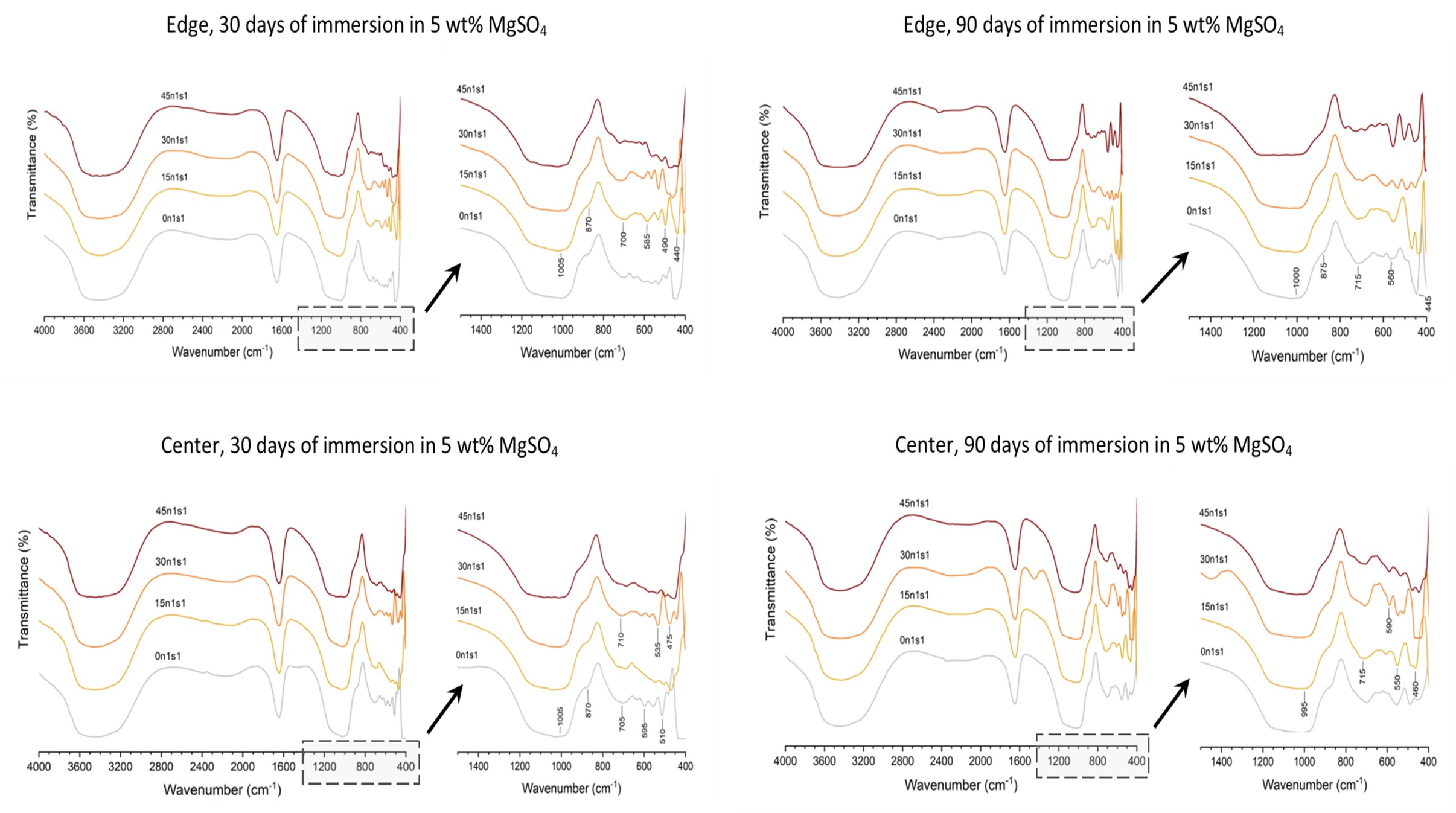
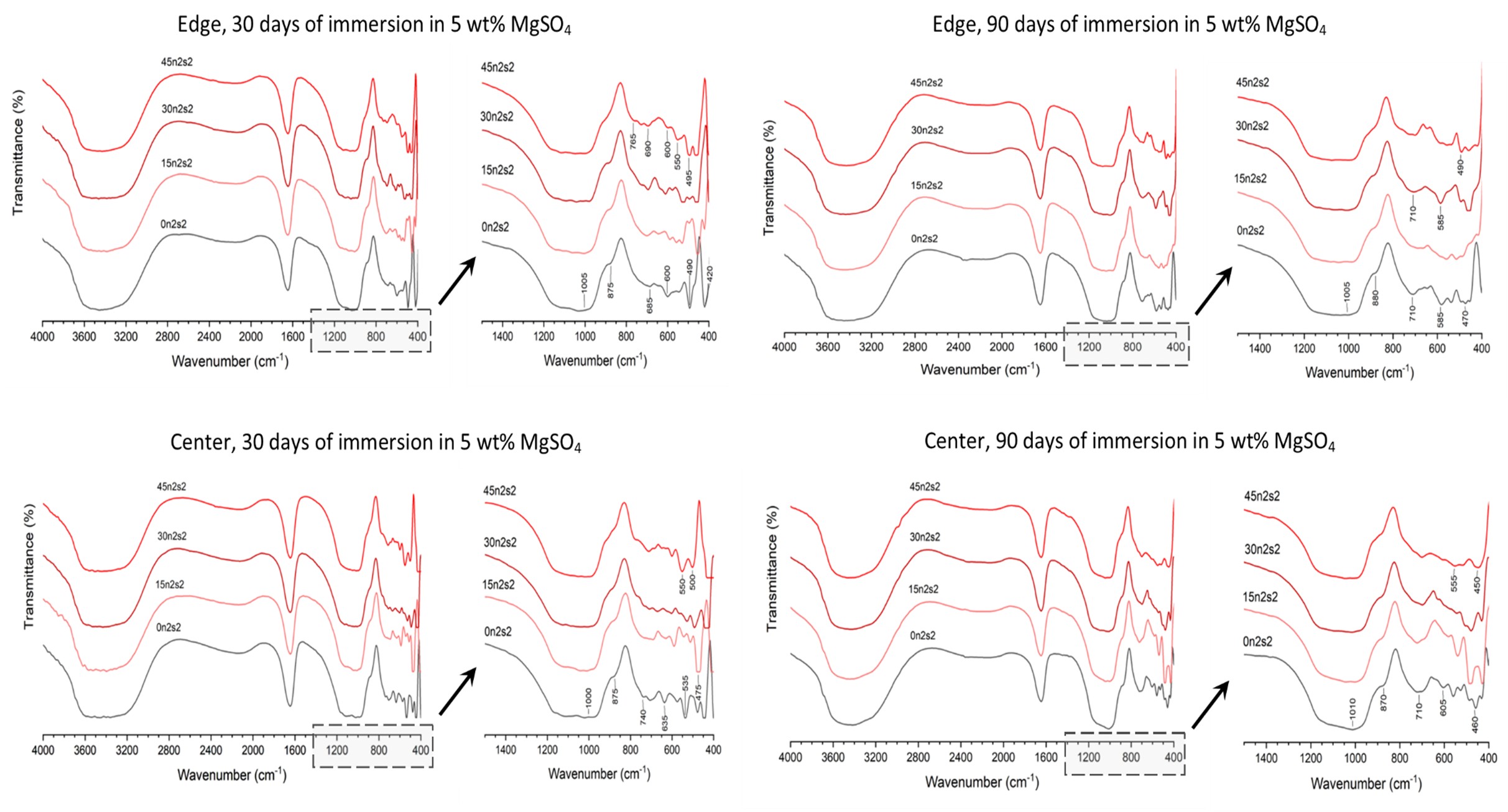
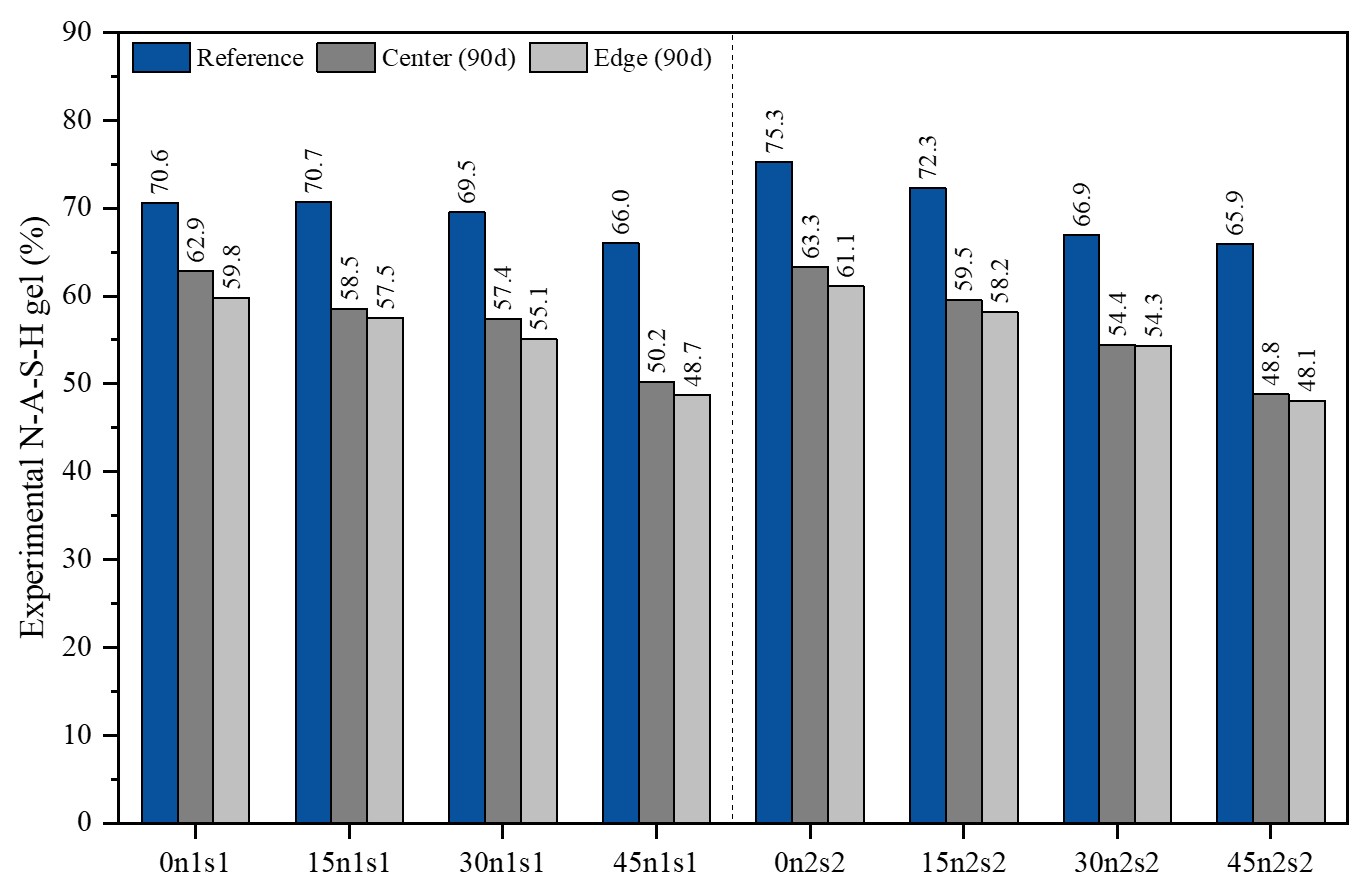
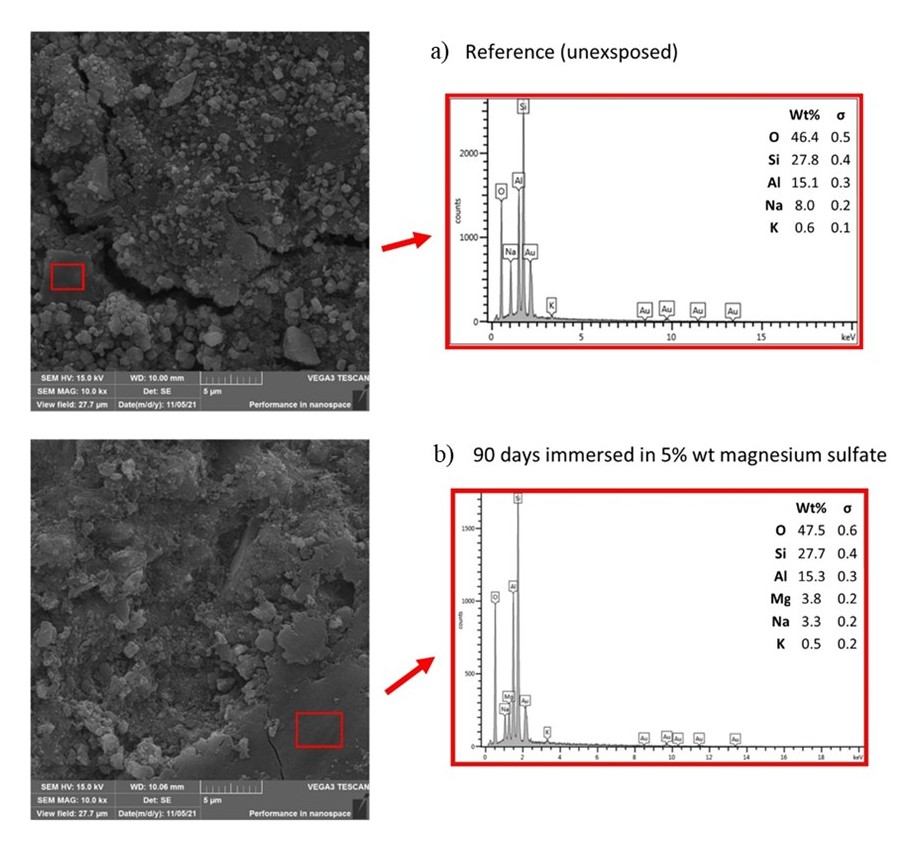
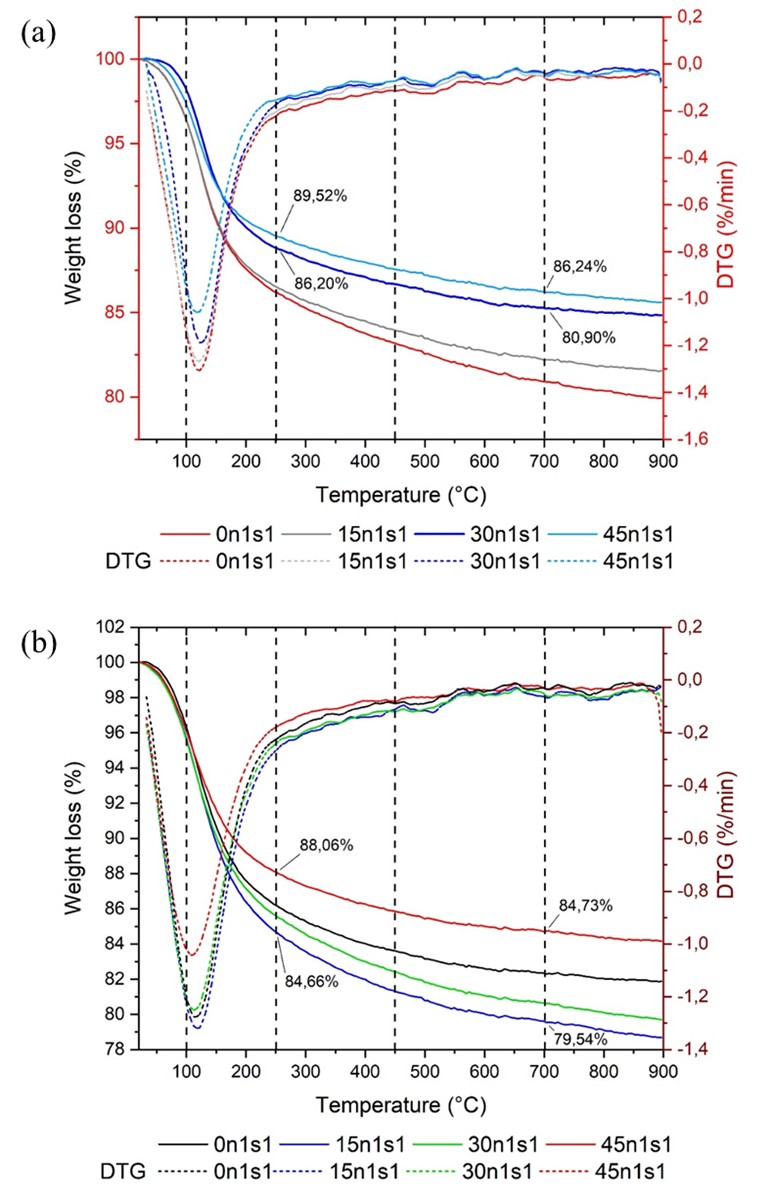
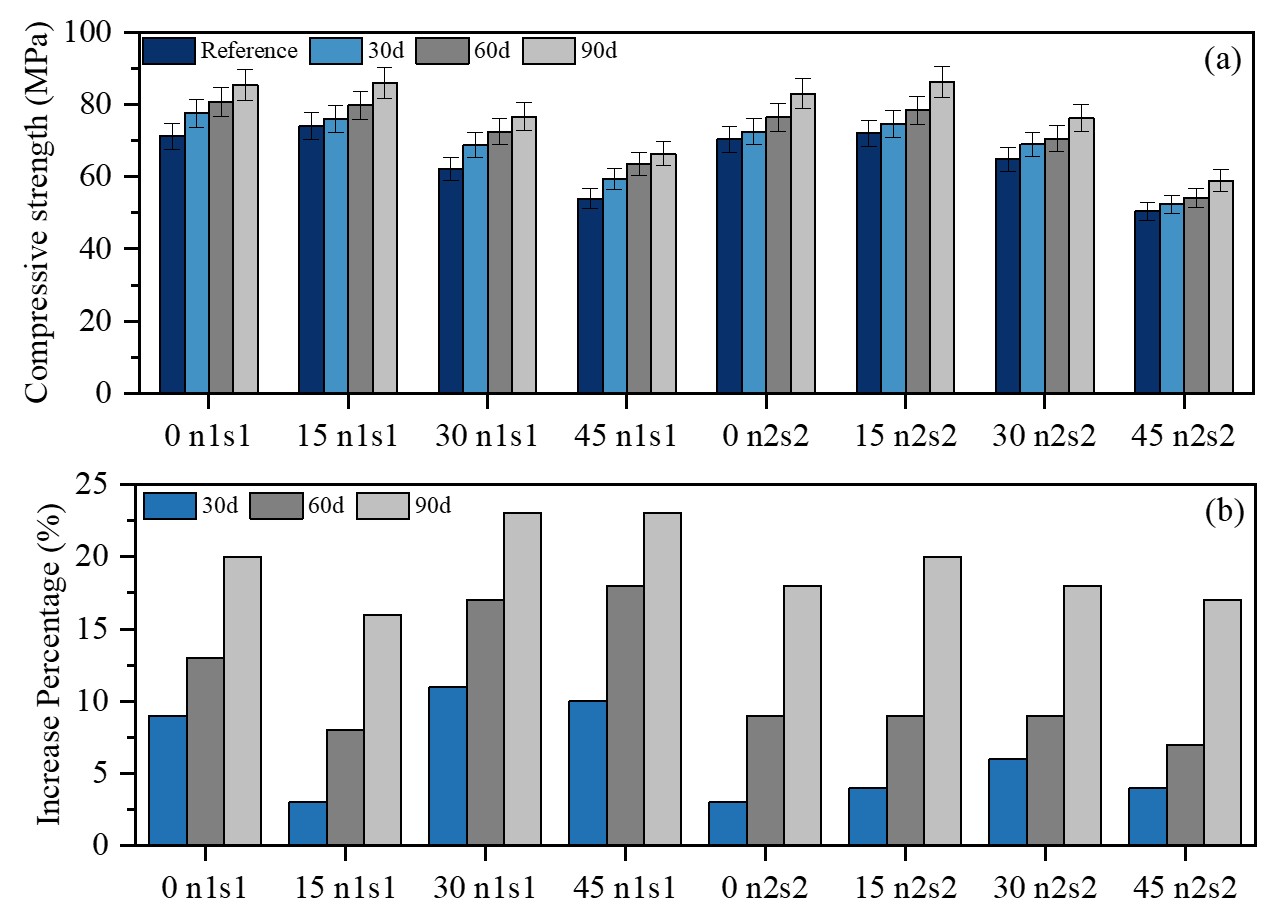
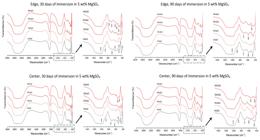
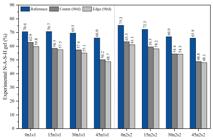
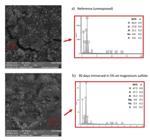
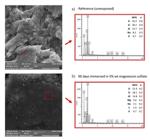
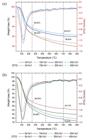
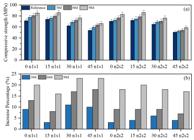
Abstract Geopolymers are emerging as alternative binders capable of incorporating various residual materials. However, further research is needed to assess the durability of these systems. This study produced geopolymer pastes with metakaolin (MK) partially replaced by porcelain polishing residue (PPR) at levels ranging from 0 to 45% by weight. The performance of these pastes was evaluated under magnesium sulfate attack over a 90-day period, using compressive strength tests, FTIR, TGA, and quantitative X-ray diffraction analyses (QXRD). Increases in compressive strength of up to 23% were observed after exposure to magnesium sulfate (30N1S1 and 45N1S1), with a similar trend across all levels of MK replacement by RPP, when compared to their respective reference samples not exposed to sulfate attack. This trend is likely related to the absence of expansive products commonly linked to sulfate attacks, such as ettringite and gypsum, as confirmed by XRD. Moreover, the SEM-EDS analysis suggests the incorporation of magnesium ions (Mg2+) into the matrix, which bond with the aluminosilicate gel, enhances its performance. These findings highlight the potential of MK and PPR-based geopolymeric materials for use in sulfate-aggressive environments, contributing to the advancement and sustainability of the construction industry.
Keywords:
geopolymer; durability; sulfate; porcelain polishing residue
 Thumbnail
 Thumbnail
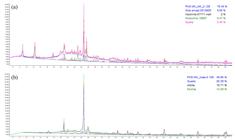 Thumbnail
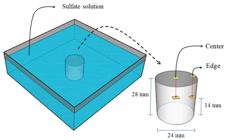 Thumbnail
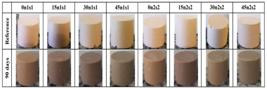 Thumbnail
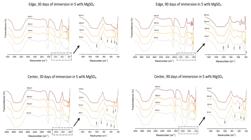 Thumbnail
 Thumbnail
 Thumbnail
 Thumbnail
 Thumbnail
 Thumbnail
 Thumbnail