 Alternative methodology for decrease the variability of tensile and shear adhesion evaluation in rendering mortar
Abstract
Abstract The main mechanical properties that indicate the development of adhesion between mortars and substrates are tensile strength, shear strength, and bond length. However, most studies focus solely on tensile bond strength. This study proposes an alternative method for evaluating tensile and shear bond strength, which produces less variation in results, using a device specifically developed for this purpose. For the necessary validations, a 1:1:6 mortar mixture (by volume) consisting of cement, lime, and medium sand, along with a ceramic substrate, was used. Tensile and shear strengths were evaluated after wet curing at different ages. A new method for bond strength testing demonstrated promising results, reducing the variance of results by 39% using spatterdash and increasing the bond strength by 31% without spatterdash, at 28 days. This reduction in variability indicates that the new method mitigates the influence of external factors inherent to the testing process. The apparatus required for the alternative method was easy to produce and use, making it an efficient option for conducting adhesion tests on mortars in a laboratory environment.
Keywords:
mortar; adhesion; mortar application method; testing device
Resumo
Resumo As principais propriedades mecânicas que indicam o desenvolvimento da adesão entre argamassas e substratos são a resistência à tração, a resistência ao cisalhamento e a extensão de aderência. No entanto, a maioria dos estudos concentra-se exclusivamente na resistência de aderência à tração. Este estudo propõe um método alternativo para avaliar a resistência de aderência à tração e ao cisalhamento, que produz menor variação nos resultados, utilizando um dispositivo desenvolvido especificamente para esse fim. Para as validações necessárias, foi utilizada uma mistura de argamassa 1:1:6 (em volume) composta por cimento, cal e areia média, juntamente com um substrato cerâmico. As resistências à tração e ao cisalhamento foram avaliadas após a cura úmida em diferentes idades. Um novo método para ensaio de resistência de aderência demonstrou resultados promissores, reduzindo a variância dos resultados em 39% usando chapisco e aumentando a resistência de aderência em 31% sem chapisco, aos 28 dias. Essa redução na variabilidade indica que o novo método atenua a influência de fatores externos inerentes ao processo de ensaio. O aparato necessário para o método alternativo foi de fácil produção e utilização, tornando-o uma opção eficiente para a realização de ensaios de aderência em argamassas em ambiente laboratorial.
Palavras-chave:
argamassa; aderência; método de aplicação; dispositivo de produção
1 INTRODUCTION
Mortar durability and performance can be determined from several tests with or without the presence of a substrate. Despite this, many problems are still found on rendering mortars in buildings. Specific situations require prior evaluations to select the appropriate mortar since improper matching could generate problems due to the loss or lack of adhesion to the substrate.
According to Carasek [1], adhesion between mortar and substrate is a mechanical process in which the ingress of cement paste in substrate pores induced the rendering anchoring by formation of hydration products. While this mechanism was the main factor in adhesion, other processes also affected adhesion. Thurler and Ferreira [2] noted that adhesion was a contact phenomenon between surfaces through a physical bond between mortar and substrate and a chemical bond through electrostatic Van Der Walls forces. Standard NBR 13528-1 [3] defined adhesion as a render property that bore tensions on its surface or on the substrate interface. As such, adhesion was not a property of the mortar alone but rather dependent on the interaction between the elements of the rendering system. Additionally, adhesion was also affected by the render application method and environmental exposure conditions [4]. Further studies concluded that proper application and adhesion depended on particle size, mortar rheological properties, application method, age and curing conditions adequate to the physical properties of the substrate, namely surface roughness, porosity and water absorption [5] –[8].
Render adhesion mechanisms are not yet fully understood and tests to evaluate it are constantly being revised. Quantitative analysis of rendering mortar adhesion could be performed through tensile adhesion strength tests as described in standards BS EN 1015-12 [9], D7522 [10], NBR 13528-1 [3] and NBR 15258 [11]. Shear adhesion strength could be determined from the procedures of standards MR-14 [12] and MR-20 [13] as there is currently no Brazilian standard for this procedure. Considering all different proposed methodologies, Costa and Carasek [14] emphasize that some recommended parameters were not clearly specified and were even divergent, resulting in a high variability of results due to their multiple effects on adhesion.
A systematic review study by Vaz and Carasek [15] noted several variables that affected adhesion strength. Some of these were mortar composition (mix ratio and materials, both of which induce high coefficients of variation), chemical or mineral additives, mortar application methods (manual application, free fall, molded), type of curing (wet or dry) and type of test (laboratory or in situ). Tensile adhesion strength variation coefficients have been reported in the range from 3.3% [16] to 67% [17], the latter from a field test. In general, manual application produced higher adhesion and lower variation coefficients, which further confirmed the importance of application methodology. In addition, renders subjected to wet curing and tested under laboratory conditions also yielded higher adhesion when compared to dry cured ones and tested in situ.
Lower variability in laboratory tests allows standardization of procedures and minimization of factors that affect adhesion. In comparison, in situ applications occur over different substrates and with a plethora of application methods and curing conditions. Under these conditions, it is unlikely that projected mortar adhesion would be reached and hardened mortar properties vary considerably. Furthermore, and as noted previously, evaluation of rendering mortar adhesion usually already contains high variation coefficients due to the lack of consensus on the main factors affecting it.
Thus, the objective of this study is to contribute to the field of knowledge on rendering mortar adhesion by proposing an evaluation method for tensile and shear adhesion strength that incurs less variation in the results.
2 MATERIALS AND EXPERIMENTAL PROGRAM
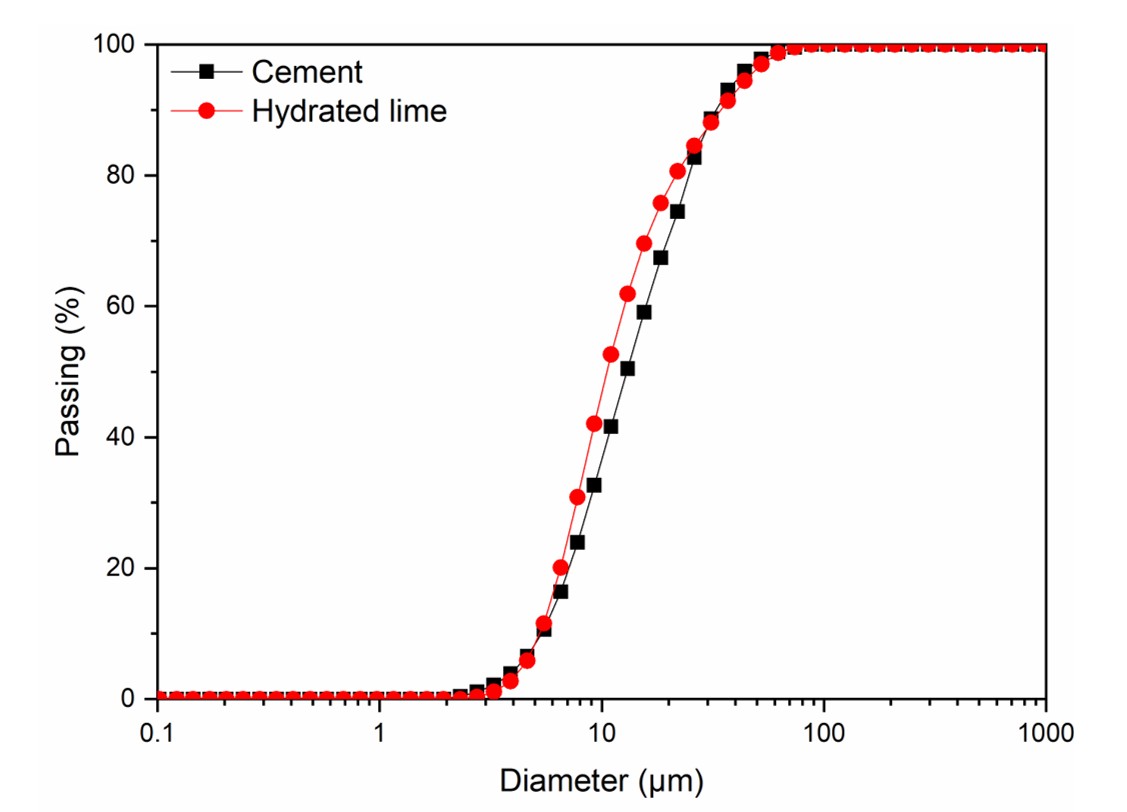
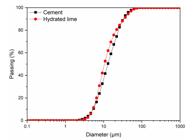
Materials used to manufacture the rendering were CP II F-32 cement, CH-II hydrated lime, coarse sand (for the spatterdash coat), and medium sand. Table 1 presents the physical and chemical properties of the binders according to the manufacturer, while Figure 1 shows the particle size distributions by wet laser granulometry. Table 2 shows the physical and chemical properties of the aggregates, and the Brazilian standards used to evaluate each one.
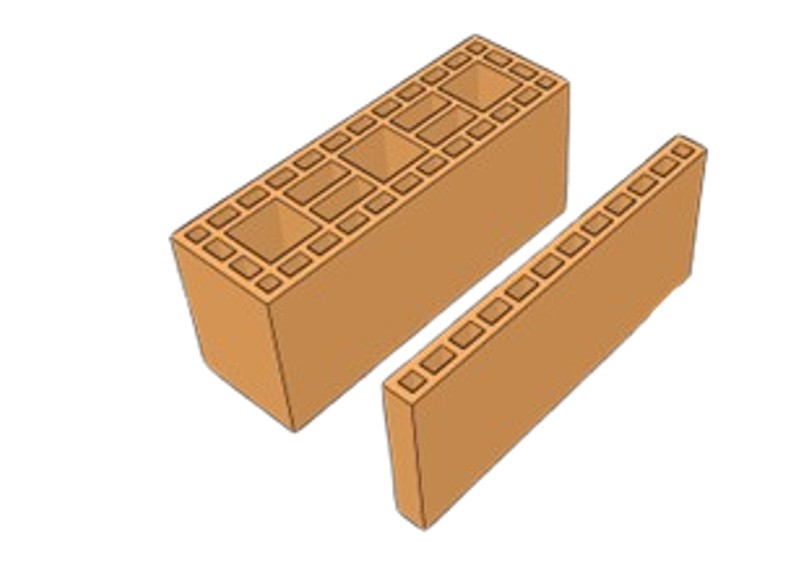
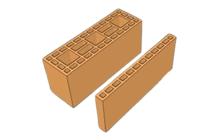
Substrates were hollow clay blocks measuring 14 cm × 19 cm × 44 cm fired in a tunnel kiln at 900 ºC, manufactured by a partner industry. The side faces of the blocks were cut off into plaques as seen in Figure 2 for optimal use in laboratory tests. Following cutting, the plaques were cleaned, washed and stored in a sealed container kept at 23 ± 2 ºC and 60 ± 5% of relative humidity for 30 days to stabilize internal moisture content.
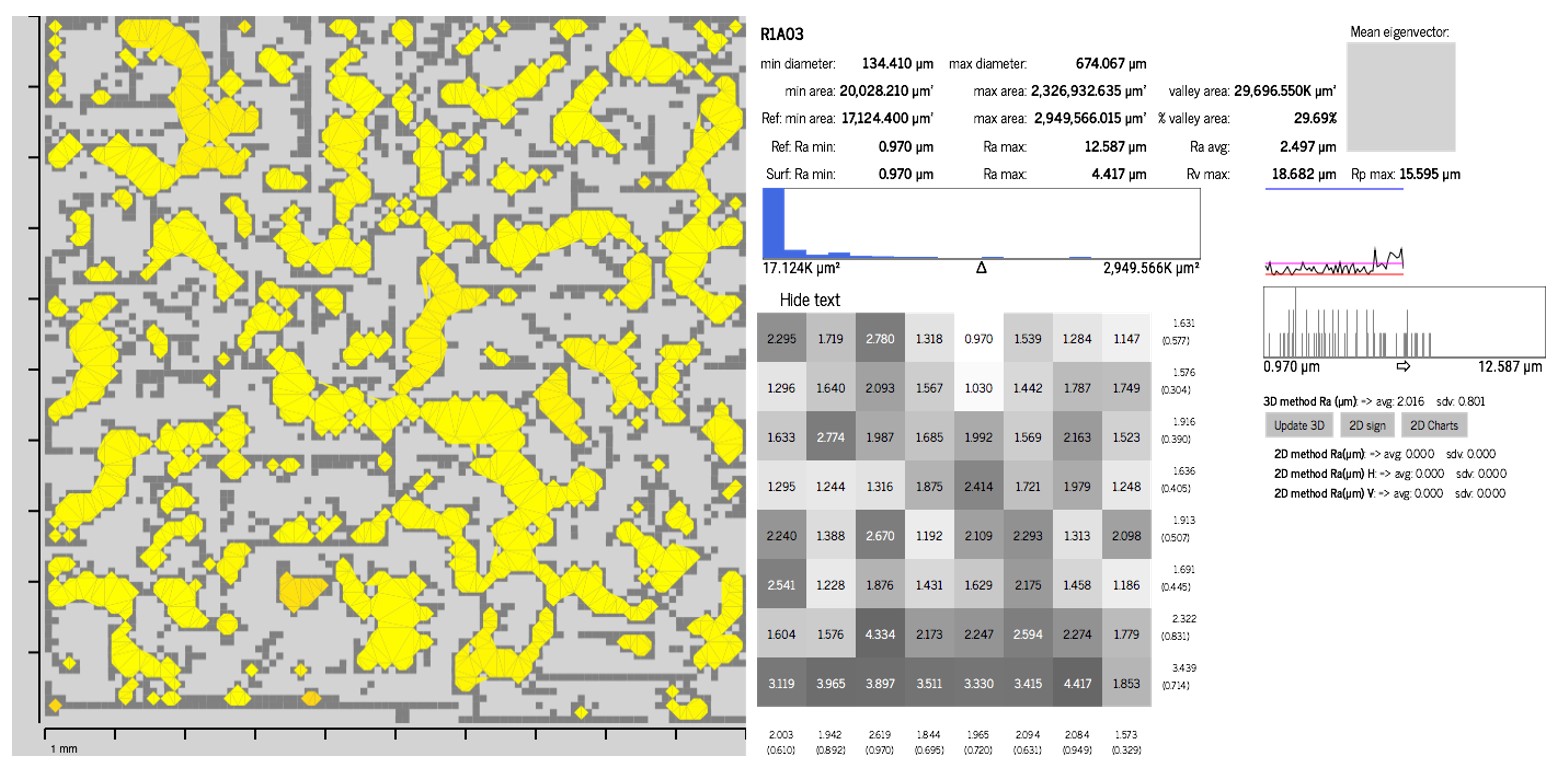
A total of 13 blocks from a single batch were used to determine water absorption in accordance with NBR 15270-1 [22] and capillary water absorption with RILEM TC116 PDC [23]. Surface roughness was evaluated from 3-D laser profilometry with a Starrett-brand Galileo Series AV300 Automatic Vision System. Two plaques were selected, and roughness measured on the lateral surface in 3 areas measuring 10 mm × 10 mm. At each area, 10,000 points were captured with full X, Y and Z coordinates forming a cloud dataset. Data were processed with the analysis software developed by Tonietto et al. [24] to determine the roughness profile of the substrate. According to Tonietto et al. [24], [25] and Arnold et al. [26], surface roughness obtained from a cloud dataset of 3-D points offered greater precision in determining surface characteristics than conventional 2-D methodologies.
Renders were produced with and without spatterdash coat in order to evaluate their effect in the hardened state on the substrate. Spatterdash was produced in accordance with the procedures of standard NBR 7200 [27] and applied manually from a distance of 50 cm from the plaques. This ensured a standardized, speedy, practical and uniform test procedure. Spatterdash mortar was prepared with a 1:3 mix ratio of cement and coarse sand. The plaques with spatterdash coat were wetted periodically for 48 h and stored in a chamber at 23 ± 2 ºC and 60 ± 5% of relative humidity until application of the rendering mortar.
Rendering mortar was prepared in accordance with the procedures of standard NBR 7200 [27] in a 1:1:6 mix ratio of cement, lime and sand by volume. Lime, sand and water were first homogenized in a mechanical mixer, transferred to a sealed container and allowed to rest for 16h as recommended by the manufacturer. After resting, cement and water were added for another round of homogenization. Enough water was added at this stage to attain a consistency of 260 ± 5 mm as specified by NBR 13276 [28]. Mortar preparation was conducted in a controlled environment at 23 ± 2 ºC and 60 ± 5% of relative humidity.
Fresh state water retention was determined as described by NBR 13277 [29], density with NBR 13278 [30], incorporated air content with an adapted procedure from NBR 16887 [31] and squeeze-flow from NBR 15839 [32]. After 28 days, hardened state capillary water absorption was determined from NBR 15259 [33], total water absorption from NBR 9778 [34], bulk density from NBR 13280 [35], shrinkage from NBR 15261 [36] and compressive and flexural tensile strengths from NBR 13279 [37].
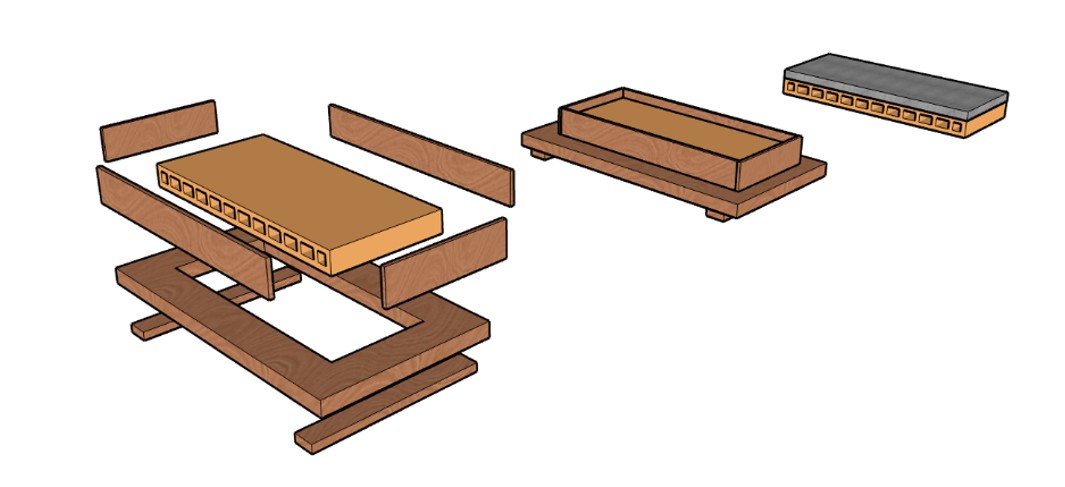
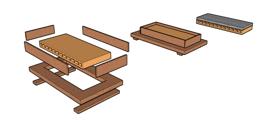
Mortar application on the substrate made use of a “traditional” and an “alternative” methodology. The traditional method made use of a template shown schematically in Figure 3. The template allowed uniform molding of mortar over the surface with a standardized layer 20 mm in height and its removal caused no damage or stresses on the mortar. Mortar application free fall height was set at 1 m, ensuring homogeneity in application and simulating the impact energy generated by the movement of the bricklayer throwing the mortar over a wall [38]. Next, the mortar surface was smoothed with a finishing trowel.
The alternative method made use of a high-density ethylene-vinyl acetate (EVA) mold shown in Figure 4. A tube 175 mm in diameter and 1.7 mm thickness was used to apply mortar over a circular area from a free fall height of 1 m. A water-based release agent was used on the molds and the downpipe. Next, the mortar surface was smoothed with a finishing trowel.
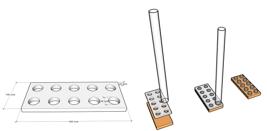
The EVA mold has interesting characteristics that make it easier to make the mold, it does not absorb water from the mortar, it has precision in laser cuts, and it is easier to remove manually from the mold because it is flexible. This procedure minimized variables involved in the traditional method related to cutting such as vibration, friction, torquing moments and heat from the use of a hole saw.
After molding, plaques were kept in a laboratory room at 23 ± 2 ºC and 60 ± 5% of relative humidity for 24 h. Afterwards, the plaques were demolded and stored in a wet curing room kept at 23 ± 2 ºC and 100% of relative humidity for 28 days and 56 days. Prior to testing at each age, plaques were dried in an oven at 100 ± 5 ºC until mass stabilization. In the case of plaques prepared with the traditional method, holes 50 mm in diameter were drilled with an industrial drill and hole saw under low rpm.
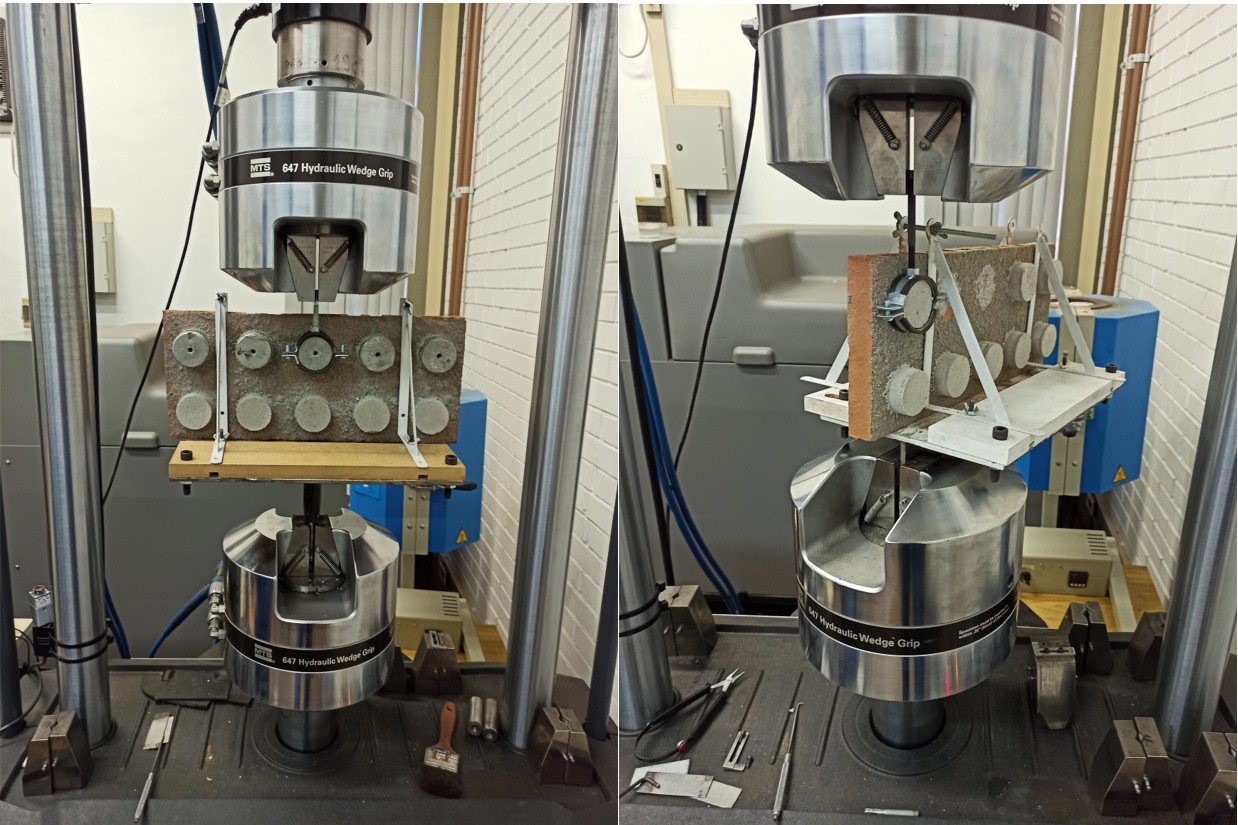
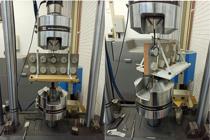
Tests evaluated tensile adhesion in accordance with NBR 15258 [11]. Shear adhesion was tested with a procedure that consisted of applying a shear stress in the vertical direction through the mounting apparatus of Figure 5. The plaque was mounted on a load frame and connected to the upper arm of a hydraulic press. A compressive load was then applied downwards with a speed of 0.08 mm/s until the sample ruptured.
3 RESULTS AND DISCUSSIONS
The firing process produced blocks with varying levels of porosity. Tests revealed an average water absorption and capillary coefficient of 12.96 ± 0.86% and 0.81 ± 0.02 g.cm-2.h-1/2, respectively. Capillary absorption was the mechanism through which water was drawn from mortar after application. However, mortar adhesion tests noted that adhesion was affected by local capillary absorption rather than the average of the block, a fact also proven by Valentini et al. [39]. This was attributed to different mineral characteristics of the raw materials and block manufacturing process [40]. More specifically, the extrusion, heating/drying and process control techniques applied by the manufacturer affected directly the resulting pore network and produced variations in mechanical properties [41], [42].
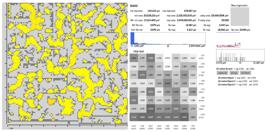
Another factor directly affecting mortar adhesion strength was surface roughness of the blocks. Roughness is determined from the size and shape of peaks and valleys on the surface of the substrate [43]. A sample roughness analysis of one of the fired clay samples is shown in Figure 6 and the corresponding average roughness coefficients (Ra) are shown in Table 3. Areas marked in yellow represent valleys on a reference plane over the surface. In the case of this study, the hollow fired clay blocks were found to have no significant variation in roughness and the average roughness was 2.50 µm.
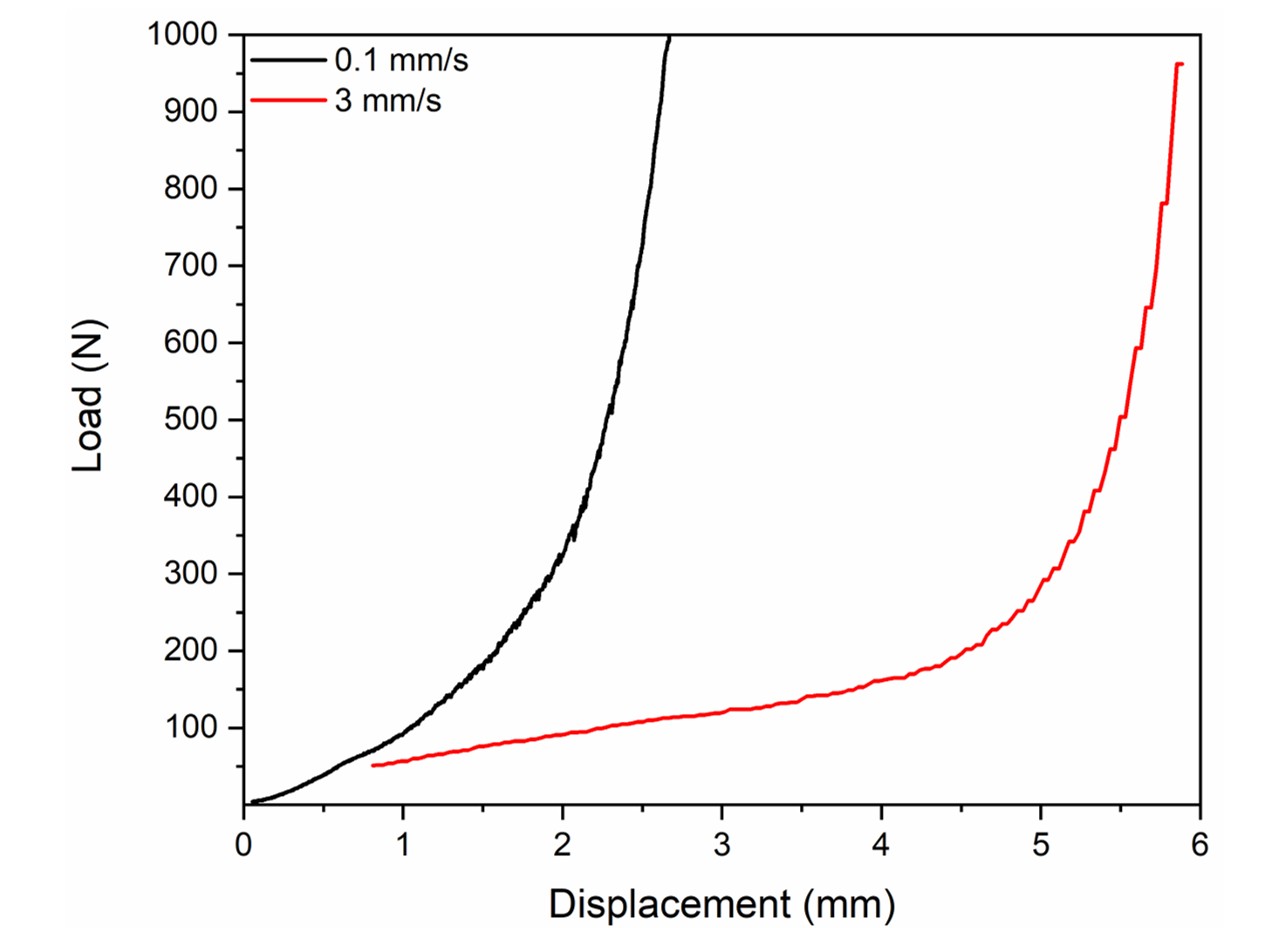
Fresh state mortar properties directly affect performance in the hardened state. Table 4 presents average fresh and hardened properties evaluated in accordance with Brazilian standards. A rheological squeeze-flow test was also conducted, and the results presented in Figure 7. Overall, the physical and mechanical properties of the mortars were within expected ranges.

Results of Table 4 showed that fresh and hardened densities were in accordance with Stolz et al. [44] and Costa et al. [45]. Water retention was high due to the presence of lime. Entrained air content was related to the quantity of void spaces, which promoted decreases in the modulus of elasticity and allowed the mortar to carry structural loads and displacements without cracking. Shrinkage was considered low and contributed to a potential decrease in surface cracking and internal micro-cracking. This was likely due to a balanced mix ratio with good granulometric matching between binder particles and aggregates.
The rheological response of Figure 7 demonstrated that, as load velocity increased, mortar workability increased. This allowed increased wetness and contact with the block surface. These results were in agreement with Stolz and Masuero [44] and Stolz et al. [46]. At a load speed of 0.1 mm/s, mortar hardened from the strain, and this was noticeable from the increase in load for small displacements. In comparison, at a load speed of 0.3 mm/s, plastic deformation occurred with lower loads [47].
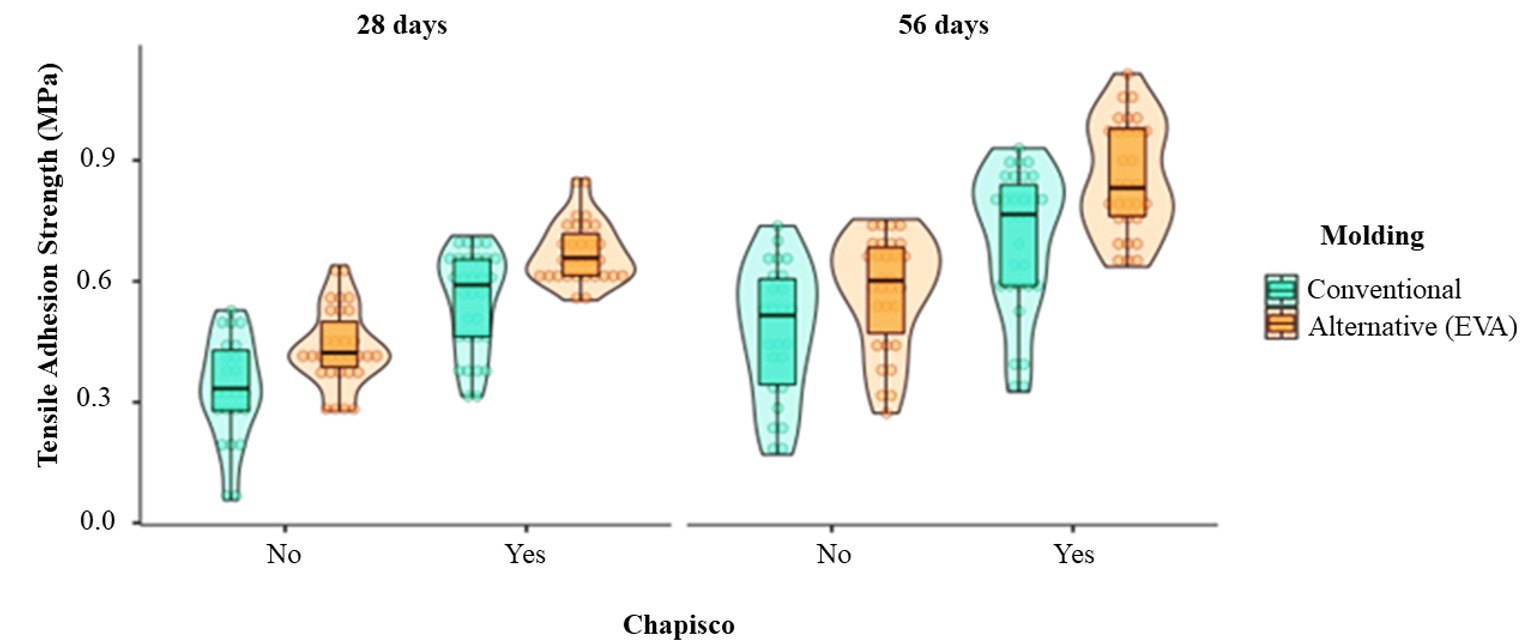
Table 5 presents average tensile adhesion strength at 28 days and 56 days with and without spatterdash coat for both traditional and alternative techniques. Figure 8 shows the statistical analysis from probability density estimates. This allowed a direct visual comparison of the effects of both procedures on adhesion strength.

Table 5 demonstrates that substrates with the traditional method and no spatterdash coat had the least tensile adhesion strength due to roughness and improper texture preventing proper rendering mortar adhesion, a fact also observed by Scartezini and Carasek [48]. Furthermore, an increase of up to 30% increase in tensile bond strength was observed using the alternative method without spatterdash at 28 days. The variance, in turn, was reduced by approximately 27% under the same conditions mentioned. This means that this proposed new method mitigates the errors that can occur during hole saw cutting, which transmits torque, friction, vibration, and heat during the cutting process.
Despite their differences, the traditional method with and without spatterdash coat were adequate for use and were in agreement with Braga et al. [49] and Silva and Monteiro [50]. It should be noted that there were considerable variations in strength across several studies such as: 0.22 MPa for Moraes et al. [51], 0.17 MPa for Paes et al. [52] which was below values recommended in standards, 0.72 MPa for Penacho et al. [53], 0.64 MPa for Oliveira et al. [54] and 0.55 MPa for Saiz-Martínez et al. [55]. All studies were conducted with similar mortars at 28 days.
Stolz et al. [56] obtained superior render adhesion strength on fired clay substrates with spatterdash coat when compared with no previous surface preparation. However, in high roughness situations, cementitious paste was unable to penetrate all the way into the deeper valleys. This was due to improper rheological properties (namely, viscosity) of the paste which produced faults and decreased contact surface, thus decreasing tensile adhesion strength [57]. In this investigation, the use of spatterdash generated greater adhesion resistance, but increased the test variability by approximately 39% at 28 days.
Regardless of application method, aging allowed a higher degree of cement hydration and increased mortar strength over time. The use of a spatterdash coat in the traditional method resulted in improvements of 64.86% at 28 days and 47.79% at 56 days with respect to no surface preparation. Other studies determined an approximate 30% increase in adhesion from spatterdash coat application compared to no surface preparation [58], [48]. The alternative method proposed in this study with spatterdash coat also presented the same trends: increases of 22.40% at 28 days and 22.08% at 56 days with respect to the traditional method also with spatterdash coat. Since mortar, substrate, curing procedure and testing until rupture were the same, it could be safely concluded that the increase in strength was from the application method, especially the removal of the hole-saw mortar cutting step. Additionally, alternate application also produced a visible decrease in standard deviation which pointed to a more efficient procedure that decreased factors that introduced variability in the tests.
In addition to adhesion strength, another important analysis was rupture mode. Table 6 classifies rupture modes from tensile adhesion strength tests by fracture zone and application method. All the samples without spatterdash coat showed rupture at the substrate/mortar interface.
In the samples with spatterdash coat, rupture always occurs at the substrate/spatterdash coat or spatterdash coat/mortar interface. The alternative method led to a reduction in ruptures in the spatterdash coat/mortar interface (cohesive rupture) with a corresponding increase in ruptures in the substrate/spatterdash coat interface, which indicates that the substrate/spatterdash coat interface may have been damaged by the process of drilling the coating in the conventional process.
It should also be noted that samples with spatterdash coat also presented a slight increase in the percentage of cohesive ruptures as curing age increased.
In accordance to mortar classifications with respect to tensile adhesion defined in NBR 13281-1 [59], the mortars of this study were of class RS1 and RS2. This indicated that the mortar mix ratio was adequate for the parameters of the standard. In the case of alternative molding samples, their class could also be extended to RS3, which was considered a render appropriate for external use with ceramic tiles (Ri ≥ 0.50 MPa). The corollary to this result was that the traditional method produced an adhesion strength inferior to the potential of the mortar, and as such could lead to mislabeled classifications.
An ANOVA analysis was conducted with 3 factors (application method, spatterdash coat and age) and 95% significance and results confirmed that significant variations were present for each factor. Comparing the level of each factor with a Post Hoc multiple comparison test at 95% significance, significant variation in the levels were also found. These statistical analyses confirmed the effect of each factor on tensile adhesion strength and are shown in Table 7 and 8.
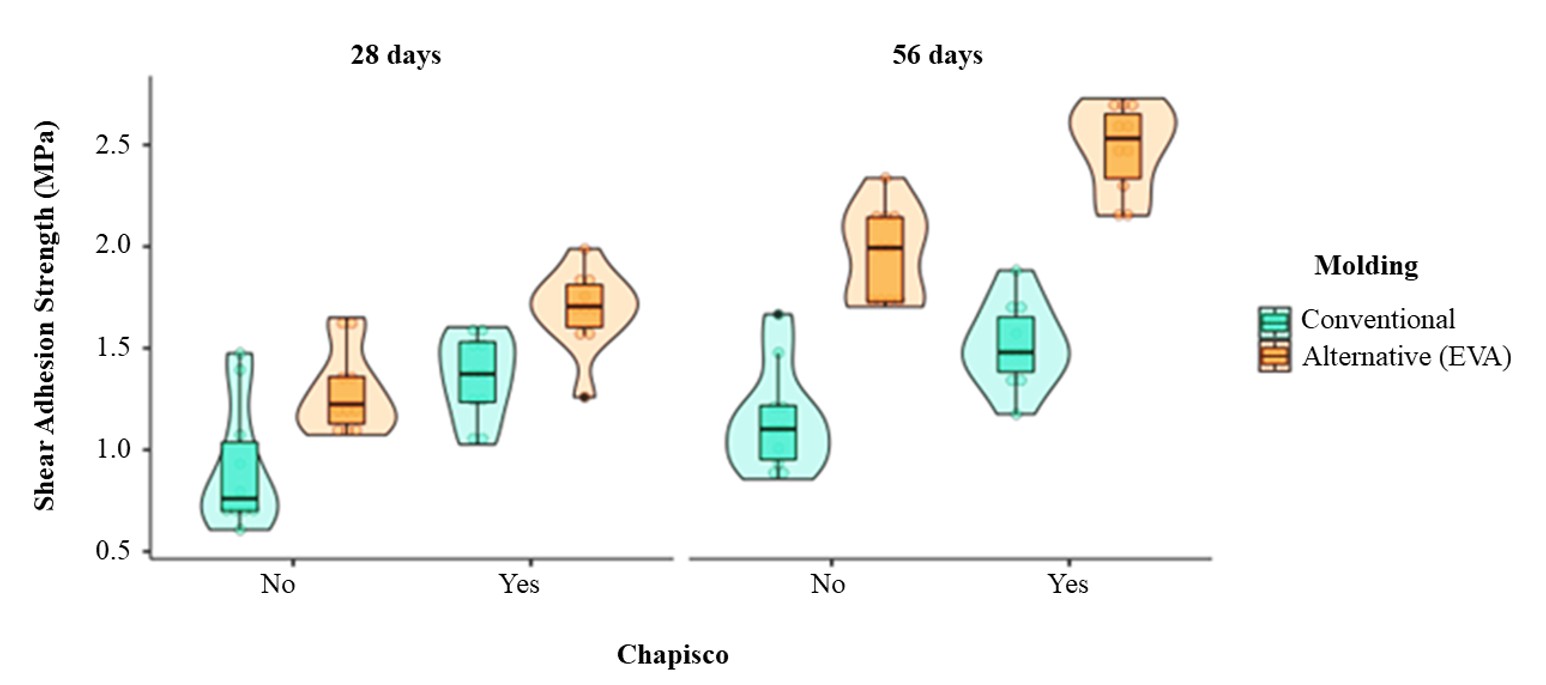
Table 9 presents average mortar shear adhesion strength at 28 days and 56 days with respect to application method and use or lack of spatterdash coat. Figure 9 presents statistical analyses from probability density estimates and highlights the significant differences from the application methods on shear adhesion strength.
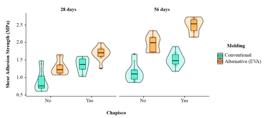
Table 9 demonstrated that average shear adhesion strength values were higher than tensile adhesion strength. This behavior was also observed by Candia [60] on industrialized mortars applied to concrete substrates. For all samples, aging resulted in a direct increase in shear adhesion strength over time. Mortars applied with the traditional method presented increases in shear adhesion of 49.01% at 28 days and 31.85% at 56 days with spatterdash coat when compared to the same method without spatterdash coat. For the alternative method, shear adhesion increased 31.52% at 28 days and 26.25% at 56 days with spatterdash coat when compared to without spatterdash coat.
The alternative molding method with spatterdash coat presented an increase in shear adhesion strength of 24.63% at 28 days and 63.83% at 56 days when compared to the traditional method with spatterdash coat. Similar to tensile adhesion strength, it was concluded that the increase in strength was due to the removal of the hole saw cutting step of the traditional method. Figure 9 also demonstrated that the alternative method also decreased the standard deviation of shear adhesion strength and further confirmed the results obtained for tensile adhesion strength analysis.
Adhesion depended on surface roughness of the substrate. Thus, it was necessary for the fresh state mortar to saturate substrate contact surface irregularities, be it pores or roughness, in order to achieve increased adhesion after drying [61]. This may have occurred with the alternative method and could explain the gains in shear adhesion strength observed.
Table 10 presents a quantitative analysis of rupture modes from shear adhesion strength tests. In the case of samples without spatterdash coat, almost all ruptures occurred at the substrate/mortar interface and were like the results from tensile adhesion strength tests. In the case of samples with spatterdash coat, ruptures were also similar to tensile rupture modes and were mostly cohesive. However, a few adhesive ruptures and substrate ruptures were also observed, and, in these cases, it was not possible to clearly associate an application method with a rupture mode.
An ANOVA analysis of 3 factors (application method, spatterdash coat and age) was conducted with 95% significance and confirmed the substantial variation impacted by each factor. A Post Hoc multiple comparison test with 95% significance also confirmed significant differences between comparison levels so that each factor greatly affected shear adhesion strength. Tables 11 and 12 present the results from this statistical analysis.
In general, a comparison between the results of direct tensile and shear tests shows that the influence of the application of spatterdash and the age of the test on shear strength exhibits a similar trend to that observed for tensile strength. On average, the strength obtained in the shear test are approximately three times higher than those observed in the tensile test. This behavior explains why many authors primarily use the direct tensile test as a reference for evaluating the adhesion of coatings, with or without a spatterdash layer.
Furthermore, analysis of the variability of the results reveals that the deviations observed in the shear tests are greater than those in the tensile tests, especially at 28 days of age. Although this increase in variance is associated with the increase in strength, it also reflects the greater complexity of performing the shear test, which contributes to its frequent neglect in favor of the direct tensile test in evaluating coating adhesion. At 56 days, however, this difference in variability tends to reduce, becoming less significant. It is also observed that the proposed methods presented smaller variances than the traditional method at all ages, although this difference also decreased at 56 days, indicating a stabilization of the results with the advancement of the age of cure.
4 CONCLUSIONS
Results of this study allowed the following conclusions:
-
The alternative method proposed in this study to apply mortars on substrates increased tensile and shear adhesion strengths by up to 0.67 MPa and 1.69 MPa at 28 days, respectively, with the application of a spatterdash coat, reducing variability when compared to the traditional method;
-
The apparatus used to apply the alternative method had a low cost and was easy to handle, eliminating the need for the hole saw cutting step before adhesion strength testing. Rupture modes from this method were similar to the traditional method under the common test procedures;
-
Equipment and methodologies developed for shearing adhesive strength testing were reliable, producing small variances and higher but compatible values when compared to axial tensile strength tests. The methodology conferred greater fidelity to the effect of gravity on the mortar when compared to the methodology of other studies;
-
For the mortar and substrate used in this study, spatterdash coat produced higher render adhesion and acted as further binder, acting as a bonding bridge.
The proposed method presented consistent and promising results, with significant gains in both variability reduction and mechanical performance. A reduction of approximately 39% in the variance of the results was observed compared to conventional methods, in addition to an increase of up to 31% in bond strength at 28 days of age with the adoption of the new approach. Reducing dispersion is a fundamental aspect to ensure greater reliability and representativeness of the experimental results, as it minimizes the influence of external factors and uncertainties inherent in the testing procedure. Furthermore, the method helps reduce errors associated with the use of the hole saw, such as those resulting from torque, friction, vibrations, and/or heat generation during specimen extraction.
-
Financial support:
The authors would like to thank Unisinos and CNPq for for providing financial support through grants.
-
Data Availability:
The data that support the findings of this study are available from the corresponding author, [FP], upon reasonable request.
-
How to cite:
L. H. Vieira, F. R. C. Ribeiro, R. C. E. Modolo, M. P. Kulakowski, and C. S. Kazmierczak. “Alternative methodology for decrease the variability of tensile and shear adhesion evaluation in rendering mortar”, Rev. IBRACON Estrut. Mater., vol. 18, no. 5, e18503, 2025, https://doi.org/10.1590/S1983-41952025000500003
REFERENCES
- 1 H. Carasek, “Aderência de Argamassas à Base de Cimento Portland a Substratos Porosos: Avaliação dos fatores intervenientes e contribuição ao estudo do mecanismo da ligação,” Ph.D. dissertation, Univ. São Paulo, São Paulo, 1996.
- 2 C. L. Thurler and V. A. Ferreira, “A evolução da resistência de aderência de algumas argamassas colantes nacionais,” in An. Simp. Bras. Tecnol. Argamassas, 1995.
- 3 Associação Brasileira de Normas Técnicas, Revestimento de Paredes e Tetos de Argamassas Inorgânicas: Determinação da Resistência de Aderência à Tração – Parte 1: Requisitos Gerais, ABNT NBR 13528-1, 2019.
- 4 R. P. N. Antunes, “Influência da reologia e da energia de impacto na resistência de aderência de revestimentos de argamassa,” Ph.D. dissertation, Univ. São Paulo, São Paulo, 2005.
-
5 G. Cultrone, E. Sebastián, K. Elert, M. J. de la Torre, O. Cazalla, and C. Rodriguez–Navarro, "Influence of mineralogy and firing temperature on the porosity of bricks," J. Eur. Ceram. Soc., vol. 24, no. 3, pp. 547–564, Mar 2004, http://doi.org/10.1016/S0955-2219(03)00249-8
» http://doi.org/10.1016/S0955-2219(03)00249-8 - 6 E. B. C. Costa, “Análise de parâmetros influentes na aderência de matrizes cimentícias,” Ph.D. dissertation, Univ. São Paulo, São Paulo, 2014.
-
7 E. B. C. Costa, F. A. Cardoso, and V. M. John, "Influence of high contents of limestone fines on rheological behaviour and bond strength of cement-based mortars," Constr. Build. Mater., vol. 156, pp. 1114–1126, Dec 2017, http://doi.org/10.1016/j.conbuildmat.2017.09.029
» http://doi.org/10.1016/j.conbuildmat.2017.09.029 - 8 C. S. Kazmierczak, D. E. Brezezinski, and D. Collato, "Influência das características da base na resistência de aderência à tração e na distribuição de poros deuma argamassa," Estud. Tecnologicos, vol. 3, no. 1, pp. 47–58, 2007.
- 9 British Standards, Methods of Test for Mortar for Masonry: Determination of Adhesive Strength of Hardened Rendering and Plastering Mortars on Substrates, EN 1015-12, 2000.
- 10 American Society for Testing and Materials, Standard Test Method for Pull-off Strength for FRP Laminate Systems Bonded to Concrete or Masonry Substrates, ASTM D7522, 2021.
- 11 Associação Brasileira de Normas Técnicas, Argamassa para Revestimento de Paredes e Tetos – Determinação da Resistência Potencial de Aderência à Tração, ABNT NBR 15258, 2021.
- 12 Réunion International des Laboratoires d’Essais et Matériaux, Recommendations for the Testing and Use of Constructions Materials: Determination of the Bond of Renderings by Shear Tests, MR 14, 1982.
- 13 Réunion International des Laboratoires d’Essais et Matériaux, Recommendations for the Testing and Use of Constructions Materials: Determination of the Bond Strenght of Rendering by Torsion Test, MR 20, 1994.
-
14 E. B. C. Costa and H. Carasek, "Influência dos parâmetros de ensaio na determinação da resistência de aderência de revestimentos de argamassa," Ambient. Constr., vol. 9, no. 4, pp. 17–36, Dec 2009, http://doi.org/10.1590/s1678-86212009000400515
» http://doi.org/10.1590/s1678-86212009000400515 -
15 F. H. B. Vaz and H. Carasek, "Resistência de aderência de revestimentos de argamassa - contribuição por meio de mapeamento e revisão sistemática de literatura para futuras pesquisas no tema," Ceramica, vol. 65, no. 374, pp. 303–318, Jun 2019, http://doi.org/10.1590/0366-69132019653742508
» http://doi.org/10.1590/0366-69132019653742508 -
16 J. G. Vieira et al., "Synthesis and characterization of methylcellulose from cellulose extracted from mango seeds for use as a mortar additive," Polímeros, vol. 22, no. 1, pp. 80–87, Feb 2012, http://doi.org/10.1590/S0104-14282012005000011
» http://doi.org/10.1590/S0104-14282012005000011 -
17 N. M. M. Ramos, M. L. Simões, J. M. P. Q. Delgado, and V. P. Freitas, "Reliability of the pull-off test for in situ evaluation of adhesion strength," Constr. Build. Mater., vol. 31, pp. 86–93, Jun 2012, http://doi.org/10.1016/j.conbuildmat.2011.12.097
» http://doi.org/10.1016/j.conbuildmat.2011.12.097 - 18 Associação Brasileira de Normas Técnicas, Agregados – Determinação da composição granulométrica – Método de Ensaio, ABNT NBR 17054, 2022.
- 19 Associação Brasileira de Normas Técnicas, Agregado Miúdo – Determinação da Densidade e da Absorção de Água, ABNT NBR 16916, 2021.
- 20 Associação Brasileira de Normas Técnicas, Agregados – Determinação da Massa Unitária e do Índice de Vazios, ABNT NBR 16972, 2021.
- 21 Associação Brasileira de Normas Técnicas, Solo – Determinação do Índice de Vazios Mínimo de Solos Não Coesivos, ABNT NBR 16843, 2020.
- 22 Associação Brasileira de Normas Técnicas, Componentes Cerâmicos – Blocos e Tijolos para Alvenaria – Parte 1: Requisitos, ABNT NBR 15270-1, 2017.
-
23 M. A. Wilson, M. A. Carter, and W. D. Hoff, "British standard and RILEM water absorption tests: a critical evaluation," Mater. Struct., vol. 32, no. 8, pp. 571–578, Oct 1999, http://doi.org/10.1007/BF02480491
» http://doi.org/10.1007/BF02480491 -
24 L. Tonietto, L. Gonzaga Jr, M. R. Veronez, C. S. Kazmierczak, D. C. M. Arnold, and C. A. Costa, "New method for evaluating surface roughness parameters acquired by laser scanning," Sci. Rep., vol. 9, no. 1, pp. 15038, Oct 2019, http://doi.org/10.1038/s41598-019-51545-7
» http://doi.org/10.1038/s41598-019-51545-7 -
25 L. Tonietto et al., "Method for evaluating roughness and valley areas coefficients of surfaces acquired by laser scanner," Sci. Rep., vol. 12, no. 1, pp. 1486, Jan 2022, http://doi.org/10.1038/s41598-022-04847-2
» http://doi.org/10.1038/s41598-022-04847-2 -
26 D. C. M. Arnold et al., "A critical analysis of red ceramic blocks roughness estimation by 2D and 3D methods," Remote Sens., vol. 13, no. 4, pp. 789, Feb 2021, http://doi.org/10.3390/rs13040789
» http://doi.org/10.3390/rs13040789 - 27 Associação Brasileira de Normas Técnicas, Execução de Revestimento de Paredes e Tetos de Argamassas Inorgânicas – Procedimento, ABNT NBR 7200, 1998.
- 28 Associação Brasileira de Normas Técnicas, Argamassa para Assentamento e Revestimento de Paredes e Tetos – Determinação do Índice de Consistência, ABNT NBR 13276, 2016.
- 29 Associação Brasileira de Normas Técnicas, Argamassa para Assentamento e Revestimento de Paredes e Tetos – Determinação da Retenção de Água, ABNT NBR 13277, 2005.
- 30 Associação Brasileira de Normas Técnicas, Argamassa para Assentamento e Revestimento de Paredes e Tetos – Determinação da Densidade de Massa e do Teor de Ar Incorporado, ABNT NBR 13278, 2005.
- 31 Associação Brasileira de Normas Técnicas, Concreto – Determinação do Teor de Ar em Concreto Fresco – Método Pressométrico, ABNT NBR 16887, 2020.
- 32 Associação Brasileira de Normas Técnicas, Argamassa de Assentamento e Revestimento de Paredes e Tetos – Caracterização Reológica Pelo Método Squeeze-Flow, ABNT NBR 15839, 2010.
- 33 Associação Brasileira de Normas Técnicas, Argamassa para Assentamento e Revestimento de Paredes e Tetos – Determinação da Absorção de Água por Capilaridade e do Coeficiente de Capilaridade, ABNT NBR 15259, 2005.
- 34 Associação Brasileira de Normas Técnicas, Argamassa e Concreto Endurecidos – Determinação da Absorção de Água, Índice de Vazios e Massa Específica, ABNT NBR 9778, 2009.
- 35 Associação Brasileira de Normas Técnicas, Argamassa para Assentamento e Revestimento de Paredes e Tetos – Determinação da Densidade de Massa Aparente no Estado Endurecido, ABNT NBR 13280, 2005.
- 36 Associação Brasileira de Normas Técnicas, Argamassa para Assentamento e Revestimento de Paredes e Tetos – Determinação da Variação Dimensional (Retração ou Expansão Linear), ABNT NBR 15261, 2005.
- 37 Associação Brasileira de Normas Técnicas, Argamassa para Assentamento e Revestimento de Paredes e Tetos – Determinação da Resistência à Tração na Flexão e à Compressão, ABNT NBR 13279, 2005.
- 38 D. T. Pagnussat, “Efeito da temperatura de queima de blocos cerâmicos sobre a resistência à tração de revestimentos de argamassa,” Ph.D. dissertation, Univ. Fed. Rio Grande do Sul, Porto Alegre, 2013.
-
39 P. Valentini, M. P. Lunardi, C. W. Menegotto, C. S. Kazmierczak, and M. P. Kulakowski, "Methodology for evaluation of the influence of roughness and capillary absorption of ceramic blocks on the render’s tensile bond strength," Ceramica, vol. 68, no. 386, pp. 171–180, Jun 2022, http://doi.org/10.1590/0366-69132022683863202
» http://doi.org/10.1590/0366-69132022683863202 -
40 A. R. G. Azevedo, B. R. França, J. Alexandre, M. T. Marvila, E. B. Zanelato, and G. C. Xavier, "Influence of sintering temperature of a ceramic substrate in mortar adhesion for civil construction," J. Build. Eng., vol. 19, pp. 342–348, Sep 2018, http://doi.org/10.1016/j.jobe.2018.05.026
» http://doi.org/10.1016/j.jobe.2018.05.026 -
41 Y. Aït Oumeziane, A. Pierre, F. El Mankibi, V. Lepiller, M. Gasnier, and P. Désévaux, "Hygrothermal properties of an early 20th century clay brick from eastern France: Experimental characterization and numerical modelling," Constr. Build. Mater., vol. 273, pp. 121763, Mar 2021, http://doi.org/10.1016/j.conbuildmat.2020.121763
» http://doi.org/10.1016/j.conbuildmat.2020.121763 -
42 R. Ramirez, B. Ghiassi, P. Pineda, and P. B. Lourenço, "Experimental characterization of moisture transport in brick masonry with natural hydraulic lime mortar," Build. Environ., vol. 205, pp. 108256, Nov 2021, http://doi.org/10.1016/j.buildenv.2021.108256
» http://doi.org/10.1016/j.buildenv.2021.108256 -
43 J. Barrios-Muriel, D. R. Salgado, I. Cambero, F. J. Alonso, and A. G. González, "An approach for Surface Roughness Filtering as an alternative to ISO Standard," Procedia Manuf., vol. 41, pp. 674–681, 2019, http://doi.org/10.1016/j.promfg.2019.09.057
» http://doi.org/10.1016/j.promfg.2019.09.057 -
44 C. M. Stolz and A. B. Masuero, "Analysis of main parameters affecting substrate/mortar contact area through tridimensional laser scanner," J. Colloid Interface Sci., vol. 455, pp. 16–23, Oct 2015, http://doi.org/10.1016/j.jcis.2015.05.028
» http://doi.org/10.1016/j.jcis.2015.05.028 -
45 E. B. C. Costa, M. S. França, F. L. N. Bergossi, and R. K. Borges, "Squeeze flow of mortars on brick substrate and its relation with bond strength," Constr. Build. Mater., vol. 265, pp. 120298, Dec 2020, http://doi.org/10.1016/j.conbuildmat.2020.120298
» http://doi.org/10.1016/j.conbuildmat.2020.120298 -
46 C. M. Stolz, A. B. Masuero, D. T. Pagnussat, and A. P. Kirchheim, "Influence of substrate texture on the tensile and shear bond strength of rendering mortars," Constr. Build. Mater., vol. 128, pp. 298–307, Dec 2016, http://doi.org/10.1016/j.conbuildmat.2016.10.097
» http://doi.org/10.1016/j.conbuildmat.2016.10.097 -
47 F. A. Cardoso, V. M. John, and R. G. Pileggi, "Rheological behavior of mortars under different squeezing rates," Cement Concr. Res., vol. 39, no. 9, pp. 748–753, Sep 2009, http://doi.org/10.1016/j.cemconres.2009.05.014
» http://doi.org/10.1016/j.cemconres.2009.05.014 - 48 H. Scartezini and L. M. Carasek, “Fatores que exercem influência na resistência de aderência à tração dos revestimentos de argamassas,” in An. Simp. Bra. Tecnol. Argamassas, 2003.
-
49 M. Braga, J. Brito, and R. Veiga, "Incorporation of fine concrete aggregates in mortars," Constr. Build. Mater., vol. 36, pp. 960–968, Nov 2012, http://doi.org/10.1016/j.conbuildmat.2012.06.031
» http://doi.org/10.1016/j.conbuildmat.2012.06.031 -
50 D. A. Silva and P. J. M. Monteiro, "The influence of polymers on the hydration of portland cement phases analyzed by soft X-ray transmission microscopy," Cement Concr. Res., vol. 36, no. 8, pp. 1501–1507, Aug 2006, http://doi.org/10.1016/j.cemconres.2006.05.010
» http://doi.org/10.1016/j.cemconres.2006.05.010 -
51 C. A. M. Moraes, A. G. Kieling, M. O. Caetano, and L. P. Gomes, "Life cycle analysis (LCA) for the incorporation of rice husk ash in mortar coating," Resour. Conserv. Recycling, vol. 54, no. 12, pp. 1170–1176, Oct 2010, http://doi.org/10.1016/j.resconrec.2010.03.012
» http://doi.org/10.1016/j.resconrec.2010.03.012 -
52 I. N. Paes, E. Bauer, H. Carasek, and E. Pavón, "Influencia del transporte de agua en morteros de revestimiento, en la resistencia a la adherencia," Rev. Ing. Constr., vol. 29, no. 2, pp. 175–186, Aug 2014, http://doi.org/10.4067/S0718-50732014000200004
» http://doi.org/10.4067/S0718-50732014000200004 -
53 P. Penacho, J. de Brito, and M. Rosário Veiga, "Physico-mechanical and performance characterization of mortars incorporating fine glass waste aggregate," Cement Concr. Compos., vol. 50, pp. 47–59, Jul 2014, http://doi.org/10.1016/j.cemconcomp.2014.02.007
» http://doi.org/10.1016/j.cemconcomp.2014.02.007 -
54 R. Oliveira, J. Brito, and R. Veiga, "Reduction of the cement content in rendering mortars with fine glass aggregates," J. Clean. Prod., vol. 95, pp. 75–88, May 2015, http://doi.org/10.1016/j.jclepro.2015.02.049
» http://doi.org/10.1016/j.jclepro.2015.02.049 -
55 P. Saiz-Martínez, M. González-Cortina, and F. Fernández-Martínez, "Characterization and influence of fine recycled aggregates on masonry mortars properties," Mater. Constr., vol. 65, no. 319, e058, Sep 2015, http://doi.org/10.3989/mc.2015.06014
» http://doi.org/10.3989/mc.2015.06014 -
56 C. M. Stolz, A. B. Masuero, and A. P. Kirchheim, "Dispositivo para ensaio de resistência de aderência ao cisalhamento em revestimentos: desenvolvimento e validação," Ambient. Constr., vol. 16, no. 4, pp. 185–196, Dec 2016, http://doi.org/10.1590/s1678-86212016000400113
» http://doi.org/10.1590/s1678-86212016000400113 -
57 C. Thornton, S. J. Cummins, and P. W. Cleary, "On elastic-plastic normal contact force models, with and without adhesion," Powder Technol., vol. 315, pp. 339–346, Jun 2017, http://doi.org/10.1016/j.powtec.2017.04.008
» http://doi.org/10.1016/j.powtec.2017.04.008 - 58 H. Carasek et al., "Influência do preparo da base na aderência e napermeabilidade à água dos revestimentos de argamassa," Ambient. Constr., vol. 2, no. 2, pp. 85–92, 2002.
- 59 Associação Brasileira de Normas Técnicas, Argamassas Inorgânicas – Requisitos e Métodos de Ensaios – Parte 1: Argamassas para Revestimento de PAREDES e tetos, ABNT NBR 13281-1, 2023.
- 60 M. C. Candia, “Contribuição ao estudo das técnicas de preparo da base no desempenho dos revestimentos de argamassa,” Ph.D. dissertation, Univ. São Paulo, São Paulo, 1998.
-
61 H. M. Bernardo, R. C. O. Romano, M. A. Cincotto, and R. G. Pileggi, "Efeito da absorção de água e do tipo de substrato no desempenho de argamassa de revestimento nos estados fresco e endurecido," Ambient. Constr., vol. 20, no. 3, pp. 493–511, Jul 2020, http://doi.org/10.1590/s1678-86212020000300441
» http://doi.org/10.1590/s1678-86212020000300441
Edited by
-
Editors:
Lia Lorena Pimentel, Daniel Cardoso.
The data that support the findings of this study are available from the corresponding author, [FP], upon reasonable request.