 Alternative methodology for decrease the variability of tensile and shear adhesion evaluation in rendering mortar
Abstract
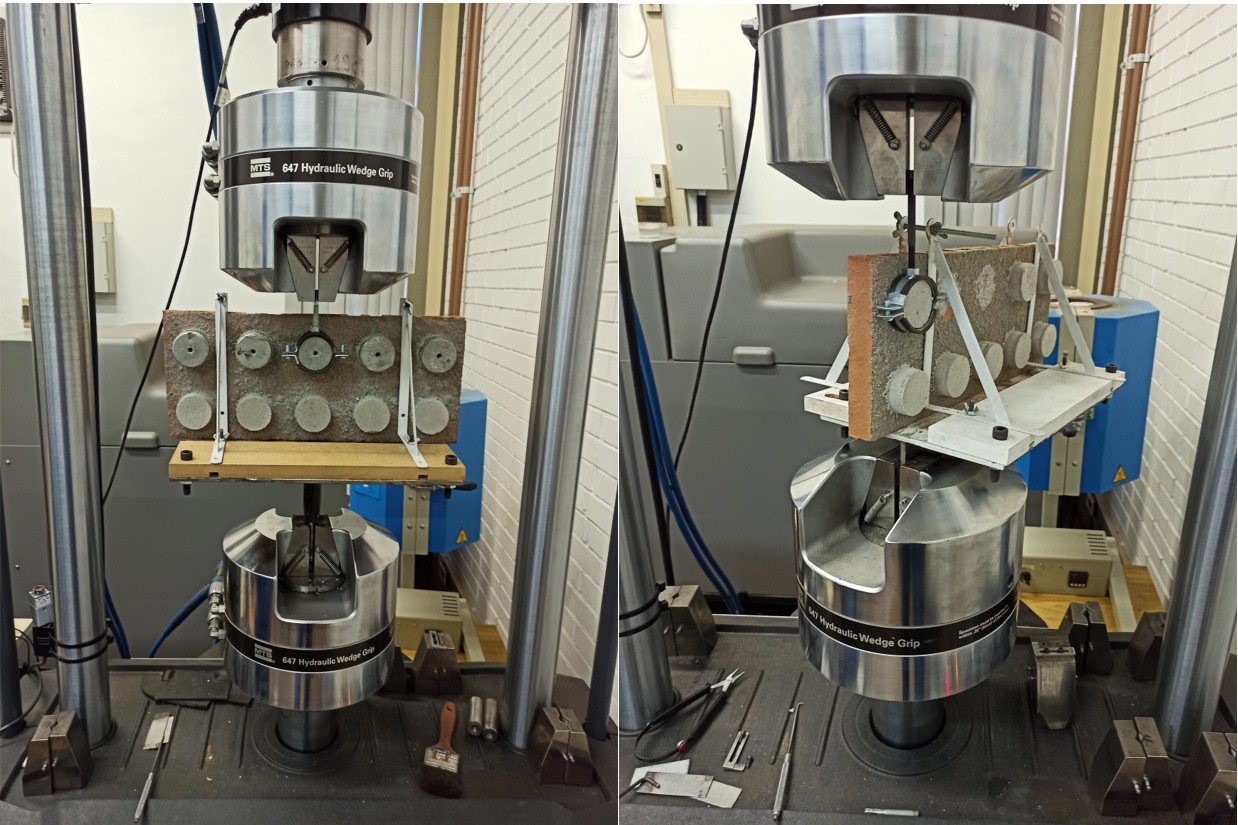
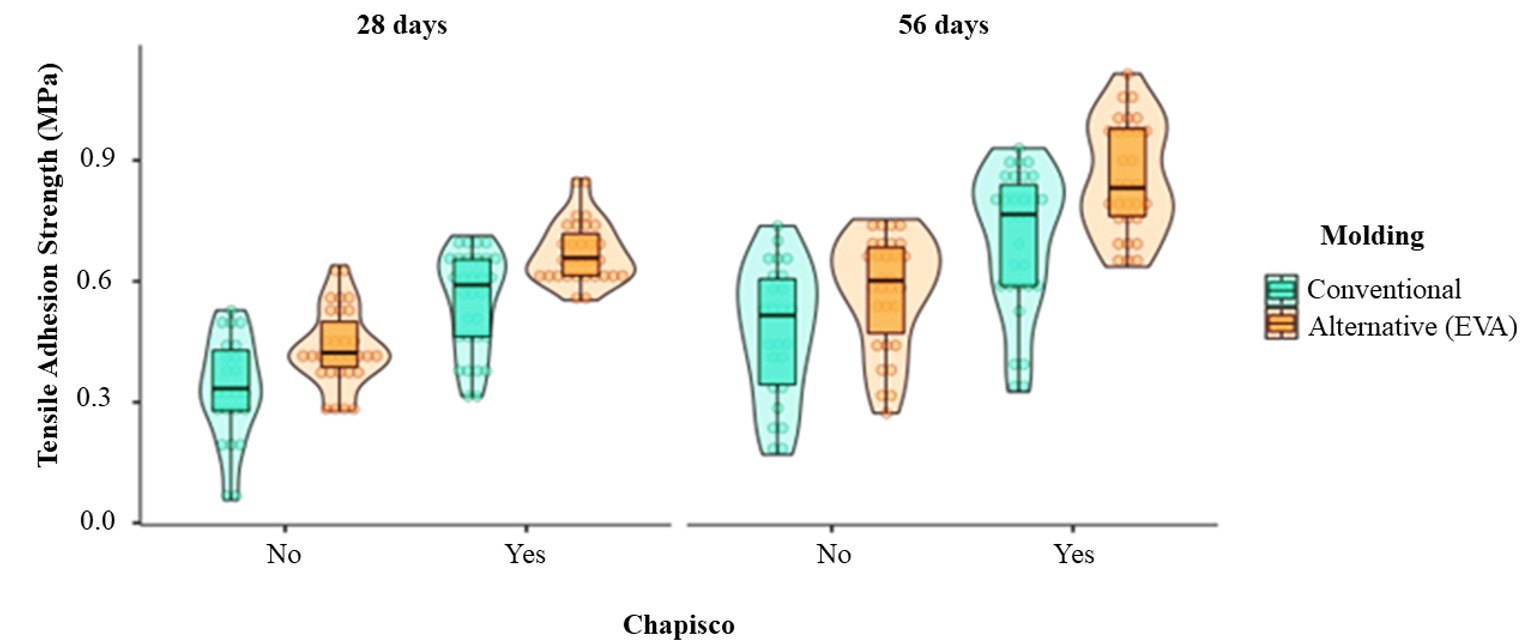
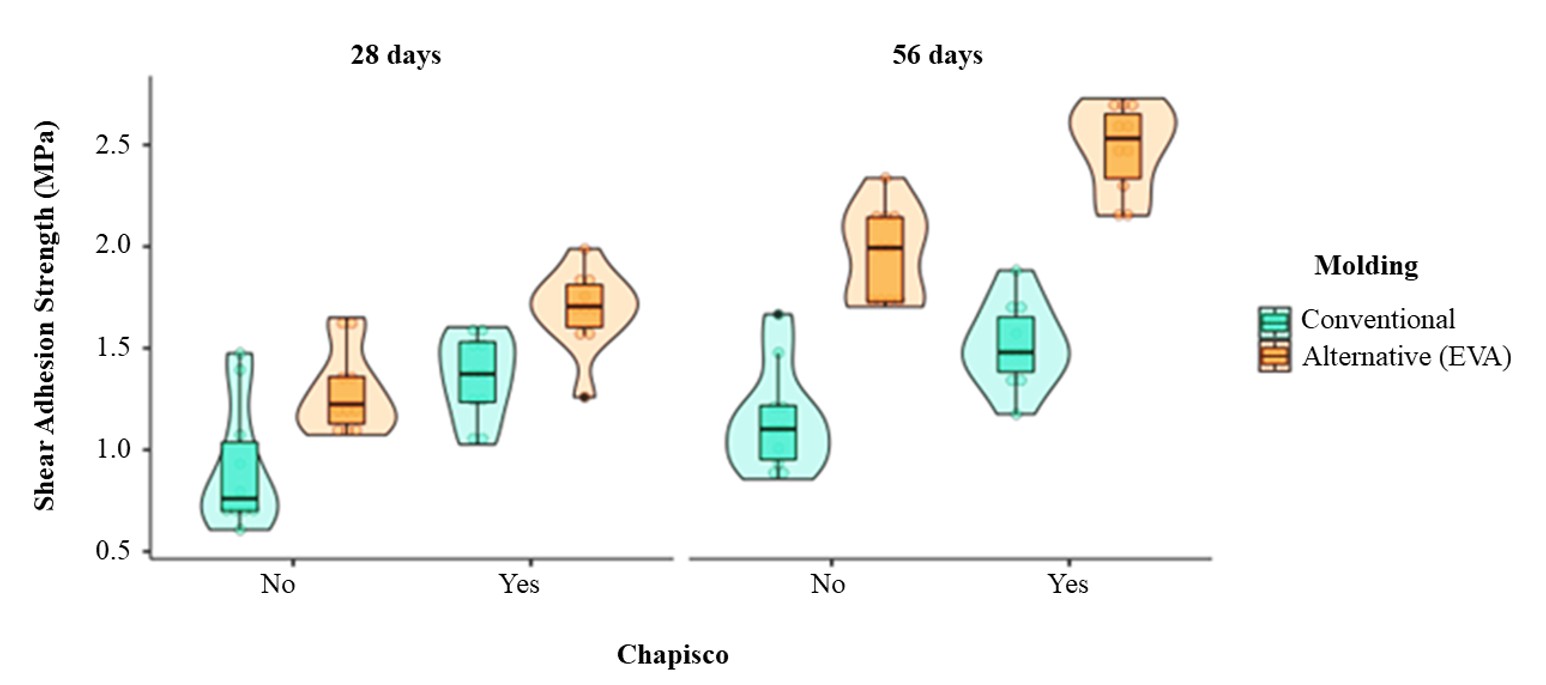
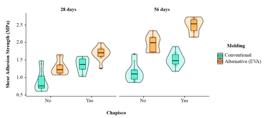
Abstract The main mechanical properties that indicate the development of adhesion between mortars and substrates are tensile strength, shear strength, and bond length. However, most studies focus solely on tensile bond strength. This study proposes an alternative method for evaluating tensile and shear bond strength, which produces less variation in results, using a device specifically developed for this purpose. For the necessary validations, a 1:1:6 mortar mixture (by volume) consisting of cement, lime, and medium sand, along with a ceramic substrate, was used. Tensile and shear strengths were evaluated after wet curing at different ages. A new method for bond strength testing demonstrated promising results, reducing the variance of results by 39% using spatterdash and increasing the bond strength by 31% without spatterdash, at 28 days. This reduction in variability indicates that the new method mitigates the influence of external factors inherent to the testing process. The apparatus required for the alternative method was easy to produce and use, making it an efficient option for conducting adhesion tests on mortars in a laboratory environment.
Keywords:
mortar; adhesion; mortar application method; testing device
 Thumbnail
 Thumbnail
 Thumbnail
 Thumbnail
 Thumbnail
 Thumbnail
 Thumbnail
 Thumbnail
 Thumbnail