 Fracture toughness of basalt fiber-reinforced hot recycled asphalt mixtures: a study based on DIC technology
ABSTRACT
In cold regions, hot recycled asphalt mixtures often suffer from low-temperature cracking. Basalt fiber, a widely recognized toughening material, offers promising potential to mitigate this issue. This study employs digital image correlation to monitor the fracture evolution during semi-circular bending tests, focusing on the reinforcing effect of basalt fibers and analyzing their contribution to improving the low-temperature fracture resistance of RHMA under different RAP contents. Fracture energy, fracture toughness, and crack tortuosity were utilized as key indicators of crack resistance. The correlations between crack tortuosity and both fracture energy and fracture toughness were analyzed, while strain fields and horizontal displacements at observation points were analyzed to characterize the cracking process. The results demonstrate that the incorporation of basalt fibers enhances fracture energy by 23%–39% and improves fracture toughness by 10%–21%. Moreover, basalt fibers significantly altered the crack propagation path, increasing crack tortuosity by 8.2%–12.8%. An increase in RAP content intensified the stress concentration on both sides of the crack, leading to pronounced local strain accumulation at the crack tip. The presence of basalt fibers effectively reduced strain concentration near the crack tip, dispersed high-strain zones, and delayed crack propagation, thereby enhancing the overall fracture resistance of the mixture.
Keywords:
Reclaimed asphalt pavement; Basalt fiber; Fracture toughness; Digital image correlation
1. INTRODUCTION
To mitigate resource depletion and environmental pollution, the reuse of reclaimed asphalt pavement (RAP) in asphalt mixtures has become a prominent research focus. Existing studies have demonstrated that the incorporation of RAP can significantly enhance the high-temperature rutting resistance of hot recycled asphalt mixtures (RHMA). However, increasing RAP content substantially reduces the cracking resistance of RHMA, which remains a critical limitation for its application in cold regions [1,2,3,4]. To address this issue, extensive research has investigated the effects of RAP content, binder type, and mixture composition on the low-temperature performance of RHMA. BEHNIA et al. [5] employed indirect tensile and acoustic emission-based disk-shaped compact tension (DCT) tests to examine the influence of two virgin binder grades (PG 64–22 and PG 58–28) on the low-temperature cracking behavior of RHMA with varying RAP contents. ALIHA et al. [6] conducted semi-circular bending (SCB) tests to evaluate how aggregate type, particle size, air void content, and binder grade affect mode I (KIC) under low-temperature conditions. HOON MOON et al. [7] reported that the use of modified binders improves the toughness and cracking resistance of RHMA, maintaining acceptable low-temperature performance even at high RAP levels.
To extend pavement service life, researchers have incorporated various fibers into asphalt mixtures for reinforcement. These fibers are generally categorized as inorganic (e.g., basalt fiber, glass fiber) or organic (e.g., polypropylene, polyester) [8]. Recent studies have confirmed that fiber reinforcement effectively improves the cracking and deformation resistance of asphalt mixtures [9, 10]. Among them, basalt fibers have attracted the attention of different researchers due to its suitable properties such as high chemical stability, high temperature stability, environmental durability, non-flammable, non-toxicity and resistance to moisture absorption and corrosive materials [11,12,13]. The integration of advanced image analysis techniques offers the potential to further reveal the mechanisms by which fibers enhance the fracture behavior of recycled mixtures.
In recent years, digital image correlation (DIC), a non-contact optical measurement technique based on image analysis, has been increasingly applied in asphalt mixture cracking studies. DIC captures the strain and displacement evolution on the material surface during loading [14,15,16]. WANG et al. [17] combined DIC with SCB testing and observed that crack initiation typically occurs near the loading point. LI et al. [18] showed that variations in strain and displacement fields obtained from DIC could be used to characterize the fracture behavior of asphalt mixtures. BIRGISSON et al. [19] generated full-field strain maps via DIC, offering new insights into crack initiation and propagation mechanisms under three-point bending.
The DIC holds great potential for elucidating the specific improvement mechanisms introduced by fiber incorporation in recycled asphalt mixtures. Therefore, in this study, the DIC technique was employed to track and analyze the SCB fracture process of basalt fiber–reinforced RHMA. Through DIC, the crack propagation and crack tortuosity were quantitatively characterized, providing a metric-based approach to describe the crack evolution process. Furthermore, the correlations between crack tortuosity and fracture parameters, including fracture energy and fracture toughness, were established, offering a new perspective for understanding how crack evolution affects the fracture behavior of asphalt mixtures at the macroscopic scale. In addition, variations in strain fields and horizontal displacement at observation points during the SCB loading process were analyzed to reveal the specific role of basalt fibers in restraining crack propagation.
The findings of this study aim to provide practical insights for enhancing the application of hot recycled asphalt mixtures in cold-region pavements.
2. MATERIALS
2.1. RAP material
The RAP used in this study was obtained from a maintenance project on the Fuyin Expressway in Jiangxi Province, China. The RAP was preprocessed at the maintenance base using a two-roll crushing unit, followed by multi-stage screening into three size fractions: A (0–8 mm), B (8–12 mm), and C (12–22 mm). This graded classification helps reduce the variability of RAP by improving the uniformity of particle composition and aged-binder distribution, providing a more stable basis for Mix Design. The gradation of RAP is presented in Table 1. The aged binder was extracted from RAP using trichloroethylene soaking followed by rotary evaporation recovery. The aging characteristics of the recovered binder are summarized in Table 2.
2.2. Basalt fiber
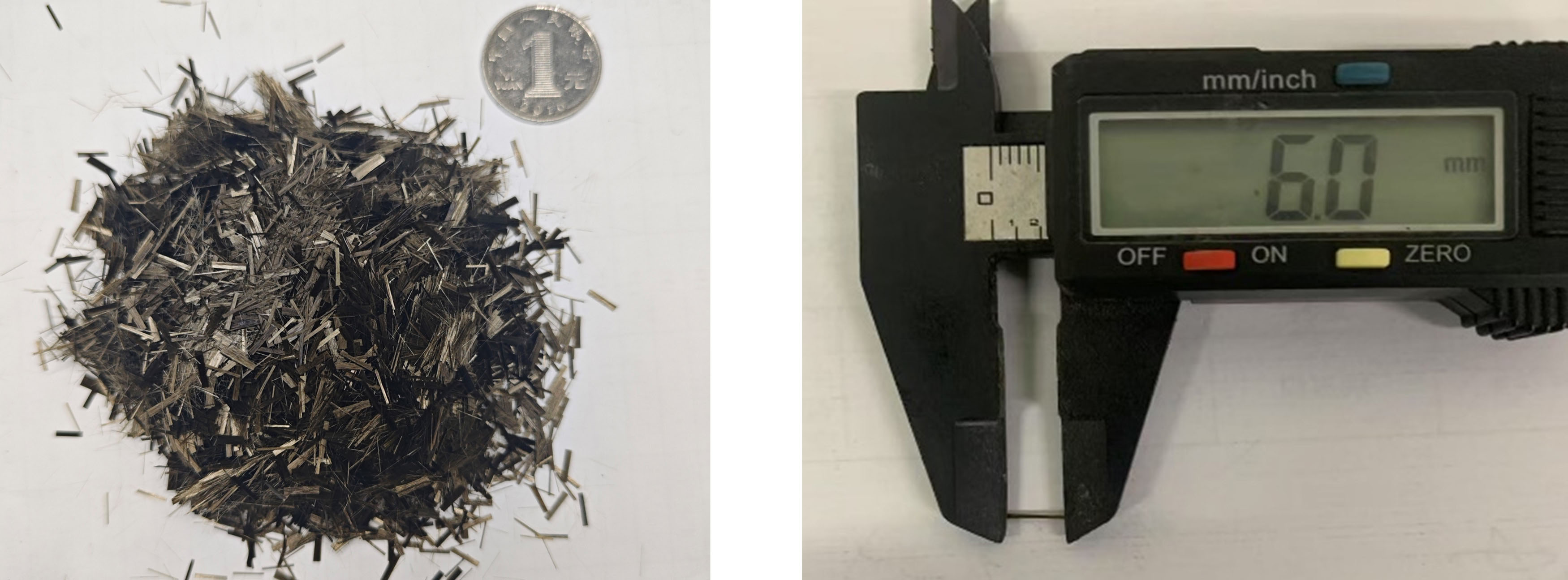
The basalt fiber used in this study was a 6 mm chopped fiber produced by Tongxin Basalt Technology Co., Ltd. (Jilin, China). The fibers appeared dark golden, straight, and free of impurities. The fiber content of 0.3% was determined based on the dosage adopted in most previous studies [20,21,22]. The physical appearance of the basalt fiber is shown in Figure 1, and its technical specifications and Chemical composition are listed in Tables 3–4.

2.3. Original aggregate and filling
Crushed limestone was used as both coarse and fine aggregate due to its hardness and clean surface. Limestone powder was used as the filler, characterized by a dry and non-caking condition. All materials were tested in accordance with the Chinese specification JTG E42–2005 [23]. The corresponding test results are presented in Tables 5 and 6.
2.4. Virgin binder
The virgin binder used in this study was an SBS-modified asphalt. Its conventional properties, summarized in Table 7 comply with the relevant requirements specified in the Chinese standard JTG F40–2004 [24].
2.5. Rejuvenator
The rejuvenator used in this study was Evoflex 8182, and its technical properties are listed in Table 8. Based on the characteristics of the aged binder and the rejuvenator, the dosage was determined as 6% of the aged asphalt content [25].
2.6. Gradation design
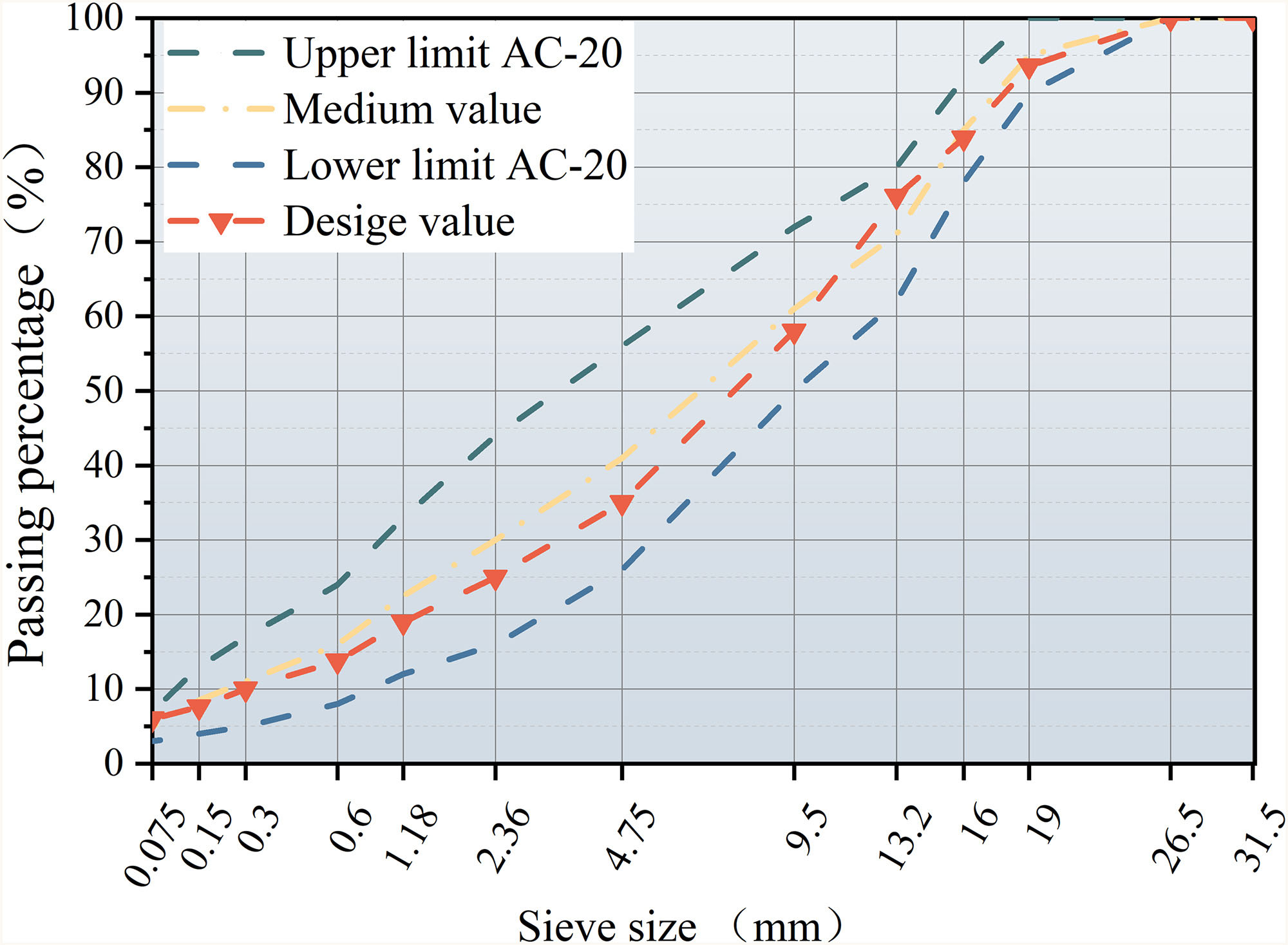
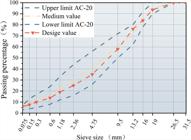
The aggregate gradation was determined based on the AC-20 grading limits recommended by the Chinese specification JTG E40–2004 [24]. To isolate the effect of basalt fiber on RHMA performance as the primary research objective, a consistent target gradation curve was applied across all four RAP contents (0%, 30%, 50%, and 70%). This target gradation was achieved by blending virgin aggregates of individual size fractions. The upper limit, lower limit, median, and target gradation curves for AC-20 are illustrated in Figure 2.
2.7. Optimum asphalt binder content
The Marshall method was used to design eight groups of asphalt mixtures, including three RAP contents (30%, 50%, and 70%) and their corresponding basalt fiber-reinforced counterparts. First, the mixing and heating temperatures of the recycled mixtures were determined. According to the Chinese specification JTG/T 5521-2019 [26], RAP materials were preheated at 120 °C for 2 hours, the virgin binder at 165 °C for 2 hours, and the virgin aggregates and filler at 180 °C for 4 hours. During mixing, the temperature was maintained at approximately 165 °C. The RAP and rejuvenator were mixed for 60 seconds, followed by the addition of basalt fiber and virgin aggregates, which were mixed for another 60 seconds to ensure full dispersion of the fibers. Subsequently, the binder and filler were added sequentially. After specimen preparation, the optimum asphalt content (OAC) of each mixture was determined in accordance with JTG F40-2004 [24] by calculating the void in total mix (VTM), voids in mineral aggregate (VMA), and voids filled with asphalt (VFA). The OAC results are summarized in Table 9.
3. EXPERIMENTS AND METHODS
3.1. SCB test
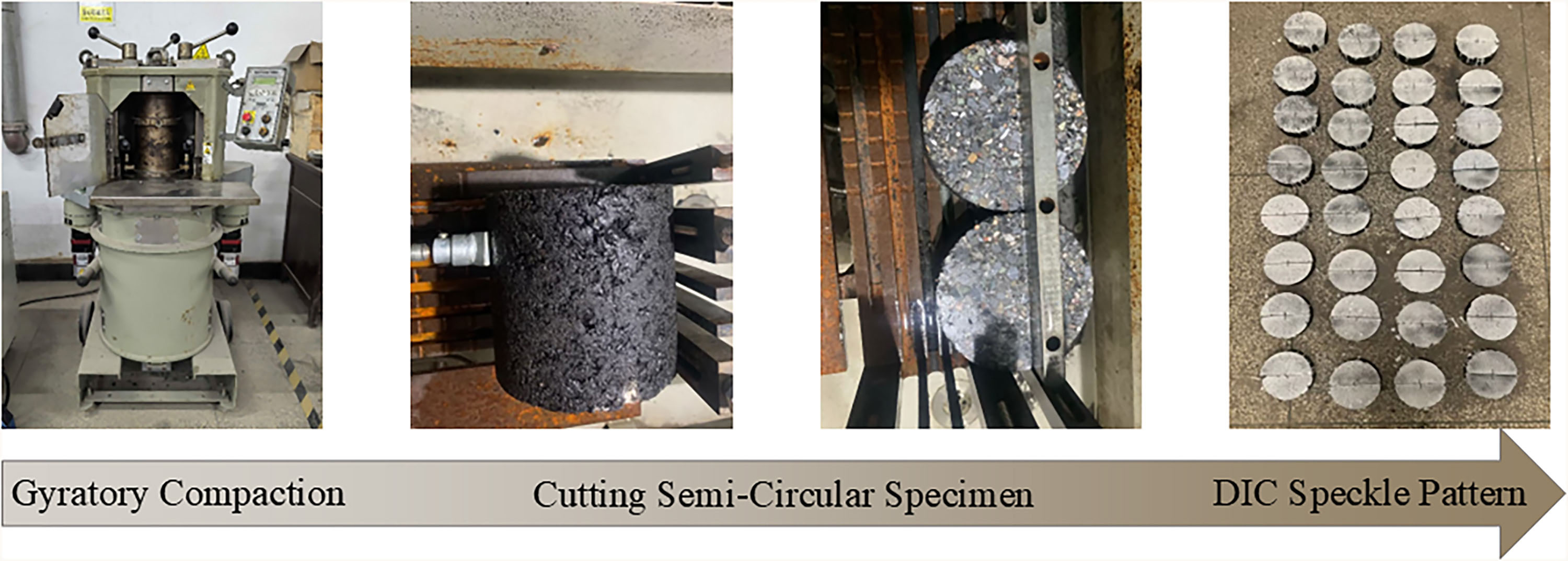
The SCB test is a commonly used method for evaluating the cracking resistance of asphalt mixtures. Cylindrical specimens with dimensions of 150 × 140 mm were prepared using a gyratory compactor based on the optimum asphalt content determined for each RHMA type. According to the Standard Test Methods of Bitumen and Bituminous Mixtures for Highway Engineering (JTG E20-2011) [27], the settings of the gyratory compactor were as follows: the effective internal angle of gyration was 1.16° ± 0.02°, the vertical pressure was 600 kPa ± 18 kPa, the rotational speed was 30 r/min ± 0.5 r/min, and the number of gyrations was 100.
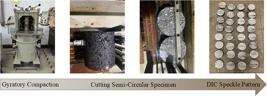
Each specimen was then cut using a large-scale asphalt mixture cutting machine into semi-circular specimens with a diameter of 150 mm, radius of 75 mm, thickness of 50 mm, and a pre-cut notch of 15 mm in depth and 1.5 mm in width. Each cylindrical sample yielded four semi-circular specimens. The cut specimens were subsequently treated with speckle patterns to facilitate strain field measurement during the DIC analysis. The specimen preparation process is illustrated in Figure 3. SCB tests were conducted at a temperature of −10 °C with a loading rate of 1.5 mm/min using a multifunctional asphalt mixture testing system. The fracture energy and fracture toughness obtained from the semi-circular specimens under concentrated loading were adopted as the key indicators to evaluate the low-temperature cracking resistance of different RHMA types. The corresponding calculation formulas are provided in Equations (1–3).
Where: Wf—fracture work (J); P—applied load (N); u—load-line displacement (mm); Gf—fracture energy (J/m2); Arealig—ligament area (mm2); Arealig = (r–a) × t, r—specimen radius (mm); a notch depth (mm); t—specimen thickness (mm); KIC—fracture toughness (MPa·m1/2); YI—dimensionless stress intensity factor.
3.2. DIC test
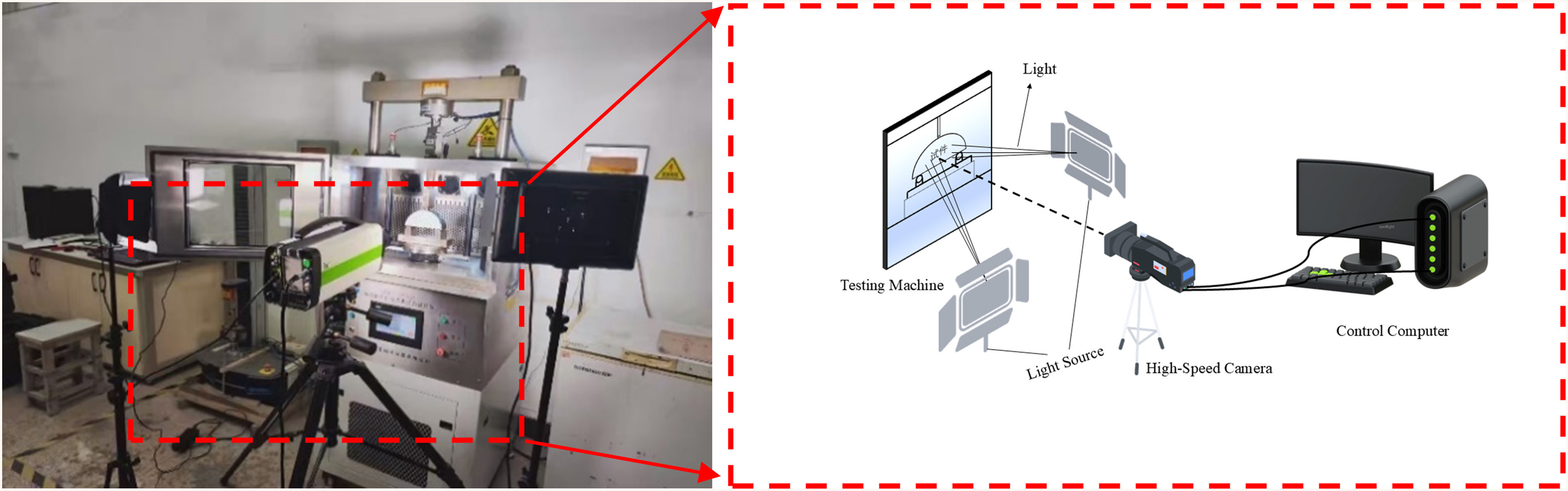
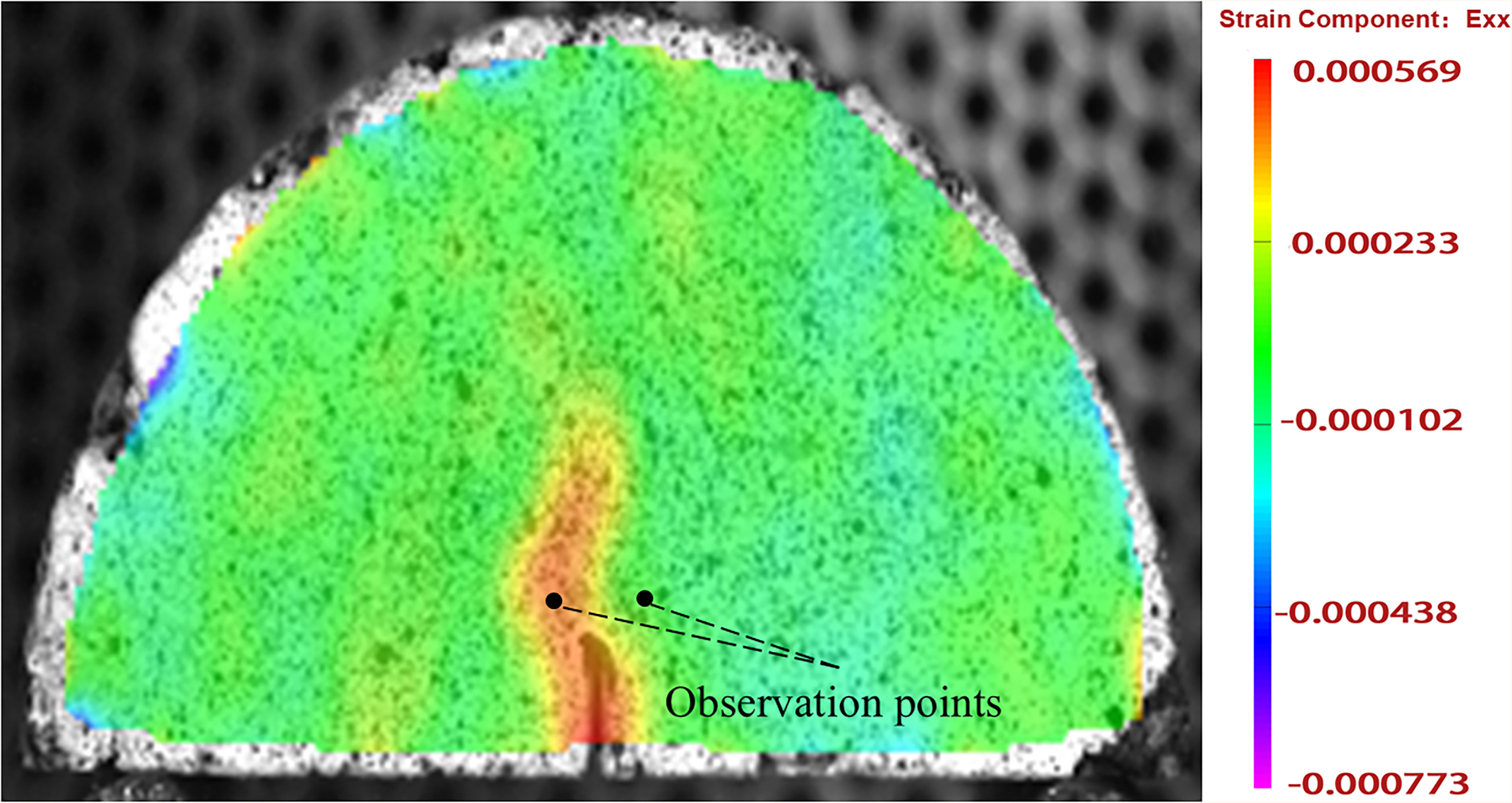
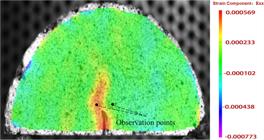
The fracture process of specimens was monitored using DIC, which captures surface images before and after loading (Figure 4). By tracking speckle pattern displacement, full-field strain and displacement distributions were calculated [15]. To ensure accuracy, random black-and-white speckles were sprayed on the specimen surface for DIC recognition. An IX Cameras system (UK) with a resolution of 2027 × 1536 pixels and 10 fps was used, and full-field strain maps were obtained via correlation software. Strain contour comparisons at different loading stages were used to analyze the effect of basalt fiber on RHMA cracking. Due to the pre-cut notch, crack propagation initiated at the notch tip under loading. Two observation points were placed above the notch to track horizontal displacement (U), which was used to evaluate the low-temperature cracking behavior [15]. The stress field and observation point locations are shown in Figure 5.

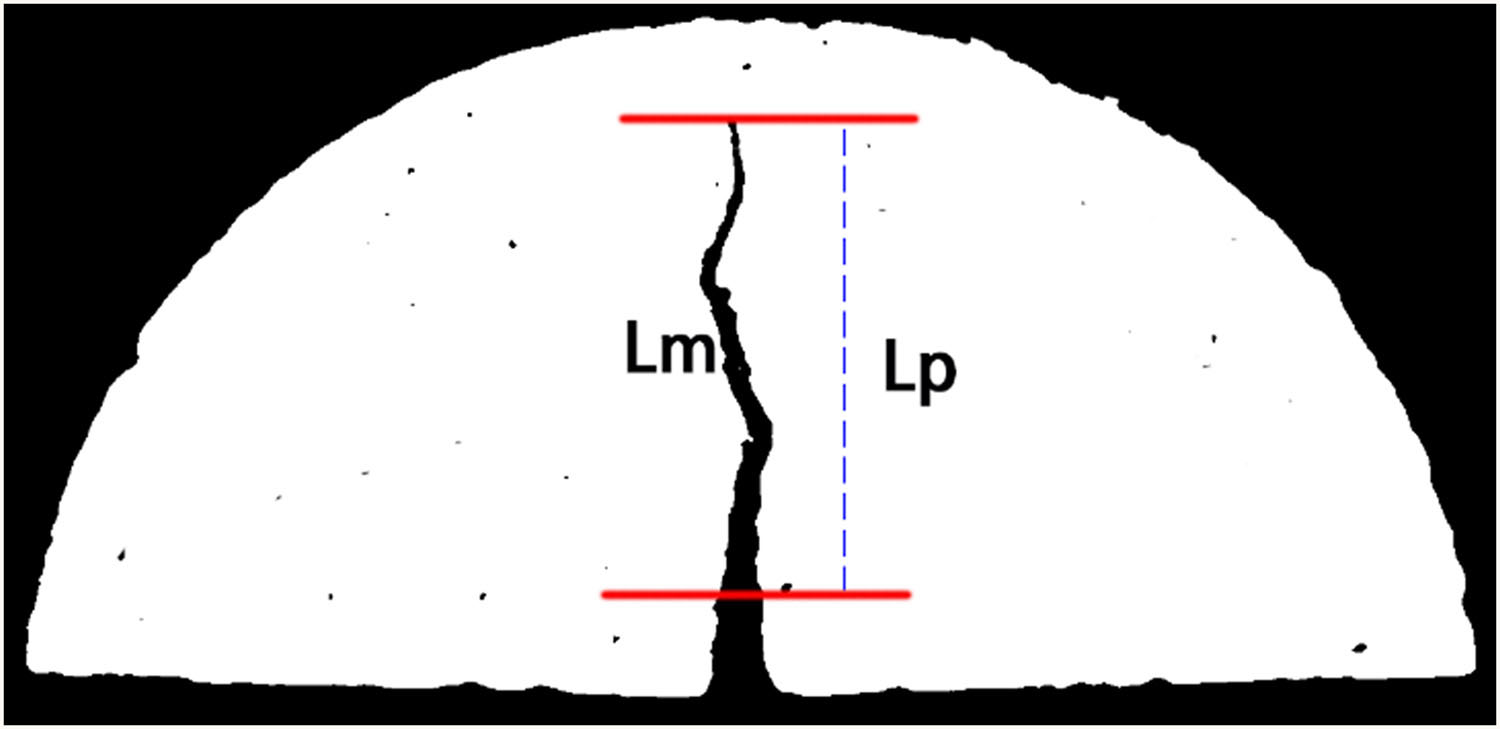
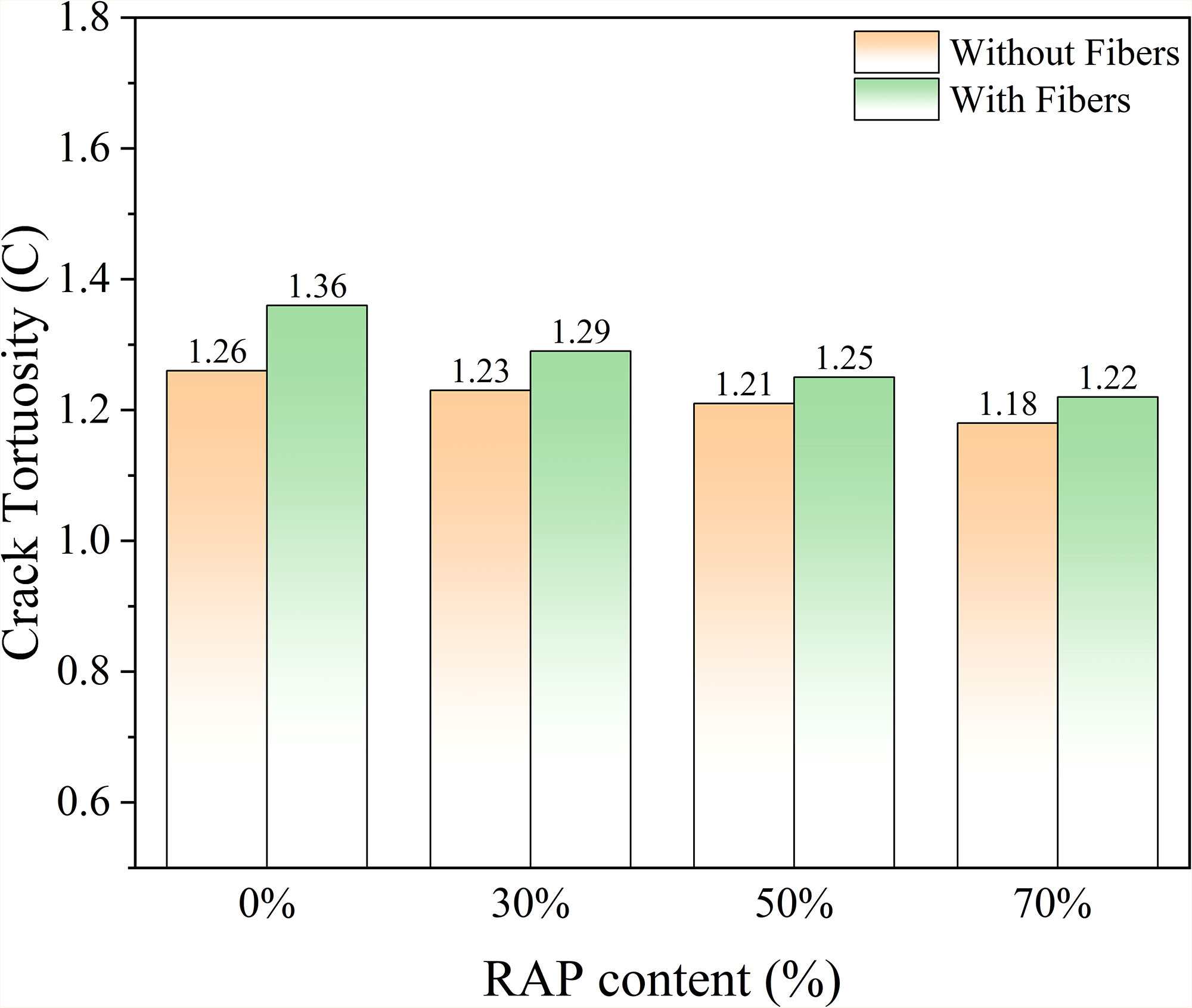
Due to the complex internal structure of RHMA, the crack propagation path under external loading may vary with RAP content. To quantify crack deflection, crack tortuosity was adopted as an evaluation index to characterize the degree of deviation during crack growth [16]. Fracture images captured by DIC were first enhanced in grayscale and filtered using an 11 × 11 median filter to reduce background noise while preserving crack edges. The processed images were then binarized using ImageJ software to distinguish cracks from the background and prepare for crack length measurement. Crack tortuosity was defined as the ratio of the actual crack path length (Lm) to its projected length in the vertical direction (Lp) as given in Equation (4). The variation in tortuosity under different RAP contents was analyzed to assess the influence of basalt fiber on crack propagation paths. The measurement method is illustrated in Figure 6, and the calculated results at −10 °C for different RHMA types are shown in Figure 7.
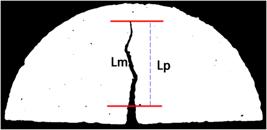
Where: Lm—actual crack path length (mm); Lp—the projected length of the crack path in the vertical direction (mm).
4. RESULTS AND DISCUSSION
4.1. Effect of basalt fibers on the toughness and fracture energy of RHMA
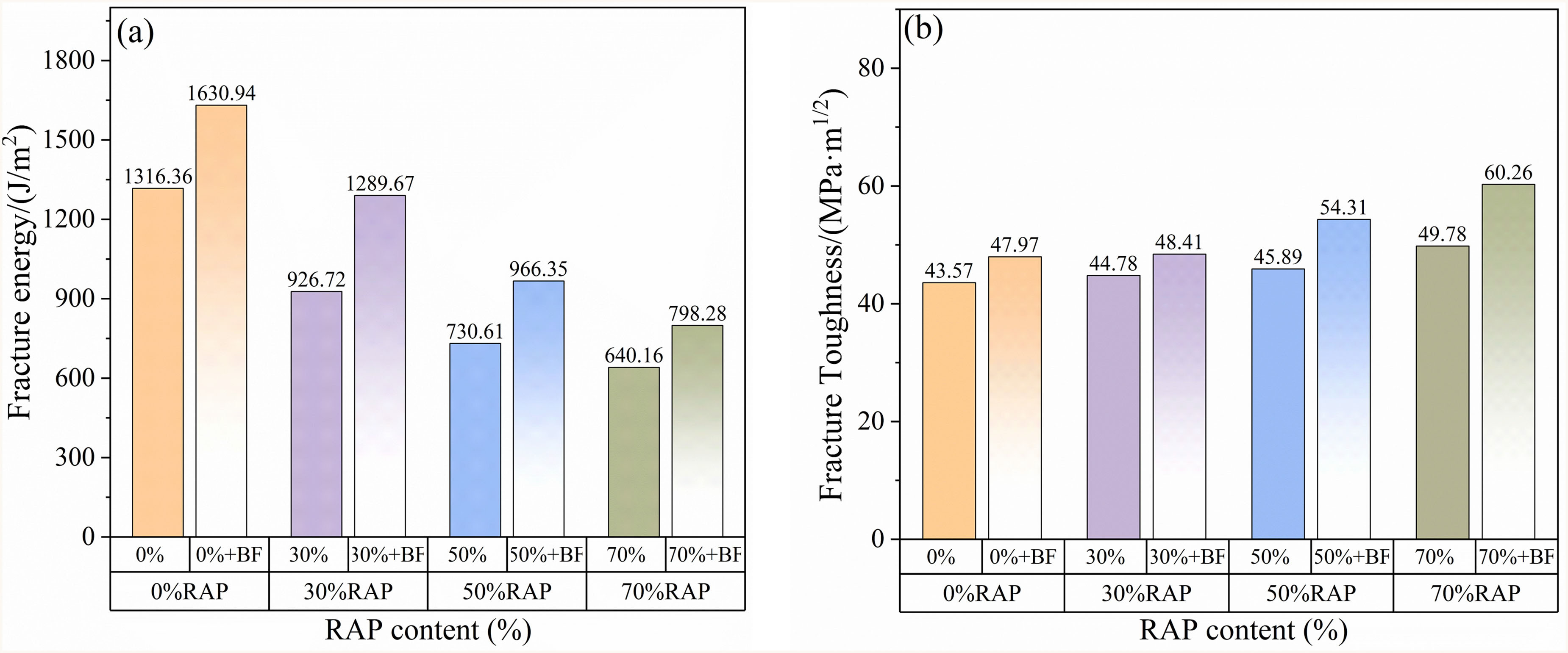
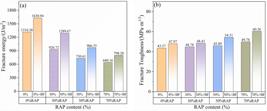
Figure 7(a) illustrates the effect of different RAP contents on the fracture toughness of RHMA. It can be observed that as the RAP content increases from 0% to 70%, the fracture toughness rises from approximately 43 MPa·m1/2 to 49 MPa·m1/2. This apparent increase can be attributed to the higher proportion of aged asphalt in mixtures with greater RAP content. As the content of light fractions decreases and the proportion of heavier components such as asphaltenes and resins increases, the overall stiffness and strength of the mixture are enhanced. This behavior can be explained by the stiffer aged binder improving crack initiation resistance at the micro-scale, while also forming a stronger load-bearing skeleton in the mixture. From an engineering perspective, this suggests that increasing RAP content moderately can improve the structural integrity; however, excessive aged binder may reduce flexibility, leading to higher brittleness at low temperatures.
Upon the addition of basalt fiber, the SCB specimens exhibited a further improvement in fracture toughness. For instance, in mixtures with 70% RAP content, the inclusion of fiber increased the toughness from approximately 50 MPa·m1/2 to nearly 60 MPa·m1/2, indicating that basalt fiber significantly enhances the toughness of RHMA. This improvement can be attributed to the bridging and reinforcing effects of basalt fibers, which restrict crack propagation and enhance stress transfer across micro-cracks. From a practical engineering viewpoint, the incorporation of basalt fiber effectively compensates for the stiffness-induced brittleness of high-RAP mixtures and provides a reliable means to enhance their load-bearing and crack-resisting performance in service conditions.
On the other hand, Figure 7(b) shows that RAP content has an opposite trend on fracture energy. As RAP content increases from 0% to 70%, fracture energy decreases from approximately 1300 J/m2 to about 640 J/m2. This reduction is mainly due to the increased stiffness of aged asphalt, which limits the displacement capacity of the mixture under peak load, thereby promoting brittle crack propagation under low-temperature conditions. Mechanistically, the reduced ductility of aged binder narrows the plastic deformation zone at the crack tip, leading to lower energy absorption during fracture. The incorporation of basalt fiber markedly improves fracture energy. For example, at 30% RAP content, the addition of basalt fiber increases the fracture energy to 1300 J/m2, significantly higher than that of the unreinforced control group. Similar enhancement is observed at RAP contents of 50% and 70%. This improvement is primarily attributed to the “bridging effect” of basalt fibers, which facilitates stress transfer and redistribution within the mixture, slows crack propagation, and enhances energy absorption capacity. Notably, this reinforcing effect remains significant even at high RAP contents, confirming the effectiveness of basalt fiber in improving the low-temperature cracking resistance of RHMA. This finding demonstrates that basalt fiber reinforcement can mitigate the low-temperature cracking tendency of recycled mixtures and improve their long-term durability in field pavements.
4.2. Effect of basalt fibers on the surface strain field during the fracture process of RHMA in the SCB test
Based on DIC analysis, the surface strain fields of various RHMA specimens were evaluated under a loading temperature of −10 °C. Figure 8 presents the horizontal strain contour maps of different RHMA types. The color gradient from purple to red represents the transition from compressive strain (negative values) to tensile strain (positive values).
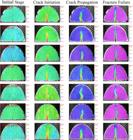
Figure 8 illustrates the evolution of horizontal strain in RHMA under different RAP contents and basalt fiber modification conditions Overall, all SCB specimens exhibited low horizontal strain in the initial loading stage, indicating that crack formation was still in the initiation phase. As loading progressed, strain concentration developed around the pre-cut notch, and the initial microcracks gradually evolved into visible macrocracks. Notably, with increasing RAP content, the high-strain zones on both sides of the notch became increasingly narrow and concentrated, indicating a more localized crack propagation path. This phenomenon may be attributed to the reduced interfacial bonding strength caused by the presence of aged asphalt in RAP, which facilitates rapid crack growth along weaker interfacial regions. This phenomenon can be explained by the heterogeneous stiffness distribution and weak interfacial adhesion between aged and virgin asphalt binders in high-RAP mixtures, which promote localized deformation around brittle interfaces. This behavior implies that excessive RAP content may lead to more abrupt crack growth and reduced structural reliability of recycled pavements.
Further insights from the DIC horizontal strain fields reveal that the incorporation of basalt fiber markedly influences the crack development process. Compared to fiber-free specimens, the fiber-reinforced SCB specimens showed broader high-strain regions around the notch during the crack initiation and propagation stages. Specifically, dispersed spot-like or short-banded high-strain zones (in red) were observed in fiber-reinforced specimens, whereas fiber-free specimens exhibited narrower, more linear strain concentration bands. This behavior can be attributed to the bridging effect of basalt fibers, which help transfer stress across the crack faces and disperse strain energy into the surrounding mixture, thereby slowing crack growth. Mechanistically, the fibers act as micro-reinforcement that delays localization of strain, maintaining a more stablestress field around the notch. However, the reinforcing effect of basalt fiber weakened with increasing RAP content. At 70% RAP content, the strain fields during crack initiation showed limited signs of dispersed high-strain zones, and the crack path appeared as a straight-through fracture. This suggests that under low-temperature conditions, the crack-controlling capability of basalt fiber becomes less effective in RHMA with high RAP contents. This reduction can be attributed to the stiffer aged binder matrix, which limits fiber deformation and interfacial frictional sliding. From an engineering point of view, this finding indicates that although basalt fiber can effectively improve stress distribution and cracking resistance at moderate RAP levels, its strengthening effect becomes insufficient in highly aged matrices, suggesting the need for enhanced fiber–binder compatibility or optimized rejuvenation strategies in high-RAP applications.
4.3. Effect of basalt fibers on the pre-notch horizontal displacement at the notch of RHMA
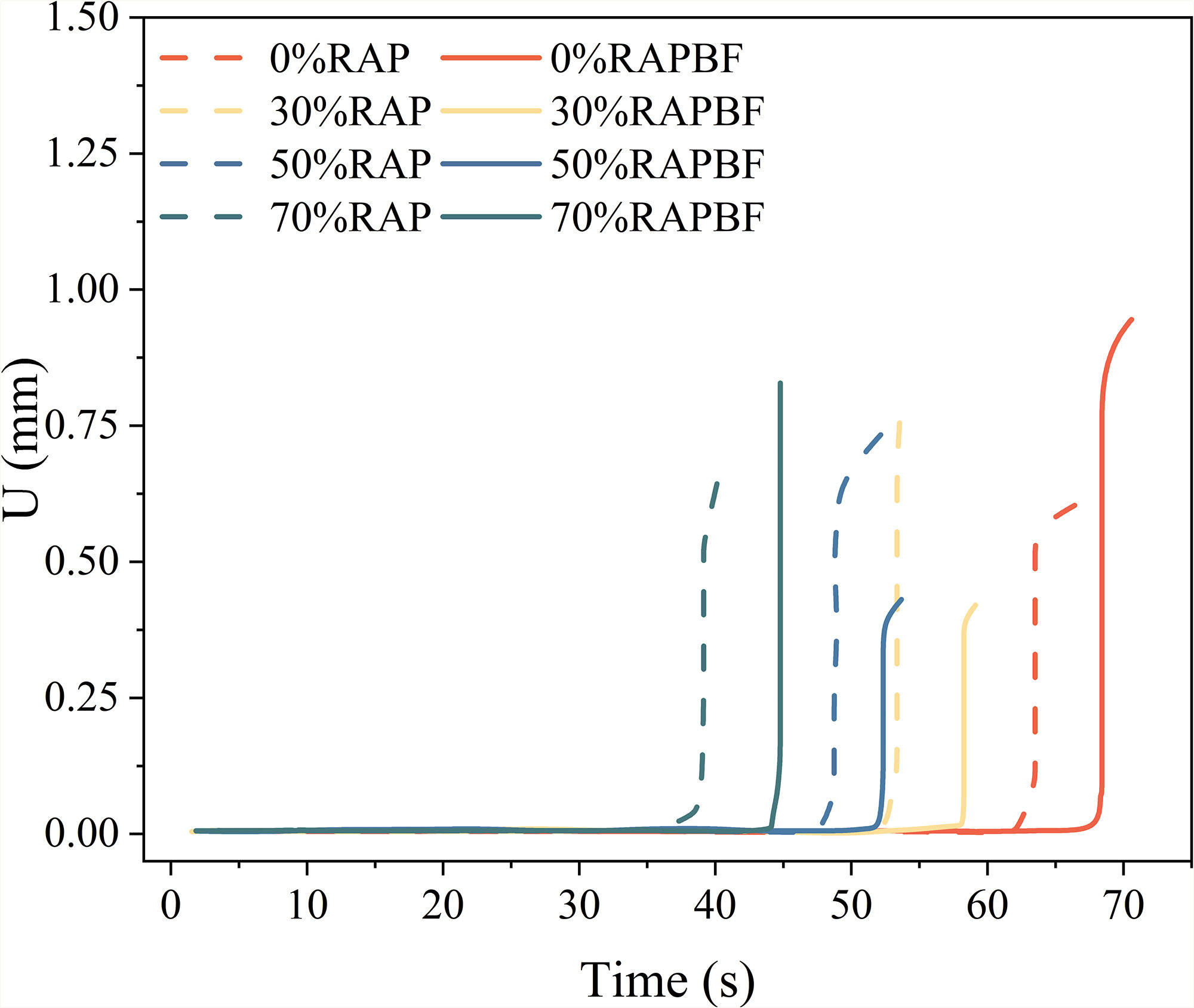
The variation in horizontal displacement at the observation points during the SCB loading process for RHMA with different RAP contents is shown in Figure 9. As observed, the incorporation of RAP leads to earlier onset of macroscopic cracking and a reduction in the maximum displacement, indicating a shift toward more brittle failure behavior and reduced low-temperature crack resistance. This can be attributed to the higher content of aged asphalt in RHMA, which increases mixture stiffness while decreasing ductility. Additionally, increasing the RAP content reduces the degree of blending between aged and virgin asphalt [28], which tends to create weak interfacial bonding zones prone to stress concentration and premature crack formation. Mechanistically, the aged binder exhibits a lower relaxation capacity under tensile loading, which restricts deformation near the crack tip and accelerates the transition from micro-crack initiation to unstable crack propagation.
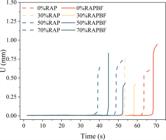
With the inclusion of basalt fiber, the crack propagation process at low temperature is noticeably delayed. The formation of macroscopic cracks occurs later, and the specimens exhibit greater maximum displacement. This improvement is likely due to the bridging effect of basalt fibers, which effectively transfer and disperse stress during loading, providing additional load-bearing capacity in the early stages of crack development and thereby slowing crack propagation. Therefore, appropriate incorporation of basalt fiber in RHMA with high RAP content can significantly enhance its low-temperature cracking resistance, improve material toughness, and extend durability, offering practical guidance for the application of recycled asphalt mixtures in cold regions.
4.4. Effect of basalt fibers on the crack tortuosity of RHMA
The crack tortuosity results for RHMA specimens at −10 °C are shown in Figure 10. As illustrated, crack tortuosity decreases with increasing RAP content, indicating that cracks tend to propagate along straighter paths and penetrate the specimen more rapidly. This behavior may be attributed to the reduced compatibility between aged and virgin asphalt at higher RAP contents, which lowers the cohesive strength within the crack propagation zone and suppresses the development of tortuous crack paths. This can be understood the presence of brittle aged binder and insufficient diffusion at the interface lead to weak interfacial adhesion and limited energy dissipation along the crack front, causing the crack to follow the path of least resistance rather than deviating through stronger regions. In practical engineering applications this implies that insufficient binder blending in high-RAP mixtures can result in more direct crack penetration and a higher probability of reflective or transverse cracking during pavement service.
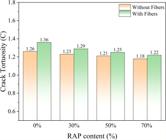
The incorporation of basalt fiber increased crack tortuosity across all RAP contents, with the most pronounced enhancement observed at lower RAP levels. This improvement is primarily due to the ability of basalt fibers to effectively disperse stress during crack growth, hindering the crack from propagating along the shortest path and thereby increasing tortuosity. However, at higher RAP contents, the deflection effect of basalt fiber on the crack path becomes less significant, and cracks tend to propagate in a more linear fashion. In addition, the fibers create mechanical interlocking and micro-bridging within the asphalt matrix, forcing the crack to deflect repeatedly around fiber-reinforced zones, which increases the fracture surface area and energy consumption. From a practical engineering standpoint, it suggests that basalt fiber addition can substantially enhance the crack-deflection capacity and fracture toughness of RHMA, particularly at moderate RAP levels, whereas for high-RAP mixtures further improvement of interfacial compatibility or fiber surface treatment may be necessary to maintain the same effect.
4.5. Correlation analysis between crack tortuosity, fracture energy, and fracture toughness
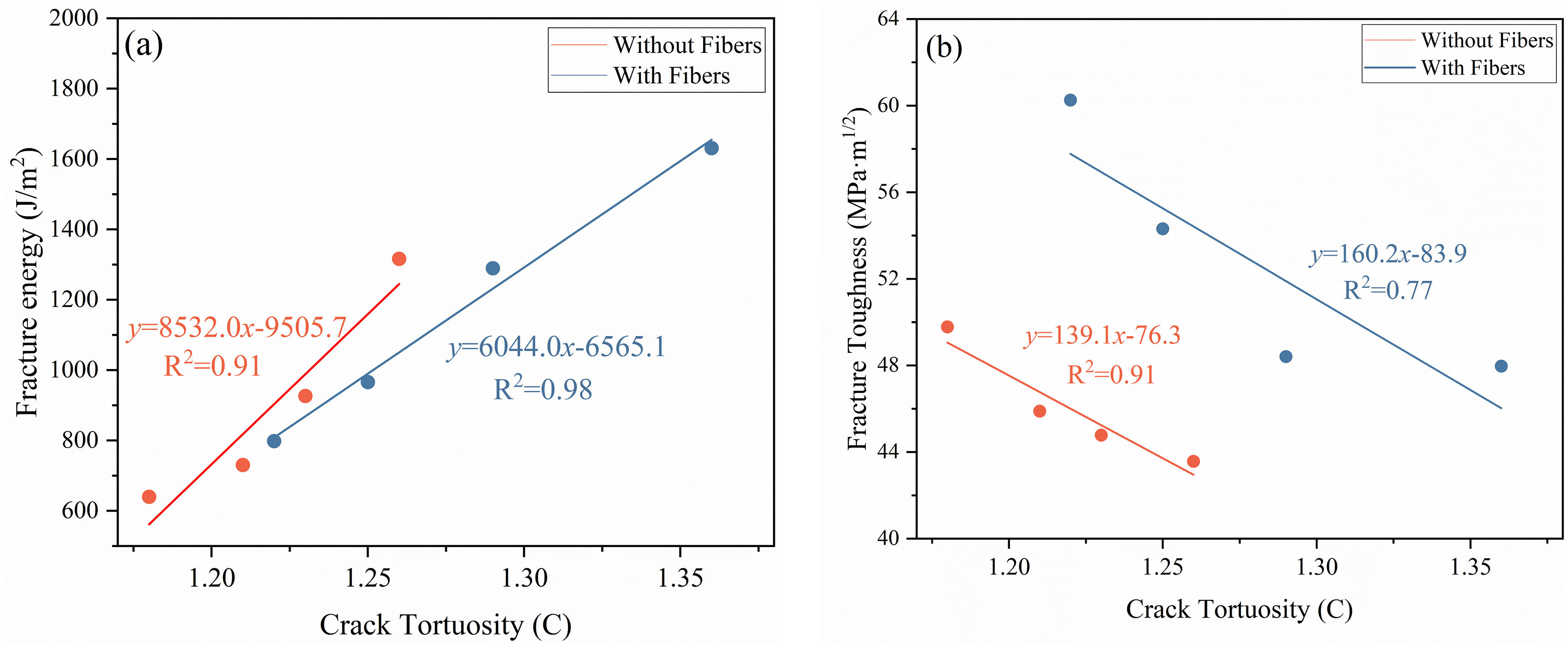
As illustrated in Figure 11, linear regression analyses were performed to examine the correlations between crack tortuosity and fracture parameters. As shown in Figure 11(a), a strong positive correlation was observed between crack tortuosity and fracture energy, indicating that increased crack curvature effectively enhances the energy absorption capacity of RHMA during crack propagation. A higher crack tortuosity corresponds to a longer and more irregular crack path, which requires greater energy to initiate and propagate new fracture surfaces, thereby leading to higher fracture energy. The incorporation of basalt fibers further increased the crack tortuosity during the fracture process of the recycled mixture and improved its fracture energy.

Linear fitting: (a) Crack tortuosity versus fracture energy; (b) Crack tortuosity versus fracture toughness.
As shown in Figure 11(b), a negative correlation was found between crack tortuosity and fracture toughness. This suggests that fracture toughness decreases with increasing crack tortuosity. Notably, after the addition of basalt fibers, the fitting correlation between crack tortuosity and fracture toughness became weaker, which can be attributed to the fiber-bridging effect. This effect redistributes local stresses and introduces additional heterogeneity during fracture, thereby weakening the simple linear relationship between crack tortuosity and fracture toughness, while simultaneously increasing the absolute toughness values.
According to the analysis of variance results, the correlations between crack tortuosity and both fracture energy and fracture toughness were statistically significant at the 90% confidence level.
5. CONCLUSIONS
This study used DIC to analyze the fracture process of basalt fiber-reinforced SCB specimens. Fracture energy, fracture toughness, and crack tortuosity were employed to assess the fiber’s effect on RHMA cracking resistance, while strain fields and horizontal displacement were used to reveal its role during crack propagation. Based on the discussion above, the following conclusions can be drawn.
-
(1)
With increasing RAP content, the fracture energy declined from 1300 J/m2 at 0% RAP to 640 J/m2 at 70% RAP, while fracture toughness rose from 43 to 49 MPa·m1/2. RHMA is more prone to brittle failure brittleness. The incorporation of basalt fiber increased fracture energy by 23%–39% and fracture toughness by 10%–21% at equal RAP levels, effectively suppressing crack propagation and enhancing the crack resistance of RHMA.
-
(2)
Increasing RAP content intensified stress concentration around cracks, promoting rapid propagation along weak interfaces and reducing fracture resistance, which accelerated brittle failure. Earlier crack initiation and lower peak displacement at higher RAP levels. Basalt fiber increased crack tortuosity, dispersed tip strain, and transferred tensile stress to surrounding material, thereby delaying crack growth, increasing peak displacement, and enhancing overall crack resistance.
-
(3)
Crack tortuosity effectively quantified the toughening effect of basalt fiber in RHMA. In addition, crack tortuosity shows a moderate correlation with both fracture energy and fracture toughness. Higher RAP content reduced tortuosity, indicating more linear crack paths and increased brittleness. Basalt fiber improved tortuosity by 8.2%, 10.4%, and 12.8% for 70% RAP + BF, 50% RAP + BF, and 30% RAP + BF. Basalt fiber alters the crack path and enhances the resistance to crack propagation in the mixture.
6. ACKNOWLEDGMENTS
This research was funded by the Transportation Department of Jiangxi Province (grant number: 2023Z0001, 2024YB047), Key Research and Development Program of Jiangxi Province (grant number: 20252BCG330027), Science Technology Development Program of Jilin Province (grant number: 20220203159SF) and Science and Technology Project (Youth Program) of the Jiangxi Provincial Department of Education (GJJ2500506).
7. BIBLIOGRAPHY
-
[1] AI, X., CAO, J., FENG, D., et al., “Performance evaluation of recycled asphalt mixtures with various percentages of RAP from the rotary decomposition process”, Construction & Building Materials, v. 321, pp. 126406, Feb. 2022. doi: https://doi.org/10.1016/j.conbuildmat.2022.126406
» https://doi.org/10.1016/j.conbuildmat.2022.126406 -
[2] OBAID, A., NAZZAL, M.D., ABU QTAISH, L., et al., “Effect of RAP source on cracking resistance of asphalt mixtures with high RAP contents”, Journal of Materials in Civil Engineering, v. 31, n. 10, pp. 04019213, 2019. doi: https://doi.org/10.1061/(ASCE)MT.1943-5533.0002817
» https://doi.org/10.1061/(ASCE)MT.1943-5533.0002817 -
[3] YU, B., GU, X., ZHANG, L., et al., “Performance evaluation of aged asphalt mix for hot in-place recycling”, Journal of Testing and Evaluation, v. 44, n. 2, pp. 770–780, 2016. doi: https://doi.org/10.1520/JTE20150125
» https://doi.org/10.1520/JTE20150125 -
[4] LEI, G., PENG, L., “Investigation of optimum RAP contents in hot recycled asphalt mixture”, Huadong Jiaotong Daxue Xuebao, v. 35, n. 1, pp. 103–108, 2018. doi: https://doi.org/10.16749/j.cnki.jecjtu.2018.01.016
» https://doi.org/10.16749/j.cnki.jecjtu.2018.01.016 -
[5] BEHNIA, B., DAVE, E.V., AHMED, S., et al., “Effects of recycled asphalt pavement amounts on low-temperature cracking performance of asphalt mixtures using acoustic emissions”, Transportation Research Record: Journal of the Transportation Research Board, v. 2208, n. 1, pp. 64–70, 2011. doi: https://doi.org/10.3141/2208-09
» https://doi.org/10.3141/2208-09 - [6] ALIHA, M.R.M., BEHBAHANI, H., FAZAELI, H., et al., “Experimental study on modeI fracture toughness of different asphalt mixtures”, Transactions on Civil Engineering A, v. 22, n. 1, pp. 120–130, 2015
-
[7] HOON MOON, K.H., FALCHETTO, A.C., WANG, D., et al., “Low-temperature performance of recycled asphalt mixtures under static and oscillatory loading”, Road Materials and Pavement Design, v. 18, n. 2, pp. 297–314, 2017. doi: https://doi.org/10.1080/14680629.2016.1213500
» https://doi.org/10.1080/14680629.2016.1213500 -
[8] WANG, W., CHENG, Y., TAN, G., “Design optimization of SBS-modified asphalt mixture reinforced with eco-friendly basalt fiber based on response surface methodology”, Materials, v. 11, n. 8, pp. 1311, 2018. doi: https://doi.org/10.3390/ma11081311. PubMed PMID: 30060603
» https://doi.org/10.3390/ma11081311 -
[9] WU, Z., ZHANG, C., XIAO, P., et al., “Performance characterization of hot mix asphalt with high RAP content and basalt fiber”, Materials (Basel), v. 13, n. 14, pp. 3145, 2020. doi: https://doi.org/10.3390/ma13143145. PubMed id: 32679680.
» https://doi.org/10.3390/ma13143145 -
[10] ADEPU, R.V., VENKAT, R., MAMATHA, A., et al., “Fracture studies on basalt fiber reinforced asphalt mixtures with reclaimed asphalt pavement derived aggregates and warm mix additives”, Construction & Building Materials, v. 386, pp. 131548, 2023. doi: https://doi.org/10.1016/j.conbuildmat.2023.131548
» https://doi.org/10.1016/j.conbuildmat.2023.131548 -
[11] SARKAR, A., HAJIHOSSEINI, M., “The effect of basalt fibre on the mechanical performance of concrete pavement”, Road Materials and Pavement Design, v. 21, n. 6, pp. 1726–1737, 2020. doi: https://doi.org/10.1080/14680629.2018.1561379
» https://doi.org/10.1080/14680629.2018.1561379 -
[12] HOJJATI, F., SARKAR, A., “Mechanical properties of soil reinforced with polypropylene fiber”, Proceedings – Institution of Civil Engineers, v. 175, n. 2, pp. 72–81, 2019. doi: https://doi.org/10.1680/jcoma.18.00057
» https://doi.org/10.1680/jcoma.18.00057 -
[13] SARKAR, A., HAJIHOSSEINI, M., “Feasibility of improving the mechanical properties of concrete pavement using basalt fibers”, Journal of Testing and Evaluation, v. 48, n. 4, pp. 2908–0917, 2020. doi: https://doi.org/10.1520/JTE20170729
» https://doi.org/10.1520/JTE20170729 -
[14] XING, C., XU, H., TAN, Y., et al., “Strain field distribution of asphalt mortar using digital image processing”, Construction & Building Materials, v. 238, pp. 117624, 2020. doi: https://doi.org/10.1016/j.conbuildmat.2019.117624
» https://doi.org/10.1016/j.conbuildmat.2019.117624 -
[15] CUI, Y., CHEN, Q., LI, M., et al., “Study on low temperature crack resistance of warm-mixed recycled SBS modified asphalt mixtures”, Construction & Building Materials, v. 409, pp. 134120, 2023. doi: https://doi.org/10.1016/j.conbuildmat.2023.134120
» https://doi.org/10.1016/j.conbuildmat.2023.134120 -
[16] RADEEF, H.R., ABDUL HASSAN, N., MAHMUD, M.Z.H., et al., “Characterisation of cracking resistance in modified hot mix asphalt under repeated loading using digital image analysis”, Theoretical and Applied Fracture Mechanics, v. 116, pp. 103130, 2021. doi: https://doi.org/10.1016/j.tafmec.2021.103130
» https://doi.org/10.1016/j.tafmec.2021.103130 -
[17] WANG, L., REN, M., XING, Y., et al., “Study on affecting factors of interface crack for asphalt mixture based on microstructure”, Construction & Building Materials, v. 156, pp. 1053–1062, 2017. doi: https://doi.org/10.1016/j.conbuildmat.2017.05.160
» https://doi.org/10.1016/j.conbuildmat.2017.05.160 -
[18] LI, C., WANG, L., WANG, X., “Crack and crack growth behavior analysis of asphalt mixtures based on the digital speckle correlation method”, Construction & Building Materials, v. 147, pp. 227–238, 2017. doi: https://doi.org/10.1016/j.conbuildmat.2017.04.130
» https://doi.org/10.1016/j.conbuildmat.2017.04.130 -
[19] BIRGISSON, B., MONTEPARA, A., ROMEO, E., et al., “Characterisation of asphalt mixture cracking behaviour using the three-point bending beam test”, The International Journal of Pavement Engineering, v. 12, n. 6, pp. 569–578, 2011. doi: https://doi.org/10.1080/10298436.2011.565766
» https://doi.org/10.1080/10298436.2011.565766 -
[20] HUI, Y., MEN, G., XIAO, P., et al., “Recent advances in basalt fiber reinforced asphalt mixture for pavement applications”, Materials, v. 15, n. 19, pp. 6826, 2022. doi: https://doi.org/10.3390/ma15196826. Pubmed id: 36234168.
» https://doi.org/10.3390/ma15196826 -
[21] JIANG, C., FAN, K., WU, F., et al., “Experimental study on the mechanical properties and microstructure of chopped basalt fibre reinforced concrete”, Materials & Design, v. 58, pp. 187–193, 2014. doi: https://doi.org/10.1016/j.matdes.2014.01.056
» https://doi.org/10.1016/j.matdes.2014.01.056 -
[22] ZHAO, H., GUAN, B., XIONG, R., et al., “Investigation of the performance of basalt fiber reinforced asphalt mixture”, Applied Sciences, v. 10, n. 5, pp. 1561, 2020. doi: https://doi.org/10.3390/app10051561
» https://doi.org/10.3390/app10051561 - [23] NATIONAL STANDARDS OF THE PEOPLE’S REPUBLIC OF CHINA, JTG E42-2005, Test Methods of Aggregate for Highway Engineering, Beijing, China, Ministry of Transport of the People’s Republic of China, 2005
- [24] NATIONAL STANDARDS OF THE PEOPLE’S REPUBLIC OF CHINA, JTG F40-2004, Technical Specification for Construction of Highway Asphalt Pavements, Beijing, China, Ministry of Transport of the People’s Republic of China, 2004
-
[25] ZHANG, J., SUN, C., LI, P., et al., “Effect of different viscous rejuvenators on chemical and mechanical behavior of aged and recovered bitumen from RAP”, Construction & Building Materials, v. 239, pp. 117755, 2020. doi: https://doi.org/10.1016/j.conbuildmat.2019.117755
» https://doi.org/10.1016/j.conbuildmat.2019.117755 - [26] NATIONAL STANDARDS OF THE PEOPLE’S REPUBLIC OF CHINA, JTG/5521-2019, Technical Specifications for Highway Asphalt Pavement Recycling, Beijing, China, Ministry of Transport of the People’s Republic of China, 2019
- [27] NATIONAL STANDARDS OF THE PEOPLE’S REPUBLIC OF CHINA, JTG E20-2011, Standard Test Methods of Bitumen and Bituminous Mixtures for Highway Engineering, Beijing, China, Ministry of Transport of the People’s Republic of China, 2011
-
[28] CAI, F., XIAO, T., SHE, H., et al., “Performance optimization of asphalt blending behavior considering the effect of RAP agglomerates in hot in-place recycled asphalt mixture”, Construction & Building Materials, v. 470, pp. 140633, 2025. doi: https://doi.org/10.1016/j.conbuildmat.2025.140633
» https://doi.org/10.1016/j.conbuildmat.2025.140633