 Correlation of strength parameters, microstructure, and eco-strength efficiency in lightweight concrete using waste polyurethane foam aggregate
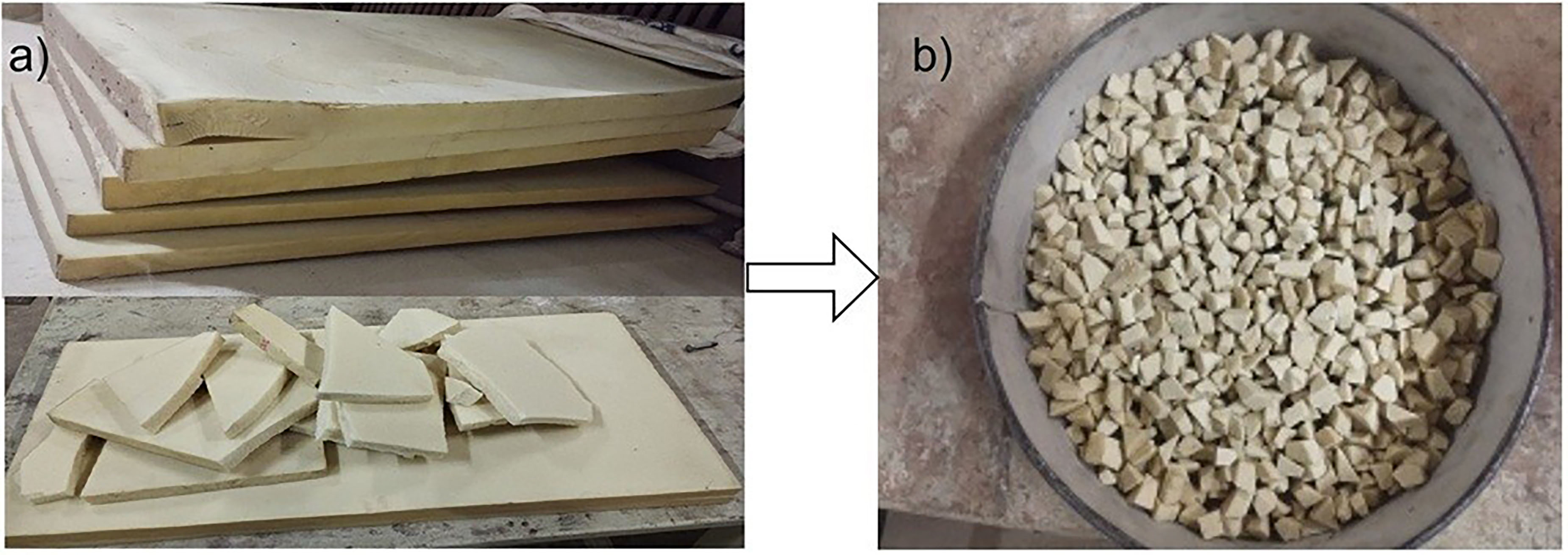
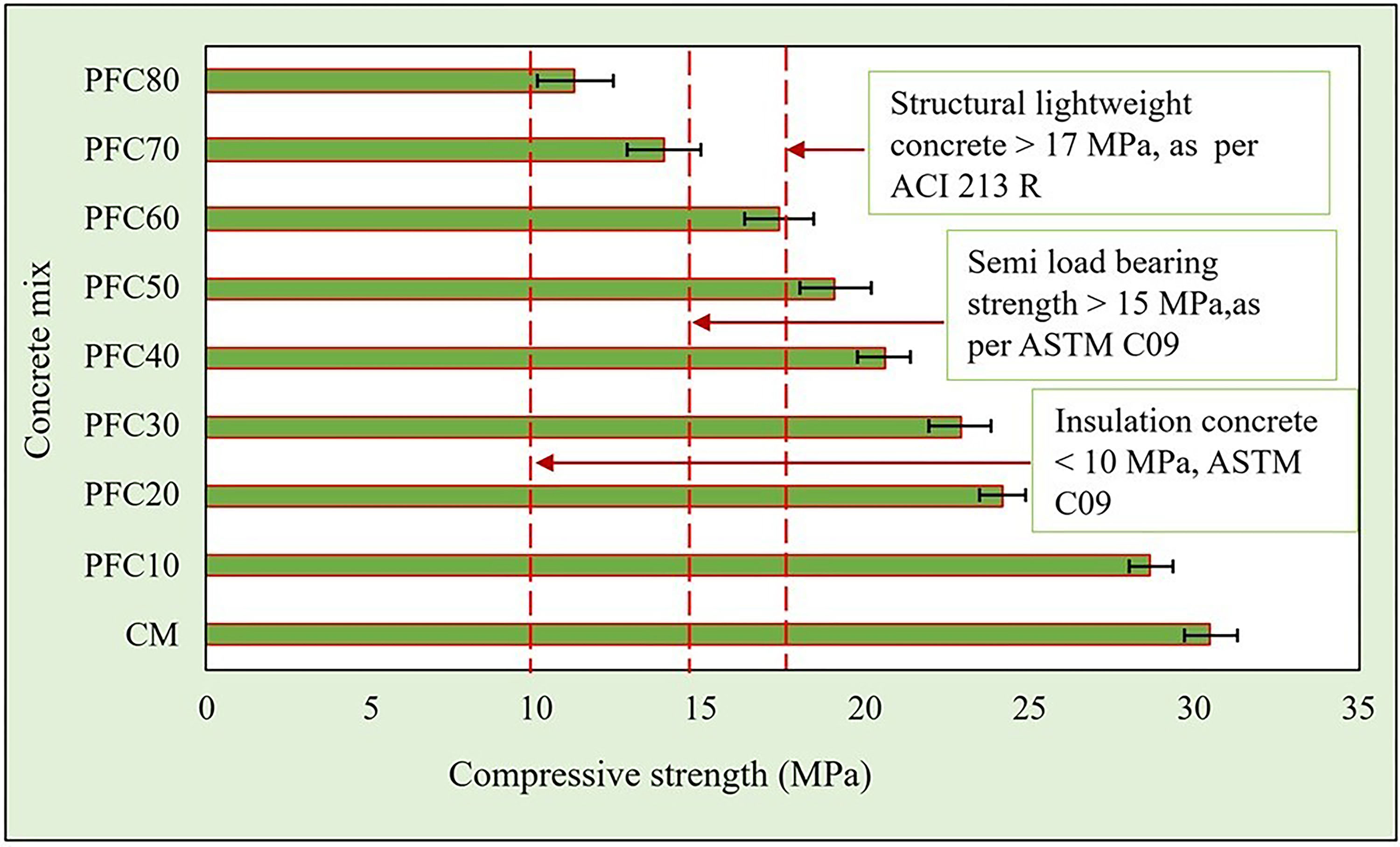
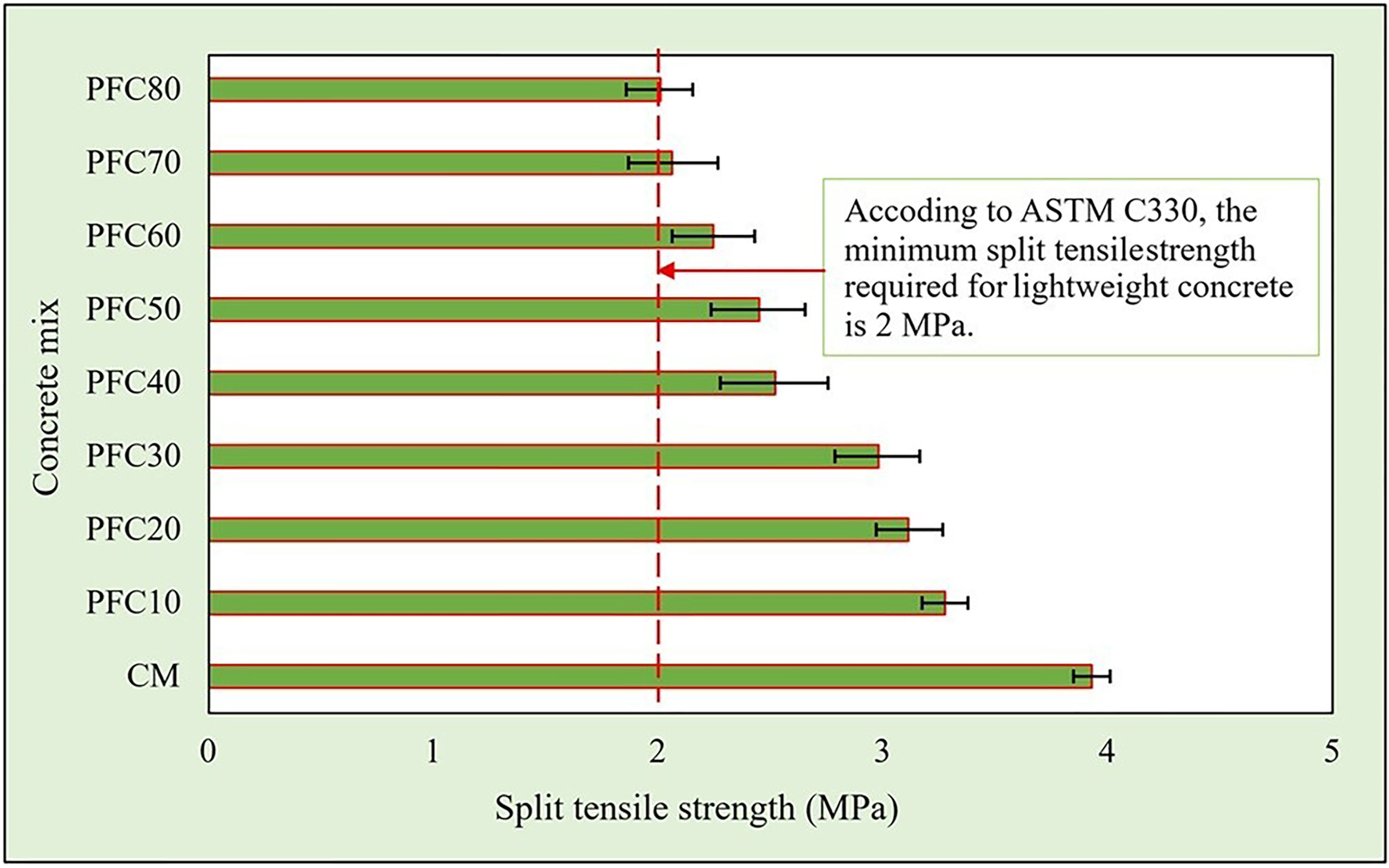
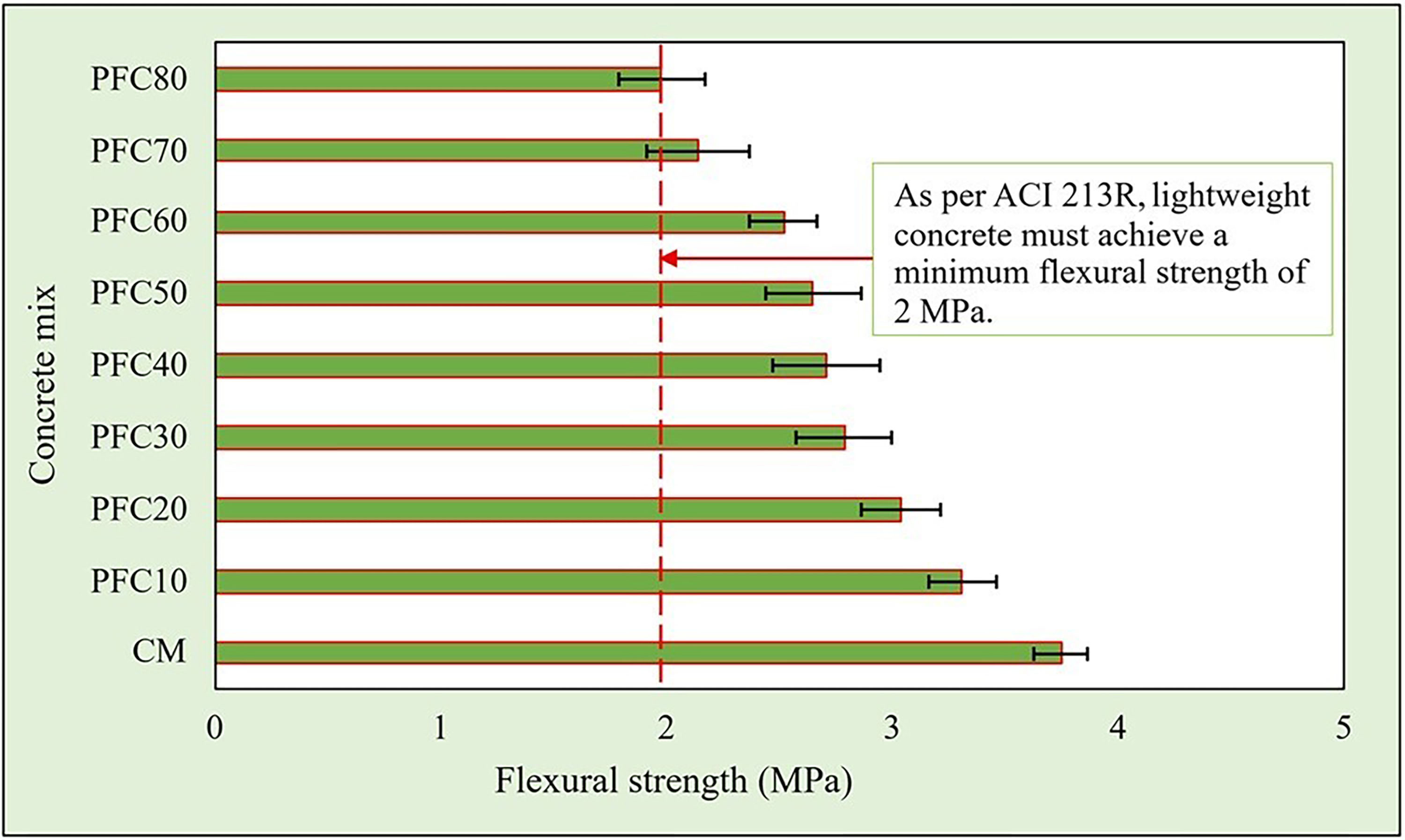
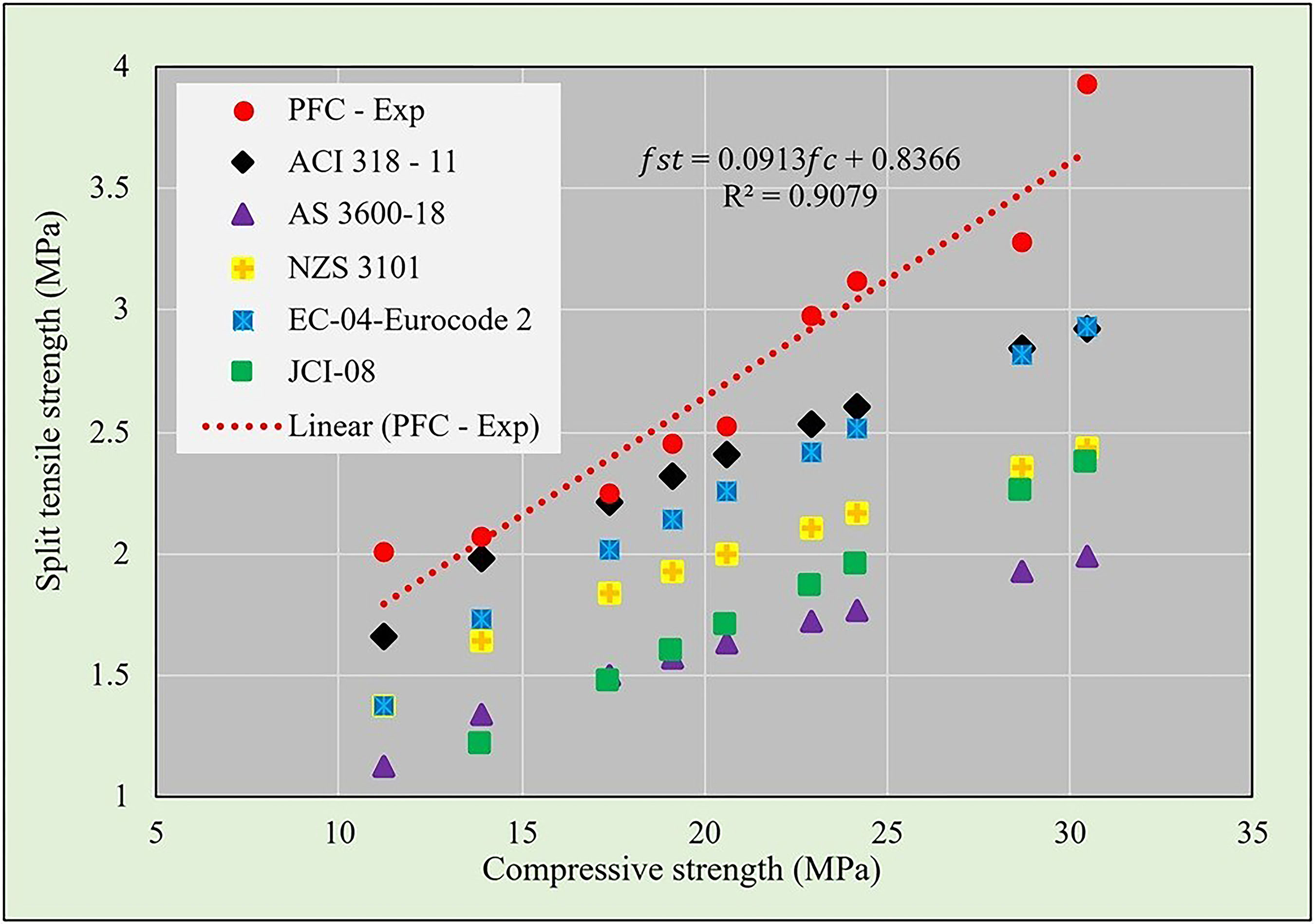
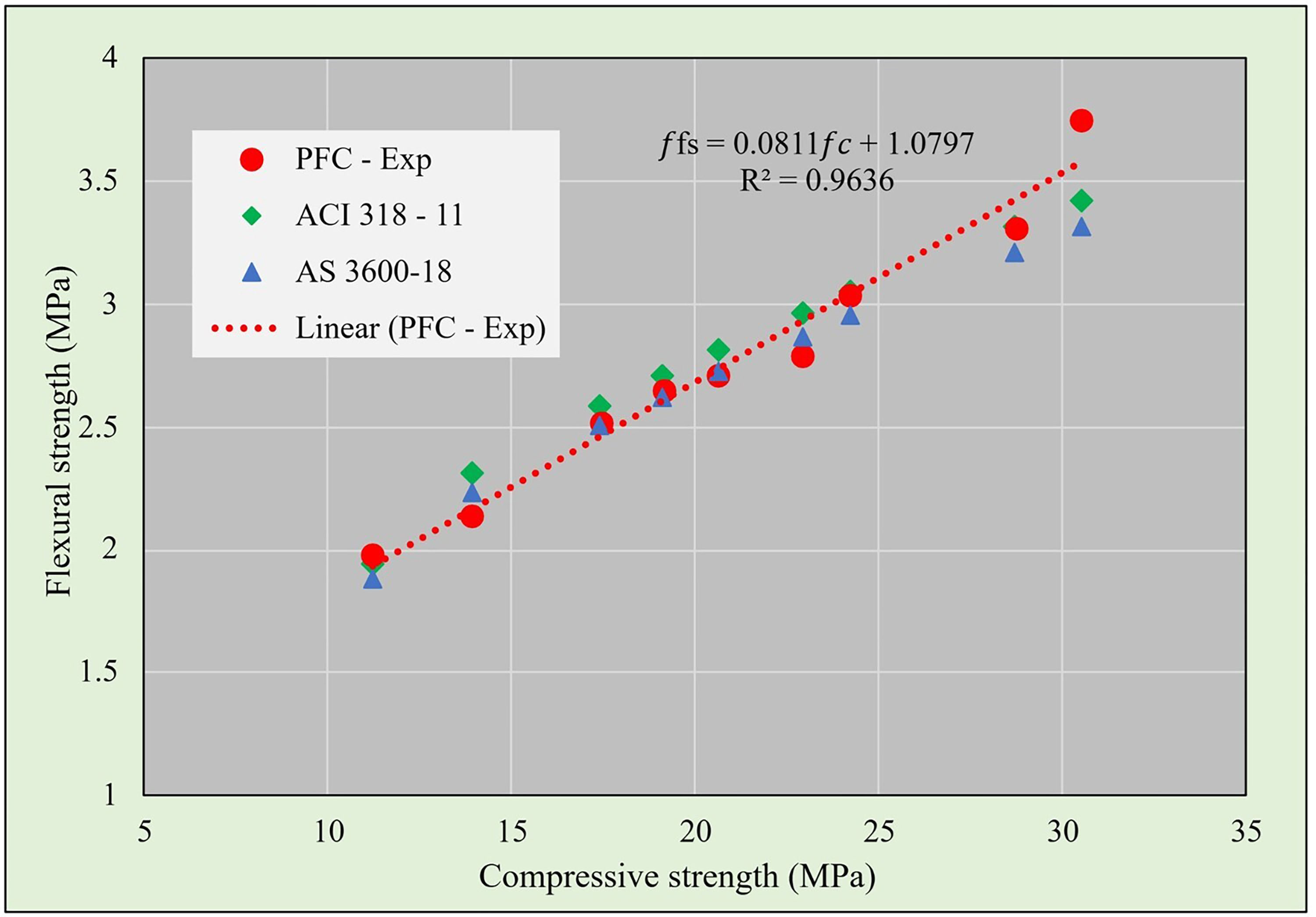
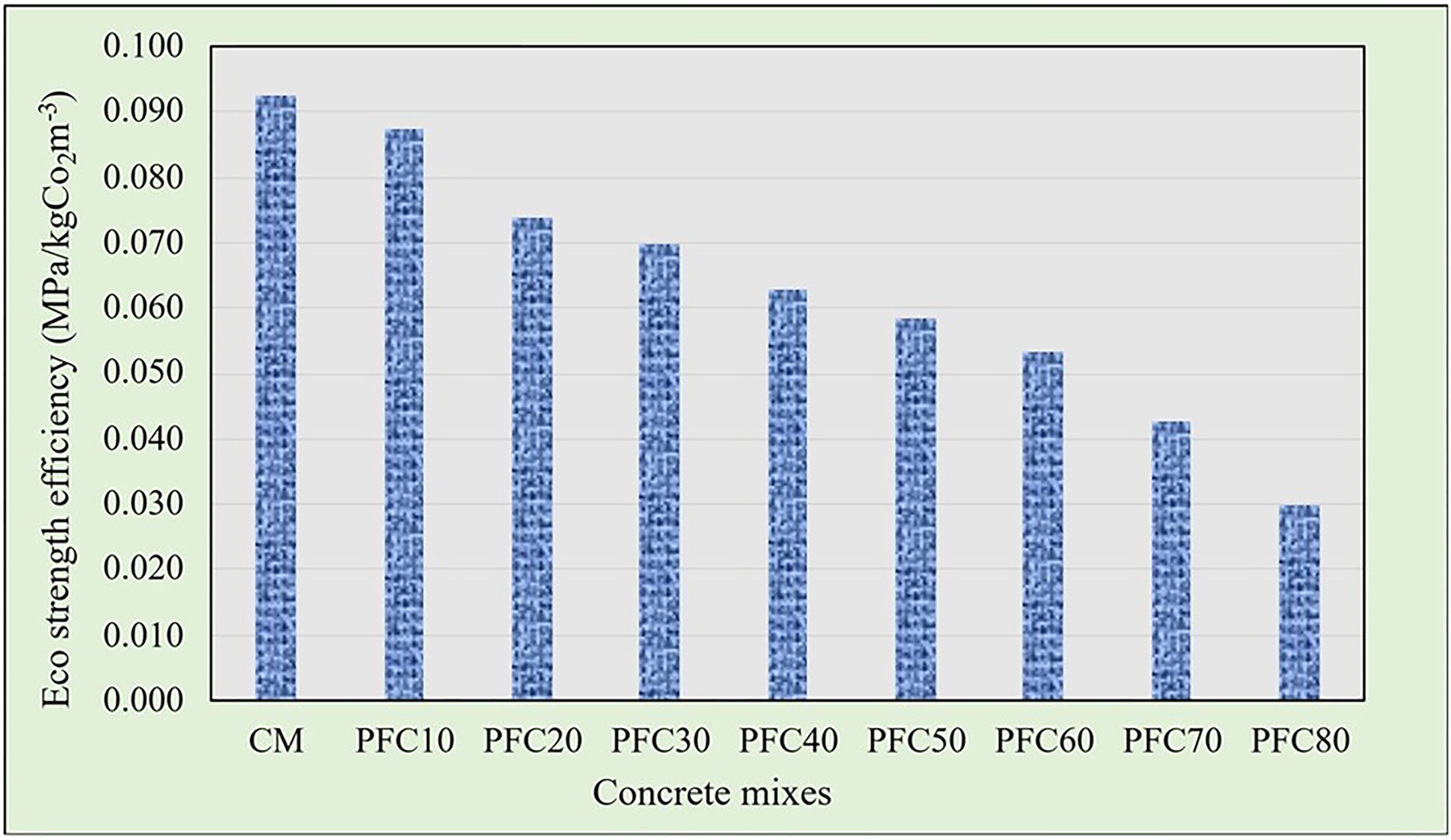
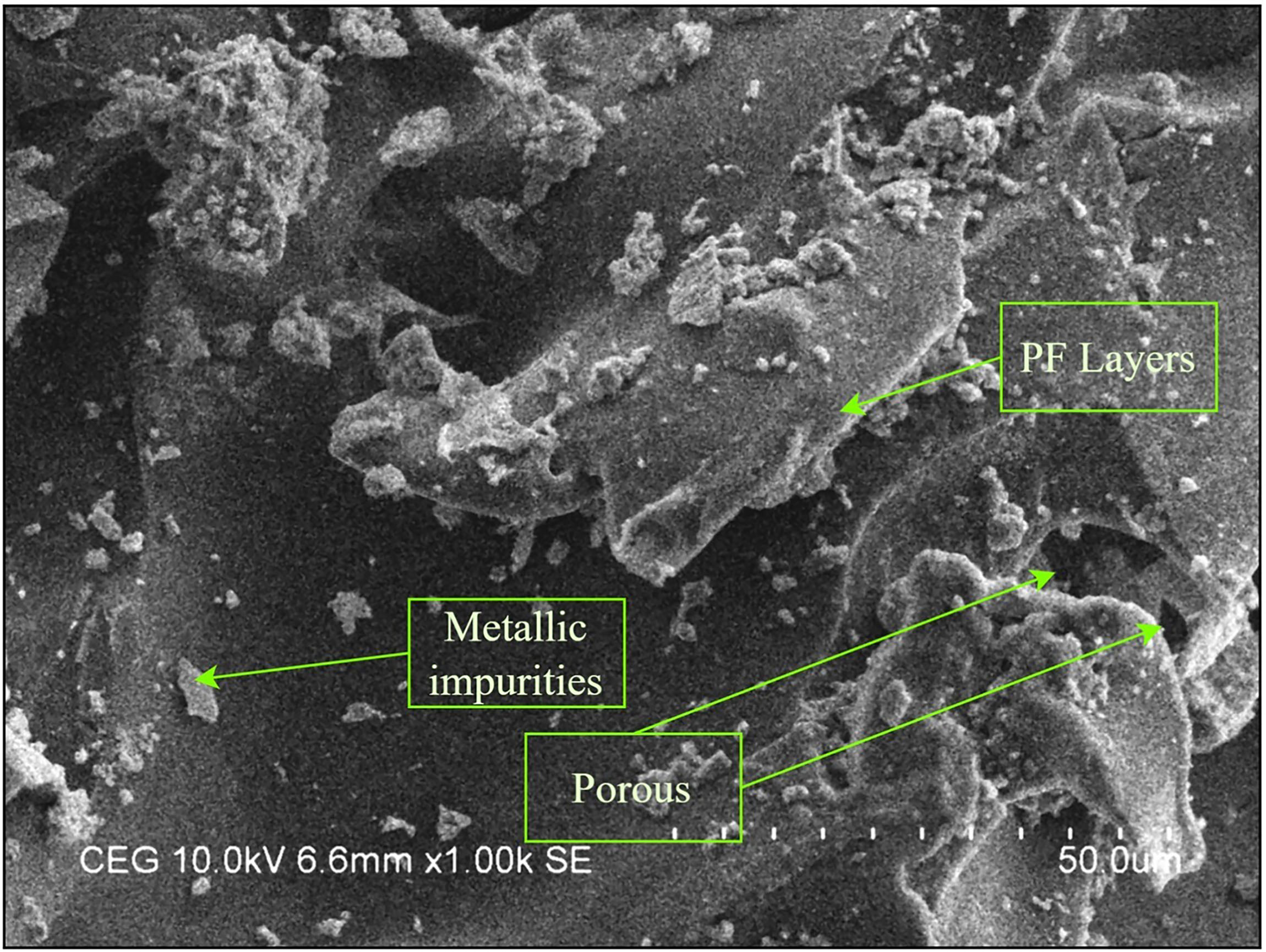
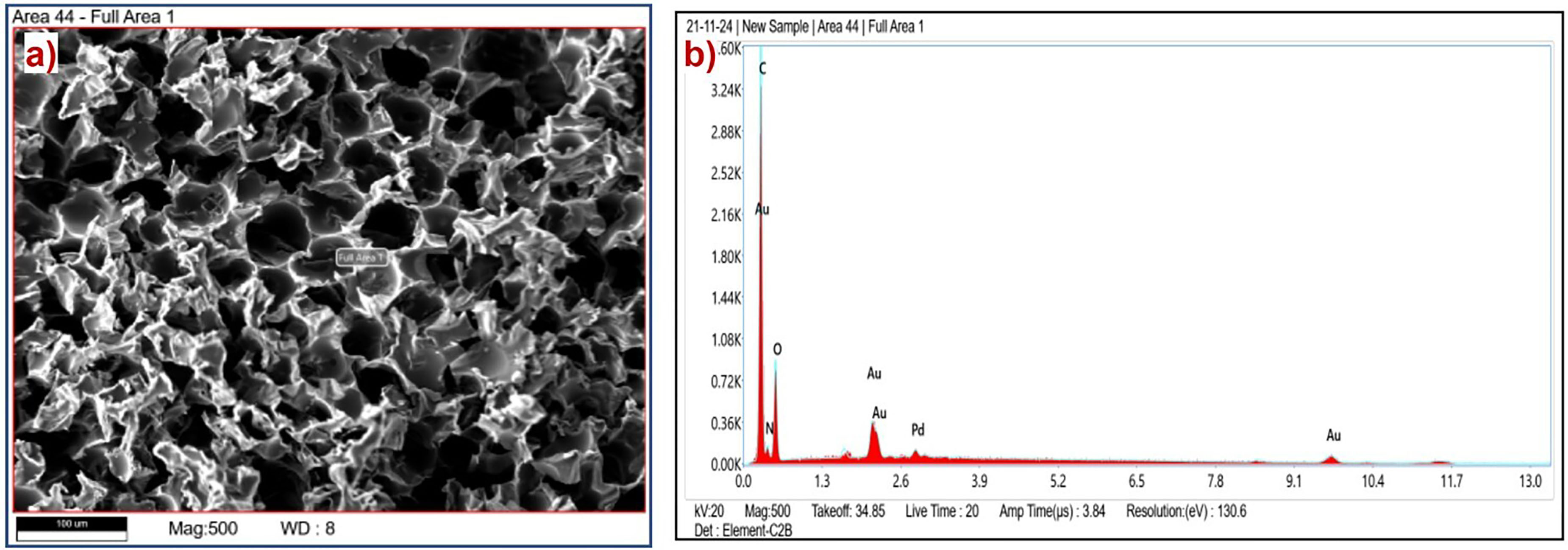
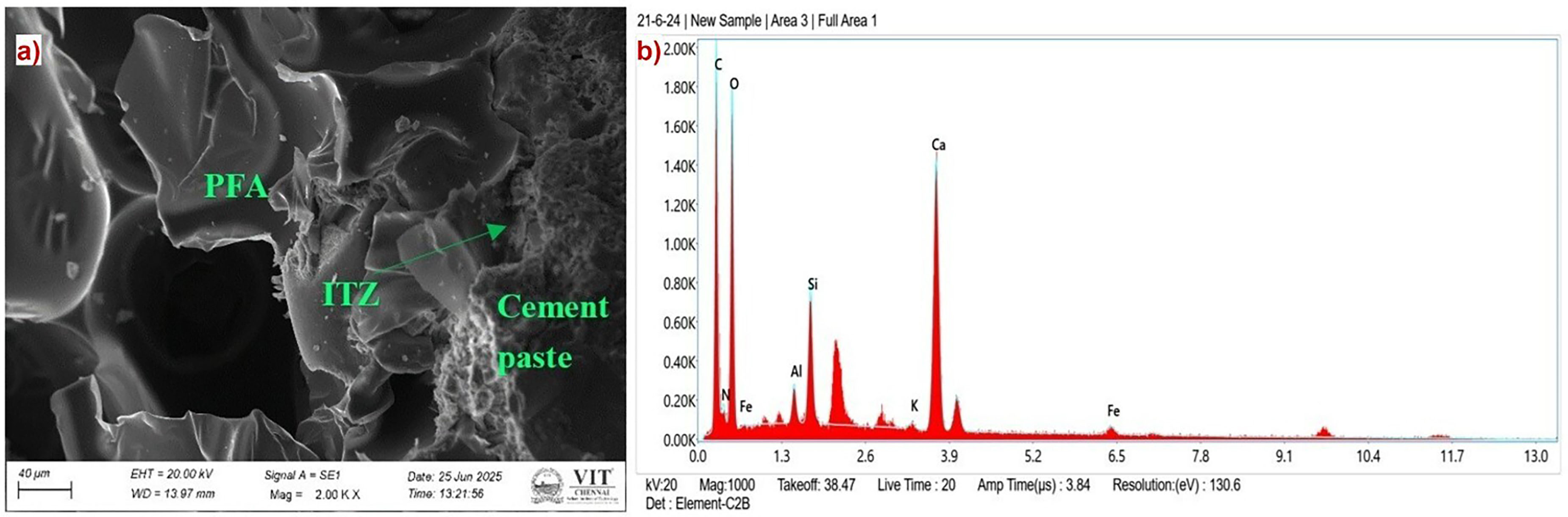
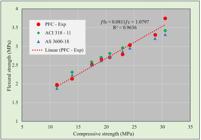
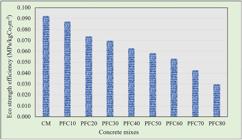
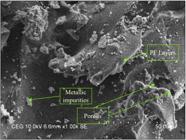
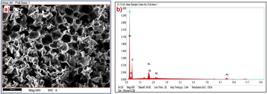
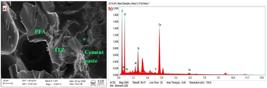
This study investigates the potential of waste Polyurethane Foam (PF) as a lightweight coarse aggregate in concrete, aiming to promote sustainable construction practices by recycling industrial waste. Waste PF was used as coarse aggregate in concrete mixes, replacing 0–80% by volume in 10% increments. These mixes were tested for compressive strength, split tensile strength, and flexural strength. Correlations between compressive, split tensile, and flexural strengths were derived and compared with international code predictions. Additionally, microstructural investigations using Scanning Electron Microscopy (SEM) with Energy Dispersive X-ray Analysis (EDAX) were conducted. Furthermore, the embodied carbon dioxide emissions and eco-strength efficiency of the mixes were calculated to evaluate their environmental performance. The results indicate that mixes with 30 to 60% Polyurethane Foam Aggregate (PFA) achieved compressive strengths above 17 MPa and density below 2000 kg/m3, thereby meeting the structural lightweight concrete requirements of ACI 213R, with all mixes showing split tensile and flexural strengths above 2 MPa. A strong correlation was found among mechanical strengths, confirming the reliability of experimental results. SEM images showed enhanced bonding between PFA and the cement matrix. The eco-strength efficiency of polyurethane foam concrete mixes dropped by 24–43% at 30–60% replacement compared to conventional concrete.
Keywords:
Polyurethane foam aggregate; Concrete; Correlation; Microstructure; Eco-strength efficiency
 Thumbnail
 Thumbnail
 Thumbnail
 Thumbnail
 Thumbnail
 Thumbnail
 Thumbnail
 Thumbnail
 Thumbnail
 Thumbnail
 Thumbnail