 Influence of 1% recycled PET fiber on the fracture behavior of recycled aggregate concrete beams
ABSTRACT
This study evaluates the fracture behavior of concrete produced with recycled coarse aggregate and reinforced with 1% by volume of fibers PET. The experimental program included three-point bending tests on notched beams, following the RILEM recommendations for determining fracture energy, critical stress intensity factor KIC, and critical crack tip opening displacement (CTODC). The adopted methodology allows a detailed analysis of the material response under cyclic loading. The results indicated a 36.67% increase in fractured energy, rising from 95.05 N/m in reference concrete to 129.91 N/m in fiber-reinforced concrete. In addition, KIC increased from 1.38 to 1.59 MPa · m1/2, corresponding to a 15.22% gain, while CTODC rose from 0.0055 to 0.0079 mm, equivalent to 43.64%. Although the reference beams exhibited higher peak load, fiber incorporation improved the post-cracking behavior, with greater energy dissipation and more controlled crack propagation. These findings show that recycled PET fibers enhance concrete toughness and ductility, even with recycled coarse aggregates. Practically, this improvement in post-cracking performance suggests longer service life and greater safety for structural elements. Thus, the proposed mixture is a technically viable and environmentally sustainable alternative for structural applications using recycled materials.
Keywords:
Concrete; PET fibers; Recycled aggregate; Fracture mechanics; Crack propagation
1. INTRODUCTION
The construction industry is recognized as one of the human activities with the greatest environmental impact, both due to the high consumption of natural resources and the generation of waste. Among the various discarded by-products, polyethylene terephthalate (PET), widely used in the manufacture of plastic packaging, stands out for its low degradability and growing accumulation in landfills and the environment. The search for alternatives to reuse this material in higher value-added applications has motivated research in the field of cementitious composites, particularly concrete, whose high global demand makes it an attractive candidate for the large-scale incorporation of plastic waste [1, 2].
The use of PET waste in concrete can take different forms, either as partial replacement of natural aggregates or as reinforcement fibers. Studies have shown that the use of recycled PET fibers can contribute to increased toughness, reduced crack opening, and greater energy dissipation during crack propagation. On the other hand, some reports indicate reductions in compressive strength and certain fundamental mechanical properties [3,4,5].
The use of recycled PET fibers is not only relevant from an environmental perspective but also directly influences the cracking mechanisms of concrete. These fibers contribute to crack bridging and delay crack propagation, enhancing post-cracking energy dissipation—effects that are particularly important in concretes produced with recycled aggregates, where microstructural heterogeneity may intensify crack formation.
In addition to reducing environmental pollution, the incorporation of PET fibers enhances several concrete properties, increasing tensile strength by up to 35% and reducing shrinkage by up to 56%, although it may decrease compressive strength. Studies have demonstrated that PET fiber-reinforced concrete can be effectively applied in pavements, coatings, and structural elements exposed to fire conditions, representing a technically viable solution. The incorporation of PET fibers has been recognized not only as an environmental strategy but also as a means to modify the cracking process in concrete, influencing both the initiation and propagation phases of fractures. This effect becomes particularly relevant when combined with recycled aggregates, whose heterogeneous nature can alter stress distribution and crack development [6].
In the context of beams produced with recycled coarse aggregate and PET fibers, recent studies reinforce the relevance of combining plastic waste and recycled aggregates to improve concrete performance. DURAISWAMY et al. [7] analyzed concrete produced with full replacement of coarse aggregate by treated construction and demolition waste and reinforced with shredded plastic fibers from polyethylene bags and PET bottles. The authors observed improvements in flexural and splitting tensile strength, especially at fiber contents between 0.25% and 1%, despite a slight reduction in compressive strength, highlighting the potential of plastic reinforcement for enhancing post-cracking behavior.
The incorporation of PET fibers into concrete enhances its tensile and flexural strength, primarily due to the reinforcing mechanism provided by the fibers and their effectiveness in delaying crack initiation and propagation. The bridging effect, in which the fibers span across cracks, explains the observed increase in strength. However, these mechanical benefits are accompanied by reduced workability and density, as well as increased porosity, characteristics typically associated with the introduction of fibers into the cementitious matrix [8, 9].
Thus, although PET fibers contribute to crack control and increased toughness, the overall performance of the concrete also depends on the quality and characteristics of the aggregates used. Recycled aggregates, despite exhibiting higher water absorption, porosity, and granulometric variability, can achieve satisfactory performance when appropriate adjustments are made in mix design, correction of surface moisture, and use of superplasticizing admixtures [10, 11]. From this perspective, the fibers act as a complementary element capable of mitigating part of the weaknesses associated with recycled aggregate, promoting a more stable cementitious matrix and enhancing resistance to fracture.
LI and XIAO [12] investigated concrete with large recycled aggregate (25–80 mm) using discrete element modeling. They demonstrated that, even under different confinement levels, this type of aggregate can maintain strength comparable to conventional concrete while providing significant stiffness gains. These results emphasize the importance of both incorporating plastic fibers and characterizing the type and size of recycled aggregate in defining the mechanical behavior and durability of the material.
The recycling of concrete waste helps reduce landfill demand and natural resource consumption. Their study evaluated the strength of concrete produced with recycled coarse aggregate, considering as variables the origin of the recycled concrete and the design strength of the material. Toughness and soundness tests indicated that recycled aggregates showed higher percentage losses compared to natural aggregate, although still within acceptable limits. Furthermore, the compressive and splitting tensile strengths of recycled aggregate concrete were found to depend directly on the adopted mix proportions. In general, recycled aggregate concrete strength tends to be 10–25% lower than that of conventional concrete produced with natural aggregate [13].
The application of fracture mechanics in experimental studies has enabled the evaluation of the influence of different variables on concrete fracture resistance, such as composition (type of cement, aggregates, and mineral admixtures), age, moisture conditions, temperature, and reinforcement [14, 15]. The evidence obtained has supported the development of more representative constitutive models and the improvement of structural design methodologies.
Given these mechanical implications, understanding the fracture mechanisms in concretes with recycled aggregates and PET fibers becomes essential. The fibers act as micro-bridges across cracks, delaying their unstable propagation and increasing the energy absorption capacity of the material.
For fracture behavior assessment, this study followed the RILEM methodological framework: (i) determination of fracture energy (GF) in notched beams subjected to three-point bending (Method A), and (ii) determination of the critical stress intensity factor (KIC) and the critical crack tip opening displacement (CTODC) (Method B), according to standardized procedures specifying geometries, instrumentation, and processing of load–displacement curves [16, 17]. In this research, a comparison was made between reference concrete and concrete reinforced with 1% by volume of PET fibers, with emphasis on fracture properties, and natural coarse aggregate was fully replaced by recycled aggregate. The experimental program was complemented by monitoring with digital image correlation (DIC).
Therefore, this study aims to evaluate the fracture behavior of concrete produced with recycled coarse aggregate and reinforced with 1% by volume of recycled polyethylene terephthalate fibers, through three-point bending tests on notched beams. The research is technically and environmentally justified by the need to reduce the consumption of natural aggregates and to promote the reuse of plastic waste in high-value-added applications, contributing to more sustainable construction practices. Despite the growing number of studies addressing PET fiber-reinforced concrete, few have systematically investigated how the simultaneous use of recycled coarse aggregates and PET fibers influences the fracture parameters following standardized methodologies such as those proposed by RILEM. The main innovative aspects of this work lie in the combined analysis of recycled coarse aggregate and PET fibers as reinforcement, as well as in the evaluation of fracture parameters based on the RILEM recommendations.
Despite the growing number of studies on PET fiber–reinforced concretes, there is still limited research assessing, in a systematic and standardized manner, how the combined use of recycled coarse aggregates and recycled PET fibers affects fracture parameters. Previous works typically evaluate these components separately or without following RILEM recommendations. This gap motivates the present study, which provides a rigorous fracture mechanics assessment of this sustainable composite material.
2. MATERIALS AND METHODS
The experimental program was designed to comparatively evaluate reference concrete and concrete reinforced with 1% by volume of recycled PET fibers. Reproducibility was ensured through controlled material properties, standardized procedures, the normative number of test repetitions, and the use of calibrated equipment, resulting in low variability.
The volumetric fraction of 1% PET fibers was selected based on previous experimental studies [6, 18, 19], which identified this dosage as optimal for improving post-cracking behavior without compromising workability. Preliminary trials confirmed that higher fiber contents led to reduced consistency and poor dispersion, whereas lower percentages did not produce measurable improvements in fracture energy or crack control. Therefore, the 1% fiber content was adopted as a balance between mechanical performance and practical workability.
For Method A, three reference beams and two beams with 1% PET fibers, all notched, were tested. For Method B, four notched beams were prepared for each type of material, in compliance with the RILEM [16, 17] requirement of at least four beams per material.
The specimens were produced using CP V-ARI RS Portland cement, characterized by its high early strength. Natural river sand was used as fine aggregate, and recycled coarse aggregate was obtained from the crushing of 20 MPa-strength concrete slabs (Figure 1).
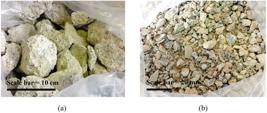
Recycled aggregate before and after jaw crusher processing: (a) waste before crushing; (b) recycled aggregate after crushing.
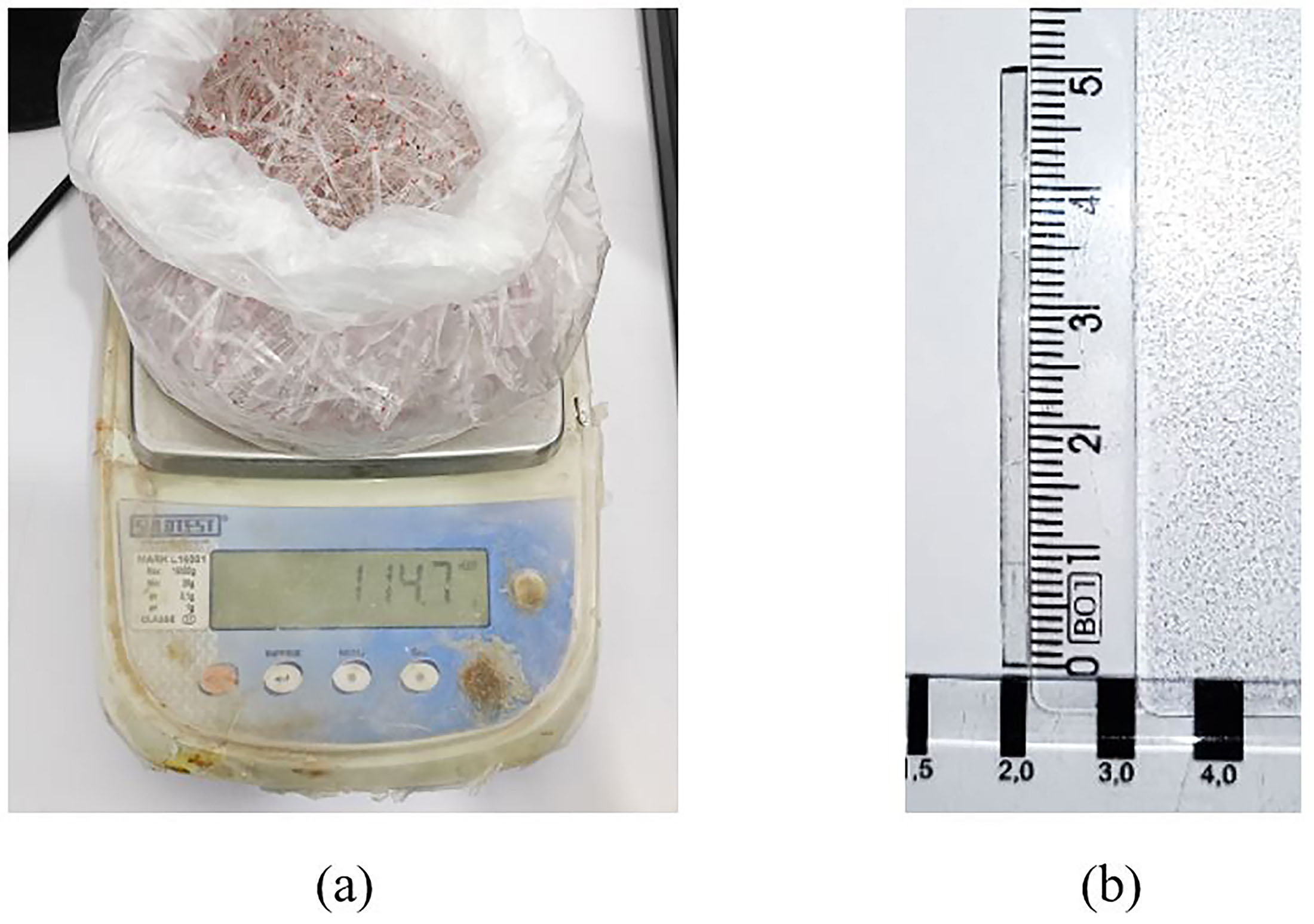
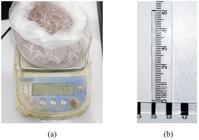
The recycled PET fibers were obtained from plastic bottles, washed, cut, and processed into strips measuring 50 mm in length and 2.0 ± 0.5 mm in width (Figure 2). The selection of a 50 mm length was based on experimental evidence indicating that shorter PET fibers (20–30 mm) tend to exhibit pull-out behavior, while fibers with lengths of 40–50 mm develop deformation without slippage. This demonstrates that longer embedment lengths improve mechanical anchorage and promote a more efficient stress transfer across the matrix, making 50 mm a suitable choice for enhancing post-cracking performance [20].
The mix design was carried out according to the ABCP (Brazilian Portland Cement Association) method, following the approach described by CEREJA [21] and based on the study of TRINDADE [22]. This method is performance-oriented, considering the physical and mechanical properties of cement, aggregates, admixtures, and water. Mix proportions were iteratively adjusted to ensure strength, workability, and durability. Table 1 presents the material consumption reference for beam production.
The dosage of the superplasticizer was increased to reduce the incorporation of entrapped air and to ensure adequate mixture uniformity. Additionally, a slight increase in the water-to-cement ratio was required to achieve suitable consistency, allowing homogeneous fiber dispersion and preventing segregation or voids.
The mixtures were designed with identical proportions of cement, sand, and recycled coarse aggregate. The parameters that varied were the PET fiber content (0% and 1% by volume) and the dosages of water and superplasticizer, which were adjusted to maintain proper workability and ensure uniform compaction.
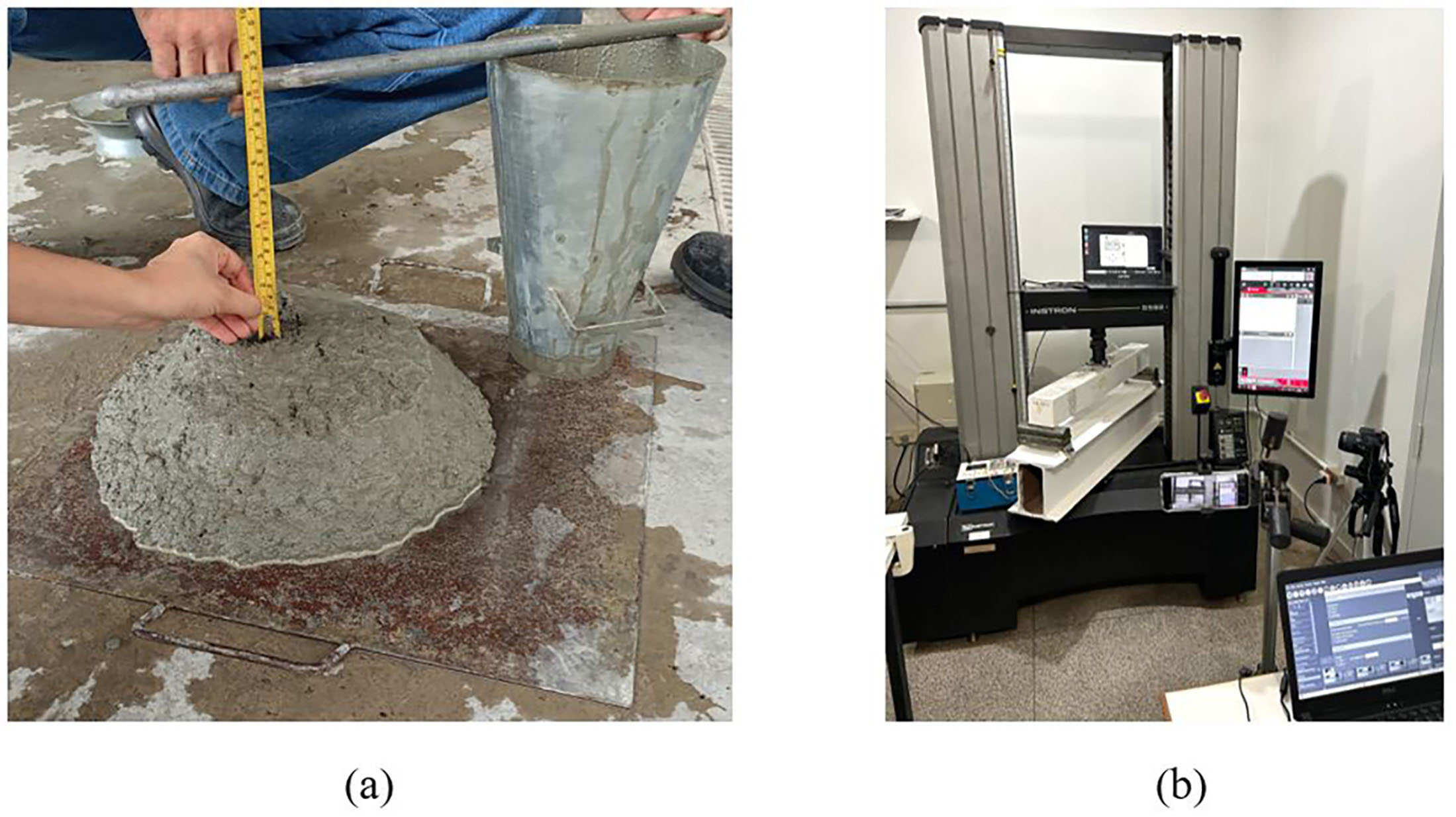
The evaluation of the fresh-state properties (Figure 3a) was carried out using the slump test, in accordance with NBR 16889 [23]. The base plate was positioned on a leveled, smooth, and non-absorbent surface. The slump cone was filled in three layers, each corresponding to approximately one-third of its height. Each layer was compacted with 25 strokes of the tamping rod distributed uniformly over the cross-section. After filling, the excess concrete was leveled, and the surface of the base plate was cleaned. The mold was then carefully lifted vertically in a continuous motion, without lateral or torsional movements. Immediately after mold removal, the slump was measured as the difference between the height of the mold and the average height of the specimen after subsidence.
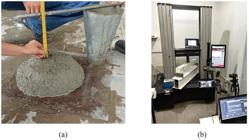
Tests in fresh and hardened states: (a) slump test for consistency; (b) Instron 5582 universal testing machine.
Fracture characterization followed the RILEM recommendations [16, 17]. In Method A, notched beams measuring 100 × 100 × 840 mm, with a central notch of 50 mm and a span of 800 mm, were used to determine fracture energy (GF). In Method B, beams measuring 80 × 150 × 700 mm, with a span of 600 mm and a 50 mm notch, were used to determine KIC and CTODC. The tests were performed on an Instron 5582 universal testing machine (Figure 3b), monitored by digital image correlation (DIC) to record crack mouth opening displacement (CMOD).
In Method A [16], fracture energy is obtained from the area under the load–displacement curve recorded during the three-point bending test. The total energy corresponds to the work performed by the load until failure, corrected by the contribution of the beam self-weight and the moving load system. The final fracture energy value is calculated as the ratio between this total energy and the remaining ligament area of the fractured section, resulting in a parameter that expresses material toughness against crack propagation.
Method B [17], determines concrete fracture parameters through three-point bending tests on notched beams, allowing the calculation of the critical stress intensity factor and the critical crack tip opening displacement. The procedure involves continuous recording of the applied load and crack opening displacement, from which the modulus of elasticity, effective critical crack length, and fracture parameters are obtained. These values characterize concrete resistance to crack propagation and its energy dissipation capacity.
3. RESULTS AND DISCUSSION
The slump test results indicated values between 180 mm and 230 mm. According to NBR 8953 [24], the evaluated mixtures fall into consistency classes S160 (160 mm ≤ A < 220 mm) and S220 (A ≥ 220 mm). The obtained workability shows that the adopted mix design was effective in ensuring proper fresh-state performance, even with the incorporation of recycled PET fibers.
3.1. Method A
Table 2 presents the average results values obtained with Method A, highlighting the influence of fiber content on energy dissipation and crack propagation resistances.
SIKARSKAS et al. [25], using the RILEM method [16], observed that the introduction of 1.5% PVA fibers increased fracture energy from 83.6 J/m2 to 307.5 J/m2. In the present study, with 1% recycled PET fibers by volume, fracture energy increased by 36.67%, from 95.05 N/m (without fibers) to 129.91 N/m, evidencing improvements in toughness and energy dissipation capacity.
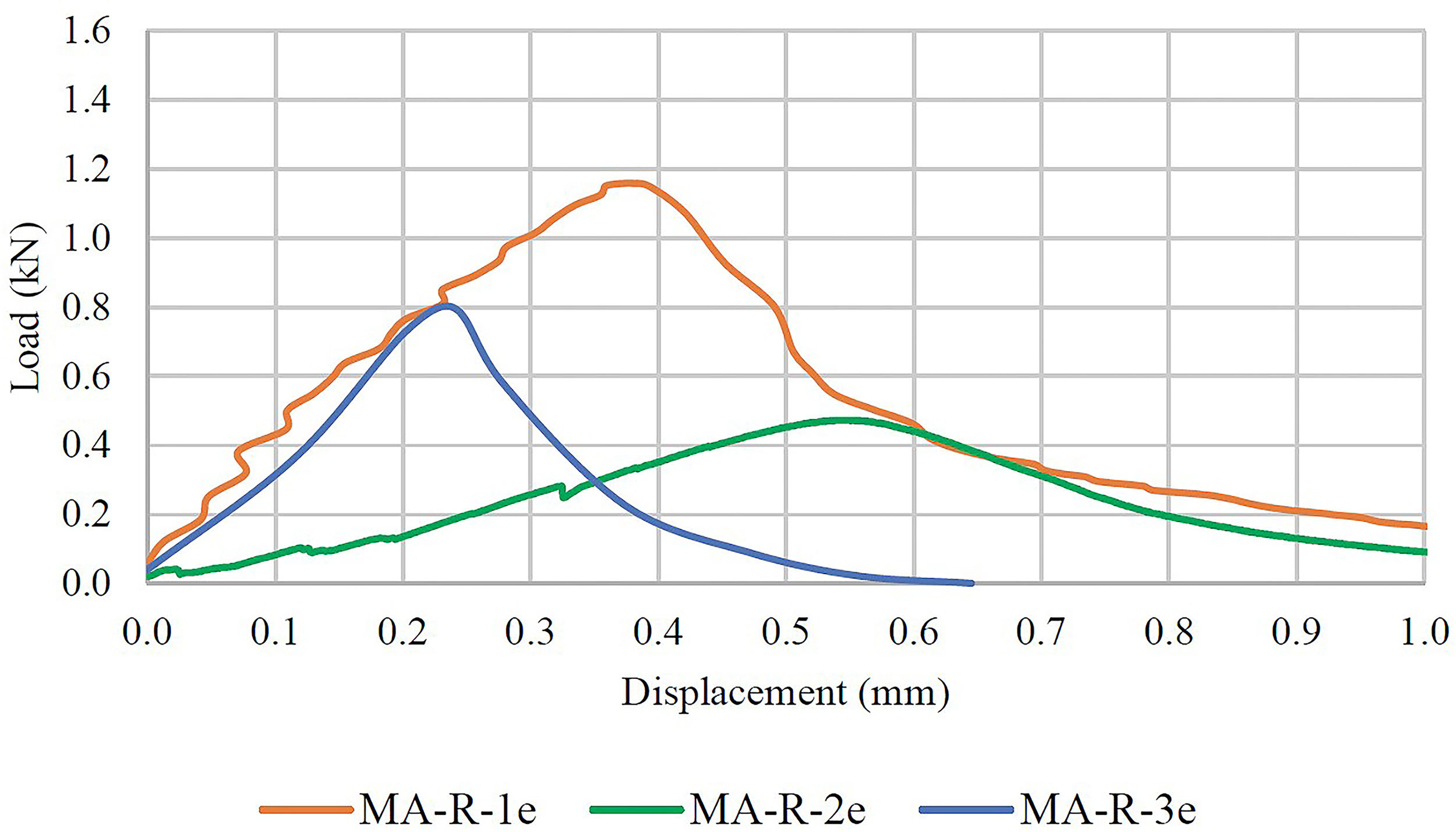
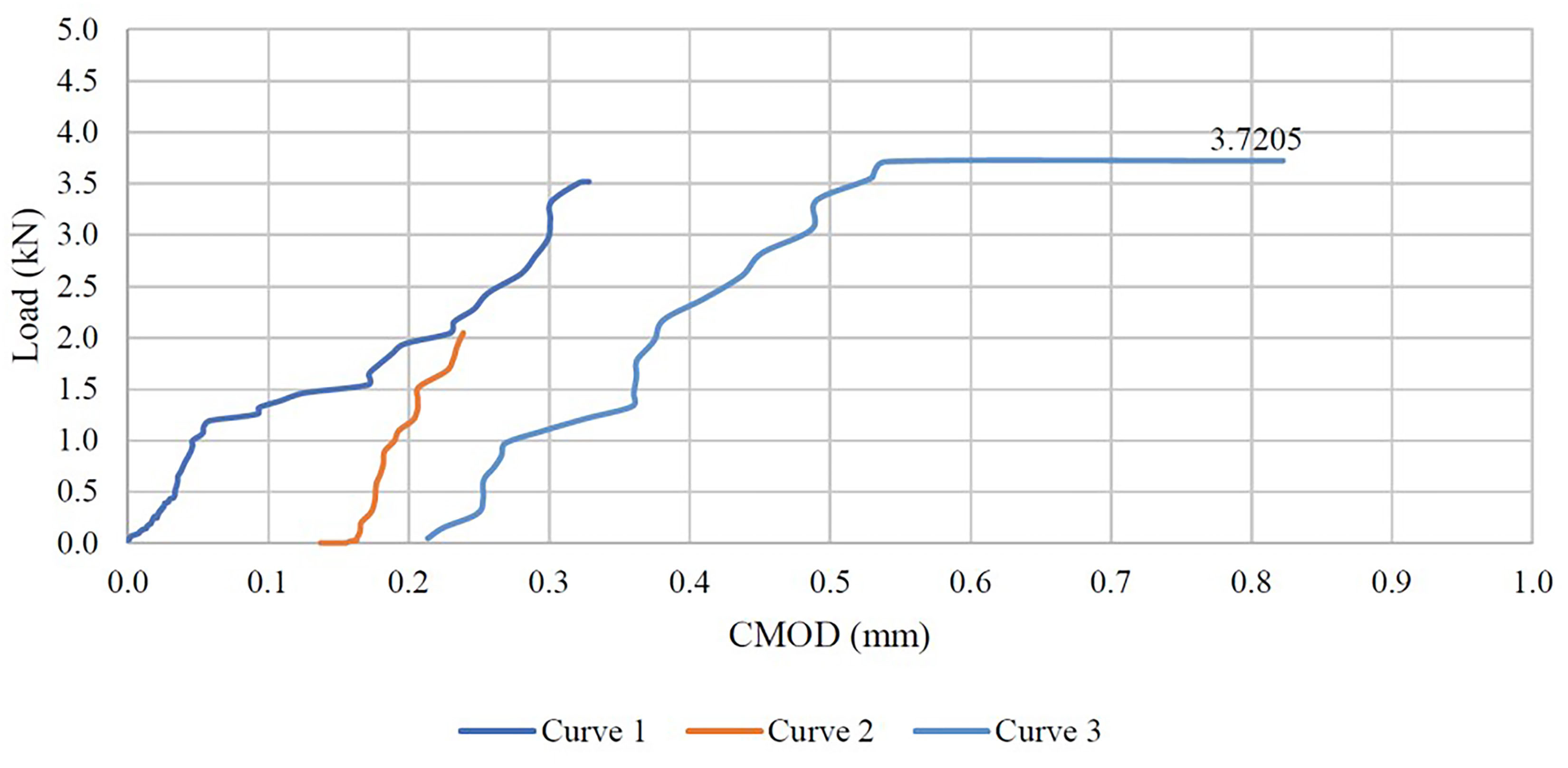
Beam MA-R-1e showed the best structural performance, reaching the highest maximum load and exhibiting a more ductile response, with gradual load reduction after peak and a prolonged post-peak stage, which indicates higher toughness and greater energy dissipation capacity (Figure 4).
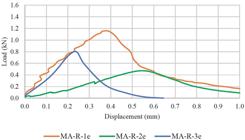
Load–displacement curve for reference beams (MA-R, without PET fibers) under three-point bending (Method A).
In contrast, beam MA-R-3e, although reaching an intermediate maximum load, failed in a brittle manner, with a sudden load drop after peak and smaller final deflection, resulting in lower fracture energy. Beam MA-R-2e showed the lowest maximum load, but its post-peak curve indicated greater deflection and higher energy dissipation, influenced by the presence of a pre-existing crack.
Part of this variability is associated with the use of recycled aggregates, whose residual mortar, according to CEREJA [21], increases porosity and reduces grain density, impairing bond with the cement matrix and compromising the integrity of the interfacial transition zone.
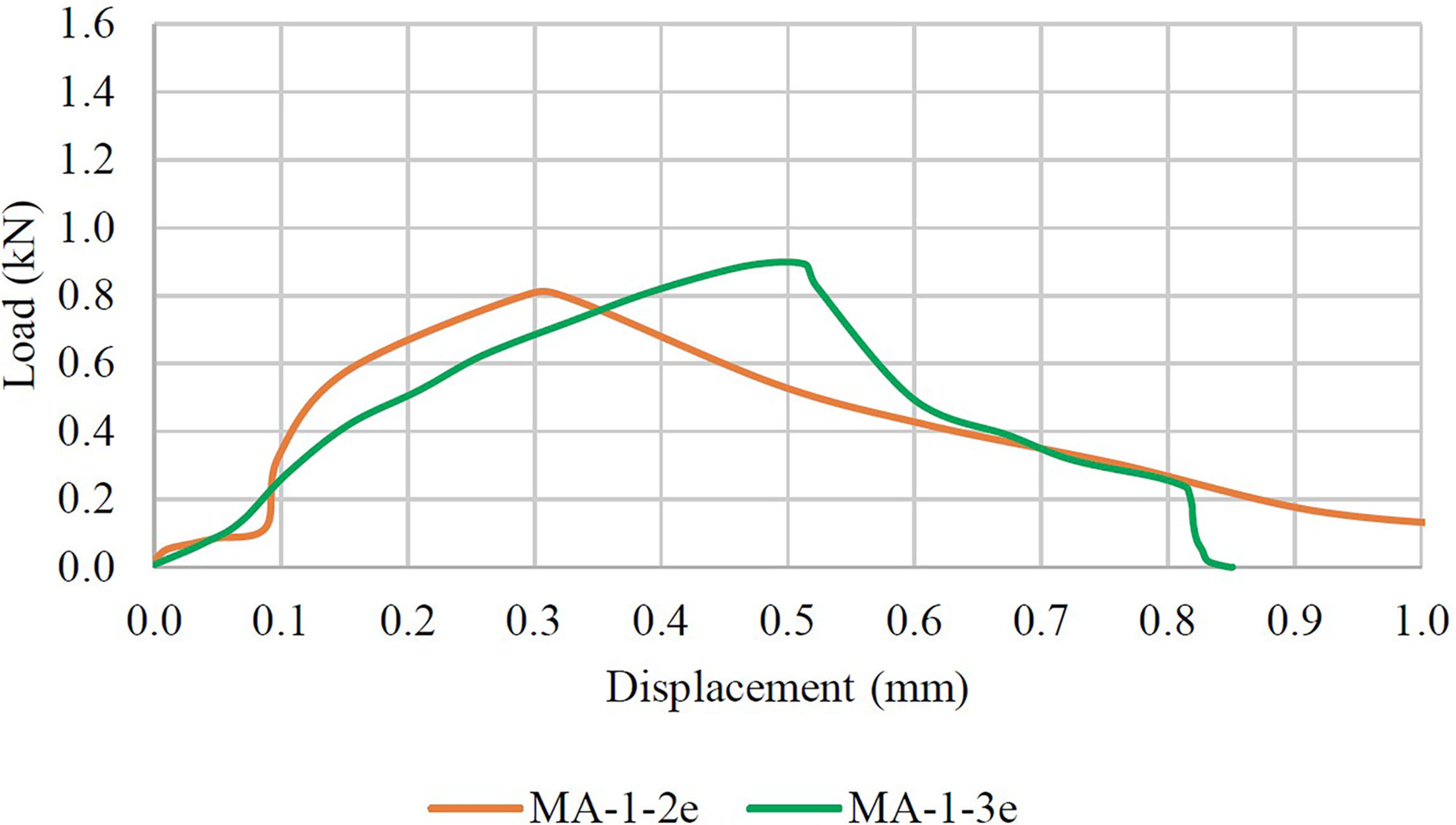
Beam MA-1-3e reached maximum load and displayed a post-peak stage with gradual force drops and oscillations, demonstrating the role of fibers in controlling crack opening and propagation (Figure 5).
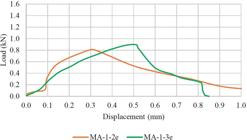
Load–displacement curve for beams with 1% recycled PET fibers (MA-1) under three-point bending (Method A).
Beam MA-1-2e showed considerable deformation capacity, and the area under the curves revealed high energy absorption. Overall, the addition of 1% PET fibers promoted tougher behavior, leading to higher deflections, residual strength, and improved concrete toughness.
3.2. Method B
The critical stress intensity factor represents material resistance to unstable crack propagation. Table 3 shows that group MB-R exhibited a lower KIC value (1.38 MPa·m1/2), with a CTODC of 0.0055 mm. In contrast, group MB-1, with 1% PET fibers, achieved a higher KIC value (1.59 MPa·m1/2) and an increased CTODC of 0.0079 mm. This trend confirms that PET fiber addition improves concrete fracture toughness, providing greater resistance to initial unstable crack growth compared with the reference concrete.
According to IRWAN et al. [26], incorporating 1% recycled PET fibers into concrete can modify its mechanical properties, leading to toughness improvements. However, the authors noted that higher fiber contents tend to increase matrix porosity, reducing global mechanical strength. This behavior was also observed in the present study, where reference beams exhibited higher average maximum load. Nevertheless, the presence of fibers improved post-peak response, increasing toughness and energy absorption after cracking, demonstrating their role in crack control and energy dissipation.
The elastic modulus of MB-1 beams was lower than that of the reference concrete. This reduction is attributed to the lower modulus of PET fibers compared to the cement matrix, decreasing overall beam stiffness as fiber content increases. Additionally, limited bond between PET fibers and the cement matrix reduces stress transfer efficiency, contributing to stiffness loss with fiber addition. This behavior is consistent with the rule of mixtures, whereby the effective elastic modulus of a composite results from the weighted combination of its constituents, so the inclusion of less rigid fibers tends to reduce overall modulus.
Similar results show who found that fiber-reinforced concrete, exhibited reduced elastic modulus with increased fiber content, confirmed by ultrasonic pulse velocity tests [27]. The authors emphasized that fibers interfere with ultrasonic wave propagation, which explains the decrease in rigidity despite improvements in other mechanical aspects. A similar trend is shown in Figure 6, which presents the load–CMOD behavior of beam MB-R-2e. Despite its load capacity, the graph shows a more flexible response, with higher displacements at intermediate load levels, corroborating the effect of fibers on stiffness reduction.
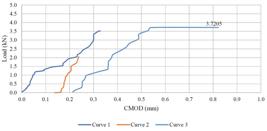
Load–CMOD curve for reference beam MB-R-2e (without PET fibers) under three-point bending (Method B).
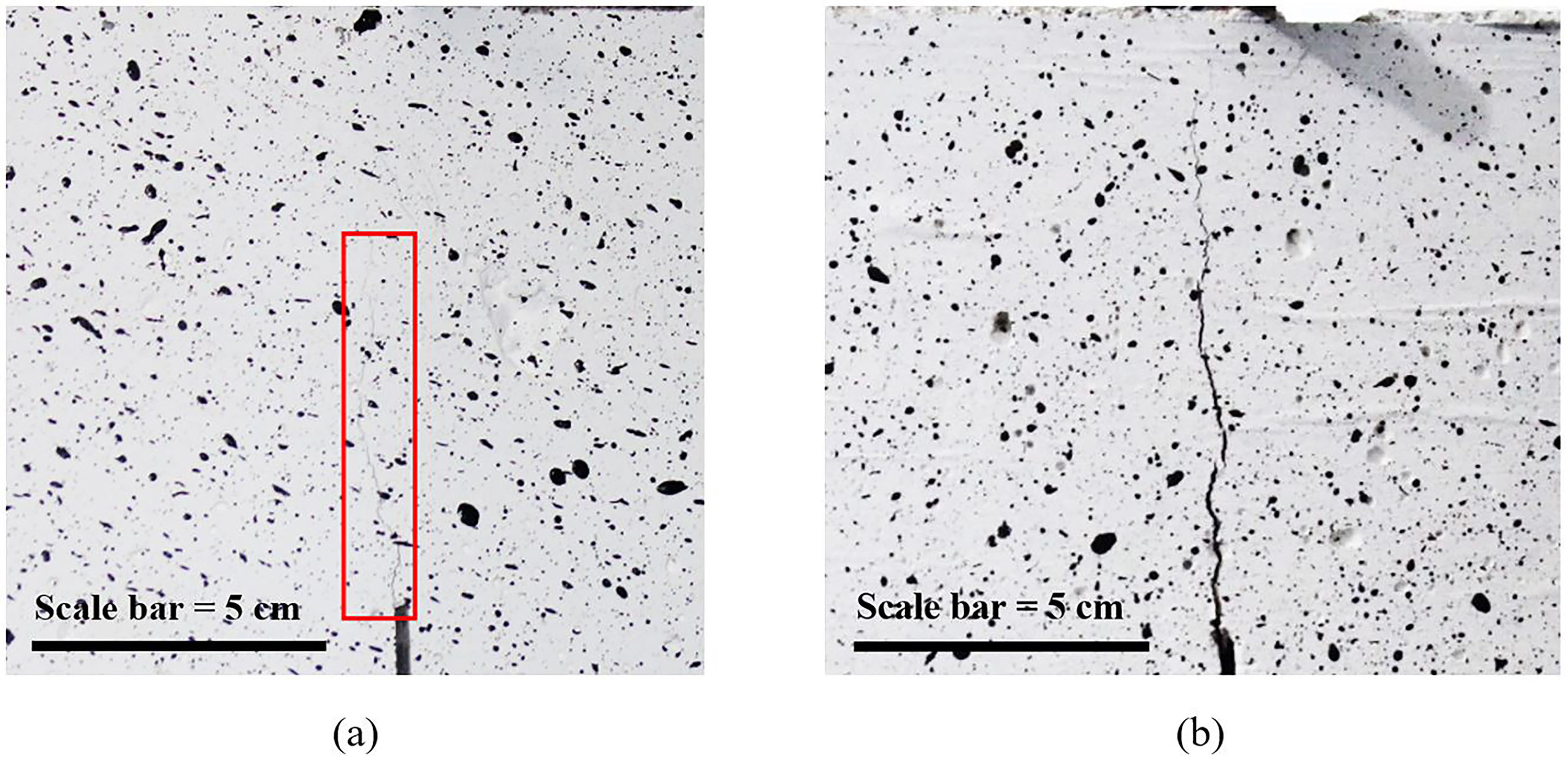
Reference beams exhibited typical brittle material behavior, characterized by high initial stiffness and limited energy dissipation after crack instability. CMODc values indicate that, in the absence of reinforcement mechanisms, fracture resistance depends mainly on cement matrix cohesion. Beam MB-R-4e showed a brittle fracture pattern (Figure 7a), observed at 3 minutes and 34 seconds of the third loading cycle.
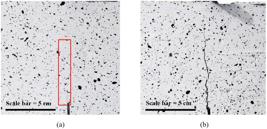
Photographs of beams after flexural test: (a) crack detail in beam MB-R-4e; (b) crack detail in beam MB-1-1e.
This analysis reinforces the limitations of conventional concrete, without fibers, in maintaining stress transfer across crack faces as crack opening increases. The absence of bridging mechanisms results in section collapse and brittle fracture, with low post-peak energy dissipation, as also described by NAAMAN and REINHARDT [28], who highlight the importance of fiber reinforcement in shifting from brittle failure to more ductile and progressive behavior in cementitious materials.
As illustrated in Figure 7b, beam MB-1-1e, at 8 minutes and 24 seconds of the second loading cycle, showed propagation of the main crack, characterizing fracture progression in the notched region.
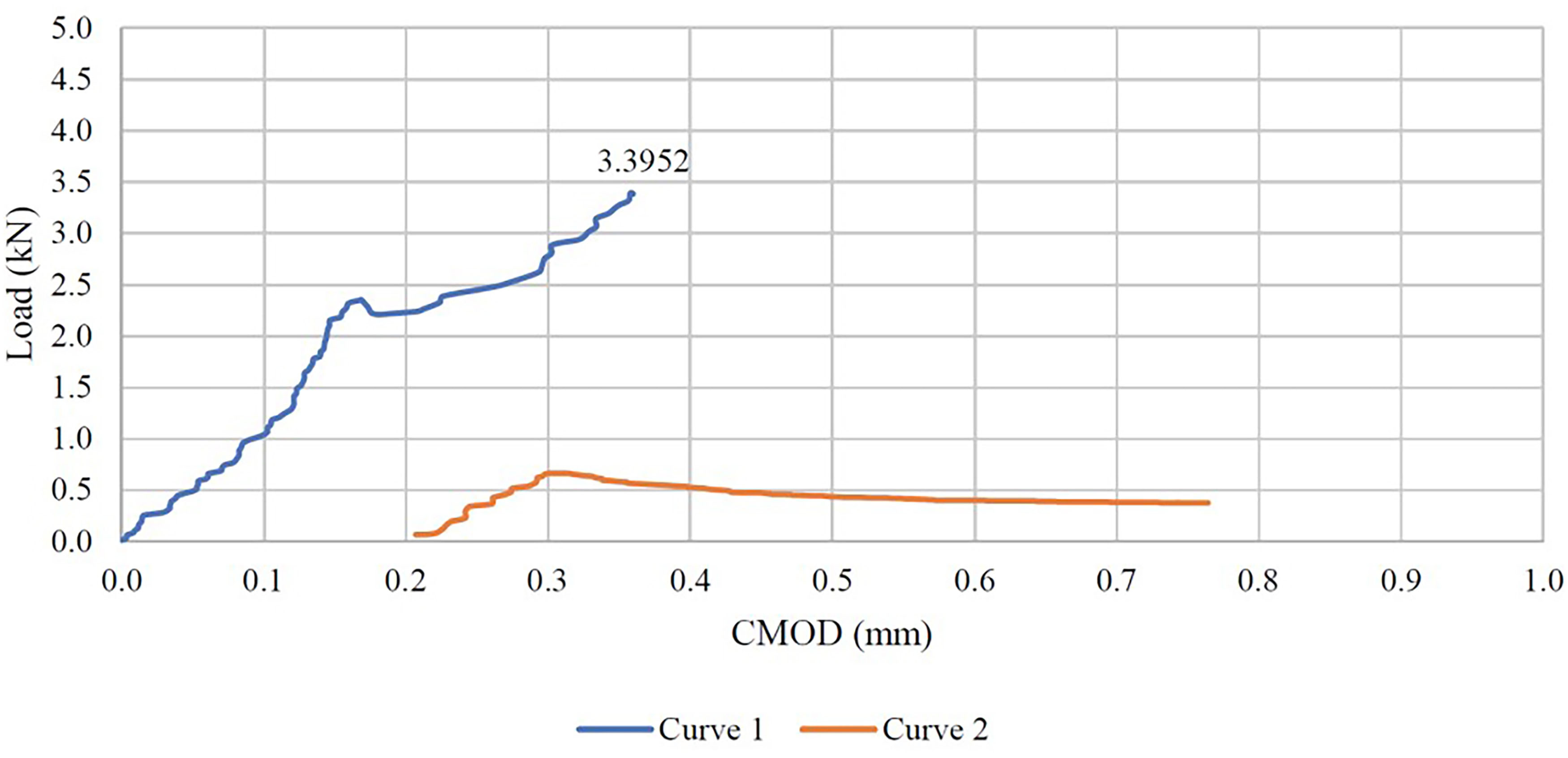
The crack initiated at the central notch and propagated vertically along the loading plane, remaining visible but without total section collapse. The results show that incorporating 1% recycled PET fibers improves concrete fracture parameters. This fracture morphology is consistent with the load–CMOD curve of beam MB-1-1e (Figure 8), where the second loading cycle demonstrates residual load capacity and more controlled crack propagation after the initial peak.
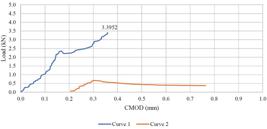
Load–CMOD curve for fiber-reinforced beam MB-1-1e (1% PET), three-point bending test (Method B).
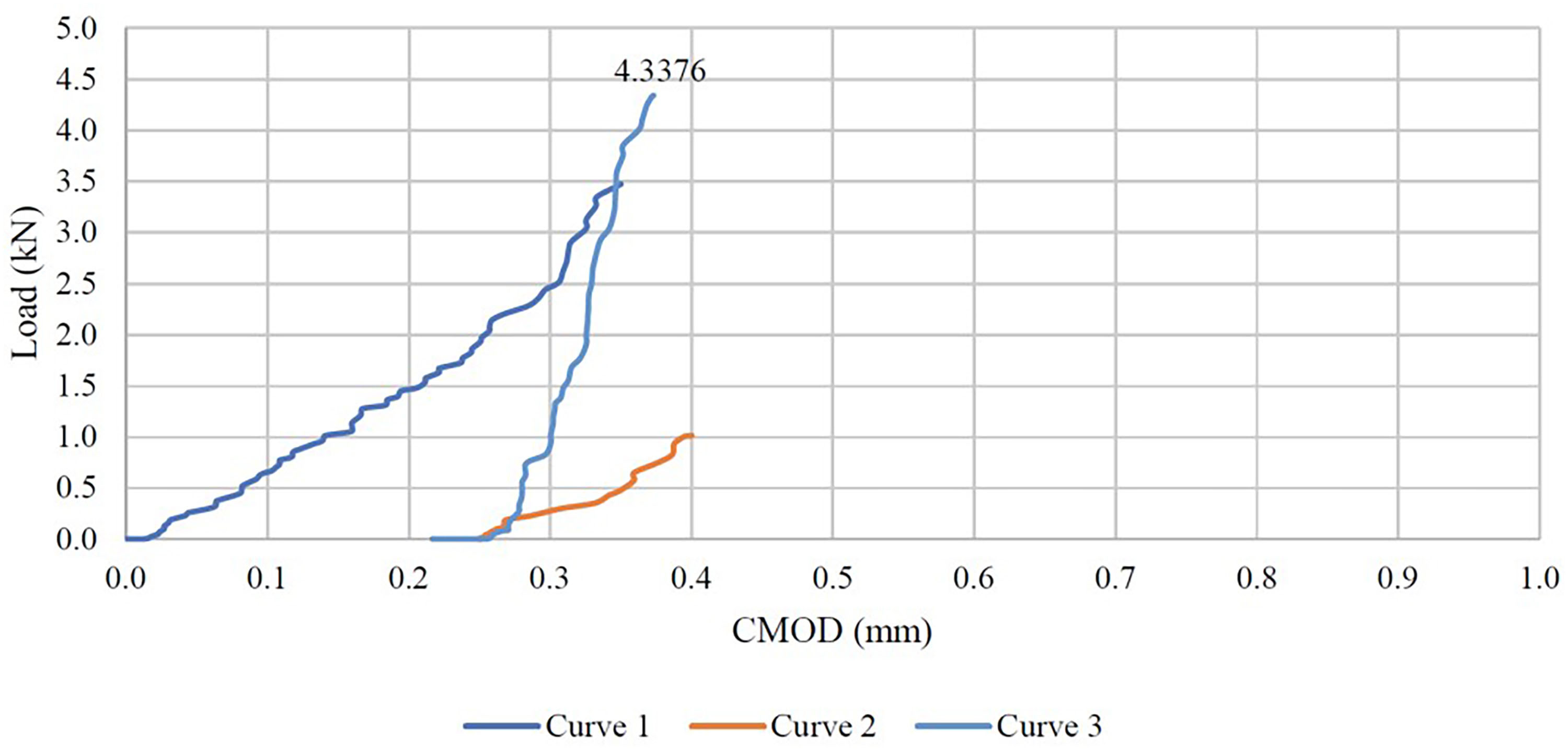
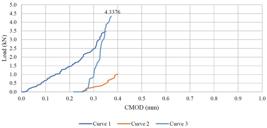
Reference beams (without fibers) exhibited predominantly brittle fracture, with a sharp strength drop after peak load and low energy dissipation throughout loading cycles. This reflects the limited toughness of conventional concrete, which does not retain significant residual strength after cracking. In contrast, Figure 9 shows the performance of beam MB-1-3e, produced with 1% fiber volume. In this case, post-peak behavior was more gradual, with residual strength and greater deformation capacity after cracking. The bridging effect of fibers delayed crack propagation and promoted a more ductile response.
The improvements observed in fracture energy and CTODC have direct implications for structural performance. The increase in fracture energy indicates a greater capacity of the material to dissipate mechanical work during crack propagation, which is essential for delaying unstable crack growth. Likewise, the higher CTODC values obtained for the fiber-reinforced beams suggest enhanced crack-bridging ability, contributing to superior control of crack opening under service loads. These enhancements are relevant for elements subjected to fatigue, impact, or cyclic loading, where energy absorption and controlled crack progression are critical to preventing premature failure. Therefore, the incorporation of 1% recycled PET fibers not only modifies the fracture process at the material level but also has the potential to elevate the structural reliability and durability of concrete elements produced with recycled aggregates.
These gains in fracture energy and CTODc have relevant practical implications. The higher post-cracking deformation capacity indicates improved resistance to impact and to fatigue-driven crack growth, especially in elements subjected to repeated flexural demands. Such behavior suggests that PET fiber–reinforced recycled aggregate concrete may offer enhanced performance in applications where crack control and toughness are essential, such as pavements, industrial floors, and secondary structural components.
From a structural perspective, PET fiber addition contributes to higher toughness and deformation capacity of elements. From an environmental standpoint, the use of plastic waste in concrete represents a sustainable alternative with significant social impact.
4. CONCLUSION
-
In the fresh state, the incorporation of 1% recycled PET fibers did not compromise workability, with slump values classified as S160 and S220, ensuring adequate consistency for casting and uniform fiber dispersion.
-
Fiber-reinforced concrete exhibited a reduction in maximum load, attributed to the higher porosity of recycled coarse aggregate and the presence of fibers within the matrix.
-
Post-cracking behavior was significantly improved by fiber addition. In Method A, fracture energy increased by 36.67% (from 95.05 N/m to 129.91 N/m), demonstrating enhanced energy absorption and toughness.
-
Method B confirmed the trend of improved fracture performance: the critical stress intensity factor (KIC) increased by 15.22% (from 1.38 to 1.59 MPa·m1/2), while the critical crack tip opening displacement (CTODC) rose by 43.64% (from 0.0055 to 0.0079 mm).
-
The findings show that PET fibers do not enhance peak strength but provide substantial benefits in terms of crack control, energy dissipation, and overall toughness of concrete elements.
-
From an environmental perspective, combining recycled PET fibers with recycled coarse aggregates represents a sustainable solution, reducing natural resource consumption and contributing to waste mitigation.
-
The results are limited to the analyzed fiber volume fraction (1%) and beam geometry; therefore, further studies on different fiber dosages and scale effects are recommended. Additionally, the study did not include microstructural analyses (e.g., ITZ characterization, fiber–matrix interaction) or mechanical tests under dynamic, fatigue, or impact loading, which restricts a broader understanding of fiber–matrix behavior.
-
Further studies should explore different fiber dosages, scale effects, and alternative geometries. Investigating hybrid reinforcement systems combining PET with metallic or natural fibers is recommended. Microstructural characterization and dynamic or fatigue testing may provide deeper insight into fracture mechanisms and long-term performance.
Future studies could explore the behavior of recycled aggregate concrete reinforced with PET fibers under dynamic and fatigue loading, in order to assess its applicability in elements subjected to repetitive or impact actions. Advanced multiscale characterization of the fiber–matrix and aggregate–matrix interfacial transition zones, using techniques such as micro-CT, high-resolution SEM, EDS, and nanoindentation, would also help establish stronger correlations between microstructural features and fracture performance. Additionally, investigating a wider range of PET fiber dosages and alternative geometries—such as textured, fibrillated, or laser-cut fibers—may provide further insights into anchorage mechanisms, post-cracking energy absorption, and the overall mechanical behavior of this sustainable composite material.
5. ACKNOWLEDGMENTS
The authors would like to thank the Universidade Estadual do Norte Fluminense Darcy Ribeiro (UENF) for the institutional support provided through the Laboratory of Civil Engineering (LECIV) and the Laboratory of Engineering and Materials Science (LAMAV), which supplied all the infrastructure and resources necessary for the development of this research.
6. BIBLIOGRAPHY
-
[1] RODRIGUES, N.C.S., CARVALHO, M.M.B., BALBINO, A.V.M., et al., “Fibra de PET na produção de concretos”, Tecnologica em Metalurgia, Materiais e Mineração, v. 15, n. 3, pp. 207–211, 2018. doi: https://doi.org/10.4322/2176-1523.1580.
» https://doi.org/10.4322/2176-1523.1580 -
[2] HAMA, S.M., “Behavior of concrete incorporating waste plastic as fine aggregate subjected to compression, impact load and bond resistance”, European Journal of Environmental and Civil Engineering, v. 26, n. 8, pp. 3372–3386, 2020. doi: https://doi.org/10.1080/19648189.2020.1798287.
» https://doi.org/10.1080/19648189.2020.1798287 -
[3] FRATERNALI, F., CIANCIA, V., CHECHILE, R., et al., “Experimental study of the thermo-mechanical properties of recycled PET fiber-reinforced concrete”, Composite Structures, v. 93, n. 9, pp. 2368–2374, 2011. doi: https://doi.org/10.1016/j.compstruct.2011.03.025.
» https://doi.org/10.1016/j.compstruct.2011.03.025 -
[4] PELISSER, F., MONTEDO, O.R.K., GLEIZE, P.J.P., et al., “Mechanical properties of recycled PET fibers in concrete”, Materials Research, v. 15, n. 4, pp. 679–686, 2012. doi: https://doi.org/10.1590/S1516-14392012005000088.
» https://doi.org/10.1590/S1516-14392012005000088 -
[5] MOHAMMED, A.A., MOHAMMED, I.I., “Effect of fiber parameters on the strength properties of concrete reinforced with PET waste fibers”, Civil Engineering, v. 45, n. 3, pp. 1493–1509, 2021. doi: https://doi.org/10.1007/s40996-021-00663-2.
» https://doi.org/10.1007/s40996-021-00663-2 -
[6] SILVA JÚNIOR, S.S., SANTOS, W.J., “Uso de fibras de polietileno tereftalato (PET) para controle de retração no concreto: uma revisão”, Encontro Nacional de Aproveitamento de Resíduos na Construção, v. 9, n. 1, 2025. doi: https://doi.org/10.46421/enarc.v9i1.7393.
» https://doi.org/10.46421/enarc.v9i1.7393 -
[7] DURAISWAMY, S., NEELAMEGAM, P., VISHNUPRIYAN, M., et al., “Impact of plastic waste fiber and treated construction demolition waste on the durability and sustainability of concrete”, Scientific Reports, v. 14, n. 1, pp. 27221, 2024. doi: https://doi.org/10.1038/s41598-024-78107-w. PubMed PMID: 39516229.
» https://doi.org/10.1038/s41598-024-78107-w -
[8] ABDULATEEF, L.A., HASSAN, S.H., AHMED, A.M., “Exploring the mechanical behavior of concrete enhanced with fibers derived from recycled plastic bottles”, Engineering, Technology & Applied Scientific Research, v. 14, n. 2, pp. 13481–13486, 2024. doi: https://doi.org/10.48084/etasr.6895.
» https://doi.org/10.48084/etasr.6895 -
[9] BAYAH, M., DEBIEB, F., EL-HADJ, K., et al., “Durability performance and mechanical behavior of pet fiber reinforced recycled fluid concrete”, Journal of Applied Engineering Sciences, v. 14, n. 1, pp. 35–48, 2024. doi: https://doi.org/10.2478/jaes-2024-0005.
» https://doi.org/10.2478/jaes-2024-0005 -
[10] KÜSTER JUNIOR, J.S., FERREIRA, F.G.S., ALMEIDA FILHO, F.M., “Influência dos agregados reciclados miúdo e graúdo nas propriedades mecânicas do concreto autoadensável”, Revista Principia, v. 62, 2024. doi: https://doi.org/10.18265/2447-9187a2022id7684.
» https://doi.org/10.18265/2447-9187a2022id7684 -
[11] SOUSA, M.I.C., SILVA, J.F.C., ALMEIDA, M.N.S., et al., “Avaliação da resistência à compressão, porosidade e espessura de microfissura na zona de transição em argamassas com agregado miúdo reciclado”, Matéria, v. 27, n. 2, pp. e13198, 2022. doi: https://doi.org/10.1590/s1517-707620220002.1398.
» https://doi.org/10.1590/s1517-707620220002.1398 -
[12] LI, T., XIAO, J., “Discrete element simulation analysis of biaxial mechanical properties of concrete with large-size recycled aggregate”, Sustainability, v. 13, n. 13, pp. 7498, 2021. doi: https://doi.org/10.3390/su13137498.
» https://doi.org/10.3390/su13137498 -
[13] TABSH, S.W., ABDELFATAH, A.S., “Influence of recycled concrete aggregates on strength properties of concrete”, Construction & Building Materials, v. 23, n. 2, pp. 1163–1167, 2009. doi: https://doi.org/10.1016/j.conbuildmat.2008.06.007.
» https://doi.org/10.1016/j.conbuildmat.2008.06.007 - [14] SHAH, S.P., SWARTZ, S.E., OUYANG, C., Fracture mechanics of concrete: Applications of fracture mechanics to concrete, rock and other quasi-brittle materials, New York, Wiley, 1995.
- [15] GETTU, R., BAŽANT, Z.P., KARR, M.E., “Fracture properties and brittleness of high-strength concrete”, Cement and Concrete Research, v. 87, n. 6, pp. 608–618, 1990.
- [16] RILEM, “Draft Recommendation 50-FMC: Determination of the fracture energy of mortar and concrete by means of three-point bend test on notched beams”, Materials and Structures, v. 18, pp. 285–290, 1985.
-
[17] RILEM, “Draft Recommendation 89-FMT: Determination of the fracture parameters (KIC and CTODC) of plain concrete using three-point bend test”, Materials and Structures, v. 23, pp. 457–460, 1990. doi: https://doi.org/10.1007/BF02472029.
» https://doi.org/10.1007/BF02472029 -
[18] SILVA, S.F., SILVA, K.R.M., ARAÚJO, J.R.M., et al., “Propriedades mecânicas de concreto reforçado com fibras de polietileno tereftalato (PET) tratadas termicamente”, Revista Caderno Pedagógico, v. 22, n. 11, pp. 1–24, 2025. doi: https://doi.org/10.54033/cadpedv22n11-320.
» https://doi.org/10.54033/cadpedv22n11-320 -
[19] KHAN, S.A., “Enhancing the mechanical properties of fibre-reinforced concrete through sustainable mix design: effects of fibre type and dose”, Discov Civ Eng, v. 1, n. 1, pp. 88, 2024. doi: https://doi.org/10.1007/s44290-024-00087-7.
» https://doi.org/10.1007/s44290-024-00087-7 -
[20] CEREJA, K., GARCÍA, S.L., DE CARVALHO ALVES, G., et al., “Ensaio de pull out em fibra de polietileno tereftalato para avaliar o comprimento crítico em matriz cimentícia”, Matéria, v. 30, pp. e0179, 2025. doi: https://doi.org/10.1590/1517-7076-rmat-2025-0179.
» https://doi.org/10.1590/1517-7076-rmat-2025-0179 - [21] CEREJA, K.D.D.S.F., “Comportamento ao cisalhamento de vigas de concreto armado com agregado graúdo reciclado reforçado com fibras de polietileno tereftalato”, Tese de M.Sc., Universidade Estadual do Norte Fluminense Darcy Ribeiro, Campos dos Goytacazes, Rio de Janeiro, 2025.
- [22] TRINDADE, J.C., “Comportamento à força cortante de vigas de concreto com agregados graúdos reciclados”, Tese de D.Sc., Universidade Estadual do Norte Fluminense Darcy Ribeiro, Campos dos Goytacazes, Rio de Janeiro, 2022.
- [23] ASSOCIAÇÃO BRASILEIRA DE NORMAS TÉCNICAS, ABNT NBR 16889: Concrete — Determinação da consistência pelo abatimento do tronco de cone, Rio de Janeiro, ABNT, 2020.
- [24] ASSOCIAÇÃO BRASILEIRA DE NORMAS TÉCNICAS, ABNT NBR 8953: Concrete for structural purposes — Classificação pela massa específica, por grupos de resistência e consistência, Rio de Janeiro, ABNT, 2015.
-
[25] SIKARSKAS, D., ANTONOVIČ, V., MALAIŠKIENĖ, J., et al., “Modification of the structure and properties of lightweight cement composite with PVA fibers”, Materials, v. 14, n. 20, pp. 5983, 2021. doi: https://doi.org/10.3390/ma14205983. PubMed PMID: 34683574.
» https://doi.org/10.3390/ma14205983 -
[26] IRWAN, J.M., ASYRAF, R.M., OTHMAN, N., et al., “The mechanical properties of PET fiber reinforced concrete from recycled bottle wastes”, Advanced Materials Research, v. 795, pp. 347–351, 2013. doi: https://doi.org/10.4028/www.scientific.net/AMR.795.347.
» https://doi.org/10.4028/www.scientific.net/AMR.795.347 -
[27] CARRILLO, J., RAMIREZ, J., LIZARAZO-MARRIAGA, J., “Modulus of elasticity and Poisson’s ratio of fiber-reinforced concrete in Colombia from ultrasonic pulse velocities”, Journal of Building Engineering, v. 23, pp. 18–26, 2019. doi: https://doi.org/10.1016/j.jobe.2019.01.016.
» https://doi.org/10.1016/j.jobe.2019.01.016 -
[28] NAAMAN, A.E., REINHARDT, H.W., “High performance fiber reinforced cement composites: Classification and applications”, In: Parra-Montesinos G.J., Reinhardt, H.W., Naaman, A.E. (eds), High Performance Fiber Reinforced Cement Composites 6 (HPFRCC6), Dordrecht, Springer, 2012. doi: https://doi.org/10.1007/978-94-007-2436-5.
» https://doi.org/10.1007/978-94-007-2436-5