 Microstructural and mechanical characterization of gas tungsten arc welded 316L stainless steel joints: effects of Ni Cr W/B coated fillers
ABSTRACT
The present investigation aims to produce sound weld joints of 316L stainless steel (SS) using the gas tungsten arc welding (GTAW) process with different metal coated filler metals. The filler materials used in GTAW are coated with nickel (Ni), chromium (Cr) and Tungsten (W) / Boron (B) on SS 308L for welding process. The major process parameters of welding, welding current, arc voltage and filler wire diameter and arc length are considered. These coated filler metals were categorized based on the type of coating applied to SS 308L, namely Ni, Ni B, Cr B, Ni Cr B and Ni Cr W/B. Among different metal coatings, Ni Cr–B coated filler wire yielded the second highest tensile strength while the maximum tensile strength of 668 MPa obtained using the Ni Cr–W/B coated filler wire. Moreover, Ni Cr–W/B coated filler metal exhibited the highest impact toughness of 83.64 J which is 69% higher when compared to the plain Ni-coated filler metal. The average micro hardness of welds produced using the Ni Cr–W/B filler metal is approximately 10.08% higher than that of welds fabricated with the conventional Ni-coated filler. Scanning electron microscopy (SEM) used to examine the weldments and HAZ in order to evaluate the influence of various metal coatings on microstructural evolution.
Keywords:
Coating; Filler, Nickel; GTAW, HAZ; Recrystallization; Electroplating
1. INTRODUCTION
GTAW emerged as crucial welding technique in industries such as petroleum, manufacturing, automotive, refinery, and construction due to its capability to produce high-precision and superior-quality weld joints. In this process, an electric arc is generated between a non-consumable tungsten electrode and the workpiece, facilitating controlled melting and fusion of the base materials. Since welding plays a vital role in the fabrication of most engineering components, the present study emphasizes metal joining using the GTAW process. With the rapid growth and technological advancement of industrial applications, ensuring consistent weld integrity and mechanical strength has become increasingly challenging. Consequently, there is a growing need to enhance and modify conventional GTAW techniques to meet evolving performance requirements. The microstructural characteristics and mechanical behavior of GTAW weldments are strongly influenced by factors such as the type of filler material, electrode coating characteristics and selected electrical parameters
2. LITERATURE REVIEW
In response to these considerations, significant research efforts over the past decade have focused on optimizing these variables to improve weld quality, strength, and overall performance. CHEN et al. [1] studied TIG welding of 2A12 aluminum alloy butt joints using nano-TiB2-modified filler wire. The TiB2 particles refined the weld microstructure, reducing average grain size from 55.21 to 29.45 μm, and increased tensile strength of the joints to 332.6 MPa. VETTUM PERUMAL et al. [2] studied the effect of welding current, flux, and filler rod on dissimilar AA6061–AA5083 joints. Using TiO2 flux in A-TIG welding increased penetration depth, reduced bead width and significantly improved weld hardness compared to conventional TIG. PAMPANIA et al. [3] studied advanced TIG variants A-TIG, FB-TIG, and FZ-TIG for improving penetration in austenitic stainless steel using flux-assisted welding. Their analysis on 304 stainless steel showed that FZ-TIG achieved a 59% higher depth-to-width ratio and 11.5% higher micro hardness than auto genous TIG, with the improvements attributed to arc constriction and reversed Marangoni convection. CHEN et al. [4] investigated high-speed laser facing of β-Si3N4 strengthened SS 304 composite coatings on 27 Si Mn steel substrates to expand wear resistance and decrease friction in hydraulic support columns. The Best reinforcement considerably enhanced mechanical and tribological concert increasing hardness by 1.5 times associated to unreinforced coatings while 70% reducing friction mass loss and lowering the friction coefficient about 23% decrease. PENG et al. [5] examined laser spot welding of ultra-thin components using Simufact Welding and observed close agreement between simulation and experimental molten pool sizes with deviation of 5.8%. The use of fixtures effectively reduced deformation by about 60% although residual stress showed moderate increase. REN et al. [6] explored how grain size affects the spallation response of TiZrNbV refractory high-entropy alloys under high strain-rate loading. The fine-grained material showed increased spall strength in the range of 1.2 to 1.7 GPa and mainly characterized by intergranular fracture, whereas the coarse-grained alloy exhibited combination of transgranular and intergranular failure modes. BASKORO et al. [7] studied autogenous A-TIG welding of 304 austenitic stainless steel. The use of activated flux significantly improved weld penetration and ultimate tensile strength compared to conventional TIG, with weld geometry, mechanical, and metallurgical analyses confirming the influence of different fluxes on weld characteristics. OLEIWI et al. [8] studied the influence of TIG cladding travel speed on the microstructure and surface features of austenitic stainless steel coated with WC–Ni composites. The coatings consisted of a nickel solid-solution dendritic matrix with dispersed WC particles, whose size and distribution depended on cooling rate and WC content. Energy-dispersive spectroscopy showed iron enrichment in the matrix and tungsten concentrated along dendrite regions. RAJ et al. [9] studied GTAW of dissimilar AA5083-H111 and AA5052-H32 alloys using ER5356 and Sic-added ER5356 filler rods. Optimal parameters 190 A current, 10 L/min gas flow and 0.5 % Sic produced maximum tensile strength (264 MPa) and hardness (119 HV), outperforming Sic-free and 0.255 % Sic fillers, with fine grain refinement observed in the weld seam. YOO et al. [10] examined the effects of Cu-coated high-entropy alloy filler metal and post-weld heat treatment on the weld ability of cold-rolled ferrous medium-entropy alloys. Their study showed that a PWHT temperature of 900 °C significantly improved elongation and shifted fracture from the heat-affected zone to the base metal, identifying 900 °C as an effective PWHT condition for enhancing weld ability without additional processing steps. VAISHNAVAN et al. [11] studied TIG welding of AA5083 and AA5754 using ER5183 filler rods. V-groove joints on 5 mm plates with 2.4 mm tungsten electrode achieved a maximum tensile strength of 169 MPa and weld hardness of 89 HV. MURALI et al. [12] reported successful GTAW of dissimilar aluminum alloys (AA6061 and AA7075) using TiC nanoparticle-treated filler rods. The nano-treated fillers enabled defect-free fusion welding, promoted natural aging between the alloys, produced fine equiaxed grains, and effectively prevented hot cracking. NAM et al. [13] studied the gas tungsten arc weld ability of cold-rolled CoCrFeMnNi high-entropy alloys using Cu-coated HEA filler. The work analyzed how different post-weld heat treatment temperatures influence weld microstructure, inclusion re-dissolution, and mechanical properties. The results showed that appropriate heat treatment significantly enhanced tensile strength and elongation by promoting grain growth in the base metal and slight softening of the weld metal. They carrried Electron backscatter diffraction (EBSD) analysis on the work mateial to understand the micro structure orentaion. FANDE et al. [14] investigated the influence of different activated fluxes (MoO3, SiO2, TiO2, and CaO) on ATIG welding of chrome–manganese stainless steel. TiO2 flux produced the best mechanical properties, while CaO flux provided superior pitting corrosion resistance. The study also reported δ-ferrite evolution and the formation of secondary phases (Cr23C6) in the heat-affected zone. ABDOLLAHI et al. [15] examined TIG welding of 3-mm Al7075 sheets using TiC-nanoparticle-reinforced Al7075 filler metal. Compared with autogenous welding, the nanoparticle-enhanced filler eliminated solidification cracking by refining grains, promoting an equiaxed microstructure, and modifying the morphology and type of eutectic precipitates. ASSEFA et al. [16] studied the effects of TIG welding parameters current, gas flow rate, root gap, and filler material on the mechanical and microstructural properties of dissimilar SS316–AISI1020 welds. Using Taguchi-based desirability analysis, they optimized the parameters and found that welding current, gas flow rate, and filler type most significantly affected tensile strength, hardness, and flexural strength. SENTHUR VAISHNAVAN and JAYAKUMAR [17] studied the effect of TIG welding parameters on 5083-H111 and 5754-H111 aluminum alloys. Optimal conditions 170 A current, 11 L/min gas flow, and 0.5 wt% scandium in the filler yielded peak tensile strength of 236.18 MPa and microhardness of 105 HV, closely matching predicted values with minimal error. ARAVINDKUMAR and THIRUMALAI [18] studied GTAW of 316L stainless steel using nickel-coated fillers. Among the fillers tested, Ni-304 produced the most uniform weld and heat-affected zone and achieved the highest impact toughness, about 71% higher than plain 316 filler. The study highlighted electroplating as a simple and cost-effective method to coat filler metals and improve weld strength. SIVAKUMAR et al. [19] compared activated TIG (A-TIG) and conventional TIG welding of Inconel 625, focusing on mechanical, microstructural, and corrosion behavior. Using activated flux with Ni–Cr–Mo–rich filler (ERNiCrMo-3) improved tensile and impact properties and reduced the formation of the detrimental Laves phase in the weld zone. AFOLALU et al. [20] presented A-TIG welding as an advanced technique to improve penetration and weld quality using chemical fluxes. Comparing nano-flux (FeO), control flux, and no-flux conditions, the nano-flux welds showed higher ductility, greater tensile strength, and improved load-bearing capacity than the other welds. ANTONY PRABU and SUBBAIAH [21] investigated GTAW of dissimilar aluminum–magnesium alloys using Sic doped ER5356 filler rods. The formation of Al3Sic precipitates in the weld fusion zone enhanced weld strength, achieving joint efficiency of 92.5%, and significantly increased hardness compared to other weld zones. MUZAMIL et al. [22] studied TIG welding of AA6061 using internally coated tube fillers containing MWCNT–TiO2 nano composites. By varying welding current and nanoparticle concentration, they achieved significant improvements in weld performance, with tensile strength increasing by 34.20–45.65% and weld-zone micro hardness improving by up to 86.51% compared to uncoated fillers. RAMKUMAR and NATARAJAN [23] investigated GTAW of Al 3003 using novel Al1100 TiO nano composite filler rods made via accumulative roll bonding. Increasing TiO content (0–3 wt.%) refined the weld microstructure, with 3 wt.% TiO significantly improving ultimate tensile strength due to own strengthening. JAYAKRISHNAN et al. [24] studied Flux Bounded TIG welding of commercially pure aluminum, using silica as an activating flux. They found that decreasing the flux gap and using finer flux powder increased weld penetration and depth-to-width ratio, attributed to arc constriction effects. ZHOU et al. [25] studied TIG welding of AZ31 magnesium alloy using Cr2O3 flux coating. The flux enhanced weld penetration and depth-to-width ratio, while post-weld heat treatment improved seam micro hardness, tensile strength and elongation.
3. RESEARCH SIGNIFICANCE
The existing research confirms that improving weld joint strength has largely been achieved by modifying filler wires and introducing surface coatings. Compared with other weld enhancement methods, coating the filler wire shown reliable improvements in weld integrity and consistency [25, 26]. Moreover, SS 316 and the GTAW process are widely used relatively few studies have explored the enhancement of weld performance through the use of coated filler wires. Most of the existing research primarily focuses on optimizing process parameters and using conventional filler materials. In the present work, filler wires with different coatings (Ni, Ni–B, Cr–B, Ni–Cr–B, and Ni–Cr–W/B) are examined to evaluate their influence on weld quality, microstructural characteristics, and mechanical properties. An electroplating method selected to ensure controlled, uniform and homogeneous metallic layer on the filler rods [27]. The Commercial SS 308L filler wires were employed as the base material and surface-modified with Ni, Cr, and W/B through an electroplating technique. These coatings are extensively applied in engineering fields because of their superior mechanical characteristics, such as improved wear resistance, high thermal stability and enhanced creep strength, especially in automotive and allied sectors [28, 29]. Given these benefits, it is important to examine the effect of Ni, Cr and W/B-coated filler wires on the performance of the GTAW process. Accordingly, the filler wires were classified based on coating composition into double-coated Ni, Ni B, Cr B and triple-coated (Ni Cr B, Ni Cr W/B) categories. The coated filler wires were used to weld SS 316 plates and the resulting joints were compared with those produced using single-metal Ni-308 coated filler wire. The performance of the GTAW process was assessed through microstructural analysis, hardness evaluation, and impact and tensile strength testing of the weldments. Furthermore, SEM employed to provide detailed understanding of different metal coatings on the filler wires affect weld microstructure and overall joint performance.
4. MATERIALS AND EXPERIMENTAL METHODS
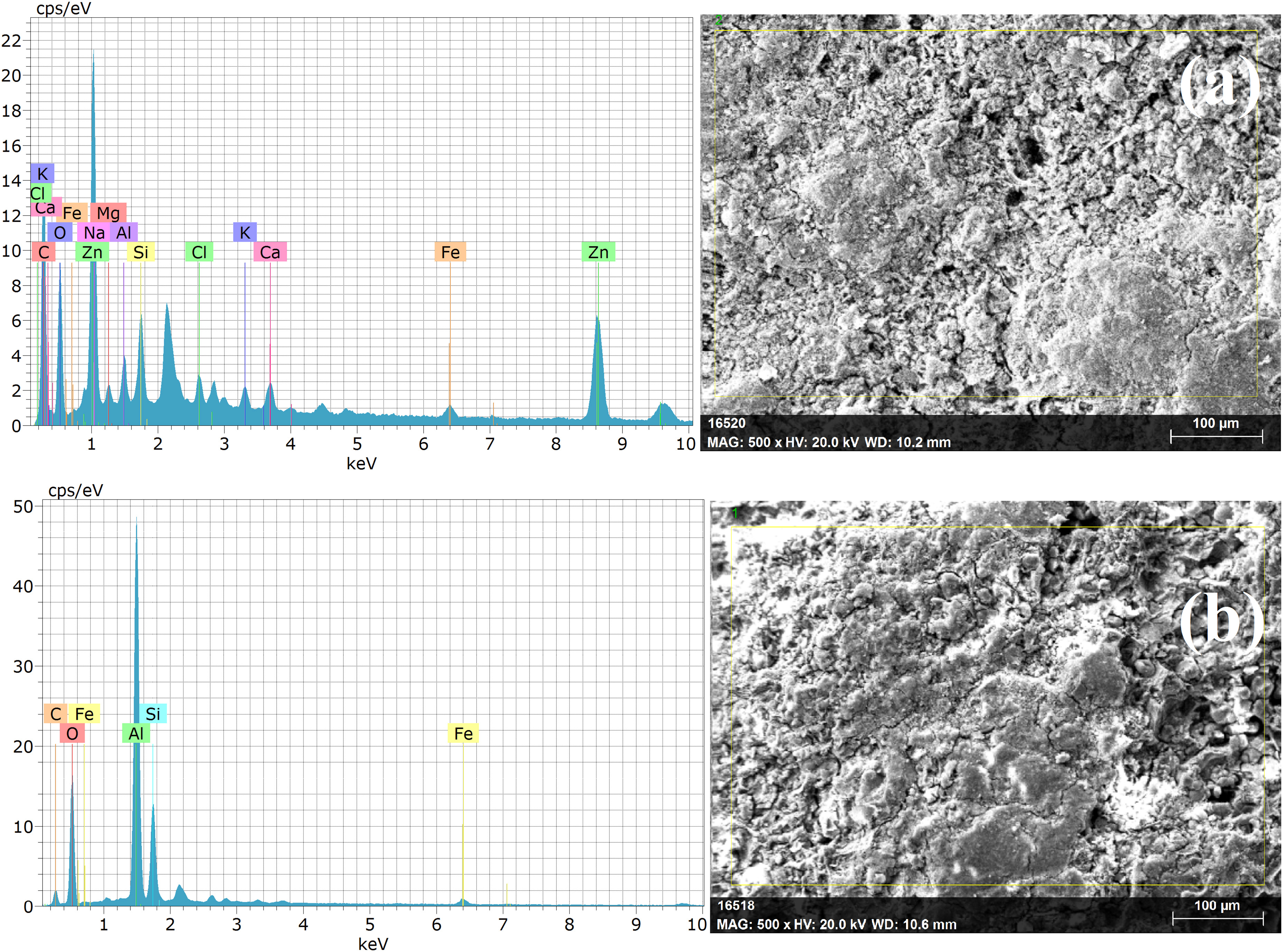
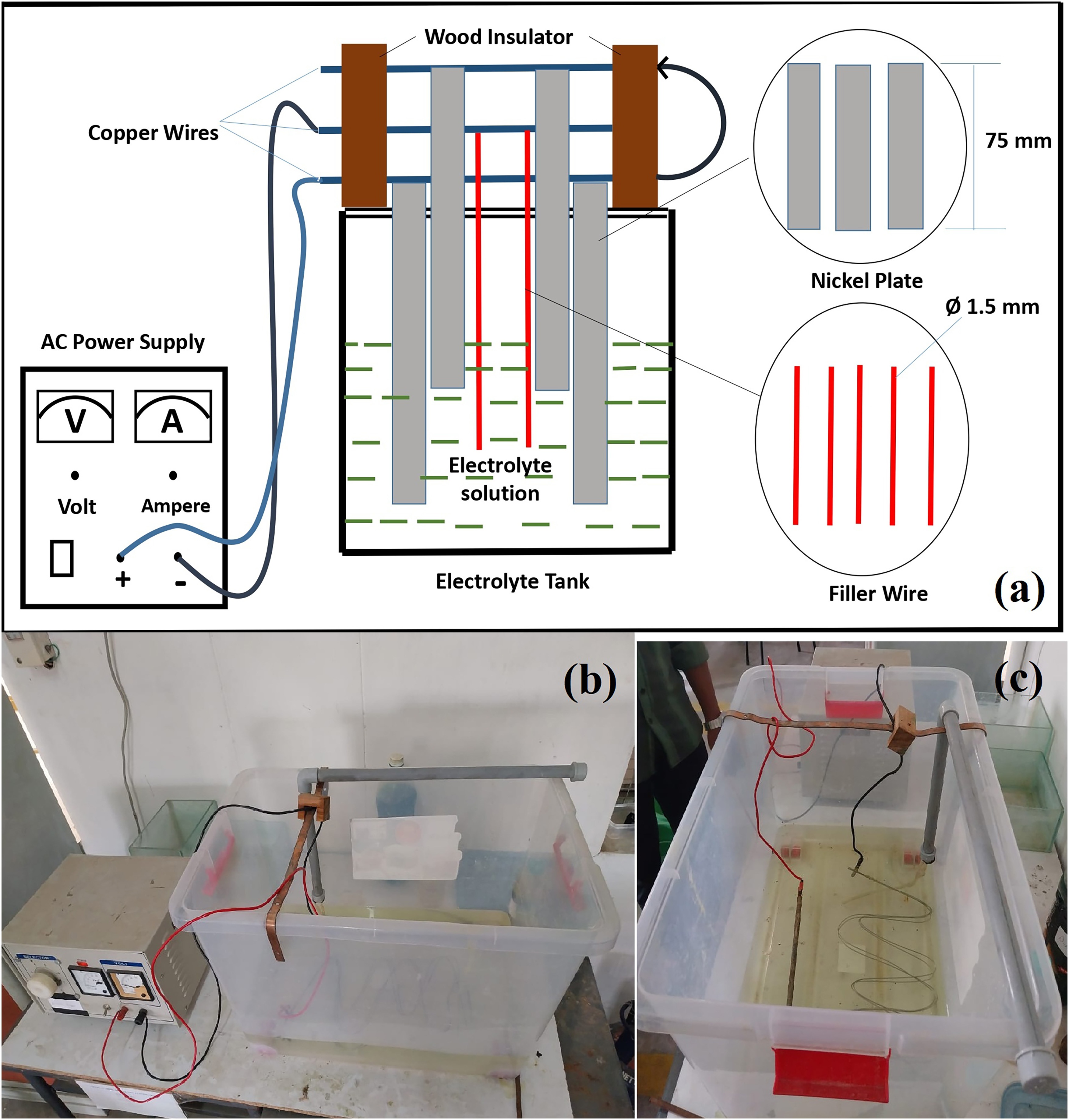
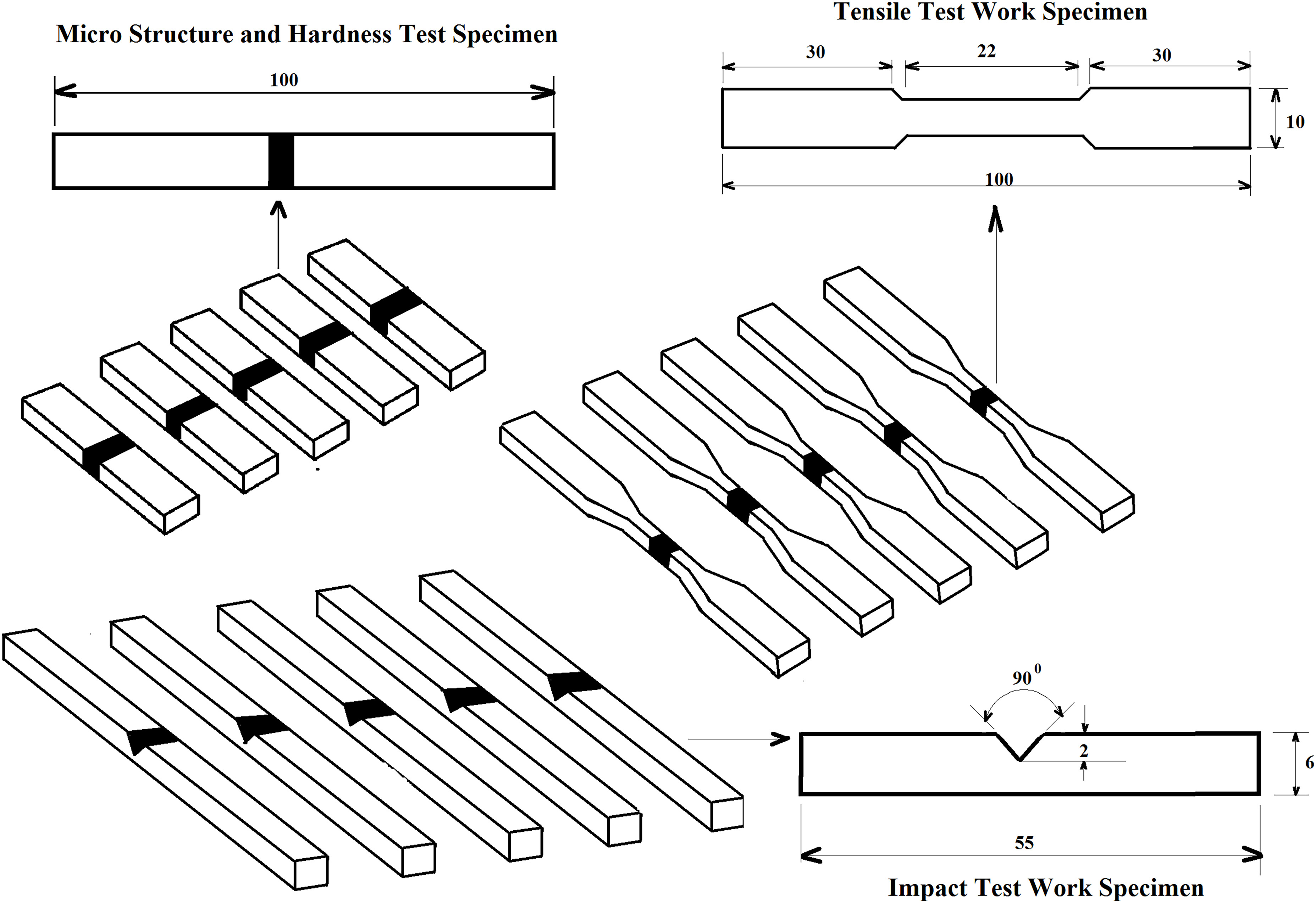
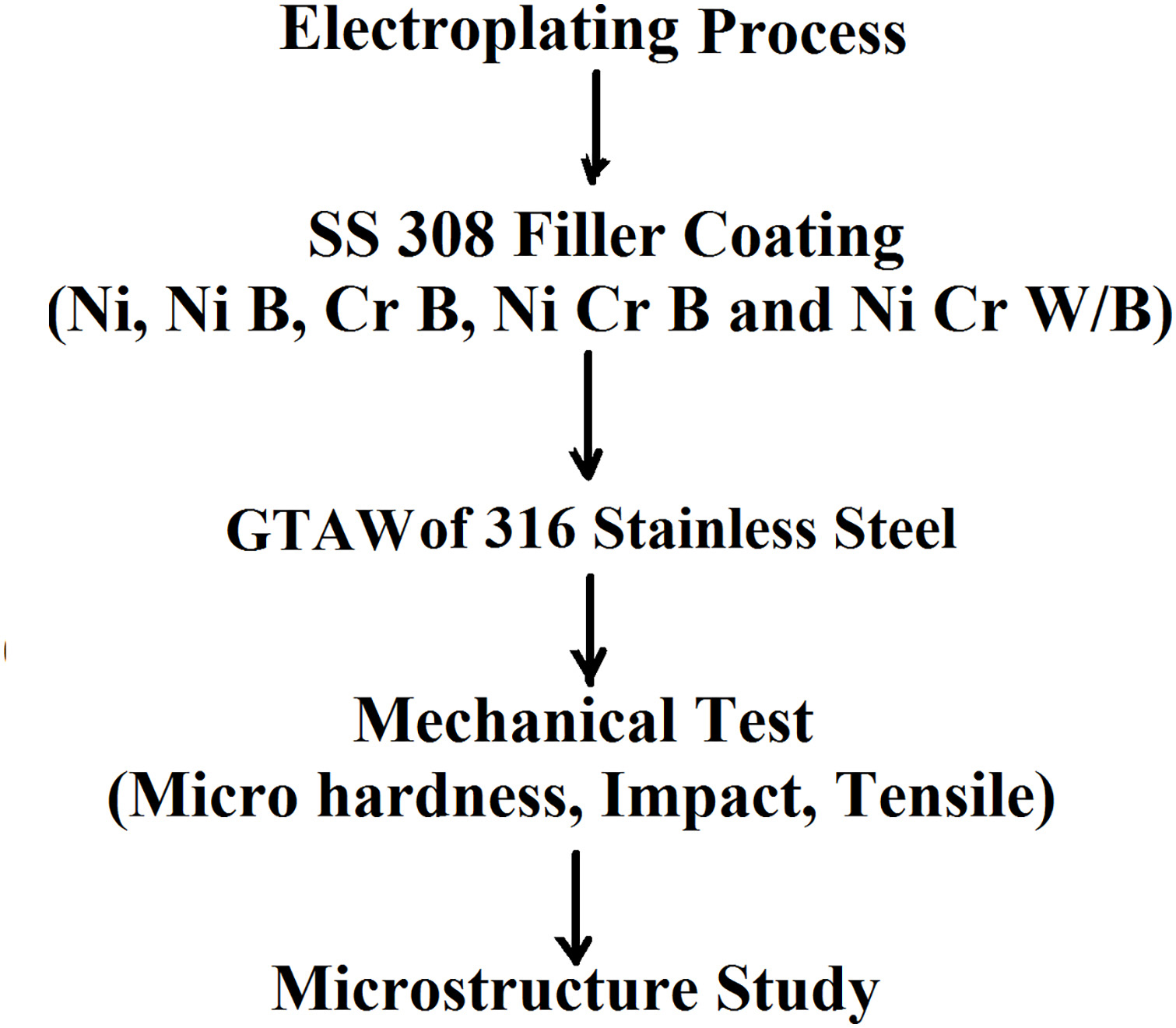
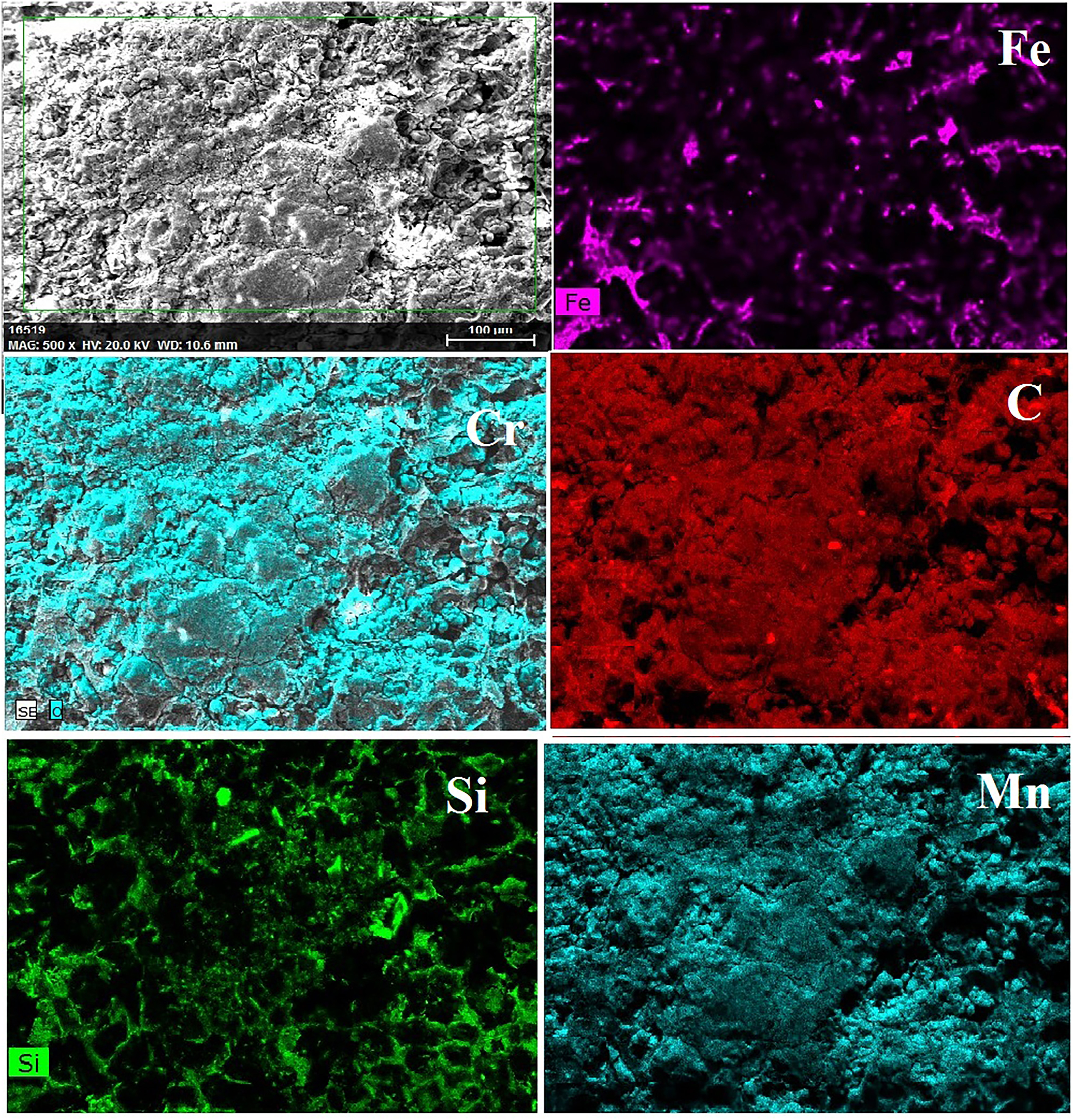
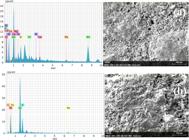
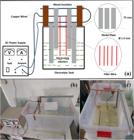
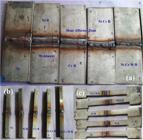
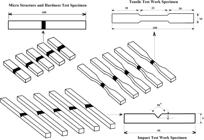
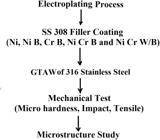
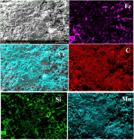
SS 316L stainless steel plates selected as the base material for the present investigation. All welding experiments carried out using manual GTAW setup. The selection of welding parameters done based on an extensive review of literature on SS 316L stainless steel welded joints. The chemical compositions of SS 316L and SS 308L, along with those of the filler materials used in this study, are presented in Table 1 and its SEM Edax analysis presented in Figure 1. Filler metals play critical role in determining weld quality and mechanical performance. In this work, SS 308L filler wires of 1.5 mm diameter were employed. To improve the metallurgical behavior and mechanical properties of the weldments, the filler wires were surface-coated with Nickel (Ni), Chromium (Cr), Boron (B) and Tungsten (W). The coatings applied using an electroplating technique with constant power supply to ensure uniform and homogeneous deposition. A schematic representation of the electroplating setup is shown in Figures 2a and 2b. The coated filler wires were subsequently used for welding the SS 316L plates by the GTAW process. The welding parameters considered in this study include welding current, arc voltage and filler wire diameter and arc length. The selected process parameters corresponding to each coated filler material are summarized in Table 2. Representative photographs of the welded joints produced using different coated filler wires are shown in Figures 3a-c. Following welding, the joints sectioned into individual test specimens using wire-cut electrical discharge machining (WEDM) to minimize thermal and mechanical distortion. Vickers micro hardness measurements carried out at locations 2 mm away from the weld centerline, covering the weld zone, HAZ and base metal in accordance with ASTM E384 [27]. Tensile test specimens prepared as per ASTM E8/E8M-13a and tested using computerized universal testing machine (UTM). Impact toughness of the welded joints was evaluated using V-notch Charpy impact test, with specimens prepared according to ASTM E23 standard dimensions. Microstructural characterization of the weld zone and HAZ performed using SEM. The prepared tensile and impact test specimens of the GTAW weldments are shown in Figure 4. Also, the work process of this experiment presented in Figure 5.
5. RESULT AND DISCUSSION
5.1. Microstructural characteristics of weldments produced using coated filler metals
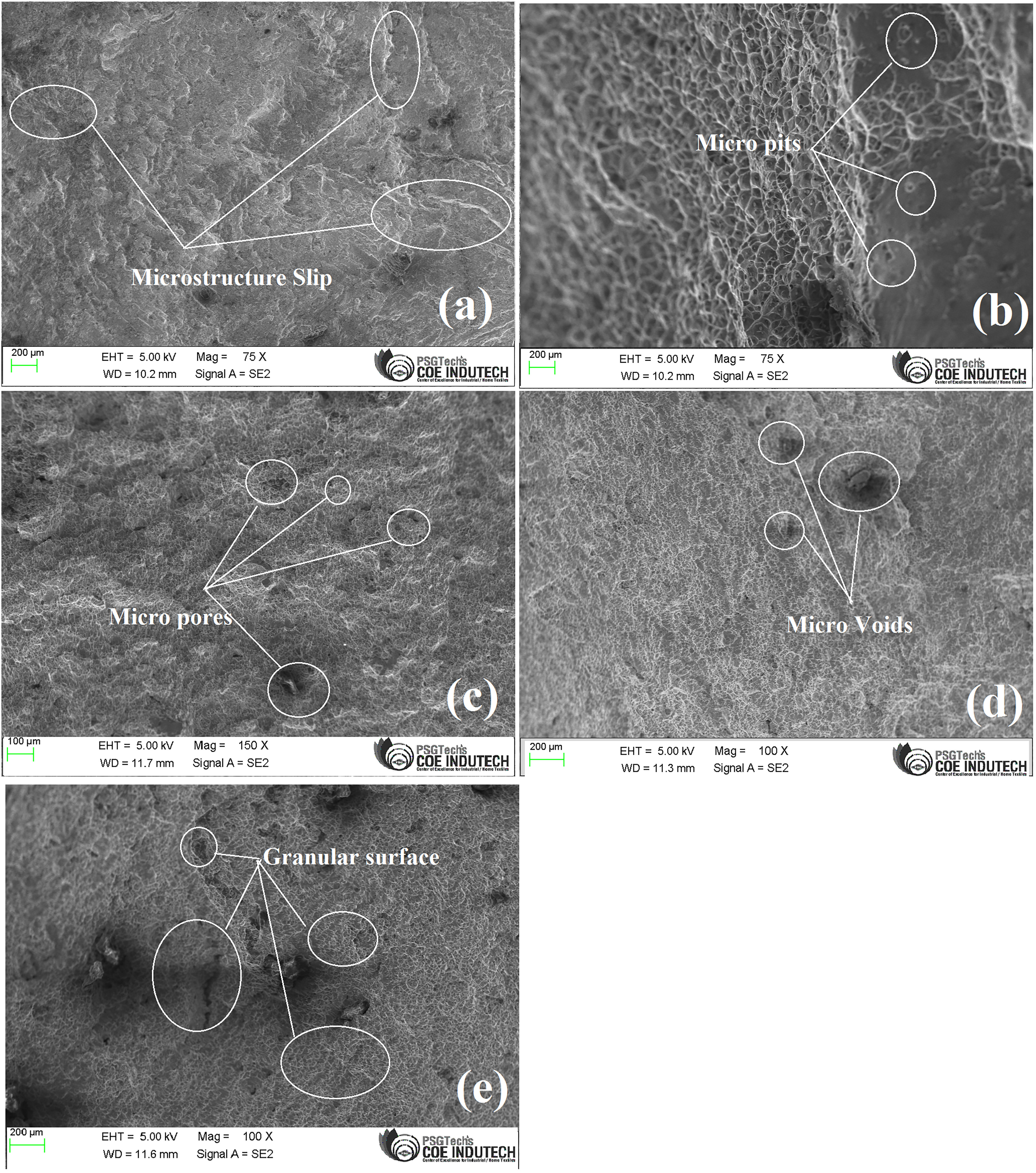
SEM images are employed to investigate the microstructural properties of the welding samples. The welded work samples, which are joined using different metal coated filler wires which are involved in macro-image analysis. The welding spread and uniformity on both sides of the parent metal are found to be homogeneous using all filler materials. The welded work samples for filler metals such as Ni, Ni B, Cr B, Ni Cr B and Ni Cr W/B are displayed in Figures 6a-e. SEM images are taken near the weldment, referred to as the HAZ and over the weldment to reveal microstructural changes. SEM analysis infers that the dispersal of grains size of 0.5 µm due to the high temperature in the GTAW technique enlarges the HAZ on the welding surface which is understood from the white regions adjacent to the weld. The microstructure of various filler material weldments concludes that series joint of coarse grains size of 2 µm with homogeneous grain structure in the HAZ is attained because of the elevated temperature of GTAW [30]. The normal Ni coated filler metal welded work samples are presented in Figure 6a. Uniform and better weldment spread is noticed. When using Ni B coated filler metal, slight micro-voids and micro-cracks are found in the HAZ and weldment, respectively. Welding using Ni B coated filler metal produces inter granular cracks and plain coarse surface in the heat-affected zone, as understood from Figure 6b. The different melting temperatures of Ni and B form wobbled metal surface on the weldment [31]. Figure 6c represents the Cr B coated filler welded work material, which indicates pitting surface and coarse grain boundaries in the weldment and HAZ, respectively. This is due to the differences in melting times of Cr and B, which isolate the lightest material on the top surface and cause coarse grain structure. Figure 6d shows the microstructure of weldments welded using Ni Cr B coated filler rods. Figure 6e displays the SEM image of the HAZ and weldment for the Ni Cr W/B filler wire which includes micro-dimples and voids. This occurs because the higher carbon content in the filler metal requires more time to melt, and melting time difference causes micro-void formation.
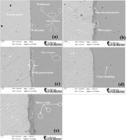
SEM micrographs of the weld metal corresponding to (a) Ni, (b) Ni B, (c) Cr B, (d) Ni Cr B and (e) Ni Cr W/B filler metals.
5.2. Micro hardness characteristics of weldments produced with coated filler metals
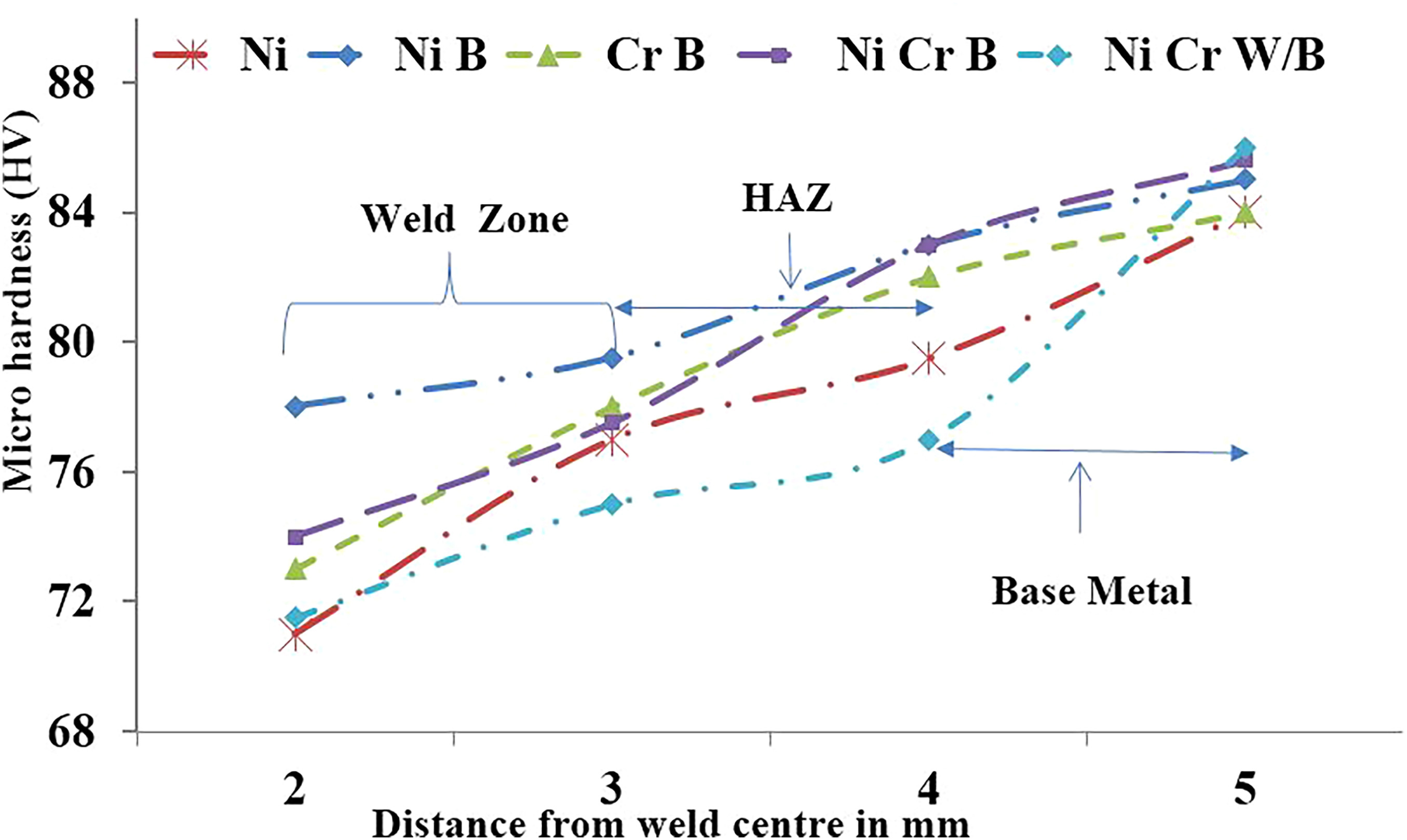
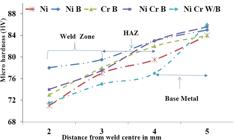
Figure 7 illustrates the micro hardness distribution obtained from different filler wires across the weld zone, HAZ and parent metal and Figure 7 represents the color mapping of elemental analysis on weldment. The corresponding Vickers micro hardness values along with their standard deviations are summarized in Table 3. Among the filler materials studied, the lowest hardness values are recorded for the Ni coated filler wire, while highest values are observed for the Ni Cr W/B coated filler wire. The hardness variation in both the weld region and HAZ is strongly influenced by the evolution of microstructure during welding. As shown in Figure 8, the average micro hardness of welds produced using Ni Cr W/B filler metal is approximately 10.08% higher than that of welds fabricated with conventional Ni coated filler. This value represents the maximum hardness attained among all the filler materials considered. In addition, the HAZ associated with the Ni Cr W/B filler exhibits enhanced hardness compared to the Ni-coated filler, which can be attributed to the combined presence of boron and tungsten enriching the parent metal. The Ni Cr B coated filler wire yields the second-highest micro hardness values. Its mean hardness is about 9.6% greater than that achieved with the Ni-coated filler. For this filler material, the micro hardness values measured in the weld zone and HAZ are 81 HV and 85.9 HV, respectively. The addition of Ni, Cr, and W/B coatings to the 304 filler metal increases its melting time relative to the base metal, promoting microstructural changes through delayed solidification.Consequently, these microstructural modifications contribute to an increase in mean hardness, with the Cr B coated filler showing 7.59% improvement over the Ni-coated filler wire. The incorporation of different coating elements modifies the cooling rate in the heat-affected zone (HAZ), resulting in phase transformation from the base structure to predominantly austenitic microstructure [32]. At elevated temperatures, grain coarsening occurs, leading to a reduction in hardness within the weld region. Hence, in most cases the weld zone exhibits lower hardness than the HAZ and parent metal except for welds produced using specific filler materials.
5.3. Impact of filler metal coatings on the tensile properties of weldments
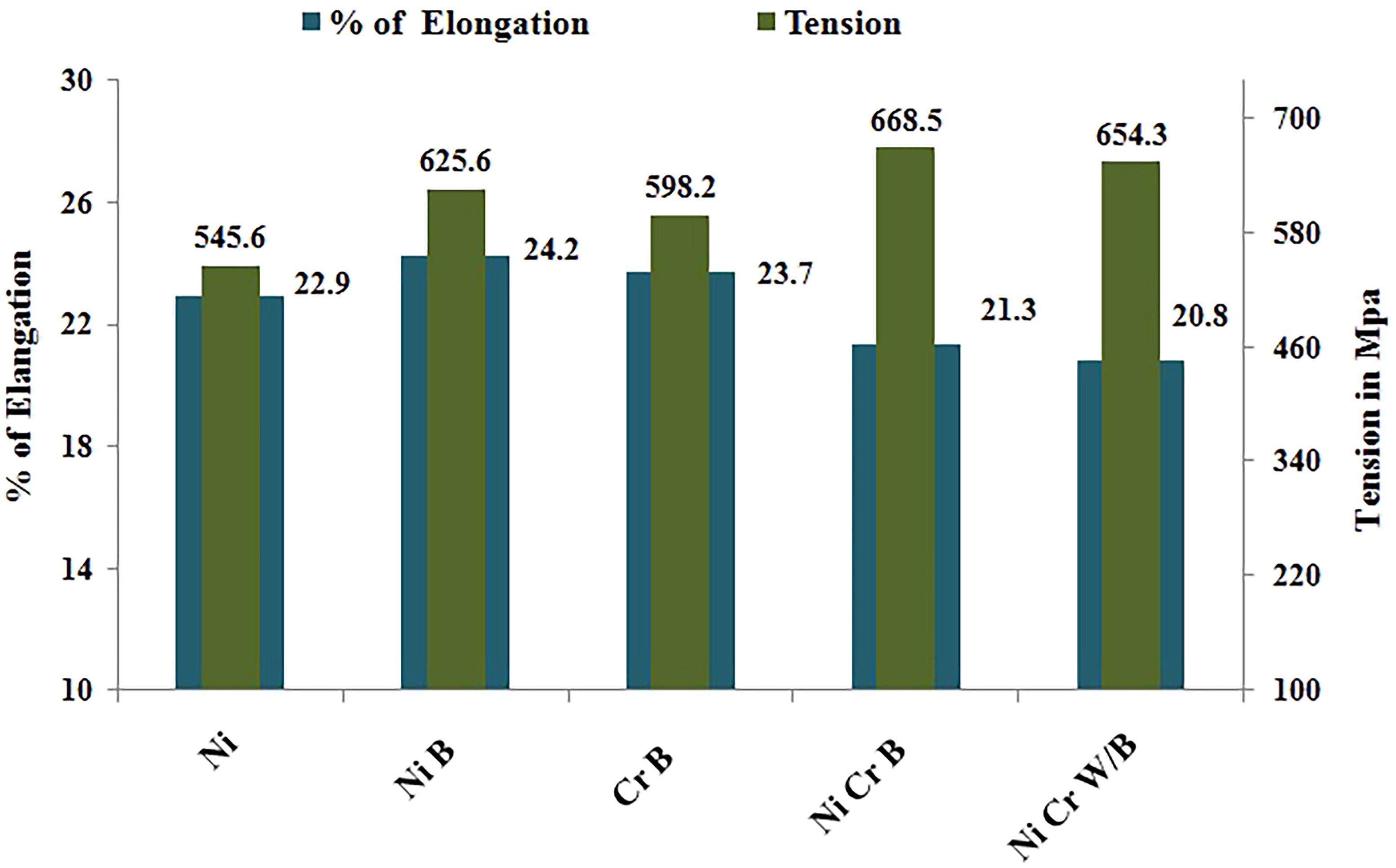
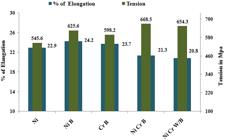
The average tensile strengths of welded specimens fabricated using different filler wires are presented in Figure 9. Welds produced with the single Ni-coated filler wire exhibited tensile strength of 545 MPa. In contrast, SS 316 plates welded using Ni B, Cr B, Ni Cr B, and Ni Cr W/B coated filler wires achieved tensile strengths of 625 MPa, 598 MPa, 668 MPa and 654 MPa, respectively, which are notably higher than that obtained with the plain Ni-coated filler wire [33]. Overall, all coated filler wire combinations resulted in improved tensile strength compared to the Ni-coated filler metal. Among the investigated fillers, the Ni Cr B coated filler wire yielded the second highest tensile strength (654 MPa), while the maximum tensile strength of 668 MPa obtained using the Ni Cr–W/B coated filler wire.
5.4. Impact toughness response of weldments with coated filler metals
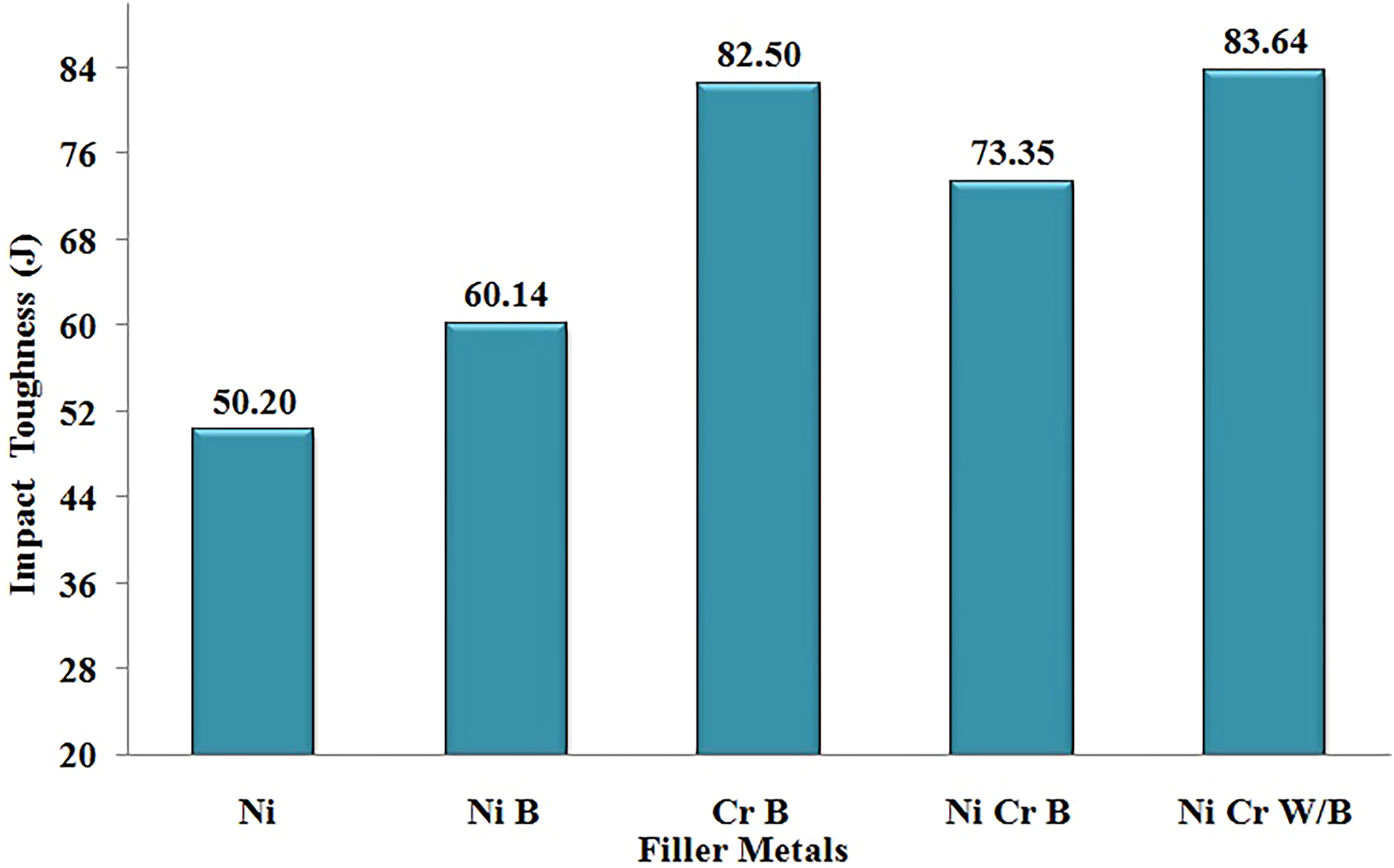
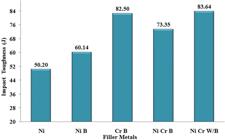
Figure 10 illustrates the impact toughness values of weldments produced using different filler metals. The results clearly indicate that coating the filler metals with nickel enhances creep resistance, which in turn contributes to improved impact toughness [34]. Among the fillers examined, the Ni Cr W/B coated filler metal exhibited the highest impact toughness of 83.64 J and the corresponding fracture surface is shown in Figure 11b. This value represents an improvement of approximately 69% compared to weldments produced using the plain Ni-coated filler metal. The SEM image of the weldment made with the Ni-coated filler metal, presented in Figure 11a, reveals predominantly cleavage features with limited number of dimples, as indicated by white arrows. The Cr B coated filler metal achieved an impact toughness of 82.50 J, ranking second among the investigated fillers and showing 56% increase compared to the Ni-coated filler metal. The fractured surface of the Cr B weldment, shown in Figure 11c, displays fibrous morphology with numerous micro voids, indicating enhanced ductile fracture behavior. This improvement is attributed to the rapid melting of the externally applied nickel coating, which facilitates its diffusion into the weld pool and interaction with base metal elements such as Cr, C and Fe, thereby increasing toughness. According to the results, the Ni Cr B coated filler metal produced an impact toughness of 82.50 J, representing the third highest value among the fillers studied. The presence of alloying elements in SS 308, including Mo, Cr, and S, promotes interaction with nickel to form Mo Ni rich phases, which are known to enhance impact toughness in weldments [35]. This behavior leads to more uniform crack propagation as observed in the fracture surface shown in Figure 11d. Consequently, the transfer of Mo–Ni constituents into the base metal resulted in 28.16% increase in impact toughness compared to the Ni-coated filler metal [36]. The Ni–B coated filler metal exhibited an impact toughness of 60.14 J, which is the lowest among the coated fillers, yet still represents 10.23% improvement over the plain Ni-coated filler metal. This moderate enhancement is attributed to the presence of boron, which facilitates elemental diffusion, particularly of iron, from the filler metal into the base material, thereby marginally improving the toughness of the weldments.
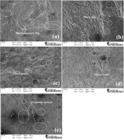
SEM images of fractured surfaces corresponding to different filler metals (a) Ni, (b) Ni B, (c) Cr B (d) Ni Cr B (e) Ni Cr W/B.
6. CONCLUSIONS
Gas Tungsten Arc Welding performance is strongly influenced by the characteristics of the filler material. In this study, filler metals with different coatings namely Ni, Ni–B, Cr–B, Ni–Cr–B, and Ni–Cr–W/B—were investigated. Compared to the plain Ni filler, the Ni–Cr–W/B and Ni–Cr–B coated fillers exhibited more uniform weld formation on both sides of the base metal, whereas the Ni-coated filler showed the least uniformity.SEM analysis indicated that the high temperature of the GTAW process promoted grain diffusion, leading to an expanded heat-affected zone, observed as bright regions near the weld area. Tensile testing revealed that the weld produced using the Ni-coated filler metal achieved tensile strength of 545 MPa. In contrast, weldments produced using Ni–B, Cr–B, Ni–Cr–B and Ni–Cr–W/B coated filler wires exhibited tensile strengths of 625 MPa, 598 MPa, 668 MPa, and 654 MPa, respectively. Among the investigated fillers, the Ni–Cr–B coated filler wire produced the second-highest tensile strength (654 MPa), while the maximum tensile strength of 668 MPa obtained using the Ni–Cr–W/B coated filler wire. Furthermore, the Ni–Cr–W/B coated filler metal demonstrated the highest impact toughness of 83.64 J, representing 69% increase compared to welds produced with the plain Ni-coated filler metal. Based on these results, Ni–Cr–W/B and Ni–Cr–B coated filler wires are recommended for welding SS 316 components where superior mechanical performance and surface quality are required. Future studies may extend this work by welding SS 316 with different base metals using the same filler wires and evaluating their influence on mechanical properties and microstructural behaviour.
7. ACKNOWLEDGMENTS
The authors thank the South India Textile Research Association SITRA, Coimbatore, for providing the FESEM facilities. The authors thank the management of RP Sarathy Institute of Technology, Paavai Engineering College and Muthayammal Engineering College, Tamil Nadu, for the encouragement and support. The authors are grateful to the management of Sona College of Technology, Salem, for providing the optical microscope facilities to verify the weldments.
8. DATA AVAILABILITY
The data supporting the findings of this study are available within the article. No additional datasets were generated or analyzed during the current study.
9. BIBLIOGRAPHY
- [1] CHEN, X., HUA, J., LI, G., “Understanding of the improvement in the strength of TIG-welded 2A12 aluminum joints with TiB2-modified filler wire”, Journal of Materials Engineering and Performance, pp. 1–14, 2025. doi: https://doi.org/10.1007/s11665-025-13091-4.
- [2] VETTUM PERUMAL, S., SUYAMBURAJAN, V., CHIDAMBARANATHAN, V.S., et al, “Characterization of microstructure and mechanical behaviour in activated tungsten inert gas welded dissimilar aa joint of aa 5083 and aa 6061 alloys”, Journal of The Institution of Engineers (India): Series D, v. 105, n. 3, pp. 1865–1873, 2024.
-
[3] PAMPANIA, J., MEWADA, B., BADHEKA, V.J., et al, “Performance analysis of various fluxes in different variants of the TIG welding process on the quality of welding”, Welding International, v. 38, n. 10, pp. 686–694, 2024. doi: https://doi.org/10.1080/09507116.2024.2404119.
» https://doi.org/10.1080/09507116.2024.2404119 -
[4] CHEN, S., ZHOU, Y., ZHANG, N., et al, “Microstructure regulation and tribological response mechanism of β-Si3N4-modified 304 stainless-steel coatings”, Journal of Materials Engineering and Performance, v. 35, n. 19, pp. 18640–18653, 2026. doi: https://doi.org/10.1007/s11665-025-12966-w.
» https://doi.org/10.1007/s11665-025-12966-w -
[5] PENG, J., XIE, S., TIAN, Y., et al, “Numerical simulation and process parameter optimization of laser spot welding for ultra-thin sheets”, Optics & Laser Technology, v. 193, pp. 114240, 2026. doi: https://doi.org/10.1016/j.optlastec.2025.114240.
» https://doi.org/10.1016/j.optlastec.2025.114240 -
[6] REN, K., MA, R., WANG, Z., et al, “Grain size dependence of TiZrNbV spallation and impact-energy-release behavior”, International Journal of Mechanical Sciences, v. 293, pp. 110164, 2025. doi: https://doi.org/10.1016/j.ijmecsci.2025.110164.
» https://doi.org/10.1016/j.ijmecsci.2025.110164 -
[7] BASKORO, A.S., AMAT, M.A., WIDYIANTO, A., et al, “Investigation of weld geometry, mechanical properties, and metallurgical observations of activated flux tungsten inert gas (A-TIG) welding on 304 austenitic stainless steel”, Transactions of the Indian Institute of Metals, v. 77, n. 3, pp. 897–906, 2024. doi: https://doi.org/10.1007/s12666-023-03180-0.
» https://doi.org/10.1007/s12666-023-03180-0 - [8] OLEIWI, A.A., JILABI, A.S.J., “The effects of travel speed of tungsten inert gas cladding of tungsten carbide and nickel composites on the microstructure of stainless steel”, Advances in Science and Technology – Research Journal, v. 18, n. 4, pp. 1, 2024.
-
[9] RAJ, R.A., CHANAKYAN, C., PRABU, D.A., et al, “Surface enhancement on TIG welded dissimilar Al-Mg alloy with ER5356 and scandium composites filler rod”, Materials Research Express, v. 11, n. 8, pp. 086515, 2024. doi: https://doi.org/10.1088/2053-1591/ad71a2.
» https://doi.org/10.1088/2053-1591/ad71a2 -
[10] YOO, S., LEE, Y., CHOI, M., et al, “Enhancing microstructural and mechanical properties of ferrous medium-entropy alloy through cu addition and post-weld heat treatment in gas tungsten arc welding”, Materials, v. 17, n. 1, pp. 181, 2023. doi: https://doi.org/10.3390/ma17010181. PubMed PMID: 38204033.
» https://doi.org/10.3390/ma17010181 -
[11] VAISHNAVAN, S.S., JAYAKUMAR, K., KUMAR, P.N., et al, “Effect of ER5183 filler rod on the metallurgical and mechanical properties of TIG-welded AA5083 and AA5754 joints”, Materials Today: Proceedings, v. 72, pp. 2251–2254, 2023. doi: https://doi.org/10.1016/j.matpr.2022.09.212.
» https://doi.org/10.1016/j.matpr.2022.09.212 -
[12] MURALI, N., ZHENG, S., CHI, Y., et al, “Natural aging of heterogeneous arc-welded AA6061-AA7075 joints with nanocomposite filler”, Science and Technology of Welding and Joining, v. 28, n. 4, pp. 249–258, 2023. doi: https://doi.org/10.1080/13621718.2022.2148066.
» https://doi.org/10.1080/13621718.2022.2148066 -
[13] NAM, H., YOO, S., HA, J.W., et al, “Enhancement of tensile properties of gas tungsten arc welds using Cu-coated CoCrFeMnNi filler and post–weld heat treatment”, Journal of Materials Research and Technology, v. 19, pp. 4857–4866, 2022. doi: https://doi.org/10.1016/j.jmrt.2022.07.023.
» https://doi.org/10.1016/j.jmrt.2022.07.023 -
[14] FANDE, A.W., TAIWADE, R.V., SEKHAR, P.C., “Microstructure, mechanical, and electrochemical evaluation of chrome-manganese stainless steel activated tungsten inert gas welded joint”, Journal of Materials Engineering and Performance, v. 31, n. 11, pp. 9431–9447, 2022. doi: https://doi.org/10.1007/s11665-022-06894-2.
» https://doi.org/10.1007/s11665-022-06894-2 -
[15] ABDOLLAHI, A., NGANBE, M., KABIR, A.S., “On the elimination of solidification cracks in fusion welding of Al7075 by TiC-nanoparticle enhanced filler metal”, Journal of Manufacturing Processes, v. 81, pp. 828–836, 2022. doi: https://doi.org/10.1016/j.jmapro.2022.07.039.
» https://doi.org/10.1016/j.jmapro.2022.07.039 -
[16] ASSEFA, A.T., AHMED, G.M.S., ALAMRI, S., et al, “Experimental investigation and parametric optimization of the tungsten inert gas welding process parameters of dissimilar metals”, Materials, v. 15, n. 13, pp. 4426, 2022. doi: https://doi.org/10.3390/ma15134426. PubMed PMID: 35806551.
» https://doi.org/10.3390/ma15134426 -
[17] SENTHUR VAISHNAVAN, S., JAYAKUMAR, K., “Tungsten inert gas welding of two aluminum alloys using filler rods containing scandium: the role of process parameters”, Materials and Manufacturing Processes, v. 37, n. 2, pp. 143–150, 2022. doi: https://doi.org/10.1080/10426914.2021.1948055.
» https://doi.org/10.1080/10426914.2021.1948055 -
[18] ARAVINDKUMAR, D., THIRUMALAI, R., “Investigations on microstructural characteristics and mechanical properties of 316 L stainless steel welded joints using nickel coated filler material by gas tungsten arc welding”, Materials Research Express, v. 8, n. 4, pp. 046513, 2021. doi: https://doi.org/10.1088/2053-1591/abf3e7.
» https://doi.org/10.1088/2053-1591/abf3e7 -
[19] SIVAKUMAR, J., VASUDEVAN, M., KORRA, N.N., “Effect of activated flux tungsten inert gas (A-TIG) welding on the mechanical properties and the metallurgical and corrosion assessment of Inconel 625”, Welding in the World, v. 65, n. 6, pp. 1061–1077, 2021. doi: https://doi.org/10.1007/s40194-020-01061-4.
» https://doi.org/10.1007/s40194-020-01061-4 -
[20] AFOLALU, S.A., IKUMAPAYI, O.M., EMETERE, M.E., et al, “Investigation of mechanical properties and characterization of a joint using nano flux powder for a-tig welding”, Materials Today: Proceedings, v. 44, pp. 2879–2883, 2021. doi: https://doi.org/10.1016/j.matpr.2021.01.091.
» https://doi.org/10.1016/j.matpr.2021.01.091 -
[21] ANTONY PRABU, D., SUBBAIAH, K., “Microstructure and mechanical behavior of Sc doped filler rod in TIG welding dissimilar Al Mg alloys”, Journal of New Materials for Electrochemical Systems, v. 24, n. 3, pp. 143–150, 2021. doi: https://doi.org/10.14447/jnmes.v24i3.a01.
» https://doi.org/10.14447/jnmes.v24i3.a01 -
[22] MUZAMIL, M., WU, J., SAMIUDDIN, M., “Modified utilization of semi-sectioned tubes as filler coated with MWCNTs–TiO2 in TIG arc welding to recover fusion lost mechanical properties of the weldment”, Journal of the Brazilian Society of Mechanical Sciences and Engineering, v. 41, n. 1, pp. 5, 2019. doi: https://doi.org/10.1007/s40430-018-1504-y.
» https://doi.org/10.1007/s40430-018-1504-y -
[23] RAMKUMAR, K.R., NATARAJAN, S., “Tensile properties and strengthening effects of Al 3003 alloy weldment reinforced with TiO2 nanoparticles”, Composites. Part B, Engineering, v. 175, pp. 107159, 2019. doi: https://doi.org/10.1016/j.compositesb.2019.107159.
» https://doi.org/10.1016/j.compositesb.2019.107159 -
[24] JAYAKRISHNAN, S., CHAKRAVARTHY, P., MUHAMMED RIJAS, A., “Effect of flux gap and particle size on the depth of penetration in FBTIG welding of aluminium”, Transactions of the Indian Institute of Metals, v. 70, n. 5, pp. 1329–1335, 2017. doi: https://doi.org/10.1007/s12666-016-0929-1.
» https://doi.org/10.1007/s12666-016-0929-1 -
[25] ZHOU, M., SHEN, J., HU, D., et al, “Effects of heat treatment on the activated flux TIG-welded AZ31 magnesium alloy joints”, International Journal of Advanced Manufacturing Technology, v. 92, n. 9–12, pp. 3983–3990, 2017. doi: https://doi.org/10.1007/s00170-017-0348-4.
» https://doi.org/10.1007/s00170-017-0348-4 -
[26] SANKARASABAPATHI, S., VELMURUGAN, S., SUBRAMANIAM, S., et al, “Enhanced mechanical and microstructural properties of 2205 duplex stainless steel welded using autogenous gas tungsten arc welding”, Matéria (Rio de Janeiro), v. 30, e20240902, 2025. doi: https://doi.org/10.1590/1517-7076-rmat-2024-0902.
» https://doi.org/10.1590/1517-7076-rmat-2024-0902 - [27] SOUNDARRAJAN, M., PRAKASH, R., DEEPA, D., et al, “Research progress and developments in GTAW process using visual sensing and weld penetration estimation”, In: Thanigaivelan, R., Krishnan, P.K., Muduli, K.S. (eds), New materials, processing and manufacturability: fabrication and processing of advanced materials, Essex, Scrivener Publishing LLC, 2024.
-
[28] KANNAN, P.R., MADESH, S., GANESAN, A.T., et al, “Study on effect of nickel molybdenum coated filler in gas tungsten arc welding”, Chiang Mai Journal of Science, v. 51, n. 2, e2024024, 2024. doi: https://doi.org/10.12982/CMJS.2024.024.
» https://doi.org/10.12982/CMJS.2024.024 -
[29] LEE, H.J., KIM, H., KIM, D., et al, “Microstructure evolution of a Ni–Cr–W superalloy during long-term aging at high temperatures”, Materials Characterization, v. 106, pp. 283–291, 2015. doi: https://doi.org/10.1016/j.matchar.2015.06.018.
» https://doi.org/10.1016/j.matchar.2015.06.018 -
[30] MADESH, S., ARUL, T.G., PERUMAL, V., “Advances in welding techniques for similar and dissimilar materials”, In: Thanigaivelan, R., Krishnan, P.K., Muduli, K., et al (eds), Advanced manufacturing techniques for engineering and engineered materials, London, IGI Global Scientific Publishing, pp. 183–197, 2022. doi: https://doi.org/10.4018/978-1-7998-9574-9.ch011.
» https://doi.org/10.4018/978-1-7998-9574-9.ch011 -
[31] LI, W., LV, G., WANG, Q., “Arc characteristics and weld bead microstructure of Ti-6Al-4V titanium alloy in ultra-high frequency pulse gas tungsten arc welding (UHFP-GTAW) process”, Medžiagotyra, v. 26, n. 4, pp. 426–431, 2020. doi: https://doi.org/10.5755/j01.ms.26.4.22329.
» https://doi.org/10.5755/j01.ms.26.4.22329 -
[32] PALGUNA, Y., SAIRAM, K., KANNAN, A.R., et al, “Effect of post weld heat treatment on the microstructure and mechanical properties of gas tungsten arc welded Al0.3CoCrFeNi high entropy alloy”, Scripta Materialia, v. 241, pp. 115887, 2024. doi: https://doi.org/10.1016/j.scriptamat.2023.115887.
» https://doi.org/10.1016/j.scriptamat.2023.115887 -
[33] TONG, Y., ZHU, G., LIN, S., “Microstructural evolution and strengthening mechanisms of gas tungsten arc welded nickel-based superalloy joints processed by laser powder bed fusion: effects of welding direction and heat input”, Journal of Materials Processing Technology, v. 346, pp. 119098, 2025. doi: https://doi.org/10.1016/j.jmatprotec.2025.119098.
» https://doi.org/10.1016/j.jmatprotec.2025.119098 -
[34] SHEN, C., WANG, C., WEI, X., et al, “Physical metallurgy-guided machine learning and artificial intelligent design of ultrahigh-strength stainless steel”, Acta Materialia, v. 179, pp. 201–214, 2019. doi: https://doi.org/10.1016/j.actamat.2019.08.033.
» https://doi.org/10.1016/j.actamat.2019.08.033 -
[35] CAI, G., HUANG, Y., QING, Y., et al, “Investigation of microstructure and texture evolution of nickel-saving duplex stainless steels containing Y”, Journal of Materials Research and Technology, v. 41, pp. 1551–1562, 2026. doi: https://doi.org/10.1016/j.jmrt.2026.01.109.
» https://doi.org/10.1016/j.jmrt.2026.01.109 - [36] THIRUMALAI, R., KARTHICK, S., GIRIRAJ, M., “Microstructural analysis and optimization of welding parameters for AA1100 welded plates”, Journal of Ceramic Processing Research, v. 23, pp. 221–227, 2022.