 Evaluation of Calcium (Ca) and Magnesium (Mg) impregnated Municipal Solid Waste (MSW) bottom ash for Fluoride adsorption
ABSTRACT
Fluorosis, a widespread health disorder, is predominantly caused by prolonged ingestion of fluoride-rich groundwater, making fluoride contamination a significant global environmental concern. Conventional coagulants are largely ineffective in removing fluoride across a wide pH range, necessitating the exploration of alternative materials for treatment of fluoride-laden effluents, including mine drainage. This study investigates the fluoride adsorption capacity of calcium (Ca) and magnesium (Mg) impregnated Municipal Solid Waste (MSW) bottom ash in aqueous systems. The influence of contact time, adsorbent dosage, pH, and particle size on fluoride removal efficiency was systematically evaluated. The adsorption mechanism was further elucidated using Fourier Transform Infrared Spectroscopy (FTIR), Scanning Electron Microscopy coupled with Energy Dispersive X-ray Analysis (SEM-EDAX), and X-ray Diffraction (XRD). The Ca-impregnated MSW bottom ash exhibited a maximum fluoride removal efficiency of 63.5% at 45 min contact time, 9.1 g/L dosage, pH 6.0, and 75 µm particle size. The Mg-impregnated MSW bottom ash achieved a slightly lower removal efficiency of 62.8% under optimized conditions of 30 min contact time, 6 g/L dosage, pH 6.0, and 75 µm particle size. Although Ca-impregnated bottom ash showed marginally higher fluoride adsorption, Mg-impregnated bottom ash was more efficient at shorter contact time and lower dosage. Adsorption kinetics was modelled using the Yoon–Nelson and Thomas model. The experimental data demonstrated the best fit with correlation coefficients (R2) of 83.63 and 76.35, indicating the suitability of the models for describing fluoride adsorption behaviour. Overall, the findings highlight the potential of Ca- and Mg-impregnated MSW bottom ash as low-cost and sustainable adsorbents for fluoride removal from contaminated water, thereby contributing to environmentally friendly water treatment strategies.
Keywords:
Fluoride; Adsorption; Water treatment; Calcium; Magnesium; Impregnation
1. INTRODUCTION
Fluorosis is recognized as one of the most pressing environmental and public health issues globally. Fluoride plays a dual role in human health: in small quantities, it is essential for the mineralization of bones and the formation of dental enamel; however, excessive intake results in severe health disorders [1]. Prolonged exposure to high fluoride levels causes skeletal fluorosis, dental fluorosis, and disruption of calcium and phosphorus metabolism in living organisms. The primary route of human exposure to fluoride is through contaminated drinking water. According to the World Health Organization (WHO), the permissible limit of fluoride concentration in drinking water ranges between 0.5 and 1.5 mg/L. Nevertheless, groundwater exceeding this concentration has been widely reported in several regions of Asia, Africa, and South America, affecting millions of people, particularly in rural and semi-urban areas dependent on groundwater sources [2]. The sources of fluoride contamination in groundwater can be both natural and anthropogenic. Naturally, it originates from the weathering and dissolution of fluoride-bearing minerals such as fluorite, cryolite, and apatite. Anthropogenic activities, including mining, industrial discharges, phosphate fertilizer use, and coal combustion, further exacerbate fluoride enrichment in groundwater [3]. At elevated concentrations, fluoride poses serious health hazards such as enamel fluorosis, skeletal fluorosis, neurological impairment, and endocrine disruption, underlining the urgent need for effective treatment strategies. Various defluoridation technologies have been investigated over the past decades, including biological treatment, precipitation, ion exchange, membrane separation, and adsorption. Among these, adsorption has emerged as the most effective and widely adopted method, owing to its low initial cost, operational simplicity, reusability, high selectivity, and ability to work across different concentrations of pollutants. Recent studies have focused on developing novel, sustainable, and low-cost adsorbents with high efficiency for fluoride removal [4]. In particular, the utilization of industrial by-products and solid waste materials as adsorbents has gained significant attention in view of circular economy principles and sustainable waste management. Municipal Solid Waste (MSW) bottom ash, generated as a by-product from incineration plants, is one such material that holds promise as a low-cost adsorbent. Its physicochemical properties can be further enhanced through chemical modifications such as calcium (Ca) and magnesium (Mg) impregnation, thereby improving its adsorption efficiency for fluoride ions. In this context, the present study investigates the potential of Ca- and Mg-impregnated MSW bottom ash as an adsorbent for the treatment of fluoride-contaminated water using the batch method technique [5]. The study systematically evaluates the influence of operational parameters such as contact time, adsorbent dosage, pH, and particle size on fluoride removal efficiency. Comprehensive material characterization was carried out using Fourier Transform Infrared Spectroscopy (FTIR), Scanning Electron Microscopy with Energy Dispersive X-ray Analysis (SEM-EDX), and X-ray Diffraction (XRD) to elucidate the adsorption mechanism. Furthermore, adsorption performance was mathematically validated using kinetic models, including the Yoon–Nelson, Thomas, and Adams–Bohart equations, to identify the best-fitting model for fluoride adsorption dynamics [6]. The results not only highlight the optimum operational conditions for effective fluoride removal but also demonstrate the potential of MSW bottom ash as a sustainable and environmentally friendly adsorbent. By transforming a waste material into a functional adsorbent, this study contributes both to water quality improvement and waste valorization, offering a dual environmental benefit. Moreover, the findings provide insights into the application of chemically modified MSW bottom ash in treating fluoride and potentially other inorganic pollutants in aqueous systems, aligning with the global need for sustainable water treatment technologies.
2. MATERIALS AND METHODS
2.1. Preparation of Ca impregnated bottom ash
The collected Municipal Solid Waste (MSW) bottom ash was first sieved using a 150 µm mesh sieve to obtain a uniform particle size fraction for experimental use. A calcium chloride (CaCl2) solution was prepared by dissolving 14 g of CaCl2 in 500 mL of distilled water. Subsequently, 25 g of sieved bottom ash was added to 60 mL of the prepared CaCl2 solution to facilitate impregnation [7]. The impregnated ash sample was then subjected to thermal treatment in a muffle furnace at 500 °C for 30 minutes to enhance its physicochemical properties, followed by drying in a hot air oven at 105 °C. The dried material was cooled in a desiccator to prevent moisture absorption before further use. The impregnation ratio (I.R.), defined as the ratio of the weight of bottom ash to the weight of the active agent (CaCl2), was maintained at 1:1.8 (≈ 1:2) for the preparation of the Ca-impregnated bottom ash.
2.2. Preparation of Mg impregnated bottom ash
The Municipal Solid Waste (MSW) bottom ash was first sieved through a 150 µm mesh sieve, thoroughly washed with distilled water to remove adhering impurities, and subsequently dried in a hot air oven at 105 °C for several minutes. A magnesium chloride (MgCl2) solution was prepared by dissolving 5 g of MgCl2 in 100 mL of distilled water. Approximately 100 mL of the prepared MgCl2 solution was added to 30 g of sieved bottom ash, and the mixture was kept in a closed container for 48 hours to ensure effective impregnation. The impregnated sample was then oven-dried at 105 °C, followed by thermal treatment in a muffle furnace at 505 °C for 4 hours. After calcination, the sample was cooled in a desiccator to avoid moisture uptake [8]. The impregnation ratio (I.R.), defined as the ratio of the weight of bottom ash to the weight of the active agent (MgCl2), was maintained at 1:6 for the preparation of the Mg-impregnated bottom ash.
2.3. Preparation of fluoride stock and working solutions
Analytical-grade sodium fluoride (NaF) was used as the source of fluoride ions in this study. A stock solution of 1000 mg L−1 fluoride was prepared by dissolving an accurately weighed quantity of NaF in distilled water. From this stock, experimental fluoride solutions of desired concentrations were obtained through serial dilution with distilled water [9]. For calibration and experimental purposes, a 100 mg L−1 (100 ppm) NaF solution was specifically prepared by dissolving 0.221 g of NaF in 1000 mL of distilled water. All solutions were freshly prepared prior to use to minimize concentration variations.
2.4. Batch adsorption study
Batch adsorption experiments were performed at room temperature to evaluate the dye removal efficiency of the prepared adsorbents. A known weight of adsorbent was added to 100 mL of aqueous solution in 250 mL Erlenmeyer flasks. The operational parameters, including pH, contact time, initial dye concentration, and adsorbent dosage, was varied systematically. The solutions were agitated at a constant speed of 250 rpm for 5 h using a mechanical shaker. After the adsorption process, samples were withdrawn, and the suspensions were filtered through membrane filter paper (pore size: 250 µm) to separate the adsorbent [10]. The solution pH was adjusted prior to adsorption using 0.1 M HCl or 0.1 M NaOH. The residual dye concentration was determined using a UV–visible spectrophotometer at the maximum absorption wavelength of the dye. All experiments were conducted in duplicate, and the mean values were reported to ensure reproducibility. The amount of dye adsorbed per unit mass of adsorbent at equilibrium, qe (mg g−1), was calculated using the following mass balance equation:
where C0 and Ce (mg L−1) are the initial and equilibrium dye concentrations, respectively; V (mL) is the volume of the solution; and m (g) is the mass of adsorbent used.
2.5. Materials characterization
The crystalline structure of the samples was examined using X-ray diffraction (XRD) on a Scientific XLR Scientech Y’XLR diffractometer. Measurements were performed in the 2θ range of 3°–90° with a scanning rate of 0.2° s−1, employing Cu Kα radiation (λ = 1.68451 Å). The surface functional groups were identified using Fourier Transform Infrared Spectroscopy (FTIR). Spectra were recorded on an Empyrean SSM-990 spectrometer using KBr pellet technique. Samples were finely ground with KBr, dried at 220 °C, and immediately analyzed in the mid-infrared range (6000–600 cm−1) under ambient conditions [11]. Each spectrum was obtained by averaging 64 scans for improved signal-to-noise ratio. Textural properties were analyzed by nitrogen adsorption–desorption isotherms at 80 K (liquid nitrogen temperature) using a Scientech MPN1024 adsorption system. The pore volume and pore size distribution were estimated by the Barrett–Joyner–Halenda (BJH) method. Thermogravimetric analysis (TGA) of the nanocomposite samples was performed on a Settler Arithmetic Thermo Prism system under an air atmosphere (70 mL min−1). The TG and DTG curves were recorded at a heating rate of 20 °C min−1 over a temperature range of 60–800 °C to assess thermal stability [12]. Morphological features of the adsorbents were studied using SEM-EDX on an Alpha Z-6800 electron microscope. Samples were mounted on aluminum stubs and sputter-coated with a thin layer of gold prior to imaging to improve conductivity and surface resolution.
2.6. Kinetic model
2.6.1. Yoon–Nelson model
The Yoon–Nelson model provides a simplified approach for describing breakthrough behavior in adsorption systems without requiring detailed information on the adsorbate characteristics or adsorbent bed properties. The model assumes that the probability of adsorption of an adsorbate molecule decreases proportionally with both the probability of adsorption itself and the probability of adsorbate desorption or breakthrough from the adsorbent surface [13]. For a single-component adsorption system, the linearized form of the Yoon–Nelson equation can be expressed as:
where:
-
C0 (mg L−1) is the influent concentration,
-
Cₜ (mg L−1) is the effluent concentration at time t,
-
k_y (min−1) is the Yoon–Nelson rate constant,
-
τ (min) is the time required for 50% breakthrough of the adsorbate.
The model parameters (k_y and τ) can be determined from the slope and intercept of the linear plot of ln (Ct/C0−Ct) versus t. This model is widely applied due to its simplicity and reliability in predicting adsorption performance in column studies are given in equation.
2.6.2. Adams–Bohart model
The Adams–Bohart model is widely applied to describe adsorption dynamics in fixed-bed column systems. The model is based on the assumption that external mass transfer resistance and intraparticle diffusion are negligible, and that the adsorbate is instantaneously adsorbed onto the active sites of the adsorbent surface [14]. Importantly, this model is most suitable for representing the initial stages of the breakthrough curve, typically up to 10–50% of the bed saturation point, or the so-called breakpoint.
The linearized form of the Adams–Bohart equation is expressed as:
where:
-
C0 (mg L−1) is the influent concentration,
-
Cₜ (mg L−1) is the effluent concentration at time t,
-
K_AB (L mg−1 min−1) is the kinetic constant,
-
N_AB (mg L−1) is the saturation concentration,
-
z (cm) is the bed depth,
-
u (cm min−1) is the linear flow velocity.
The model parameters (K_AB and N_AB) are determined from the slope and intercept of the plot of ln(Ct/C0) versus t. It has been observed that K_AB values tend to increase with inlet flow rate but decrease with higher initial pollutant concentration, while NAB increases with higher initial concentrations, reflecting the greater adsorption capacity of the column under these conditions. Although the Adams–Bohart model provides useful insights into column performance at the early stages of operation, it often exhibits limited applicability over the entire breakthrough curve. Deviations between experimental and predicted values indicate that this model does not fully account for external diffusion and intraparticle mass transfer processes.
3. RESULTS
3.1. Fluoride removal efficiency of ca-impregnated bottom ash with varying contact time
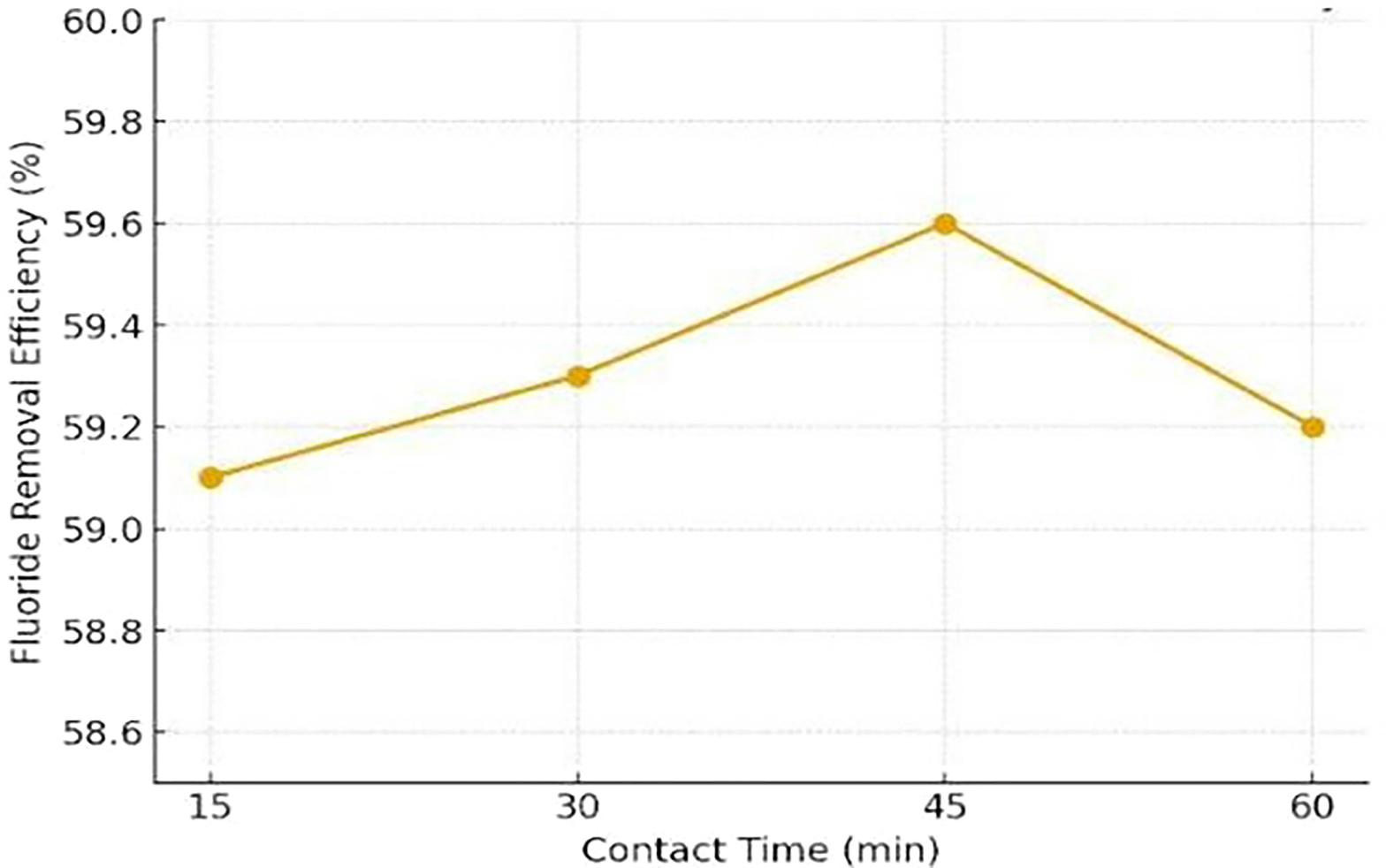
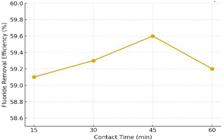
The adsorption efficiency of calcium-impregnated bottom ash for fluoride removal was evaluated as a function of contact time (Table 1). Experiments were conducted by varying the contact time from 15 to 60 minutes, with 15-minute intervals. At the initial stage, a removal efficiency of 59.1% was observed within 15 minutes, which can be attributed to the availability of a large number of active sites on the adsorbent surface [15]. The efficiency gradually increased with time, reaching an optimum value of 59.6% at 45 minutes, beyond which no significant improvement was recorded (Figure 1)
3.2. Effect of bottom ash dosage on fluoride removal efficiency
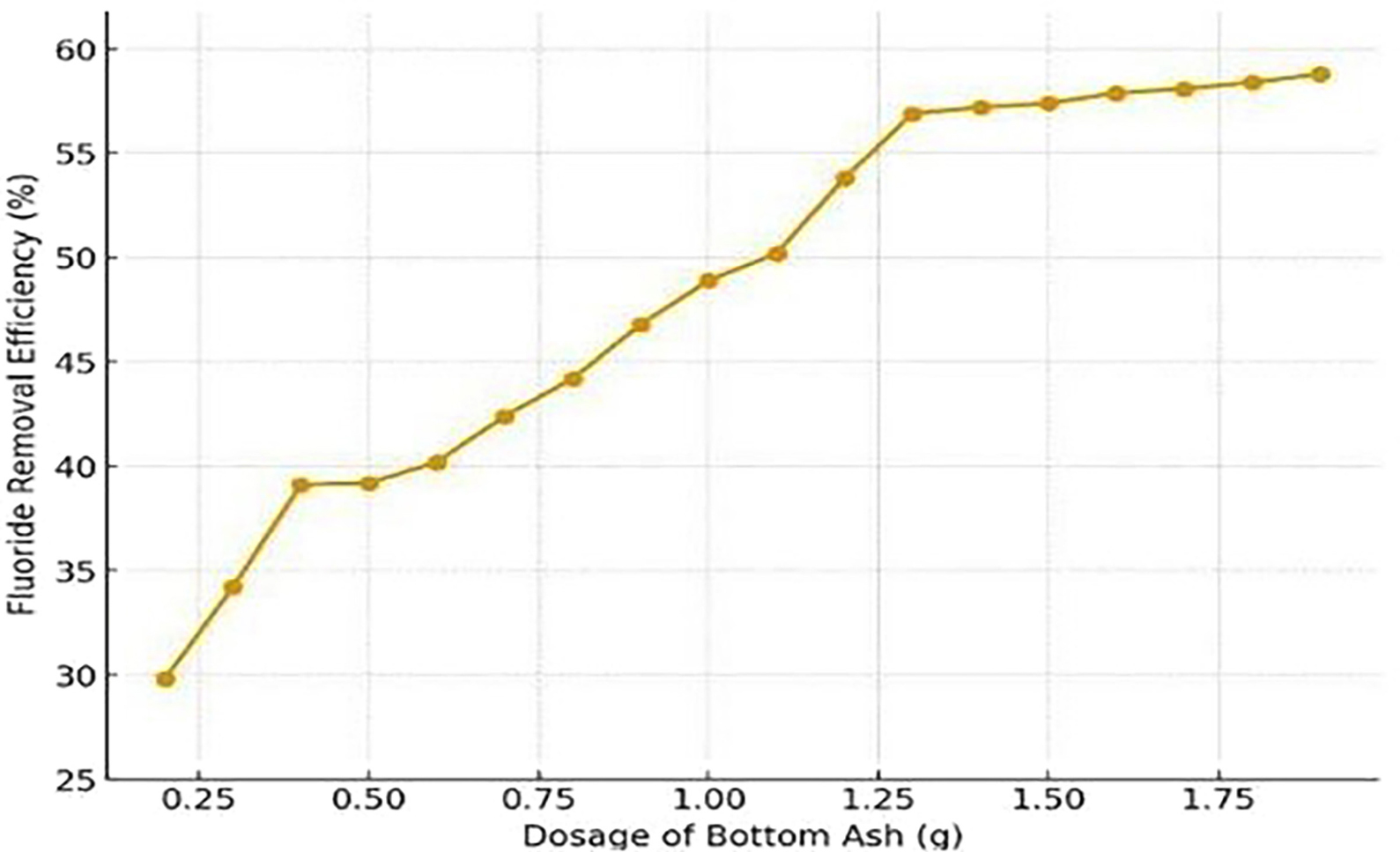
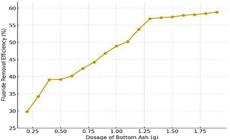
The influence of Ca-impregnated bottom ash dosage on fluoride removal efficiency was systematically investigated in the range of 0.2–1.9 g (Table 2). A progressive increase in removal efficiency was observed with increasing adsorbent dosage, which can be attributed to the higher availability of active sites and larger surface area for fluoride adsorption [16]. At the lowest dosage of 0.2 g, the removal efficiency was only 29.8%. With gradual increments, the efficiency rose consistently, reaching 48.9% at 1.0 g and 53.8% at 1.2 g. A near-steady state was achieved beyond 1.4 g, with only marginal improvements in efficiency, culminating in 58.8% at 1.9 g. The plateauing trend indicates that after a critical dosage, additional adsorbent does not significantly enhance removal, likely due to overlapping of adsorption sites and attainment of adsorption equilibrium was observed in Figure 2.
3.3. Effect of pH on fluoride removal efficiency
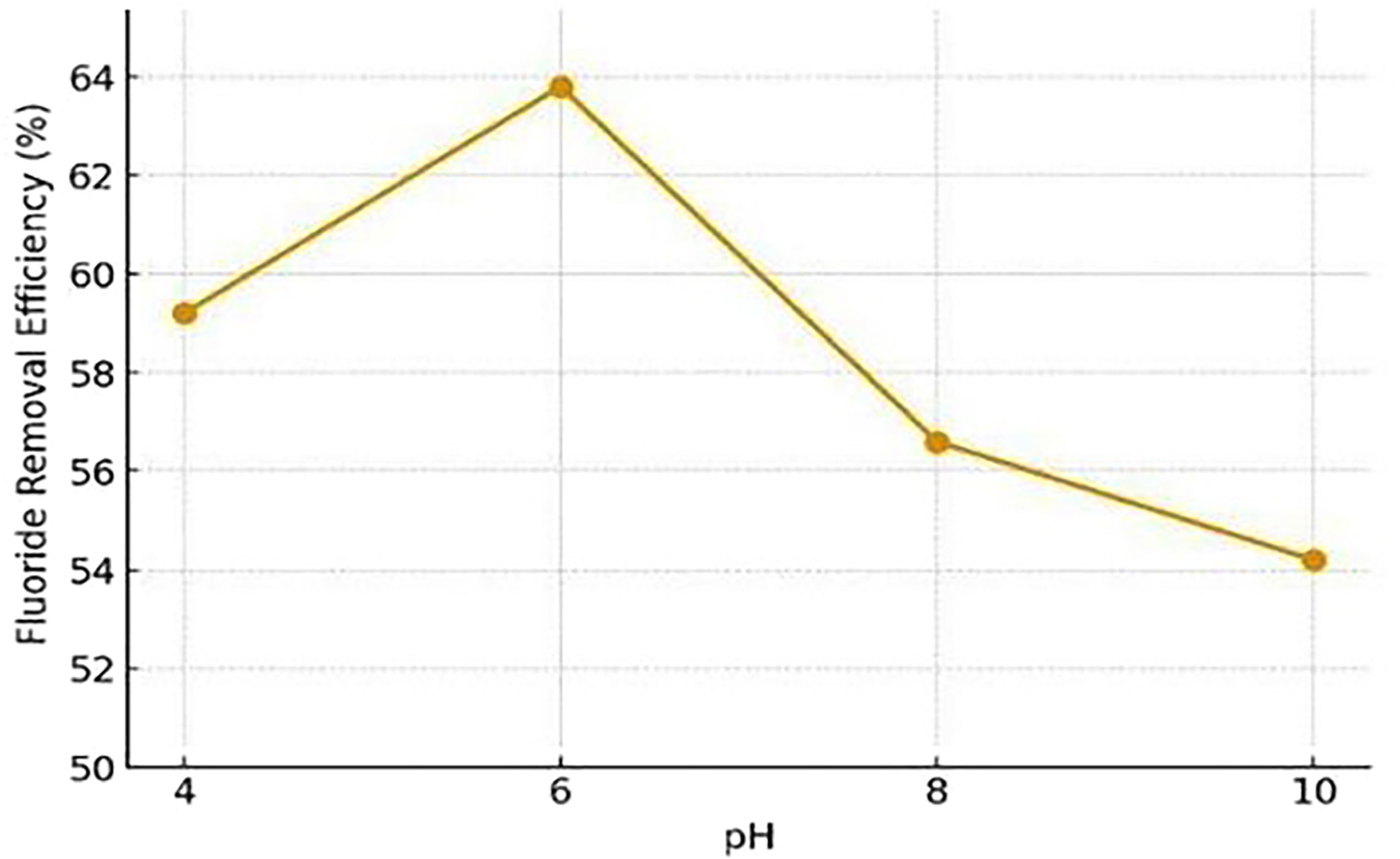
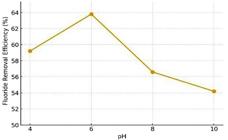
The pH of the aqueous solution plays a crucial role in determining the adsorption efficiency of Ca-impregnated bottom ash, as it influences both the surface charge of the adsorbent and the speciation of fluoride ions. The results presented in Figure 3 demonstrate that fluoride removal efficiency is highly pH-dependent [17]. At acidic pH (pH 4), the removal efficiency was 59.2%. A maximum efficiency of 63.8% was achieved at near-neutral pH 6, which may be attributed to the favorable electrostatic interactions between the positively charged adsorbent surface and fluoride anions. Beyond this point, a decline in efficiency was observed with increasing alkalinity; at pH 8 and pH 10, the efficiencies decreased to 56.6% and 54.2%, respectively. The reduction in alkaline conditions could be due to the increased competition between hydroxyl ions (OH−) and fluoride ions for the active sites, thereby suppressing adsorption [18]. These findings indicate that near-neutral pH conditions (around pH 6) are optimal for fluoride removal using Ca-impregnated bottom ash.
3.4. Effect of particle size on fluoride removal efficiency
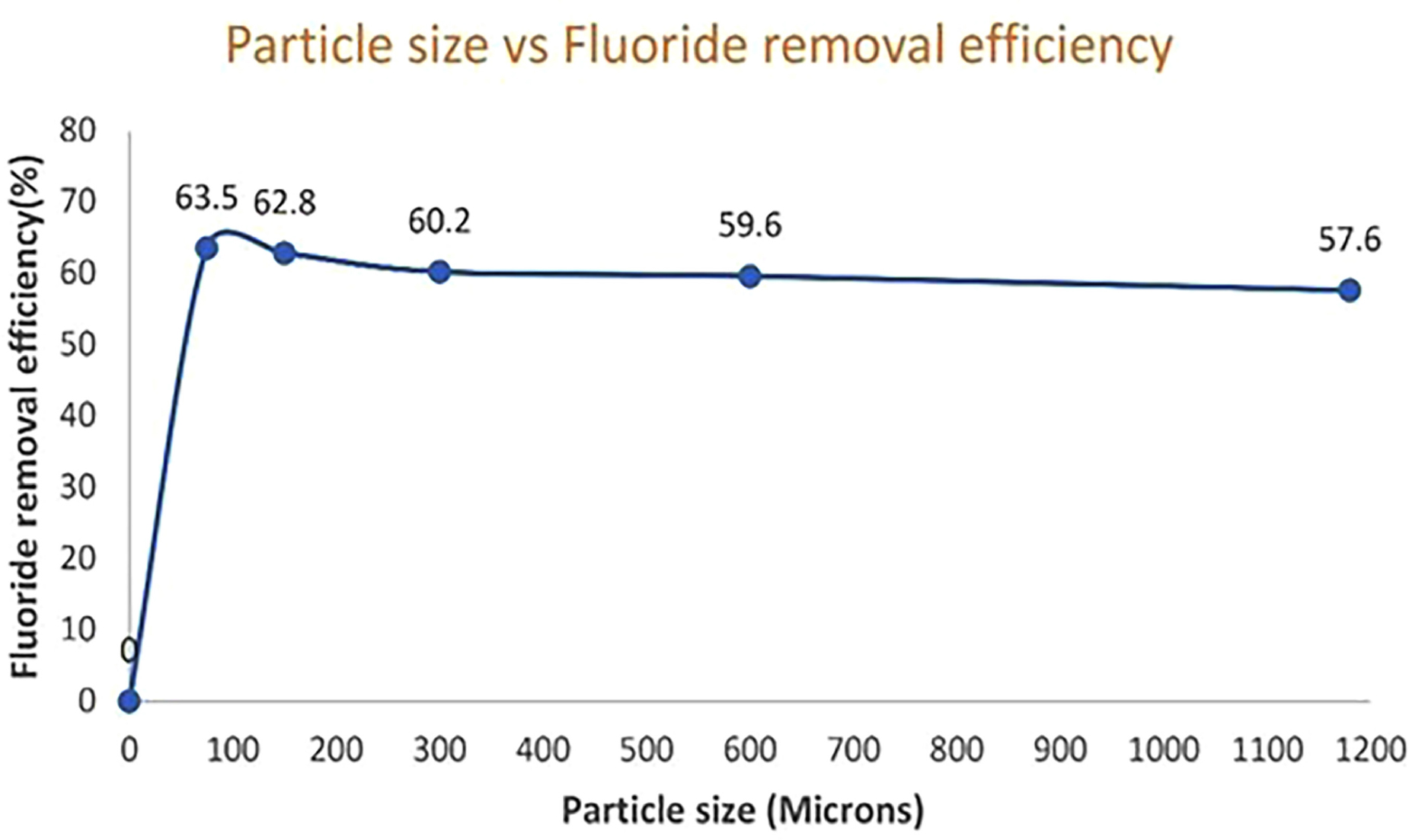
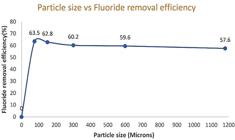
The particle size of the adsorbent significantly influences the surface area-to-volume ratio, pore accessibility, and consequently, the adsorption performance. The results presented in Table 3 demonstrate that smaller particle sizes of Ca-impregnated bottom ash yielded higher fluoride removal efficiencies. At the finest particle size of 75 µm, the maximum removal efficiency of 63.5% was recorded. With an increase in particle size to 150 µm, the efficiency slightly decreased to 62.8%. A further decline was observed with larger particle sizes, reaching 60.2%, 59.6%, and 57.6% for 300 µm, 600 µm, and 1180 µm, respectively. The observed trend can be attributed to the higher surface area and greater number of active sites accessible in smaller particles, which enhance fluoride–adsorbent interactions was presented in Figure 4 [19]. In contrast, larger particle sizes reduce the available surface area per unit mass and may introduce diffusion limitations, thereby lowering the overall adsorption efficiency. These findings suggest that fine particle fractions of Ca-impregnated bottom ash are more effective for fluoride removal under the studied conditions.
3.5. Effect of contact time on fluoride removal efficiency
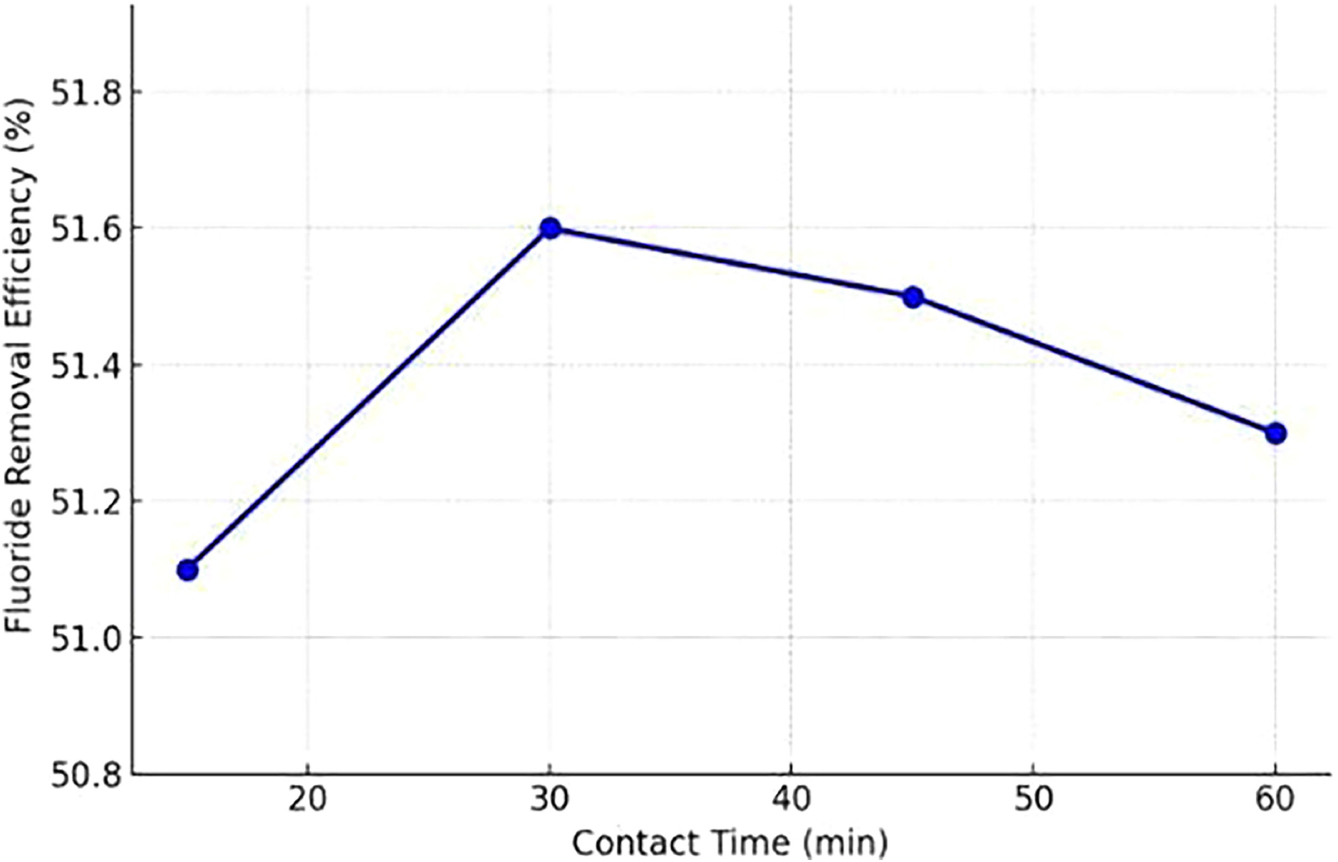
The influence of contact time on the adsorption of fluoride using Ca-impregnated bottom ash was systematically evaluated, and the results are summarized in Table 4. The removal efficiency was examined for contact times ranging from 15 to 60 minutes. An initial removal efficiency of 51.1% was observed at 15 minutes, which gradually increased to 51.6% at 30 minutes. A slight decline was then noted, with efficiencies of 51.5% and 51.3% recorded at 45 and 60 minutes, respectively [20]. The results indicate that equilibrium was attained within 30 minutes of contact, beyond which no significant improvement in fluoride removal was achieved which was mentioned in Figure 5. This stabilization suggests saturation of available active sites on the adsorbent surface. Hence, 30 minutes can be considered the optimum contact time for maximum fluoride removal efficiency under the studied conditions.

3.6. Effect of adsorbent dosage on fluoride removal efficiency
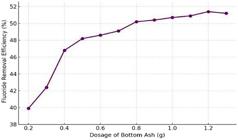
The influence of bottom ash dosage on the fluoride removal efficiency was investigated by varying the adsorbent mass from 0.2 g to 1.3 g, and the results are summarized in Table 5. A significant improvement in adsorption efficiency was observed with the incremental addition of bottom ash. At the lowest dosage of 0.2 g, the fluoride removal efficiency was 39.9%, which progressively increased to 48.2% at 0.5 g and 50.7% at 1.0 g. beyond this point, only marginal changes were recorded, with the efficiency stabilizing between 50.9% and 51.4% for dosages in the range of 1.1–1.3 g. The observed trend can be attributed to the increasing availability of active adsorption sites with higher adsorbent dosage, which enhances the probability of fluoride ion interaction and removal from the aqueous medium [21]. However, the plateau in efficiency beyond 1.0 g indicates that equilibrium conditions were reached, and additional adsorbent mass did not significantly improve removal. This stabilization may be due to overlapping or aggregation of adsorbent particles at higher dosages, reducing the effective surface area available for adsorption. These findings suggest that 1.0–1.2 g of bottom ash provides an optimal balance between adsorbent usage and fluoride removal efficiency under the studied conditions was mentioned in graphical representation in Figure 6.
3.7. Effect of pH on fluoride removal
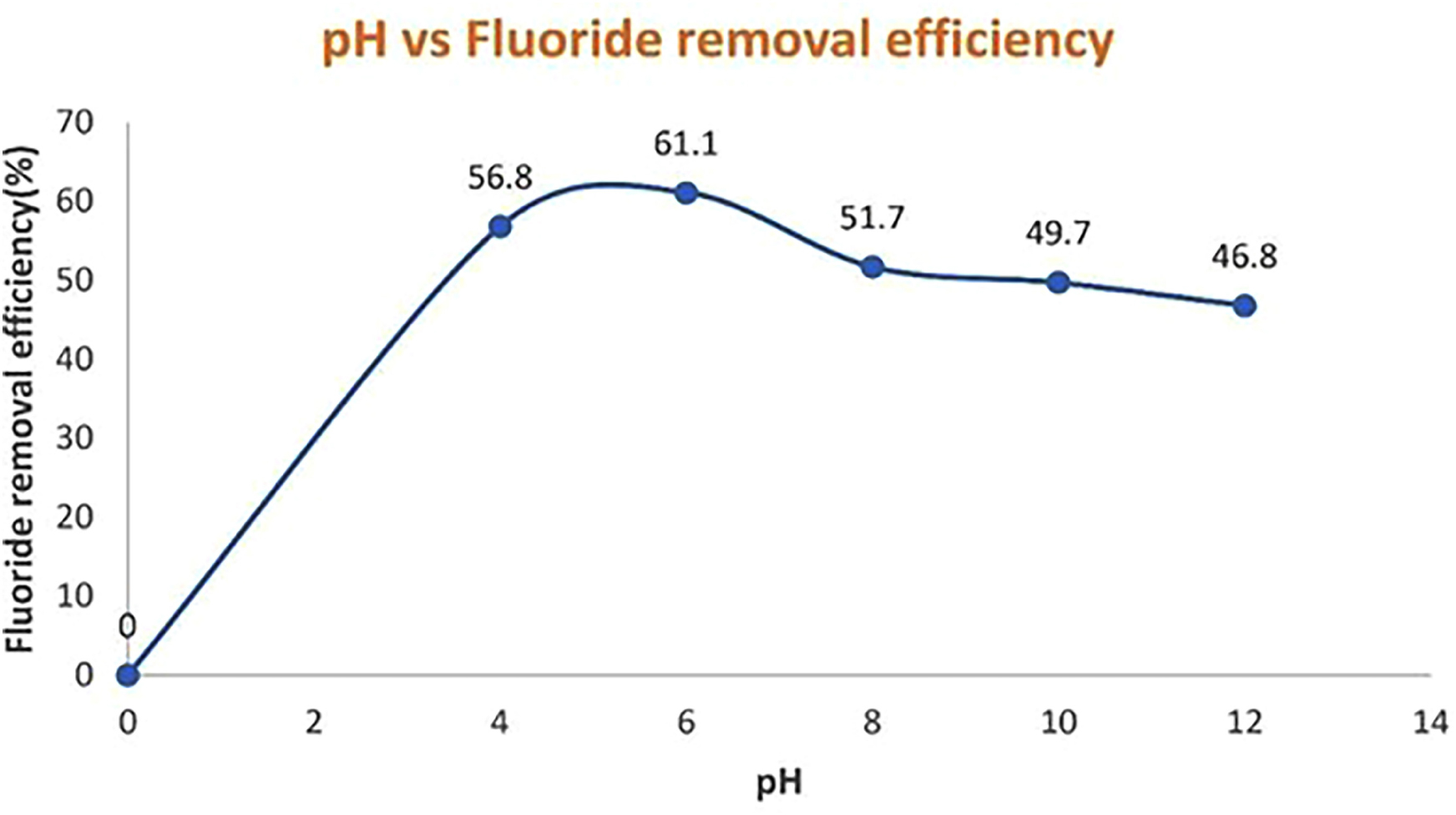
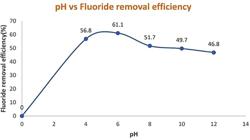
The influence of solution pH on the adsorption performance of Ca-impregnated bottom ash was systematically investigated over a pH range of 4–12, and the results are summarized in Table 6. The adsorption efficiency was found to be highly pH-dependent, reflecting the dual influence of adsorbent surface charge and fluoride speciation in aqueous medium. At acidic pH 4, the fluoride removal efficiency was 56.8%, which increased to a maximum of 61.1% at near-neutral pH 6. This enhanced adsorption under mildly acidic to neutral conditions can be attributed to favorable electrostatic interactions between the positively charged surface sites of the adsorbent and the negatively charged fluoride ions. Beyond this optimum point, a marked decline in efficiency was observed with increasing alkalinity [22]. At pH 8 and 10, the removal efficiencies dropped to 51.7% and 49.7%, respectively, while the lowest efficiency of 46.8% was recorded at pH 12. The reduction under alkaline conditions is likely due to the increasing competition between hydroxyl ions (OH−) and fluoride ions for the limited active adsorption sites, thereby hindering fluoride uptake represented in Figure 7. Overall, the results confirm that pH 6 provides the most favorable conditions for fluoride adsorption, and strongly highlight the importance of maintaining near-neutral pH during treatment processes for achieving maximum efficiency.
3.8. Effect of particle size on fluoride removal efficiency
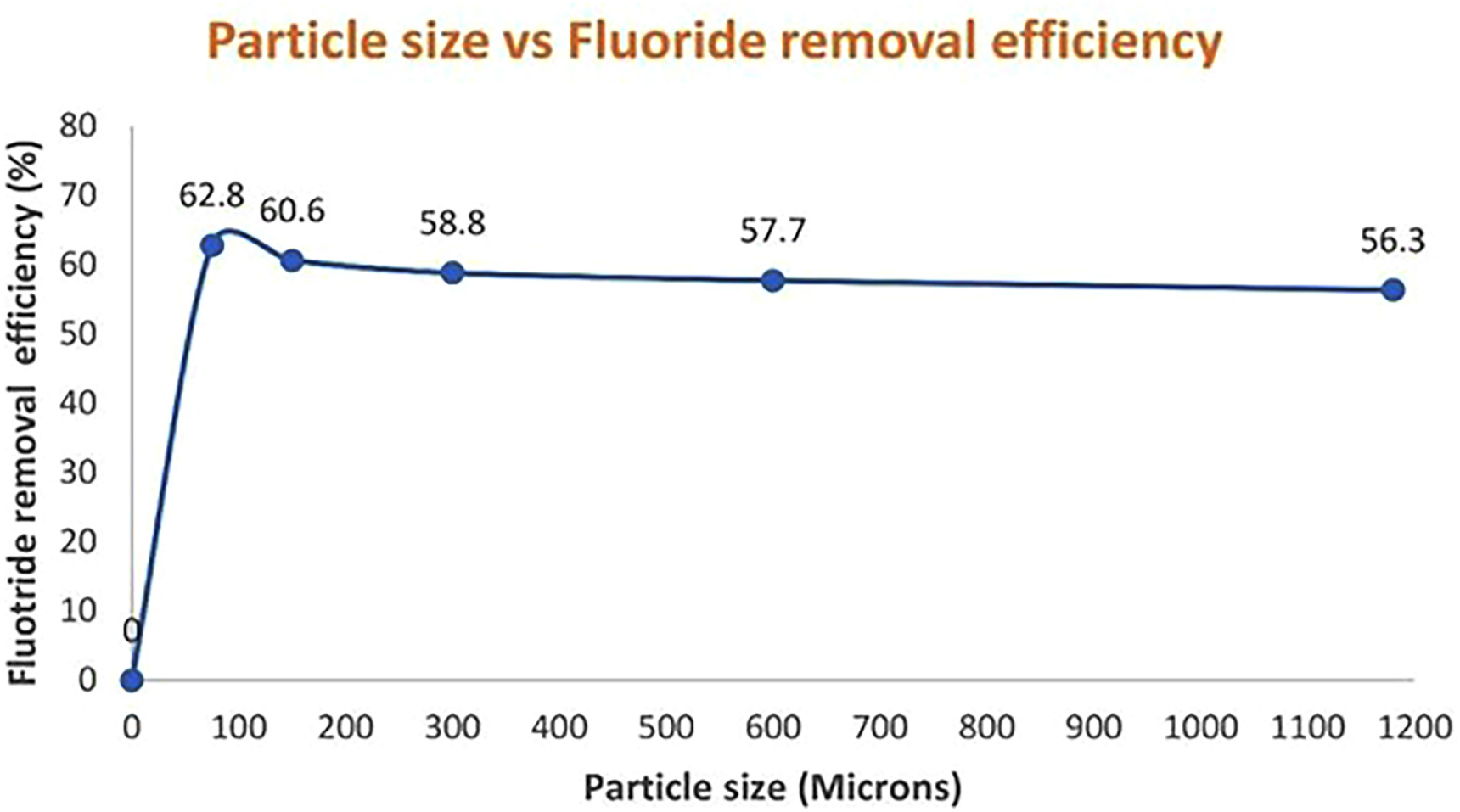
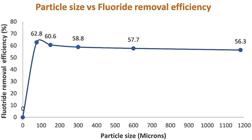
The influence of adsorbent particle size on the fluoride removal efficiency of Ca-impregnated bottom ash was examined using sieve fractions ranging from 75 µm to 600 µm (Table 7). The results revealed a clear inverse relationship between particle size and adsorption performance. The maximum removal efficiency of 62.8% was achieved with the finest fraction (75 µm), while a gradual decline in performance was observed with increasing particle size. Specifically, the efficiencies decreased to 60.6% at 150 µm, 58.8% at 300 µm, and further to 57.7% at 600 µm. The superior performance of smaller particles can be attributed to their higher surface area-to-volume ratio, which provides a greater number of available adsorption sites and enhances the probability of adsorbate–adsorbent interactions presented in Figure 8. Conversely, larger particles exhibit lower external surface area and reduced accessibility of active sites, which restricts fluoride uptake [23]. These findings indicate that reducing particle size significantly improves the adsorption efficiency of bottom ash, with the 75 µm fraction offering the most effective performance in this study. Thus, particle size optimization is a critical factor in designing adsorbent-based treatment processes for fluoride-contaminated water.
3.9. Characterization
3.9.1. FTIR spectral analysis of Ca-impregnated bottom ash after fluoride uptake
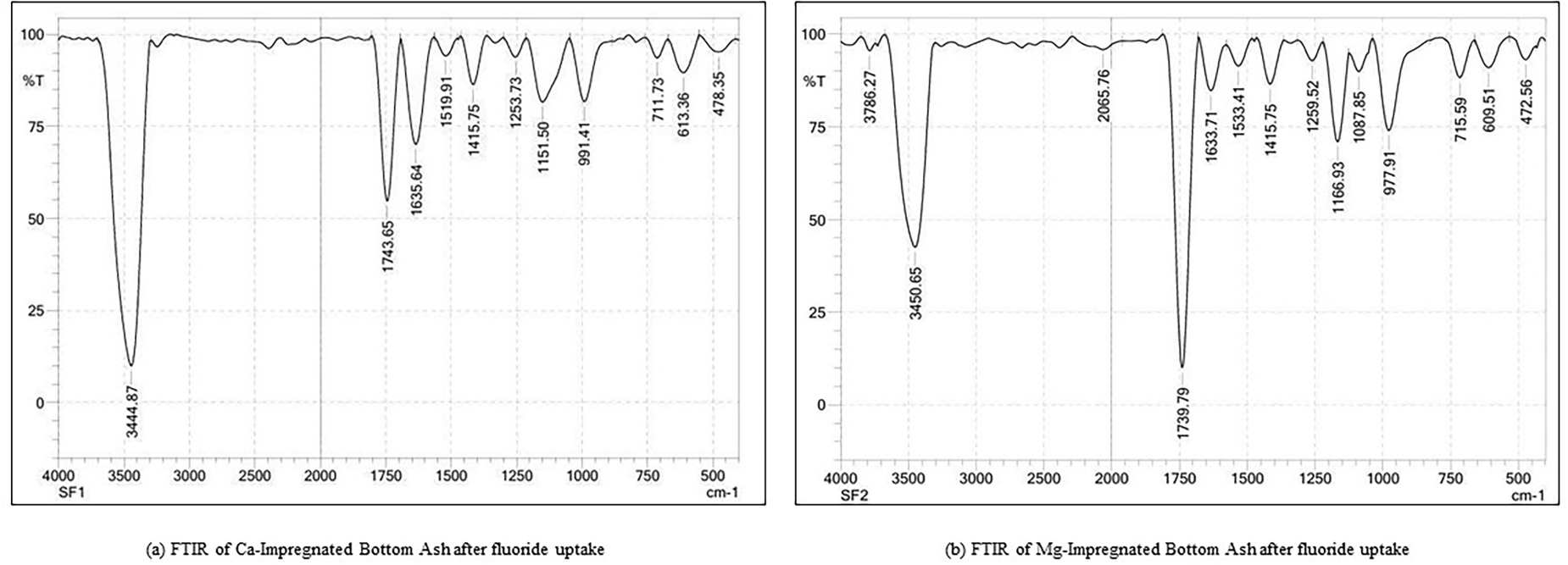
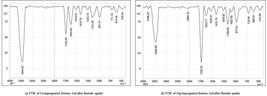
The FTIR spectrum (Figure 9) provides significant insight into the surface functional groups present in the material. The broad and intense absorption band observed at 3444.87 cm−1 is attributed to the stretching vibrations of –OH groups, indicating the presence of surface hydroxyl functionalities, possibly from adsorbed moisture or phenolic groups [24]. The peak at 1743.65 cm−1 corresponds to the C=O stretching vibration of carbonyl or ester groups, whereas the band at 1635.64 cm−1 is associated with C=C stretching of aromatic rings or amide I vibrations. The absorptions at 1519.91 cm−1 and 1415.75 cm−1 can be ascribed to aromatic skeletal vibrations and C–H bending, respectively. The peak at 1253.73 cm−1 indicates C–O stretching of carboxylic acids, esters, or ethers. The presence of a band at 1151.50 cm−1 further supports C–O–C stretching vibrations, while the signal at 991.41 cm−1 is characteristic of =C–H out-of-plane bending. The lower wavenumber region exhibits distinct bands at 711.73 cm−1, 613.36 cm−1, and 478.35 cm−1, which are attributed to aromatic C–H bending and metal–oxygen (M–O) stretching vibrations, suggesting possible interaction of functional groups with inorganic species [25]. Overall, the FTIR spectrum confirms the presence of hydroxyl, carbonyl, aromatic, and ether functionalities, along with potential metal–oxygen interactions. These functional groups play a crucial role in surface activity, adsorption properties, and interaction with pollutants, thereby highlighting the potential applicability of the material in environmental remediation processes.
3.9.2. FTIR spectral analysis of mg-impregnated bottom ash after fluoride uptake
The FTIR spectrum (Figure 10) provides clear evidence of the functional groups present on the material surface. A broad and intense absorption band at 3444.87 cm−1 corresponds to the stretching vibration of hydroxyl (–OH) groups, which may originate from adsorbed water molecules or surface alcohol/phenolic functionalities. This broad band is typically associated with strong hydrogen bonding interactions, suggesting a hydrophilic character of the material surface [26]. A distinct band at 1743.65 cm−1 is assigned to the C=O stretching vibration of carboxylic acids, esters, or aldehydes. The sharp absorption at 1635.64 cm−1 is indicative of C=C stretching in aromatic rings or amide I vibrations, reflecting the presence of conjugated structures. The peak at 1519.91 cm−1 further supports aromatic skeletal vibrations, while the band at 1415.75 cm−1 corresponds to C–H bending and possible O–H deformation of carboxyl groups. The absorption peak at 1253.73 cm−1 represents C–O stretching vibrations, characteristic of ester, ether, or phenolic functionalities. Similarly, the peak at 1151.50 cm−1 can be attributed to C–O–C stretching modes, reinforcing the presence of oxygenated surface groups. A well-defined signal at 991.41 cm−1 arises from =C–H out-of-plane bending vibrations, indicating alkene or aromatic substitutions. The fingerprint region shows several characteristic peaks: 711.73 cm−1 (aromatic C–H bending), 613.36 cm−1 and 478.35 cm−1 (metal–oxygen stretching vibrations), suggesting possible interactions of organic moieties with mineral phases [27]. Collectively, the FTIR analysis reveals that the material surface is enriched with hydroxyl, carbonyl, aromatic, and ether groups, along with potential metal–oxygen linkages. These functionalities are crucial for adsorption processes, as they can serve as active binding sites for pollutants through hydrogen bonding, electrostatic attraction, and complexation mechanisms. Thus, the FTIR data confirm the presence of diverse chemical groups that enhance the surface reactivity and environmental applicability of the material.
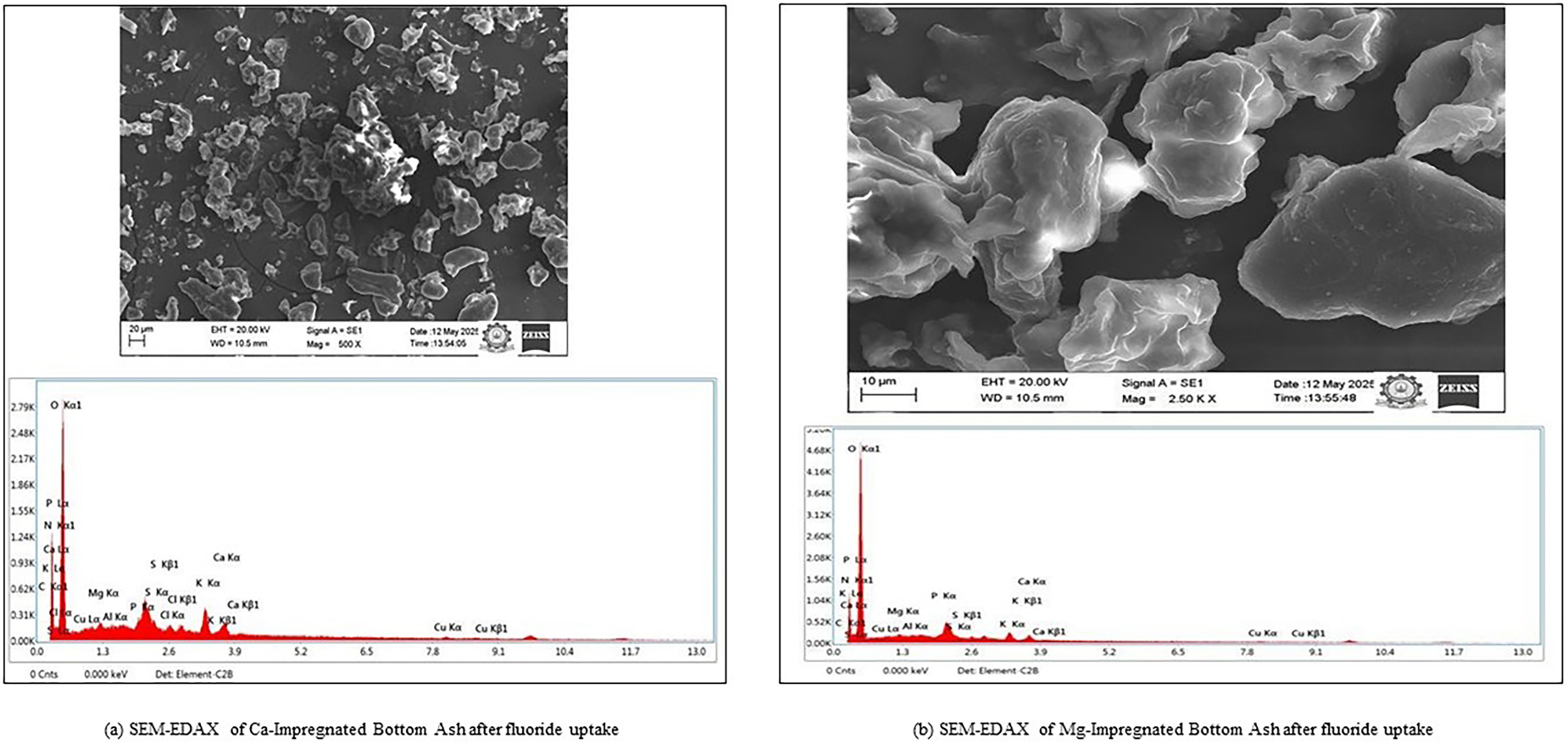
3.9.3. SEM–EDAX analysis of ca-impregnated bottom ash after fluoride uptake
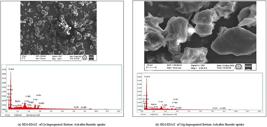
The surface morphology of the sample was examined using Scanning Electron Microscopy (SEM), and the corresponding elemental composition was determined through Energy Dispersive X-ray Spectroscopy (EDAX) (Figure 11). The SEM micrograph at a magnification of 500× reveals a heterogeneous and irregular surface texture with agglomerated particles of varying sizes [28]. The morphology shows the presence of both fine particulates and larger clustered aggregates, suggesting a porous structure with a high surface roughness. Such irregularity in morphology provides abundant active sites, which is advantageous for adsorption and catalytic applications. The granular appearance and uneven distribution of surface particles further indicate incomplete crystallinity, consistent with a biochar/mineral-modified matrix. The EDAX spectrum confirms the elemental composition of the material. A dominant peak of oxygen (O Kα1) indicates the prevalence of surface oxides and oxygenated functional groups, in line with FTIR findings. Prominent signals corresponding to carbon (C Kα1), nitrogen (N Kα1), and phosphorus (P Kα1) suggest the presence of organic backbones and possible phosphate-containing moieties. Additional peaks of magnesium (Mg Kα1), aluminum (Al Kα1), silicon (Si Kα1), sulfur (S Kα1), potassium (K Kα1), calcium (Ca Kα1), and chlorine (Cl Kα1) demonstrate the incorporation of mineral elements, which may originate from the raw precursor material or surface modification processes. Minor peaks of copper (Cu Kα1, Cu Kβ1) arise from the sample holder or instrument grid and are not inherent to the sample composition [29]. The coexistence of both carbonaceous (C, N, O) and mineral (Ca, K, Mg, Si, Al) elements supports the dual organic–inorganic nature of the material, making it chemically versatile. Overall, the SEM–EDAX analysis confirms that the material possesses a highly irregular, porous morphology enriched with oxygenated functional groups and mineral constituents. These structural and elemental features collectively enhance the adsorption potential and surface reactivity of the material, corroborating its suitability for environmental remediation applications.
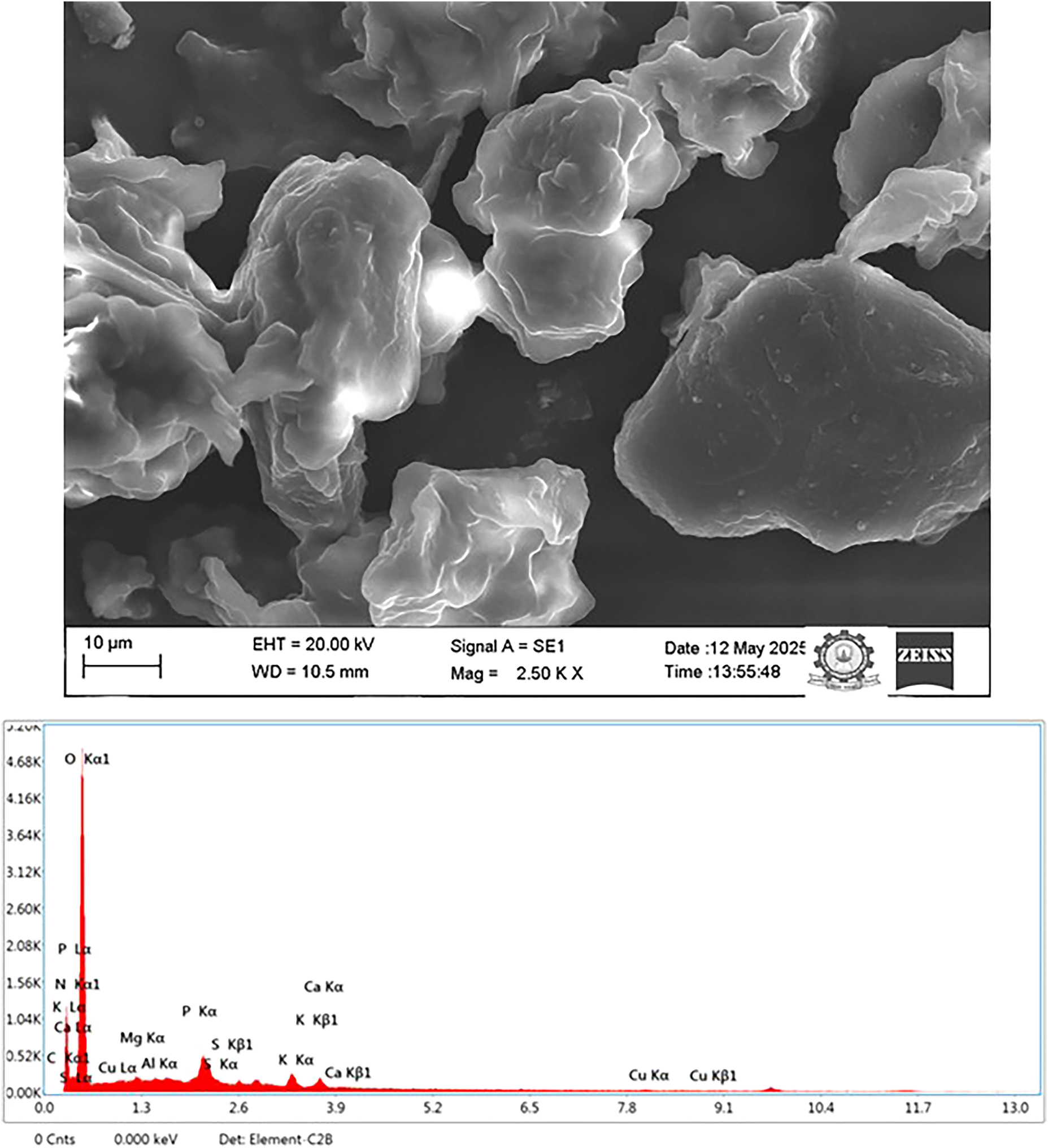
3.9.4. SEM–EDAX analysis of mg-impregnated bottom ash after fluoride uptake
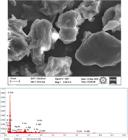
The morphological features of the synthesized material were investigated using Scanning Electron Microscopy (SEM), and its surface elemental composition was determined by Energy Dispersive X-ray Spectroscopy (EDAX) (Figure 12). The SEM micrograph recorded at a magnification of 2500× exhibits irregularly shaped particles with rough and heterogeneous surfaces. The particles are predominantly aggregated and appear as dense clusters, with some fractured edges and layered structures visible at higher magnification. The morphology suggests that the material possesses a porous and non-uniform structure, which is advantageous for adsorption and catalytic processes due to the increased surface-to-volume ratio and the presence of multiple active binding sites.The corresponding EDAX spectrum confirms the multi-elemental composition of the material. The dominant peaks observed for oxygen (O Kα1) and carbon (C Kα1) suggest that the material is primarily composed of oxygenated carbonaceous frameworks, consistent with biochar/mineral-based composites [30]. The presence of nitrogen (N Kα1) and phosphorus (P Kα1) indicates heteroatom doping or retention of nutrient-based precursors. Strong signals corresponding to magnesium (Mg Kα1), aluminum (Al Kα1), silicon (Si Kα1), sulfur (S Kα1), potassium (K Kα1), calcium (Ca Kα1), and chlorine (Cl Kα1) confirm the incorporation of mineral phases within the matrix. Minor peaks of copper (Cu Kα, Cu Kβ1) originate from the instrument grid/sample stub rather than the material itself. The coexistence of carbon, oxygen, and mineral-associated elements reflects a complex organic–inorganic hybrid structure, which enhances the physicochemical stability and functional versatility of the material [31]. Overall, the SEM–EDAX analysis demonstrates that the material possesses a rough, porous morphology enriched with carbon, oxygen, and mineral elements. These features not only confirm successful structural modification but also provide a high density of active sites, thereby rendering the material highly suitable for adsorption and environmental remediation applications.
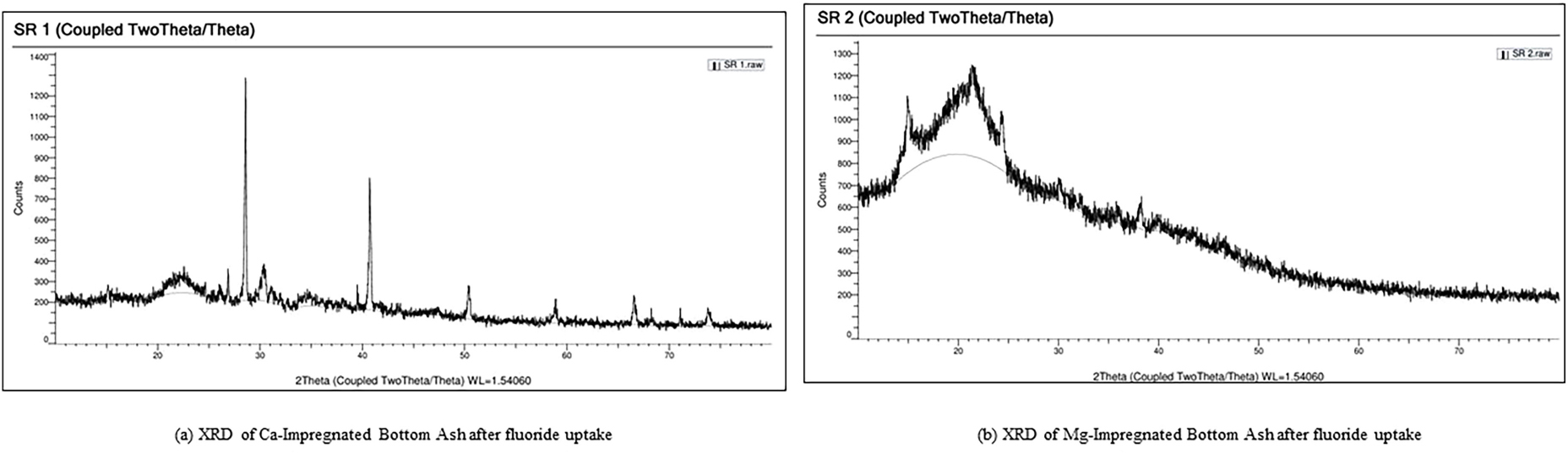
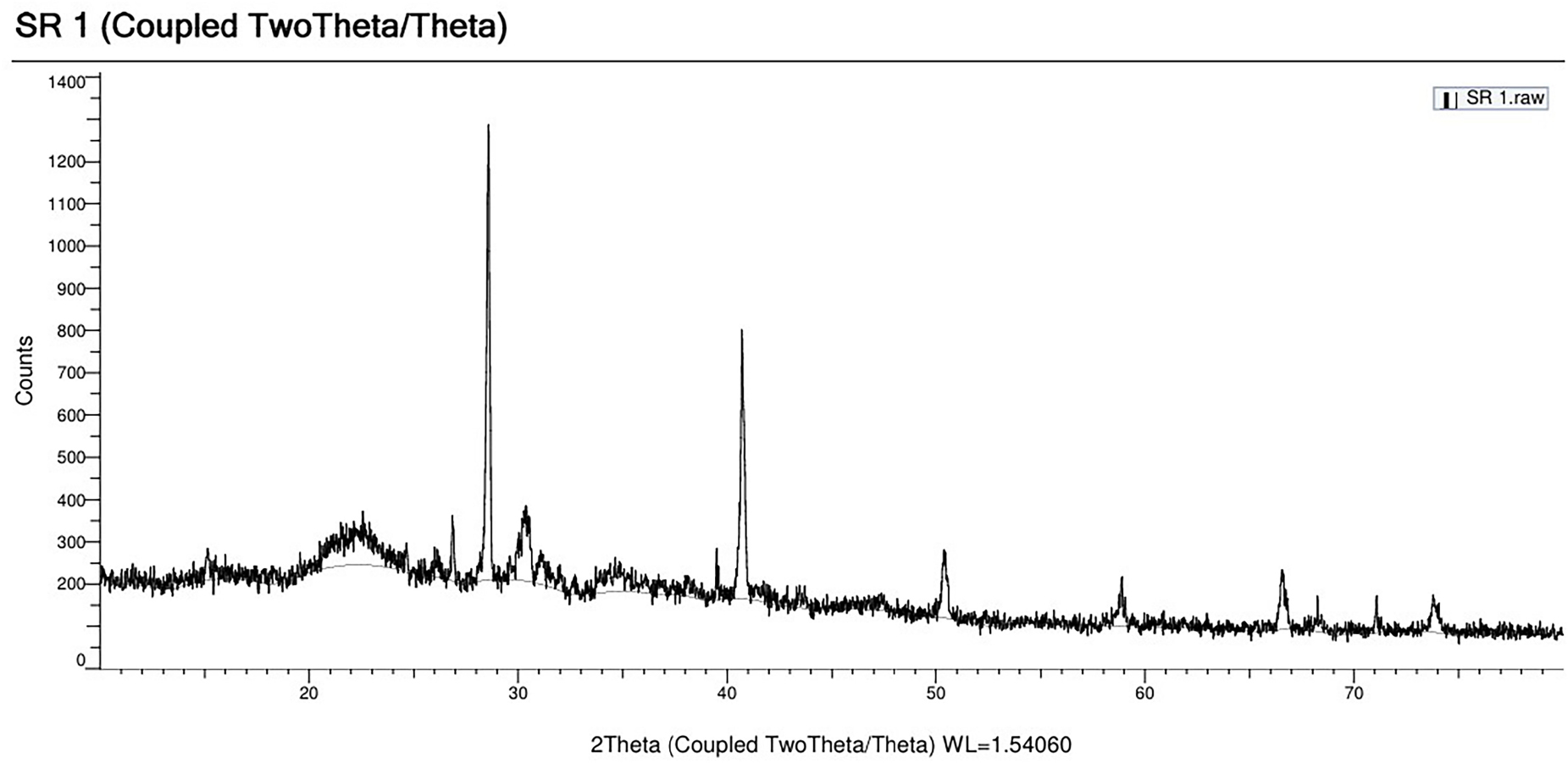
3.9.5. XRD analysis of ca-impregnated bottom ash after fluoride uptake
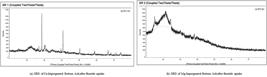
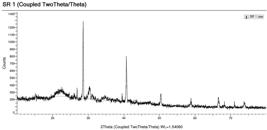
The crystalline structure of the synthesized material was investigated by X-ray diffraction (XRD), and the diffraction pattern is shown in Figure 13. The diffractogram displays a combination of sharp and intense peaks along with a broad background signal, indicating the coexistence of both crystalline and amorphous phases. Prominent diffraction peaks are observed at 2θ ≈ 27°, 31°, 39°, 47°, 56°, and 67°, which correspond to well-defined crystalline planes. The sharp and intense peak around 2θ ≈ 31° suggests a high degree of crystallinity, whereas the relatively broad hump extending between 15–25° indicates the presence of an amorphous carbonaceous phase. Such a mixed-phase pattern is typical of biochar/mineral composites or surface-modified adsorbents where the carbon matrix contributes to the amorphous character while embedded inorganic constituents impart crystallinity. The high-intensity reflections at 2θ ≈ 31° and 40° can be associated with mineral phases such as calcite, quartz, or silicate-based compounds, depending on the precursor material and treatment conditions. Additional minor peaks at higher 2θ values further confirm the presence of multiple crystalline domains. The amorphous halo signifies disordered graphitic carbon, which is commonly observed in biochar-based materials. Overall, the XRD analysis reveals that the material exhibits a semi-crystalline nature, comprising a carbon-rich amorphous framework interspersed with mineral crystallites [32]. This hybrid structural feature is advantageous for environmental applications, as the crystalline phases provide structural stability, while the amorphous domains enhance surface reactivity and adsorption potential.
3.9.6. XRD analysis of mg-impregnated bottom ash after fluoride uptake
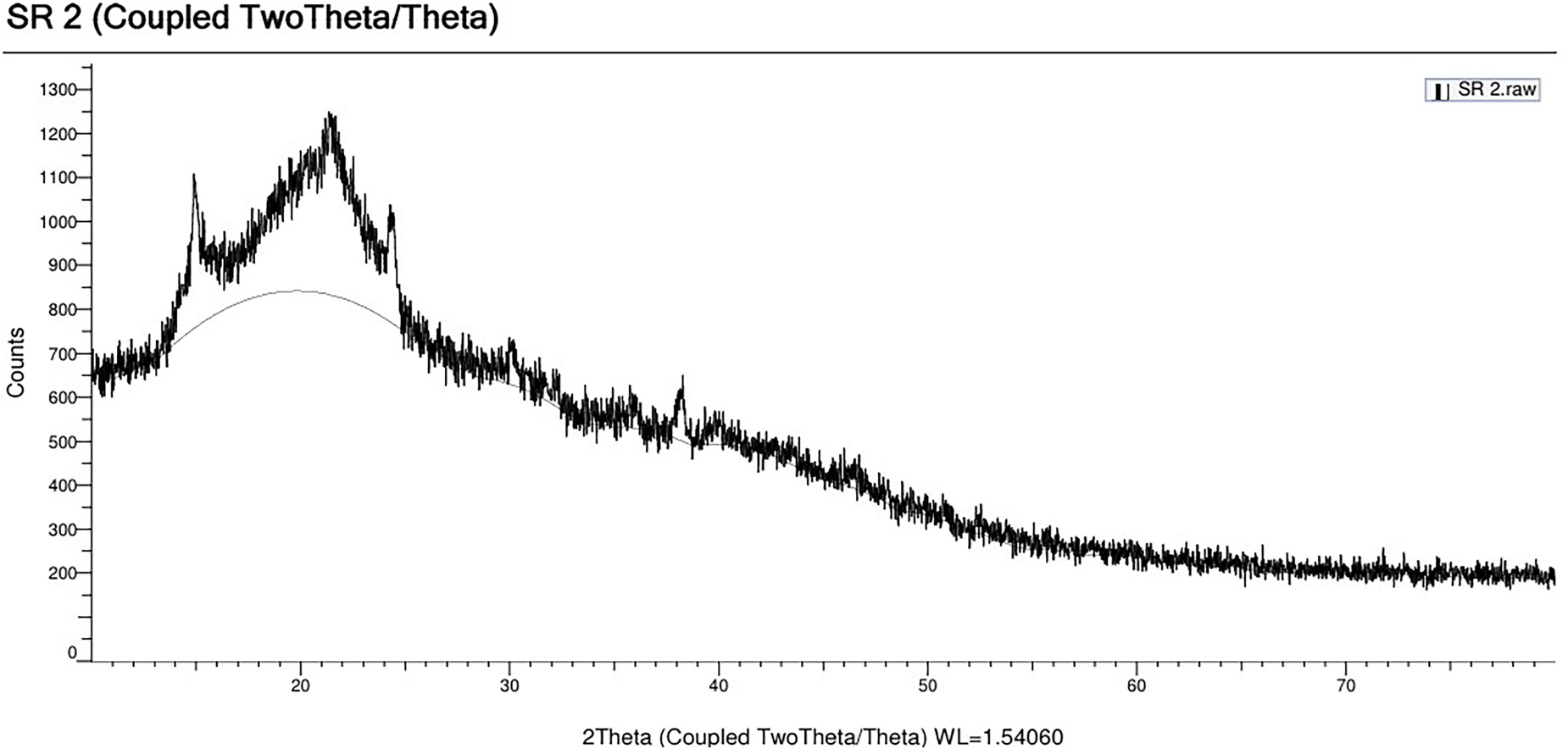
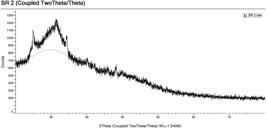
The XRD pattern of the material (Figure 14) exhibits a broad diffraction peak centered around 2θ ≈ 20–25°, with no sharp reflections observed across the entire scan range (10–80°). This broad halo is a characteristic feature of amorphous or poorly crystalline carbonaceous materials, confirming the disordered structure of the sample. The absence of distinct, high-intensity peaks suggests a lack of long-range crystallinity, which is consistent with the presence of an amorphous carbon framework [33]. The broad diffraction maximum at approximately 2θ ≈ 22° can be attributed to the (002) plane of turbostratic carbon, typically associated with graphitic-like domains arranged in a disordered fashion. This feature is often reported in biochar, activated carbon, and other carbon-based adsorbents, where short-range ordering of aromatic layers occurs without the development of well-defined graphite crystallinity. The gradual decline in intensity beyond 2θ ≈ 30° further supports the predominance of amorphous phases with minimal crystalline mineral contributions. Compared with crystalline samples, the lack of sharp reflections highlights that the thermal or chemical treatment conditions used during preparation favored the development of disordered carbonaceous domains rather than crystallization of mineral phases. Overall, the XRD analysis confirms that the sample is predominantly amorphous in nature, with a disordered graphitic-like structure and negligible crystalline phases [34]. Such amorphous structures are advantageous for adsorption and surface reactivity, as they provide a higher density of defect sites, pores, and active functional groups compared to crystalline analogues.
3.10. Adsorption kinetic model
3.10.1. Yoon–Nelson model
The estimated rate constant for Mg (Ky = 0.598min–1) is larger than that for Ca (Ky = 0.362 min–1) numerically, Ky for Mg is ~65.2% greater than for Ca, indicating faster uptake kinetics for Mg under the tested conditions. The empirical equilibration time τ is shorter for Mg (4.32 hr) than for Ca (5.41 hr), a reduction of ~1.09 hr (≈20.1%), consistent with the faster rate constant for Mg. R2 values are moderate (0.8363 for Ca and 0.7635 for Mg); the model explains the variance in the Ca dataset better than in the Mg dataset but does not reach values typically regarded as excellent (R2 > 0.95). The larger pseudo-first-order rate constant for Mg indicates that Mg ions are adsorbed more rapidly by the tested adsorbent than Ca ions under identical experimental conditions [35]. Faster kinetics for Mg can reflect one or more of the following (hypotheses that require additional evidence): (i) stronger driving force (higher initial uptake rate) due to differences in ionic mobility or hydration shell, (ii) preferential surface affinity resulting from differences in ionic radius or surface binding energy, or (iii) less pronounced steric or electrostatic hindrance during approach to adsorption sites. The moderate R2 values (0.8363 and 0.7635) indicate that the chosen pseudo-first-order model captures the broad kinetic trend but does not describe all systematic variation in the data, particularly for Mg presented in Table 8. Possible causes: multi-step kinetics (film diffusion + intraparticle diffusion + surface reaction), non-ideal surface heterogeneity, or an inadequate operational definition of equilibrium.
3.10.2. Thomas model
The coefficient of determination (R2R^2R2) values were 0.8341 for Ca and 0.7635 for Mg, indicating a moderate fit of the pseudo-second-order model to the experimental data. The better correlation observed for Ca suggests that its adsorption process follows the pseudo-second-order assumption more closely than Mg, for which deviations may be attributed to additional mechanisms such as intraparticle diffusion or surface heterogeneity. Overall, the analysis indicates that while Mg exhibits a greater equilibrium adsorption capacity, Ca demonstrates a slightly faster initial uptake [36]. The moderate R2R^2R2 values also suggest that other kinetic contributions (e.g., film diffusion or intraparticle diffusion) may be significant, warranting the application of additional kinetic models to fully elucidate the adsorption mechanism presented in Table 9.
4. CONCLUSION
This study systematically investigated the potential of calcium- and magnesium-impregnated municipal solid waste (MSW) bottom ash as low-cost adsorbents for fluoride removal from aqueous solutions. The impregnation of Ca and Mg into MSW bottom ash significantly enhanced the adsorption performance, demonstrating the role of chemical modification in improving surface reactivity and fluoride affinity. The experimental findings revealed that operational parameters—namely contact time, adsorbent dosage, solution pH, and particle size—played a decisive role in governing fluoride removal efficiency. For Ca-impregnated bottom ash, the maximum fluoride removal efficiency of 63.8% was obtained at pH 6, while optimal performance was also observed at a contact time of 45 minutes (59.6%), an adsorbent dosage of 1.9 g (58.8%), and a particle size of 75 µm (63.5%). For Mg-impregnated bottom ash, the highest fluoride removal of 62.8% was achieved with a particle size of 75 µm, while significant efficiencies were recorded at a contact time of 30 minutes (51.6%), dosage of 1.2 g (51.4%), and pH 6 (61.1%). These results collectively demonstrate that both Ca and Mg modifications enhance the fluoride adsorption potential, although their optimal operating conditions vary. Material characterization through XRD, SEM-EDAX, and FTIR analyses confirmed surface morphological and chemical changes after adsorption, highlighting the development of functional groups and active sites that facilitated strong interactions between fluoride ions and the impregnated ash surface. Such modifications underscore the balance of surface chemistry and textural properties responsible for enhanced fluoride capture. Kinetic modeling using the Yoon–Nelson and Thomas models further supported the adsorption findings, with correlation coefficients (R2R^2R2) of 0.8363 for Ca and 0.7635 for Mg, confirming the applicability of these models in describing fluoride uptake behavior. These results suggest that the adsorption mechanism is primarily governed by chemisorption with significant contributions from surface heterogeneity and mass-transfer processes. Importantly, the observed fluoride removal efficiencies compare favorably with those of other low-cost adsorbents reported in the literature, demonstrating that Ca- and Mg-impregnated MSW bottom ash not only offers competitive performance but also represents a sustainable valorization pathway for waste materials. By transforming an abundant solid waste residue into an effective adsorbent, this approach supports both environmental remediation and circular economy strategies. In summary, the findings highlight the promising application of Ca- and Mg-modified MSW bottom ash as environmentally benign, low-cost, and efficient adsorbents for fluoride removal from contaminated water. Future work should focus on scaling up the process, evaluating regeneration efficiency, and testing under real field conditions to validate practical applicability in community-level water treatment systems.
5. DATA AVAILABILITY
The full dataset supporting the findings of this study is available upon request to the corresponding author.
6. BIBLIOGRAPHY
-
[1] SALAM, S., APARNA, K., MOOTHEDAN, M., “Synthesis and characterization of zirconia-impregnated cellulose nanocomposites for enhanced fluoride adsorption”, Next Materials, v. 9, n. 101132, pp. 101132, 2025. doi: https://doi.org/10.1016/j.nxmate.2025.101132.
» https://doi.org/10.1016/j.nxmate.2025.101132 -
[2] LIU, S., WANG, J., REN, J., et al, “Environmentally benign tannin-modified chitosan aerogel decorated with Zr(IV) enabled high-performance adsorption of fluoride”, Chemical Engineering Journal, v. 165351, pp. 519, 2025. doi: https://doi.org/10.1016/j.cej.2025.165351.
» https://doi.org/10.1016/j.cej.2025.165351 -
[3] SABOK-KHIZ, Z., NASIRI, A., DARAEI, H., “Application of modified adsorbents for fluoride removal from aqueous solutions: a comprehensive evaluation”, Environmental Technology & Innovation, v. 36, pp. 103300, 2024. doi: http://doi.org/10.1016/j.eti.2024.103300.
» https://doi.org/10.1016/j.eti.2024.103300 -
[4] CHAUDHARI, V., PATKAR, M., “Adsorption behaviour of modified fish scales as an emerging fluoride adsorbent”, Journal of Environmental Engineering and Science, v. 20, n. 3, pp. 1–14, 2025. doi: https://doi.org/10.1680/jenes.24.00157.
» https://doi.org/10.1680/jenes.24.00157 -
[5] RAHIMI, F., et al, “Adsorptive removal of fluoride from aqueous solutions using advanced functional materials: performance and mechanism”, Chemosphere, v. 362, pp. 142345, 2024. doi: https://doi.org/10.1016/j.chemosphere.2024.142345.
» https://doi.org/10.1016/j.chemosphere.2024.142345 -
[6] DAR, F.A., KURELLA, S., “Removal of fluoride from wastewater with the Mg/Al impregnated adsorbent prepared from Chinar leaves: adsorption isotherm, kinetic and thermodynamic studies”, Environmental Research, v. 271, pp. 121004, 2025. doi: https://doi.org/10.1016/j.envres.2025.121004. PubMed PMID: 39894147.
» https://doi.org/10.1016/j.envres.2025.121004 -
[7] GHARAGHANI, M.A., SAMAEI, M., MAHDIZADEH, H., et al, “An effective magnetic nanobiocomposite: Preparation, characterization and its application for adsorption removal of P-nitroaniline from aquatic environments”, Environmental Research, v. 246, pp. 118128, 2024. doi: https://doi.org/10.1016/j.envres.2024.118128. PubMed PMID: PMid:38191037.
» https://doi.org/10.1016/j.envres.2024.118128 -
[8] POURSHABAN-MAZANDARANI, M., NASIRI, A., “Polymer-based adsorbents for fluoride removal from aqueous solutions: synthesis, performance, and mechanism”, Journal of Polymers and the Environment, v. 32, n. 11, pp. 5713–5737, 2024. doi: https://doi.org/10.1007/s10924-024-03340-3.
» https://doi.org/10.1007/s10924-024-03340-3 -
[9] MONDAL, N.K., BHAUMIK, R., DATTA, J.K., “Removal of fluoride by aluminum impregnated coconut fiber from synthetic fluoride solution and natural water”, Alexandria Engineering Journal, v. 54, n. 4, pp. 1273–1284, 2015. doi: https://doi.org/10.1016/j.aej.2015.08.006.
» https://doi.org/10.1016/j.aej.2015.08.006 -
[10] MALAKOOTIAN, M., NASIRI, A., HEIDARI, M.R., “Fluoride removal from aqueous solutions using modified adsorbents: adsorption isotherm, kinetic, and thermodynamic studies”, Zeitschrift für Physikalische Chemie, v. 234, n. 10, pp. 1661–1679, 2020. doi: https://doi.org/10.1515/zpch-2019-1499.
» https://doi.org/10.1515/zpch-2019-1499 -
[11] DHAL, J.P., PANIGRAHI, A., PRADHAN, U., et al, “Mentioned magnesium oxide nanomaterials forffective adsorption of congo red dye and fluoride ions from aqueous solutions”, Sustainable Chemistry for the Environment, v. 8, n. 100180, pp. 100180, 2024. doi: https://doi.org/10.1016/j.scenv.2024.100180.
» https://doi.org/10.1016/j.scenv.2024.100180 -
[12] MALAKOOTIAN, M., et al, “A practical method for fluoride removal from aqueous solutions using modified adsorbents”, MethodsX, v. 6, pp. 1188-1193, 2019. doi: https://doi.org/10.1016/j.mex.2019.05.004. PubMed PMID: 31193519.
» https://doi.org/10.1016/j.mex.2019.05.004 -
[13] NASIRI, A., MALAKOOTIAN, M., JAVID, N., “Modelling and optimization of lead adsorption by CoFe2O4@ CMC@ HZSM-5 from aqueous solution using response surface methodology”, Desalination and Water Treatment, v. 248, pp. 134–148, 2022. doi: https://doi.org/10.5004/dwt.2022.28046.
» https://doi.org/10.5004/dwt.2022.28046 -
[14] SINGH, S., GERMAN, M., CHAUDHARI, S., et al, “Fluoride removal from groundwater using Zirconium Impregnated Anion Exchange Resin”, Journal of Environmental Management, v. 263, n. 110415, pp. 110415, 2020. doi: https://doi.org/10.1016/j.jenvman.2020.110415. PubMed PMID: 32883481.
» https://doi.org/10.1016/j.jenvman.2020.110415 -
[15] MALAKOOTIAN, M., NASIRI, A., ALIBEIGI, A.N., et al, “Synthesis and stabilization of ZnO nanoparticles on a glass plate to study the removal efficiency of acid red 18 by hybrid advanced oxidation process (ultraviolet/ZnO/ultrasonic)”, Desalination and Water Treatment, v. 170, pp. 325–336, 2019. doi: https://doi.org/10.5004/dwt.2019.24728.
» https://doi.org/10.5004/dwt.2019.24728 -
[16] JAVID, N., NASIRI, A., MALAKOOTIAN, M., “Enhanced fluoride removal from aqueous solutions using modified adsorbents: Kinetic and isotherm investigation”, Desalination and Water Treatment, v. 141, pp. 140–148, 2019. doi: https://doi.org/10.5004/dwt.2019.23428.
» https://doi.org/10.5004/dwt.2019.23428 -
[17] FERNANDES, E.P., LIMA, L.D.S., DE MACEDO, J.F., et al, “Removal of emerging pollutants by an adsorbent developed from a waste produced in thermoelectric power plant: adsorption and ecotoxicological studies”, Environmental Research, v. 285, n. pt. 1, pp. 122259, 2024. doi: https://doi.org/10.1016/j.envres.2025.122259. PubMed PMID: 40609721.
» https://doi.org/10.1016/j.envres.2025.122259 -
[18] SHARIFI, N., NASIRI, A., MARTÍNEZ, S.S., et al, “Synthesis of Fe3O4@ activated carbon to treat metronidazole effluents by adsorption and heterogeneous Fenton with effluent bioassay”, Journal of Photochemistry and Photobiology A Chemistry, v. 427, pp. 113845, 2022. doi: https://doi.org/10.1016/j.jphotochem.2022.113845.
» https://doi.org/10.1016/j.jphotochem.2022.113845 -
[19] WAKCHAURE, S.G., DABHADE, G.B., BORHADE, A.V., et al, “Mordenite’s mineralogical study and application as an efficient adsorbent for heavy metal detection from waste water”, Journal of the Indian Chemical Society, v. 102, n. 1, pp. 101502, 2024. doi: https://doi.org/10.1016/j.jics.2024.101502.
» https://doi.org/10.1016/j.jics.2024.101502 -
[20] REDDY, Y.S., ROTTE, N.K., SUDHAKAR, B., et al, “Biomass-derived sustainable mesoporous activated carbon as an efficient and recyclable adsorbent for the adsorption of hazardous dyes”, Hybrid Advances, v. 6, pp. 100218, 2024. doi: https://doi.org/10.1016/j.hybadv.2024.100218.
» https://doi.org/10.1016/j.hybadv.2024.100218 -
[21] ANIAGOR, C.O., MENKITI, M.C., “Application of modified yoon-nelson nonlinear equation for modeling antibiotics adsorption onto a composite adsorbent”, Results in Surfaces and Interfaces, v. 18, pp. 100370, 2024. doi: https://doi.org/10.1016/j.rsurfi.2024.100370.
» https://doi.org/10.1016/j.rsurfi.2024.100370 -
[22] NORA, F.B.D., SANTOS, J.M.D., MACHADO, L.M., et al, “Fixed-bed adsorption of Paraquat into MWCNT-OH functionalized with green-synthesized MNPs: Mathematical modeling, DFT-based calculations, and phytotoxicity”, Separation and Purification Technology, v. 375, pp. 133861, 2025. doi: https://doi.org/10.1016/j.seppur.2025.133861.
» https://doi.org/10.1016/j.seppur.2025.133861 -
[23] MALAKOOTIAN, M., et al, “Removal of fluoride from aqueous solutions using modified adsorbents: Experimental and modeling studies”, Journal of Engineering Research, v. 6, n. 2, pp. 13–23, 2019. doi: https://doi.org/10.1016/S2307-1877(25)00815-6.
» https://doi.org/10.1016/S2307-1877(25)00815-6 -
[24] CAVAS, L., KARABAY, Z., ALYURUK, H., et al, “Thomas and artificial neural network models for the fixed-bed adsorption of methylene blue by a beach waste Posidonia oceanica (L.) dead leaves”, Chemical Engineering Journal, v. 171, n. 2, pp. 557–562, 2011. doi: https://doi.org/10.1016/j.cej.2011.04.030.
» https://doi.org/10.1016/j.cej.2011.04.030 -
[25] LISSY, P.M., MADHU, G., THOMAS, R.M., “Numerical modelling of a fixed bed column for the Cr(Vi) Adsorption using pyrrole coated nanocomposite”, Journal of the Indian Chemical Society, v. 102, n. 2, pp. 101568, 2025. doi: https://doi.org/10.1016/j.jics.2025.101568.
» https://doi.org/10.1016/j.jics.2025.101568 -
[26] TAMADDON, F., ABOEE, F., NASIRI, A., “An efficient and green catalytic protocol for organic synthesis using reusable catalysts”, Catalysis Communications, v. 16, n. 1, pp. 194–197, 2011. doi: https://doi.org/10.1016/j.catcom.2011.09.023.
» https://doi.org/10.1016/j.catcom.2011.09.023 -
[27] LIN, C., CHEN, Z., LIU, Z., “Transforming waste into value: high-performance hollow fiber Adsorbents from municipal solid waste incinerator bottom ash”, Waste Management, v. 204, pp. 114956, 2025. doi: https://doi.org/10.1016/j.wasman.2025.114956. PubMed PMID: 40517717.
» https://doi.org/10.1016/j.wasman.2025.114956 -
[28] MALAKOOTIAN, M., HASHEMI, M., TOOLABI, A., et al, “Investigation of nickel removal using poly (amidoamine) generation 4 dendrimer (PAMAM G4) from aqueous solutions”, Journal of Engineering Research, v. 6, n. 2, pp. 13–23, 2018. doi: https://doi.org/10.1016/S2307-1877(25)00815-6.
» https://doi.org/10.1016/S2307-1877(25)00815-6 -
[29] SRINIVASAN, S.S., MUTHUSAMY, N., ANBARASU, N.A., “The structural performance of fiberreinforced concrete beams with nanosilica”, Matéria (Rio de Janeiro), v. 29, n. 3, pp. e20240194, 2024. doi: https://doi.org/10.1590/1517-7076-rmat-2024-0194.
» https://doi.org/10.1590/1517-7076-rmat-2024-0194 -
[30] DAR, F.A., KURELLA, S., “Recent advances in adsorption techniques for fluoride removal: an overview”, Groundwater for Sustainable Development, v. 23, n. 101017, pp. 101017, 2023. doi: https://doi.org/10.1016/j.gsd.2023.101017.
» https://doi.org/10.1016/j.gsd.2023.101017 -
[31] YANG, Y., LI, X., GU, Y., et al, “Adsorption property of fluoride in water by metal organic framework: Optimization of the process by response surface methodology technique”, Surfaces and Interfaces, v. 28, n. 101649, pp. 101649, 2021. doi: https://doi.org/10.1016/j.surfin.2021.101649.
» https://doi.org/10.1016/j.surfin.2021.101649 -
[32] ADU-BOAHENE, F., BOAKYE, P., AGYEMANG, F.O., et al, “Understanding fluoride adsorption from groundwater by alumina modified with alum using PHREEQCsurface complexation model”, Scientific Reports, v. 13, n. 1, pp. 12307, 2023. doi: https://doi.org/10.1038/s41598-023-38564-1. PubMed PMID: 37516751.
» https://doi.org/10.1038/s41598-023-38564-1 -
[33] TAMADDON, F., NASIRI, A., FAROKHI, S., “A novel catalytic system for efficient organic transformations under mild conditions”, Catalysis Communications, v. 12, n. 15, pp. 1477–1482, 2011. doi: https://doi.org/10.1016/j.catcom.2011.04.005.
» https://doi.org/10.1016/j.catcom.2011.04.005 -
[34] HABUDA-STANIC, M., RAVANCIC, M., FLANAGAN, A., “A Review on adsorption of fluoride from aqueous solution”, Materials (Basel), v. 7, n. 9, pp. 6317–6366, 2014. doi: https://doi.org/10.3390/ma7096317. PubMed PMID: 28788194.
» https://doi.org/10.3390/ma7096317 -
[35] CHINNAKOTI, P., CHUNDURI, A.L., VANKAYALA, R.K., et al, “Enhanced fluoride adsorption by nano crystalline γ-alumina: adsorption kinetics, isotherm modeling and thermodynamic studies”, Applied Water Science, v. 7, n. 5, pp. 2413–2423, 2017. doi: https://doi.org/10.1007/s13201-016-0437-9.
» https://doi.org/10.1007/s13201-016-0437-9 -
[36] MODARESAHMADI, K., KHODADOUST, A.P., WESCOTT, J., “Adsorption of fluoride from water using aluminum coated sand: kinetics, equilibrium, effect of pH, and coexisting ions”, Journal of Geoscience and Environment Protection, v. 10, n. 12, pp. 224–241, 2022. doi: https://doi.org/10.4236/gep.2022.1012013.
» https://doi.org/10.4236/gep.2022.1012013