 Artificial neural networks approach for the prediction of the mechanical properties of high-strength fibre-reinforced concrete
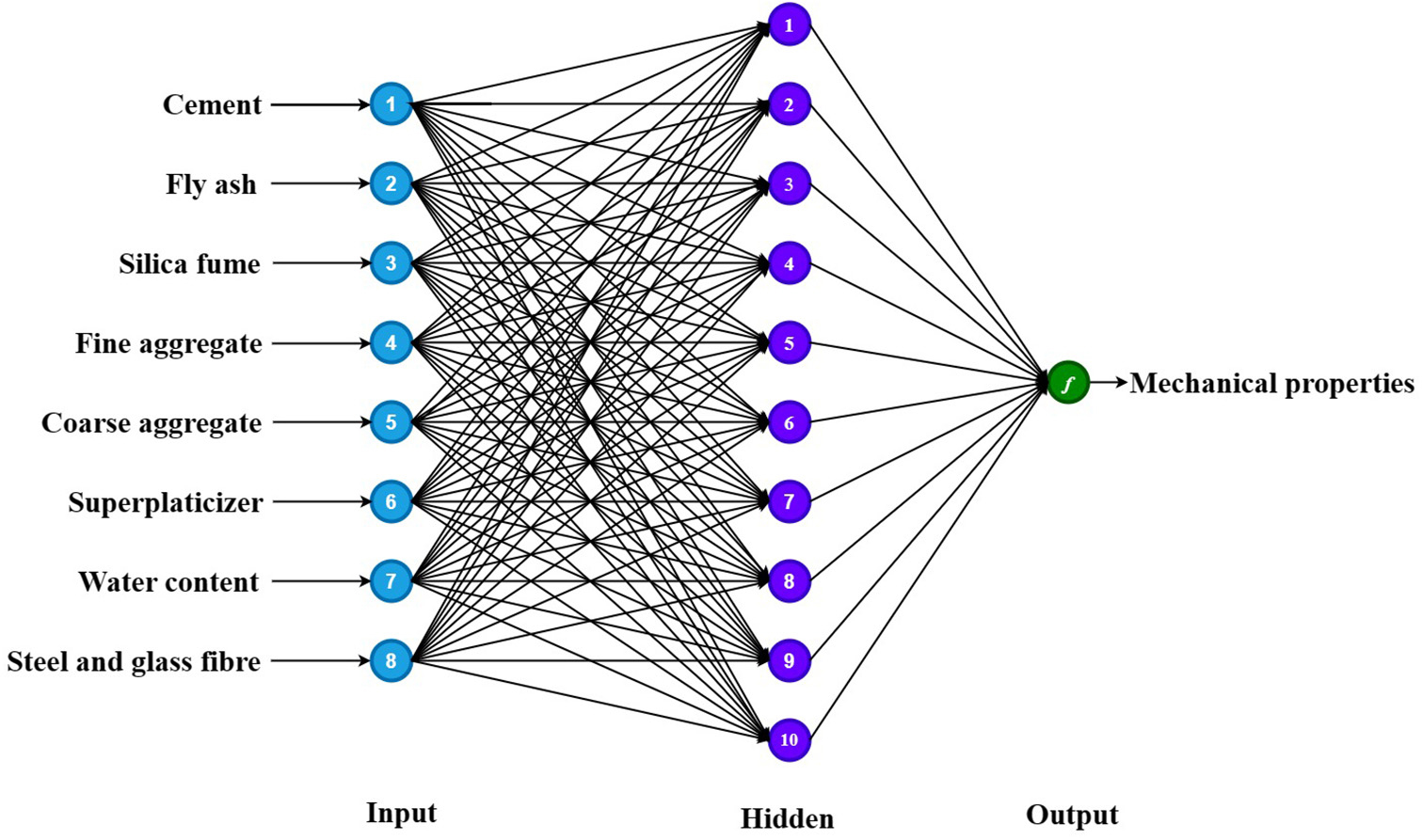
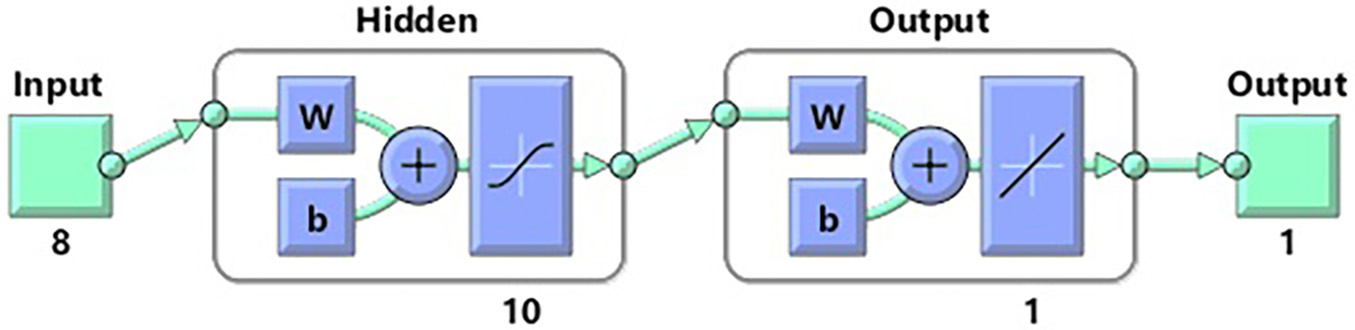
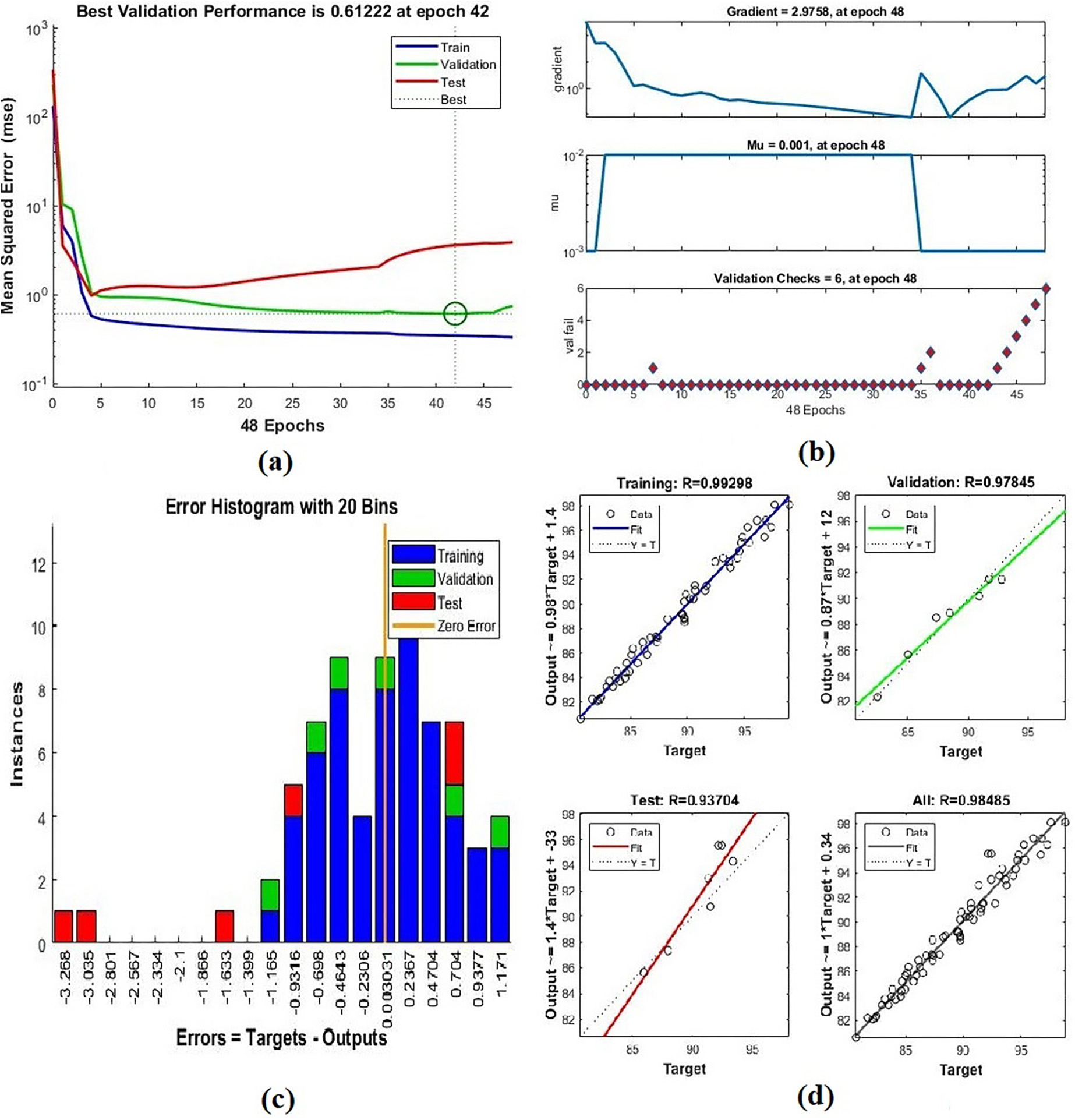
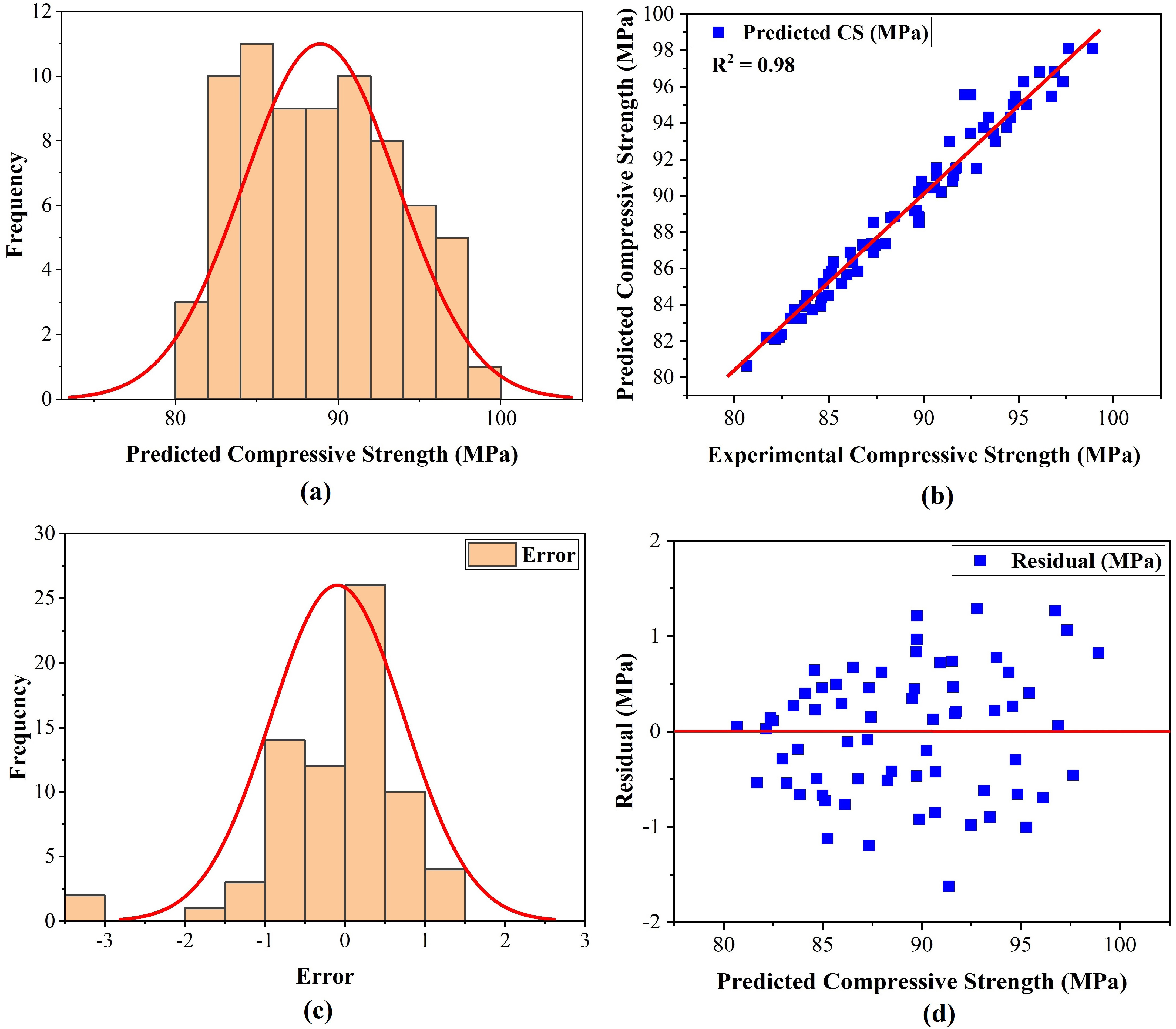
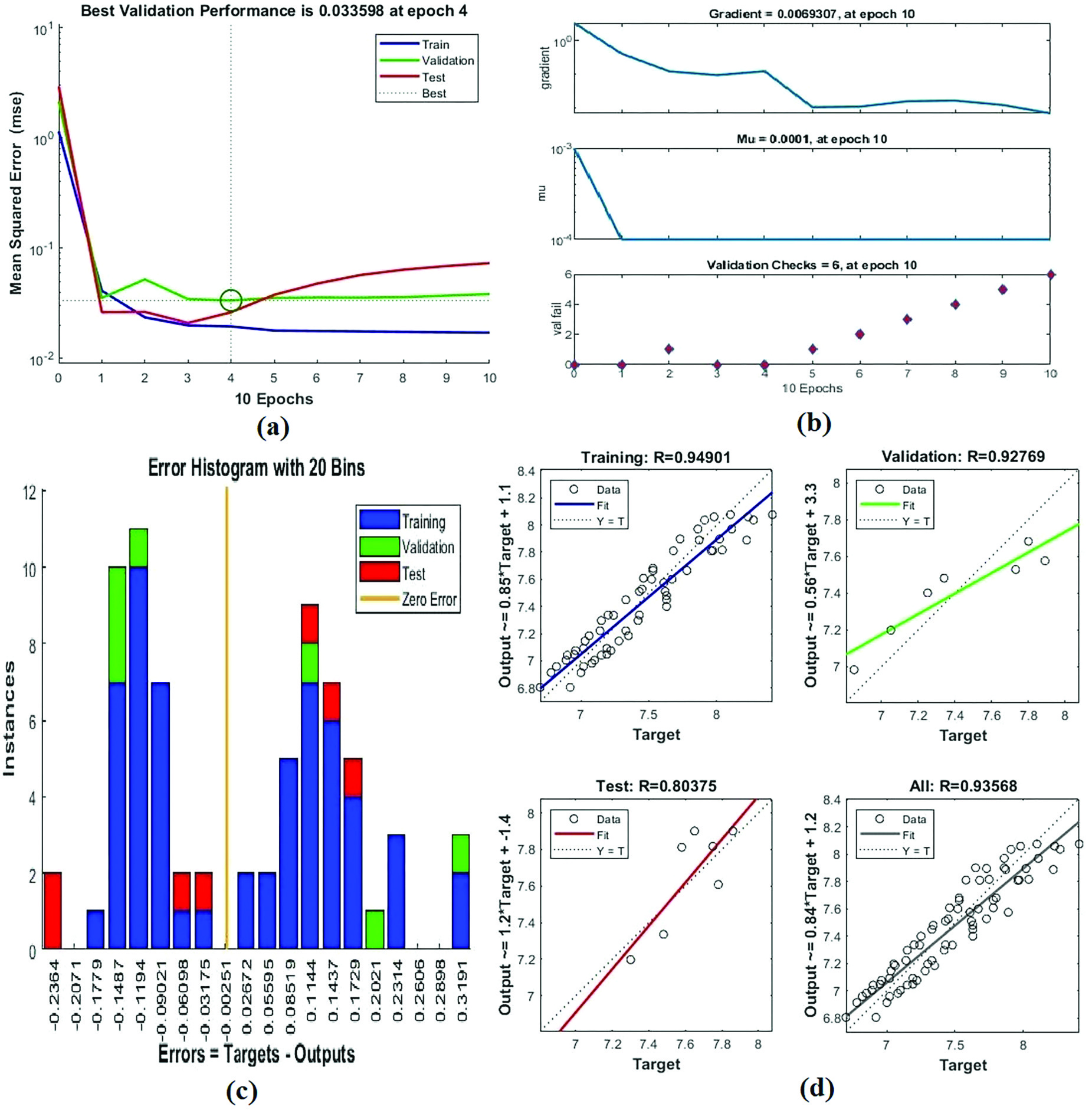
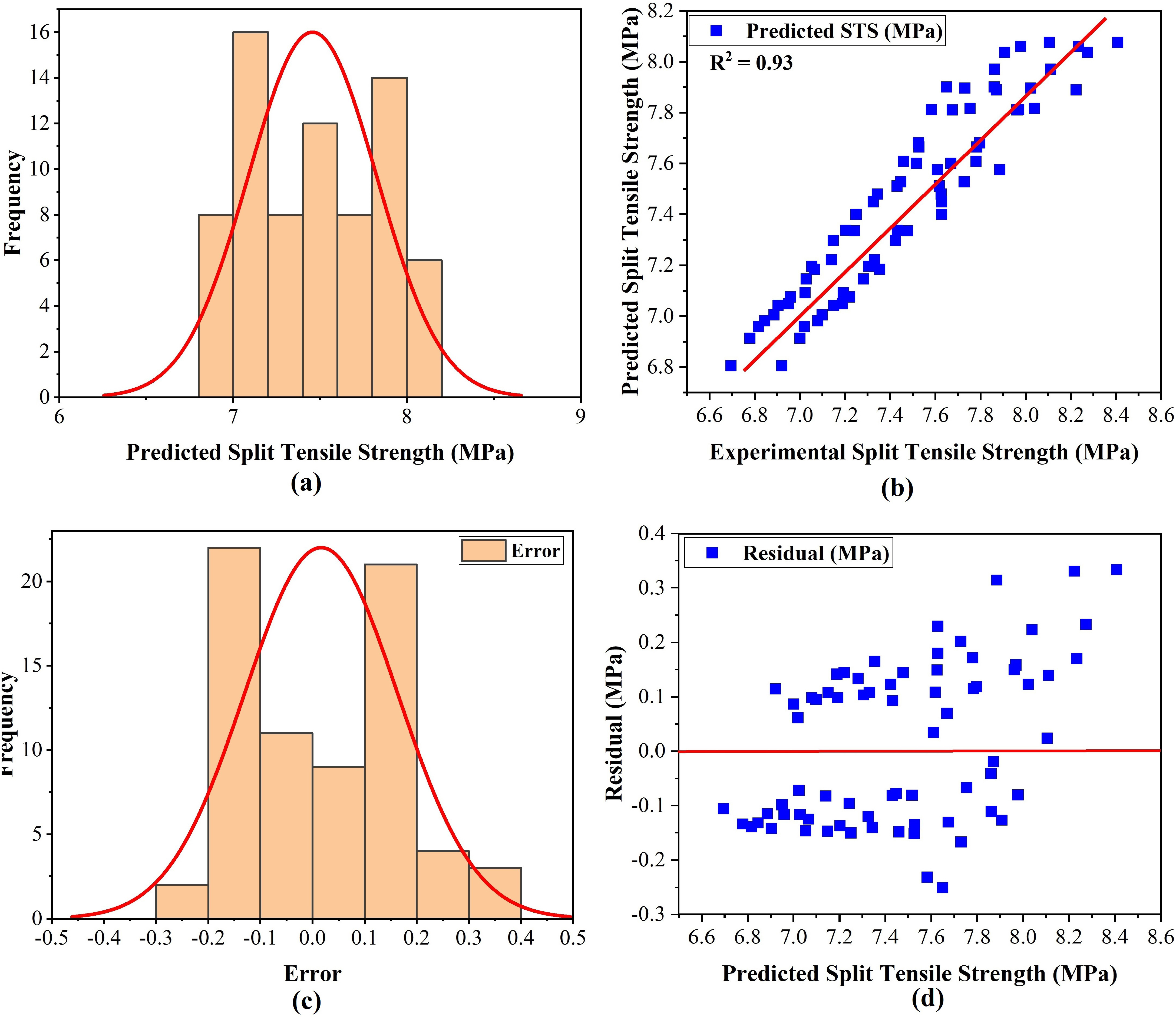
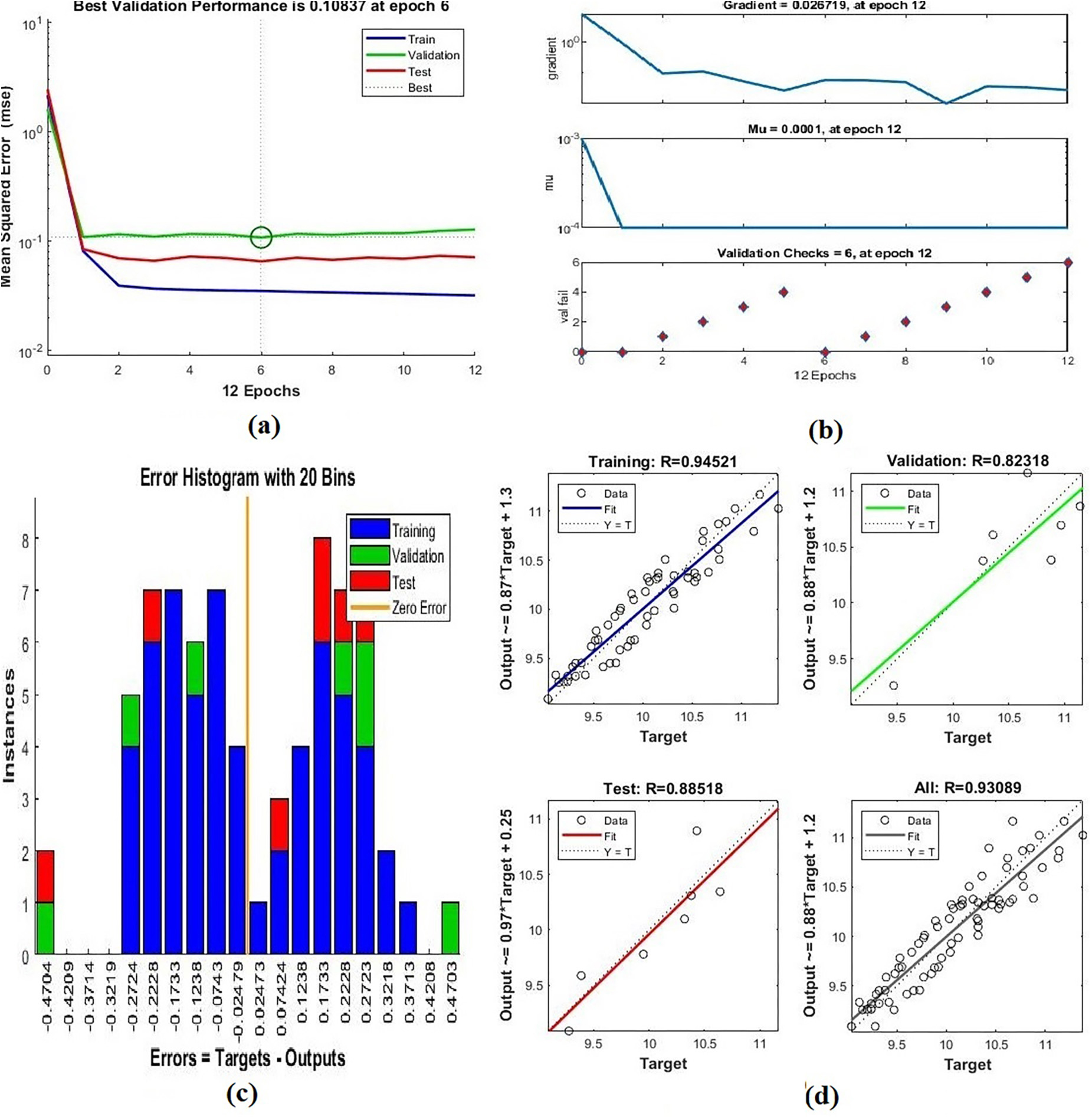
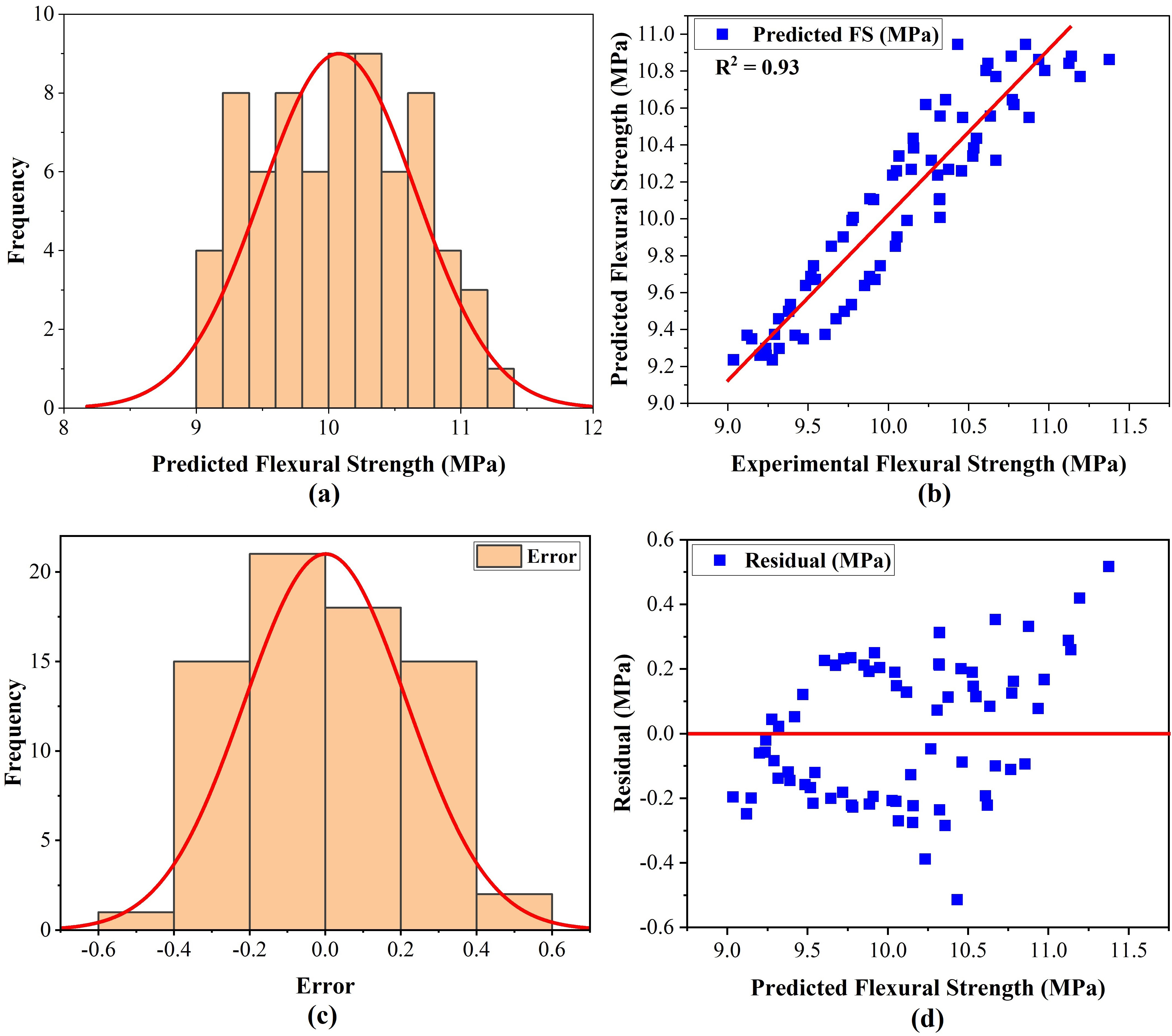
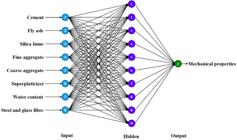
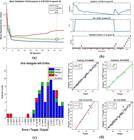
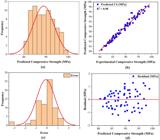
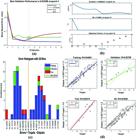
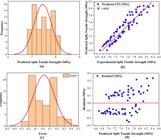
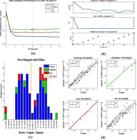
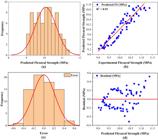
Artificial Neural Networks (ANNs) offer a compelling alternative, yet they rely significantly on varied and high-quality datasets. The scarcity of experimental data, particularly for fibre-reinforced High-Strength Concrete (HSC), limits the generalization and dependability of models. Therefore, the key challenge lies in creating resilient ANN architectures capable of accurately predicting various mechanical properties of HSC. This study develops an ANN model in MATLAB to predict the mechanical properties of HSC using input parameters such as cement, aggregates, mineral admixtures, chemical admixtures, steel fibres, glass fibres, and water. Seventy-two experimental results were employed for training and testing, and the model’s predictions were validated against experimental data. The ANN demonstrated high accuracy in estimating compressive strength, split tensile strength, and flexural strength of HSC with varying fibre contents and water–cement ratios. Strong agreement was observed between predicted and experimental values, with coefficients of determination (R2) of 0.98 for compressive strength, 0.93 for split tensile strength, and 0.93 for flexural strength. These findings highlight the potential of ANN-based approaches as reliable tools for modelling and predicting the mechanical performance of high-strength concrete.
Keywords:
Artificial neural networks; High-strength concrete; Steel fibre; Glass fibre; Mechanical properties
 Thumbnail
 Thumbnail
 Thumbnail
 Thumbnail
 Thumbnail
 Thumbnail
 Thumbnail
 Thumbnail
 Thumbnail