 ZIF-67-Derived Co3O4/N-Doped carbon nanocomposites for sensitive electrochemical determination of nitrite in water
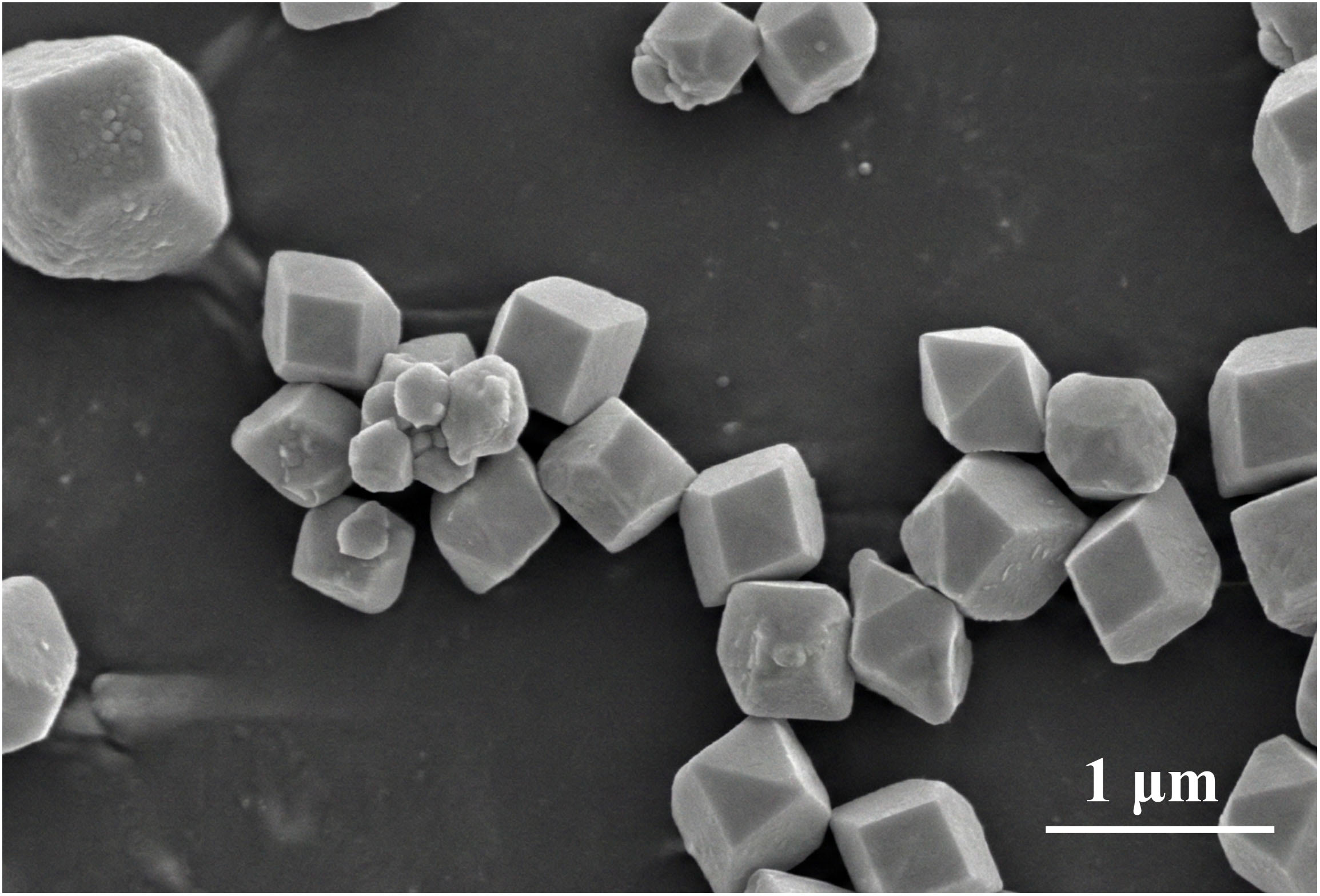
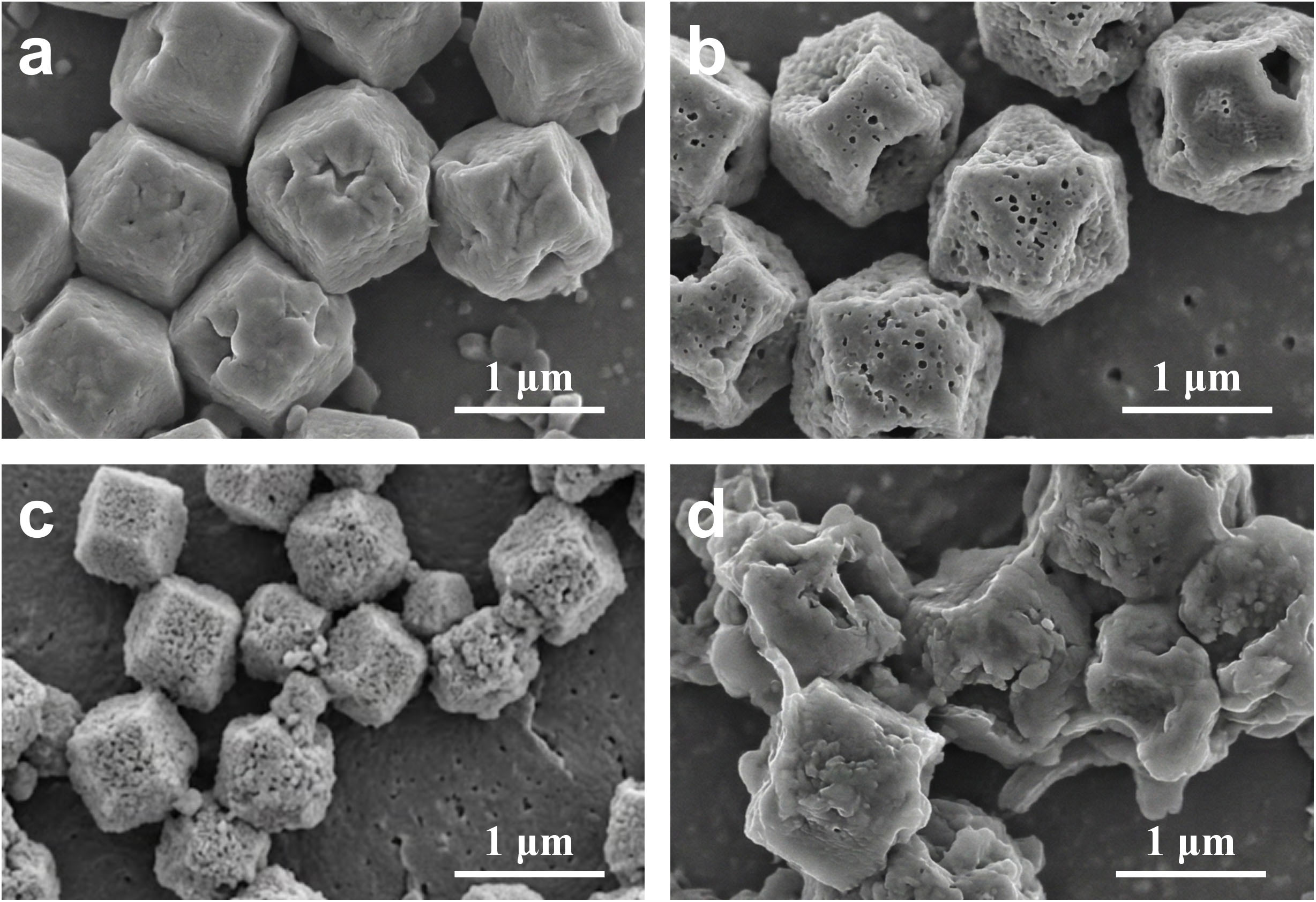
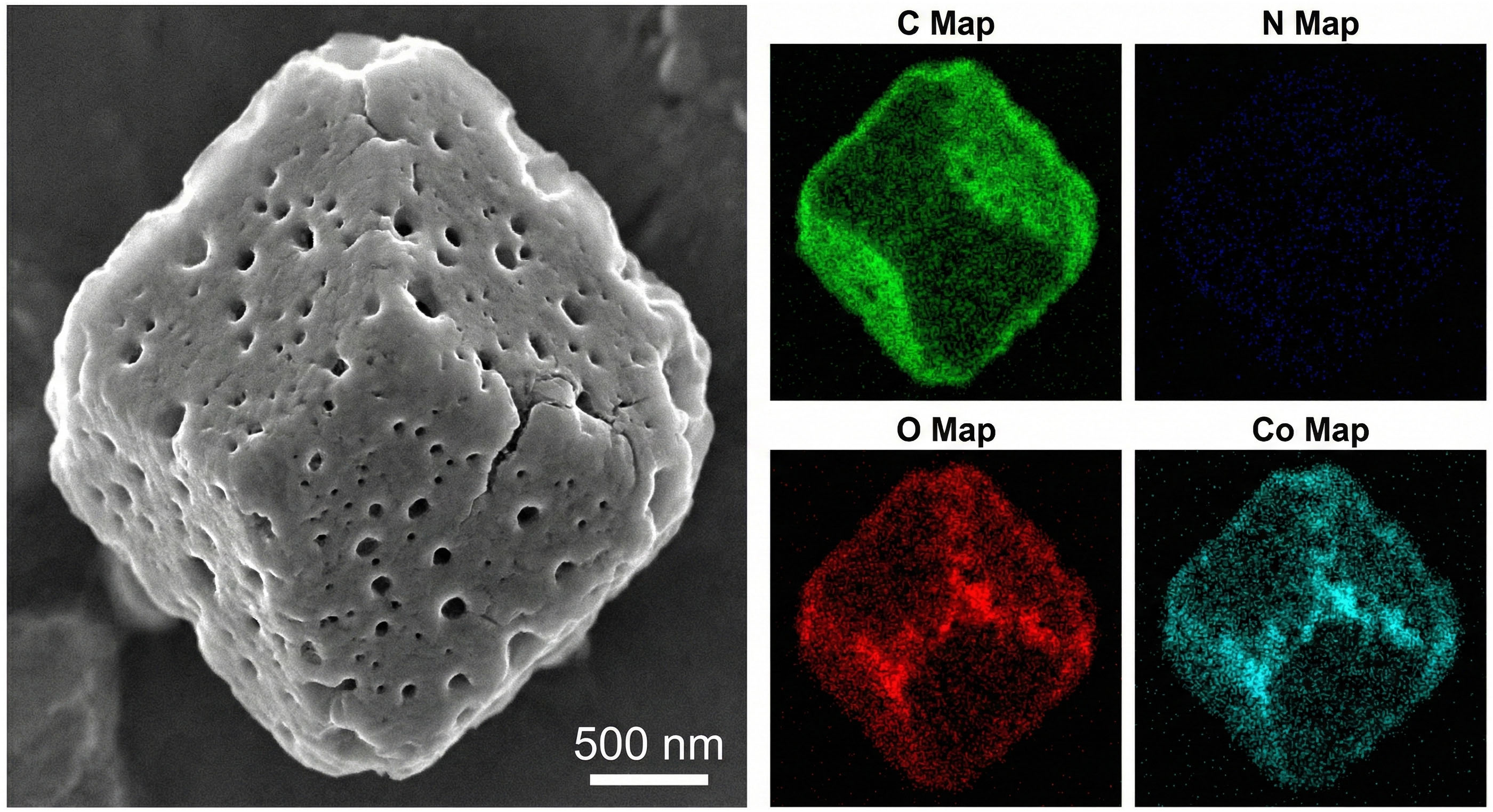
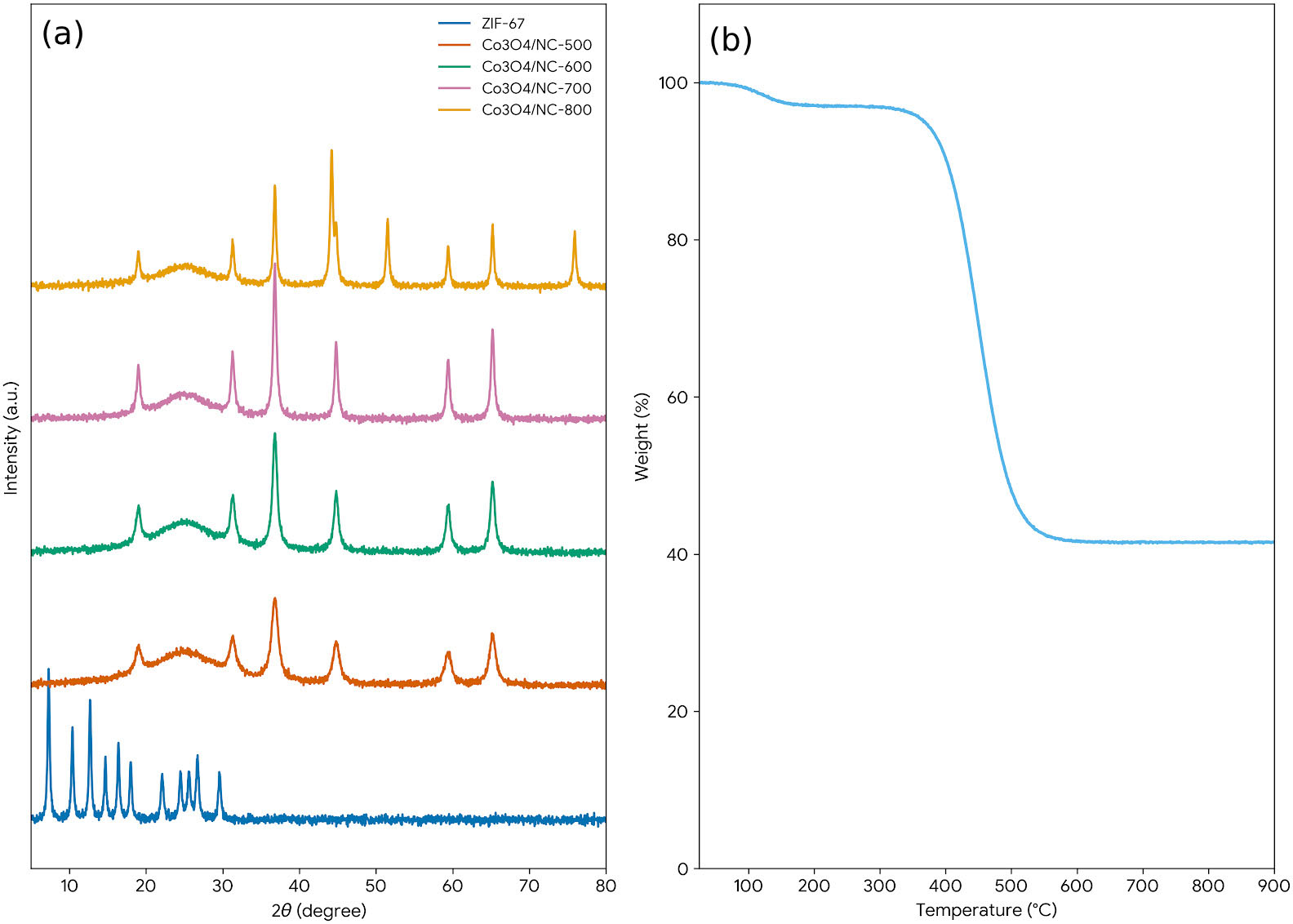
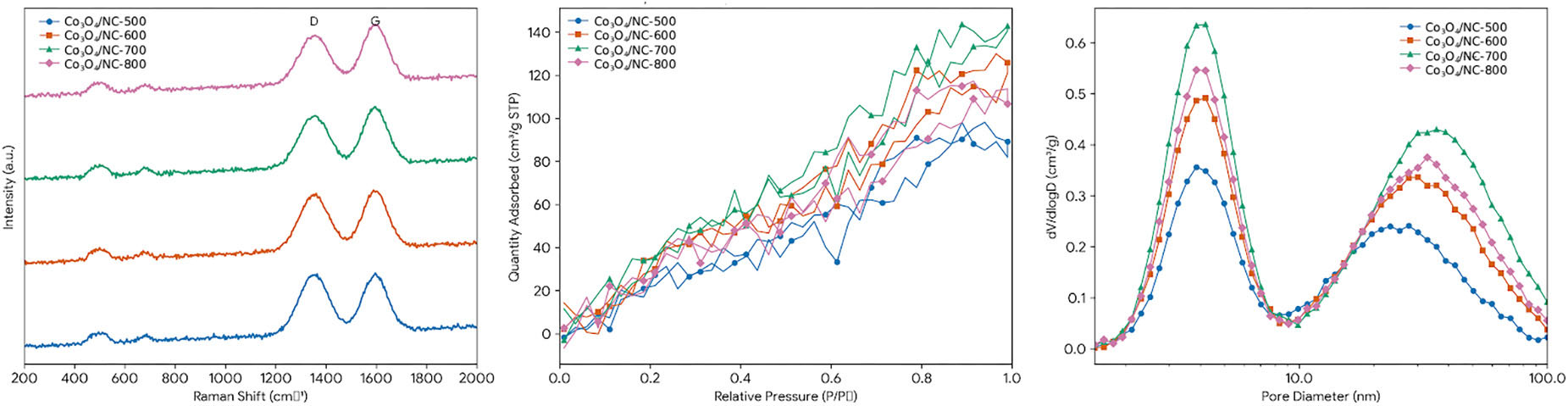
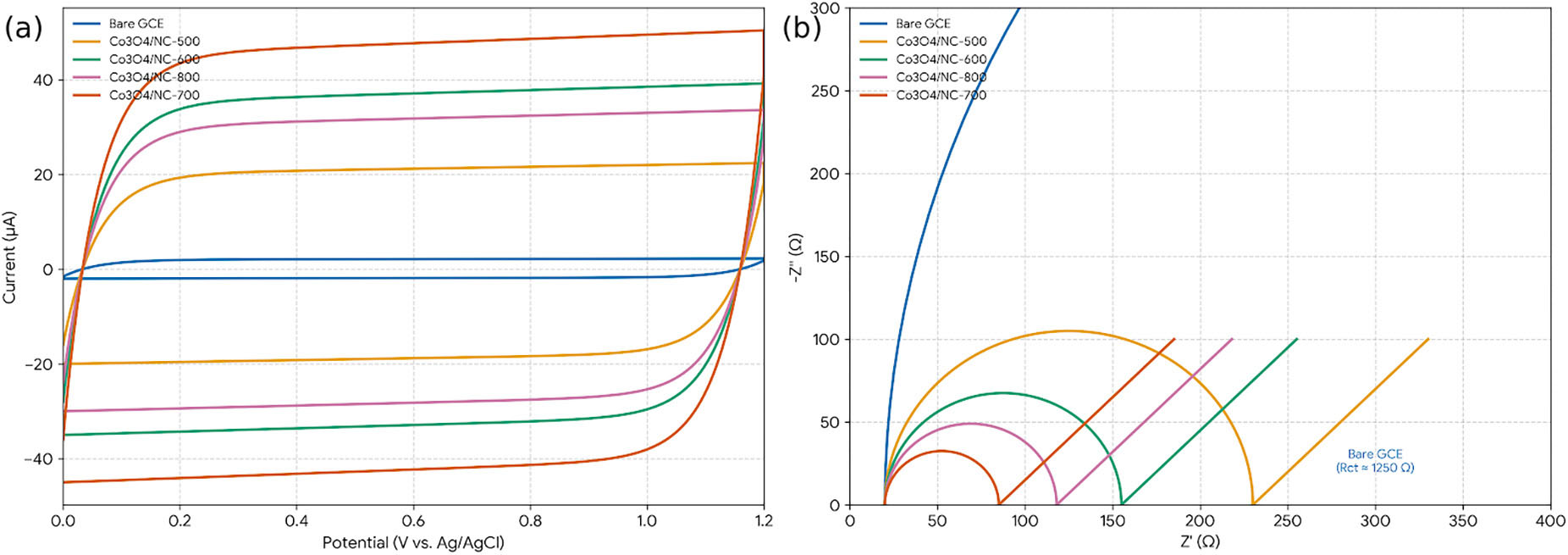
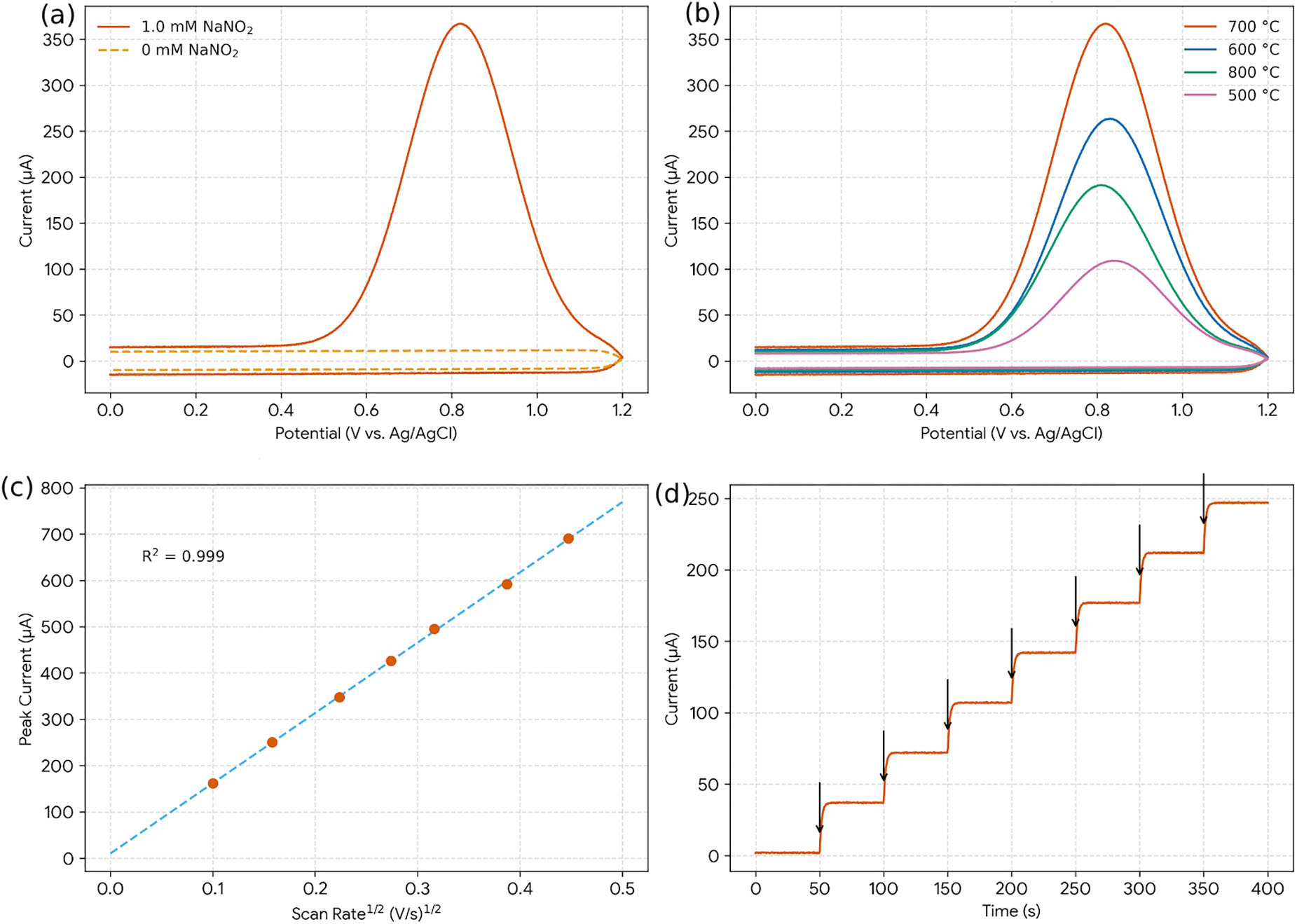
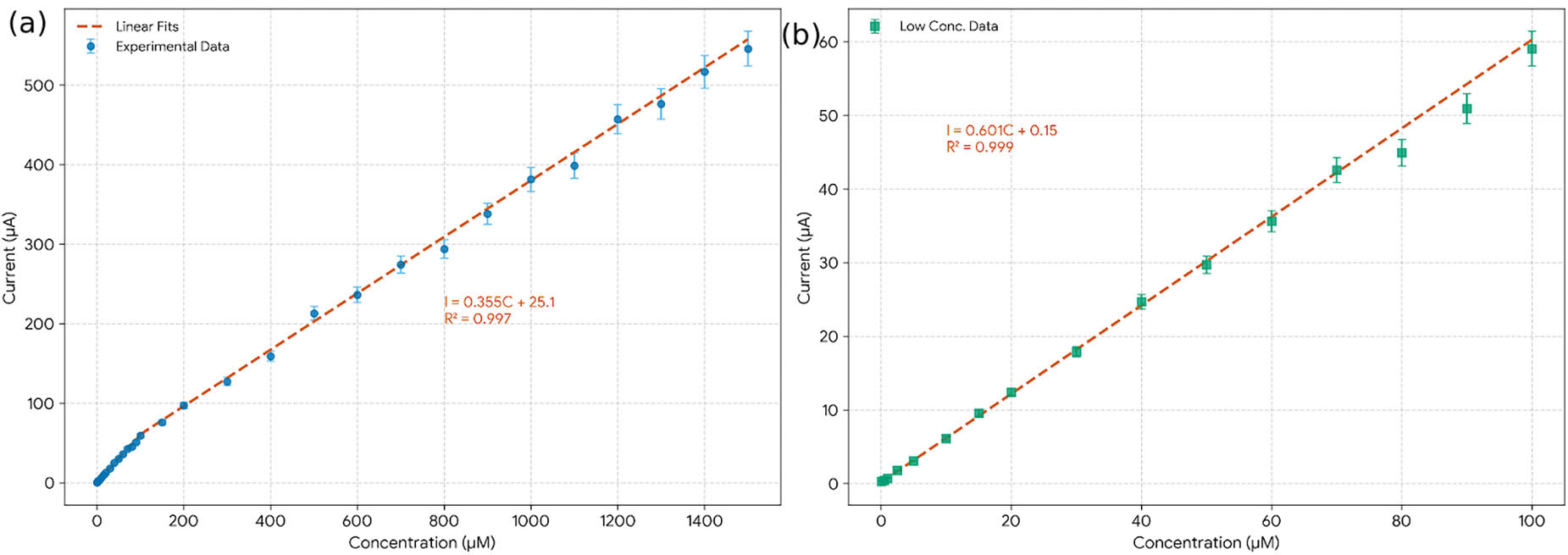
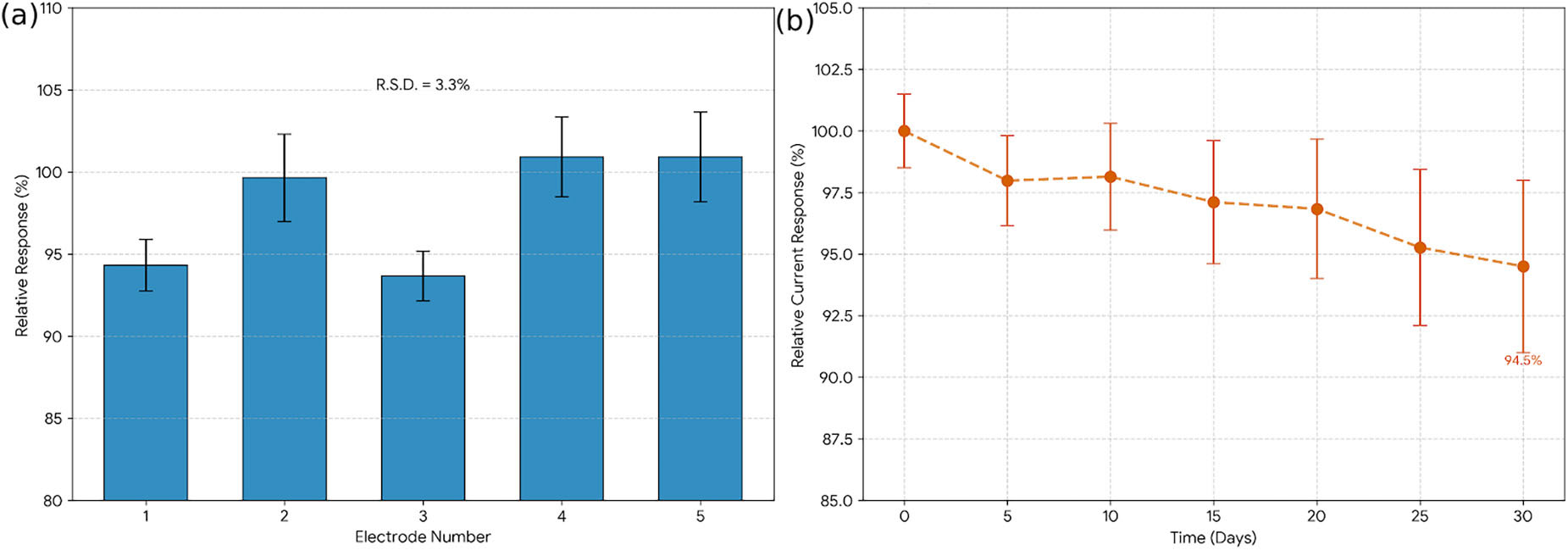
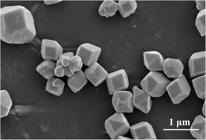
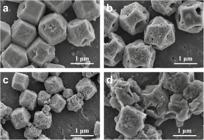
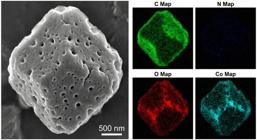
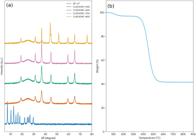
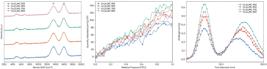
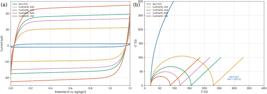
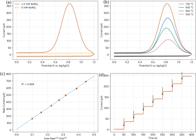
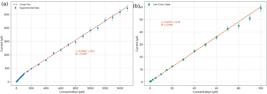
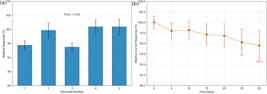
The escalating issue of nitrite (NO2−) contamination in aquatic environments necessitates the development of highly sensitive and selective detection methods. In this study, a series of porous Co3O4/N-doped carbon (Co3O4/NC) nanocomposites were successfully synthesized through a facile one-step pyrolysis of a zeolitic imidazolate framework-67 (ZIF-67) precursor at varying temperatures (500, 600, 700, and 800 °C). The effect of pyrolysis temperature on the physicochemical properties and electrochemical sensing performance of the resulting materials was systematically investigated. The optimized nanocomposite, Co3O4/NC-700, obtained at 700 °C, exhibited a well-defined porous dodecahedral morphology with uniformly dispersed Co3O4 nanoparticles embedded within a highly conductive N-doped carbon matrix. This unique architecture provided a large electroactive surface area, abundant active sites, and rapid electron transfer pathways. When employed as an electrode modifying material for electrochemical nitrite sensing, the Co3O4/NC-700 based sensor demonstrated outstanding performance, including a wide linear range from 0.1 µM to 1500 µM, a high sensitivity of 850.3 µA mM−1 cm−2, and an ultralow detection limit of 0.03 µM (S/N = 3). Furthermore, the sensor exhibited good repeatability (RSD = 2.8%, n = 7), electrode-to-electrode reproducibility (RSD = 3.9%, n = 5), and retained 94.5% of its initial response after 30 days. In tap water and river water, recoveries obtained by the standard addition method ranged from 98.6% to 103.2%, confirming the reliability of the proposed sensor for real-sample analysis. This work presents a simple and effective strategy for designing advanced MOF-derived nanocomposites for high-performance environmental monitoring applications.
Keywords:
MOF-derived materials; Porous polyhedral architecture; Heteroatom-modified carbon matrix; Non-enzymatic sensing; Environmental contaminant monitoring
 Thumbnail
 Thumbnail
 Thumbnail
 Thumbnail
 Thumbnail
 Thumbnail
 Thumbnail
 Thumbnail
 Thumbnail
 Thumbnail