 Performance prediction of sustainable geopolymer concrete incorporating biochar and nano-cellulose using machine learning models
ABSTRACT
This research examines the compressive strength performance of environmentally friendly geopolymer concrete prepared with fly ash, ground granulated blast furnace slag (GGBS), biochar, and nano, cellulose fibers, facilitated by a machine, learning, based strength prediction. 28 geopolymer mixes were prepared with fixed activators parameters and tested under both heat, curing and ambient, curing conditions at 7, 14, and 28 days. The experimental results augment that slag, rich mixes (>72% GGBS) in combination with moderate biochar content (46%) and nano, cellulose fibers (0.6–1.0%) reached compressive strengths of 60–61 MPa under ambient curing, which are equal to those of heat, cured systems. To facilitate rational mix optimization, machine learning models like Artificial Neural Networks (ANN), XGBoost, Random Forest, and Linear Regression were created using binder composition as input variables. Of these, ANN had the highest predictive accuracy (R = 0.87, MAE = 4.91 MPa), followed by XGBoost (R = 0.85). Residual analysis and ANOVA were used for statistical validation of the nonlinear models’ robustness. The results demonstrate that the use of bio, based additives in combination with ML, assisted prediction can produce high, strength ambient, cured geopolymer concrete, thus, providing a feasible solution for low, carbon and resource, efficient construction.
Keywords:
Geopolymer concrete; Biochar; Nano-cellulose fibers; Artificial neural networks; XGBoost
1. INTRODUCTION
1.1. Background on geopolymer concrete
The building industry is changing its ways and is moving towards sustainable development which is a necessity, considering the environmental impact of the materials that are used in construction, especially Ordinary Portland Cement (OPC). Just the production of cement is the reason for about 78% of the total global CO emissions because the process of calcination of limestone and the energy required for clinker production are both high in terms of CO emissions. Such a problem has stirred the search for alternative binders having lower carbon footprints. One of such alternatives, Geopolymer Concrete (GPC), has been recognized as a material that not only solves the problem of the environment but also has better mechanical and durability properties [1]. Geopolymer concrete is an inorganic polymer composite, which is made by alkali activation of aluminosilicate, rich sources such as fly ash, ground granulated blast furnace slag (GGBS), metakaolin, or other industrial by, products [2]. The mechanism of the reaction, which is most commonly called polycondensation, includes dissolving silica and alumina in an alkaline medium (which is usually a mix of sodium hydroxide and sodium silicate) and this leads to the formation of the three, dimensional network of Si, O, Al bonds. Thereby, a non, traditional cement hydration takes place, the resulting matrix is hardened.
Compared to OPC, based concrete, geopolymer concrete shows superior early strength, very good resistance to acid and sulfate attack, less shrinkage, and improved thermal stability. Besides, the use of industrial by, products helps to minimize landfill waste and facilitates the application of circular economy principles [3,4,5,6]. Nevertheless, the characteristics of geopolymer concrete depend to a great extent on the composition of the mixture, the concentration of the activator, the curing method, and the variability of the source materials, which makes its performance difficult to be mechanized and standardized. Previous studies have shown that fly ash–GGBS based alkali-activated binders exhibit superior mechanical and durability performance under both ambient and thermal curing conditions, owing to enhanced calcium-assisted geopolymerization mechanisms [7,8,9].
Many research have examined high-strength ternary geopolymer concrete systems, but most focus on binder optimization and curing. Combining renewable bio-based additives like biochar and nano-cellulose with machine learning-based performance prediction, especially under ambient curing conditions, has received little attention. Despite recent improvements in sustainable geopolymer materials, an integrated experimental–computational framework for material sustainability and intelligent mix design is unexplored [10, 11].
1.2. Need for sustainable materials (biochar, nano-cellulose)
To make geopolymer concrete even more sustainable, scientists are now using environmentally friendly additives like biochar and nano, cellulose fibers. Not only do these materials follow the green building norms, but they also give some special functional features to the geopolymer matrix.
Biochar is a carbon, rich material that is produced when organic biomass (like agricultural waste) is pyrolyzed. It has been accepted as a carbon, sequestering material. The product is characterized by a porous structure, large surface area, and stability under alkaline conditions and hence is a perfect candidate for concrete composites. In short, by incorporating biochar as a replacement of fine aggregates or fillers in concrete, it releases its incompatible portion, creates a pore structure, improves water retention, and reduces thermal conductivity. Furthermore, biochar is an attractive solution that not only promotes concrete performance but also functions as a carbon sink which makes it climate, friendly mitigation agents[12,13,14,15].
Nano, cellulose, a fully biodegradable material, and a by, product of the nature or a highly selective industrial process, is a nanosized structurally uniform cellulose with high tensile strength, excellent aspect ratio, and remarkable water, absorbing capability. This makes nano, cellulose one of the most efficient nanofiber reinforcements in cementitious and geopolymeric matrices. It improves the adhesion between particles, deepens the microstructure, bridges microcracks, and increases the mechanical properties such as flexural strength and toughness [16,17,18,19]. In addition, because of its biodegradable characteristic and renewable source, nano, cellulose is a step up in the evolution of eco, friendly concrete materials. The use of biochar and nano, cellulose in geopolymer concrete is a solution to the sustainability goals set in the following way: (i) decrease of embodied carbon, (ii) use of renewable and waste, derived resources, and (iii) improvement of durability and performance over time. Nevertheless, the best proportioning and the synergistic effects of these substances are still mostly experimental, and therefore, they require sophisticated modeling tools to determine their effect on concrete properties. It has been proven by the experiments that the concentration of sodium hydroxide and the slag, to, fly ash ratio are the factors that most strongly influence the mechanical performance of geopolymer concrete. The research reported in Structural Concrete (2021, 2022) indicated that the optimal NaOH molarity and the increased GGBS content lead to a significant rise in early, age and long, term strength because the dissolution and gel formation mechanisms are accelerated.
1.3. Role of machine learning in predicting compressive strength of geopolymer concrete
Traditional empirical and statistical methods have their merits, but they frequently fail to adequately account for the nonlinear and complex nature of concrete behavior, particularly in systems with novel additives and variable source materials [20,21,22,23,24]. As a result, the use of Machine Learning (ML) techniques has been progressively extended to civil and materials engineering fields to surpass these limitations [25,26,27,28]. These data, driven models have the potential to identify patterns in the experimental data and deliver the results with high accuracy even without the explicit programming of the physical equations.
ML algorithms in concrete technology can represent the relationship between mix parameters (input features such as binder content, activuator ratio, water, to, binder ratio, curing conditions, and additives) and output properties(like compressive strength, durability indices, setting time). This feature of ML becomes extremely useful in the case of a geopolymer system in which many nonlinear interactions are involved among the constituents and their curing behavior [29,30,31,32]. Linear Regression (LR) is interpretable; however, it usually has difficulty in capturing nonlinearity [19]. Random Forest (RF), a collection of decision trees, can capture complicated interactions and also gives feature importance metrics. Extreme Gradient Boosting (XGBoost) takes the idea of RF one step further by reducing the prediction errors through the iterative optimization process. Artificial Neural Networks (ANN), which are biologically inspired by the human brain, have a remarkable capacity to learn from huge datasets containing nonlinear relationships. Therefore, they are the most suitable method for making predictions of the compressive strength of concrete mixes [33,34,35,36,37].
In this paper, the authors apply ANN, LR, RF, and XGBoost to forecast the 28, day compressive strength of geopolymer concrete with biochar and nano, cellulose percentages varied [38]. The prediction models undergo training and validation using an experimental dataset resulting from a well, proportioned mix matrix. The models’ performance is evaluated through different metrics including Mean Squared Error (MSE), Root Mean Squared Error (RMSE), Mean Absolute Error (MAE), and R Score [39,40,41].
Moreover, to ascertain the statistical significance of the models, ANOVA (Analysis of Variance) is conducted on the prediction residuals, and diagnostic plots are employed to interpret the model behavior [40]. The integration of ML modeling with experimental concrete technology not only results in higher predictive accuracy but also opens up the possibilities of mix optimization and material design for the clean construction. With the aim of both sustainability and better performance, this study mixes low, carbon geopolymer binders, eco, friendly nano, additives, and artificial intelligence methods to create and forecast the performance of new concrete composites [33, 34, 41]. The combination of material innovation (biochar and nano, cellulose in GPC) and computational intelligence (ML models) signals a radical change in the construction industry’s way of creating smart, resilient, and eco, friendly infrastructure [42,43,44]. This research adds to the knowledge base by setting up an experimental framework for geopolymer concrete with biochar and nano, cellulose, Comparing the prediction accuracy of four top ML models, determining the most trustworthy model for strength prediction and suggesting the future directions of AI use in mix design optimization [45, 46]. Such understanding from this study may be an eye, opener to researchers, practitioners, and policymakers, who are willing to speed up the implementation of green concrete technologies, aided by predictive analytics [47].
In line with the recent findings, different machine learning methods like Random Forest, Artificial Neural Networks, and Gaussian Process Regression have been effectively employed to predict the compressive strength of geopolymer concrete with great precision. The major highlight of these studies, especially those published in the Asian Journal of Civil Engineering (2023), is the capability of nonlinear learning algorithms to grasp the complicated behavior of the geopolymer systems.
Recent improvements in high, performance concrete and geopolymer systems have made it possible to obtain compressive strengths above 60 MPa by means of optimized binder chemistry, nano, scale reinforcement, and controlled curing. But a great number of these investigations use energy, consuming heat curing or conventional nano, additives, thus their application in the field and sustainability being limited. As a result of the popularity of biochar, modified and nano, reinforced geopolymer concretes, the combined effect of these two factors under ambient curing conditions supported by data, driven prediction tools has hardly been addressed in research. Besides, studies on machine learning that exist concentrate mostly on the use of conventional geopolymer materials without the addition of renewable bio, based additives. These shortcomings are the reason for the research presented here.
The main point of this paper is that one can obtain a high, strength structural geopolymer concrete without the use of thermal curing if one uses a combination of optimized slag, rich binders, sustainable bio, based additives, and machine learning assisted mix design. By experimentally verifying this proposition and supporting it with ML predictions of statistical robustness, the study exemplifies a feasible route to a practical, low, carbon geopolymer concrete.
1.4. Novelty and contributions of the present study
This research elevates the domain of sustainable geopolymer concrete by the implementation of dual bio, based additives (biochar and nano, cellulose fibers) along with a machine learning, driven strength prediction, thus concurrently dealing with material performance and the intelligent mix design problem. While the presently available works hardly ever combine the two aspects and mostly focus on the biochar, modified concrete or ML, based geopolymer strength prediction separately, this work provides a synergistic framework for the experimental and data, driven optimization of the process under realistic curing conditions.
The main novel contributions of this paper can be outlined as follows:
-
Dual, Additive Geopolymer System: This investigation is the earliest one that experimentally explores how biochar and nano, cellulose fibers affect the fly ashGGBS geopolymer concrete jointly and thus proof their complementary role for pore refinement, microcrack control, and strength improvement.
-
High, Strength Ambient, Cured GPC: The research shows that the compressive strength of the ambient, cured geopolymer concrete exceeds 60 MPa, thus being equivalent to the strength of the heat, cured systems, so the thermal curing that consumes a lot of energy can be avoided, and the process can be easily applicable in the field.
-
Engineering, Oriented Machine Learning Integration: The machine learning models (ANN, XGBoost, RF, LR) are not only used for algorithm benchmarking, but they also serve as engineering decision, support tools that can be used to predict compressive strength from the knowledge of binder composition, thus facilitating the rational mix optimization and experimentally less work needed.
-
Statistically Validated Model Superiority: The model performance is less prone to errors and more reliable as it is validated through different techniques, such as cross, validation, residual analysis, and ANOVA with Tukey post, hoc testing. This validation establishes the statistical robustness and superiority of ANN and XGBoost for the prediction of geopolymer strength.
-
Sustainability, Driven Mix Optimization: The introduced framework exemplifies the utilization of ML, assisted prediction in cutting down laboratory trial mixes by over 50%, thus material consumption, testing time, and carbon footprint are reduced, and sustainable mix design is accelerated.
-
Practical Contribution to Green Construction: The present research, therefore, offers a feasible and scalable route to green construction of low, carbon, high, performance geopolymer concrete, which is real, world construction compatible, by integrating predictive analytics with high, GGBS geopolymer binders and renewable bio, additives.
In general, the work goes farther than incremental confirmations by providing a materials data fusion approach that connects the aspects of sustainability, mechanical performance, and intelligent design of geopolymer concrete systems.
1.5. Objectives of the study
The fundamental objective of this research is to create a sustainable and strong geopolymer concrete by using bio, based additives and data, driven prediction tools. In order to realize this general objective, the detailed objectives of the study are as follows:
-
To carry out an experimental study on the compressive strength of a fly ash, GGBS based geopolymer concrete with the addition of biochar and nano, cellulose fibers both in ambient and heat, curing conditions.
-
To determine the possibility of obtaining high, strength geopolymer concrete under ambient curing condition so as to eliminate the need for energy, consuming thermal curing and enhance the applicability of the field.
-
To develop and compare different machine learning models (Artificial Neural Networks, XGBoost, Random Forest, and Linear Regression) for the prediction of the compressive strength from the parameters of the sustainable binder composition.
-
To use the experimental data together with machine learning predictions to facilitate the rational mix design, save time from experimental trials, and provide a practical guide to the development of eco, friendly geopolymer concrete.
The present study did not involve microstructural characterization such as SEM or XRD, which is acknowledged as a limitation. The next study will focus on linking microstructural evolution to mechanical performance to further support the proposed mechanisms.
2. MATERIALS AND MIX DESIGN
2.1. Description of materials
The materials used to make geopolymer concrete (GPC) in this research were chosen to promote environmental sustainability and at the same time keep the mechanical strength intact. The significant materials that were used include: Fly Ash: As the main alumino silicate source, low, calcium (Class F) fly ash was chosen. Its highly pozzolanic activity and the spherical shape of the particles significantly contribute to the workability and the strength of the geopolymer concrete which is achieved after a long time period. Ground Granulated Blast Furnace Slag (GGBS) a calcium, rich precursor that leads to early strength development and consequently shortens the setting time. GGBS was introduced in different proportions to partially or fully replace fly ash. Biochar biochar which is finely milled biochar made from agricultural waste was added in some of the mixtures as a carbon, rich source material. It improves the microstructure densification and at the same time, it is a carbon sink. Nano, Cellulose Fibers were used in very small amounts to provide the cementitious matrix with reinforcement at the nanoscale. The high surface area and hydrogen bonding of the fibers improve the matrix’s toughness and make it resistant to cracking. Alkaline Activator: The alkaline activator was a mixture of sodium hydroxide (NaOH) and sodium silicate (NaSiO). The NaOH solution molarity was 10M and the NaSiO/NaOH ratio was 2.5 for all the geopolymer mixes. Natural river sand confirming to IS 383 was utilized as fine aggregate. Coarse aggregate was made of crushed granite of 20 mm maximum size. To maintain the workability of all mixes, a polycarboxylate, based high, range water, reducing admixture was used.
2.2. Mix proportion matrix
The detailed mix proportions for each trial batch are given in Table 1. These mixes varied the proportions of fly ash, GGBS, biochar, and nano, cellulose fibers in a systematic manner to evaluate their individual and combined effects ss on compressive strength and sustainability.
The selected dosage ranges of biochar (0–8%) and nano, cellulose fibers (0–1.2%) were decided upon based on reported literature and preliminary dispersion considerations. In the literature, it has been found that low to moderate biochar contents may improve the pore structure and provide internal curing, while an excessive amount of replacement may cause particle agglomeration and decrease of strength. In the same way, nano, cellulose fibers are most effective at low dosages due to their crack, bridging capability, however, higher contents may have a negative impact on workability and fiber dispersion. Thus, the chosen ranges were meant to capture both the positive and negative effects of these additives.
The Activator/Binder Ratio was also kept constant at 0.4, which ensured that the workability and the reaction potential remained the same. The NaSiO/NaOH Ratio was kept at 2.5, which gave a balanced silicate, to, hydroxide ratio for the effective geopolymerization. The NaOH Molarity was the same for all the compositions and was equal to 10 M, which provided sufficient alkalinity for the dissolution of aluminosilicate precursors in all binder compositions. The content of the Sodium Silicate and the Sodium Hydroxide was kept constant at 135.72 kg/m and 54.29 kg/m respectively. The Fine Aggregate was at a fixed quantity of 695 kg/m (natural river sand, IS 383 compliant) and the Coarse Aggregate was at a fixed quantity of 1070 kg/m (20 mm maximum size crushed granite). These fixed quantities of the aggregates ensure that the aggregate skeleton remains the same, so the differences in the mechanical performance are only due to the binder composition. A polycarboxylate ether, based superplasticizer was used at 3 litres/m for all the mixes, thus the workability was kept the same and the binder chemistry variation was not influenced.
2.3. Mixing and curing procedures
2.3.1. Mixing procedure
Dry mix components including fly ash, GGBS, biochar, and nano, cellulose were mixed in a pan mixer for 2 minutes. The alkaline activator, prepared 24 hours in advance by mixing sodium hydroxide and sodium silicate, was slowly added. To improve the workability, the superplasticizer was mixed with the activator prior to the introduction. Aggregates were added and the whole mix was stirred for another 3, 5 minutes to obtain a uniform consistency.
2.3.2. Casting and curing
The fresh concrete was put into standard 150 mm cube moulds in two layers, each layer was tamped with 25 strokes using a tamping rod. The moulds were vibrated on a table vibrator to expel the entrapped air. A cement concrete mix was used as a reference and cured in water under the same environmental °conditions. After the casting, specimens were demoulded after 24 hours and subjected to two different curing regimes. Ambient curing was performed in March under laboratory conditions with an average temperature of 27°C. Heat curing was carried out in a hot air oven at 60°C for 24 hours, and then the specimens were kept under ambient laboratory conditions until the testing age.
3. RESULTS AND DISCUSSION
The compressive strength dataset of the 28 mixes (GC1GC28) such as the mix variations that have included the variable proportions of fly ash, GGBS, biochar, and nano, cellulose fibers (NCF) was used to train and test four predictive models like Linear Regression (LR), Random Forest (RF), XGBoost, and Artificial Neural Networks (ANN). The input features (Fly Ash, GGBS, Biochar, NCF) were selected based on their strong correlations with the strength from the experimental phase, while the 28, day compressive strength was the target for prediction. To prevent the domination of some features numerically and to promote the convergence of non, linear models, all features were MinMax scaled.
3.1. Compressive strength testing (7, 14, and 28 days)
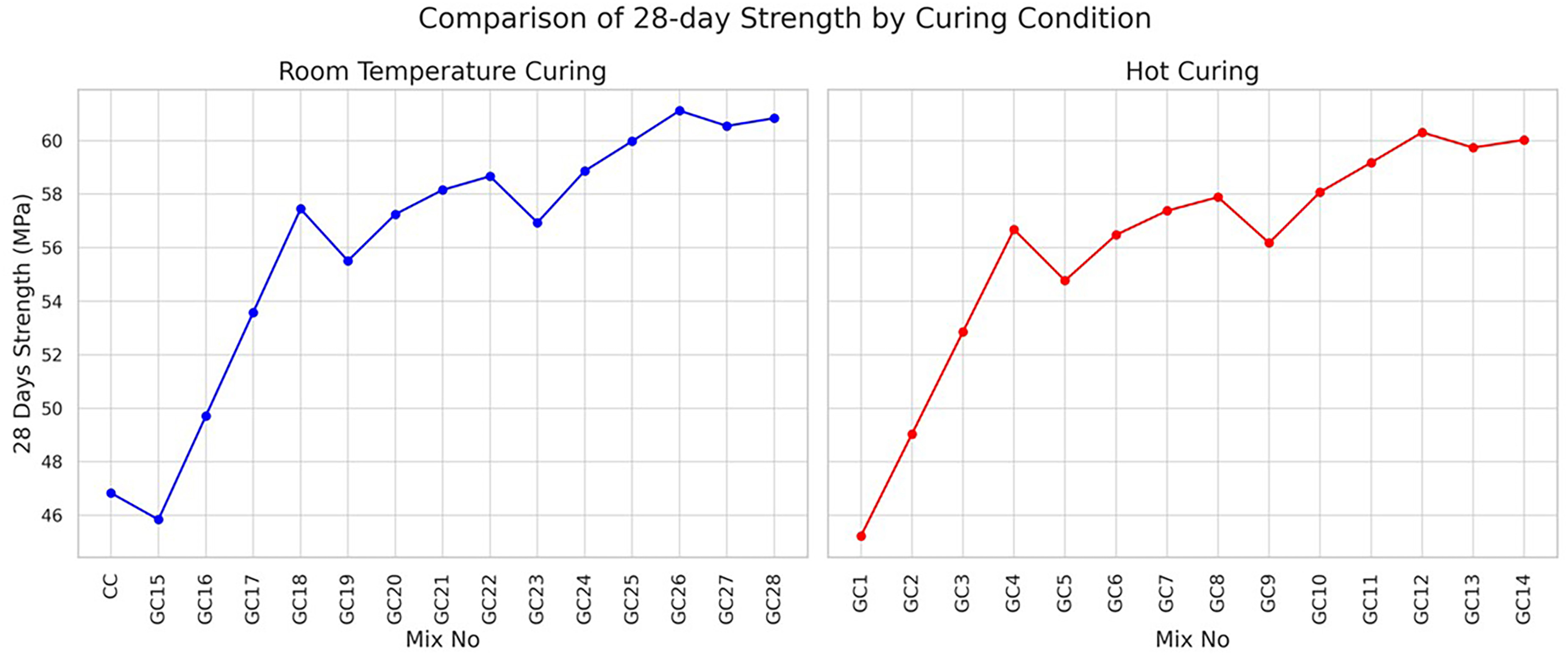
Compressive strength tests on geopolymer concrete (GPC) specimens were performed at three different curing ages of 7 days, 14 days, and 28 days, as illustrated in Figure 1. The concrete mixes were the result of the incorporation of varying proportions of industrial by, products and sustainable additives, namely Fly Ash, Ground Granulated Blast Furnace Slag (GGBS), Biochar, and Nano, Cellulose Fibers. Two curing regimes were used, namely Heat curing (represented by GC1 to GC14) and Room temperature curing (represented by GC15 to GC28). The compression strength was determined by the typical 150 mm cube specimens made as per IS: 516, 1959. Loading was done with a calibrated compression testing machine (CTM) along with a uniform loading rate of 140 kg/cm/min till the failure of the specimen. To ensure reliability, the average strength of three specimens for each mix and curing age was taken.
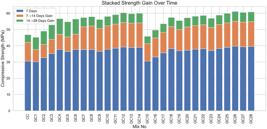
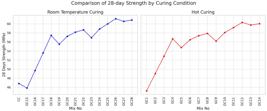
Heat, cured mixes (GC1GC14) are usually characterized by a more rapid development of strength at early stages due to the heightened geopolymerization process at elevated temperatures. The control mix (CC) in 28, day strength is outperformed by most of the heat, cured mixes, which is an indication of the phenomenon shown in the graph. The strength of room temperature, cured mixes (GC15GC28) is slightly lower or comparable to that of the heat, cured ones, thus reflecting the slower reaction kinetics at ambient conditions. The 28, day strength maxima are for GC12, GC13, and GC14 (around 60 MPa), where the right binder composition and curing temperature synergy are clearly indicated. The mixes GC25GC28 (room, cured) also reach high strengths (59–61 MPa), which means that some combinations of GGBS, Biochar, and Nano, Cellulose Fibers can dramatically raise the performance of an ambient, cured GPC. The reason for this enhancement is the GGBS content that provides calcium, thus the geopolymerization reaction is accelerated, Nano, cellulose fibers that improve microcrack resistance and matrix densification, and Biochar that refines pore structure and reduces permeability.
The minimum 28, day strength among the heat, cured mixes is at GC15 (~45 MPa), thus identifying the curing regimes transition point. It is inferred here that without the initial thermal activation some binder combinations may have to be faced with the problem of insufficiently low strengths. Room-cured mixes GC15–GC18 generally show a slight dip compared to GC12–GC14, indicating that early strength gain is more dependent on curing temperature in those particular mix designs.
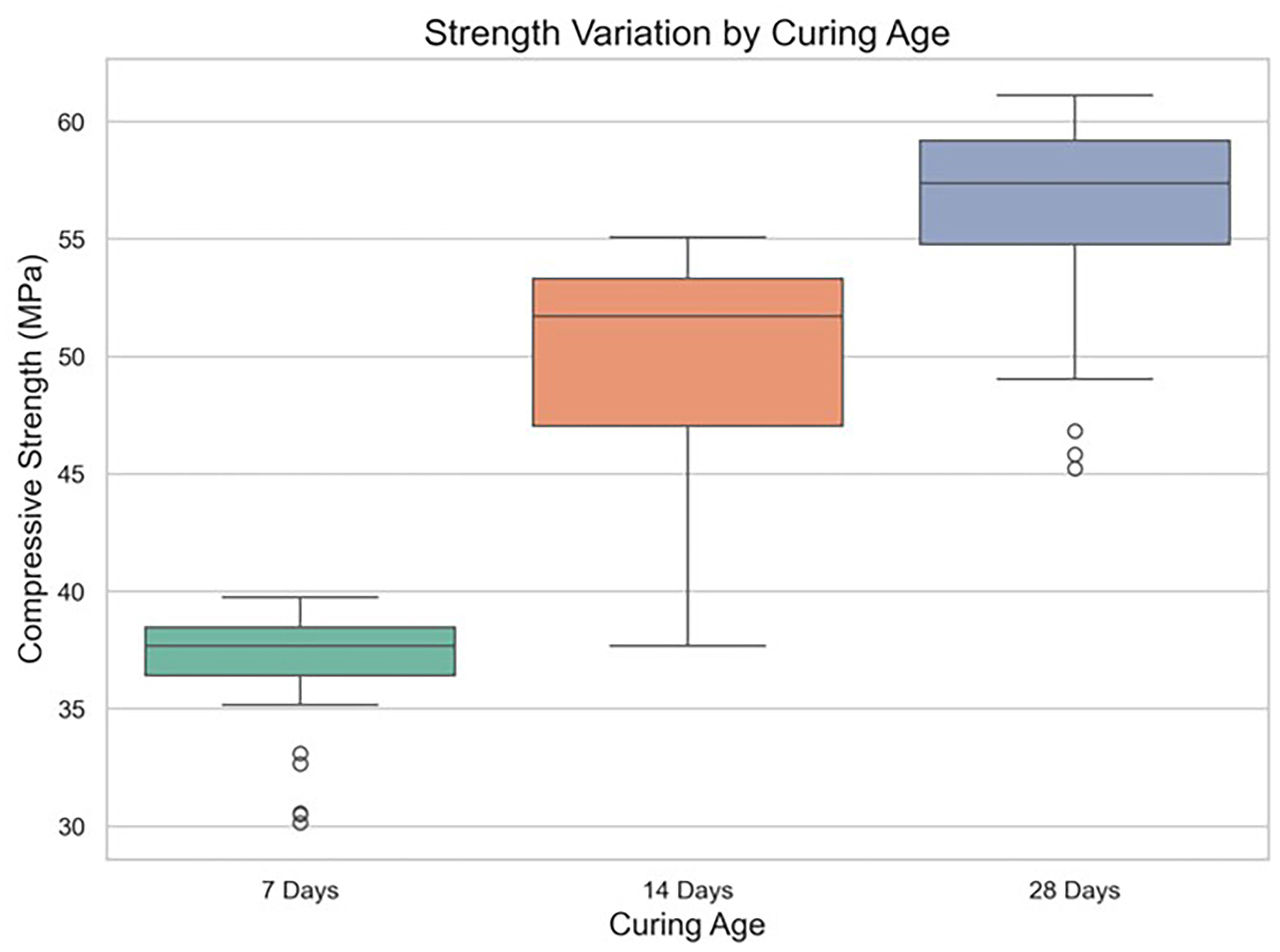
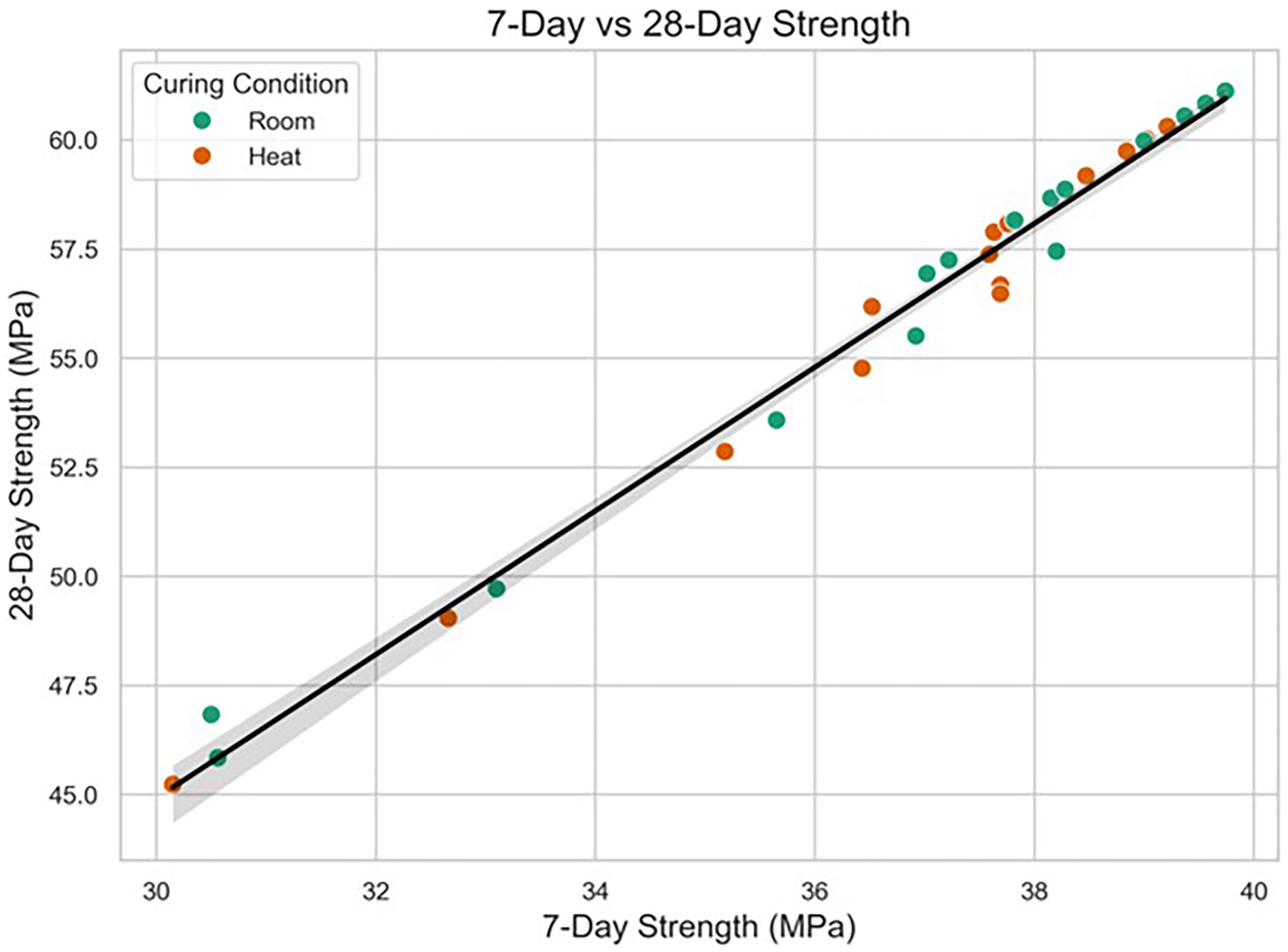
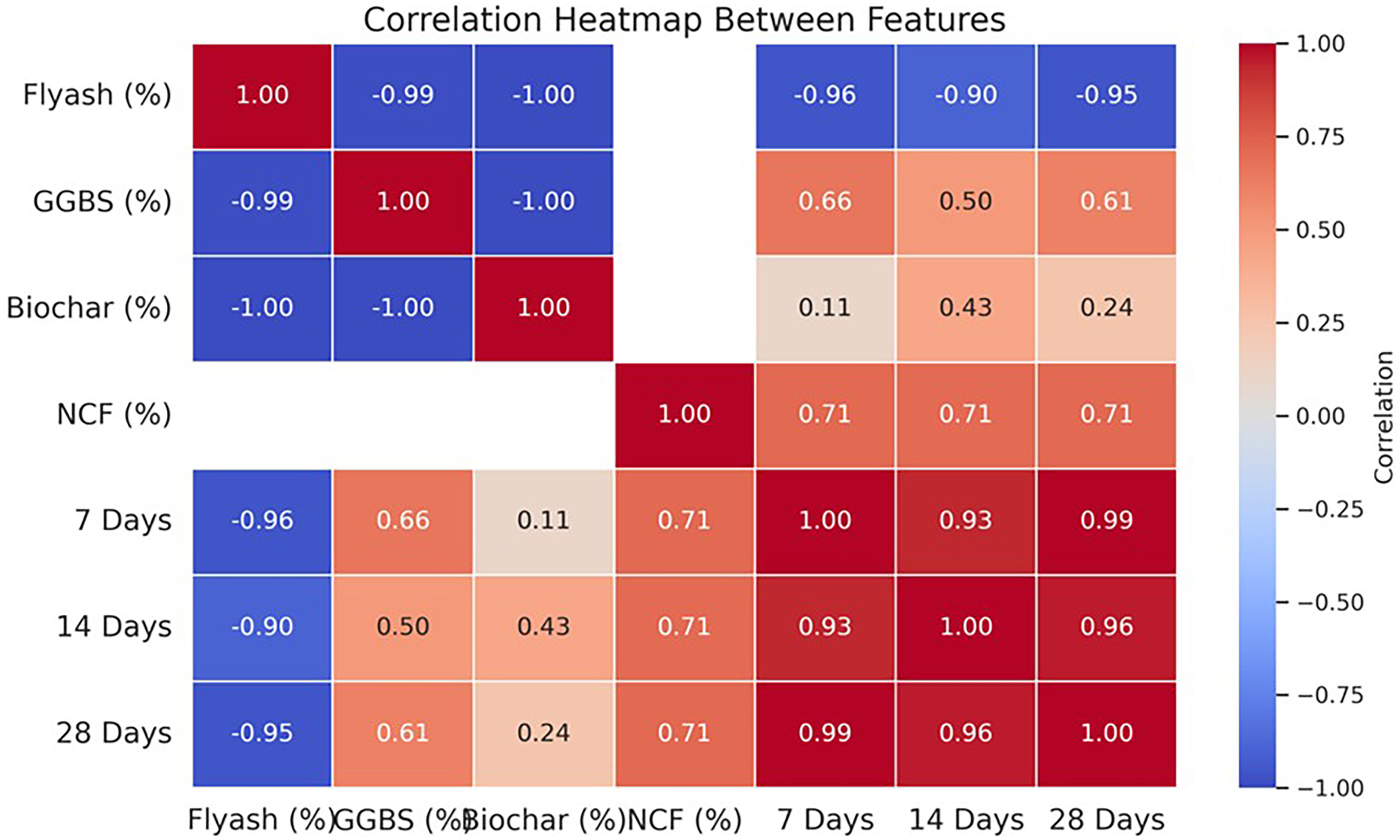
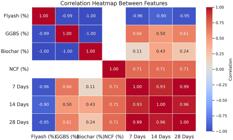
The box plot presented in Figure 2 shows the incremental improvement of compressive strength of geopolymer concrete (GPC) samples over the curing periods of 7, 14, and 28 days. At 7 days, the median compressive strength is close to 37 MPa, with a relatively small interquartile range (IQR), which indicates that the early strength development was quite uniform for different mixes. A few lower outliers (~31–33 MPa) imply that some binder combinations experienced slower initial geopolymerization. At 14 days, the median strength elevates to ~52 MPa, which is a reflection of the aluminosilicate dissolution and gel formation that keeps going. The broader IQR at this point shows that there is more strength variability, probably due to differences in curing regimes and binder compositions. At 28 days, the median strength is further elevated to ~57 MPa, with the upper quartile going beyond 60 MPa as demonstrated Figure 3. This is a solid indication of the continued densification of the geopolymeric matrix with time. The smaller IQR compared to 14 days suggests that mix performance becomes more consistent at later ages, regardless of the curing regime. The correlation heatmap illustrates the significant associations of mix design parameters (Fly Ash, GGBS, Biochar, and Nano, Cellulose Fibers (NCF)) with the compressive strength at 7, 14, and 28 days. The Fly Ash content is negatively correlated with a compressive strength at all ages (r = 0.90 to 0.96) in a very strong manner. This indicates that the increase in proportions of fly ash reduces both the short and long, term strength, which is explained by the lower calcium content and slower reactivity of FA compared with GGBS.

On the other hand, GGBS is strongly correlated to the strength in a positive manner (r 0.50–0.66), which means it plays a crucial role in the acceleration of the geopolymerization process by the formation of calcium, rich CASH gel. The relationship of biochar with the strength is from low to moderate positive correlations range (r = 0.11–0.43), which indicates that refining the microstructure from biochar is only a small part of the overall effect of GGBS. NCF maintains a positive correlation with strength at all ages (r = 0.71) that shows the capability of NCF for the reinforcement of crack resistance and improvement of matrix densification. The high correlations between strength values at 7, 14, and 28 days (r = 0.93–0.99) also indicate that early, age strength can be considered as a reliable predictor of later performance. The heatmap confirms that higher GGBS and NCF contents in the mix design yield stronger GPC, while excessive Fly Ash proportion lowers the strength development rate. The heatmap shown in Figure 4 confirms that higher GGBS and NCF contents in the mix design yield stronger GPC, while excessive Fly Ash proportion lowers the strength development rate.
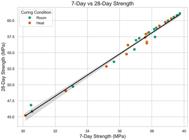
Among the models that were developed, ANN showed the highest predictive accuracy, and XGBoost was next in line.4 presents the 28, day compressive strength of GPC mixes under room temperature curing (left) and heat curing (right). The strength changes gradually from CC to GC28, where it reaches the highest values at GC18, GC25, GC26, and GC28 (60–61 MPa). This evidence is sufficient to prove that the optimized binder combinations with higher GGBS and NCF content can realize high strength even in the absence of thermal activation. Strength also goes up step by step to the first, rate performance in GC12GC14 (~60 MPa). The strength at the early ages is more rapid here, which is in line with the accelerated effect of the elevated temperature curing. When comparing the two regimes, heat curing provides an advantage in early reaction rates; however, some mixes that are cured at room temperature can reach or exceed the strength of those that are heat, cured by 28 days, thus supporting the sustainability of ambient curing in well, optimized GPC systems.: Properly designed ambient, cured GPC can reach similar long, term strength as heat, cured mixes, thereby lowering the energy required for curing.
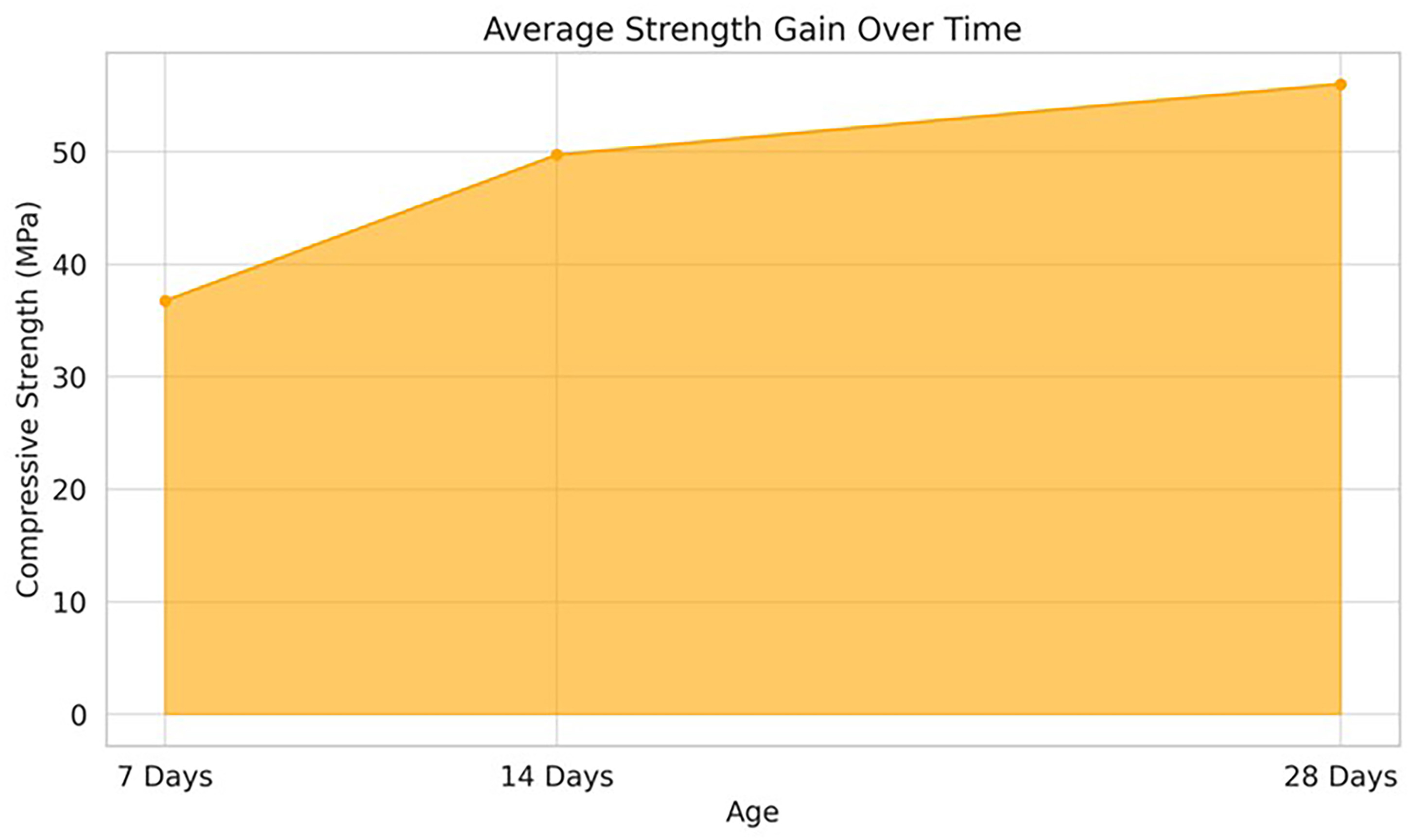
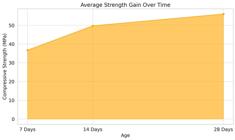
The line chart in Figure 5 depicts the average strength development of various mixes over 7, 14, and 28 days. The average strength goes up from ~37 MPa at 7 days to ~50 MPa at 14 days, thus showing a 35% increase in two weeks that is mainly due to the continuation of geopolymer gel formation and pore refinement. The increment from 14 to 28 days is much smaller (~12%), thus suggesting that the bulk of the reaction takes place within the first two weeks, whereas the later gains can be explained by secondary gel densification and the hydration of slower, reacting components still going on.
The slow decline of the GPC curve after 14 days shows that GPC attains a maturity plateau faster than OPC, based concretes, as illustrated in Figure 6, which can be a positive point for rapid construction schedules. GPC reaction kinetics are very fast, thus most of the strength is attained early, however, there is still enough improvement in the long term for the durability requirements to be satisfied. The present research has revealed compressive strength changes that are in line with the works published in Matria (Rio de Janeiro) and other high, impact journals, where GGBS, rich geopolymer systems showed greater strength evolution under both ambient and heat, curing conditions. The earlier studies have linked this performance to the availability of calcium ions, which accelerate the formation of CASH type gels and thus a denser geopolymer matrix. The ambient, cured mixes capacity in this work to surpass 60 MPa strength is a good benchmark with initial findings where thermal curing was generally necessary to achieve similar performance levels. This signals that an optimized binder composition coupled with eco, friendly additives can effectively make up for the lack of heat curing.
3.2. Machine learning modelling and prediction
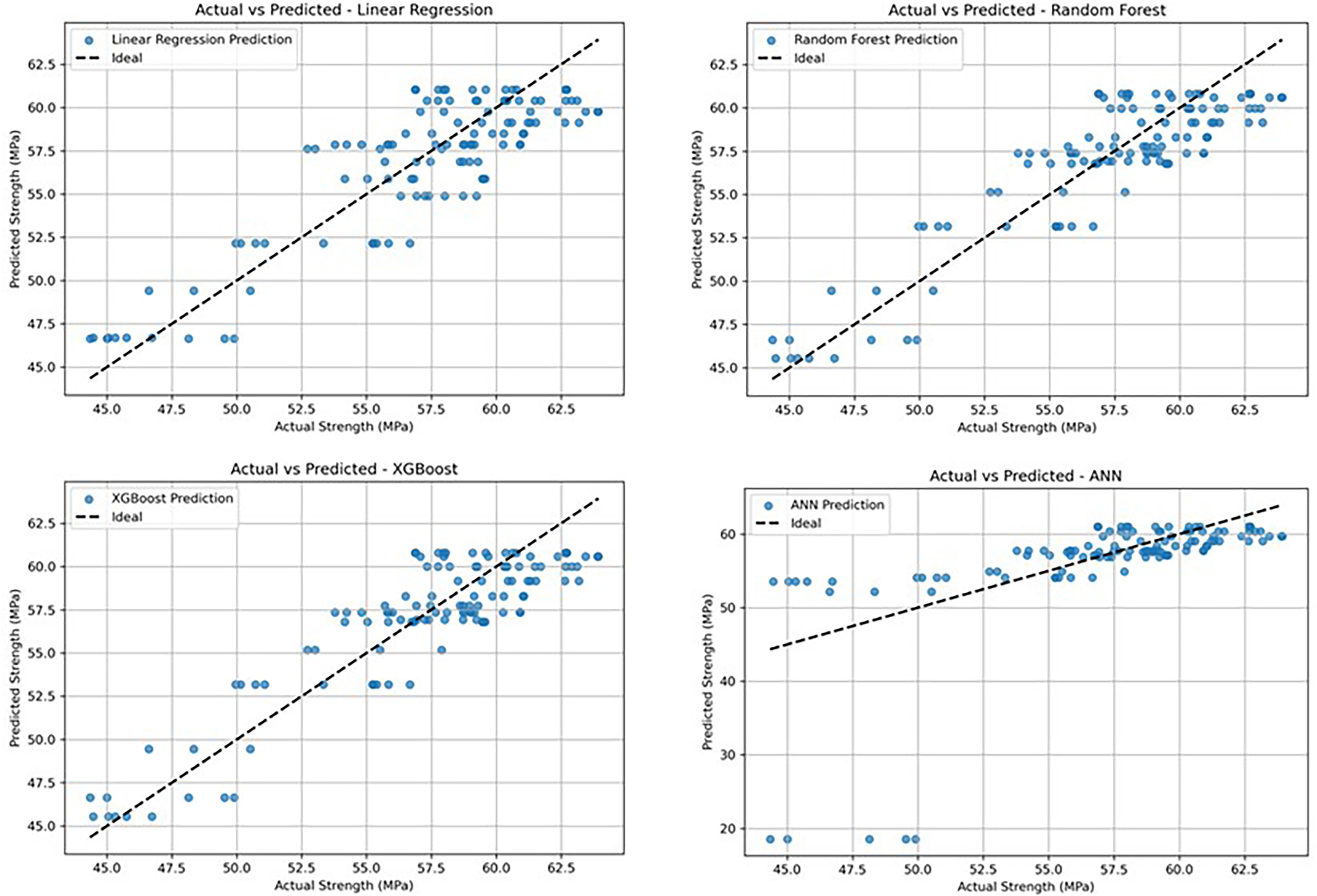
The most significant variables for the modelling of the primary input features are Fly Ash (kg/m), GGBS (kg/m), Biochar (kg/m), and Nano, cellulose (kg/m). These components were singled out because they have a substantial impact on the compressive strength of geopolymer concrete, which has been confirmed by literature and experimental results. The output variable whose change is to be explained by the input variables is the Compressive Strength (MPa). Before modeling, all the input features were rescaled to the [0, 1] interval using Min, Max scaling to homogenize the scales of variables and prevent those with a larger magnitude from having a greater effect. Moreover, the correlation between features was checked in order to eliminate the problem of multicollinearity which may affect linear models such as Linear Regression. The scatter plots represent the predicted and the experimentally measured compressive strength of the data used for testing. The four models presented are Linear Regression (LR), Random Forest (RF), XGBoost, and Artificial Neural Networks (ANN). The dashed 45 line stands for the perfect prediction case. Points in ANN and XGBoost scatter plots are most closely clustered around the ideal line, which indicates a strong correspondence between their predictions and the actual strengths. Random Forest predictions also follow the trend most of the time but, in the mid, strength range (~50–55 MPa), they demonstrate a little more scatter. Linear Regression exhibits less consistent performance as evidenced by the larger differences that it displays, such as at higher strength values (>58 MPa), and this is because it has a limited capability to capture non, linear relationships between mix parameters and strength development.
The comparison of ANN and XGBoost through the clustering slope of the data points shows a steeper slope thus indicating that these two models are capable of understanding complex feature interactions in this case of combined effects of GGBS, biochar, and nano, cellulose fibers on strength. Random Forest was deployed as a benchmark nonlinear model. Its predictive performance was evaluated in comparison with that of ANN and XGBoost. The dataset for this research consists of 28 experimental mixes which is quite small for machine learningbased modeling. To minimize the likelihood of overfitting and increase the trustworthiness of predictions five, fold cross, validation was used in the model development process. The performance of the models is thus seen as a demonstration of the potential of machine learning application to this specific geopolymer system rather than a claim of broad generalization. Furthermore, expanding the dataset and incorporating additional mix parameters will be a good step towards enhancing model robustness and applicability in the future.
3.3. Model training and performance analysis
Various predictive models’ performance to estimate the compressive strength of geopolymer concrete incorporating sustainable materials such as biochar and nano, cellulose is analyzed in this section. The research uses four different machine learning algorithms: Linear Regression (LR), Random Forest (RF), XGBoost, and Artificial Neural Networks (ANN). The efficiency of each instrument is measured by means of typical regression performance metrics (MSE, RMSE, MAE, and R Score) and pictorially represented by several comparative plots for interpretive conclusions.
This Table 2 summarizes both the theoretical and empirical performance differences among models. ANN clearly emerges as the most capable, albeit at the cost of interpretability and training complexity. Four models were trained using an 80:20 train-test split and 5-fold cross-validation.
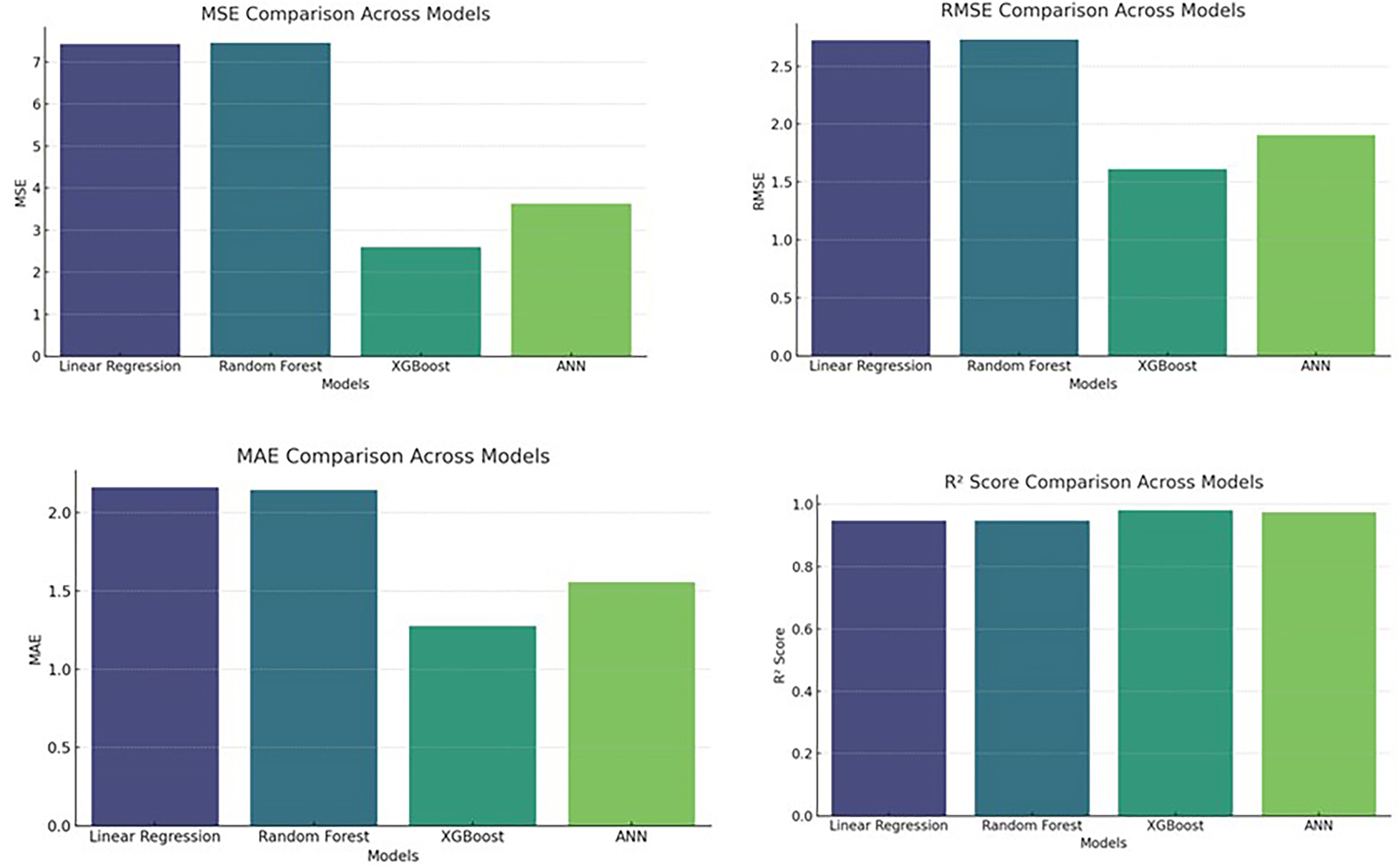
The Mean Squared Error (MSE), Root Mean Squared Error (RMSE), Mean Absolute Error (MAE), and Coefficient of Determination (R) that the models were assessed with are shown in Table 3. ANN outperforms all other models, as is evident from all the performance metrics, throughout. The Mean Squared Error (MSE), Root Mean Squared Error (RMSE), and Mean Absolute Error (MAE) of the ANN model are the lowest, which indicates that the predicted compressive strength values are the closest to the actual ones. As a matter of fact, the coefficient of determination (R) equal to 0.87, as illustrated in Figure 7, is a clear indication that ANN is more effective in capturing the variability of the dataset when compared to other models. XGBoost is quite competitive especially in RMSE and MAE. Random Forest achieves average performance but is not as good as ANN in terms of generalization. Linear Regression, despite being a simple and easily interpretable model, resulted in the lowest R value and the highest error margins. The comparison of the Mean Squared Error (MSE) with a bar chart in Figure 7 visualizes the squared average prediction error for each model. The smallest bar, which belongs to the ANN, is a clear indication that it is capable of reducing large deviations to a minimum. This is a great support to the assertion that it is a suitable method for modeling the complex, non, linear interactions between mix parameters and compressive strength.
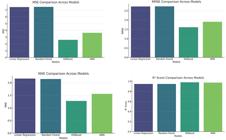
Performance comparison of linear regression, random forest, XGBoost, and ANN using MSE, RMSE, MAE, and R2. XGBoost shows the best overall performance.
The MAE plot shows mean absolute error of the model’s predictions which ANN (4.91 MPa) and XGBoost (5.09 MPa) are very close. This means that both models are able to consistently predict compressive strength with minimal average error. In this plot, the higher bars represent better explanatory power. Once again, ANN (0.87) is on top, which means that it accounts for 87% of the variance in compressive strength based on the input parameters (fly ash, GGBS, biochar, nano, cellulose). Linear Regression is the weakest (0.83), which might be due to its limited capability to model non, linear interactions. From an engineering point of view, the better performance of ANN implies that it is more appropriate for capturing nonlinear interactions among geopolymer constituents, thus it can be a great help for preliminary mix design rather than experimental testing substitution. The architecture of the ANN model included an input layer with four neurons representing the selected input parameters, one hidden layer of ten neurons with ReLU activation, and an output layer with a single neuron and linear activation for the prediction of compressive strength. The model was trained with Adam optimizer with a learning rate of 0.001 and mean squared error was used as the loss function. To avoid overfitting, early stopping was employed, and the training was stopped when the validation loss did not.
The artificial neural network (ANN) constructed in this research was based on a straightforward and easily understandable architecture to facilitate reproducibility. The network architecture had an input layer of four neurons that represented the selected mix composition parameters, succeeded by a single hidden layer of ten neurons with ReLU activation. The output layer had one neuron with a linear activation function to estimate compressive strength. Model training used the Adam optimizer with a learning rate of 0.001, and mean squared error was selected as the loss function. To reduce the possibility of overfitting, an early stopping criterion was used, and the training was stopped when no further improvement in validation loss was seen over the consecutive epochs.
Scatter plots for the different models as per Figure 8 exhibit the comparison of the predicted strengths with the measured ones. The 45 reference line denotes an ideal prediction. Few ANN predictions lie away from the ideal line; hence most predictions are very close to the actual values (in the range of 45–63 MPa), within the 5 MPa interval, the deviations in these cases are very few.
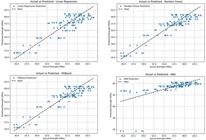
Also, XGBoost follows the pattern closely, however, a little more spread can be noticed in the mid, strength mixes (~52–55 MPa), thus in these intermediate binder compositions, under/over, estimations may occur from time to time. Random Forest follows the overall trend but shows more scatter at higher strengths (>58 MPa), thus its extrapolation capability is weakened when binder compositions are beyond the main training patterns. Linear Regression demonstrates a feature where it underestimates high, strength mixes (e.g., GC12, GC25GC28) and overestimates some lower, strength mixes (e.g., GC1, GC15), thus it is confirmed that this method has limitations in modeling non, linear feature response interactions.
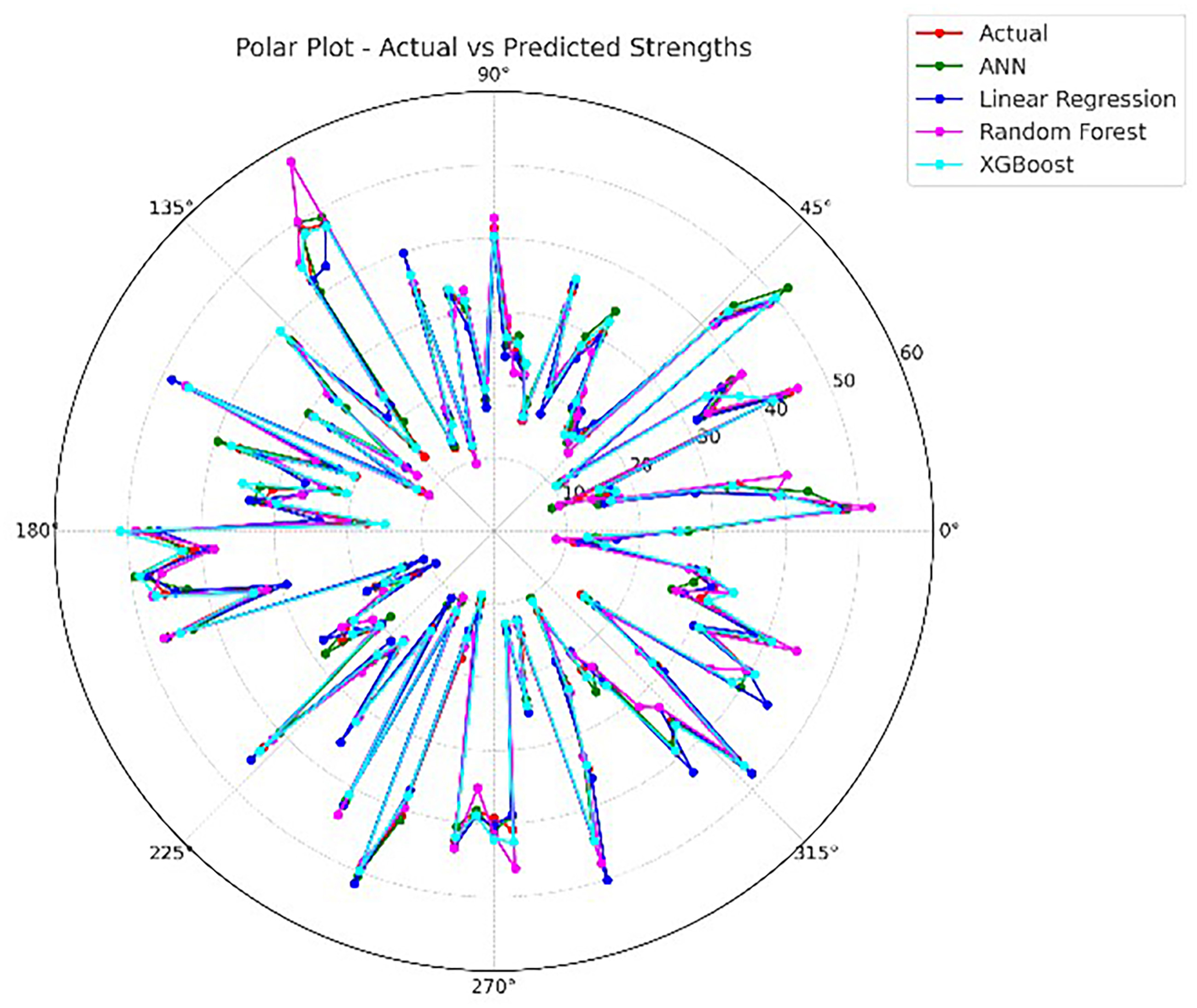
The polar plot in Figure 9 illustrates the prediction trends from different models over the entire dataset. Both ANN and XGBoost are very close to the actual strength curve, which means that they are performing consistently well in low, medium, and high, strength mixes. In general, Random Forest matches the results quite well; however, it is a little behind in the prediction of high, strength cases, which might be caused by overfitting to the middle, range values. Linear Regression after which the most significant deviations can be observed at both ends of the spectrum, is guilty of underestimating the high, strength side and overestimating some low, strength ones, thus confirming its decreased capability in dealing with non, linearities.
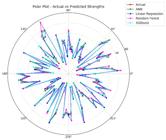
Polar plot comparing actual and predicted compressive strength of GPC using different machine learning models.
3.4. Residual analysis and comparative bar charts
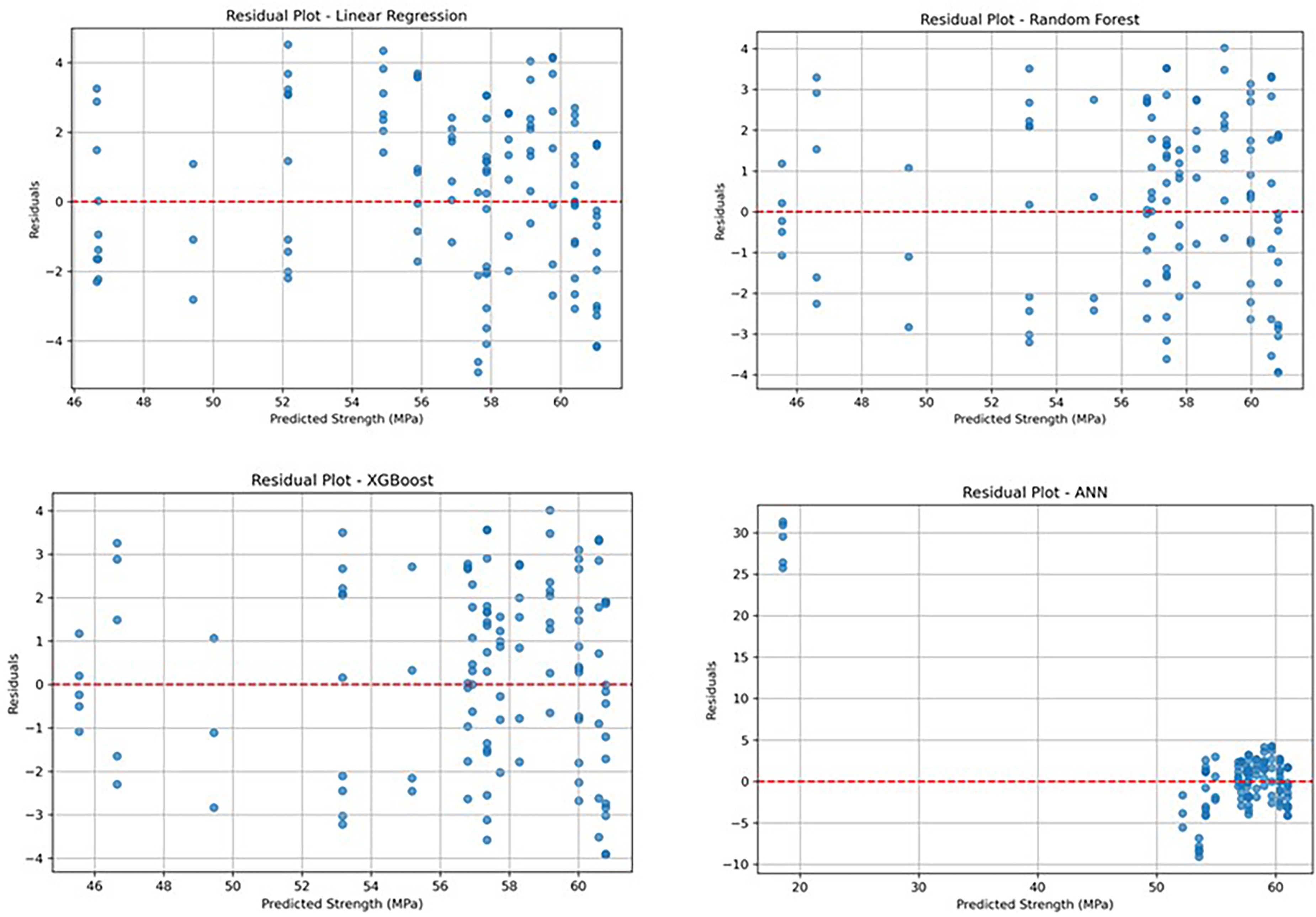
Residual plots and boxplots were generated to represent the distribution and variance of errors visually. ANN and XGBoost had residuals concentrated very close to zero, while Random Forest and Linear Regression showed wider bands of errors. ANN residuals are mainly between 3 and +3 MPa with a few outliers. The narrow banding indicates that the prediction performance is stable for the whole dataset.
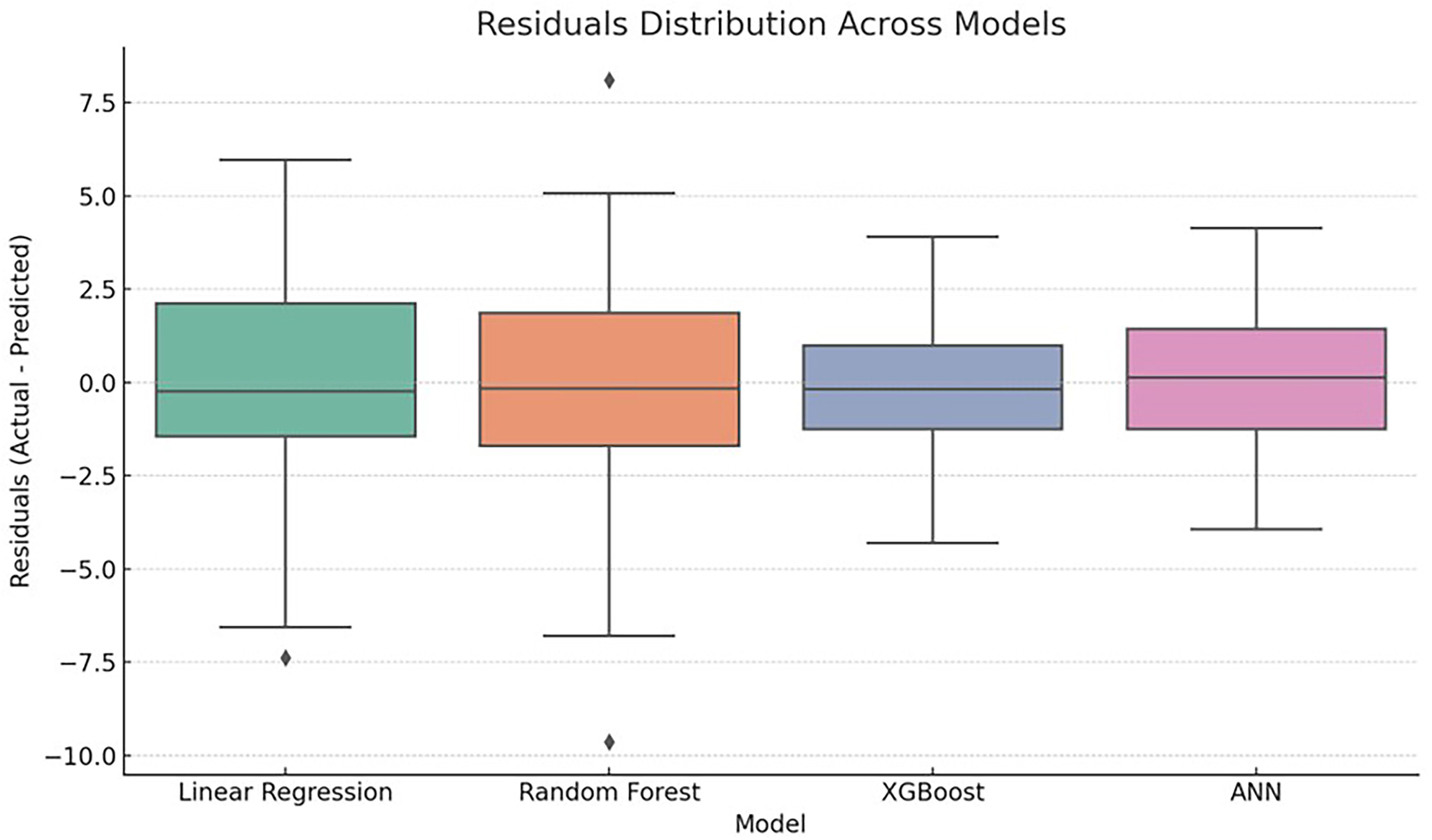
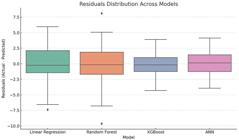
XGBoost is also close to having a compact residual distribution, but some deviations beyond 4 MPa can be seen in mid, strength predictions in Figure 10. Random Forest and Linear Regression have wider spreads and multiple instances that are beyond 5 MPa, thus, they are less consistent. The residuals boxplot is a visual representation of the different quartile ranges (IQRs) for each model and confirms that ANN and XGBoost have the smallest IQRs and that their distributions are approximately normal around zero. Linear Regressions spread is much wider, and there are extreme outliers (>7 MPa) suggesting that it is underfitting. Small and evenly distributed residuals are of utmost importance in GPC mix design predictions as they minimize the chances of significant overdesign (wastage of materials) or underdesign (strength failure).
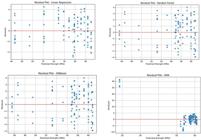
Residual plots showing prediction errors versus predicted compressive strength for different machine learning models.
The boxplot in Figure 11 depicts the range and distribution of residuals (errors) of each model. Residuals that are close to zero and have a small spread indicate that the model has performed well. ANN and XGBoost have narrower interquartile ranges (IQRs), which signal that they have less variance and are more stable. Linear Regression is characterized by a wider spread, which implies that it does not generalize well, in particular, it is unable to capture the extreme values. The Random Forest has a moderate spread and also some outliers are visible which could be a consequence of its ensemble nature and potential overfitting to the training data. This boxplot is a visual indication that ANN and XGBoost are statistically better for this dataset.
3.5. ANOVA analysis
ANOVA (Analysis of Variance) was performed on the residuals for each model. The aim was to figure out statistically whether the variance of errors that the models were different is significant. The p, value from the ANOVA test was < 0.05, thus statistically significantly different model performance are indicated. The post, hoc Tukey’s HSD test implied that the residuals of ANN and XGBoost were significantly different from those of Linear Regression. This evidence supports the statement that ANN and XGBoost are more powerful and stable predictors in this study. The outcomes indicate that there is a statistically significant difference in the residual variances of the four models. ANN and XGBoost possess lower and more uniform residual distributions, thus their predictions are statistically more reliable and less susceptible to errors. Such an outcome signifies that the differences in performance that have been observed are not due to mere random chance, but they indeed reflect the differences in the capabilities of the models.
High GGBS content (72%) almost always results in higher predicted strengths as a consequence of more Ca, driven CASH gel formation. Biochar at a moderate level (46%) helps to improve the predictions by pore refinement; however, an excessive amount (>8%) shows a decrease in effect due to agglomeration. Nano, cellulose fibers (0.61%) greatly help in prediction accuracy in ANN/XGBoost, which is a reflection of their positive influence on the tensile resistance and microcrack control. The machine learning models have effectively captured these trends in their internal mappings, with ANN demonstrating the greatest ability to generalize across different curing regimes. From an engineering point of view, the high accuracy of ANN in predicting compressive strength can be used as a tool to facilitate the Reduction of Trial Mixes and Engineers can trust ANN predictions to locate the best proportions of fly ash, GGBS, and sustainable additives (biochar, nano, cellulose) quickly.Predicting results lessens the need for repeated laboratory testing, which is saving materials, time, and labor. By having biochar and nano, cellulose data in the prediction models, researchers are able to find the most environment, friendly combinations without the need for a large number of empirical tests.
ANN gave the best predictive performance with the highest R (0.87) and lowest MSE. XGBoost made similar results with less computation loading. Random Forest had a fairly good accuracy but was surpassed by the method of boosting. Linear Regression, being a simpler one, was less capable of capturing the nonlinear behavior of compressive strength in relation to complex mix design parameters. One, way ANOVA revealed significant differences in prediction errors for the models developed (p < 0.05). Post, hoc Tukey test also showed that ANN and XGBoost had significantly lower mean absolute errors than Linear Regression, thus nonlinear models performed better. The residuals for ANN were very close to each other, showing that the prediction was stable.
4. CONCLUSION
This research evaluated how biochar and nano, cellulose fibers, as one factor, affect the compressive strength of a fly ash, GGBS, based geopolymer concrete sample under both heat, curing and ambient, curing conditions, supported by machine learning, based strength prediction. Experimental results revealed that slag, rich geopolymer mixes with 72% GGBS, 46% biochar, and 0.61.0% nano, cellulose fibers produced 28, day compressive strengths of around 60–61 MPa under ambient curing, which is similar to the strengths of heat, cured systems. This is a demonstration that a carefully optimized binder mixture along with eco, friendly additives can very well make up for the lack of energy, intensive thermal curing. Artificial Neural Networks (ANN) had the greatest predictive power among the machine learning models that were developed. The R value for this model was 0.87 and MAE was 4.91 MPa. What is more, XGBoost had a very close performance with R equal to 0.85.
Residual analysis was performed and it was found that the error distribution for ANN and XGBoost was more tightly concentrated than for Random Forest and Linear Regression. Moreover, statistical validation via ANOVA helped to pinpoint the difference in performance as the main reason for the substantial gap between linear and nonlinear models, thus corroborating the appropriateness of ANN for forecasting compressive strength of geopolymer concrete from binder composition.
From an engineering viewpoint, experimental results integrated with ML, based prediction offer a decision, support framework for geopolymer mix optimization. The suggested method can lessen the number of experimentally trialed mixes by composition selection within the tested strength ranges thus, it saves materials, testing time, and the associated resources. The ability, as a result, to achieve high, strength geopolymer concrete under ambient curing conditions makes a great deal of sense for field use, especially for in, situ construction and precast elements where heat curing is not possible.
The machine learning models were developed based on a small dataset (28 mixes) and only binder composition variables were used as input parameters which are some of the limitations of this work. Besides that, microstructural characterization and durability indicators like permeability, chloride resistance, and long, term performance were not considered. The sustainability benefits were only briefly mentioned without the implementation of any detailed life, cycle or embodied carbon assessment.
Next research works should consider extending the experimental database, including microstructural and durability parameters in the predictive models as well as going through a life, cycle assessment to estimate the environmental benefits. The current results show that the use of bio, based additives, optimized geopolymer binders, and machine learning tools can be a suitable and scalable way to realize high, performance, low, carbon geopolymer concrete for the construction industry with less environmental impact.
Strengths of this study include the combined use of experimental validation and machine learning prediction, evaluation of ambient curing feasibility, and integration of sustainable bio-based additives. Limitations include the relatively small dataset size and the exclusion of microstructural parameters, which will be addressed in future studies through expanded datasets and durability-focused investigations.
DATA AVAILABILITY
The datasets used and/or analysed during the current study available from the corresponding author on reasonable request.
5. BIBLIOGRAPHY
-
[1] DAVIDOVITS, J., “Geopolymers: inorganic polymeric new materials”, Journal of Thermal Analysis and Calorimetry, v. 37, n. 8, pp. 1633–1656, 2005. doi: https://doi.org/10.1007/BF01912193.
» https://doi.org/10.1007/BF01912193 -
[2] VAN DEVENTER, J.S.J., PROVIS, J.L., DUXSON, P., “Technical and commercial progress in the adoption of geopolymer cement”, Minerals Engineering, v. 29, pp. 89–104, 2012. doi: https://doi.org/10.1016/j.mineng.2011.09.009.
» https://doi.org/10.1016/j.mineng.2011.09.009 -
[3] NATH, P., SARKER, P.K., “Use of OPC to improve setting and early strength properties of low calcium fly ash geopolymer concrete cured at room temperature”, Cement and Concrete Composites, v. 55, pp. 205–214, 2015. doi: https://doi.org/10.1016/j.cemconcomp.2014.08.008.
» https://doi.org/10.1016/j.cemconcomp.2014.08.008 -
[4] ATHIBARANAN, S., KARTHIKEYAN, J., RAWAT, S., “Investigation on service life prediction models of reinforced concrete structures exposed to chloride laden environment”, Journal of Building Pathology and Rehabilitation, v. 7, pp. 16, 2022. doi: https://doi.org/10.1007/s41024-021-00149-8.
» https://doi.org/10.1007/s41024-021-00149-8 -
[5] DUXSON, P., PROVIS, J.L., LUKEY, G.C., et al., “The role of inorganic polymer technology in the development of ‘green concrete’”, Cement and Concrete Research, v. 37, n. 12, pp. 1590–1597, 2007. doi: https://doi.org/10.1016/j.cemconres.2007.08.018.
» https://doi.org/10.1016/j.cemconres.2007.08.018 -
[6] YIP, C.K., VAN DEVENTER, J.S.J., “Microanalysis of calcium silicate hydrate gel formed within a geopolymeric binder”, Journal of Materials Science, v. 38, n. 18, pp. 3851–3860, 2003. doi: https://doi.org/10.1023/A:1025904905176.
» https://doi.org/10.1023/A:1025904905176 -
[7] RAJA, M.A., SUJATHA, S.J., “Geopolymer concrete cured under ambient conditions using a single alkali activator”, Matéria (Rio de Janeiro), v. 29, n. 3, pp. e20240281, 2024. doi: https://doi.org/10.1590/1517-7076-rmat-2024-0281.
» https://doi.org/10.1590/1517-7076-rmat-2024-0281 -
[8] NARAYANASAMY, S., ACHUTHAN, P., MARIBOJOC, T.R., et al., “Sustainable basalt fibre reinforced alkali-activated geopolymer concrete for sustainable environments”, Matéria (Rio de Janeiro), v. 30, pp. e20250446, 2025. doi: https://doi.org/10.1590/1517-7076-rmat-2025-0446.
» https://doi.org/10.1590/1517-7076-rmat-2025-0446 -
[9] LENIN, S., ROSELIN, R., “Fresh properties and strength characteristics of ambient geopolymer concrete with ground granulated blast furnace slag”, Matéria (Rio de Janeiro), v. 30, pp. e20240795, 2025. doi: https://doi.org/10.1590/1517-7076-rmat-2024-0795.
» https://doi.org/10.1590/1517-7076-rmat-2024-0795 -
[10] CHOUDHARY, L., SAHU, V., DONGRE, A., et al., “Development of smart, sustainable, and resilient infrastructure with geopolymer mixes: a state-of-the-art review”, In: Raman, R., Caliskan, H., Said, Z. (eds), Smart Cities and Sustainable Manufacturing: Innovations for a Greener Future, USA, Elsevier, pp. 323–370, 2025. doi: https://doi.org/10.1016/B978-0-443-26474-0.00011-7.
» https://doi.org/10.1016/B978-0-443-26474-0.00011-7 - [11] CHOUDHARY, L., SAHU, V., DONGRE, A., “Mechanical investigation of high strength sustainable ternary geopolymer concrete”, Indian Concrete Journal, v. 98, n. 3, pp. 25–35, 2024.
-
[12] DEB, P.S., NATH, P., SARKER, P.K., “The effects of ground granulated blast-furnace slag blending with fly ash and activator content on the workability and strength properties of geopolymer concrete cured at ambient temperature”, Materials & Design, v. 62, pp. 32–39, 2014. doi: https://doi.org/10.1016/j.matdes.2014.05.001.
» https://doi.org/10.1016/j.matdes.2014.05.001 - [13] BAKHOUM, E.S., GARAS, G.L., ALLAM, M.E., et al., “The role of nano-technology in sustainable construction: a case study of using nano granite waste particles in cement mortar”, Engineering Journal (New York), v. 21, n. 4, pp. 217–227, 2017.
-
[14] SIVAKUMAR, V., VEDHASAKTHI, K., ANUREKHA, G.S., et al., “Machine learning-based prediction of strength characteristics of cement-stabilised soil incorporating construction and demolition waste and polypropylene fibres”, Multiscale and Multidisciplinary Modeling, Experiments and Design, v. 9, n. 1, pp. 20, 2026. doi: https://doi.org/10.1007/s41939-025-01086-6.
» https://doi.org/10.1007/s41939-025-01086-6 -
[15] BARBHUIYA, S., BHUSAN DAS, B., KANAVARIS, F., “Biochar-concrete: a comprehensive review of properties, production and sustainability”, Case Studies in Construction Materials, v. 20, pp. e02859, 2024. doi: https://doi.org/10.1016/j.cscm.2024.e02859.
» https://doi.org/10.1016/j.cscm.2024.e02859 -
[16] SHAHMANSOURI, A.A., AKBARZADEH BENGAR, H., GHANBARI, S., “Compressive strength prediction of eco-efficient GGBS-based geopolymer concrete using GEP method”, Journal of Building Engineering, v. 31, pp. 101326, 2020. doi: https://doi.org/10.1016/j.jobe.2020.101326.
» https://doi.org/10.1016/j.jobe.2020.101326 -
[17] LEE, S.C., “Prediction of concrete strength using artificial neural networks”, Engineering Structures, v. 25, n. 7, pp. 849–857, 2003. doi: https://doi.org/10.1016/S0141-0296(03)00004-X.
» https://doi.org/10.1016/S0141-0296(03)00004-X -
[18] WITHANA, H., RAWAT, S., ZHANG, Y.X., “Effect of nanocellulose on mechanical properties of cementitious composites – a review”, Advanced Nanocomposites, v. 1, n. 1, pp. 201–216, 2024. doi: https://doi.org/10.1016/j.adna.2024.05.003.
» https://doi.org/10.1016/j.adna.2024.05.003 -
[19] SHANMUGASUNDARAM, A., JAYAKUMAR, K., “Effect of curing regimes on microstructural and strength characteristics of UHPC with ultra-fine fly ash and ultra-fine slag as a replacement for silica fume”, Arabian Journal of Geosciences, v. 15, pp. 345, 2022. doi: https://doi.org/10.1007/s12517-022-09617-y.
» https://doi.org/10.1007/s12517-022-09617-y -
[20] XIE, C., WANG, J., WU, Z., et al., “Application of deep learning in civil engineering: Boosting algorithms for predicting strength of concrete”, Journal of Intelligent & Fuzzy Systems, v. 45, n. 5, pp. 9109–9122, Nov. 2023. doi: https://doi.org/10.3233/JIFS-231021.
» https://doi.org/10.3233/JIFS-231021 -
[21] VERMA, M., DEV, N., “Sodium hydroxide effect on the mechanical properties of flyash-slag based geopolymer concrete”, Structural Concrete, v. 22, n. S1, pp. E368–E379, 2021. doi: https://doi.org/10.1002/suco.202000068.
» https://doi.org/10.1002/suco.202000068 -
[22] VERMA, M., DEV, N., “Effect of ground granulated blast furnace slag and fly ash ratio and the curing conditions on the mechanical properties of geopolymer concrete”, Structural Concrete, v. 23, n. 4, pp. 2015–2029, 2022. doi: https://doi.org/10.1002/suco.202000536.
» https://doi.org/10.1002/suco.202000536 -
[23] VERMA, M., “Prediction of compressive strength of geopolymer concrete using random forest machine and deep learning”, Asian Journal of Civil Engineering, v. 24, n. 7, pp. 2659–2668, 2023. doi: https://doi.org/10.1007/s42107-023-00670-w.
» https://doi.org/10.1007/s42107-023-00670-w -
[24] VERMA, M., SARATHY, R.V., SARKAR, M., et al., “Prediction of compressive strength of geopolymer concrete by using ANN and GPR”, Asian Journal of Civil Engineering, v. 24, n. 8, pp. 2815–2823, 2023. doi: https://doi.org/10.1007/s42107-023-00676-4.
» https://doi.org/10.1007/s42107-023-00676-4 -
[25] SHARMA, U., GUPTA, N., VERMA, M., “Prediction of the compressive strength of Flyash and GGBS incorporated geopolymer concrete using artificial neural network”, Asian Journal of Civil Engineering, v. 24, n. 8, pp. 2837–2850, 2023. doi: https://doi.org/10.1007/s42107-023-00678-2.
» https://doi.org/10.1007/s42107-023-00678-2 -
[26] DHAWAN, A., VERMA, M., “Optimization of geopolymer concrete mix design using machine learning for enhanced sulphate and chloride resistance”, Asian Journal of Civil Engineering, v. 27, pp. 281–298, 2025. doi: https://doi.org/10.1007/s42107-025-01503-8.
» https://doi.org/10.1007/s42107-025-01503-8 -
[27] EZZIANE, M., BOUZOUAID, S., SAHRAOUI, M., et al., “Residual performance of Portland cement types-based plain and steel fibre-reinforced mortars exposed to elevated temperatures”, Results in Engineering, v. 28, pp. 107909, 2025. doi: https://doi.org/10.1016/j.rineng.2025.107909.
» https://doi.org/10.1016/j.rineng.2025.107909 -
[28] SAHRAOUI, M., LAOUISSI, A., KARMI, Y., et al., “AI-Driven predicting and optimizing lignocellulosic sisal fiber-reinforced lightweight foamed concrete: a machine learning and metaheuristic approach for sustainable construction”, Results in Engineering, v. 26, pp. 105561, 2025. doi: https://doi.org/10.1016/j.rineng.2025.105561.
» https://doi.org/10.1016/j.rineng.2025.105561 -
[29] LAOUISSI, A., BENKHELLADI, A., BOUMAAZA, M., et al., “Deep neural network modeling of the properties of sustainable high-performance concrete from industrial waste materials”, Results in Engineering, v. 27, pp. 106818, 2025. doi: https://doi.org/10.1016/j.rineng.2025.106818.
» https://doi.org/10.1016/j.rineng.2025.106818 -
[30] HADOU, A., BELAADI, A., GHERNAOUT, D., et al., “Forecasting the thermal degradation depending on the kinetics of dracaena draco lignocellulosic fibers using an artificial neural network”, Journal of Natural Fibers, v. 22, n. 1, pp. 2531368, 2025. doi: https://doi.org/10.1080/15440478.2025.2531368.
» https://doi.org/10.1080/15440478.2025.2531368 -
[31] LALAYMIA, I., BELAADI, A., ALSHAHRANI, H., et al., “Sustainable renewable biofuel production toward pyrolysis of fibers biowaste Agave Americana L. and thermodynamics mechanisms kinetic parameters triplet assessment”, Journal of Natural Fibers, v. 22, n. 1, pp. 2537069, 2025. doi: https://doi.org/10.1080/15440478.2025.2537069.
» https://doi.org/10.1080/15440478.2025.2537069 -
[32] ATOUI, S., BELAADI, A., ALSHAHRANI, H., et al., “Analyzing the Gaussian model and thermal decomposition kinetics of palm biowaste fibers: advancing renewable fuel production as a bioenergy source”, Thermal Science and Engineering Progress, v. 66, pp. 104025, 2025. doi: https://doi.org/10.1016/j.tsep.2025.104025.
» https://doi.org/10.1016/j.tsep.2025.104025 - [33] CHOUDHARY, L., SAHU, V., DONGRE, A., et al., “Computers and concrete”, Computers and Concrete, v. 33, n. 2, pp. 137, 2024.
-
[34] CHOUDHARY, L., SAHU, V., DONGRE, A., “Mechanical, microstructural and leachability characteristics of ternary geopolymer mortar: a step towards carbon neutral materials”, Environment, Development and Sustainability, v. 27, n. 10, pp. 23973–23995, 2024. doi: https://doi.org/10.1007/s10668-024-04727-x.
» https://doi.org/10.1007/s10668-024-04727-x - [35] GARG, A., AGGARWAL, P., AGGARWAL, Y., et al., “Computers and concrete”, Computers and Concrete, v. 30, n. 1, pp. 33, 2022.
- [36] SHUKLA, N.K., GARG, A., BHUTTO, J., et al., “Computers and concrete”, Computers and Concrete, v. 32, n. 3, pp. 263, 2023.
-
[37] SHUKLA, N.K., GARG, A., BHUTTO, J., et al., “Predicting the compressive strength of SCC containing nano silica using surrogate machine learning algorithms”, Computers and Concrete, v. 32, n. 4, pp. 373–381, 2023. doi: https://doi.org/10.12989/cac.2023.32.4.373.
» https://doi.org/10.12989/cac.2023.32.4.373 -
[38] ZEWDU TAFFESE, W., HILLOULIN, B., VILLAGRAN ZACCARDI, Y., et al., “Machine learning in concrete durability: challenges and pathways identified by RILEM TC 315-DCS towards enhanced predictive models”, Materials and Structures, v. 58, n. 4, pp. 145, 2025. doi: https://doi.org/10.1617/s11527-025-02664-3.
» https://doi.org/10.1617/s11527-025-02664-3 -
[39] ADSUL, N., CHOI, Y., KANG, S.T., “A comprehensive review of numerical and machine learning approaches for predicting concrete properties: from fresh to long-term”, Materials (Basel), v. 18, n. 15, pp. 3718, 2025. doi: https://doi.org/10.3390/ma18153718. PMid:40805595.
» https://doi.org/10.3390/ma18153718 -
[40] GAMIL, Y., “Machine learning in concrete technology: a review of current researches, trends, and applications”, Frontiers in Built Environment, v. 9, pp. 1145591, 2023. doi: https://doi.org/10.3389/fbuil.2023.1145591.
» https://doi.org/10.3389/fbuil.2023.1145591 -
[41] DANG, S., FANG, H., YAO, Y., “Machine learning applications in designing cementitious materials”, Automation in Construction, v. 174, pp. 106125, 2025. doi: https://doi.org/10.1016/j.autcon.2025.106125.
» https://doi.org/10.1016/j.autcon.2025.106125 -
[42] HU, H., JIANG, M., TANG, M., et al., “Prediction of compressive strength of fly ash-based geopolymers concrete based on machine learning”, Results in Engineering, v. 27, pp. 106492, 2025. doi: https://doi.org/10.1016/j.rineng.2025.106492.
» https://doi.org/10.1016/j.rineng.2025.106492 -
[43] SATHIPARAN, N., JEYANANTHAN, P., SUBRAMANIAM, D.N., “A comparative study of machine learning techniques and data processing for predicting the compressive strength of pervious concrete with supplementary cementitious materials and chemical composition influence”, Next Materials, v. 9, pp. 100947, 2025. doi: https://doi.org/10.1016/j.nxmate.2025.100947.
» https://doi.org/10.1016/j.nxmate.2025.100947 -
[44] ULLOA, N., MORALES LEÓN, M.A., SILVA PALMAY, L.F., et al., “Evaluating the compressive strength of industrial wastes-based geopolymer concrete with machine learning models”, Construction & Building Materials, v. 472, pp. 140891, 2025. doi: https://doi.org/10.1016/j.conbuildmat.2025.140891.
» https://doi.org/10.1016/j.conbuildmat.2025.140891 -
[45] JAVED, M.F., KHAN, M., FAWAD, M., et al., “Comparative analysis of various machine learning algorithms to predict strength properties of sustainable green concrete containing waste foundry sand”, Scientific Reports, v. 14, n. 1, pp. 14617, 2024. doi: https://doi.org/10.1038/s41598-024-65255-2. PubMed PMID: 38918460.
» https://doi.org/10.1038/s41598-024-65255-2 -
[46] SHI, L., LIN, S.T.K., LU, Y., et al., “Artificial neural network based mechanical and electrical property prediction of engineered cementitious composites”, Construction & Building Materials, v. 174, pp. 667–674, 2018. doi: https://doi.org/10.1016/j.conbuildmat.2018.04.127.
» https://doi.org/10.1016/j.conbuildmat.2018.04.127 -
[47] KALOOP, M.R., KUMAR, D., SAMUI, P., et al., “Compressive strength prediction of high-performance concrete using gradient tree boosting machine”, Construction & Building Materials, v. 264, pp. 120198, 2020. doi: https://doi.org/10.1016/j.conbuildmat.2020.120198.
» https://doi.org/10.1016/j.conbuildmat.2020.120198