 Integrating nano-silica and silica fume to enhance the mechanical properties of LECA-based lightweight concrete
ABSTRACT
This study examines the effects of incorporating nano-silica (NS) and silica fume (SF) on the performance of lightweight concrete containing Lightweight Expanded Clay Aggregate (LECA) as a partial or full replacement for coarse aggregate. Concrete mixtures were designed with LECA replacement ratios of 25%, 50%, 75%, and 100%, along with 2% NS and 5% SF by weight of cement. The results demonstrated that increasing LECA content significantly reduced concrete density and compressive strength, with the latter decreasing by 50% at full replacement. However, the incorporation of NS and SF improved performance, increasing compressive strength by 22.9% at 50% LECA replacement and splitting tensile strength by up to 7.6%, while reducing water absorption by 19.5%, thereby enhancing concrete durability. Additionally, NS and SF contributed to better particle packing and microstructural densification, mitigating the negative effects of LECA’s high porosity. Despite the reduction in compressive strength, the study indicates that up to 75% LECA replacement, combined with NS and SF, produces lightweight concrete with mechanical properties suitable for structural applications, meeting the criteria of ACI 213R-87. These findings demonstrate that integrating LECA, NS, and SF offers a promising approach for developing lightweight concrete with enhanced durability and optimized mechanical properties.
Keywords:
Lightweight concrete (LWC); Light Expanded Clay Aggregate (LECA); Nano-silica; Silica fume; Mechanical properties.
1. INTRODUCTION
Recently, the construction sector has witnessed a remarkable development in the use of nanomaterials to improve the performance of concrete, due to their ability to enhance the mechanical and physical properties of conventional materials [1]. Among these materials, nano-silica (Nano-SiO₂) is one of the most promising additives, due to its unique physical properties, such as high surface area and pozzolanic activity, and also have the ability to improve the cohesion within the cement matrix and promote the formation of calcium silicate gel (C-S-H), which contribute to improving the strength and structural density of concrete and reducing its permeability [2].
The relatively high strength to unit weight ratio that may be attained with structural lightweight aggregate concrete (LWC) makes it competitive with concretes constructed with normal weight aggregate concrete NWAC [3]. As a result of continuous developments in building materials technology, lightweight concrete has become one of the most innovative materials due to its ability to reduce dead loads in structural structures and improve construction efficiency. The use of lightweight aggregates is an effective method to reduce the density of concrete while maintaining its durability. However, replacing natural coarse aggregate with lightweight aggregate results in a decrease in compressive and tensile strength, which calls for solutions to improve the properties of this concrete without increasing its weight [4, 5]. Simultaneously, the use of lightweight concrete (LWC) has become common in construction applications, due to its many advantages, such as improving thermal insulation and reducing transportation and construction costs [6].
Lightweight mixes of concrete contain coarse and fine particles of lightweight aggregates. There are various methods for reducing concrete density or preparing less dense concrete, which include adding air or gas bubbles to mortar or more air pores into concrete (air-entrained concrete) [7]. Non-sand concrete, which is made without fine aggregate, is called lightweight concrete; it weighs less than normal concrete by using lightweight materials such as fired clay, pumice, or industrial aggregates [8, 9]. Lightweight expanded clay aggregate (LECA) is one of the lightweight aggregates that is employed in this concrete and offers reasonable mechanical properties at the same time being lightweight. Nonetheless, its porosity results in low compressive and tensile strength owing to high usage [10,11,12]. Also, giving concrete heat curing helps in enhancing compressive strength in the concrete and reducing water absorption, thereby guaranteeing the durability of concrete performance [13]. More studies have been done on lightweight structural concrete development in recent years, especially concerning the use of lightweight aggregates, such as LECA that can considerably decrease the structural self-weight, but still deliver a decent mechanical performance. However, the high porosity of LECA results in increased water absorption, reduced density stability, and noticeable loss of compressive and tensile strength, necessitating the incorporation of supplementary cementitious materials to overcome these disadvantages [14,15,16,17,18,19]. Conversely, nano additives have shown exceptionally good performance in cementitious composites in terms of efficiency in improving the productivity, suitability of filler effect, and fine pore structure, which enhances the strength of the cementitious composite, compactness of the microstructure and decreases the permeability of the cementitious composite [20,21,22,23,24]. Many researchers indicated that nano-silica has played a major role in the development of early-age strength as well as microstructural densification, whereas silica fume has been found to have a significant role in enhancing long-term strength and durability properties [25,26,27]. Despite numerous studies that have investigated the use of nano-silica or silica fume individually in lightweight concrete [28,29,30,31], limited research has explored their combined effect when used alongside full or partial replacement with LECA aggregate. Therefore, the novelty of the current study provides a more detailed analysis by combining experimental characterization and analytical assessment. This study offers a broader perspective on how LECA-based lightweight concrete reacts when mixed with nano-silica and silica fume, unlike earlier studies that focused primarily on strength development and only examined mechanical performance and density reduction simultaneously. Besides, a predictive linear regression model is developed to correlate compressive strength with the most important physical parameters, and the introduction of an Overall Performance Index (OPI) to determine the most appropriate mix that guarantees a reasonable tradeoff between low self-weight and acceptable structural performance. This combined methodology gives an incremental value to the literature and contributes to the practical use of lightweight structural concrete in actual engineering endeavors.
2. MATERIALS AND METHODS
2.1. Used materials
2.1.1. Ordinary Portland cement
Ordinary Portland cement which commercially known as Baziani, comply with the IQS 5/1984 [32], was used throughout this work. Tables 1 and 2 present the chemical composition and physical characteristics of the used cement.
2.1.2. Fine aggregate
AL-Ekhaider sand with a maximum size of 4.75 mm was utilized for this study and comply with the IQS No. 45/1988 [33]. The characteristics and sieve analysis of natural sand are presented in Tables 3 and 4 respectively.
2.1.3. Coarse aggregate
This study utilized a coarse aggregate with a maximum size of 20 mm comply with IQS No.45/1988 [33]. The characteristics and sieve analysis of the utilized coarse aggregate are illustrated in Tables 5 and 6 respectively.
2.1.4. Light expanded clay aggregate
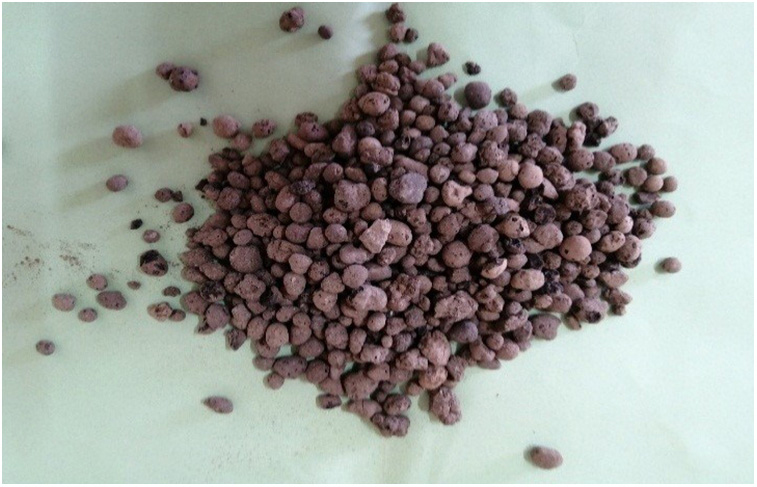
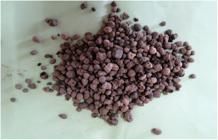
Porous ceramic product Light Expanded Clay Aggregate (LECA), as depicted in Figure 1, has a fine, closed-cell pore structure and a highly sintered, firm external texture due to the high firing temperature. The raw material is manufactured, shaped, and then fired at temperatures ranging from 1100 to 1200 ºC. The particle size of LECA used in this study was in the range of 4 to 10 mm, and its 24-hour water absorption rate was 6.26% and dry density 520 kg/m3 [34]. The LECA aggregate was pre-saturated with water to achieve a saturated surface dry (SSD) to reduce its water absorption from the cement mix. This ensures that the mix retains the free water content required for workability and prevents it from being drawn away by the porous aggregate. Thechemical composition and sieve analysis of the used LECA is illustrated in Tables 7 and 8 respectively.
2.1.5. Mixing water
In accordance with ASTM C1602M-22, potable water was utilized for the purpose of both mixing and curing all concrete specimens [35].
2.1.6. Superplasticizer
The superplasticizer utilized throughout this research is known commercially as “Sika viscocrete-5930L” It is differentiated from conventional superplasticizers [36]. The characteristics of the superplasticizer are shown in Table 9.
2.1.7. Nano-silica (NS)
Nano-silica, with high amorphous silica content, a constant particle size of between 9 nm and 20 nm and a large surface area that contributes much to its pozzolanic activity, was incorporated in the concrete mixture. The accurate choice of nano-silica with a tightly regulated particle size facilitates a consistent and efficient incorporation into the concrete matrix, which leads to the improvement of specific properties and performance in the material. The chemical composition and properties indicate that the used nano-silica contains more than 90% SiO₂, which confirmed to the ASTM C1240 [37] for silica-based pozzolanic materials and are presented in Table 10.
2.1.8. Silica fume (SF)
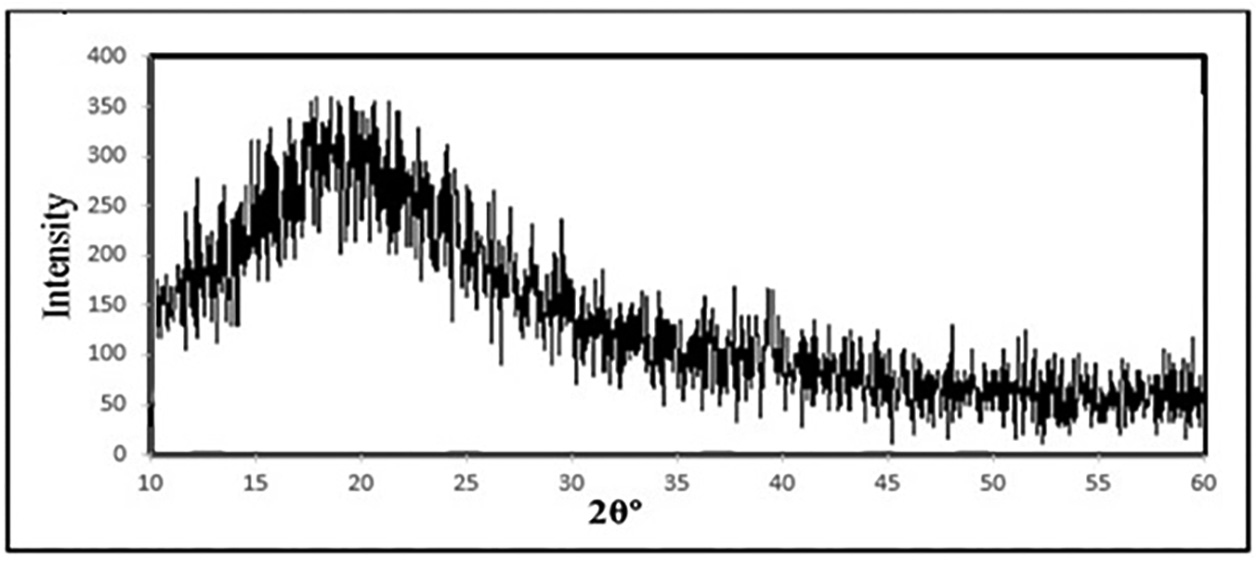
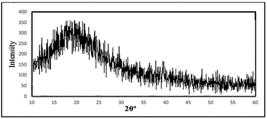
A highly fine pozzolanic material was used as a mineral additive, partially replacing cement at a 5% substitution rate. The chemical and physical properties of the silica fume are presented in Table 11 and are confirmed to [37]. The XRD patterns of the used silica fume are shown in Figure 2.
2.2. Specimens preparation and mix proportions
Before starting the main experimental program, preliminary trial mixes were carried out to determine the optimum dosages of nano-silica (NS) and silica fume (SF). These trials included NS levels of 0.5%, 1%, 2%, and 3% (by cement weight) combined with SF replacement ratios of 0%, 5%, and 10%. Slump, density, and 7-day compressive strength were measured using three specimens for each mix. The results indicated that the combination of 2% NS and 5% SF provided the best balance between enhancing early strength and maintaining adequate fresh properties; therefore, these dosages were adopted in all main mixes. Regarding coarse aggregate replacement, natural aggregate was substituted with lightweight expanded clay aggregate (LECA) at ratios of 25%, 50%, 75%, and 100% to achieve a compromise between weight reduction and mechanical performance. Fine aggregate was gradually increased to compensate for the effect of replacing natural aggregate with LECA, since it has a low density and increases the volume of pores within the mix. This increase reduced porosity and improved the internal cohesion of the concrete, positively impacting workability and mechanical resistance. Water content and dosage of superplasticizer were held constant to maintain a fixed water to binder ratio and provide a reasonable comparison of mixtures. In this method, the effects of LECA, NS, and SF are isolated without the inclusion of other variables of workability or hydration behavior. The steps for preparing lightweight concrete specimens are as follows:
Dry Mixing: Coarse aggregate (natural aggregate and LECA) was mixed with fine aggregate for 3 minutes to ensure homogeneous distribution.
Cement Addition: The cement was evenly distributed and mixed for an additional 1 minute.
Water and Superplasticizer Addition: Nano-silica was dissolved in water and then gradually added with the superplasticizer, continuing to mix for 5 minutes.
Casting and Curing: The mixtures were poured into 100 × 100 × 100 mm cubic molds for compressive strength testing and 100 × 200 mm cylinders for splitting tensile testing.
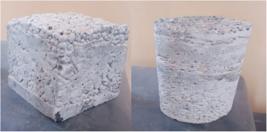
After 24 hours, the molds were extracted, and the specimens underwent a 28 days curing process in water. Figure 3 depicts the prepared specimens, whereas Table 12 displays the control and lightweight mixtures.
2.3. Test procedure
The compression test was carried out in accordance with BS 1881-124:2015+A1:2021 [38]. The test was conducted on 100 × 100 × 100 mm cubic specimens, whereas the splitting tensile strength test was conducted on 100 × 200 mm cylindrical specimens according to ASTM C496/C496M-17 [39]. The ASTM C138/C138M-17 [40] standard was followed in order to conduct the bulk density test. The tests were carried out after a water curing period of 7 and 28 days. The absorption test was conducted on cubic specimens in compliance with ASTM C642-21 [41].
3. RESULTS AND DISCUSSION
3.1. Slump test
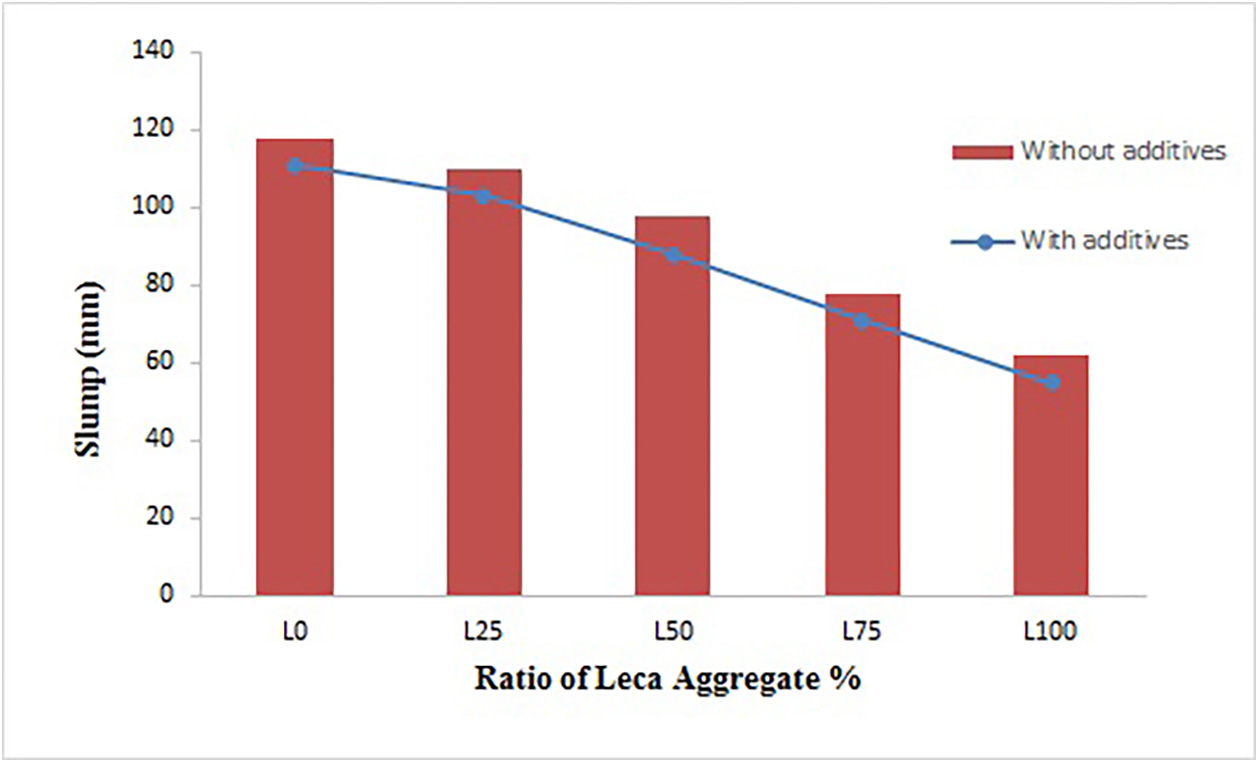
Figure 4 shows the effect of replacing natural aggregate with lightweight aggregate (LECA) with or without the use of mineral additives (NS and SF) on the workability of concrete. In the reference mix (plain L0), slump was 123 mm, but it decreased significantly to 98 mm with the use of NS and SF, representing a 20.3% reduction. This reduction is attributed to the effect of the additives in reducing fluidity and increasing the viscosity of the cement paste and this behavior agreed with [42, 43]. When 25% of the natural aggregate was replaced with LECA, the slump increased to 174 mm, a 41.5% increase compared to L0, indicating that LECA improved workability due to its porous and water-retaining nature. Slump in the mix containing additives was lower, at 158 mm, which is 9.2% lower than the plain mix at this ratio, which suggests that the additives served to regulate the fluidity of the mix and prevent excessive slump. The slump kept increasing to 185 mm in the plain mix when the natural aggregate was substituted by 50%; this is a 50.4% increment as opposed to the plain mix. Slump was increased to 173 mm using the additives, which is a 6.5% reduction in slump in relation to the plain mix, which indicated the effect of additives in counteracting the undesirable effects of the replacement of aggregates. Slump stabilized at 190 mm in the plain mix (a 54.5% increase over L0) and 181 mm in the added mix (4.7% lower than in the plain mix), indicating that the effect of the additives on plasticity with fluidity control remained upon adding 75% replacement of the natural aggregate. With full replacement of natural aggregate (100% LECA), slump reached 215 mm in the plain mix, a 74.8% increase over L0, reflecting the significant effect of full aggregate replacement. With additives, slump reached 195 mm, 9.3% lower than in the plain mix, the effect of increasing LECA agreed with [44].
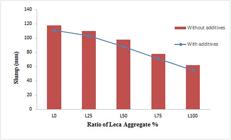
Finally, the results show that increasing the percentage of LECA leads to a significant increase in slump due to the lower aggregate density and higher water absorption, but the mineral additives (NS and SF) helped to control the fluidity and reduce the negative effects of aggregate replacement, thus enhancing the stability of concrete during pouring.
3.2. Bulk density of hardened concrete
The bulk density results reflect the effect of replacing natural aggregate with LECA over time, as well as the effect of using mineral additives (nano-silica NS and silica fume SF) in improving the density, as shown in Figure 5. The results show that bulk density gradually decreased with increasing replacement ratio of natural aggregate with LECA [45, 46]. At 7 days, the density in the reference mix (L0) was 2370 kg/m³, and it decreased to 1833 kg/m³ at 25% aggregate replacement, a decrease of 22.7%. With replacement ratios of 50%, 75% and 100%, density also decreased to 1585 kg/m3, 1524 kg/m3, and 1319 kg/m3 respectively, with a gradual reduction to indicate the replacement of more dense materials with lighter ones. The density at 28 days, without additives, kept on the similar trend where it reduced to 1807 kg/m3 at the 25% of replacement, after which it reduced to 1565 kg/m3 at 50% and then to 1337 kg/m3 at 75% of the replacement, ascertaining the influence of LECA on the specific gravity of concrete. It is, however, observed that there is no significant difference between the 7 day and 28 day value hence meaning that the density becomes stable with time.

Bulk density results for lightweight concrete specimens with additives and LECA replacement at different curing ages.
In the presence of additives (NS and SF), it was found that density increased over all replacement ratios relative to no additive mixes. In the reference mix (L0), the density of the mixture without additives was 2346 kg/m³, and that with the additives was 2386 kg/m³, which is 1.7%, which implies that there was an increase in the density of the mixture with the additives as a result of the pozzolanic reaction. When the replacement was at 25%, the density rose to 2040 kg/m³ as compared to 1807 kg/m³, a 12.9% gain, which was attributed to the influence of additives on filling the pores and raising the density even with light aggregate. While with replacement increasing to 50%, the density improved from 1565 kg/m³ to 1765 kg/m³, an increase of 12.8%, and at 75% it increased from 1509 kg/m³ to 1673 kg/m³, an increase of 10.9%. Finally, with full replacement (100%), the density increased from 1337 kg/m³ to 1528 kg/m³, an increase of 14.3%. this behavior occurred due to the effect of both NS and SF interact with calcium hydroxide, producing calcium silicate hydrate (C-S-H) that improves the density of the cement matrix. The nanoparticles also fill the micro-voids within the cement paste, reducing porosity and increasing density, as illustrated in [47].
3.3. Absorption test
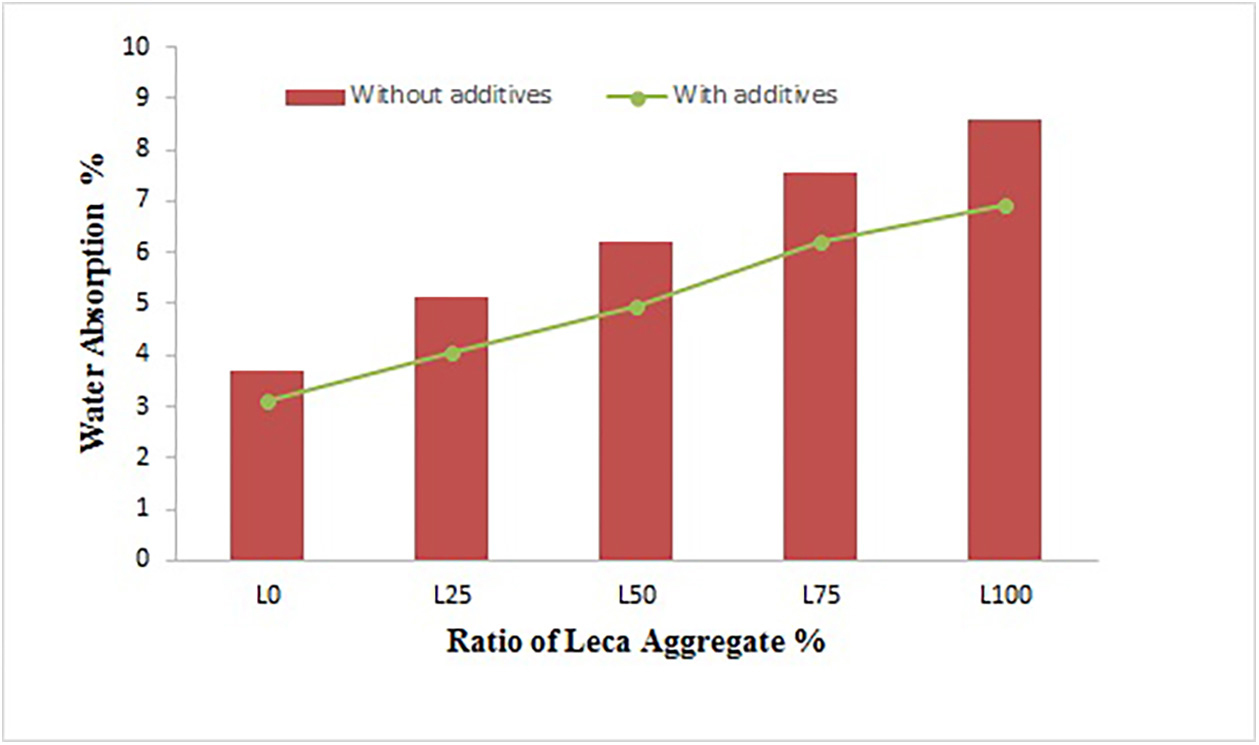
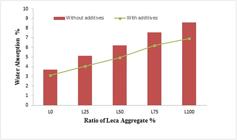
The water absorption test is an important indicator of the porosity and water resistance of concrete. The water absorption of concrete specimens may be affected by both the characteristics of the materials employed in the concrete and the volume of the voids within it. By analyzing the results, noting that the absorption rate is affected by increasing the replacement ratio of natural aggregate with LECA, as well as by the addition of nano-silica (NS) and silica fume (SF) as shown in Figure 6. In the reference mix (plain L0), the absorption was 3.7%, indicating high density and low porosity. When 25% of the natural aggregate was replaced with LECA, the absorption increased to 5.13%, a 38.6% increase compared to the reference mix, indicating that LECA has higher porosity than natural aggregate. As the replacement percentage increased to 50%, 75%, and 100%, the absorption increased to 6.23%, 7.54%, and 8.6%, which is a relative increase of 68.4%, 103.7% and 132.4% in comparison to the reference mix. This rise corresponds to the rise of porosity as LECA replacement increases, because LECA is a lightweight and highly absorbent substance, making the concrete structure porous enough to absorb more water.
Water absorption results for lightweight concrete specimens with additives and LECA replacement.
In the case of additives, a substantial increase in resistance to water absorption was noted at all replacement ratios. The absorption rate was reduced in the reference mix (additives L0) by 16.2% (3.7% to 3.1%), which is quite clear that the porosity reduction is significantly enhanced due to the interaction of nano-silica and silica fume. After 25% of the natural aggregate was substituted with LECA, the absorption value dropped to 4.04%, which is 21.3% less than 5.13%. The absorption at 50% reduced to 4.94% compared to 6.23%, improving by 20.7%. The absorption at 75% was reduced to 6.2% as compared to 7.54%, a reduction of 17.8%. In 100% replacement, absorption was reduced by 19.5% to 6.92% by the additives, a good indicator of the porosity-reducing property of the additives.
As has been mentioned, LECA is more porous than the natural aggregates, which make the entire concrete porosity higher and, therefore, the rate of absorption higher. Substitution of a large percentage of natural aggregates leads to lower density of concrete and more interstitial voids, which enhances the absorption of water by the concrete. Absorption resistance is enhanced with the use of nano-silica and silica fume. The nano-silica particles decrease the porosity by plugging the micropores in the cement paste thereby decreasing water absorption. The silica fume also forms part of the pozzolanic reaction leading to formation of more moist calcium silicates (C-S-H) which enhance internal cohesion and decrease the size of permeable pores. Such additives lead to better even distribution of fine particles in the concrete to minimize capillary channels that absorb water.
3.4. Compression strength test
The compressive strength test is one of the most important criteria for evaluating concrete performance, reflecting the material’s long-term strength and durability. Based on the available results, the effect of replacing natural aggregate with LECA aggregate, as well as the effect of NS and SF, on compressive strength at 7 and 28 days. Figure 7 illustrates the effect of replacing natural aggregate with LECA on compressive strength. In general, there is a decrease in compressive strength with increasing replacement ratio [48]. At 7 days, the reference concrete (Plain L0) achieved a strength of 20.5 MPa, the highest among all mixes. After 28 days, the reference mix (plain L0) achieved a strength of 32 MPa, while it decreased to 16 MPa with 100% aggregate replacement. The main reason for this decrease is that LECA is a less dense and more porous material compared to natural aggregate, which leads to reduced interconnection in the concrete and reduced compressive strength. This decrease is proportional to the increase in replacement ratio, as the concrete becomes lighter but less compressive due to increased internal voids; also, increased porosity in concrete leads to reduced density and increased propagation of microscopic cracks when subjected to loads [49].
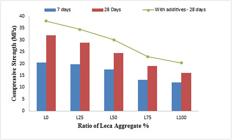
Compressive strength results for lightweight concrete specimens with additives and LECA replacement at different curing ages.
A noticeable increase in compressive strength of all mixes was noted when NS and SF additives were used. In mix L0, the strength began at 32 MPa and rose to 38 MPa in 28 days, and the increment was 18.75%, which means that such additives improve the pozzolanic reaction and minimize porosity. A 19.8% improvement in the strength of L25 resulted in an improvement of the natural aggregate strength from 28.8 MPa to 34.5 MPa. The strength at L50 improved by 22.8% by rising to 30.1 MPa. At L75 and L100, additives realized an improvement of 21.1% and 18.7%, respectively, which shows the additives contributed to counteracting the adverse effect of substituting natural aggregate by LECA [50]. Table 13 indicated that all mixes with additives had a significant increment in compressive strength compared to the same mixes without additives at 28 days.
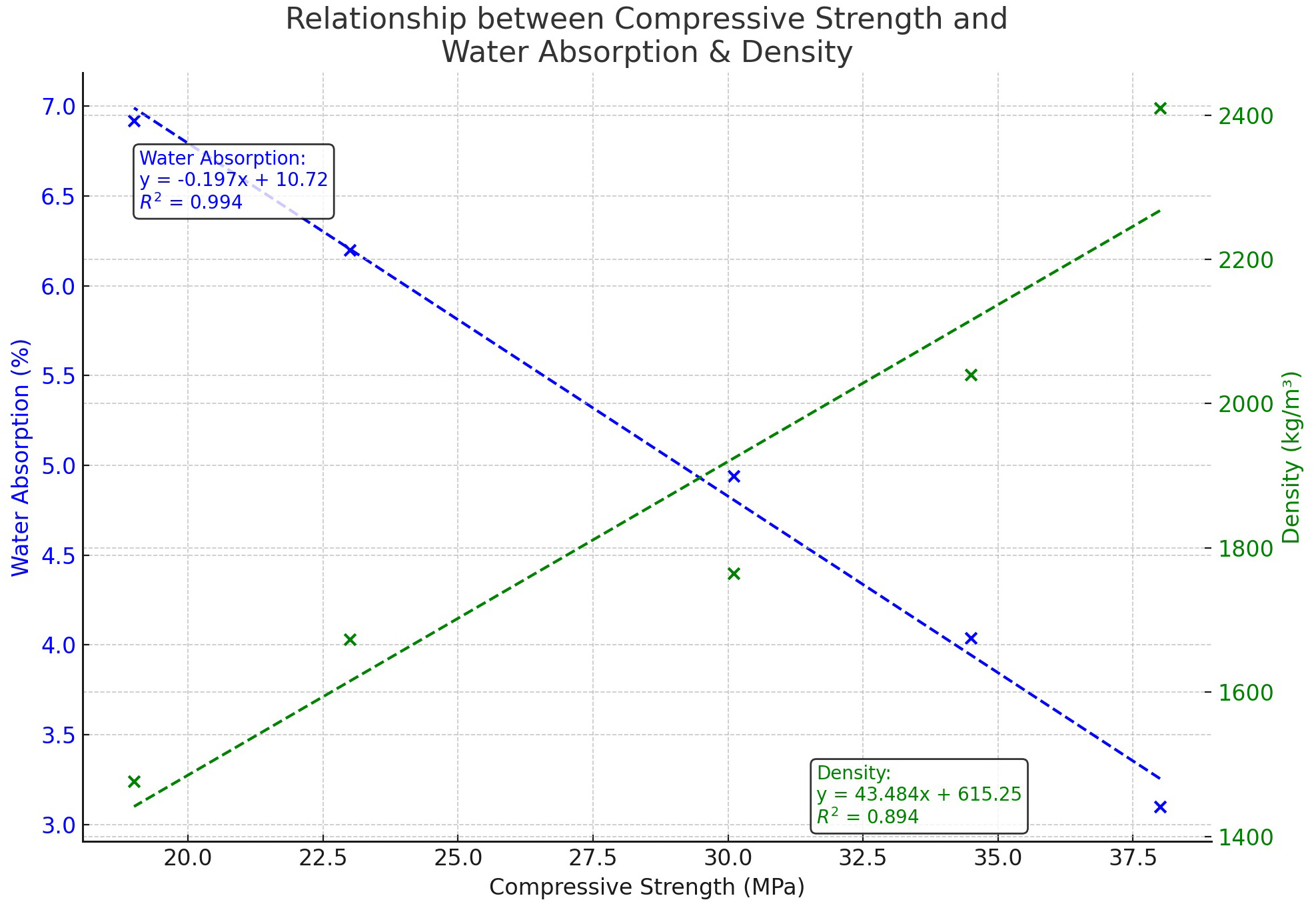
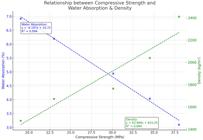
Figure 8 shows the effect of increasing the content of LECA on compressive strength, water absorption, and density, and thus enables the identification of the relationship between compressive strength, water absorption and density. As illustrated, compressive strength reduces slowly with increasing LECA content, accompanied by the proportionate rise of water absorption and the fall of density. This is explained by the fact that lightweight aggregate is more porous than natural aggregate. The inverse relationship between compressive strength and water absorption demonstrates the required balance between mechanical performance, lightweight, and insulation in lightweight concrete.
3.5. Splitting tensile strength
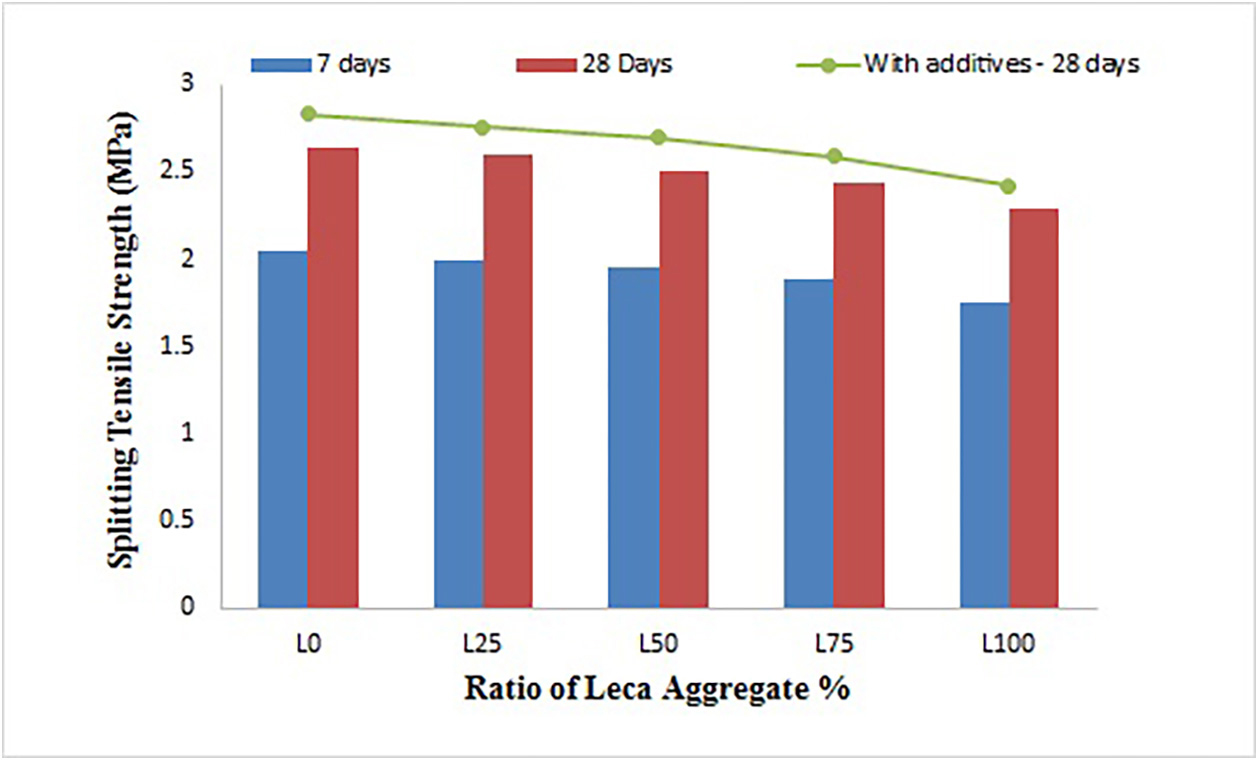
Figure 9 illustrates the effect of replacing coarse aggregate with LECA on tensile strength. It is observed that the tensile strength decreased with increasing the replacement ratio of natural coarse aggregate to LECA [51]. In all mixes, there is an improvement in tensile strength between 7 and 28 days of approximately 28–31%, which is expected because hydrates resulting from the cementitious reaction continue to develop up to 28 days, enhancing bonding within the concrete matrix. After 28 days, in the reference specimens (plain L0), the tensile strength reached 2.64 MPa after 28 days. When 25% of the coarse aggregate was replaced with LECA, the tensile strength decreased to 2.6 MPa, a 1.52% decrease compared to the reference specimen. At a 50% replacement ratio, the tensile strength reached 2.51 MPa, a 4.92% decrease compared to the reference specimen. At a 75% replacement ratio, the tensile strength continued to decrease, reaching 2.44 MPa, a 7.58% decrease compared to the reference sample. While at a 100% replacement ratio, tensile strength was 2.29 MPa, which was much lower by 13.26% than L0. The cause of this reduction in tensile strength is that LECA is porous, and thus, weak transition interfaces are formed between the cement paste and the aggregate, which decreases the capacity of the material to resist tensile stresses.
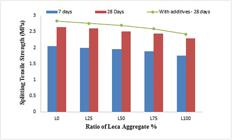
Splitting tensile strength results for lightweight concrete specimens with additives and LECA replacement at different curing ages.
The tensile strength of the mixture was improved considerably when NS and SF were incorporated in the mixture as compared to specimens without additives. An increase in tensile strength of the reference specimen (L0) was noted from 2.64 MPa to 2.83 MPa (by 7.2%) with the addition of additives. When 25% of the aggregate was replaced with LECA, the tensile strength increased from 2.6 MPa to 2.76 MPa, a 6.15% increase. At a 50% replacement ratio, the additives increased the tensile strength from 2.51 MPa to 2.7 MPa, a 7.57% increase. At a 75% replacement ratio, the tensile strength increased from 2.44 MPa to 2.59 MPa, a 6.15% increase. At 100% replacement, the additive-containing specimen recorded a tensile strength of 2.42 MPa compared to 2.29 MPa for plain L0, an increase of 5.68%. Table 14 shows the percentages of increase in tensile strength at 28 days, and it is clear that the use of additives led to a significant improvement in the tensile strength of all mixtures compared to the unadded specimens.
3.6. Predictive modelling of compressive strength
To enhance the analytical aspect and link the physical and mechanical variables of lightweight concrete, a linear regression model was developed to predict the compressive strength based on the main properties of the mixture. In this study, experimental data were used for five concrete mixes that varied in the ratio of natural aggregate to lightweight aggregate (LECA), while the content of other materials remained constant. Physical properties (bulk density, absorption ratio, and LECA replacement ratio) were included as inputs into the model, while compressive strength was considered the target variable. The statistical analysis was performed using IBM SPSS Statistics Version 26, specifically the Linear Regression procedure under Analyze → Regression → Linear. No additional plugins or external modules were used. The model coefficients were generated using the least-squares method. The statistical significance of the model was evaluated based on the p-value < 0.05 criterion, while the coefficient of determination (R²) was used to assess the goodness of fit. The analysis was based on classical regression assumptions, where the null hypothesis (H₀) states that no significant linear relationship exists between compressive strength and the selected predictors (density, water absorption, and LECA replacement ratio), while the alternative hypothesis (H₁) states that at least one independent variable has a significant impact. This modelling approach provides an additional analytical layer to support the interpretation of the experimental findings. Based on the obtained results, the null hypothesis was rejected and the alternative hypothesis was accepted, confirming a statistically significant relationship between compressive strength and the studied parameters. The modeling resulted in the following equation:
Where fc is compressive strength (MPa), ρ is density (kg/m³), Aw is water absorption (%), and RLECA is the LECA replacement ratio (%).
Figure 10 demonstrates the actual and predicted compressive strength comparison with a linear regression model with respect to the ratio of lightweight aggregates replacement. The equation that has been obtained is the best version of the compressive strength estimation with reference to these variables and aligns with rational tendencies with the mechanics of concrete materials. According to the model coefficients, the compressive strength goes down with increasing density, absorption, or LECA content, with the greatest impact on water absorption since the coefficient is the highest. It is a simple but effective tool for modelling the performance of lightweight concrete mixes without necessarily carrying out their entire laboratory experiments.

Comparison of actual and predicted compressive strength using a linear regression model as a function of lightweight aggregate replacement ratio.
3.7. Overall Performance Index
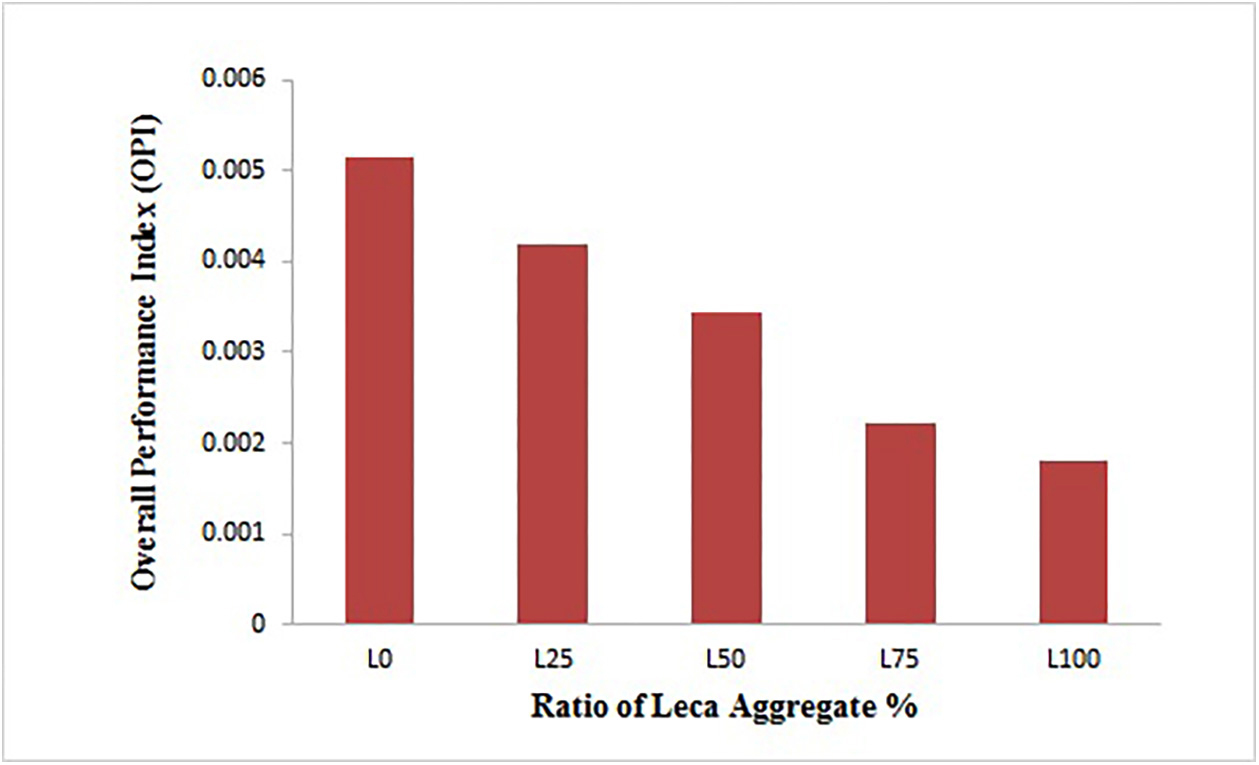
Figure 11 shows the analysis of overall performance index (OPI) in Mix Optimization. In order to give a complete assessment that embraces the mechanical and physical properties of the lightweight concrete, the Overall Performance Index (OPI) was come up with and it is defined as:
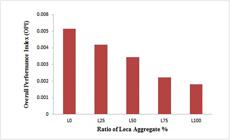
Where fc is the compressive strength (MPa), ρ is the bulk density (kg/m³), and A is the water absorption. This index focuses on mixes that attain greater strength, less density, and decreasing absorption at the same time. This expression was adopted as a simplistic formulation which joins the factors which influence heavily the lightweight concrete (strength, density and absorption). It has a logical basis since it is built on lightweight construction material and therefore suitable in comparative analysis of the mixes.
The findings indicated that the highest value of OPI of 0.00514 was observed in the reference mix L0 owing to high strength and low absorption, though failing to meet the weight reduction target. Regarding the mixes with lightweight aggregate (LECA), mixes L25 and L50 had average values of OPI values of 0.00419 and 0.00345 respectively, which indicated good proportions between compressive strength, low density, and good absorption. On the contrary, mixes L75 and L100 yielded relatively low values (0.00222 and 0.00180), as they are low in strength and have high absorption. These findings point to the fact that mix L50 is the best option concerning the overall performance, delivering an acceptable balance of lightweight strength, mechanical strength, and concrete durability, and can be used in the structural application of lightweight concrete.
4. CONCLUSIONS
The experimental findings indicate that the addition of LECA in the lightweight concrete dramatically decreases the density, and the intended compressive strength is achieved. Moreover, both NS and SF increase the concrete properties, and their combined impact can be summarized as follows:
-
Integrating LECA as a lightweight aggregate significantly reduced the bulk density of concrete, achieving a considerable decrease in self-weight while still maintaining acceptable mechanical performance, particularly up to 50% replacement level.
-
The addition of nano-silica (2%) and silica fume (5%) played a crucial role in improving concrete quality by refining the pore structure, enhancing particle packing, and promoting additional C–S–H formation.
-
Nano-silica and silica fume have been applied together that successfully overcame the loss in strength due to the addition of LECA, and the comparisons showed a strength gain of 18–23% over mixes without any additives.
-
Water absorption was considerably reduced (approximately 17–20%) when nano-silica and silica fume were incorporated, indicating improved durability and reduced permeability of the lightweight concrete.
-
There was moderate increase in the splitting tensile strength (approximately 6–8%) with nano-silica and silica fume which shows an increase in the cohesivity of the matrix and the bonding between the lightweight aggregate and cement paste.
-
The application of the Overall Performance Index (OPI) and the predictive regression model of compressive strength is an effective assessment of the performance of concrete mixes and helped to identify the optimum mix in terms of physical and mechanical properties.
4.1. Recommendations for future research
The findings of this work determine different opportunities for further research and practice. The lightweight concrete mix with LECA, nano-silica, and silica fume can still be considered for structural components, such as lightweight slabs, precast panels, non-load-bearing walls, and others, where the reduction of self-weight and increased durability are of paramount importance. Future research can be directed at examining concrete curing in a variety of approaches, the incorporation of fibers to increase tensile strength, and the behavior of concrete containing LECA on long-term durability, especially when considering their ability to resist deformations caused by contraction and creep.
5. BIBLIOGRAPHY
-
[1] MUTHAIYAN, U.M., DHANAPAL, J., MURUGAN, M.K., et al., “Nano-boosted concrete: revolutionizing strength and durability for modern construction”, Matéria, v. 29, n. 4, pp. e20240521, 2024. doi: https://doi.org/10.1590/1517-7076-rmat-2024-0521.
» https://doi.org/10.1590/1517-7076-rmat-2024-0521 -
[2] ABHILASH, P.P., NAYAK, D.K., SANGOJU, B., et al., “Effect of nano-silica in concrete, a review”, Construction & Building Materials, v. 278, pp. 122347, 2021. doi: https://doi.org/10.1016/j.conbuildmat.2021.122347.
» https://doi.org/10.1016/j.conbuildmat.2021.122347 -
[3] BEHERA, D., LIU, K.Y., RACHMAN, F., et al., “Innovations and applications in lightweight concrete: review of current practices and future directions”, Buildings, v. 15, n. 12, pp. 2113, 2025. doi: https://doi.org/10.3390/buildings15122113.
» https://doi.org/10.3390/buildings15122113 -
[4] KRISHNA, A., MUTHUKUMAR, J., SREEKUMARAN, S., “Post-heat exposure residual mechanical properties of lightweight hybrid fibre-reinforced concrete”, Matéria, v. 29, n. 4, pp. e20240438, 2024. doi: https://doi.org/10.1590/1517-7076-rmat-2024-0438.
» https://doi.org/10.1590/1517-7076-rmat-2024-0438 -
[5] EISA, A.S., ABOUL-NOUR, L.A., MOHAMAD, A., “Experimental and theoretical investigation on the bond strength between high-strength and lightweight concrete”, Matéria, v. 29, n. 1, pp. e20230312, 2024. doi: https://doi.org/10.1590/1517-7076-rmat-2023-0312.
» https://doi.org/10.1590/1517-7076-rmat-2023-0312 -
[6] ELSHAHAWI, M., HÜCKLER, A., SCHLAICH, M., “Infra lightweight concrete: A decade of investigation (a review)”, Structural Concrete, v. 22, n. S1, pp. E152–E168, 2021. doi: https://doi.org/10.1002/suco.202000206.
» https://doi.org/10.1002/suco.202000206 -
[7] SHANKAR, A.N., CHOPADE, S., SRINIVAS, R., et al., “Physical and mechanical properties of foamed concrete, a literature review”, Materials Today: Proceedings, 2023. doi: https://doi.org/10.1016/j.matpr.2023.10.105.
» https://doi.org/10.1016/j.matpr.2023.10.105 -
[8] THIENEL, K.C., HALLER, T., BEUNTNER, N., “Lightweight concrete—From basics to innovations”, Materials, v. 13, n. 5, pp. 1120, 2020. doi: https://doi.org/10.3390/ma13051120. PubMed PMID: 32138207.
» https://doi.org/10.3390/ma13051120 -
[9] MAHMMOD, L.M.R., DULAIMI, A., BERNARDO, L.F.A., et al., “Characteristics of lightweight concrete fabricated with different types of strengthened lightweight aggregates”, Journal of Composites Science, v. 8, n. 4, pp. 144, 2024. doi: https://doi.org/10.3390/jcs8040144.
» https://doi.org/10.3390/jcs8040144 - [10] BHISE, M., ARTI, P., MAKARANDE, D.S., et al., “Properties of no fine lightweight concrete”, Journal of Aquatic Sciences, v. 15, n. 1, pp. 212–219, 2024.
-
[11] DWARAMPUDI, M., VENKATESHWARI, B., “Performance of light weight concrete with different aggregates—a comprehensive review”, Discover Civil Engineering, v. 1, n. 1, pp. 46, 2024. doi: https://doi.org/10.1007/s44290-024-00015-9.
» https://doi.org/10.1007/s44290-024-00015-9 -
[12] KHAN, S.A., HUSSAIN, F., AMJAD, H., et al., “A scientometric review of the synthesis and application of expanded clay aggregate in cementitious composites”, Construction & Building Materials, v. 437, pp. 136654, 2024. doi: https://doi.org/10.1016/j.conbuildmat.2024.136654.
» https://doi.org/10.1016/j.conbuildmat.2024.136654 -
[13] HAKEEM, I., OMAR, M.H., HUSSEIN, M.M., et al., “Sustainable high strength polymer concrete with high ratios of recycled aggregate from different decades under heat curing”, Matéria, v. 30, pp. e20240894, 2025. doi: https://doi.org/10.1590/1517-7076-rmat-2024-0894.
» https://doi.org/10.1590/1517-7076-rmat-2024-0894 -
[14] MAMATHA, K., MOTHILAL, M., “Experimental study light weight concrete using LECA, silica fumes, and limestone as aggregates”, International Journal for Research in Applied Science and Engineering Technology, v. 10, n. 12, pp. 1103–1110, 2022. doi: https://doi.org/10.22214/ijraset.2022.47916.
» https://doi.org/10.22214/ijraset.2022.47916 -
[15] DHARMARAJ, S.R., THOMAS, N.S., KACHANCHEERI, M.S., et al., “Advances in lightweight concrete: balancing strength and workability”, Matéria, v. 30, pp. e20240872, 2025. doi: https://doi.org/10.1590/1517-7076-rmat-2024-0872.
» https://doi.org/10.1590/1517-7076-rmat-2024-0872 -
[16] ELANGO, K.S., SANFEER, J., GOPI, R., et al., “Properties of light weight concrete–a state of the art review”, Materials Today: Proceedings, v. 46, pp. 4059–4062, 2021. doi: https://doi.org/10.1016/j.matpr.2021.02.571.
» https://doi.org/10.1016/j.matpr.2021.02.571 -
[17] YEW, M.K., BEH, J.H., YEW, M.C., et al., “Evaluating the performance of buoyancy fiber-reinforced floating concrete with recycled LECA”, Key Engineering Materials, v. 1018, pp. 91–96, 2025. doi: https://doi.org/10.4028/p-Eg3yNl.
» https://doi.org/10.4028/p-Eg3yNl - [18] YEW, M.K., YEW, M.C., BEH, J.H., et al., “Exploring the Strength Properties and Buoyancy of Self-compacting Ultra-Lightweight Foamed Concrete Utilizing Recycled LECA”, In: Yuan, C. (eds) International Conference on Resources and Environmental Research, Cham, Springer Nature Switzerland, pp. 75–83, 2023.
-
[19] RAJAMANICKAM, G., VAIYAPURI, R., “Evaluation of self compacting concrete performance incorporated with presoaked lightweight aggregates”, Matéria, v. 30, pp. e20240813, 2025. doi: https://doi.org/10.1590/1517-7076-rmat-2024-0813.
» https://doi.org/10.1590/1517-7076-rmat-2024-0813 -
[20] VIJAYAN, D.S., DEVARAJAN, P., SIVASURIYAN, A., “A review on eminent application and performance of nano based silica and silica fume in the cement concrete”, Sustainable Energy Technologies and Assessments, v. 56, pp. 103105, 2023. doi: https://doi.org/10.1016/j.seta.2023.103105.
» https://doi.org/10.1016/j.seta.2023.103105 -
[21] JAWAD, S.I., OMAR, M.H., “Experimental investigation on the influence of partially stabilised nano-ZrO2 on the properties of prepared clay-based refractory mortar”, Journal of the Mechanical Behavior of Materials, v. 32, n. 1, pp. 20220265, 2022. doi: https://doi.org/10.1515/jmbm-2022-0265.
» https://doi.org/10.1515/jmbm-2022-0265 -
[22] ALGHRAIRI, N., AZIZ, F.N.A., RASHID, S.A., et al., “Impact of nano-silica on the mechanical properties of lightweight concrete”, IOP Conference Series. Earth and Environmental Science, v. 1369, n. 1, pp. 012033, Jun. 2024. doi: https://doi.org/10.1088/1755-1315/1369/1/012033.
» https://doi.org/10.1088/1755-1315/1369/1/012033 - [23] ABBAS, R.N., ALJALAWI, N.M., “Enhancing the mechanical characteristics of lightweight concrete with nano-silica additives”, Engineering, Technology & Applied Scientific Research, v. 15, n. 4, pp. 25519–25524, 2025.
-
[24] BHATTA, D.P., SINGLA, S., GARG, R., “Experimental investigation on the effect of Nano-silica on the silica fume-based cement composites”, Materials Today: Proceedings, v. 57, pp. 2338–2343, 2022. doi: https://doi.org/10.1016/j.matpr.2022.01.190.
» https://doi.org/10.1016/j.matpr.2022.01.190 -
[25] WEI, X.I.A., et al., “Effects of nano-silica modification on early age hydration process in winter construction of tunnel engineering”, Construction & Building Materials, v. 408, pp. 133804, 2023. doi: https://doi.org/10.1016/j.conbuildmat.2023.133804.
» https://doi.org/10.1016/j.conbuildmat.2023.133804 -
[26] WAN, L., YU, M., ZHAO, Y., “Study on the effect of nano-silica on the early-age strength and microstructure of cement paste mixed with calcium nitrite under negative temperature conditions”, Case Studies in Construction Materials, v. 21, pp. e03481, 2024. doi: https://doi.org/10.1016/j.cscm.2024.e03481.
» https://doi.org/10.1016/j.cscm.2024.e03481 -
[27] MOSTOFINEJAD, D., NASROLLAHI, M., BAHMANI, H., et al., “Enhancing concrete strength and durability of normal and high-strength concrete: Exploring combined effects of optimized silica fume and slag”, Civil Engineering (Shiraz), v. 49, n. 3, pp. 2309–2328, 2025. doi: https://doi.org/10.1007/s40996-024-01573-9.
» https://doi.org/10.1007/s40996-024-01573-9 -
[28] AZIMINEZHAD, M., MOHAMEDELHASSAN, E., MAHDIKHANI, M., “Multi-property response and optimisation of lightweight self-consolidating mortar containing silica fume and nano silica”, European Journal of Environmental and Civil Engineering, v. 28, n. 5, pp. 1163–1182, 2024. doi: https://doi.org/10.1080/19648189.2023.2245863.
» https://doi.org/10.1080/19648189.2023.2245863 -
[29] AKBULUT, Z.F., KUZIELOVÁ, E., TAWFIK, T.A., et al., “Synergistic effects of polypropylene fibers and silica fume on structural lightweight concrete: analysis of workability, thermal conductivity, and strength properties”, Materials (Basel), v. 17, n. 20, pp. 5042, 2024. doi: https://doi.org/10.3390/ma17205042. PubMed PMID: 39459748.
» https://doi.org/10.3390/ma17205042 -
[30] KHAN, M.B., BAARIMAH, A.O., BANAIMOON, M.S.M., et al., “Exploring the synergy between aluminum powder and silica fume in enhancing lightweight concrete characteristics”, Scientific Reports, v. 15, n. 1, pp. 42358, 2025. doi: https://doi.org/10.1038/s41598-025-26349-7. PubMed PMID: 41276556.
» https://doi.org/10.1038/s41598-025-26349-7 -
[31] NASHAT, A., AZIZ, F.N.A.B.A., RASHID, S.B.A., et al., “Effect of nano-silica on the mechanical properties of LWC”, Open Engineering, v. 14, n. 1, pp. 20240034, 2024. doi: https://doi.org/10.1515/eng-2024-0034.
» https://doi.org/10.1515/eng-2024-0034 - [32] CENTRAL ORGANIZATION FOR STANDARDIZATION AND QUALITY CONTROL, Iraqi Specification No.5 (I.Q.S 5) Portland Cement, Bagdad, Central Organization for Standardization and Quality Control, 1984.
- [33] CENTRAL ORGANIZATION FOR STANDARDIZATION AND QUALITY CONTROL, Iraqi Specifications No. 45 for Aggregates of Natural Resources used for Concrete and Construction, Bagdad, Central Organization for Standardization and Quality Control, 1984.
- [34] AMERICAN SOCIETY FOR TESTING AND MATERIALS, ASTM C330M-23 (2023) Standard Specification for Lightweight Aggregates for Structural Concrete, West Conshohocken, ASTM, 2023.
- [35] AMERICAN SOCIETY FOR TESTING AND MATERIALS, ASTM- C1602M-22 (2022) Standard Specification for Mixing Water Used in the Hydraulic Cement Concrete, West Conshohocken, ASTM, 2022.
-
[36] SIKA AG, http://www.sika.com.eg, accessed in April, 2026.
» http://www.sika.com.eg - [37] AMERICAN SOCIETY FOR TESTING AND MATERIALS, ASTM C1240-20 (2020) Standard Specification for Use of Silica Fume as a Mineral Admixture in Hydraulic-Cement Concrete, Mortar, and Grout, West Conshohocken, ASTM, 2020.
- [38] BRITISH STANDARD, BS 1881-124:2015+A1:2021 (2021) Testing Concrete - Methods for Analysis of Hardened Concrete, London, BS, 2021.
- [39] AMERICAN SOCIETY FOR TESTING AND MATERIALS, ASTM C496/C496M-17 (2017) Standard Test Method for Splitting Tensile Strength of Cylindrical Concrete Specimens, West Conshohocken, ASTM, 2017.
- [40] AMERICAN SOCIETY FOR TESTING AND MATERIALS, ASTM C138/C138M-17 (2017) Standard Test Method for Density (Unit Weight), Yield, and Air Content (Gravimetric) of Concrete, West Conshohocken, ASTM, 2017.
- [41] AMERICAN SOCIETY FOR TESTING AND MATERIALS, ASTM C642-21 (2021) Standard Test Method for Density, Absorption, and Voids in Hardened Concrete, West Conshohocken, ASTM, 2021.
-
[42] LI, W., HUANG, Z., CAO, F., et al., “Effects of nano-silica and nano-limestone on flowability and mechanical properties of ultra-high-performance concrete matrix”, Construction & Building Materials, v. 95, pp. 366–374, 2015. doi: https://doi.org/10.1016/j.conbuildmat.2015.05.137.
» https://doi.org/10.1016/j.conbuildmat.2015.05.137 -
[43] GUNEYISI, E., GESUGLO, M., ALI AZEZ, O., et al., “Effect of nano silica on the workability of self-compact concrete having treated and untreated surface light weight aggregate”, Construction & Building Materials, v. 115, pp. 371–380, 2017. doi: https://doi.org/10.1016/j.conbuildmat.2016.04.055.
» https://doi.org/10.1016/j.conbuildmat.2016.04.055 -
[44] YEW, M.K., YEW, M.C., BEH, J.H., “Effects of recycled crushed light expanded clay aggregate on high strength lightweight concrete”, Materials International, v. 2, n. 3, pp. 0311, 2020. doi: https://doi.org/10.33263/Materials23.311317.
» https://doi.org/10.33263/Materials23.311317 -
[45] AHMAD, M.R., CHEN, B., SHAH, S.F.A., “Investigate the influence of expanded clay aggregate and silica fume on the properties of lightweight concrete”, Construction & Building Materials, v. 220, pp. 253–266, 2019. doi: https://doi.org/10.1016/j.conbuildmat.2019.05.171.
» https://doi.org/10.1016/j.conbuildmat.2019.05.171 -
[46] YEW, M.K., YEW, M.C., BEH, J.H., et al., “Influences of macro polypropylene fibre-reinforced lightweight concrete incorporating recycled crushed LECA aggregate”, IOP Conference Series. Materials Science and Engineering, v. 1117, n. 1, pp. 012009, Mar. 2021. doi: https://doi.org/10.1088/1757-899X/1117/1/012009.
» https://doi.org/10.1088/1757-899X/1117/1/012009 -
[47] DOLATABAD, Y.A., KAMGAR, R., TAZANGI, M.A.J., “Effects of perlite, LECA, and scoria as lightweight aggregates on properties of fresh and hard self-compacting concretes”, Journal of Advanced Concrete Technology, v. 18, n. 10, pp. 633–647, 2020. doi: https://doi.org/10.3151/jact.18.633.
» https://doi.org/10.3151/jact.18.633 -
[48] YEW, M.K., YEW, M.C., HAN BEH, J., et al., “Mechanical properties of barchip polypropylene fibre-reinforced lightweight concrete made with recycled crushed lightweight expanded clay aggregate”, Frontiers in Materials, v. 8, pp. 753619, 2021. doi: https://doi.org/10.3389/fmats.2021.753619.
» https://doi.org/10.3389/fmats.2021.753619 -
[49] MURUGAN, K., PALANIAPPAN, M., KALAPPAN, K., “Experimental studies on light weight concrete using LECA material”, Materials Today: Proceedings, v. 74, pp. 1035–1041, 2023. doi: https://doi.org/10.1016/j.matpr.2022.11.467.
» https://doi.org/10.1016/j.matpr.2022.11.467 -
[50] SAJEDI, F., SHAFIGH, P., “High-strength lightweight concrete using leca, silica fume, and limestone”, Arabian Journal for Science and Engineering, v. 37, n. 7, pp. 1885–1893, 2012. doi: https://doi.org/10.1007/s13369-012-0285-3.
» https://doi.org/10.1007/s13369-012-0285-3 - [51] AATNERKAR, M.D., NIKHAR, M., “Experimental study on light weight concrete by using LECA and fly ash”, International Journal of Aquatic Science, v. 15, n. 1, pp. 236–241, 2024.