
 Popular knowledge of medicinal plants in a municipality in the Vale do Jequitinhonha, Minas Gerais
ABSTRACT
The study aimed to identify popular knowledge about the use of medicinal plants in the ter-ritory of a Basic Health Unit in a municipality in the Jequitinhonha Valley, Minas Gerais. This is a cross-sectional, observational, quantitative study, with an objective instrument applied to heads of household in the area (10% of families selected and households drawn by lot) - approved by the Research Ethics Committee. It was observed that 82.63% of the participants have medicinal plants at home, 42.04% of them use between four and six plants, and 43.16% think that they have no side effects/toxicity. Those who used medicinal plants reported that their knowledge came from family members, and only 1.91% received guidance from health professionals. Knowledge and practices about medicinal plants were identified, considering the biodiversity of the Cerrado, and the Popular Pharmacopoeia the best known: barbatimão and ipê-roxo. Lack of knowledge about the effects of medicinal plants on the body was the reason for non-adherence cited by 42.42% of participants. The results showed the possibility of using medicinal plants as a complementary therapy in the family health strategy, which could be implemented safely and sustainably, valuing the socio-biodiversity of the Cerrado through the Living Pharmacy Program Strategy.
KEYWORDS
Plants; medicinal; Health promotion; Family health; Complementary therapies.
RESUMO
Objetivou-se identificar o conhecimento popular sobre o uso de plantas medicinais no territó-rio de uma Unidade Básica de Saúde em um município do Vale do Jequitinhonha, Minas Gerais. Estudo transversal, observacional, quantitativo, com aplicação de instrumento objetivo aos chefes de família do território - aprovado pelo Comitê de Ética em Pesquisa. A amostragem foi determinada por levantamento demográfico, com seleção de 10% das famílias e sorteio dos domicílios. Observou-se que 82,63% dos participantes possuem plantas medicinais no domicílio, 42,04% utilizam entre 4 e 6 plantas e 43,16% consideram que elas não possuem efeitos colaterais/toxicidade. Aqueles que utilizavam plantas medi-cinais relatam que seu conhecimento adveio de familiares, e somente 1,91% deles receberam orientação de profissionais de saúde. Identificaram-se saberes e práticas sobre plantas medicinais, considerando a biodiversidade do Cerrado, e da Farmacopeia Popular, as mais conhecidas: o barbatimão e o ipê-roxo. O desconhecimento sobre os efeitos das plantas medicinais no organismo foi o motivo de não adesão citado por 42,42% dos participantes. Os resultados mostraram a possibilidade do uso das plantas medicinais como terapia complementar na Estratégia Saúde da Família, e esta poderia ser implantada de forma segura e sustentável, com valorização da sociobiodiversidade do Cerrado pela Estratégia Programa Farmácia Viva.
PALAVRAS-CHAVE
Plantas medicinais; Promoção em saúde; Saúde da família; Terapias complementares.
Introduction
Medicinal plants are commonly used in the preparation of home remedies by the population and in the production of herbal medicines1. In Brazil, the use of plants for medicinal purposes originated in indigenous culture, with the first records of plants used by these peoples being made by Father José de Anchieta, between 1560 and 15802.
The use of medicinal plants is one of the most widely used Integrative and Complementary Practices in Health (PICs) among the population1, regulated by the National Policy on Integrative and Complementary Practices (PNPIC) in the Unified Health System (SUS). The effectiveness of traditional medicine is indisputable, but it is noticeable that some knowledge is being lost over time due to factors such as the reduction of natural areas and the devaluation of traditional knowledge by new generations3.
Given the potential for treating various health problems, it is important to ensure that this practice is carried out safely, as medicinal plants are not exempt from side effects, adverse reactions, or toxicity. Health risks can include: indiscriminate use without proper indication; incorrect identification of the plant; the presence of adulterants (for example, to increase volume or improve the appearance of the formulation) and contaminants (microorganisms, metals, soil, among others); lack of knowledge about possible associations and synergies; or inadequate preparation4.
The organization of primary health care through the Family Health Strategy (ESF) favors the implementation of phytotherapy programs, as it is based on the development of actions to promote health and prevent disease, strengthening the bond between users and the community, necessary for establishing partnerships in health care and the exchange of knowledge5. Encouraging the use of medicinal plants can represent a potential strategy for integrating actions aimed at sustainability into users’ routines, promoting integration with the environment, and valuing natural resources and nature.
Thus, the objective of this study was to identify popular knowledge about medicinal plants in the territory of a Basic Health Unit (UBS) in a municipality in the Jequitinhonha Valley, Minas Gerais (MG), for the implementation of health education actions that promote the use of herbal medicines in Primary Health Care (PHC). The goal is to support the promotion of medicinal plant prescriptions by health professionals, as well as the implementation of strategies for access to the Living Pharmacy Program, valuing local socio-biodiversity.
Material and methods
This quantitative research is a cross-sectional, observational study conducted within the territory of a UBS in the municipality of Turmalina (MG). It is part of a broader study entitled ‘Popular knowledge about medicinal plants in the territory of a primary health care unit in the municipality of Turmalina/MG’, developed by the Federal University of the Jequitinhonha and Mucuri Valleys (UFVJM).
The municipality of Turmalina, located in the Jequitinhonha macroregion, is one of the territories where the ‘Popular Pharmacopoeia of the Cerrado’ was developed - a registration instrument created by the communities themselves to document the traditional use of medicinal plants. This initiative has contributed to the appreciation and validation of popular knowledge, promoting the safe and sustainable use of these plants6. This context highlights Turmalina’s potential for implementing integrative and complementary health practices based on phytotherapy, strengthening the links between users and professionals of the SUS and valuing ancestral and territorial knowledge.
Currently, the municipality has 100% coverage of the ESF), with 9 registered teams and 10 UBS. For this study, the territory of the José de Souza Lima UBS, inaugurated in 2009 in the Nova Turmalina neighborhood (CNES nº 6654584), was selected because it serves as a reference point for the population of the Nova Turmalina, Prosperidade, Alto Progresso, and Industrial District neighborhoods. This territory encompasses residents from other urban areas and rural communities of Turmalina, as well as neighboring municipalities, which represents a significant cultural and geographical diversity.
According to data from the municipality’s unified family registry for assessing vulnerable families in the territory of the chosen UBS, out of a total of 5,369 registered families, 2,044 (38%) are in poverty; 1,348 (25%) are in low-income situations; and 1,977 (37%) have income above half the minimum wage7.
This study consisted of two stages: the first, the collection of demographic and cartographic data on the studied territory, with the mapping of the families to be included in the research, who were residents in the territory of the José de Souza Lima UBS; and the second, with the application of the quantitative data collection instrument to the heads of the selected families. To construct the instrument that sought to understand the use of medicinal plants in the territory, a person recognized by the health team as possessing knowledge about medicinal plants was chosen, who then reported the plants most used in the region. This information was a guiding element for structuring one of the questions used in the data collection instrument.
The sampling of the UBS’s population was carried out intentionally, considering 10% of the households in the territory (n = 190 participants), with questionnaires applied to heads of households regarding aspects related to the use and perception of medicinal plants. Head of household was considered to be the person who exercises responsibility over the family group, regardless of sex. Article 226, § 5 of the Brazilian Federal Constitution establishes that “the rights and duties relating to conjugal society are exercised equally by men and women”8. The sampling was designed based on the mapping of even-numbered households, by street and Community Health Workers (ACS), with the creation of a list to compose the draw, which was carried out using the insertion of the even numbers corresponding to the families of each ACS in envelopes. The draw, carried out by removing the numbers recorded on paper by the responsible researcher, continued until the quantity necessary for the research was completed, with the homogeneous distribution of household numbers in each micro-area. During the application of the questionnaires, households discarded due to exclusion criteria (heads of household with cognitive or similar problems and under 18 years of age) were replaced by new draws, using the same envelopes, until reaching 10% of the total families in the territory.
Data collection was carried out by duly trained ACSs. ACSs are members of the FHS team who regularly visit homes within their area of coverage, observing potential health problems, lifestyle habits, and risk factors, as well as providing guidance on access to healthcare services; therefore, their role is to bring the population closer to the healthcare system. Each UBS territory has 1 ACS for up to 750 inhabitants. The ACSs (n = 6) from the teams assigned to the selected UBS participated in the application of the data collection instrument, carried out during home visits. They also produced photographic records of the plants cultivated in the visited homes, whose images aided in the process of identifying the correspondence between the plant mentioned and the scientific name available in the literature.
The instrument used for data collection contained 30 questions, including: a) sociodemographic aspects (age, race, type of housing, and whether the participant had any comorbidities); b) knowledge about medicinal plants (types of plants used in the home, frequency of use of these plants, origin of the species used, source of knowledge about the preparation of the plants, assessment of side effects/toxicity of medicinal plants, reasons for not using the plants, knowledge about medicinal plants of the Cerrado, and which were the most used and for what purpose). Regarding the assessment of knowledge about the plants, two words were used for classification: ‘know’ and ‘hear of’ the plant. The criterion considered for ‘know’ was to verify if the participant used the plant, or if they had the ability to identify it (at least by one of its parts); the category ‘hear of’ served to identify participants who had some knowledge of the plant’s existence through mention by others. The collected data were compiled, tabulated, and coded using Microsoft Office Excel®, and subsequently, descriptive statistical analysis was performed using absolute and relative values.
The study complied with ethical principles based on the resolution of the National Health Council No. 466/20129, with approval by the Ethics and Research Committee of UFVJM, with Certificate of Presentation of Ethical Appraisal (CAAE) No. 76120723.2.0000.5108 and Opinion No. 6.671.684. All participants signed the Informed Consent Form.
Results
Of the study participants (n = 190), 89.47% (n = 170) were female, and 10.53% (n = 20) were male. The predominance of women among the interviewees may reflect both the leading role of women in the family unit and the greater ease of access of the ACS to the women in each household, which may represent a bias in the study. Regarding age, there was a predominance of young adults, as 82.11% (n = 156) were in the 21-59 age range; elderly people accounted for 16.84% (n = 32); while young people between 18 and 20 years old were 1.05% (n = 2). With respect to ethnicity/race, 81.58% identified as mixed-race (n = 155); 13.16% as white (n = 25); 4.74% as black (n = 9), and 0.52%, yellow (n = 1). Regarding housing, 63.7% of these people live in their own homes; 20.53% in financed properties; 14.74% in rented homes; and 1.05% in ceded residences. In assessing the participants’ place of origin, it was found that 56.32% (n = 107) come from other neighborhoods and rural communities of Turmalina; 30% (n = 57) from neighboring municipalities; 7.37% (n = 14) from other cities in Minas Gerais; and 6.31% (n = 12) from other states.
With regard to medicinal plants, this study observed that 94.21% of participants stated that they had heard the expression ‘medicinal plant’, and when asked what they understood by ‘medicinal plant’, 69.47% (n = 132) attributed the meaning of garden medicines, 33.15% (n = 63) indicated teas, and 18.42% (n = 35) said it was medicine of plant origin (this result presents a sum of percentages that exceed 100%, since the question allows assigning an answer to more than one alternative).
For 60.51% (n = 95) of this group, access to medicinal plants occurs through cultivation of the species at home, 44.58% (n = 70) are through donations from neighbors/friends/family, and only 5.55% (n = 15) are acquired on the market (the sum of percentages exceeds 100%, as the question allows assigning an answer to more than one alternative).
Among the reasons given for not using medicinal plants, 42.42% of participants cited a lack of knowledge about the effects of plants on the body; 36.36% reported the ease of access to and use of industrialized medicines; while for 27.27% of respondents, it was the difficulty of cultivating or finding medicinal plants. The absence of prescriptions from health professionals and fear were also reported by 9.09%, in addition to disbelief in the effect of this type of medicine by 6.06%, considering that the instrument allowed marking more than one alternative. An interesting finding is that 100% of them reported having used some kind of medicinal plant at some point in their lives.
A significant portion of participants were found to lack knowledge about the potential side effects and toxicity of medicinal plants, as 43.16% of respondents did not associate the use of medicinal plants with harm to the body. Of the total participants who believe in the side effects/toxicity of medicinal plants on the body (56.84%), 64% consider the harm to be less when compared to allopathic medicines, as illustrated in graph 1. When asked about their interest in obtaining more knowledge about medicinal plants, 98.95% of people considered it important.
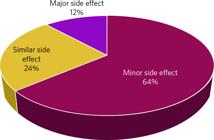
Participants’ perception of the side effects/toxicity of medicinal plants when compared to allopathic medicines, USB territory, municipality of Turmalina (MG), 2024
The results identified 56.84% of participants with comorbidities who used medicinal plants for therapeutic purposes for their illness, presenting risks associated with concomitant use alongside allopathic treatment. Systemic arterial hypertension was reported by 24.73% (n = 49) of the participants; of these, 55.10% (n = 27) used some plants with hypotensive action; while diabetes was cited by 7.89% (n = 15) and, of these, 13.33% (n = 2) used plants with hypoglycemic potential.
In this study, the influence of health professionals on the adoption of the practice of care with the use of medicinal plants proved to be infrequent, as only 1.91% (n = 3) of the participants reported having received professional guidance on their use. Among the professionals, those from medicine and nursing were mentioned, as well as instructors of courses on medicinal plants.
For 9.55% (n = 15) of the respondents, the media was a source of knowledge about the preparation of plants, but practically all reported receiving guidance or influence from family members in some way. Of the participants, 82.63% (n = 157) used medicinal plants at home, with 38.2% using up to 3 plants frequently and 61.8% using more than 4 different types of plants. Regarding the frequency of use of medicinal plants, 26.75% of the participants reported using them once or twice a week; 9.55%, three to five times a week; and 63.7% stated that they rarely use them. Among those who stated that they do not currently use medicinal plants, 81.81% (n = 27) said they had used them at some point in their lives.
The inclusion of an assessment of the use of medicinal plants typical of the Cerrado biome in the study allowed for the evaluation of individuals’ knowledge about the natural and sustainable resources that the territory offers, and identified that 73.16% of participants reported knowing the medicinal plants of the Cerrado. Analyzing the participants’ age group and their knowledge of medicinal plants of the Cerrado, based on the Cerrado Popular Pharmacopoeia, it was possible to verify an increasing level of knowledge as age advances, and even the youngest participants responded positively, as shown in graph 2.
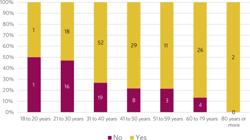
Participants’ knowledge about medicinal plants of the Cerrado, by age group, USB territory, municipality of Turmalina (MG), 2024
The results in table 1 indicate the participants’ knowledge profile regarding the nine medicinal plants of the Cerrado, showing barbatimão and ipê-roxo as the best-known species.
Assessment of participants’ knowledge about medicinal plants of the Cerrado (Popular Pharmacopoeia of the Cerrado), UBS territory. municipality of Turmalina (MG), 2024
It was observed that, for Cerrado plants little known by the interviewees, there was also a greater affirmation of ‘not having heard of them’. Among the known plants most cited by the participants (> 90% of them), we find: rosemary, boldo, clove basil, lemon grass, fennel, mint, jurubeba, basil, pennyroyal and ora-pro-nóbis, as shown in table 2.
Assessment of participants’ knowledge about the most common medicinal plants, UBS territory, municipality of Turmalina (MG), 2024
This study made it possible to identify the plants most commonly used by this population group through spontaneous reports, which occurred in the initial stage of applying the data collection instrument, even before they were subjected to an assessment of their knowledge about the plants. Of the 85 plants mentioned, 6 were referenced by more than 10 participants, as shown in table 3. Mint, lemon grass, and boldo are the most frequently mentioned.
Plants used by participants, with more than ten mentions in spontaneous reports, UBS territory, municipality of Turmalina (MG), 2024
Discussion
Turmalina is a municipality in the Jequitinhonha Valley that has undergone extensive expansion of eucalyptus monoculture in recent decades, impacting the population in four dimensions: environmental, economic, political, and social. The expropriation of land in rural areas for eucalyptus cultivation and the reduction of access to natural resources have led to the migration of families to urban areas10. Housing in the studied territory began between 1999 and 2000, when the Nova Turmalina neighborhood was subdivided. Since then, the neighborhoods have expanded considerably due to lower rental prices for properties and lots compared to the central area, as well as easier access to housing through government financing programs10. This rural exodus generates situations in the urbanization process that impact access to the health system, leading to demands for the evaluation of actions to improve health care in these territories, as well as the establishment of public policies that seek to guarantee quality of life for these populations. The occupation of the territory occurred without proper preservation of the green area, constituted by the Cerrado biome, which reduced the biome in the region, a factor that contributes to the unavailability of species and limits the population’s contact with medicinal plants.
In the territory of the studied UBS, the population is predominantly brown and black (86.32%), with 82.11% of young adults aged 21 to 59 years, and 16.84% being elderly. This profile shows a discrepancy in self-declared race compared to the national average, where 55.5% of the Brazilian population self-identified as black or brown11. Regarding the age profile, the percentage of elderly people in the territory is close to the national average, 15.8% for those aged 60 or older. This characteristic brings social and economic vulnerabilities to families, considering the country’s social inequalities related to skin color and ageism.
For public health, understanding the potential use of medicinal plants in the community provides managers with information that supports their development, with the inclusion of actions in health planning that are truly capable of impacting social practices of health care. The discussion about this policy should take place in health councils and other instances of public power12.
In this study, as well as those by Badke et al.13 and Silva et al.14, it is clear that the population of the territory has little knowledge of the relevance of medicinal plants, as most associate them with teas (33.15%, n = 63) or ‘garden remedies’ (69.47%, n = 132) without attributing value to them as a source of compounds that will constitute phytotherapeutic products, or even reserving little potential for the function of preventing, curing or treating diseases.
Access to medicinal plants is a relevant element, since few need to buy them (5.5%) and most cultivate them or receive them from friends or family, making it easy to use them in health care. The study by Badke et al.13 identified the concern of people who cultivate plants (100% of participants) with issues related to their production without the use of pesticides, carried out in clean environments without the circulation of animals, with harvesting and storage in an appropriate manner, factors related to quality control.
The wealth of knowledge individuals possess regarding the use of medicinal plants can be related both to information obtained from their individual experiences and to the transfer of knowledge between generations. In the study by Badke et al.13, carried out in the area covered by a Family Health Unit (USF) in a municipality located in the central region of Rio Grande do Sul, a strong influence of family members was identified in the contact with the use of medicinal plants by 70% of the participants, with mothers and grandmothers being especially cited. Those who say they do not use them, but have done so at some point in their lives, may indicate a loss of knowledge between generations and the need to maintain popular knowledge. In a study carried out to evaluate medicinal plants in the treatment of gastrointestinal disorders used by traditional healers in the quilombo of Segredo, in Bahia, concern was reported about the preservation of traditional knowledge given that people in the community have little interest in learning how to prepare natural medicine, having access to ready-made formulations15.
In this study, the use of medicinal plants based on family information is frequent (88.54%), without concern for side effects or toxicity, as 43.16% believe there are no harmful effects and 64% think there are fewer side effects than allopathic medicines. Research conducted by Arnous16 and Cortez17 also found similar results, identifying a significant number of respondents who stated that treatment with medicinal plants ‘does not cause harm’. Patrício et al.18 showed the presence of users who did not correctly know the contraindications and possible side effects of medicinal plants. Thus, they ran risks by using them indiscriminately, believing it to be something more natural and that it could not present harm, in addition to the possibility of incorrect identification of the plants and lack of knowledge of the dose and the proper way of use.
In addition to the risks related to side effects or toxicity of medicinal plants, concomitant use with allopathic drugs can cause interactions that interfere with both the amount of active ingredients in the body (absorption, metabolism, and elimination) and the site where the medication acts, potentially having an agonist or antagonist effect. Several factors contribute to these situations, such as the lack of self-reporting by users about the use of medicinal plants, the lack of knowledge among healthcare professionals about possible interactions, and the limited knowledge of the population on the subject due to the perceived safety of using plants.
In the present study, 55.10% of people with systemic arterial hypertension reported using hypotensive plants, and 13.33% of people with diabetes said they use plants with hypoglycemic effects, thus being vulnerable to the risks of these interactions between active ingredients that can lead to an imbalance in their health status.
The results of this study indicated that 82.63% of respondents use medicinal plants at home, and only 1.09% of them were influenced by health professionals, in addition to 26.75% using them at least 2 times a week and 9.55% using them up to 5 times a week. This result indicates the need for the involvement of health professionals from the ESF in the guidance and prescription of medicinal plants for the population, reducing exposure to toxicity and drug interactions. This data signals to the ESF and municipal management the urgent responsibility of evaluating the presence of these practices, as well as the potential benefits and harms to the health of these users, due to the various factors that interfere with safety, efficacy, quality, side effects, and toxicity. On the other hand, it indicates the possibility of employing popular knowledge as an ally in health care in the territory.
The results of this study indicated that 73.16% of the participants were familiar with the 9 species of medicinal plants described in the ‘Popular Pharmacopoeia of the Cerrado’, specified in table 1. The Popular Pharmacopoeia of the Cerrado, published by Loiola et al.6, presents the knowledge of traditional healers who participated in a popular survey on medicinal plants, becoming a reference for the practice of traditional medicine, the preparation of herbal medicines, and the appreciation of Brazilian biodiversity.
Of those who said they do not use medicinal plants (17.2%), 36.36% reported that this was due to the ease of access to manufactured medicines, which may include herbal medicines. Herbal medicines are available through the SUS, forming part of the National List of Essential Medicines (RENAME), and users’ access to the 12 herbal medicines available in the health system depends both on the interest of managers in including them in the list of medicines in pharmacies that distribute them free of charge to the population and on health professionals to prescribe them. The results pointed to a lack of prescription, and the expansion of the use of herbal medicines in the SUS should be the subject of discussions at the local level, as these are more natural medicines, subject to greater control of the concentration of bioactive substances and therapeutic dose, good manufacturing practices, prescription and dispensing by a health professional.
Given the results, it is believed that the use of medicinal plants could be expanded, stimulated by projects that facilitate user access to plant species through agroecological cultivation practices of Cerrado species, contributing to their conservation, educational actions with the community, and encouragement of prescriptions by health professionals, especially those in the ESF, who have a unique role in the comprehensive health care of the community. Ethnobotanical studies, such as those contained in popular pharmacopoeias, should be more widely disseminated to communities, promoting the appreciation of this knowledge and respect for traditional practices and beliefs related to plants, as well as the conservation of plant diversity14. In the municipality of Turmalina, the existence of 100% ESF coverage, associated with the presence of the Cerrado biome, demonstrates potential for the implementation of actions with medicinal plants and phytotherapy.
These actions are recommended by the National Policy on Medicinal Plants and Phytotherapeutic Products (PNPMF) and are protected by the legislation that regulates PICs within the scope of the SUS, and can be carried out in UBS without restrictions. In 2009, the Ministry of Health (MS) published the National List of Medicinal Plants of Interest to the SUS (ReniSUS), with 71 plant species used by the population and scientifically confirmed. Of the plants used by the participants in this study, cited in spontaneous reports, 22 are present in ReniSUS: avocado, garlic, artemisia, aloe vera, carqueja, horsetail, fennel, guava, guaco, mint, passion fruit, mastruz, bitter melon, mulungu, picão, pennyroyal, quebracho, plantain, rue, arnica, barbatimão, and ginger. The result highlights the importance of knowledge about traditional medicine practices in the territory, as a tool for bridging popular knowledge with scientific knowledge, since identifying popular forms of use can broaden the scope of clinical studies regarding the indication of these native species for health care13.
The results presented in table 3 are similar to those of the study by Silva et al.14, in the municipality of Buritirana, Maranhão, which shows mint, lemon grass, boldo, and clove basil as the most cited species. The study in Buritirana also reveals that the most used plants have herbaceous habits, making them easy to cultivate in backyards.
According to Patrício et al.18, the Living Pharmacy functions as a safe strategy for the use of medicinal plants, representing a pharmaceutical social assistance program that prepares, prescribes, and dispenses herbal medicines in the public health network within primary health care, subject to regulations from the National Health Surveillance Agency (ANVISA). Living Pharmacies can expand access for SUS users to herbal medicines and medicinal plants, allowing the association of scientific knowledge with the popular use of plants. They also enable educational interactions in health and other services to the community, such as: discussion groups, didactic gardens, therapeutic workshops, distribution of plant seedlings, enabling intersectoral articulation between public policies in health, agriculture, social assistance, and the environment19. It is noteworthy that the Secretariat of Science, Technology and Innovation and the Economic-Industrial Complex of Health (SECTICS) of the MS finances the implementation and/or structuring of Living Pharmacies through annual public calls for proposals to Municipal, State and Federal District Health Secretariats, promoting the strengthening of the PNPMF19.
Despite the progress made in implementing the use of medicinal plants and herbal medicines as PICs in the SUS, there are still challenges to overcome, especially in smaller municipalities, which have insufficient physical infrastructure and human resources to develop projects such as the Living Pharmacy or medicinal gardens. Zeni, Galvão and Sasse20, aiming to implement practices with medicinal plants and herbal medicines in primary health care in Blumenau (SC), observed that some hindering factors are the high demand for services, the complexity of using medicinal plants, the need for partnerships with other professional categories, and financial assistance for implementation.
Some Brazilian states and municipalities stand out for offering these therapies through Living Pharmacies and other services resulting from local initiatives. In the state of Minas Gerais, the municipalities of Ipatinga, with a service regulated by “Law No. 2,573, of August 4, 2009”, and São Gotardo, with “Law No. 2467, of November 3, 2020”, both providing for the implementation of phytotherapy in public health services at the municipal level, stand out21(45). Also according to Gois21(46), in the state, there are also “research institutions in phytotherapy and medicinal plants, contributing to the scientific validation of various plant species”, such as the Federal University of Minas Gerais (UFMG) and the Oswaldo Cruz Foundation (FIOCRUZ).
In the study conducted by Ferreira et al.22, evaluating aspects related to PICs in the public health service in João Pessoa (PB), from the perspective of health professionals, the most offered were auriculotherapy, followed by medicinal plants and phytotherapeutic products, and community therapy. Nurses stood out in offering some PICs to users, with 96.2% of professionals in this category providing this health care22. Regarding continuing education in PICs, 82.2% of the professionals interviewed reported receiving it from the municipal administration22.
Interprofessional Education (IPE) is an educational strategy that could be used in the municipality of Turmalina to qualify primary health care professionals to offer therapy with medicinal plants and phytotherapeutic products. It is an in-service education methodology that prepares professionals for effective collaborative teamwork, “with professionals learning from each other, about each other and together, with interaction and the intention of improving interprofessional collaboration and the quality of health care”23(2). Some universities nationwide offer training courses accessible to health professionals through distance education, which could be strategically used to develop the skills of health professionals in PICs. Guidelines for the prescription of phytotherapeutic products by health professionals are also available, such as the Brazilian Pharmacopoeia Phytotherapeutic Compendium (MFFB)24 and the National Phytotherapeutic Formulary25.
The use of medicinal plants from the territory’s natural resources should be guided by public policies aimed at implementing sustainable practices that reduce the impacts of disordered land occupation, climate change, deforestation, and water scarcity. In this way, there would be a contribution to achieving the Sustainable Development Goals (SDGs), through the targets of the 17 goals. Among the SDGs, this study is associated with the following: SDG 2 - Zero Hunger and Sustainable Agriculture, related to the use of medicinal plants in promoting local productive arrangements for projects such as the Living Pharmacy, valuing the biodiversity of medicinal plants in the Cerrado; SDG 3 - Good Health and Well-being, encouraging the adoption of healthy lifestyle habits by users, seeking to promote health and prevent disease through the use of medicinal plants; SDG 11 - Sustainable Cities and Communities, which brings the discussion about the use of natural resources for human health and well-being, opening space for the construction of Living Pharmacies, community gardens, expansion of the territory’s green area, waste generation and management, territorial planning and tree planting in neighborhoods with plants with medicinal potential; SDG 15 - Life on Land, in a process of valuing nature and understanding the role of human beings in the search for a harmonious relationship with the natural and urban environment; and SDG 17 - Partnerships for the Goals, encouraging simple changes in lifestyle habits that can have an impact on environmental preservation, in search of better living conditions for future generations, and which can be developed in partnership with local companies and institutions, using existing social structures and equipment.
Conclusions
The study analyzed the community’s knowledge regarding the use of medicinal plants and identified the existing practice in the territory, in which participants associate access to plant species with home cultivation and the preparation of teas.
It was possible to assume that there is a loss of community knowledge regarding medicinal plants, given that almost all participants who did not use medicinal plants at home reported having used them in the past. Most participants reported receiving guidance on the use of medicinal plants from family members, with little involvement from healthcare professionals in the guidance and prescription of medicinal plants.
The users’ knowledge of the Cerrado biome, assessed through the plants that made up the Popular Pharmacopoeia of the Cerrado, highlighted the relevance of barbatimão and ipê-roxo as the species with the greatest access and identification by users, emphasizing the need to promote greater interaction between the community of the territory and the environment of its surroundings.
The factors most cited by participants for not using medicinal plants were the lack of knowledge about the effects of plants on the body, the ease of access to and use of industrialized medicines, and the difficulty of cultivating/finding medicinal plants, indicating the possibility of the population of the territory adopting this health practice through the guidelines of the PNPMF, with safer and more effective use, signaling the need for the implementation of a Living Pharmacy.
The participants’ perception of the absence of side effects/toxicity of medicinal plants on the body and their lower intensity compared to allopathic medicines points to the need for health education and promotion actions in the territory to reduce health risks. The diversity of medicinal plants cultivated and used by the community was unknown to those involved in the study, confirming the relevance of the topic for health care.
Thus, the results presented in this research highlight the importance of recognizing, valuing, and strengthening traditional knowledge associated with the use of medicinal plants as an integral part of health care in the territory studied. The articulation between this knowledge and public policies, especially through the implementation of a Living Pharmacy and health education actions based on the PNPMF, can expand access to safe and effective phytotherapy practices, in addition to contributing to the preservation of the Cerrado and local culture. The study reinforces the urgency of intersectoral strategies that integrate popular knowledge, primary care, and environmental sustainability as pillars of a more inclusive health care rooted in the realities of the territories.
The study is limited to the territory analyzed; therefore, the results cannot be extrapolated to other regions. Another limitation of the study is the absence of an objective evaluation of the preparation, dosage, and method of use of medicinal plants, information that would contribute to a greater understanding of this practice in the territory. Although the investigation of the clinical effects, drug interactions, and therapeutic safety of medicinal plants was not the subject of this study, it is recognized that these aspects are relevant and should be explored further in future research.
Acknowledgments
To the Interdisciplinary Postgraduate Program in Health, Society and Environment at UFVJM; to the research participants residing in the study area; to the ACS of the José de Souza Lima UBS; to the Municipal Health Department of Turmalina (MG). To the ACSs Ferreira SG, Freitas GP, Macedo AA, Pinto JG, Reis NCO and Santos MAR, who contributed to data collection and analysis.
-
Financial support:
Non-existent
Data availability:
The research data is contained in the manuscript itself
References
- 1 Ministério da Saúde (BR), Secretaria de Ciência, Tecnologia e Insumos Estratégicos, Departamento de Assistência Farmacêutica. Política e Programa Nacional de Plantas Medicinais e Fitoterápicos. Brasília, DF: Ministério da Saúde; 2016. 190 p.
- 2 Jorge SSA. Plantas medicinais: coletânea de saberes. Viçosa: Esuv; 2009.
-
3 Dresch RR, Libório YB, Czermainski SBC. Compilação de levantamentos de uso de plantas medicinais no Rio Grande do Sul. Physis. 2021;31(2):e310219. DOI: https://doi.org/10.1590/S0103-73312021310219
» https://doi.org/10.1590/S0103-73312021310219 -
4 Martelli A, Carvalho LAHB. Percepção dos moradores do distrito de Eleutério, município de Itapira-SP, acerca da utilização de plantas medicinais. Arch Health Invest. 2019;8(2):79-84. DOI: https://doi.org/10.21270/archi.v8i2.3164
» https://doi.org/10.21270/archi.v8i2.3164 - 5 Ministério da Saúde (BR), Secretaria de Atenção à Saúde, Departamento de Atenção Básica. Práticas integrativas e complementares: plantas medicinais e fitoterapia na atenção básica. Brasília, DF: Ministério da Saúde; 2012. 156 p. (Série A. Normas e Manuais Técnicos). (Cadernos de Atenção Básica; n. 31).
- 6 Dias JE, Laureano LC, organizadoras. Farmacopeia Popular do Cerrado. 2ª ed. Belo Horizonte: Articulação Pacari Raizeiras do Cerrado; 2021.
- 7 Turmalina (MG). Prefeitura Municipal, Secretaria Municipal de Assistência Social. Relatório famílias Cadastro Único de Turmalina - MG. Turmalina: Prefeitura Municipal de Turmalina; 2025.
-
8 Presidência da República (BR). [Constituição 1988]. Constituição da República Federativa do Brasil de 1988 [Internet]. Diário Oficial [da] República Federativa do Brasil, Brasília, DF. 1988 out 5 [acesso em 2026 abr 17]; Seção 1:1. Disponível em: https://www.planalto.gov.br/ccivil_03/constituicao/constituicao.htm
» https://www.planalto.gov.br/ccivil_03/constituicao/constituicao.htm - 9 Conselho Nacional de Saúde (BR). Resolução nº 466, de 12 dezembro de 2012. Aprova as diretrizes e normas regulamentadoras de pesquisas envolvendo seres humanos e revoga as Resoluções CNS nºs 196/96, 303/2000 e 404/2008. Diário Oficial da União, Brasília, DF. 2013 jun 13; Edição 112; Seção I:59-62.
- 10 Alves MSC. A formação política e econômica de Turmalina - elementos da história política de Minas Novas. Turmalina: Polo Printer; 2017.
- 11 Instituto Brasileiro de Geografia e Estatística. Censo Demográfico 2022. Rio de Janeiro: IBGE; 2022.
-
12 Cherobin F, Buffon MM, Carvalho DS, et al. Plantas medicinais e políticas públicas de saúde: novos olhares sobre antigas práticas. Physis. 2022;32(3):e320306. DOI: https://doi.org/10.1590/S0103-73312022320306
» https://doi.org/10.1590/S0103-73312022320306 -
13 Badke MR, Budó MLD, Alvim NA, et al. Saberes e práticas populares de cuidado em saúde com o uso de plantas medicinais. Texto Contexto Enferm. 2012;21(2):363-370. DOI: https://doi.org/10.1590/S0104-07072012000200014
» https://doi.org/10.1590/S0104-07072012000200014 -
14 Silva JLA, Lima GC, Nogueira FS, et al. Conhecimento local e as vias de transmissão cultural no uso de plantas medicinais no município de Buritirana, Maranhão. Cad Pedagógico. 2025;22(1):e13280. DOI: https://doi.org/10.54033/cadpedv22n1-088
» https://doi.org/10.54033/cadpedv22n1-088 -
15 Silva SS, Alves RJC, Juiz PJL. Plantas medicinais usadas por benzedeiras do quilombo de Segredo, Bahia, no tratamento de distúrbios gastrointestinais: quando o saber popular se encontra com o científico. Rev Principia. 2025;62:e7917. DOI: https://doi.org/10.18265/2447-9187a2022id7917
» https://doi.org/10.18265/2447-9187a2022id7917 - 16 Arnous AH, Santos AS, Cambraia RP. Plantas medicinais de uso caseiro - conhecimento popular e interesse por cultivo comunitário. Rev Espaço Saúde. 2005;6(2):1-6.
-
17 Cortez LER, Jacomossi E, Cortez DAG. Levantamento das plantas medicinais utilizadas na medicina popular de Umuarama, PR. Arq Cienc Saude UNIPAR [Internet]. 1999 [acesso em 2025 abr 28];3(2):97-104. Disponível em: https://revistas.unipar.br/index.php/saude/article/view/938/821
» https://revistas.unipar.br/index.php/saude/article/view/938/821 -
18 Patrício KP, Minato ACS, Brolio AF, et al. O uso de plantas medicinais na atenção primária à saúde: revisão integrativa. Ciênc saúde coletiva. 2022;27(2):677-686. DOI: https://doi.org/10.1590/1413-81232022272.46312020
» https://doi.org/10.1590/1413-81232022272.46312020 - 19 Ministério da Saúde (BR), Secretaria de Ciência, Tecnologia e Inovação e do Complexo Econômico-Industrial da Saúde, Departamento de Assistência Farmacêutica e Insumos Estratégicos, Coordenação-Geral de Assistência Farmacêutica Básica. Roteiro orientativo ao edital de apoio à implementação e/ou estruturação de farmácias vivas. Brasília, DF: Ministério da Saúde; 2024.
-
20 Zeni ALB, Galvão TCL, Sasse OR. Capacitação de profissionais na atenção primária em saúde: um caminho para a promoção da fitoterapia. Rev Baiana Saúde Pública. 2022;45(3):70-91. DOI: https://doi.org/10.22278/2318-2660.2021.v45.n3.a3424
» https://doi.org/10.22278/2318-2660.2021.v45.n3.a3424 -
21 Gois JSR. Políticas públicas de fitoterápicos e plantas medicinais na atenção primária à saúde: uma proposta de avaliação [dissertação na Internet]. São Cristóvão (SE): Universidade Federal de Sergipe; 2025 [acesso em 2025 abr 28]. Disponível em: https://ri.ufs.br/jspui/handle/riufs/21488
» https://ri.ufs.br/jspui/handle/riufs/21488 -
22 Ferreira BWRC, Forte FDS, Ferreira Júnior A, et al. Práticas integrativas e complementares na Atenção Primária à Saúde em uma capital do Nordeste brasileiro. Saúde Debate. 2024;48(143):e9122. DOI: https://doi.org/10.1590/2358-289820241439122P
» https://doi.org/10.1590/2358-289820241439122P -
23 Medeiros AVM, Forte FDS, Toassi RFC. Educação interprofissional na residência multiprofissional em atenção primária à saúde: análise fenomenológica. Saúde Debate. 2024;48(143):e9167. DOI: https://doi.org/10.1590/2358-289820241439167P
» https://doi.org/10.1590/2358-289820241439167P -
24 Agência Nacional de Vigilância Sanitária. Memento fitoterápico da Farmacopeia Brasileira [Internet]. Brasília, DF: Anvisa; 2016 [acesso em 2025 abr 28]. Disponível em: https://fitoterapiabrasil.com.br/biblioteca-virtual/memento-fitoterapico-farmacopeia-brasileira-1a-edicao2016
» https://fitoterapiabrasil.com.br/biblioteca-virtual/memento-fitoterapico-farmacopeia-brasileira-1a-edicao2016 -
25 Agência Nacional de Vigilância Sanitária. Formulário de fitoterápicos da Farmacopeia Brasileira [Internet]. 2ª ed. Brasília, DF: Anvisa; 2021 [acesso em 2025 abr 28]. Disponível em: https://fitoterapiabrasil.com.br/biblioteca-virtual/formulario-de-fitoterapicos-da-farmacopeia-brasileira-2a-edicao2021
» https://fitoterapiabrasil.com.br/biblioteca-virtual/formulario-de-fitoterapicos-da-farmacopeia-brasileira-2a-edicao2021 -
26 Organização das Nações Unidas para a Educação, a Ciência e a Cultura. Educação para os Objetivos de Desenvolvimento Sustentável: objetivos de aprendizagem [Internet]. Paris: UNESCO; 2017 [acesso em 2025 abr 28]. Disponível em: https://unesdoc.unesco.org/ark:/48223/pf0000251093
» https://unesdoc.unesco.org/ark:/48223/pf0000251093
Edited by
-
Editor in charge:
Guilherme Franco Netto, Fundação Oswaldo Cruz (Fiocruz), Rio de Janeiro (Rio de Janeiro/RJ), Brasil. Lattes: http://lattes.cnpq.br/5162760718464160, Orcid: https://orcid.org/0000-0002-8861-8897, e-mail: guilherme.netto@fiocruz.br

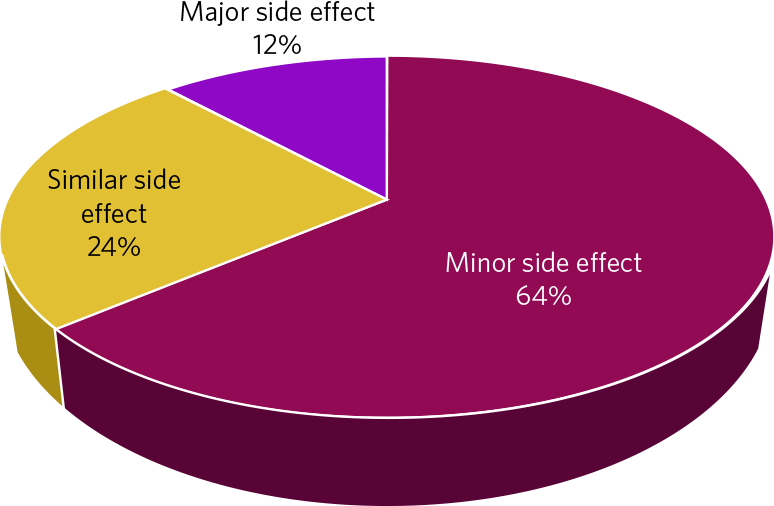 Source: Author’s own elaboration.
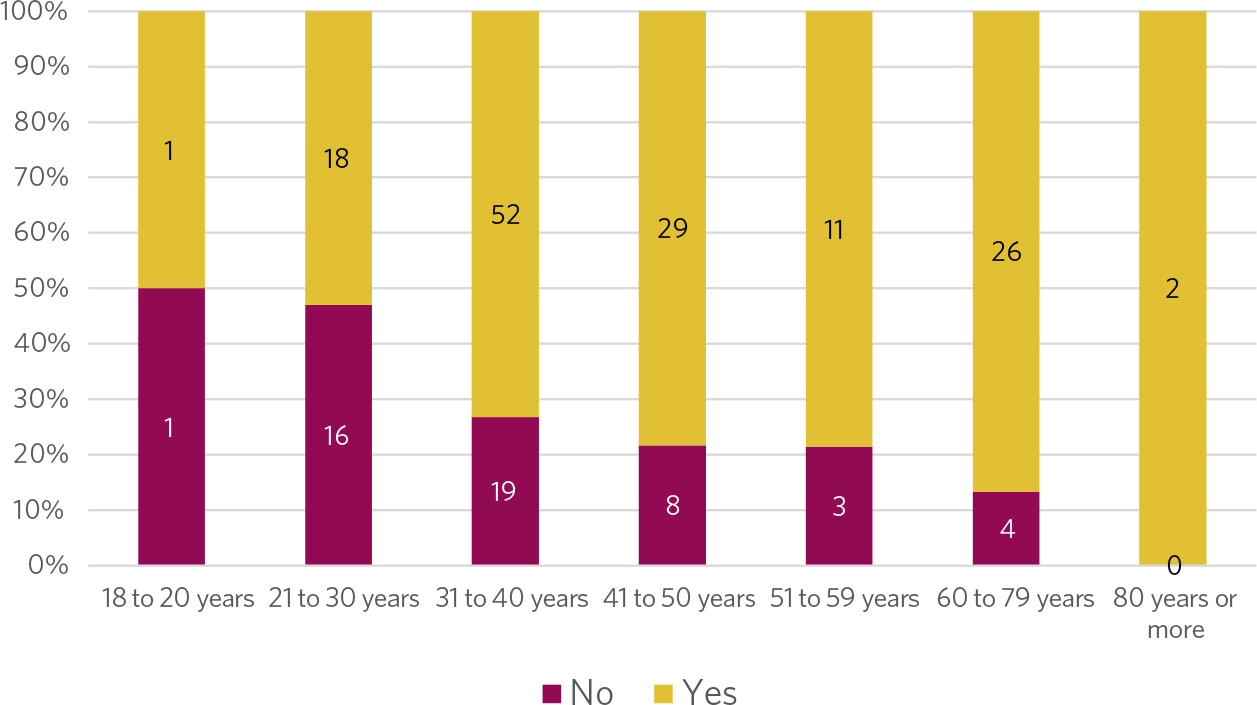 Source: Author’s own elaboration.