 Influence of stratigraphic variability on 2D and 3D factors of safety: a numerical investigation of tailings dam embankments
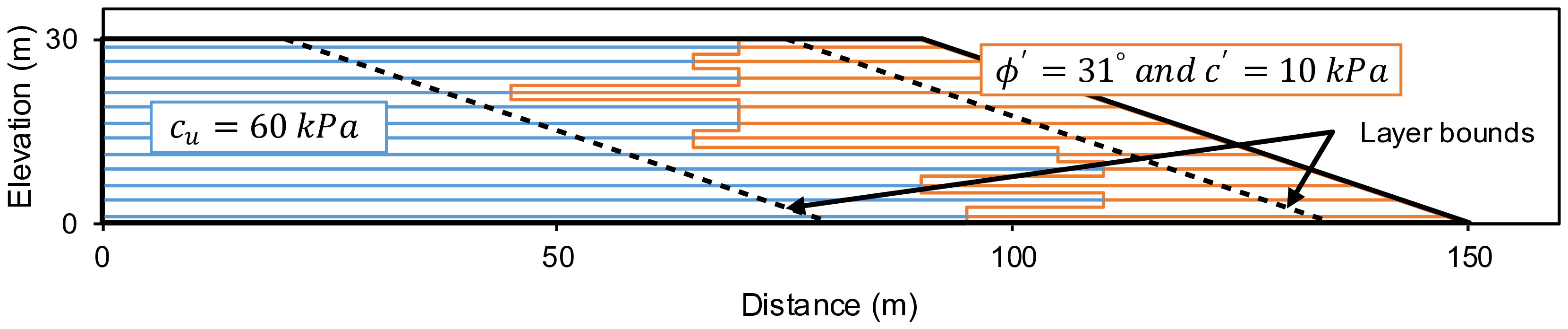
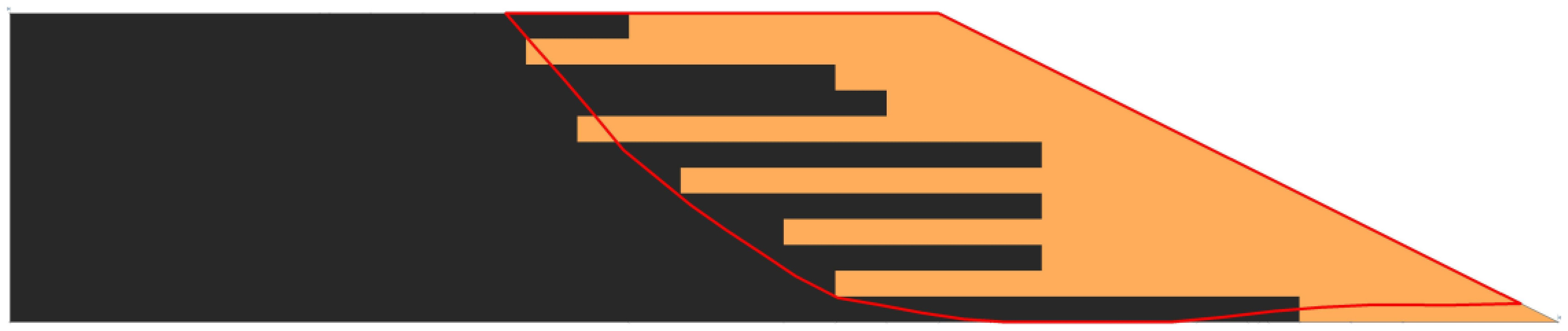
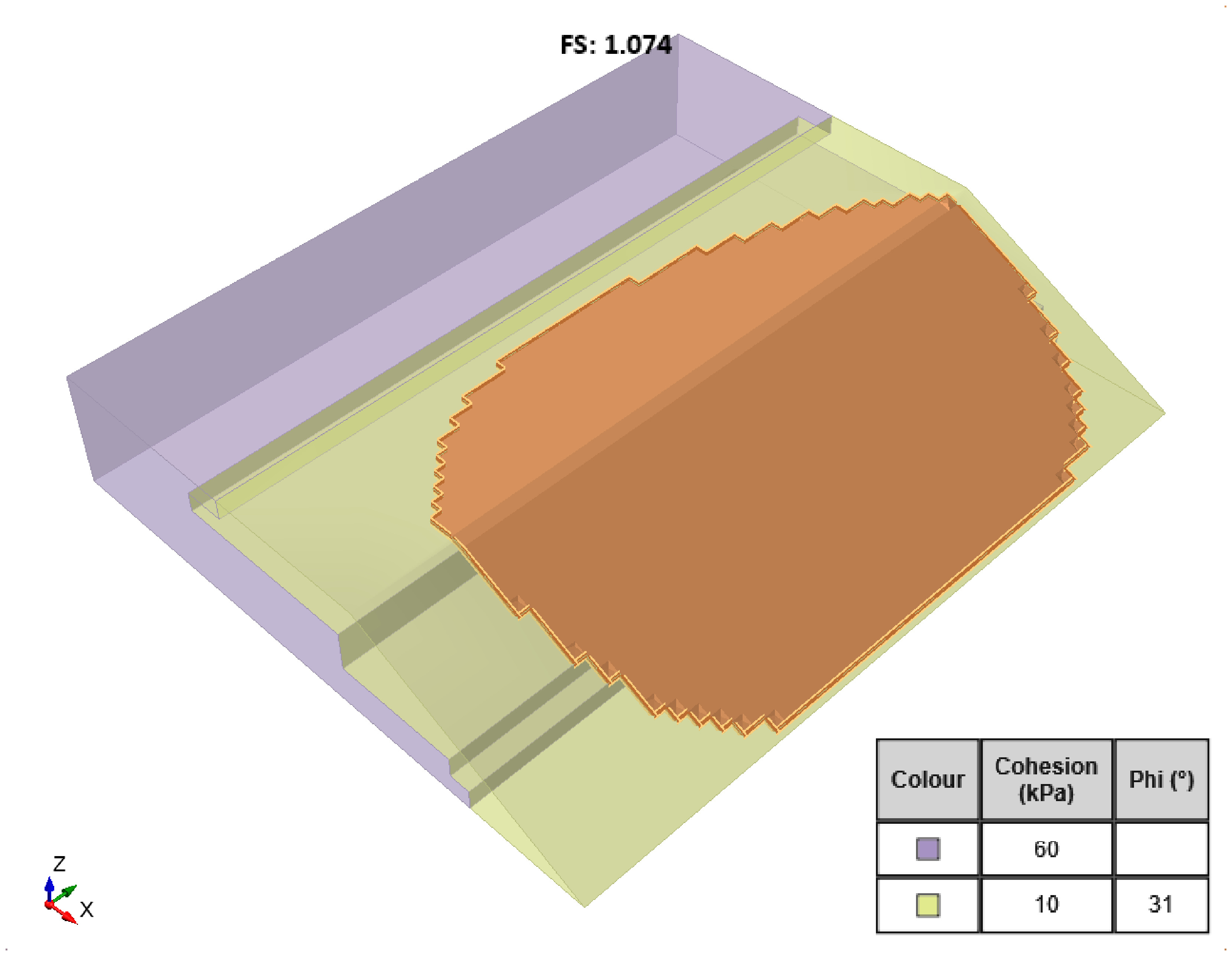
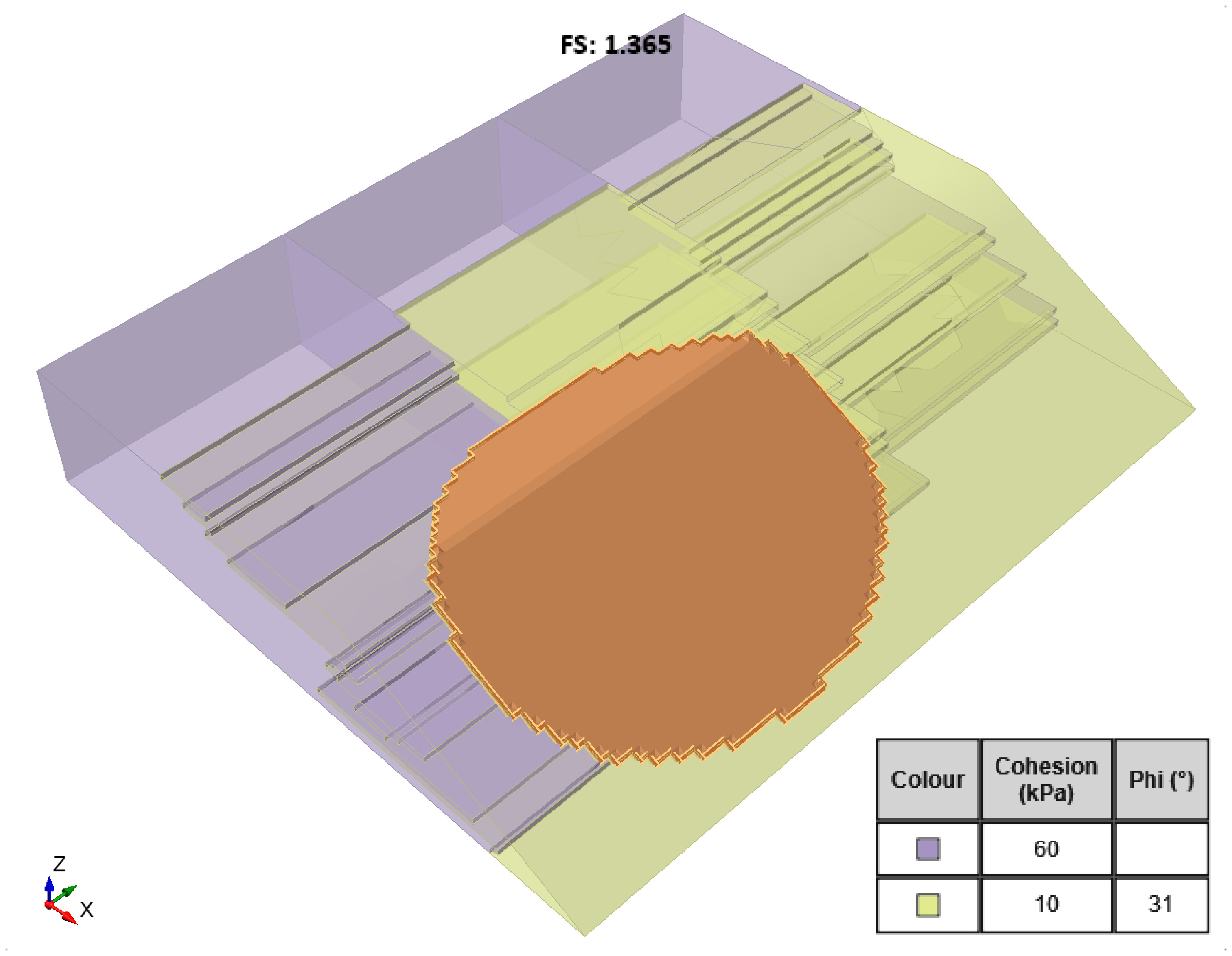
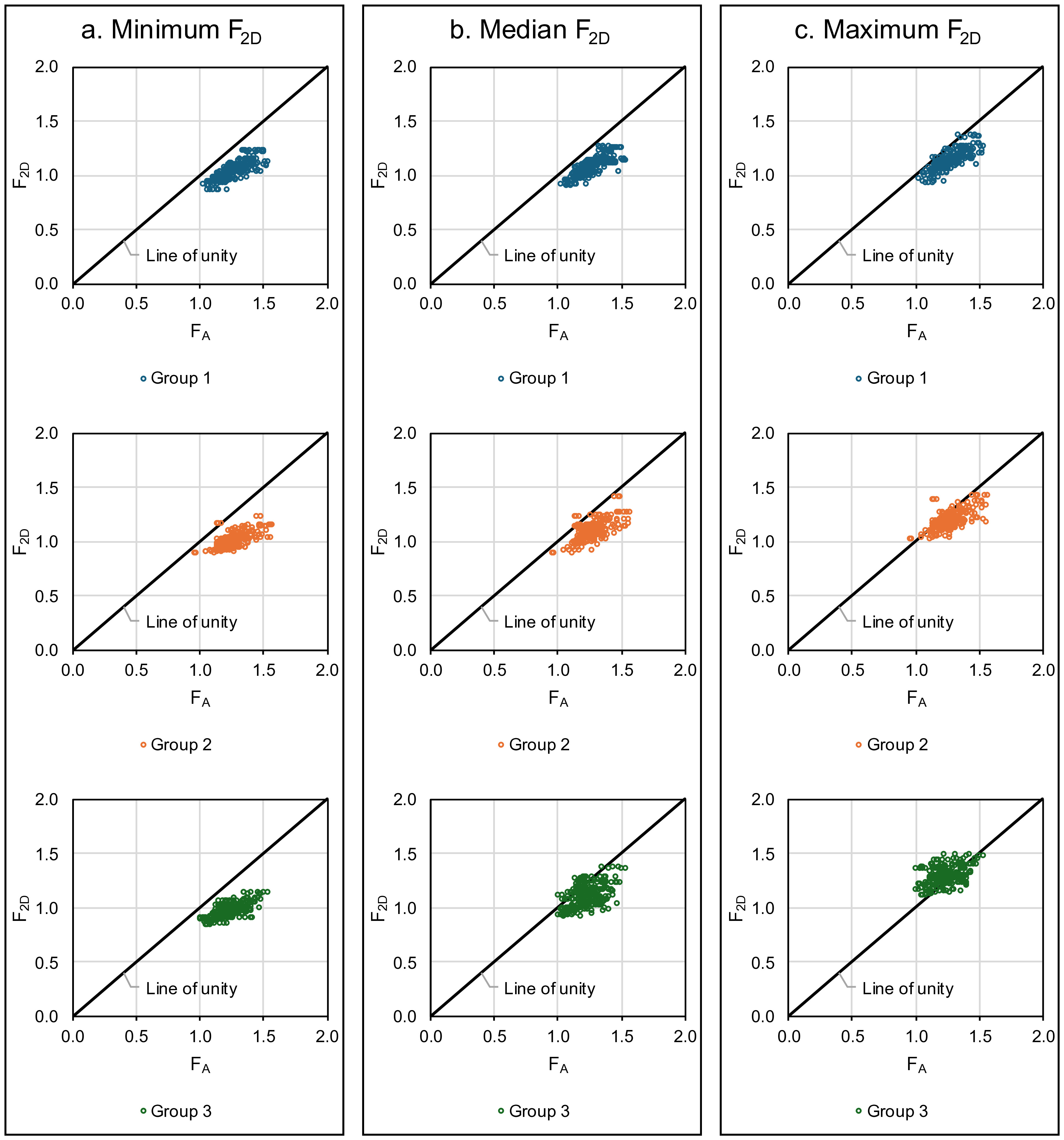
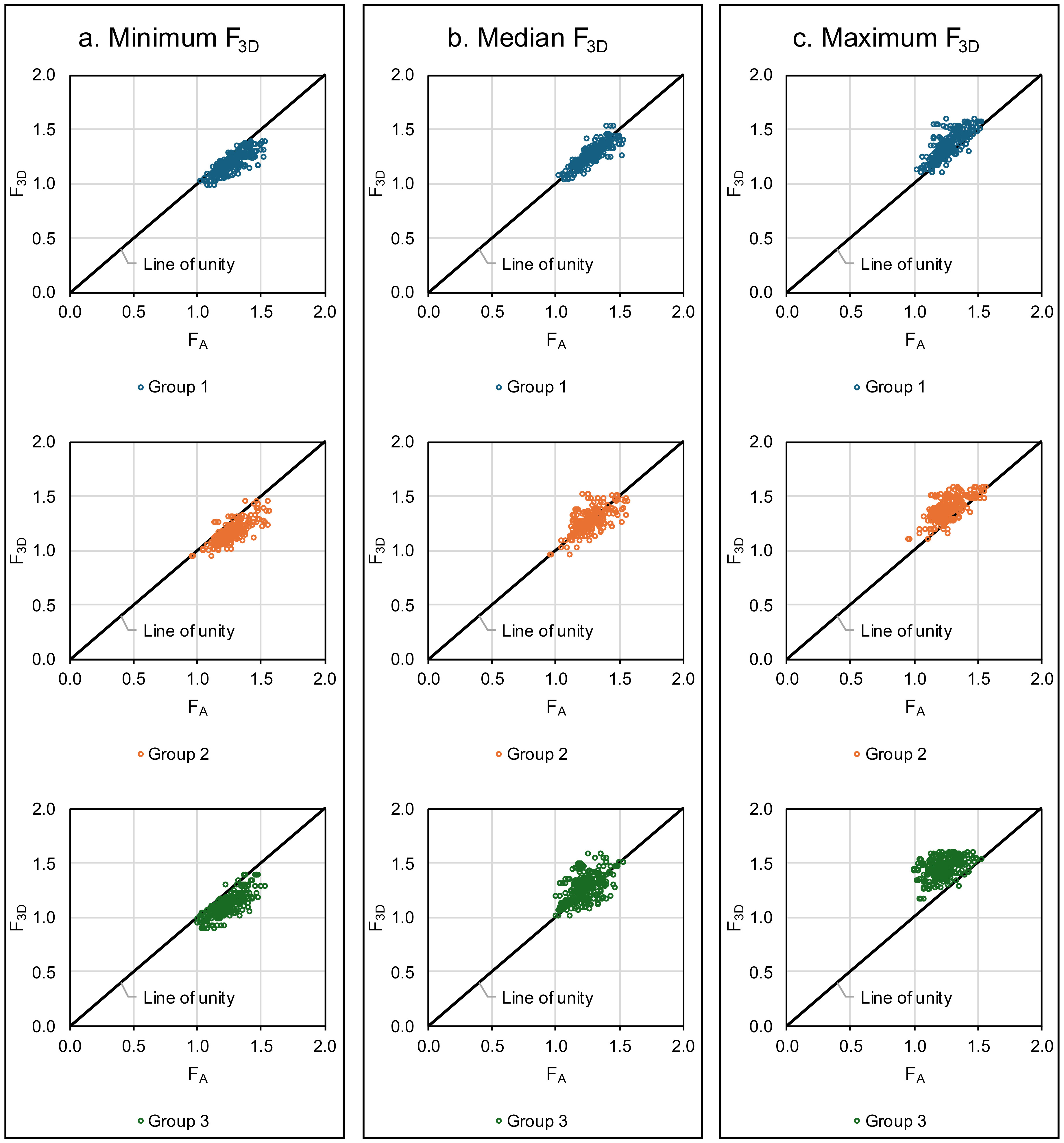
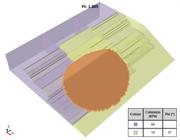
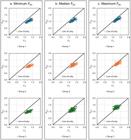
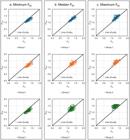
Past research has focused on spatial variability or the influence of randomly distributed strength on slope stability. This research explores stratigraphic variability, specifically the influence of positional changes in the boundary between two materials of very different strengths on stability. Specifically, the boundary between drained and undrained material commonly present in upstream tailings dams. Two-dimensional (2D) and three-dimensional (3D) slope stability analyses are compared. The study showed that when a single random 2D cross-section was selected, this had an 11% probability of being unsafe (i.e., the resulting 2D factor of safety was higher than the 3D factor of safety calculated considering stratigraphic variability), while extrapolating a randomly selected 2D section to represent the entire 3D slope (i.e., ignoring stratigraphic variability) increased this risk to 46%. The reason why an extrapolated 3D slope stability analysis was unconservative is that, in many instances it failed to account for weak sides, toe, and back scarp conditions that existed when stratigraphic variability along the length of the slope was taken into consideration. These features can be overlooked when an analysis assumes homogeneity and highlights the importance of investigating conditions along the length of a slope particularly if a 3D analysis is to be performed.
Keywords:
Slope stability; Stratigraphic variability; Two-dimensional; Three-dimensional; Tailings dam
 Thumbnail
 Thumbnail
 Thumbnail
 Thumbnail
 Thumbnail
 Thumbnail