 Identification of the Causal Agent of Alternaria Leaf Spot of Cabbage in Côte d›Ivoire
ABSTRACT
Cabbage (Brassica oleracea L.) is a plant of vital importance. However, its cultivation is subject to several diseases, including Alternaria leaf spot, which causes huge losses in most production areas. Thus, the present study aimed to identify the Alternaria species responsible for Alternaria leaf spot of cabbage in Côte d’Ivoire. To this end, a phytosanitary survey was carried out in three cabbage growing areas in Côte d’Ivoire (Yamoussoukro, Tiassalé and Abengourou), and symptomatic leaves were sampled. The fungi associated with the symptoms were then isolated and morphologically identified. Pathogenicity tests were also carried out with Alternaria isolates by inoculating cabbage plants in a greenhouse. Finally, pathogenic Alternaria isolates were molecularly identified using the universal primers ITS1 and ITS4. Alternaria leaf spot symptoms were found in all three locations surveyed. Disease prevalence ranged from 63.33% to 78.33%. As for symptom severity index, it was highest in Abengourou: 43.61%. Five Alternaria morphotypes were isolated from the collected samples. These isolates were all pathogenic to cabbage, and molecular tests revealed that they belonged to the species Alternaria brassicicola. This first identification of Alternaria brassicicola as a cabbage pathogen in Côte d’Ivoire will thus contribute to the implementation of an effective control strategy against Alternaria leaf spot of cabbage.
Keywords
Brassica oleracea L.; fungal disease; severity; molecular;
Alternaria brassicicola
RESUMO
O repolho (Brassica oleracea L.) é uma planta de importância vital. Entretanto, seu cultivo está sujeito a várias doenças, incluindo a mancha foliar de Alternaria, que causa enormes perdas na maioria das áreas de produção. Assim, este estudo tem como objetivo identificar as espécies de Alternaria responsáveis pela mancha foliar de Alternaria do repolho na Costa do Marfim. Para isso, foi realizado um levantamento fitossanitário em três áreas de cultivo de repolho na Costa do Marfim (Yamoussoukro, Tiassalé e Abengourou), e amostras de folhas sintomáticas foram coletadas. Os fungos associados aos sintomas foram então isolados e identificados morfologicamente. Também foram realizados testes de patogenicidade com isolados de Alternaria por meio da inoculação de plantas de repolho em uma estufa. Por fim, os isolados patogênicos de Alternaria foram identificados molecularmente usando os primers universais ITS1 e ITS4. Os resultados mostraram que os sintomas da mancha foliar de Alternaria foram encontrados nos três locais pesquisados. A prevalência da doença variou de 63,33% a 78,33%. Quanto ao índice de gravidade dos sintomas, ele foi mais alto em Abengourou, com 43,61%. Cinco morfotipos de Alternaria foram isolados das amostras coletadas. Esses isolados eram todos patogênicos para o repolho, e os testes moleculares revelaram que eles pertenciam à espécie Alternaria brassicicola. Essa primeira identificação da Alternaria brassicicola como um patógeno do repolho na Costa do Marfim contribuirá, portanto, para a implementação de uma estratégia de controle eficaz contra a mancha foliar de Alternaria do repolho.
Palavras-chave
Brassica oleracea L.; doença fúngica; severidade; molecular;
Alternaria brassicicola
Cabbage (Brassica oleracea L.) is cultivated as an annual crop (11) for its leaves, which are mainly used in the preparation of diverse dishes.
Its consumption provides vitamins such as vitamin K, vitamin C, and vitamins B1, B2 and B6. Cabbage is also an important source of minerals, notably calcium, iron, magnesium, manganese, copper, phosphorus and potassium. It also provides a significant amount of protein and dietary fiber (14). In addition to food, cabbage has been adopted in traditional medicine (22).
Despite such importance, cabbage cultivation is prone to several biotic diseases, including Alternaria leaf spot (3). This disease manifests as black or brown spots. It starts on the oldest leaves and spreads to the youngest ones, causing numerous necrotic leaf spots surrounded by a yellow ring (6). Two Alternaria species (A. brassicicola and A. brassicae) are known to cause this disease (10). Their action affects yield quantity, and losses can vary from 10% to 70% (19). According to Kumar et al. (12), Alternaria leaf spot is a problem for 70% Brassica species; yield losses vary from 10% to 70% in India (12, 25) and from 32% to 57% in Nepal (24). In 2006, losses ranged from 87% to 100% in Lithuania (5). These fungi also depreciate the quality of apples, reducing their market and nutritional value (10). They have a dual effect on seeds. Indeed, seed infection causes pre- and post-emergence damping-off, leading to cankers on surviving plants and affecting seed quantity and quality. The spread of these fungi over short distances occurs via water droplets projected from infected plants to those located nearby. Over longer distances, however, they spread via seeds (20). According to Gupta et al. (10), these species are cosmopolitan and are found in all production areas. In Côte d’Ivoire, no studies had been carried out on the impact of Alternaria leaf spot of cabbage. Thus, learning the extent of this disease in the major cabbage growing areas and studying the involved Alternaria species could enable the implementation of control strategies. The current study aimed to identify the Alternaria species responsible for Alternaria leaf spot of cabbage in Côte d’Ivoire.
Materials and methods
Phytosanitary survey and sample collection
The survey was carried out in three major cabbage growing localities in Côte d’Ivoire. These included Abengourou, Tiassalé and Yamoussoukro. In each locality, 4 cabbage plots at least 4 km apart were surveyed. At least 30-day-old plants were observed after planting. Symptoms characteristic of Alternaria leaf spot were observed on cabbage leaves and described. Samples of symptomatic leaves were then collected for isolation of the associated fungi.
Assessment of symptom prevalence
Prevalence was assessed in an X pattern by selecting 30 plants along each diagonal of each subplot. On each diagonal, the 30 plants at approximately the same distance were observed. The number of plants exhibiting characteristic symptoms of Alternaria leaf spot was then counted. Finally, prevalence was determined using the formula of Ackah et al. (2):
Ni: number of plants exhibiting Alternaria leaf spot symptoms
Nt: total number of plants observed
Assessment of symptom severity index
To determine the symptom severity index, symptom severity was first assessed by assigning a severity score to each symptomatic plant according to the scale of Sharma et al. (23), ranging from 0 to 9, where: 0: no apparent disease; 1: no more than 5 spots; 2: 6 to 10 spots; 3: 11 to 15 spots; 4: more than 15 spots or a few large concentric rings; 5: moderate spots or a few large lesions; 6: major spots or moderately larger lesions; 7: major spots or many large lesions with slight tissue collapse; 8: major spots or many large lesions with moderate tissue collapse; 9: major spots or many large lesions with extensive tissue collapse.
The obtained severity scores were used to calculate the symptom severity index based on the formula of Townsend et al. (26):
n: number of plants having q score; q: severity score assigned to the diseased plant;
N: total number of plants observed; Q: highest severity score
Isolation and identification of fungi associated with the symptoms
Isolation of fungi from symptomatic leaves was carried out on glucose-enriched potato medium (PDA). Samples were surface sterilized in an 8% sodium hypochlorite solution diluted to 2% for 3 minutes, then rinsed 3 times with tap water. Explants were taken from these samples after drying on blotting paper. Four explants were inoculated onto PDA medium in Petri dishes, which were sealed and incubated for 48 h at 25°C. Finally, the fungi grown on the culture medium were purified through successive subculturing to obtain homogeneous, pure colonies. The pure fungal isolates were identified based on their macroscopic (color, appearance and size of mycelial colonies) and microscopic (shape, color and number of spore partitions) characteristics. Identification was based on the identification keys of Botton et al. (4).
Assessing the pathogenicity of isolated fungi
Pathogenicity test was carried out to identify the Alternaria isolates responsible for Alternaria leaf spot symptoms in cabbage. To this end, a spore solution of each Alternaria isolate was used at a concentration of 106 spores/ml. The test was carried out on 35-day-old plants. Four locally produced cabbage varieties (Super-cross, K-K cross, Master and Sultana) were used. For each Alternaria isolate, 5 plants of each cabbage variety were inoculated at a rate of 20 ml per plant. The experiment was repeated 3 times, followed by daily observations. After 10 days, leaves exhibiting symptoms identical to those observed during the surveys were harvested, and the fungi associated with these symptoms were isolated again to verify Koch’s postulate.
Identification of Alternaria species responsible for Alternaria leaf spot of cabbage
The Doyle & Doyle (7) method was adopted to extract DNA from the different Alternaria isolates responsible for Alternaria leaf spot of cabbage. The isolated DNA was then quantified and stored at -20°C. The ITS region was amplified using the primers ITS1 (5’-TCCGTAGGTGAACCTGCGG-3’) and ITS4 (5’TCCTCCGCTTA TTGATATGC-3’) (27). PCR was performed on a MiniAmp thermal cycler from Applied Biosystems, using OneTaq 2X Master Mix (NEB), according to the manufacturer’s instructions. Thus, the master mix for each sample was prepared by mixing 12.5 μl oneTaq, 0.25 each primer (ITS1 and ITS4), and 7 μl pure water (H2O). Then, 5 μl DNA were added for a total reaction volume of 25 μl. This solution was placed in the thermocycler and the following program was adopted: initial denaturation cycle at 94°C for 3 minutes, followed by 35 cycles of denaturation at 94°C for 45s, hybridization at 55°C for 45s, elongation at 72°C for 1 min, and final elongation at 72°C for 10 min.
PCR products were electrophoresed on 1% agarose gel and stained with SyberSafe staining solution. The migrated amplicons were sent to the Beijing Genomics Institute in Hong Kong (China) for obtaining the DNA sequences. The resulting sequences were edited using BioEdit software and proofread using chromatograms in MEGA v. 7. A blast search was then performed using the Whole-genome Shotgun Contigs (WGS) database on the National Center for Biotechnology and Information (NCBI) website to demonstrate the relationships between homologous species, while the Neighbour-Joining method using Molecular Evolutionary Genetics Analysis (MEGA 7.0) was used to create the phylogenetic tree.
Statistical analysis
Data were analyzed using R software (version 4.2), following the conditions for application of the different comparison tests. Thus, after the tests for normality (K2 test) and homogeneity (Bartlett’s test) of variances, the non-parametric comparison test with more than two modalities (Kruskal-Wallis) was used to compare means of disease prevalence and severity in the different localities.
Results
Symptoms observed on cabbage leaves in the different localities surveyed
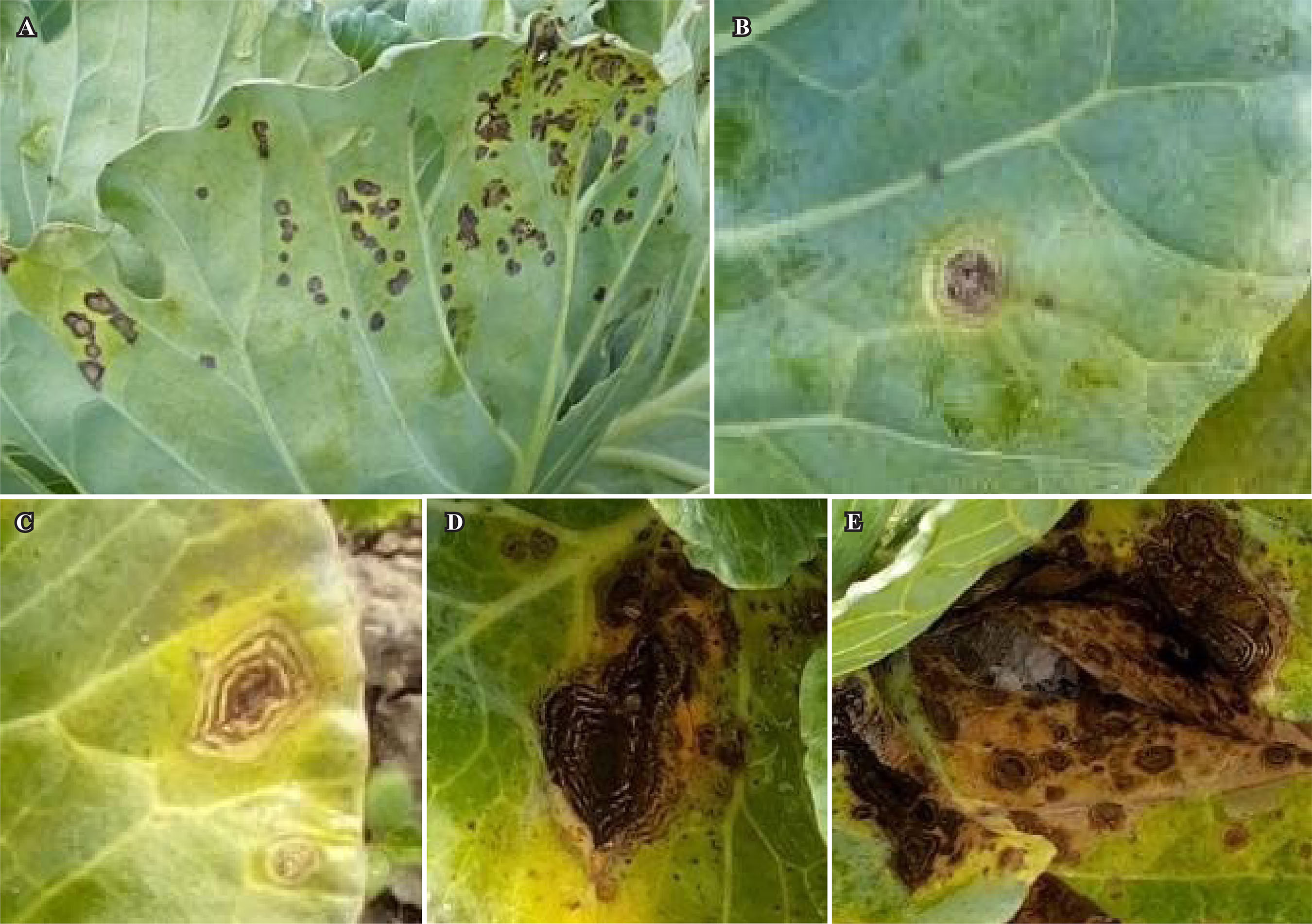
Characteristic symptoms of Alternaria leaf spot were observed on cabbage leaves in all surveyed sites. These symptoms were progressive and randomly distributed across the visited plots. They occurred as brown or black circular necrotic spots, which started as small dots (Figure 1a) and could reach large necrotic areas of around 3 cm in diameter.
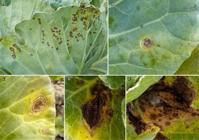
Characteristic symptoms of Alternaria leaf spot observed on cabbage in the different localities surveyed.
They were visible across both sides of the leaf and often surrounded by a yellow halo (Figure 1b).
As symptoms progressed, concentric rings typical of Alternaria leaf spot appeared in the necrotic area (Figure 1c). Necrosis became more extensive, and the concentric zone turned black (Figure 1d). It spread over the entire leaf surface, causing the leaf to dry out (Figure 1e). Symptoms appeared mainly on older leaves, particularly those at the base of the plant.
Mean prevalence of Alternaria leaf spot symptoms
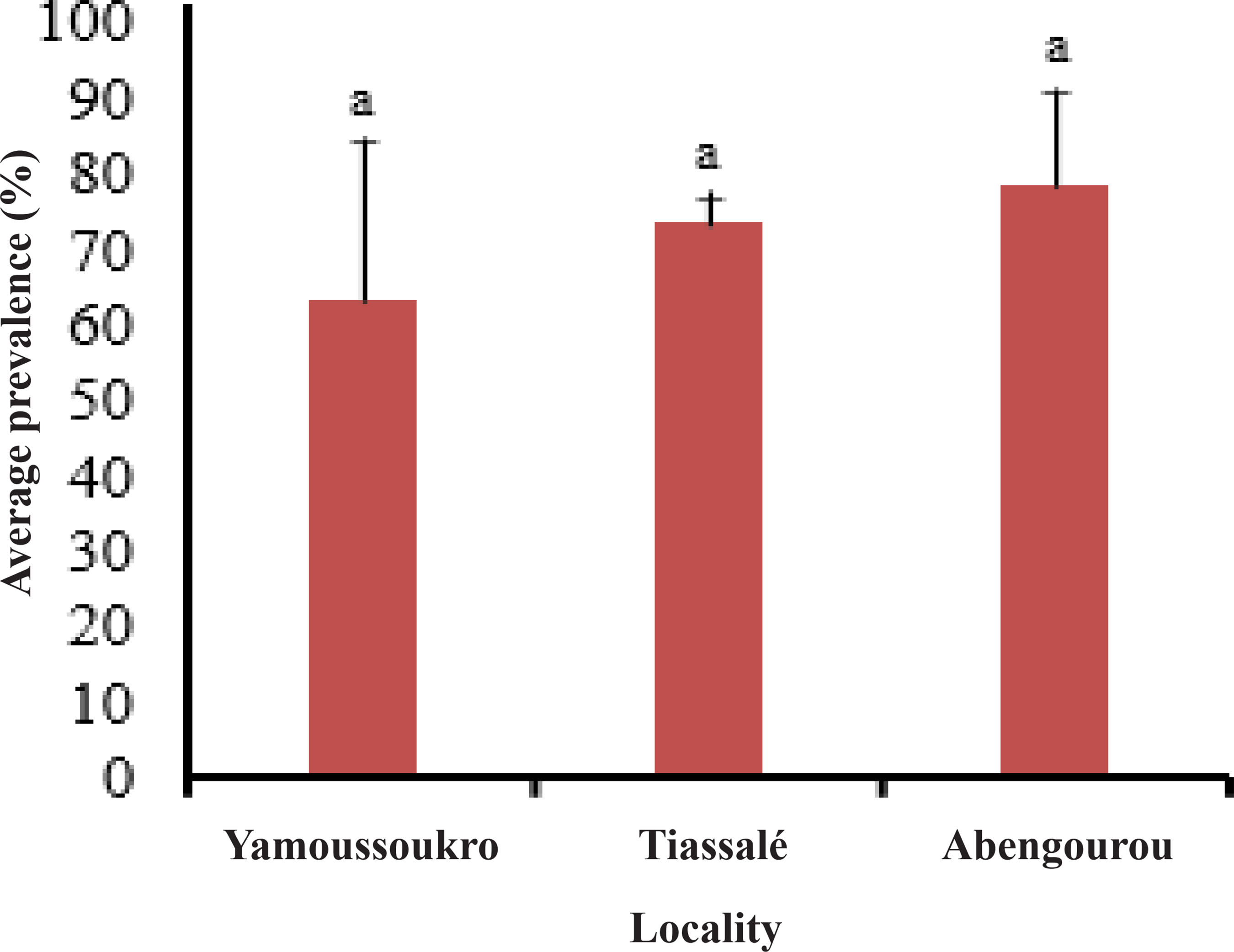
In all three localities, Alternaria leaf spot symptoms were observed on cabbage leaves. The prevalence of these symptoms varied depending on the localities. It was 63.33% in Yamoussoukro, 73.33% in Tiassalé, and 78.33% in Abengourou. However, symptom prevalence was statistically identical in all surveyed localities (p>0.05) (Figure 2).
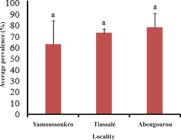
Mean prevalence of Alternaria leaf spot symptoms on cabbage in the different localities surveyed.
Mean severity of Alternaria leaf spot symptoms
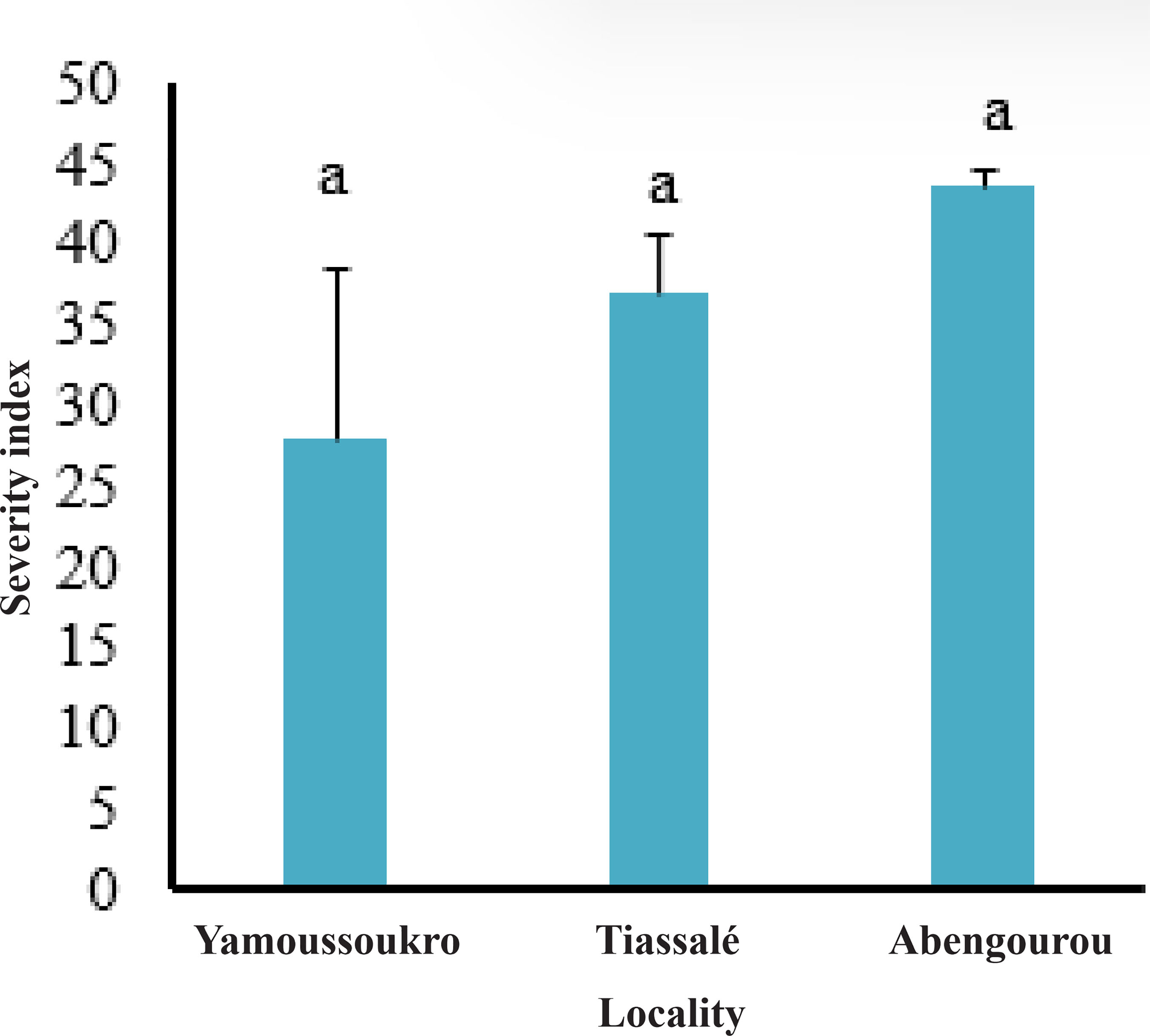
In the different localities surveyed, the average severity index ranged from 27.78% to 43.61%. It was 27.78% in Yamoussoukro, 36.94% in Tiassalé, and 43.61% in Abengourou. Statistical analysis revealed no significant difference among these severity indices (Figure 3).
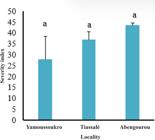
Mean severity index of Alternaria leaf spot symptoms on cabbage in the different localities surveyed.
Fungi associated with observed symptoms
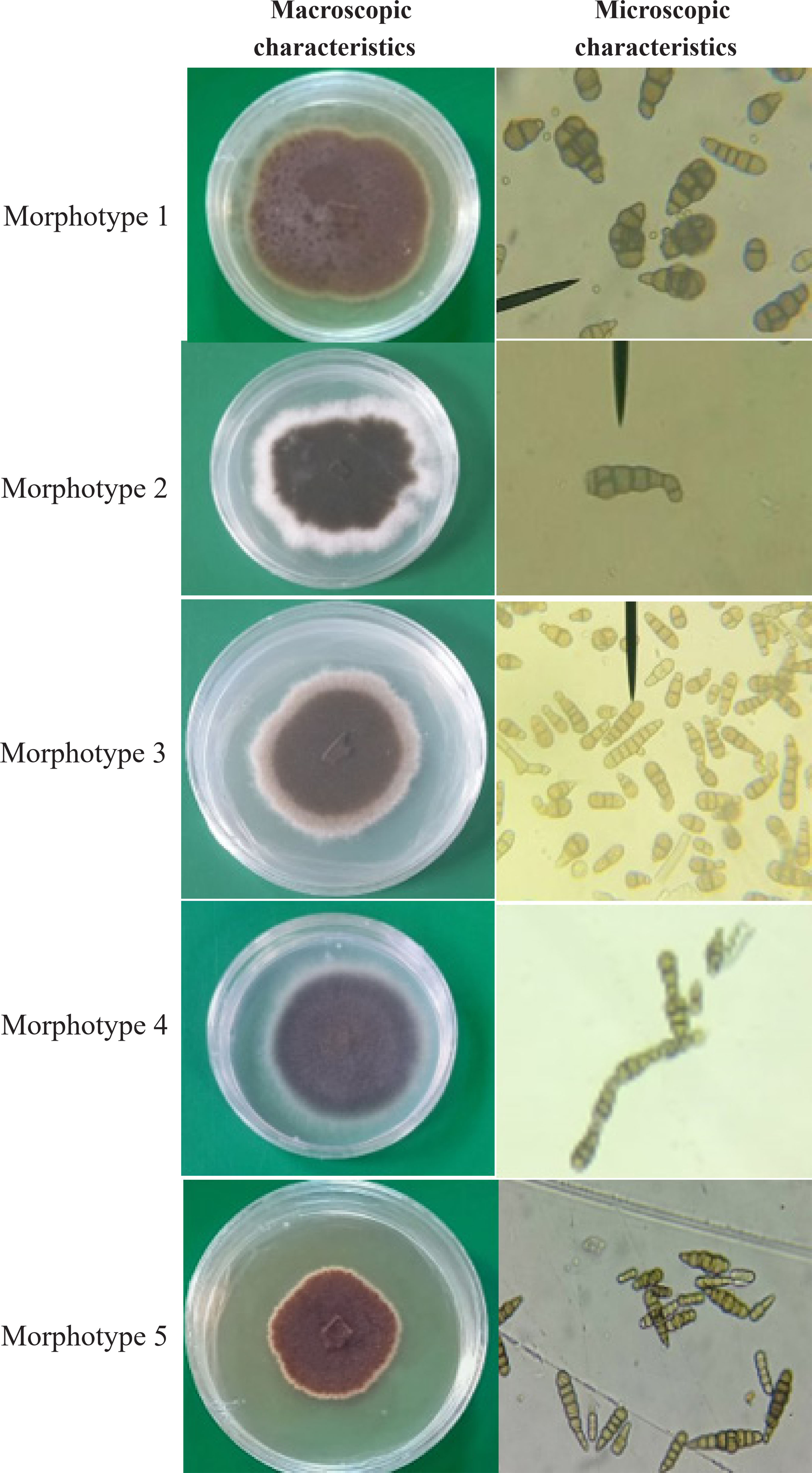
A variety of fungi were isolated from symptomatic cabbage leaves, including five Alternaria morphotypes. They were classified according to their cultural characteristics on PDA medium and those observed under the light microscope. As regards cultural characteristics, all Alternaria isolates showed white colonies with a velvety appearance and regular outline on PDA medium. These isolates had an average diameter of 7 cm after 10-day growth on PDA medium at 25°C.
Morphotypes 1 and 4 showed olive-green mycelial colonies at growth start, which became blackish as they aged. For morphotypes 2, 3 and 5, mycelial colonies were light brown, then dark brown depending on the growth stage.
Microscopically, these isolates were characterized by horizontally and/or vertically partitioned spores, which were dark brown in morphotypes 1, 2 and 4, and light brown in morphotypes 3 and 5. Morphotypes 1, 2 and 4 had rounded spores, while morphotypes 3 and 5 had elongated ones (Figure 4).
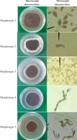
Morphological characteristics of Alternaria isolates associated with symptoms observed on cabbage leaves.
Fungi responsible for cabbage Alternaria leaf spot
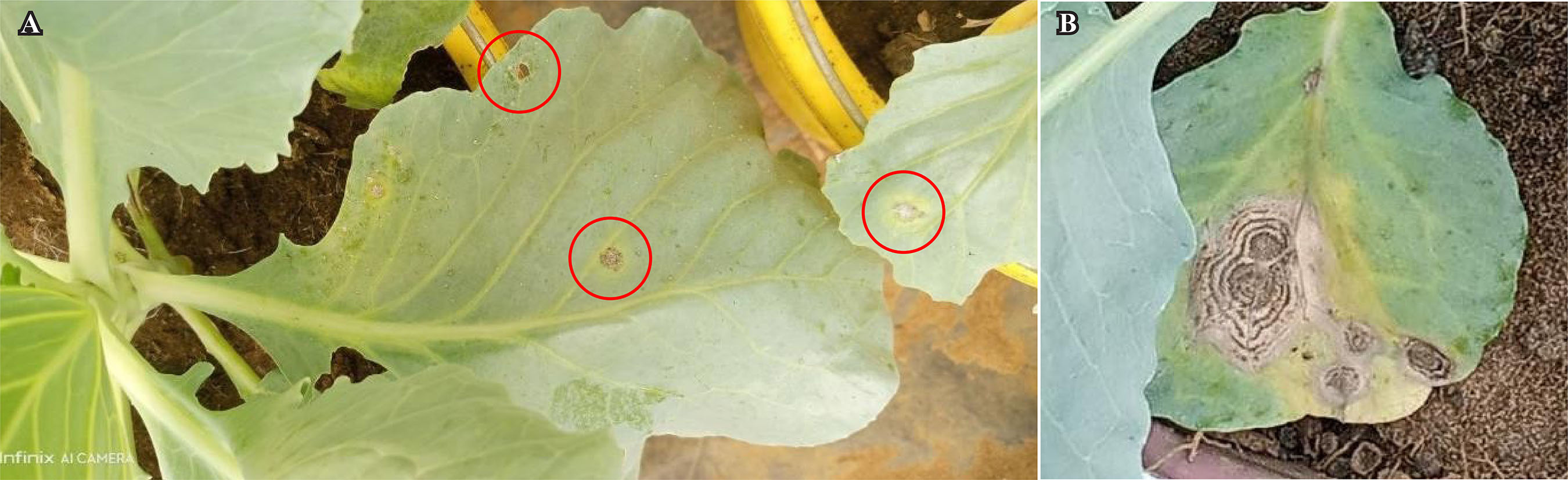
The five Alternaria isolates inoculated into cabbage plants produced similar symptoms. Three days after inoculation, cabbage plants developed small, circular brown necrotic spots outlined by a yellow halo (Figure 5a). These spots grew to 3 cm in diameter, showing several concentric rings 10 days after inoculation (Figure 5b). The symptoms caused by these five Alternaria morphotypes were identical to those observed on cabbage leaf samples collected from the surveyed localities. Moreover, the fungi associated with those symptoms were identical to the inoculated Alternaria isolates, thus satisfying Koch’s postulate. These five Alternaria morphotypes are therefore considered responsible for cabbage Alternaria leaf spot in Côte d’Ivoire.
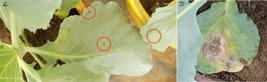
Symptoms caused by Alternaria isolates on inoculated cabbage plants. A: symptom observed after 3 days of inoculation; B: symptom observed after 10 days of inoculation.
Alternaria species responsible for Alternaria leaf spot identified by molecular techniques
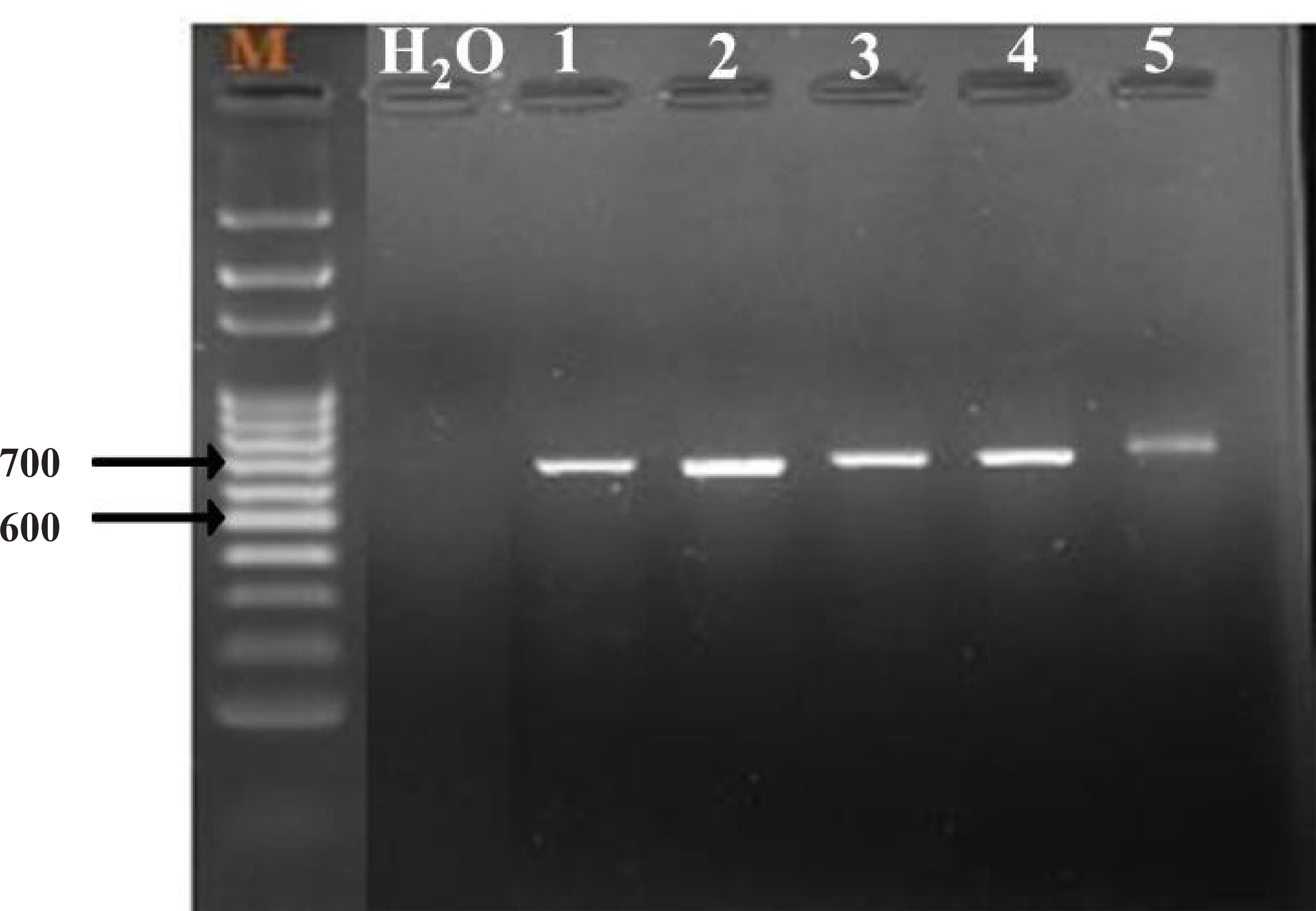
The five Alternaria isolates had their DNA amplified using the ITS1/ITS4 universal primer pair, obtaining an expected 700bp fragment (Figure 6). Comparison of the nucleotide sequences of Alternaria strains pathogenic to cabbage in Côte d’Ivoire with those on the GenBank database showed similarity rates ranging from 99.8% to 100% (Table 1).
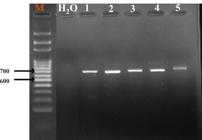
Agarose gel electrophoretic profile of PCR products of the 5 Alternaria morphotypes with universal primer ITS1/ITS4.
Homology rates among Alternaria nucleotide sequences responsible for Alternaria leaf spot of cabbage in Côte d’Ivoire and those available on GenBank.
Phylogenetic analysis
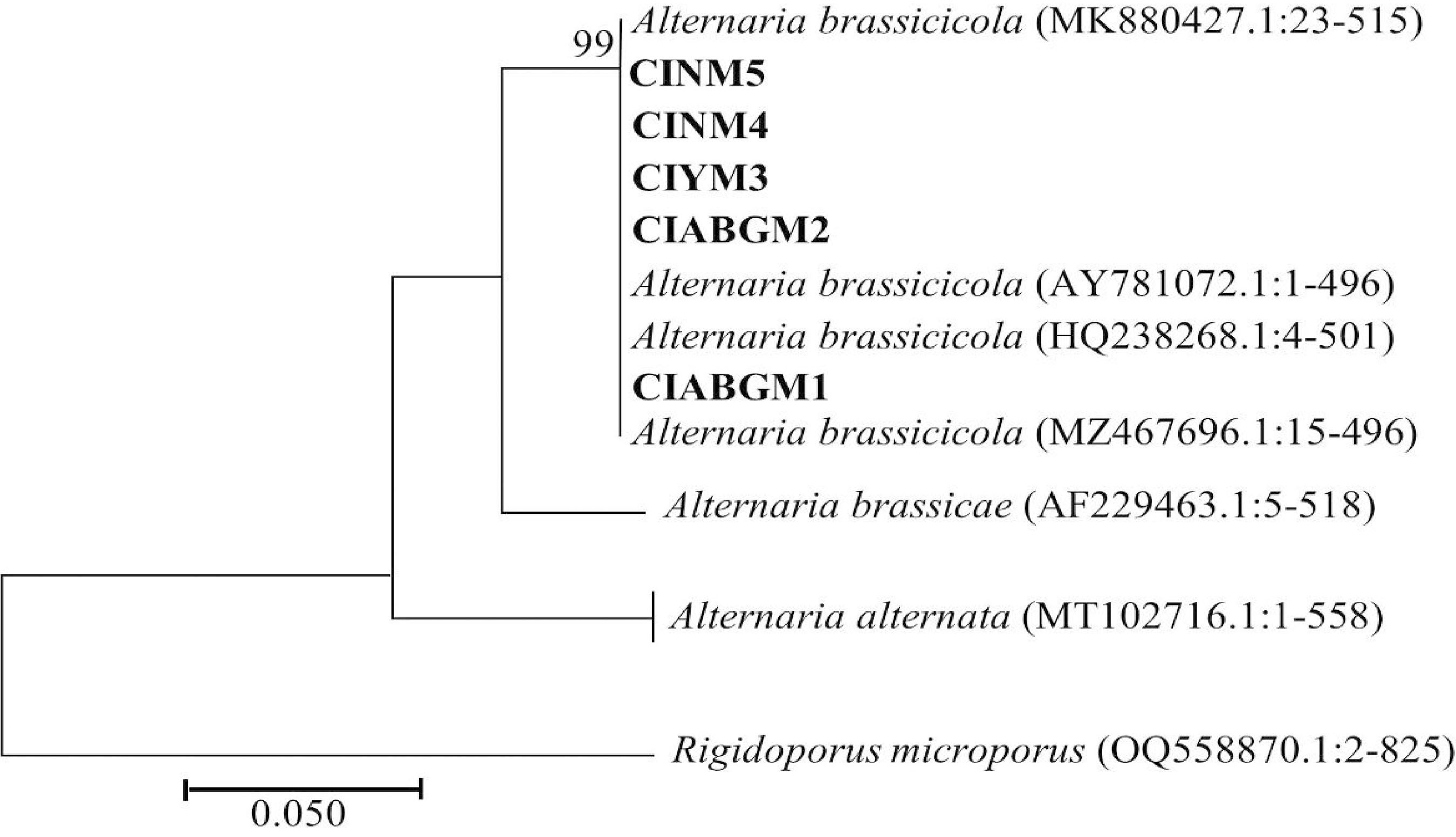
Phylogenetic analysis of the obtained ITS sequences showed that the Alternaria species pathogenic to cabbage in Côte d’Ivoire correspond to Alternaria brassicicola (Figure 7).
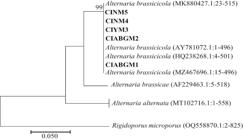
Phylogenetic tree of Alternaria isolates based on the obtained ITS sequences and those on the NCBI database. The numbers at the nodes represent the percentage of homology between strains.
Discussion
Surveys carried out in different cabbage growing areas in Côte d’Ivoire revealed necrotic spots on infected leaves, which had brown or black concentric rings surrounded by yellow halos. These symptoms confirmed the presence of Alternaria leaf spot of cabbage in the visited plots. The current results are in line with those of Gunda et al. (9), who observed that Alternaria leaf spot symptoms in cabbage start as brown or black lesions surrounded by a yellow halo that appear on lower leaves, then enlarge and develop concentric zones.
This cabbage disease has also been reported in Kenya in two production localities (17). It has also been recognized as the major cabbage disease in Poland (16). The occurrence of this disease would be favored on the one hand by the susceptibility of varieties and on the other hand by environmental conditions. According to Nowakowska et al. (15), no cabbage cultivar is resistant to Alternaria leaf spot. Moreover, the high temperatures and high humidity that characterize the studied localities would favor the onset of the disease. There is a positive correlation between disease development and meteorological parameters such as rainfall, temperature and relative humidity, which contribute 99.99% to the development of Alternaria leaf spot (1).
The disease mainly affects lower leaves, the vulnerability of which is probably due to their proximity to the soil −a major source of inoculum. Indeed, the spores of Alternaria fungi on the soil can easily spread to nearby leaves, particularly under wet conditions. They would be projected onto the leaves by splashes of rainwater or irrigation water. High humidity in the canopy would thus favor spore germination, leading to the start of the infectious cycle (8).
The disease prevalence and severity were high in all surveyed localities, probably reflecting the dispersal and virulence of Alternaria in production areas. According to Rop et al. (21), Alternaria is the major fungal agent causing damage in cabbage crops, affecting over 50% farms in Brazil. In addition, Gunda et al. (9) estimated the severity index at over 50%.
Alternaria brassicicola was identified as the major Alternaria species responsible for Alternaria leaf spot of cabbage in Côte d’Ivoire. The present result is in agreement with that of Michereff et al. (13), obtained during their investigation into the intensity of Alternaria species responsible for Alternaria leaf spot in cruciferous crops. They showed that Alternaria brassicicola is the most common and virulent species on Brazilian cabbage farms, where the incidence is 99.8%. Peruch et al. (18) also reported that cabbage is the preferred host of Alternaria brassicicola, infecting 100% surveyed plots.
Characteristic symptoms of Alternaria leaf spot were observed in three cabbage growing localities surveyed in Côte d’Ivoire. Symptoms first appeared as small, necrotic, circular brown or black spots.
Subsequently, a yellow halo was observed around the spots, and concentric circles were present in the necrotic zone. The prevalence and the severity of these symptoms in the different surveyed localities were high, showing a considerable impact on cabbage cultivation. Alternaria brassicicola was identified as the Alternaria species responsible for Alternaria leaf spot of cabbage in Côte d’Ivoire. The identification of this fungus opens up new prospects for the implementation of control methods for managing this disease.
Data availability statement
Research data is available in the body of the article.
REFERENCES
- 1 Aboomer; Mirza, W.S.; Muhammad, U.; Shahid. I.; Muhammad, H.A.; Hafiza, H.A.; Hina, F.M.; Ishtiaq, S. Epidemiological factors increasing the Alternaria leaf spot of cabbage and their management strategies. The international Journal of Biological Research, Amman, v.2, p.1-16, 2019.
- 2 Ackah, J.A. ; Kra, A.; Koffi, M.; Zirihi, G.N.; Guede-Guina, F. Evaluation and optimization tests of the anticandidal activity of Terminaria catapa Linn (TEKAM3), a Combretacae extract from the Ivorian pharmacopoeia. Bulletin of the Royal Society of Sciences of Liège, Liège, v.77, p.120-136, 2008.
- 3 Anil, S.; Rathore, J.P.; Ahmad, A.; Injila, Q.; Syed, M.H.; Tashi, A. Major diseases and pathogen ecology of cabbage. The Pharma Innovation Journal, New Delhi, v.7, n.7, p.574-578, 2018.
- 4 Botton, B.; Breton, A.; Fevre, M.; Gauthier, S.; Guy, P.; Larpent, J.P.; Reymond, P.; Sanglier, J.J.; Vayssier, Y.; Veau, P. Useful and Harmful Molds of Industrial Importance Paris: Masson, 1990. 381 p.
- 5 Brazauskiene, I.; Petraitiene, E. The occurrence of Alternaria blight (Alternaria spp.) and Phoma stem canker (Phoma lingam) on oilseed rape in central Lithuania and pathogenic fungi on harvested seed. Journal of Plant Protection Research, Poznań, v.46, n.3, p.295-311, 2006.
- 6 Dharmendra, K.; Neelam, M.; Bharati, Y.K.; Kumar, A.; Kumar, K.; Kalpana, S.; Gireesh, C.; Chanda, K.; Singh, S.K.; Mishraand, R.K.; Adesh, K. Alternaria blight of oilseed Brassicas: a comprehensive review. African Journal of Microbiology Research, Lagos, v.8, n.30, p.2816-2829, 2014.
- 7 Doyle, J.J.; Doyle, J.L. Isolation of plant DNA from fresh tissue. Focus, New York, v.12, p.13-15, 1990.
- 8 Goldenhar, K.; Cranmer, T. Celery leaf curl (anthracnose). Technical data sheet, Guelph, n.22-010, 2022. 5p.
- 9 Gunda, V.N.S.; Madhu, K.I.R.A.N.; Thara, S.S.; Brinda, G.B. Survey, pathogenicity, cultural and morphological characterisation of Alternaria isolates associated with Alternaria leaf spot of cabbage. Journal of Pharmacognosy and Phytochemistry, New Delhi, v.7, n.5, p.2281-2286, 2018.
- 10 Gupta, P.; Chandra, R.; Dubey, P. Bio-efficacy of plant extracts against Alternaria brassicicola causing Alternaria leaf spot of cabbage. Journal of Pharmacognosy and Phytochemistry, New Delhi, v.8, n.1, p.2332-2334, 2019.
- 11 Kemp, G.H.J.; Pretorius, Z.A.; Wingfield, M.J. Fusarium glume spot of wheat: A newly recorded mite-associated disease in South Africa, Plant Disease, Saint Paul, v.80, p.48-51, 2008.
- 12 Kumar, D.; Maurya, N.; Bharati, Y.K.; Kumar, A.; Kumar, K.; Srivastava, K.; Chand, G.; Kushwaha, C.; Singh, S.K.; Mishra, R.K.; Kumar, A. Alternaria blight of oilseed Brassicas: a comprehensive review. African Journal Microbiology Research, Lagos, v.8, p.2816-2829, 2014.
- 13 Michereff, S.J.; Naronha, M.A.; Filha, M.S.X.; Camara, M.P.S.; Reis, A. Survey and prevalence of species causing Alternaria leaf spots in Brassica species in Pernambuco. Horticultura Brasileira, Brasília, v.30, n.2, p.1-6, 2012.
- 14 Nilsson, J.; Olsson, K.; Engqvist, G.; Ekvall, J.; Olsson, M.; Nyman, M.; Åkesson, B. Variation in the content of glucosinolate, hydroxycinnamic acids, carotenoids, total antioxidant capacity and low-molecular-weight carbohydrates in Brassica vegetables. Journal of the Science of Food and Agriculture, New York, v.86, p.528-38, 2006.
- 15 Nowakowska, M.; Wrzesińska, M.; Kamiński, P.; Szczechura, W.; Lichocka, M.; Tartanus, M.; Kozik, E.U.; Nowicki, M. Alternaria brassicicola – Brassicaceae pathosystem: insights into the infection process and resistance mechanisms under optimized artificial bio-assay. European Journal of Plant Pathology, Wageningen, v.153, n.1, p.131151, 2019.
- 16 Nowicki, M.; Nowakowska, M.; Niezgoda, A.; Kozik, E. Alternaria black spot of crucifers: Symptoms, importance of disease, and perspectives of resistance breeding. Vegetable Crops Research Bulletin, Skierniewice, v.76, p.5-19, 2012.
- 17 Ogada, A.R.; Ezekiel, M.N.; Jonah, K.B.; Amuka, O. Characterization of Alternaria species causing dark leaf spot disease on cabbages grown in Limuru and Nyeri, Kenya. Plant Pathology & Quarantine, Guiyang, v.11, n.1, p.23-33, 2021.
- 18 Peruch, L.A.M.; Michereff, S.J.; Araujo, I.B. Survey of the intensity of Alternaria black spot and black rot on Brassica species under organic farming systems in Pernambuco and Santa Catarina states. Horticultura Brasileira, Viçosa, v.24, n.4, p.1-7, 2006.
- 19 Prabhu, D.M.; Jameel, A.; Ashish, K.G.; Bharat, R.M.; Samridhi, M.; Kumari, M.; Govind, S.S.; Naresh, M. Pathosystème Alternaria-Brassica: development and prospects. Journal of Oilseed Brassica, Bharatpur, v.13, p.65-9, 2022.
- 20 Rahimaloo, T.; Ghosta, Y. The occurrence of Alternaria species on cabbage in Iran. Zemdirbyste Agriculture, Akademija, v.102, p.343-350, 2015.
- 21 Rop, N.K.; Kiprop, E.K.; Ochuodho, J.O. Alternaria species causing black spot disease of Brassicas in Kenya. African Crop Science Conference Proceedings, Kampala, v.9, p.635–640, 2009.
- 22 Samec, D.; Piljaczegarac, J.; Bogovi, C.M.; Habjani, C.K.; Gru, Z.J. Antioxidant potency of white (Brassica oleracea L. var. capitata) and Chinese (Brassica rapa L. var. pekinensis (Lour) cabbage: The influence of development stage, cultivar choice and seed selection. Scientia Horticulturae, Amsterdam, v.128, p.8-8, 2011.
- 23 Sharma, P.; Prem, D. Evaluation of Trichoderma harzianum and T. viride isolates at BCA pathogen crop interface. Journal of Mycology and Plant Pathology, Udaipur, v.34, n.1, p.47-55, 2004.
- 24 Shrestha, S.K.; Munk, L.; Mathur, S.B. Role of weather on Alternaria leaf blight disease and its effect on yield and yield components of mustard. Nepal Agriculture Research Journal, Kirtipur, v.6, p.62-72, 2005.
- 25 Singh, A.; Tomar, D.S.; Nayak, M.K.; Srivastava, A.K. Screening of systemic and nosystemic fungicides against Alternaria blight of mustard (Brassica juncea). Annals of Plant and Soil Research, Agra, v.19, n.3, p.266-270, 2017.
- 26 Townsend, G.R.; Heuberger, J.W. Methods for estimanating losses caused by diseases in fungicide experiments. Plant Disease, Saint Paul, v.27, p.340-343, 1943.
- 27 White, T.J.; Bruns, T.; Lee, S.; Taylor, J. Amplification and direct sequencing of fungal ribosomal RNA genes for phylogenetics. Cambridge : Academic Press, 1990. v.18, cap.38, p.315-322.
Edited by
-
EDITOR CIENTÍFICO:
Edson Luiz Furtado https://orcid.org/0000-0002-6924-835X
-
EDITOR ASSOCIADO:
Rita de Cassia Panizzi https://orcid.org/0000-0002-0289-6563

 A: small black spots; B: small lesion with yellow halo; C: extended lesions with concentric rings; D: larger lesion (3 cm in diameter) with blackening of the concentric zone; E: generalized lesion with drying of the leaf