 REIKI: EVIDENCE OF COMPLEMENTARY THERAPY IN ONCOLOGY NURSING RESEARCH
ABSTRACT
Objective: To analyze the scientific evidence on Reiki intervention as a nursing care strategy for people with cancer.
Method: Integrative review developed from June to October 2024 in six databases, including primary studies, in Portuguese, Spanish and/or English, about the evidence on the use of Reiki intervention as a care strategy for cancer patients, totaling five publications.
Results: The included studies suggest potential benefits of Reiki intervention, such as pain relief, reduction of physical symptoms (fatigue and insomnia) and improvement in emotional aspects, such as anxiety and stress. However, the results are still limited in terms of methodological robustness and generalizability.
Conclusion: Although the findings indicate beneficial effects of Reiki in people with oncological diseases, there is a limited production of clinical trials aimed at the application of this therapy in clinical nursing practice. Reiki can be considered a complementary strategy in nursing care, as long as it is integrated into an individualized therapeutic plan. It is recommended that studies with greater methodological rigor be carried out to evaluate the effectiveness of Reiki applied by oncology nurses.
DESCRIPTORS:
Complementary therapies; Therapeutic Touch; Reiki; Oncology nursing; Neoplasms
RESUMO
Objetivo: analisar as evidências científicas sobre a intervenção Reiki como estratégia de cuidado de enfermagem em pessoas com doenças oncológicas.
Método: revisão integrativa desenvolvida de junho a outubro de 2024 em seis bases de dados, incluindo estudos primários, nos idiomas português, espanhol e/ou inglês, acerca das evidências sobre o uso da intervenção Reiki como estratégia de cuidado a pacientes com câncer, totalizando cinco publicações.
Resultados: os estudos inseridos sugerem potenciais benefícios da intervenção Reiki, como alívio da dor, redução de sintomas físicos (fadiga e insônia) e melhora em aspectos emocionais, como ansiedade e estresse. Entretanto, os resultados ainda são limitados quanto à robustez metodológica e à generalização.
Conclusão: embora os achados indiquem efeitos benéficos do Reiki em pessoas com doenças oncológicas, observa-se uma produção limitada de ensaios clínicos voltados à aplicação dessa terapia na prática clínica de enfermagem. O Reiki pode ser considerado uma estratégia complementar no cuidado de enfermagem, desde que integrado a um plano terapêutico individualizado. Recomenda-se a realização de estudos com maior rigor metodológico para avaliar a efetividade do Reiki aplicado por enfermeiros oncologistas.
DESCRITORES:
Terapias complementares e integrativas; Toque Terapêutico; Reiki; Enfermagem oncológica; Neoplasias
RESUMEN
Objetivo: Analizar la evidencia científica sobre la intervención de Reiki como estrategia de atención de enfermería a personas con cáncer.
Método: Revisión integrativa desarrollada de junio a octubre de 2024 en seis bases de datos, incluyendo estudios primarios, en portugués, español y/o inglés, sobre la evidencia sobre el uso de la intervención de Reiki como estrategia de atención a pacientes con cáncer, totalizando cinco publicaciones.
Resultados: Los estudios incluidos sugieren beneficios potenciales de la intervención de Reiki, como alivio del dolor, reducción de síntomas físicos (fatiga e insomnio) y mejora en aspectos emocionales, como la ansiedad y el estrés. Sin embargo, los resultados aún son limitados en términos de robustez metodológica y generalización.
Conclusión: Si bien los hallazgos indican efectos beneficiosos del Reiki en personas con enfermedades oncológicas, existe una producción limitada de ensayos clínicos dirigidos a la aplicación de esta terapia en la práctica clínica de enfermería. El Reiki puede considerarse una estrategia complementaria en el cuidado de enfermería, siempre que se integre en un plan terapéutico individualizado. Se recomienda que se realicen estudios con mayor rigor metodológico para evaluar la efectividad del Reiki aplicado por enfermeras oncológicas.
DESCRIPTORES:
Terapias complementarias; Tacto terapéutico; Reiki; Enfermería oncológica; Neoplasias
INTRODUCTION
Since 2006, Integrative and Complementary Health Practices (ICHP) have been recognized by the World Health Organization (WHO) and incorporated into the Brazilian Public Health System (SUS) through the National Policy for Integrative and Complementary Practices in the SUS (PNPIC) in Brazil. In 2017, with the publication of Ordinance No. 849, of March 27, Reiki was officially included in the public health network, expanding its provision of ICHP, which previously covered five practices, to a total of nineteen modalities. In 2018, ten more practices were incorporated, totaling 29 ICHP. This advancement strengthened the role of Nursing in the area, resulting in the recognition of the specialty “Nursing in Integrative and Complementary Practices” by the Federal Nursing Council, representing legal support for the inclusion of ICHP in Integrative Oncology1-6 .
Within this universe of ICHP, Reiki was included in the SUS in 2017, expanding therapeutic approaches. This ancient technique originated in Tibet around eighteen centuries ago and was rediscovered in the 19th century by Mikao Usui, a Japanese monk. Its tradition dates back to Sanskrit writings of approximately 2,500 years ago7.
Reiki is a practice that uses the laying on of hands and symbols to channel universal life energy to recharge, realign and rebalance the human energy field8. Its objective is to undo energetic blockages that compromise the flow of vital energy, and maintain harmony between the body, mind and spirit.9. In Brazil, the Reiki technique arrived in 1983, with the first seminar held in Rio de Janeiro by master Stephen Cord Saiki. The first Brazilian to become a master in the practice, and one of the main people responsible for its dissemination in the country, was Dr. Claudete França9.
In the care setting, studies show that Reiki stands out as an important complementary integrative practice, bringing benefits mainly during treatment and in controlling adverse effects in oncology, as well as in other clinics. Its effectiveness is highlighted in reducing high blood pressure10, in cases of chronic pain11-12, in the immune response, in the management of fatigue and anxiety13-14-15-16, in addition to relieving postoperative pain17 and anxiety in the preoperative period of cardiac surgery18.
Furthermore, the comprehensive approach to care, with the use of integrative and complementary practices, is in line with the Sustainable Development Goal (SDG), target 3, “Good Health and Well-being”, which aims to ensure access to quality healthcare and promote well-being for all at all ages, by 203019.
Supporting care practices should be studied, considering that the work of oncology nursing is complex, as it involves commitment to effective and humane care, from the basic health area, contributing to early diagnosis, to the most complex areas, in specialized health services, with the prevention of injuries, individualized care, management of complications, palliative care and end-of-life care, in addition to the development of educational activities to improve the knowledge of the team and the affected population20 .
This way, humanized care proves to be an effective approach to meeting the diverse and complex needs of people with cancer21-22-23. Although nurses are able to address the social aspects that emerge from interactions with patients and family members, the needs for comprehensive care, which addresses aspects beyond the body, such as the mind and spirituality, are still little considered in clinical practice. This scenario highlights a gap in the training of nursing professionals regarding spirituality24.
However, we still face challenges such as the lack of dissemination of these practices, their limited inclusion in undergraduate and graduate education, the scarcity of financial resources by public managers for investments in health institutions, and the lack of trained professionals25.
Thus, this study aimed to analyze the available scientific evidence on Reiki intervention as a nursing care strategy for people with cancer, while also seeking to identify gaps in the literature involving the use of this practice. The intention is to contribute to expanding knowledge about ICHP in the context of Oncology Nursing. Considering the inclusion of ICHP in the SUS, which positions Brazil as a global reference, the relevance of studies that promote an integrative, humanized, and unique approach to care is highlighted, in addition to encouraging the training and qualification of future professionals for qualified work in this area.
METHOD
This is an integrative literature review developed through six phases: phase 1) elaboration of the guiding question; phase 2) search or sampling in the literature of the material to be studied, establishment of inclusion and exclusion criteria; phase 3) data collection, organization and development of a database; phase 4) critical analysis of the included studies; phase 5) discussion of the results; and phase 6) presentation of the integrative review26. The guiding question was: What is the scientific evidence on the use of Reiki intervention as a Nursing care strategy for people with cancer?
To organize the search, the following inclusion criteria were established: research approach: original articles, available in full, in Portuguese, Spanish and English, within the time frame from 2017 to 2024. The literature search is justified from the year 2017, as it was the time frame for the inclusion of Reiki as an ICHP within the scope of SUS health services, as established by Ordinance No. 849, of March 27, 2017. The following inclusion criteria were established: articles that addressed the topic, in adults aged 18 years or older, of both sexes, with an oncological profile and exclusion criteria: integrative, systematic reviews, gray readings (theses, dissertations).
In the search strategies, combinations with dyads adjusted to each base were used, with Boolean operators AND/OR correlating the Health Science Descriptors (DeCS) and Medical Subject Heading Terms (MeSH): “("reiki") AND ("oncologia")”; “(reiki) AND ("enfermagem oncológica")”; (reiki) AND (“neoplasms” OR “tumors”) e para (reiki) AND (oncology; (reiki) AND ("oncology nursing"); (reiki) AND ("neoplasms" OR "tumors"); (reiki) AND ("therapy complementary" OR "alternative medicine").
The search took place from June to October 2024, through the Virtual Health Library (VHL) portal, selecting articles available in the databases of Latin American and Caribbean Literature in Health Sciences (LILACS), in the Nursing Database (BDENF), Medical Literature Analysis and Retrieval System Online (MEDLINE,) and in the Public Medline (PubMed) database, in CINAHL and in Cochrane, through the Capes Periodicals portal, through remote access to the Café platform provided by the educational institution.
The search strategies used in each database, as well as the number of results obtained, are presented in Chart 1.
Database search strategy, in the period 2017-2024, focusing on Reiki intervention as a nursing care strategy for people with oncological diseases. Rio de Janeiro, RJ, Brazil, 2025.
The identification step resulted in 17,376 records before applying filters. Subsequently, duplicate records, records outside the defined language (English, Portuguese and Spanish), and those that did not fit the time frame and were unavailable in full were removed. A total of 556 articles were eligible for screening. Subsequently, gray literature and non-original articles were excluded. As a result, 92 articles were selected for exploratory reading of titles and abstracts, to identify their relevance to the topic.
During the selection process, four duplicate articles were excluded, as well as a study that addressed Reiki from the perspective of religious and healing practices, as well as other articles that did not present adequate foundation or alignment with the proposed theme. Hereafter, 23 articles were selected for full reading, of which 5 answered the guiding question of this research. The retrieved articles were distributed as follows: two from LILACS and three from Cochrane. Figure 1 shows the flowchart of the selection steps for articles included in the integrative review according to the Preferred Reporting Items for Systematic Reviews and Meta-Analyses (PRISMA) model.
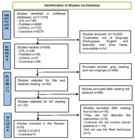
PRISMA flowchart adapted for identification, screening, eligibility and inclusion of studies in the integrative review of articles related to Reiki: evidence of a complementary therapy in oncology nursing research. Rio de Janeiro, RJ, Brazil, 2024. Source: PRISMA 202027.
In the fourth stage of the research, to assess the levels of evidence of the studies included in the integrative review, the verification proposed by Fineout-Overhold was used28: Level I - Evidence from systematic reviews or meta-analyses of relevant clinical trials; Level II - Evidence derived from at least one well-designed randomized controlled trial, moderate evidence; Level III - Well-designed clinical trials without randomization; Level IV - Well-designed cohort and case-control studies; Level V - Systematic review of descriptive and qualitative studies, weak evidence; Level VI - Evidence derived from a single descriptive or qualitative study; Level VII - Opinion of authorities or report of expert committees.
In the fifth stage, the following information was extracted from the articles and organized into a table including: year, country, level of evidence, design and objectives. As per Chart 2.
After identifying the main characteristics of the publications, Reiki approaches were analyzed as a nursing intervention directed to people with oncological diseases, highlighting the specific contributions of each study to the foundation and design of the present investigation.
In the final stage (sixth phase), the review and synthesis of knowledge were presented. The results and discussion of the collected data were presented descriptively, aiming to evaluate the applicability of the review developed. This process sought to achieve the objective proposed by the method, promoting a critical reflection on Reiki as a practice associated with Nursing care for people with oncological diseases.
RESULTS
The final sample consists of five articles, of which one was published in 2017, two in 2021, and two in 2023. Regarding the origin of the studies, they were conducted in different countries, such as Brazil, where two articles were produced: one exclusively from the southern region of Brazil29, and another addressing non-pharmacological techniques in adult cancer patients in Brazil and Portugal30, 1 article in Italy31 and two publications from Türkiye32-33. The predominant language was English, with only one study in Portuguese.
Regarding the methodological design of the studies included, it was observed that 20 % (n=1) were qualitative, 20 % (n=1) were quasi-experimental, 20 % (n=1) were reports of professional experience, and 40 % (n=2) consisted of randomized clinical trials. Concerning the level of evidence, it was found that randomized controlled trials, classified as Level II, were a minority among the articles analyzed. Most studies presented lower levels of evidence, corresponding to Levels III, IV and VII.
In what regards the population of the five selected articles, 182 adult patients participated in total. The age and sex of the patients were not specified in all articles; however, in two studies the age ranged from 26 to 75 years, and in the other study the age ranged from 25 to 65 years (average of 55 years).
DISCUSSION
Oncology nursing in clinical practice needs to articulate contemporary advances and humanized care through the association of the Nurse's knowledge and sensitivity to identify the patient's subjective needs, contributing to adherence to the therapeutic regimen, valuing self-esteem and adaptation to the disease34.
The implementation of Reiki by healthcare professionals is still a challenge, given the lack of solid scientific basis, which limits its argumentation in the face of conventional medicine. However, it is important to highlight that, in addition to being recognized as one of the ICHP, Reiki was included in the Nursing Interventions Classification (NIC) as a nursing intervention, which reinforces its relevance in the care plan for people with oncological diseases8. It is worth noting that Nursing, compared to other professions, was the pioneer in recognizing ICHP as a Nursing specialty6-35.
Regarding the level of evidence of the selected articles, methodological diversity was observed on the topic, especially in studies with people with oncological diseases. The identification of two studies in this review, which used randomized clinical trials (level II), indicate moderate-quality evidence and increase the reliability of the findings on the therapeutic benefits of Reiki. However, the presence of studies with lower levels of evidence (levels VI and VII) suggests that the practice of Reiki in oncology is still a developing field, with much data coming from descriptive and qualitative studies. Therefore, the importance of expanding investigations with rigorous methodologies, which increase the reliability of clinical results and contribute to evidence-based practice in Nursing29-30-31-32-33 should be highlighted. It is worth noting that all the studies listed recommended the development of research with quantitative methodologies or mixed methods to prove the effectiveness of energy therapies.
The practice of Reiki has stood out as a relevant complementary intervention in Nursing care. In the oncology care setting, studies point to the effectiveness of Reiki in dimensions of care, such as pain and fatigue management, anxiety reduction, and support for emotional well-being29-30-31-32-33. The study results have legitimized this complementary practice in the field of Oncology, focused on clinical care practice.
Another relevant issue to be considered, when addressing the implementation of this practice in clinical routine, is its Eastern origin. This therapy is guided by a different way of understanding health, as it addresses vital sources of energy, impacting therapeutic models of care in the Western world. In Eastern culture, health is understood as a relationship of harmony and balance, considering the human being in its entirety and integrating the physical, mental, spiritual and emotional aspects. In contrast, in the West the biomedical model prevails, which prioritizes diagnosis and specific treatment of symptoms29-31-36.
Based on this understanding, one can assume the possibility of resistance in adopting Reiki in hospital environments, perhaps due to the difference between these two cultures and the diversity of understanding in the health-disease process, which may be one of the limitations of its implementation. Other aspects that have to be considered are religious, social and spiritual influences, which can negatively interfere with the implementation of Reiki in clinical practice.
Another relevant aspect is the strong association of the practice of Reiki with spirituality and religiosity, often associating it with something mystical, thus making it difficult for professionals and patients to recognize it as a complementary therapy. Based on a study developed by Mendes et al., Gomes, Puschel and Araújo29-37, this practice is still linked to healers and religious leaders, which increases prejudice and lack of adherence. Similarly, a pilot study identified that patients refuse to participate in research because they associate Reiki with a religious practice. In addition, there are the doubts and lack of knowledge that lead to some insecurity and anxiety in patients before undergoing Reiki37.
In the literature, there is a positive correlation between Reiki and spirituality29. It should be emphasized that in the context of spirituality, in the face of therapeutic intervention, this dimension can present significant consequences such as a sense of well-being, self-awareness, and connection with the environment. It redefines the health and illness process and contributes to motivation and alleviation of fears35.
The uniformity of Reiki application protocols is an aspect that demands attention, as the diversity of methods, without clear guidelines, can compromise professional practice and favor inappropriate applications. The authors recommend developing Reiki treatment protocols that are individualized and exclusive to each patient33. Furthermore, there is a consensus in the ICHP field that treatment should be personalized38.
In Brazil, despite the existence of public policies that recognize ICHP, research on the subject is still scarce. Implementation faces significant challenges, such as reliance on voluntary initiatives, lack of institutional support, and limited curricular integration in undergraduate health courses30-38-39.
In contrast, in Portugal, despite the absence of public policies that support ICHP, the country stands out for the implementation of ICHPs, such as Reiki, in oncological care, showing positive results in pain management and in improving well-being, through a team of non-pharmacological therapy (NPT) nurses, trained in Reiki Level I with support from the work institution itself30.
In this review, studies demonstrated the effectiveness and effect of Reiki therapy in various care settings: patients undergoing chemotherapy treatment29, during hospitalization30, in palliative care, in advanced stages of cancer disease (Stage III and IV)32, in outpatient monitoring and care33. Reiki applications were also included in patients in the preoperative period of elective breast cancer surgery, without previous treatment31.
In addition to the practice of Reiki, the authors included validated instruments as a way of measuring the effects of Reiki, such as the Visual Analog Scale (VAS)32-33, to quantify the level of pain, Brief Fatigue Inventory33 and the Piper Fatigue Scale29 for fatigue. Some studies have also used qualitative interviews to understand participants' experiences with integrative Reiki practice29.
In the studies analyzed, the use of analgesic medications was a relevant element in people with oncological diseases and pain. In the study, 93.3 % of patients, both in the intervention and control groups, used analgesics during Reiki practice, but the authors did not provide information on changes in the use or dosage of the medications33. At the same time, in another study, although 100 % of patients used analgesics, there was a significant reduction in the use of drug analgesia after Reiki intervention32. However, it is important to highlight that the use of complementary therapies, such as Reiki, should not replace drug analgesia, but rather act as an ally in pain management, enhancing the pharmacological therapeutic effect, for which the use of pain assessment instruments is relevant.
All studies that made up the final sample performed only Reiki as a complementary treatment, not as an adjunct to other integrative practices29-30-31-32-33.
This research reveals that the analyzed articles highlight the potential of Reiki to contribute to science and the body of knowledge in oncology nursing, by demonstrating significant benefits in emotional and spiritual well-being and in humanized support for the patient. Moreover, it is suggested that it can be a valuable tool to strengthen the bond between patients, family members and professionals, promoting a more holistic and comprehensive approach to cancer care29-30-31-32-33.
Despite scientific evidence pointing to its benefits, there is still a gap in the adoption of Reiki as a non-pharmacological clinical practice by nursing and institutions that provide health care. The lack of structure in services, the lack of updated professionals, and the biological vision of managers impact implementation5.
No adverse effects resulting from the application of Reiki were identified in the studies analyzed. Therefore, it is recommended to incorporate Reiki as a care practice for people with oncological diseases, with greater emphasis on pain, followed by anxiety and fatigue, respectively.
Finally, the results of this study can serve as an incentive for health services and institutions, both public and private, to create therapeutic spaces, especially for the practice of Reiki. This initiative can benefit the health of people with cancer, regardless of the level of treatment complexity.
A limitation found in three of the five articles analyzed was that the author acted as a Reiki practitioner in the research, which could be considered a bias in the call for the application of Reiki, thus interfering with the results found. Although Reiki has been implemented in public policies for ICHP in Brazil, its application in daily oncological care is still a little explored topic and presents many challenges for its implementation.
CONCLUSION
In the context of oncology research, the studies analyzed indicated that Reiki contributes to the management of symptoms related to both the disease and treatment, promoting relief and support for physical (pain, fatigue, insomnia) and psychological (anxiety, stress) symptoms.
Although the findings indicate beneficial effects of Reiki in people with oncological diseases, there is a limited production of clinical trials aimed at the application of this therapy in clinical nursing practice. Reiki can be considered a complementary strategy in nursing care, as long as it is integrated into an individualized therapeutic plan. It is recommended that studies with greater methodological rigor be carried out to evaluate the effectiveness of Reiki applied by oncology nurses.
Furthermore, there are significant challenges to implementing Reiki in the oncological context, such as a lack of knowledge about the practice among health professionals and patients, as well as the lack of specific training for its application by nurses. These limitations reinforce the need for investments in professional training and the inclusion of ICHP in nursing training curricula, as well as in public policies that support and encourage access to and institutionalization of these practices by health services.
REFERENCES
-
1. Ministério da Saúde - Brasil. Portaria nº 971, de 03 de maio de 2006. Aprova a Política Nacional de Práticas Integrativas e Complementares (PNPIC) no Sistema Único de Saúde [Internet]. 2006 [cited 2025 Jul 4]. Available from: https://bvsms.saude.gov.br/bvs/publicacoes/politica_nacional_promocao_saude_pnaps.pdf
» https://bvsms.saude.gov.br/bvs/publicacoes/politica_nacional_promocao_saude_pnaps.pdf -
2. Ministério da Saúde - Brasil. Portaria nº 849, de 27 de março de 2017. Inclui a Arteterapia, Ayurveda, Biodança, Dança Circular, Meditação, Musicoterapia, Naturopatia, Osteopatia, Quiropraxia, Reflexoterapia, Reiki, Shantala, Terapia Comunitária Integrativa e Yoga à Política Nacional de Práticas Integrativas e Complementares [Internet]. 2017 [cited 2025 Jul 4]. Available from: https://bvsms.saude.gov.br/bvs/saudelegis/gm/2017/prt0849_28_03_2017.html
» https://bvsms.saude.gov.br/bvs/saudelegis/gm/2017/prt0849_28_03_2017.html -
3. Ministério da Saúde - Brasil. Portaria nº 702, de 21 de março de 2018. Altera a Portaria de Consolidação nº 2/GM/MS, de 28 de setembro de 2017, para incluir novas práticas na Política Nacional de Práticas Integrativas e Complementares - PNPIC [Internet]. 2018 [cited 2025 Jul 4]. Available from: https://bvsms.saude.gov.br/bvs/saudelegis/gm/2018/prt0702_22_03_2018.html
» https://bvsms.saude.gov.br/bvs/saudelegis/gm/2018/prt0702_22_03_2018.html -
4. Aguiar J, Kanan LA, Masiero AV. Práticas Integrativas e Complementares na atenção básica em saúde: um estudo bibliométrico da produção brasileira. Saúde Debate [Internet]. 2019 [cited 2024 Oct 20];43(123):1205-18. Available from: https://doi.org/10.1590/0103-1104201912318
» https://doi.org/10.1590/0103-1104201912318 -
5. Amarello MM, Castellanos MEP, Souza KMJ. Terapia Reiki no Sistema Único de Saúde: sentidos e experiências na assistência integral à saúde. Rev Bras Enferm [Internet]. 2021 [cited 2025 Jan 10];74(1):e20190816. Available from: https://doi.org/10.1590/0034-7167-2019-0816
» https://doi.org/10.1590/0034-7167-2019-0816 -
6. Conselho Federal de Enfermagem - Brasil. Resolução COFEN nº 739, de 05 de fevereiro de 2024. Normatiza a atuação da Enfermagem nas Práticas Integrativas e Complementares em Saúde [Internet]. 2024 [cited 2025 Jan 10]. Available from: https://www.cofen.gov.br/resolucao-cofen-no-739-de-05-de-fevereiro-de-2024/
» https://www.cofen.gov.br/resolucao-cofen-no-739-de-05-de-fevereiro-de-2024/ - 7. Honervogt T. Reiki cura e harmonia através das mãos. 4th ed. São Paulo, SP(BR): Pensamento; 2005.
- 8. Butcher HK, Bulechek GM, Dochterman JM, Wagner C. Nursing Interventions Classification (NIC). 8th ed. St. Louis, MO(US): Elsevier; 2023.
- 9. D’Carli, J. Reiki: Johnny De'Carli responde. Catanduva, SP(BR): Butterfly: Editora; 2021.
-
10. Salles LF, Vanucci L, Salles A, Silva MJP. Efeito do Reiki na hipertensão arterial. Acta Paul Enferm [Internet]. 2014 [cited 2024 Oct 20];27(5):479-84. Available from: https://doi.org/10.1590/1982-0194201400078
» https://doi.org/10.1590/1982-0194201400078 -
11. Freitag VL, Dalmolin IS, Badke MR, Andrade A. Benefits of Reiki in older individuals with chronic pain. Texto Contexto Enferm [Internet]. 2014 [cited 2025 Jan 10];23(4):1032-40. Available from: https://doi.org/10.1590/0104-07072014001850013
» https://doi.org/10.1590/0104-07072014001850013 -
12. Jaconodino CB, Amestoy SC, Thofehrn MB. A utilização de terapias alternativas por pacientes em tratamento quimioterápico. Cogitare Enferm [Internet]. 2008 [cited 2024 Nov 20];14(13):61-6. Available from: https://doi.org/10.5380/ce.v13i1.11953
» https://doi.org/10.5380/ce.v13i1.11953 -
13. Bossi LM, Nunes S, Almeida RMVR. Aplicação do Reiki em enfermeiros diagnosticados com Síndrome de Burnout: efeitos benéficos na concentração de IgA salivar e pressão arterial. Rev Latino-Am Enferm [Internet]. 2008 [cited 2024 Jul 17];16(6):1045-50. Available from: https://doi.org/10.1590/S0104-11692011000500010
» https://doi.org/10.1590/S0104-11692011000500010 -
14. Beard C, Stason WB, Wang Q, Manola J, Dean-Clower E, Dusek JA, et al. Effects of complementary therapies on clinical outcomes in patients being treated with radiation therapy for prostate cancer. Cancer [Internet]. 2011 [cited 2024 Nov 10];117(1):96-102. Available from: https://doi.org/10.1002/cncr.25291
» https://doi.org/10.1002/cncr.25291 -
15. Birocco N, Guillame C, Storto S, Ritorto G, Catino C, Gir N, et al. The effects of Reiki therapy on pain and anxiety in patients attending a day oncology and infusion services unit. Am J Hosp Palliat Care [Internet]. 2012 [cited 2024 Nov 10];29(4):290-4. Available from: https://doi.org/10.1177/1049909111420859
» https://doi.org/10.1177/1049909111420859 -
16. Alarcão MZ, Fonseca JRS. The effect of Reiki therapy on quality of life of patients with blood cancer: Results from a randomized controlled trial. Eur J Integ Med [Internet]. 2016 [cited 2024 Nov 10];8(3):239-49. Available from: https://doi.org/10.1016/j.eujim.2015.12.003
» https://doi.org/10.1016/j.eujim.2015.12.003 -
17. VanderVaart S, Gijsen VM, Wildt SN, Koren G. A systematic review of the therapeutic effects of Reiki. J Altern Complement Med [Internet]. 2009 [cited 2024 Nov 10];15(11):1157-69. Available from: https://doi.org/10.1089/acm.2009.0036. PMID: 19922247
» https://doi.org/10.1089/acm.2009.0036. PMID: 19922247 -
18. Gomes ET, Püschel VAA. Efetividade da terapia Reiki para ansiedade pré-operatória na cirurgia cardíaca: ensaio clínico randomizado. Rev Acta Paul Enferm [Internet]. 2014 [cited 2025 Jan 3];37:eAPE00082. Available from: https://doi.org/10.37689/acta-ape/2024AO0000082
» https://doi.org/10.37689/acta-ape/2024AO0000082 -
19. Moreira MR, Kastrup É, Ribeiro JM, Carvalho AI, Braga AP. O Brasil rumo a 2030? Percepções de especialistas brasileiros(as) em saúde sobre o potencial de o País cumprir os ODS Brazil heading to 2030. Rev Saúde Debate [Internet]. 2019 [cited 2024 Feb 6];43(Spe 7):22-35 Available from: https://doi.org/10.1590/0103-11042019S702
» https://doi.org/10.1590/0103-11042019S702 -
20. Peixoto NMSM, Peixoto TASM, Pinto CAS, Santos CSVB. Nursing intervention focusing on health promotion behaviors in adult cancer patients: A scoping review. Rev Esc Enferm USP [Internet]. 2021 [cited 2025 Jan 2];55:e03673. Available from: https://doi.org/10.1590/S1980-220X2019039403673
» https://doi.org/10.1590/S1980-220X2019039403673 -
21. Díaz DRN, Dias CG, Rodriguez G, Huaiquimil ES, Sigcho MIO, Ordoñez HE, et al. Oncology nursing specialty across Latin America: Struggle and achievements past and present. Ann Palliat Med [Internet]. 2024 [cited 2024 Aug 20];13(2):273-86. Available from: https://doi.org/10.21037/apm-22-1133
» https://doi.org/10.21037/apm-22-1133 -
22. Hernández DM, López ALS. Humanized oncology nursing care in a person with gastric cancer: A case report. Enferm Clin (Engl Ed) [Internet]. 2024 [cited 2024 Nov 12];23(4):1032-1040. Available from: https://doi.org/10.1016/j.enfcle.2024.05.004
» https://doi.org/10.1016/j.enfcle.2024.05.004 -
23. Marques PAO, Lopes ASM, Ribeiro ALB, Santos DFO. Humanised oncological nurse care. Cogitare Enferm [Internet]. 2024 [cited 2025 Apr 1];29:e94274. Available from: https://doi.org/10.1590/ce.v29i0.91942
» https://doi.org/10.1590/ce.v29i0.91942 -
24. Pérez MT, Marcarell C, Corchón S. Development of a competency-based assessment template for oncology nursing: A participatory action research study [Internet]. Nurse Educ Pract . 2024 [cited 2024 Dec 23];80:104095. Available from: https://doi.org/10.1016/j.nepr.2024.104095
» https://doi.org/10.1016/j.nepr.2024.104095 -
25. Medeiros SP, Oliveira AMN, Silva MRS, Piexak DR, Badke MR, Santos AM. Reiki como cuidado de enfermagem às pessoas diagnosticadas com depressão. São Paulo: Rev Recien [Internet]. 2022 [cited 2025 Jan 10];12(40):247-56. Available from: https://doi.org/10.24276/rrecien2022.12.40.247-256
» https://doi.org/10.24276/rrecien2022.12.40.247-256 -
26. Souza MT, Silva MD, Carvalho R. Revisão integrativa: o que é e como fazer. Rev Einstein São Paulo [Internet]. 2010. [cited 2024 Dec 23];8(1):102-6. Available from: https://doi.org/10.1590/S1679-45082010RW1134
» https://doi.org/10.1590/S1679-45082010RW1134 -
27. Page MJ, Moher D, Bossuyt PM, Boutron I, Hoffmann TC, Mulrow CD, et al. PRISMA 2020 explanation and elaboration: Updated guidance and exemplars for reporting systematic reviews. BMJ [Internet]. 2021 [cited 2025 Jan 10];372:n160. Available from: https://doi.org/10.1136/bmj.n160
» https://doi.org/10.1136/bmj.n160 -
28. Fineout-Overholt E, Melnyk BM, Stillwell SB, Williamson KM. Evidence-Based Practice Step by Step: Critical appraisal of the evidence: Part I. Am J Nurs [Internet]. 2010 [cited 2024 Oct 29];110(7):47-52. Available from: https://doi.org/10.1097/01.NAJ.0000383935.22721.9c
» https://doi.org/10.1097/01.NAJ.0000383935.22721.9c -
29. Mendes DC, Nitschke RG, Tholl AD, Viegas SMF,Tafner DPOV, Potrich T, et al. Reiki no cuidado de enfermagem: imaginário e quotidiano de pessoas e de famílias vivenciando o câncer. Rev Ciênc Cuid Saúde [Internet]. 2021 [cited 2024 Jun 10];20:e58988. Available from: https://doi.org/10.4025/ciencuidsaude.v20i0.58988
» https://doi.org/10.4025/ciencuidsaude.v20i0.58988 -
30. Silva LS, Sousa AFD, Carvalho DHF, Kalinke LP. Non-pharmacological therapies for cancer patients in Portugal and Brazil: an experience report. Rev Esc Enferm USP [Internet]. 2023 [cited 2024 Jun 10];57:e20230091. Available from: https://doi.org/10.1590/1980-220X-REEUSP-2023-0091en
» https://doi.org/10.1590/1980-220X-REEUSP-2023-0091en -
31. Chirico A, D'Aiuto G, Penon A, Mallia L, DE Laurentiis M, Lucidi F, et al. Self-Efficacy for Coping with Cancer Enhances the Effect of Reiki Treatments During the Pre-Surgery Phase of Breast Cancer Patients. Anticancer Res [Internet]. 2017 [cited 2024 Jun 10];37(7):3657-65. Available from: https://doi.org/10.21873/anticanreS.11736
» https://doi.org/10.21873/anticanreS.11736 -
32. Utli H, Dinç M, Utli MDA. The effect of acupressure or reiki interventions on the levels of pain and fatigue of cancer patients receiving palliative care: A randomized controlled study. Explore (NY) [Internet]. 2023 [cited 2024 Jun 10];19(1):91-99. Available from: https://doi.org/10.1016/j.explore.2022.11.007
» https://doi.org/10.1016/j.explore.2022.11.007 -
33. Buyukbayram Z, Citlik SS. The effect of Reiki and guided imagery intervention on pain and fatigue in oncology patients: A non-randomized controlled study. Explore (NY) [Internet]. 2021 [cited 2024 Aug 4];17(1):22-26. Available from: https://doi.org/10.1016/j.explore.2020.07.009
» https://doi.org/10.1016/j.explore.2020.07.009 -
34. Marques PAO, Lopes ASM, Ribeiro ALB, Santos DFO. Humanised oncological nurse care. Cogitare Enferm [Internet]. 2024 [cited 2025 Apr 01];29:e91942. Available from: https://doi.org/10.1590/ce.v29i0.91942
» https://doi.org/10.1590/ce.v29i0.91942 -
35. Costa JR, Piexak DR, Santo FHE, Oliveira SG, Nitschke RG, Marcon SS. Percepções de profissionais de enfermagem de um hospital geral sobre a intervenção com Reiki. Rev Enferm UFSM [Internet]. 2021 [cited 2024 Dec 20];11:e67. Available from: https://doi.org/10.5902/2179769264279
» https://doi.org/10.5902/2179769264279 -
36. Dacal MP, Silva IS. Os impactos das práticas integrativas e complementares na saúde de pacientes crônicos. Rev Saúde Debate [Internet]. 2018 [cited 2024 Dec 20];42(118):724-35. Available from: https://doi.org/10.1590/0103-1104201811815
» https://doi.org/10.1590/0103-1104201811815 -
37. Gnatta JR, Domingos TDS, Gherardi-Donato ECDS, Fusco SFB, Kurebayashi LFS, Borges TP. Sociodemographic and training profile of nursing professionals in the state of São Paulo in relation to Integrative and Complementary Health Practices. Rev Lat Am Enferm [Internet]. 2024 [cited 2024 Dec 20];23(32):e4203. Available from: https://doi.org/10.1590/1518-8345.7144.4203
» https://doi.org/10.1590/1518-8345.7144.4203 -
38. Santos CMR, Crispim MO, Silva TTM, Souza RCR, Frazão CMFQ, Frazão IS. Reiki as nursing care to people in mental suffering: An integrative review. Rev Bras Enferm [Internet]. 2021 [cited 2024 Dec 20];74(3):e20200458. Available from: https://doi.org/10.1590/0034-7167-2020-0458
» https://doi.org/10.1590/0034-7167-2020-0458 -
39. Gomes ET, Püschel VAA. Uso do Reiki em pesquisa no ambiente hospitalar: relato de experiência. J Nurs Health [Internet]. 2024 [cited 2024 Nov 20];14(1):e1425089. Available from: https://doi.org/10.15210/jonah.v14i1.25089
» https://doi.org/10.15210/jonah.v14i1.25089
NOTES
-
FUNDING INFORMATION
This study was supported by the Coordination for the Improvement of Higher Education Personnel (CAPES).
-
TRANSLATED BY
Denise Costa Rodrigues
-
DATA AVAILABILITY
All the data supporting the findings of this study are presented in the article itself. They were not stored in repositories.
Edited by
All the data supporting the findings of this study are presented in the article itself. They were not stored in repositories.