
 Diel changes of fish assemblages in aquatic herbaceous banks in an Amazonian floodplain lake
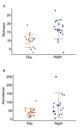
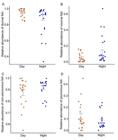
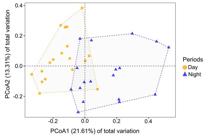
Temporal partitioning of resources can shape biological assemblages on a nycthemeral scale. This phenomenon may arise from differences in activity of species or ecological interactions. This study investigated fish assemblages of aquatic herbaceous banks of Catalão Lake, Central Amazon, during daytime and nighttime periods, considering trophic position and activity pattern of species. Thirty-six samples were collected using a seine net (18 daytime hauls and 18 nighttime hauls). Eighty species were recorded, including 56 diurnal and 24 nocturnal species. Species richness, abundance, and exclusivity were higher at night. Non-piscivorous fishes dominated both diel phases, whereas piscivorous showed slightly higher relative abundance during the day. Results suggest that aquatic herbaceous banks are habitats temporally partitioned by fishes and function as zones of intense trophic activity. Temporal shifts in predator-prey composition and in diurnal and nocturnal species suggest that predator avoidance and intrinsic activity patterns are factors structuring these diverse assemblages.
KEYWORDS:
aquatic macrophytes; diversity; ichthyofauna; predation; trophic-dynamic
 Thumbnail
 Thumbnail
 Thumbnail


