 The extreme 2023 drought leads to the first record of Euglena sanguinea Ehrenberg blooms in Amazon lakes
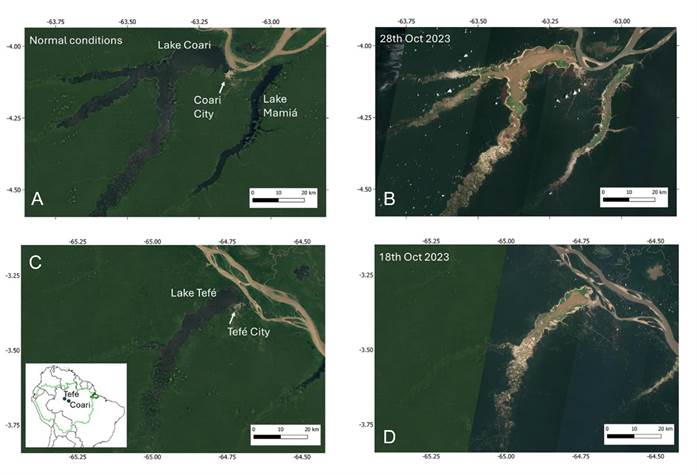
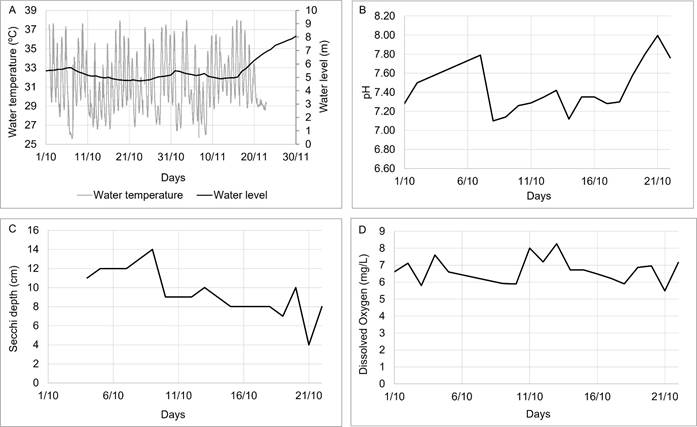
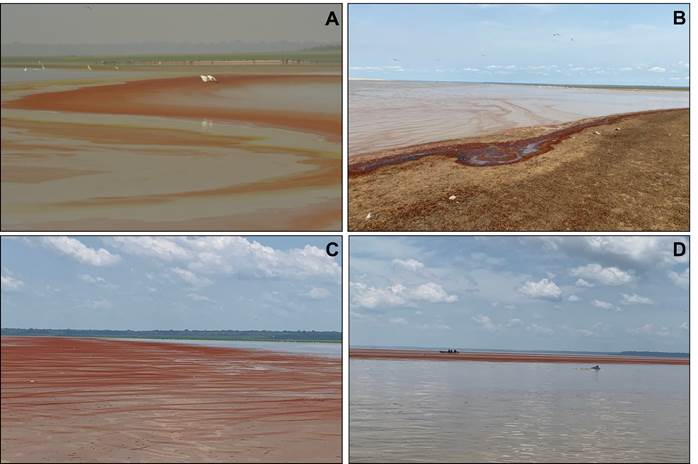
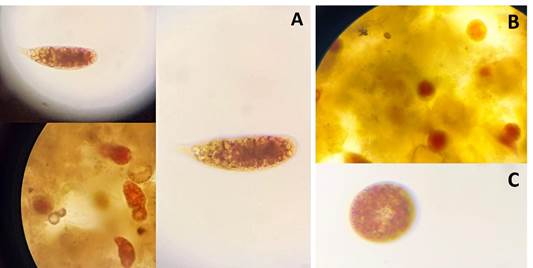
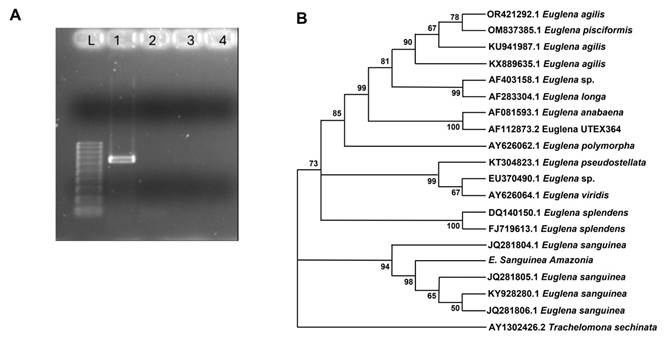
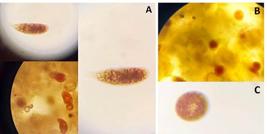
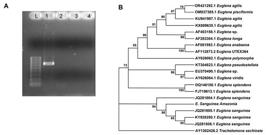
Climate extremes are imposing several threats to Amazonian ecosystems. In 2023, an extreme drought occurred in the Amazon basin and several impacts were documented in the Tefé and Coari lakes, including unprecedented river dolphin mortality and phytoplankton blooms. Here, we report the first documented bloom of Euglena sanguinea in the Amazon, providing morphological and molecular identification of the species and evidence of the presence of its toxin, euglenophycin. This bloom reached high densities in both lakes, likely favored by elevated temperatures of up to 38 °C, combined with intense solar radiation and sediment resuspension, factors that may have triggered the heterotrophic nutritional strategy of E. sanguinea. In Tefé lake, the phytoplankton community was composed of Chlorophyceae, Bacillariophyceae, and Cyanophyceae, with an emphasis on the potentially toxic species Dolichospermum sp. and Planktothrix sp., which, despite not having developed blooms during the extreme drought, serve as early warning indicators. Our findings indicate that extreme drought conditions linked to climate change can trigger novel bloom events in natural Amazonian lakes, underscoring the urgency of enhanced phytoplankton monitoring to anticipate ecological risks and safeguard local communities.
KEYWORDS:
harmful algae; euglenophycin; phytoplankton; climate change; toxins
 Thumbnail
 Thumbnail
 Thumbnail
 Thumbnail
 Thumbnail